Alcohol-free Christmas drinks bring colour and variety to a family celebration, from fruit punches and mocktails to warm infusions and hot chocolate. Choose ingredients to suit your guests, check labels and adapt portions and garnishes to children’s ages. Alcohol-free does not automatically mean low in sugar or suitable for everyone.
Alcohol-free Christmas drinks can make a festive meal feel special. These seven recipes offer familiar flavours, practical preparation and alternatives for different tastes.
Why offer alcohol-free drinks at Christmas?
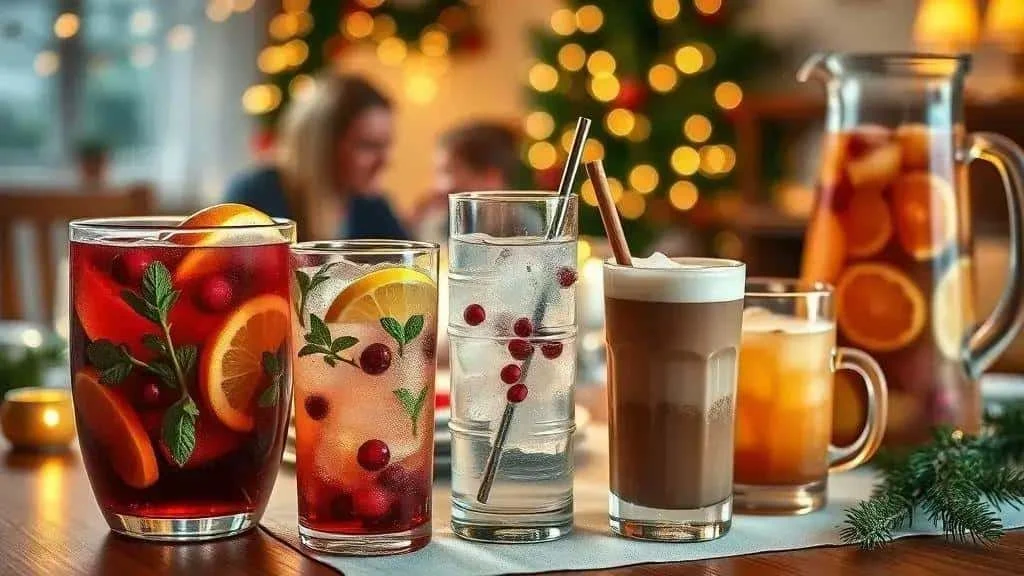
Offering alcohol-free drinks at Christmas gives guests who do not drink alcohol a considered choice. Check every ingredient, especially alcohol-free wine alternatives and flavourings, rather than assuming a festive drink suits every dietary or medical requirement.
Colour, texture and aroma can be just as inviting without alcohol. Match the drinks to your Christmas dishes and make serving them part of the occasion.
Main advantages
- Inclusion: provide appealing options for guests who prefer not to drink alcohol.
- An alcohol-free choice: clearly labelled drinks help drivers and other guests avoid accidentally choosing an alcoholic option.
- Refreshment: offer plain water alongside the festive drinks; fruit juices, syrups and chocolate drinks can contain substantial sugar.
- Variety: choose from cold punches, warm fruit infusions and creamy drinks, adapting ingredients where appropriate.
- Value: simple ingredients can make attractive drinks without a large shopping list.
Practical serving tips
- Offer a small selection: perhaps a citrus drink, a berry drink, something warm and a chilled punch.
- Use suitable cups or glasses and clear labels to distinguish the drinks.
- Include unsweetened water, list the ingredients and identify allergens such as milk or nuts. Do not describe a juice-based drink as sugar-free simply because no sugar was added.
- Prepare still bases the day before if convenient, then refrigerate promptly in covered containers. Add sparkling ingredients at serving time.
- Mint, orange slices and cinnamon can make attractive garnishes. Remove whole spices before drinking and choose garnishes appropriate to the person being served.
Pairing drinks with food
Pair fresh, citrus flavours with richer dishes and aromatic drinks with desserts. A mix of still, sparkling and creamy options makes the table more varied.
With a little planning, alcohol-free drinks can become a memorable part of Christmas dinner.
Choosing drinks for adults and children

An alcohol-free drinks table can involve the whole family, but children’s needs differ from adults’. The NHS advises avoiding sugary or sweetened drinks for children aged four and under; plain water and age-appropriate milk are better everyday choices. Never give honey to babies under one. Choose portions, ingredients and serving temperatures accordingly.
Including children in the celebration
- Taking part: children can join a toast with an age-appropriate drink in a suitable cup.
- Keeping it simple: a decorated cup of water can feel festive without a sugary mocktail or caffeinated drink.
- Exploring flavours: older children can help choose suitable fruit and herb combinations, without presenting adult-style drinks as something they need to copy.
- Ingredient awareness: checking labels and keeping preparations separate helps avoid accidental alcohol exposure and allergen cross-contact.
Advantages for the family
- A considered welcome: guests avoiding alcohol can choose something prepared with them in mind; ask about any additional requirements.
- Clear choices: keep alcoholic drinks separate, if served, and make it easy to identify the alcohol-free options.
- Food pairings: plan drinks to accompany starters, main courses or desserts.
- Convenience and cost: seasonal fruit and simple ingredients can keep preparation manageable.
Ideas to put into practice
- Offer variety: select a citrus, fruity, creamy or warm drink to suit the menu.
- Think about presentation: orange slices and washed mint add colour; reserve whole-spice decorations for adult servings and remove them before drinking.
- Label the drinks: provide ingredients and allergen information on small cards.
- Prepare ahead: make suitable still bases the day before and keep them refrigerated.
- Involve children: let them decorate labels or help with age-appropriate tasks under supervision.
The seven drinks: ingredients, methods and variations

Start with these seven recipes, followed by expanded methods and serving ideas for several of them. Use fresh, washed produce and check packaged ingredients.
Cranberry and orange mocktail
Ingredients:
- 500 ml cranberry juice — dilute concentrate according to its label before measuring; sweetness varies between products.
- 250 ml fresh orange juice — tangerine juice is an alternative.
- 200 ml sparkling water — optional, for a little fizz.
- 2 tablespoons sugar syrup — add gradually to taste, or omit if the juice is already sweet enough.
- Ice, for serving.
- Orange slices and a few cranberries, for suitable adult garnishes.
Method:
- Combine the juices: mix the cranberry and orange juices in a jug.
- Sweeten: stir in the syrup gradually, tasting as you go.
- Add fizz and ice: stir in the sparkling water just before serving, then add ice.
- Serve: pour into glasses and garnish as appropriate; omit loose whole berries from children’s cups.
Variations:
- For adults who enjoy a slightly bitter flavour, replace the sparkling water with tonic water, checking the ingredients.
- A washed rosemary sprig adds a festive aroma; remove it before drinking.
Alcohol-free tropical punch
Ingredients:
- 500 ml pineapple juice, fresh or packaged.
- 300 ml fresh orange juice.
- 250 ml coconut water, for a gentler tropical flavour.
- 2 tablespoons brown sugar, or agave syrup added to taste; either can be omitted.
- Ice, pineapple pieces, orange slices and mint, for serving.
Method:
- Mix the juices: combine the pineapple juice, orange juice and coconut water in a punch bowl.
- Sweeten: stir in the sugar until dissolved, using less if the juices are already sweet.
- Chill: refrigerate for at least one hour.
- Finish: add ice and prepared fruit just before serving, then stir gently.
Variations:
- Replace the coconut water with alcohol-free ginger ale for a sparkling version, adding it only at serving time.
- Add a little passion fruit pulp to taste for a sharper flavour.
Spiced hot chocolate
Ingredients:
- 1 litre milk — an oat or almond drink is an alternative; check the chocolate and toppings too if making a vegan version.
- 150 g dark chocolate, chopped, or 4 tablespoons cocoa powder with sugar to taste.
- 1 cinnamon stick and 1 clove, for infusing.
- 1 teaspoon vanilla flavouring, optional; choose an alcohol-free product if needed.
- Whipped cream or marshmallows, optional, for suitable adult servings.
Method:
- Warm the milk and spices: heat the milk, cinnamon and clove in a saucepan over a medium heat without boiling.
- Melt the chocolate: remove the whole spices, add the chocolate and stir until smooth. If using cocoa, blend it with a little warm milk first.
- Flavour: stir in the vanilla and adjust the sweetness if needed.
- Serve: pour into mugs and add optional toppings. Let any suitable child’s portion cool to a safe drinking temperature.
Variations:
- Add a pinch of ground allspice for a warmer aroma.
- Use coconut milk for a richer coconut flavour, noting that its texture differs from a thin coconut drink.
Mint limeade and fruit-infused water
Limeade ingredients:
- About 6 limes — enough for approximately 200 ml strained juice; the number depends on their size and juiciness.
- 1 litre water.
- 6–8 mint leaves, lightly bruised.
- 4 tablespoons sugar, or honey to taste for suitable guests; honey is not vegan or suitable for babies under one.
- Ice and lime slices, for serving.
Limeade method:
- Juice the limes: squeeze and strain out the pips and excess pulp, measuring the juice.
- Prepare the mint: gently bruise the leaves and put them in a jug.
- Mix: add the lime juice, water and sugar, stirring until dissolved.
- Chill and serve: refrigerate, then add ice and lime slices when serving.
Simple infused waters:
- Cucumber and lime water: infuse drinking water with cucumber slices, lime rounds and mint in the fridge.
- Berry water: use lightly crushed strawberries and blueberries with orange slices; strain before serving where appropriate.
Alcohol-free pomegranate fizz
Ingredients:
- 500 ml chilled alcohol-free sparkling wine alternative — check the ABV and choose 0.0% where complete avoidance is required, or use sparkling grape juice.
- 150 ml pomegranate juice, or concentrate diluted as directed.
- 2 tablespoons simple syrup in total, optional.
- Pomegranate seeds, for suitable adult garnishes.
Method:
- Chill the ingredients: refrigerate the sparkling drink and pomegranate juice.
- Assemble: mix the pomegranate juice with up to 2 tablespoons syrup for the whole batch, divide between glasses and top up with the sparkling drink.
- Finish: add a few pomegranate seeds to adult servings if desired.
Variations:
- Use cranberry juice for a different red-fruit flavour.
- A little lime juice can balance the sweetness.
Warm apple and ginger infusion
Ingredients:
- 1 litre water.
- 3 apples, washed, cored and sliced; reserve a few slices for serving if wanted.
- A 2 cm piece of ginger, sliced.
- 2 tablespoons honey or brown sugar, added to taste.
- 1 cinnamon stick, plus optional lemon slices.
Method:
- Heat the base: put the water, apple slices, ginger and cinnamon in a saucepan and bring to the boil.
- Simmer: reduce the heat and cook gently for 10–12 minutes.
- Sweeten and strain: add honey or sugar to taste and strain out the fruit and whole spices.
- Serve warm: add reserved apple or lemon slices to adult cups if desired, and check the drinking temperature.
Variations:
- For a chilled version, cool promptly, refrigerate and serve with a little ground cinnamon if desired.
- Maple syrup offers a different flavour and, unlike honey, can suit a vegan recipe; it is still added sugar.
Creamy alcohol-free Christmas eggnog
Ingredients:
- 1 litre milk — for the egg-free variation below, use a suitable plant drink such as oat drink.
- 3 egg yolks — for the separate egg-free variation, omit these and use 200 ml coconut cream instead.
- ½ cup sugar, or coconut sugar; use the same measuring cup consistently.
- 1 teaspoon grated nutmeg and 1 teaspoon alcohol-free vanilla flavouring.
- Whipped cream and a little extra nutmeg, for finishing if desired.
Method:
- Warm the milk: heat gently with the vanilla and half the nutmeg.
- Whisk the yolks and sugar: beat them in a bowl until pale and creamy.
- Temper the yolks: gradually whisk in a little warm milk to avoid scrambling the eggs.
- Cook the mixture: return everything to the saucepan and stir over a gentle heat until a food thermometer reads at least 71°C. Do not rely on thickening alone or add raw egg afterwards.
- Cool and serve: strain if needed and stir in the remaining nutmeg. Serve freshly prepared at a suitable temperature, or cool promptly in an ice-water bath and refrigerate within 1–2 hours. Keep at 0–5°C and use within 48 hours, or sooner if an ingredient requires it. Add optional whipped cream only when serving.
Variations:
- For an egg-free vegan spiced milk drink, omit the yolks and warm the plant drink, 200 ml coconut cream, sugar, vanilla and nutmeg together. Skip the yolk-whisking and tempering steps; it will have a different texture from egg custard. Check any topping is vegan too.
- Add a little finely grated orange zest for a citrus aroma.
Cranberry and orange mocktail: expanded method
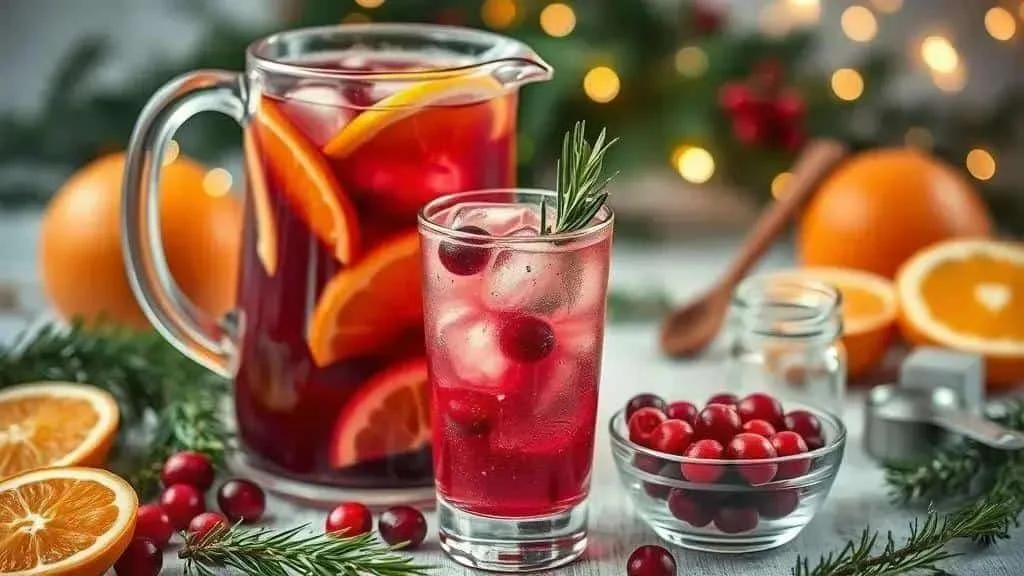
Make a colourful cranberry and orange mocktail using the following method.
Ingredients
- 500 ml cranberry juice — dilute concentrate as directed before measuring; pomegranate juice is an alternative.
- 250 ml fresh orange juice — or tangerine juice.
- 200 ml chilled sparkling water.
- 2 tablespoons simple syrup — add gradually to taste. Honey changes the flavour and is unsuitable for vegans or babies under one.
- Ice, for serving.
- Orange slices, for garnish.
- A few fresh cranberries, or blueberries, for suitable adult garnishes.
- Rosemary or mint sprigs, optional.
Method
- Chill the juices: refrigerate the cranberry and orange juices for at least 30 minutes.
- Make simple syrup if needed: heat equal weights of sugar and water in a small saucepan until dissolved, then cool. Measure only the amount needed for this recipe.
- Combine the juices: pour them into a large jug and stir gently.
- Adjust sweetness: add the syrup a little at a time, tasting before adding more.
- Chill: refrigerate the mixture for 20–30 minutes.
- Add fizz and ice: stir in the sparkling water and add ice just before serving.
- Garnish: pour into chilled glasses and decorate adult servings with orange, berries and a washed herb sprig.
- Yield: the measured liquids make just under 1 litre before ice and garnishes: approximately four to five small servings, depending on glass size and ice.
- Quick variation: crush 4 raspberries with up to 1 tablespoon sugar and add to the jug before chilling; reduce or omit the syrup to avoid oversweetening.
- Storage: cover and refrigerate the still base at 0–5°C for up to 48 hours from preparation, or the shortest ingredient storage limit. Add sparkling water only when serving.
Presentation: clear glasses show off the ruby colour. Keep decorative pine and other non-food decorations away from rims, utensils and drinks.
Alcohol-free tropical punch: expanded method
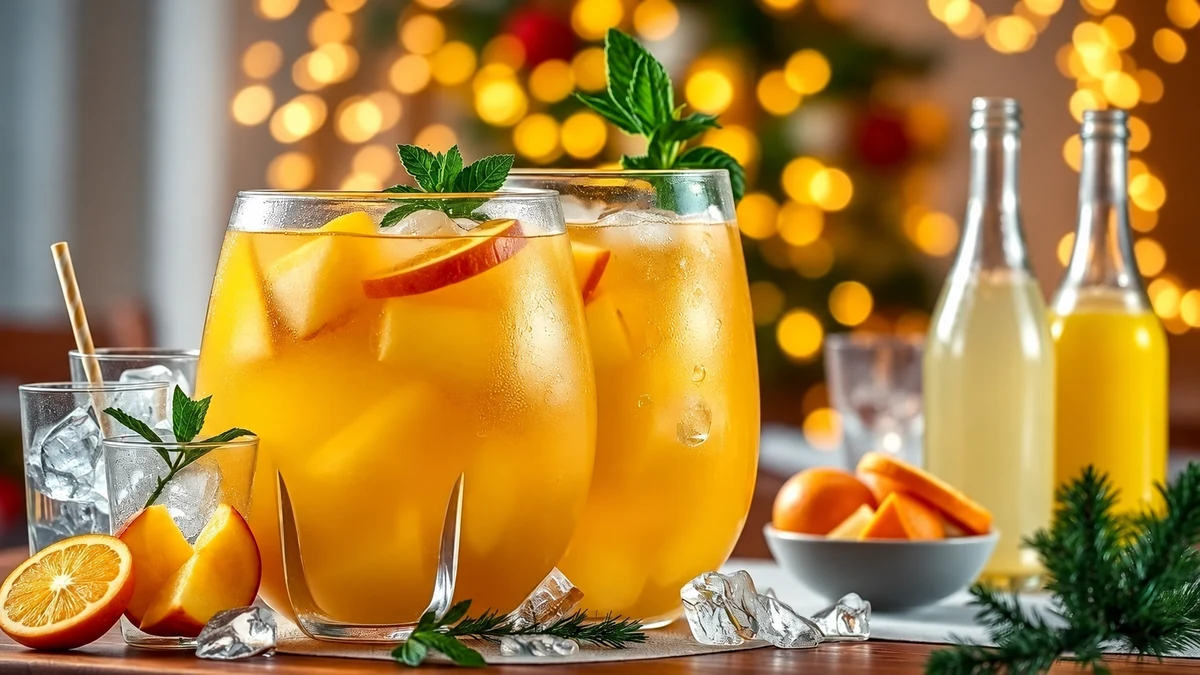
Alcohol-free tropical punch brings pineapple, orange and coconut flavours to the table. Serve appropriate portions; this fruit-juice drink is not a sugar-free substitute for water.
Ingredients
- 500 ml pineapple juice, fresh or packaged — mango or passion fruit juice gives a different flavour, so taste before sweetening.
- 300 ml fresh orange juice — tangerine juice also works.
- 250 ml chilled coconut water — sparkling water can replace it, but add that replacement only when serving.
- 200–300 ml alcohol-free ginger ale or sparkling water, optional, added at serving time.
- 2 tablespoons brown sugar, dissolved in 2 tablespoons warm water, or agave syrup to taste. Omit if the juices are sweet enough; juice still contains sugar.
- 1 tablespoon lime juice, to balance the flavours.
- Ice, for serving.
- 1 cup fresh pineapple pieces — or mango pieces.
- 1 orange, thinly sliced.
- Mint sprigs — purple basil is an alternative aroma.
Method
- Chill the liquids: refrigerate the juices and coconut water for at least 30 minutes.
- Dissolve the sugar: stir it into the 2 tablespoons warm water and leave to cool.
- Combine: mix the pineapple juice, orange juice and coconut water in a large jug or punch bowl.
- Add acidity: stir in the tablespoon of lime juice.
- Sweeten to taste: add the cooled sugar solution or agave gradually.
- Add fruit: stir in the prepared pineapple and orange.
- Refrigerate: chill for one hour.
- Add the fizz: stir in ginger ale or sparkling water just before serving, including any sparkling replacement for coconut water.
- Serve: add ice to the bowl or glasses, pour the punch and finish with mint where appropriate.
- Yield: expect roughly 1.1 litres of still liquid, or 1.3–1.4 litres with the optional sparkling addition, before fruit and ice. Use a larger container and scale quantities together if needed.
Make-ahead tip: refrigerate the covered still base up to 24 hours ahead and add fizzy ingredients only when serving. Making it ahead counts towards its storage time.
Spiced hot chocolate: expanded method

Ingredients
- 1 litre milk — whole milk makes a creamy drink. For a vegan version, choose a suitable plant drink and check the chocolate and toppings too.
- 150 g dark chocolate, chopped — milk chocolate makes a sweeter version. Alternatively, use 4 tablespoons cocoa powder with up to 4 tablespoons sugar, added to taste.
- 1 cinnamon stick — alternatively, add ground cinnamon to taste at the end, up to 1 teaspoon.
- 2 cloves, optional.
- A 2 cm piece of ginger, sliced — omit for a milder drink.
- 1 teaspoon alcohol-free vanilla flavouring, optional.
- 2–3 tablespoons sugar, optional and only if needed when using chocolate. If using the cocoa-and-sugar alternative above, do not automatically add this extra sugar. Honey and agave also count as added sugar.
- A pinch of salt.
- Whipped cream, marshmallows or chocolate shavings, optional, for appropriate servings.
Method
- Warm the milk and spices: put the milk, cinnamon, cloves and ginger in a saucepan and heat until small bubbles appear around the edge, without boiling.
- Infuse: keep over a low heat for 5 minutes.
- Remove the spices: strain out the cinnamon stick, cloves and ginger.
- Add the chocolate: stir it into the hot milk until melted and smooth. For the cocoa version, blend the cocoa with a little warm milk first, then whisk it in with its sugar to taste.
- Adjust the flavour: add the vanilla and salt, then taste before adding any further sugar.
- Thicken if desired: as an optional extra, mix 1 teaspoon cornflour with 1 tablespoon cold water, whisk into the hot drink and cook gently, stirring, until thickened and the starch is cooked.
- Serve: pour into mugs and add suitable toppings. Allow any child’s portion to cool to a safe drinking temperature.
- Yield: approximately four 250 ml portions, with some variation from the chocolate and toppings; scale ingredients together for more guests.
- Storage: cool promptly and refrigerate the untopped base within 1–2 hours. Keep at 0–5°C and use within 48 hours or the shortest ingredient limit. Reheat only the amount needed, once, until steaming throughout, then let it cool to drinking temperature.
- Quick variations: include an orange slice in the infusion and remove it with the spices, or use coconut milk for a richer coconut flavour.
Practical tips
- Avoid boiling the milk while infusing; gentle heat helps prevent scorching and a skin forming.
- For a smooth texture, whisk briefly before serving.
- When using cocoa, blend it with a little warm milk first to prevent lumps.
Mint limeade and infused water: quick recipes
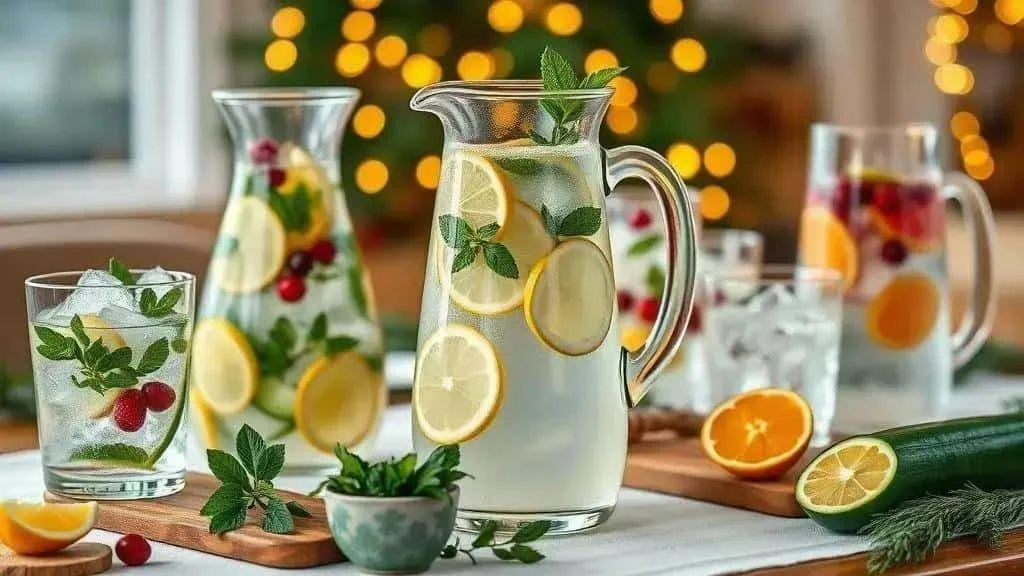
These options include a refreshing mint limeade and two simple fruit-infused waters. Wash all fruit, vegetables and herbs before preparation.
Mint limeade
Ingredients:
- About 6 limes, enough for approximately 200 ml strained juice; measure rather than relying on the fruit count.
- 1 litre chilled water.
- 6–8 mint leaves, lightly bruised.
- 4 tablespoons sugar, or honey to taste for suitable guests. Reduce or omit as preferred; lime juice still contains naturally occurring sugars.
- Ice, for serving.
- Lime slices, for garnish.
Method
- Squeeze the limes: strain out the pips and coarse pulp and measure approximately 200 ml juice.
- Bruise the mint: press gently with a pestle or the back of a spoon to release its aroma.
- Mix: combine the lime juice, water and sugar in a jug, stirring until dissolved.
- Add mint: stir the bruised leaves into the drink.
- Chill: refrigerate for 15–20 minutes.
- Serve: add ice, lime slices and mint as appropriate; strain out loose leaves where needed.
- Adjust to taste: add a little more water if too sharp, or sparkling water at serving time for fizz.
Quick infused waters
Cucumber, lime and mint water — ingredients:
- 1 litre water.
- ½ cucumber, thinly sliced.
- 1 lime, sliced.
- 6 mint leaves.
- Ice, for serving.
Method:
- Fill the jug: add the cucumber, lime and mint to the cold water.
- Infuse: refrigerate for 30 minutes, or up to 2 hours for a stronger flavour.
- Serve: strain if preferred and add ice where appropriate.
Berry and orange water — ingredients:
- 1 litre water.
- ½ cup sliced strawberries.
- ¼ cup blueberries.
- 1 orange, thinly sliced.
Method:
- Combine: place the prepared fruit in a jug and cover with the water.
- Infuse: refrigerate for 30–60 minutes. Lightly crush some fruit beforehand for a stronger flavour.
- Finish: serve chilled, with ice if wanted, and strain out fruit pieces for anyone who should not have loose garnishes.
Practical tips
- Prepare ahead: refrigerate covered still bases up to 24 hours ahead; add ice and sparkling water at serving time.
- Vary the flavours: try tangerine, apple, ginger or basil in place of some of the fruit or herbs.
- Provide ingredient information: tell guests exactly which fruit and herbs are used, particularly if someone has an allergy.
- Presentation: suitable clear cups and simple garnishes show off the colour without crowding the drink.
Presenting drinks on the Christmas table
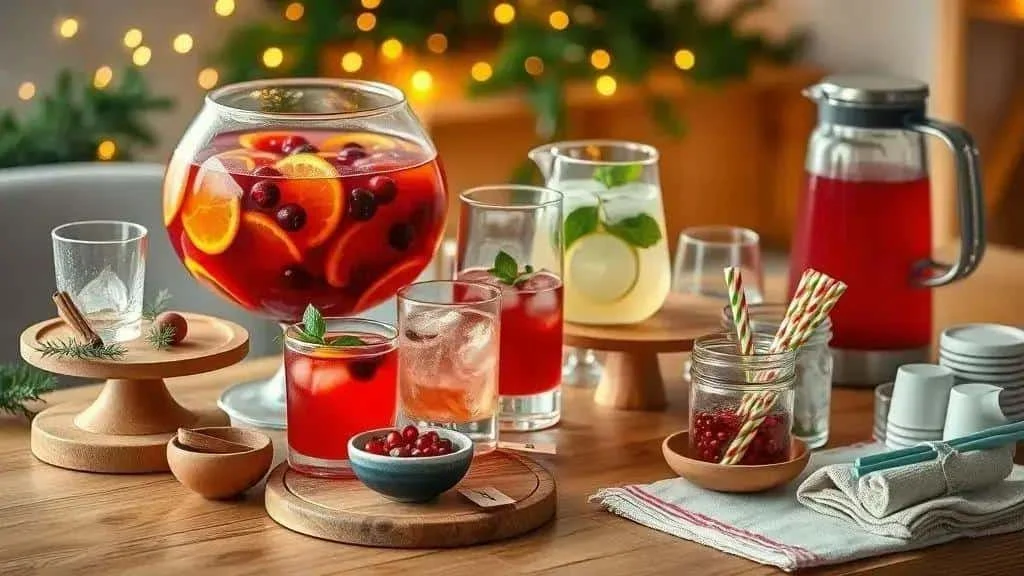
Thoughtful presentation makes the table inviting and helps guests choose their drinks.
Arranging the drinks station
- Create a serving area: group the punch bowl, bottles and mugs where guests can reach them without crowding the table.
- Vary heights carefully: use stable, load-bearing stands or trays rather than makeshift boxes, keeping heavy containers low and secure.
- Separate drink types: keep warm drinks, cold drinks and sparkling additions clearly organised.
- Keep utensils accessible: provide clean ladles, tongs and suitable cups, with separate utensils where allergens differ.
Garnish ideas
- Fresh fruit: orange, apple and pineapple add colour and aroma; reserve loose whole berries for suitable adult servings.
- Herbs and spices: washed mint and rosemary are aromatic; cinnamon sticks and pomegranate seeds need age-appropriate handling and should not be loose in young children’s drinks.
- Festive touches: finely grated orange zest, chocolate shavings or a little nutmeg work well with creamy drinks.
- Practical garnishes: prepare adult fruit garnishes separately; avoid sharp cocktail sticks for children.
Choosing cups and glasses
- Match the vessel to the drink: use flutes for adult sparkling drinks, heatproof mugs for warm drinks and tumblers for punch or limeade.
- Choose child-appropriate cups: use food-safe, shatter-resistant cups suited to their age rather than fragile glass.
- Straws: use a suitable straw only if needed. Rigid glass or metal straws are not a good choice for small children or anyone moving around while drinking.
Labels and information
- Clear labels: name each drink and provide a complete ingredient list, highlighting relevant allergens.
- Accurate descriptions: mark vegan or lactose-free options only after checking every ingredient. Lactose-free does not mean safe for a milk allergy.
Temperature and storage
- Keep drinks cold: serve small batches and keep reserves refrigerated at 0–5°C. An ice bath around a suitable container helps limit dilution; ice placed in a drink will eventually dilute it.
- Warm drinks: prepare manageable batches and serve promptly. Do not put milk or chocolate drinks in a water-only electric kettle, or assume a flask keeps them safely hot for hours.
- Keep the bubbles: add fizzy ingredients only just before serving.
A photogenic table
- Contrasting colours: arrange lighter and darker drinks together for visual variety.
- Soft lighting: warm lights highlight the glasses; keep electrical decorations clear of water and spills.
- Natural decorations: pine branches, pine cones and natural fibres can decorate the table, but keep them separate from food, rims and utensils.
Involving children
- A small children’s area: offer suitable cups and simple label decorations, with age-appropriate drinks and no loose small ornaments.
- Supervised activities: let children help choose safe decorations or stir suitable cold ingredients with an adult.
Reusable materials and safety
- Reuse where practical: durable cups, mugs and serving utensils reduce waste; choose materials appropriate to the guests.
- Keep hazards away: avoid sharp or detachable decorations and keep candles and hot drinks out of children’s reach.
Small details such as festive napkins, placemats and coordinated utensils can complete the table without making it complicated.
Children’s activities and chilled drink gifts
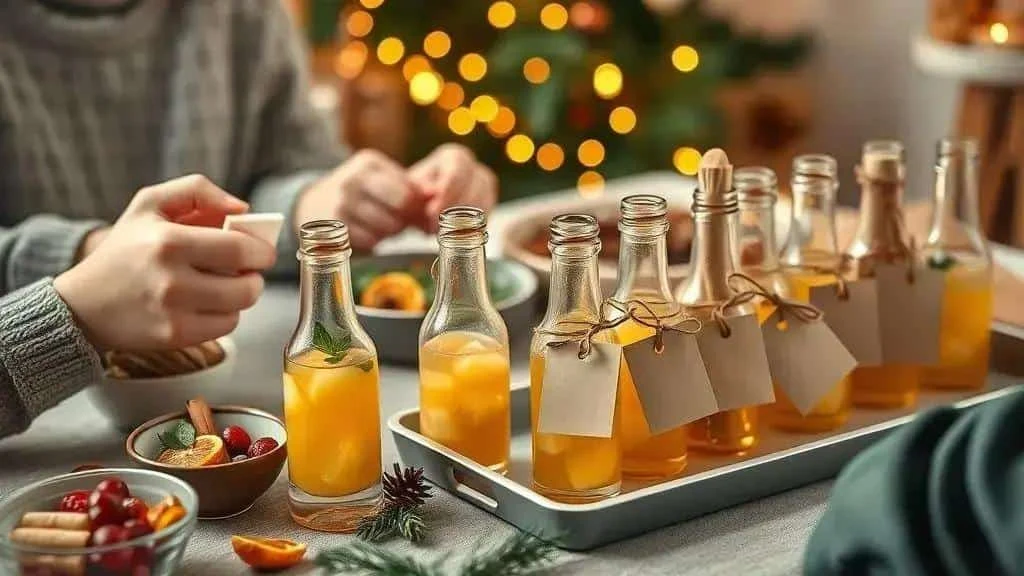
Involving children can turn preparation into a shared Christmas activity. Choose simple, supervised tasks suited to their ages; a gift drink can be intended for an adult rather than the child making its label.
Simple activities
- Preparing decorations: older children can help arrange washed, suitably cut fruit with supervision. Adults should handle whole spices, sharp picks and small garnishes.
- Decorating bottles: offer paper labels, stickers and fabric for the outside of containers, keeping loose twine and small pieces away from young children.
- Mixing with supervision: let older children help stir a cold recipe intended for appropriate guests; young children can decorate cups for water instead.
- Making labels: use non-toxic art materials outside the bottle. An adult should add ingredients, preparation time and storage instructions.
Mini chilled Christmas punch gifts
Ingredients and containers:
- 500 ml pineapple juice — apple juice is an alternative with a different flavour.
- 250 ml orange juice — or tangerine juice.
- 250 ml sparkling water, kept separate until serving.
- 2 tablespoons simple syrup, optional; agave or honey changes the flavour and still adds sugar.
- 1 cup small pineapple pieces, optional, kept separately for suitable adult garnishes rather than inside children’s bottles.
- Clean food-safe bottles with lids — the still base is about 780 ml with syrup, enough for approximately three to four 200 ml bottles depending on fill level. Use shatter-resistant containers where children are involved.
Step-by-step method:
- Clean the containers: wash reusable food-safe bottles and lids according to their instructions, rinse well and air-dry. Clean bottles do not make fresh juice shelf-stable.
- Mix the base: combine the pineapple juice, orange juice and optional syrup in a clean jug.
- Prepare the garnish separately: refrigerate the pineapple pieces in a covered container for appropriate servings later.
- Fill: use a clean funnel and leave space below each bottle’s rim. Adjust the bottle count to the actual volume rather than stretching the recipe to ten or twelve bottles.
- Close and decorate: fit the lids, label the bottles and refrigerate immediately. Keep decorative materials outside and away from the drinking opening.
- Add fizz later: divide the sparkling water between servings when the punch is poured into cups. Do not seal the fizzy mixture in gift bottles.
- Yield and storage: keep the approximately three to four small bottles at 0–5°C and use within 48 hours of preparation, or sooner if any ingredient requires it. Transport in a cool box and tell recipients to refrigerate promptly. These are chilled gifts, not shelf-stable preserves.
Presentation and safety
- Clear information: list the actual ingredients and relevant allergens, plus preparation date, time and storage instructions; a vague ‘contains fruit’ label is not enough.
- Suitable materials: use secure food-safe lids and avoid small loose decorations that a child could swallow.
- Supervision: adults should supervise utensils, pouring and any drinks offered to children.
- Children’s drinks: choose plain water or age-appropriate milk rather than adding sweeteners to make a juice gift supposedly suitable for young children. Follow individual dietary advice where needed.
Personalising the gifts
- Colour themes: match labels and safe external decorations to the table.
- Small portions: choose container sizes to suit the intended recipient and available volume.
- An organised activity: keep filling, decorating and labelling areas separate; adults handle the food-contact steps.
- A personal touch: encourage children to write a short message on a gift tag.
Dietary adaptations, vegan options and storage
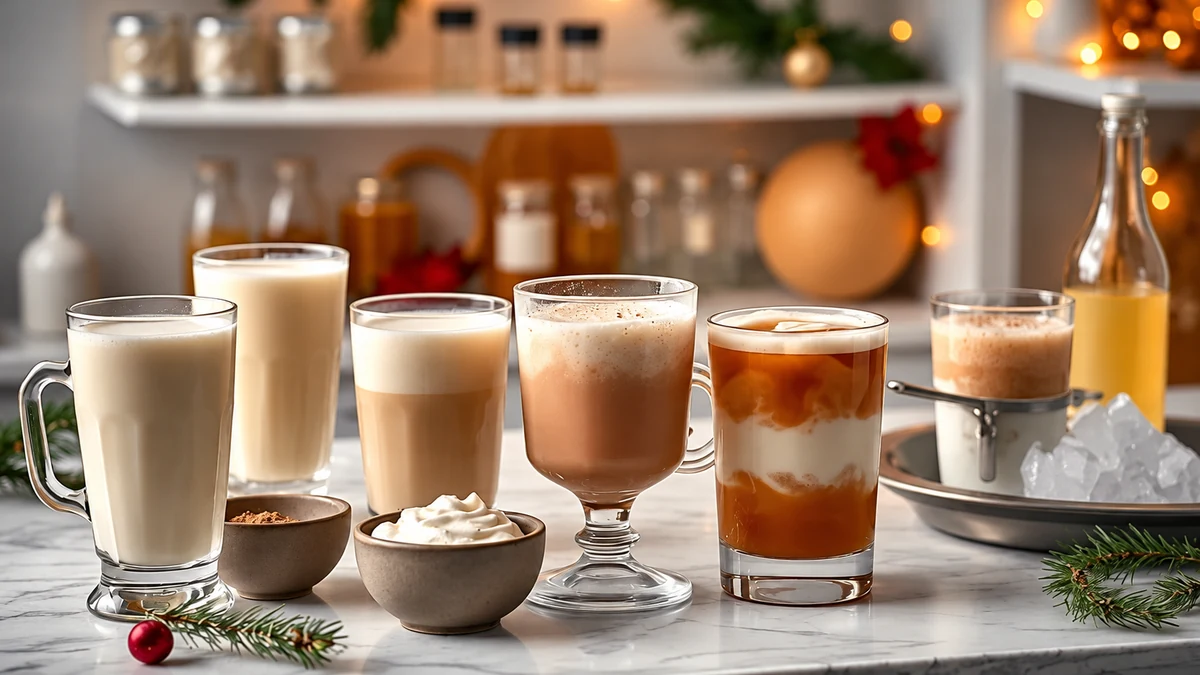
Dietary adaptations need to match the guest’s actual requirements. Check labels and ask about allergies rather than assuming a simple substitution makes a drink suitable.
Common substitutions
- Lactose-free: use lactose-free milk or a suitable plant drink in hot chocolate or creamy drinks. Lactose-free dairy still contains milk proteins and is not suitable for a milk allergy; plant drinks may contain nuts, soya or other allergens.
- Egg-free: follow the separate plant-drink and 200 ml coconut-cream variation above, omitting the yolks and custard steps. Coconut cream or banana is not a universal one-for-one replacement for eggs in every recipe.
- Gluten-free: check every packaged ingredient, including oat drinks, flavourings and toppings, and prevent cross-contact. ‘Natural’ ingredients are not automatically gluten-free.
- Avoiding citrus: use a juice or infusion the guest can safely have, such as apple or pear if appropriate, and omit citrus garnishes. The acidity and sweetness will differ.
Simple vegan variations
- Plant drinks: oat or almond drinks offer different flavours, while coconut milk adds richness. Check chocolate, sweeteners and toppings as well as the milk replacement.
- Texture: coconut cream, fruit purée and cooked cornflour behave differently. Use the quantities and method given for the specific variation rather than swapping them freely.
- Toppings: a suitable soya whipping cream or coconut-based topping can replace dairy cream; check allergens and whether the product is intended to whip.
Reducing added sugar
- Sweeten gradually: start with less of the optional sugar or syrup and taste before adding more. Juice and chocolate may already provide plenty of sweetness.
- Alternatives: honey, agave and maple syrup still contribute sugar. If an adult chooses a sweetener, follow its label rather than a one-for-one sugar substitution; do not use sweetened drinks as the default for young children.
- Flavour balance: citrus or spices can add interest without extra sugar, but they do not remove the sugar already present.
Ingredient information and food handling
- Label clearly: provide ingredients and highlight relevant allergens, checking with guests about individual needs.
- Prevent cross-contact: use separate clean utensils and thoroughly clean equipment between preparations.
Storage tips
- Refrigerate still bases: store covered at 0–5°C and use within 48 hours of preparation, or the shortest ingredient limit. Cool cooked drinks promptly and refrigerate within 1–2 hours.
- Consider texture: some plant drinks separate when frozen. For these recipes, preparing a smaller refrigerated batch is simpler; separation is a quality issue, not a reason to extend chilled storage.
- Syrups and concentrates: follow packaged-product instructions. Homemade shelf life depends on the recipe and handling; do not assume a clean bottle guarantees two weeks. Make only what is needed for this batch and refrigerate promptly.
- Preserve the fizz: add sparkling water or alcohol-free fizzy ingredients at serving time.
- Warm drinks: serve freshly prepared or cool and refrigerate promptly. Reheat a needed portion only once until steaming throughout, then cool to drinking temperature; a flask alone is not evidence of safe hot holding.
Adapting flavour
- Build aroma: briefly infuse suitable citrus peel, cinnamon or washed herbs, then remove whole spices before drinking.
- Use fruit thoughtfully: a small amount of purée can add colour and flavour, but concentrated fruit also contributes sugar.
- Add creaminess: try a little coconut cream in a small test portion of plant drink and adjust the larger batch proportionately. Blended oats give a different texture and need gluten-free checks where relevant.
Final practical tips
- Test a small portion: check the flavour and texture of a substitution before preparing the whole batch.
- Tell guests what is available: explain the ingredients and handling of special options rather than promising universal suitability.
Conclusion
Alcohol-free drinks bring variety and colour to Christmas dinner. Choose recipes that suit your guests, keep water available and serve portions and garnishes appropriate to their ages.
Try a few variations, involve the family in suitable preparation tasks and make chilled bases ahead where helpful.
Thank you for reading. Follow our social channels for festive ideas and visit I Love Christmas for more recipes and inspiration.
FAQ: alcohol-free Christmas drinks
Which Christmas drinks are best for children?
Plain water and age-appropriate milk are the simplest choices, especially for young children. The NHS advises avoiding sugary or sweetened drinks for children aged four and under. Older children’s occasional festive drinks still need suitable portions, ingredients, temperatures and garnishes; alcohol-free does not mean sugar-free.
How should I store drinks made in advance?
Keep still bases covered at 0–5°C and use within 48 hours of preparation, or sooner if an ingredient requires it. Cool cooked drinks promptly and refrigerate within 1–2 hours. Add sparkling water or alcohol-free ginger ale only when serving.
How can I make vegan or lactose-free versions?
Use an appropriate plant drink and check chocolate, sweeteners and toppings too. For the eggnog variation, omit the yolks and use the specified 200 ml coconut cream, following the separate egg-free method. Lactose-free dairy is not suitable for a milk allergy, and plant drinks can contain other allergens.
How do I keep mocktails and punches fizzy?
Chill the ingredients and add fizzy drinks just before serving. Larger ice cubes may melt more slowly, but any ice placed in the drink will eventually dilute it.
How can I help guests with allergies choose a drink?
Provide complete ingredients and relevant allergen information, check packaged labels and use separate clean utensils where needed. Ask guests about their requirements; do not assume a vegan or lactose-free label makes a drink safe for every allergy.
How can I decorate the drinks table?
Use suitable cups, washed citrus or herbs and stable serving trays. Keep pine decorations and other non-food items away from drinks, and omit sharp picks, whole spices and loose small garnishes from children’s servings.
Sources and Further Reading
- FDA: cooked eggnog and egg safety
- Food Standards Agency: chilling and storage
- NHS: foods to avoid for babies and young children
- NHS: drinks for babies and young children