Strasbourg’s Christmas celebrations bring together long-established markets, Alsatian food, crafts and cultural events. This guide explains the city’s festive identity and suggests a flexible two-day visit. Dates, opening times, traders and transport arrangements vary by season, so check the official programme before booking.
The Strasbourg Christmas markets fill the city with lights, seasonal aromas and local traditions. Here is a practical way to explore without rushing. The original guide referred to 2025; this revised itinerary avoids presenting that past season as an upcoming event.
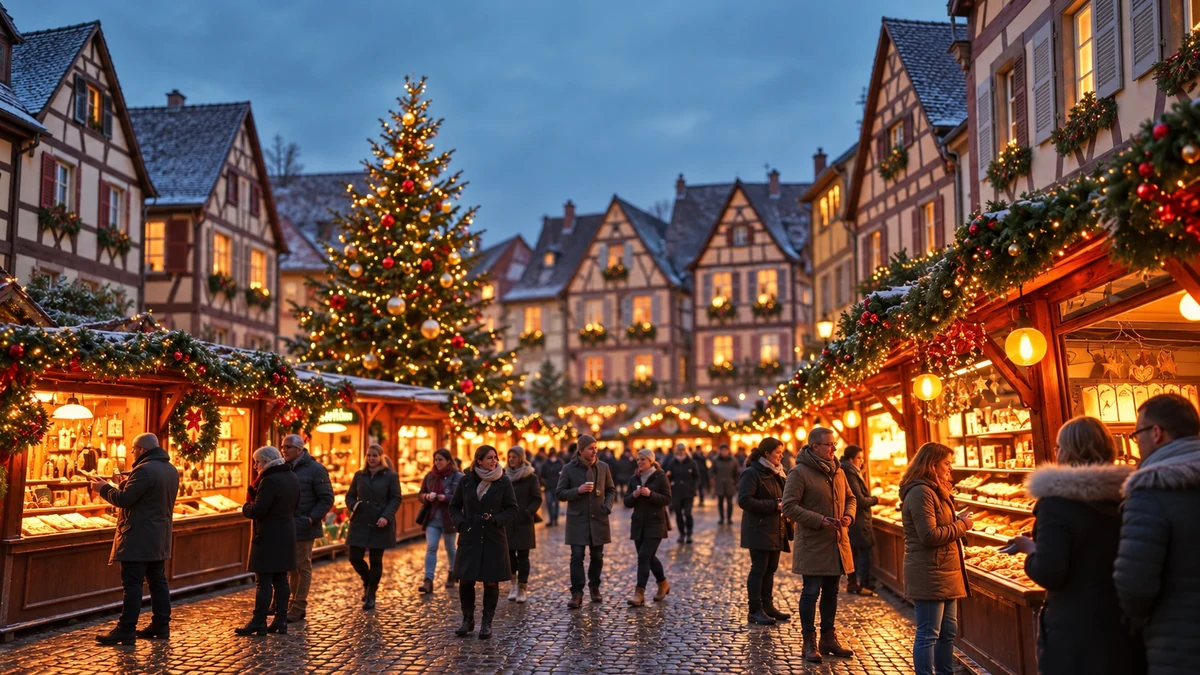
Illustrations in this article are conceptual images, not photographs of the named destinations or evidence of a particular venue, event layout or access route.
Why Strasbourg is known as the Capital of Christmas
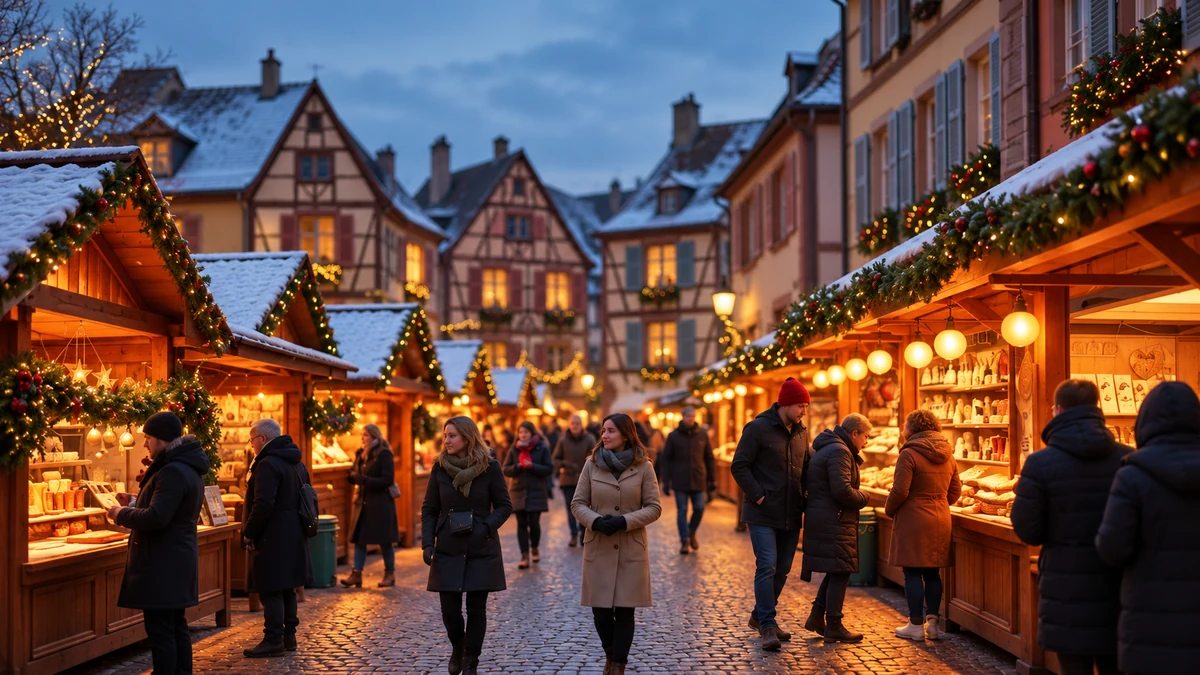
‘Strasbourg Capitale de Noël’ is a long-standing identity, not an award newly bestowed in 2025. The city’s official history dates the name to 1992 and the Christkindelsmärik tradition to 1570. Source: Strasbourg Christmas: history
What gives the city its festive character
- A centuries-old tradition: the Christkindelsmärik is closely associated with Strasbourg’s Christmas history and Place Broglie.
- Historic architecture: the Gothic cathedral and old streets provide a striking setting for seasonal decorations.
- A meeting of cultures: French and German influences help shape Alsatian crafts, food and traditions.
- Practical connections: rail links, trams and a compact historic centre make it possible to plan a visit with limited driving.
- More responsible event planning: the city’s published history describes efforts to support local crafts, shorter supply chains and lower energy use. This does not make every individual purchase automatically sustainable.
What the celebrations offer visitors and local makers
Visitors can combine markets with architecture, food and cultural events. Traders gain a seasonal showcase, although individual businesses and visitor experiences differ; there is no need to invent a new award or guaranteed economic benefit to explain the appeal.
Practical features to look for
- Cultural programming: check the official calendar for concerts, workshops and craft events on your dates.
- Visitor arrangements: consult the current access map, information points and security instructions rather than assuming last year’s arrangements still apply.
- Regional food: Alsatian specialities and warming drinks are an important part of the experience.
Together, these features make Strasbourg more than a single market square: allow time for the surrounding city as well as its festive stalls.
Christmas markets and gifts to look for
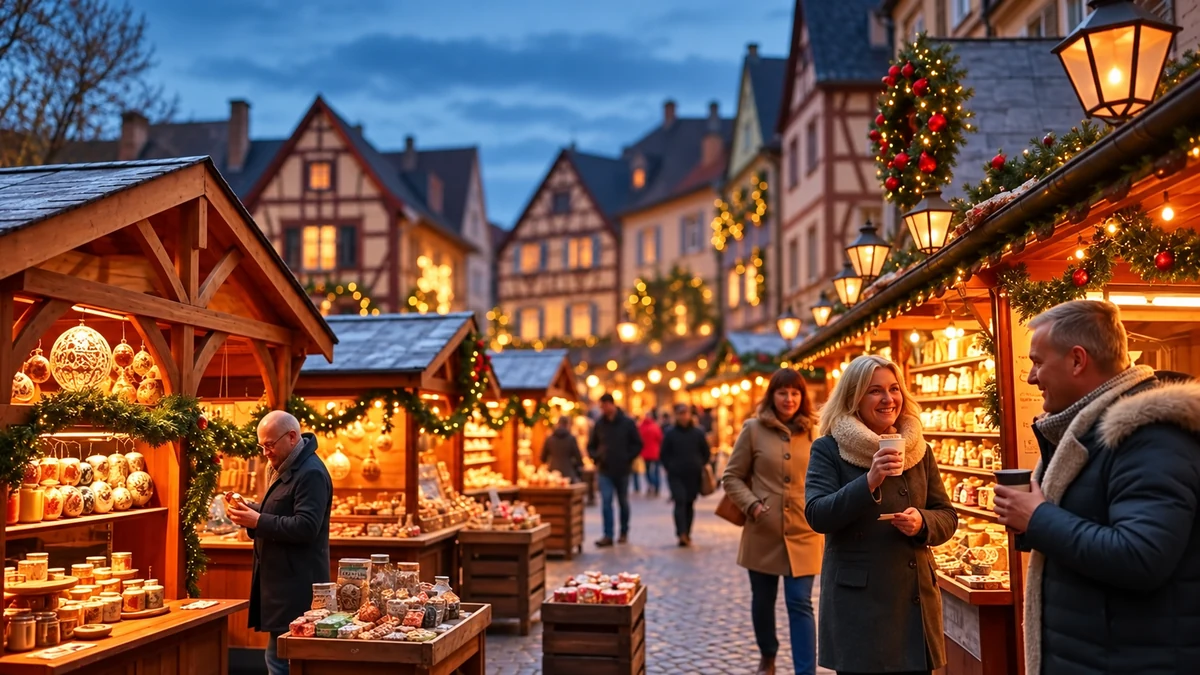
Browse for decorations, crafts and regional treats. The suggestions below are shopping ideas, not guarantees that a particular trader or product will occupy the same spot each year.
Main areas and shopping ideas
- Place Kléber: visit the Great Christmas Tree and the surrounding festive area. The Christkindelsmärik’s historic Place Broglie location should not be confused with this square.
- Place Broglie: explore the Christkindelsmärik and compare the crafts and gifts available in the current season.
- Around the cathedral: look for seasonal treats such as bredele biscuits and pain d’épices, checking the official market map for locations.
- Petite France: browse independent shops and any seasonal stalls listed for the area, with time to enjoy the half-timbered streets and waterways.
- Food stalls and bakeries: look for mulled wine, kougelhopf and other regional specialities. Prices vary by portion, producer and season; check displayed prices instead of relying on unverified ranges.
What to check before buying
- Glass decorations: ask who made them and request suitable protective packaging for the journey.
- Food gifts: check ingredients, storage conditions and dates. Buy delicate fresh products near departure, but first confirm that they may be brought into your destination country.
- Wooden crafts: examine the finish and ask about the maker and material. For children’s toys, check age suitability and safety information as well as appearance.
Practical shopping tips
- Payment: ask which cards are accepted and carry a modest amount of euros in small denominations.
- Packaging: request protection for fragile items. Ask individual shops whether they offer shipping, rather than assuming an international delivery service is available.
- Prices: respect displayed prices. Any discount for buying several items is the seller’s decision, not an expected part of the visit.
- VAT refunds: some eligible visitors normally resident outside the EU may qualify. Check French Customs’ conditions and the retailer’s participation before buying; receipts alone do not complete the refund process.
Thoughtful gifts and less waste
Consider local makers and reusable packaging. Use reusable cups where offered and choose durable gifts with clear provenance. Local production can support makers, but its environmental impact still depends on how an item is made and transported.
Planning purchases
- Browse at quieter opening times where possible, without assuming every market opens early in the morning.
- Ask the seller about packaging before buying a fragile object.
- Carry a sturdy reusable bag and check your return luggage allowance before purchasing bulky souvenirs.
A practical 48-hour itinerary: sights and food
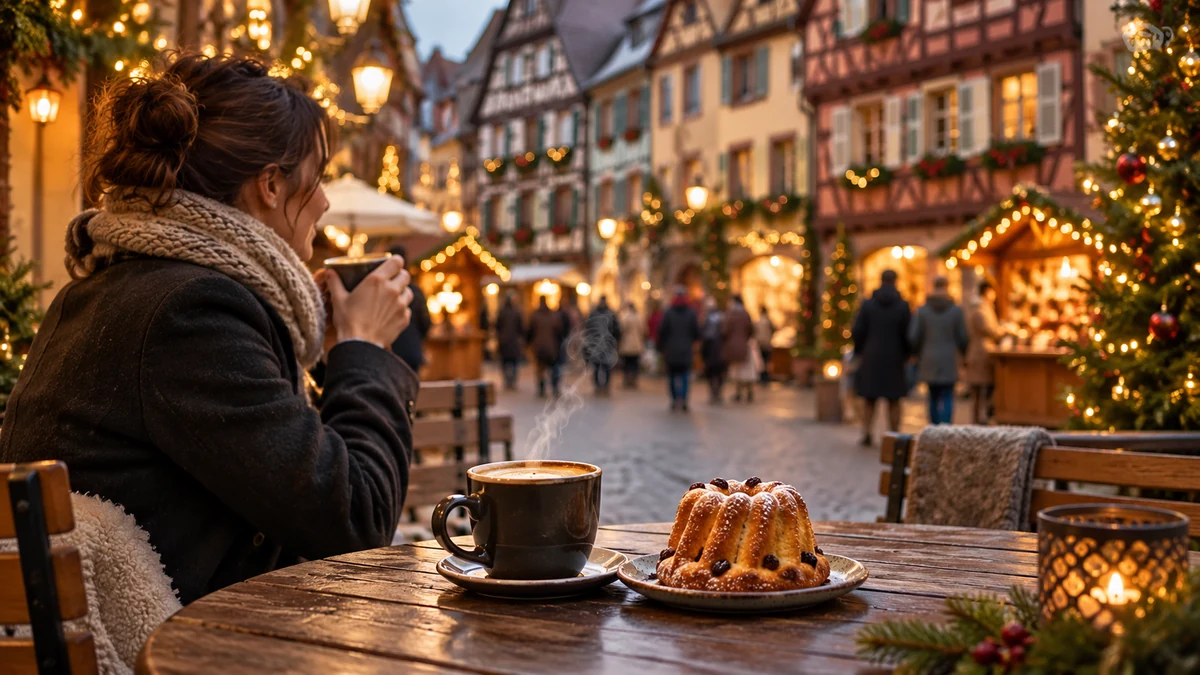
Group your two days by neighbourhood to reduce unnecessary journeys. This is a flexible route: check opening hours, access arrangements and your own walking requirements before following it.
Day one — morning
- Start around Notre-Dame Cathedral: admire the Gothic exterior and surrounding streets before your planned visits. Strasbourg’s Great Christmas Tree is in Place Kléber, not the cathedral square.
- Explore the cathedral-area market when open: browse for bredele and pain d’épices, checking ingredients if you have allergies.
- Consider a Batorama boat trip: choose a currently available route and check its duration and departure point. Do not assume all cruises last 50 minutes; routes and timetables differ.
Day one — afternoon
- Lunch in a traditional winstub: try tarte flambée, also called flammekueche, or another regional dish. Book ahead if you have a particular restaurant in mind.
- Walk through Petite France: explore the half-timbered streets, canals and independent shops at a comfortable pace.
- Continue to Place Kléber: see the Great Christmas Tree and the seasonal activity around it, following the current event map.
Day one — evening
- Dinner in the historic centre: look for choucroute or another Alsatian speciality that suits your dietary needs.
- Enjoy the lights: take a short evening walk through decorated streets. Market trading hours and illumination times are not necessarily identical.
Day two — morning
- Return to markets or shops: allow time for Place Broglie and any craftspeople you wanted to revisit.
- Check museum availability: the Musée Alsacien is closed for works, with reopening currently listed for June 2028. Choose an open museum from Strasbourg’s official museum listings rather than including it as an available stop. Source: City of Strasbourg: Alsatian Museum
- Coffee and kougelhopf: pause at a bakery for a slice of kougelhopf, the distinctive Alsatian ring-shaped cake.
Day two — afternoon
- Barrage Vauban and the Ponts Couverts: explore this historic waterside area. Check access before planning to use a viewing terrace, especially in winter.
- Finish your shopping: return to favourite stalls and confirm packing or shipping options before paying for fragile pieces.
- Try a regional flavour: enjoy mulled wine or an alcohol-free alternative where offered. Eat restricted food products locally rather than assuming they can be taken home.
Day two — evening
- A final Alsatian meal: choose a restaurant whose menu and opening times suit your plans, making a reservation if needed.
- One last look at the illuminations: revisit a favourite square or the Great Christmas Tree before returning to your accommodation.
Tips for a smoother visit
- Transport: compare CTS ticket options for your actual journeys and walk between nearby sights where practical.
- Payment: carry a small amount of cash alongside your card, keeping both secure.
- Opening times: check the dates and daily hours on the official Christmas website. Early sightseeing does not mean stalls will already be trading.
- Bookings: reserve popular restaurants and boat departures ahead where possible, especially at weekends.
- Luggage and purchases: leave enough room for gifts and find out about fragile-item packaging before departure.
- Clothing: wear warm layers, comfortable footwear and a suitable waterproof outer layer.
Accommodation, transport and staying comfortable
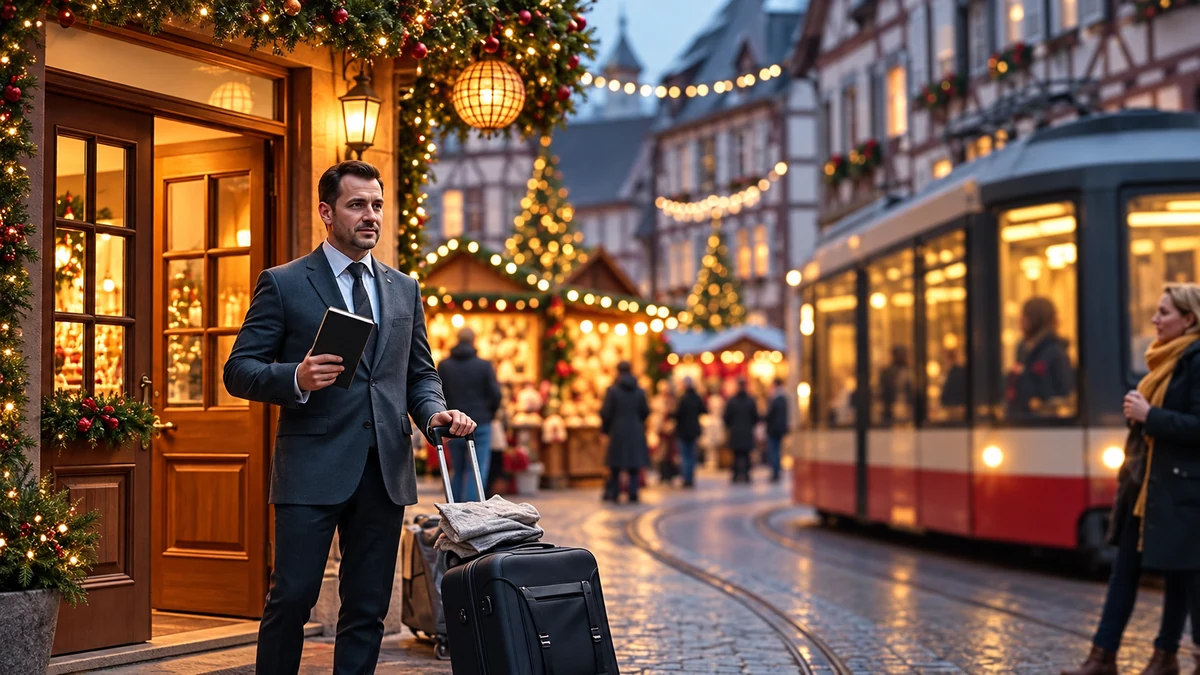
Plan the essentials before travelling so you can spend more of your visit exploring rather than solving avoidable logistical problems.
Accommodation
- Book early where possible: compare availability several months ahead for popular dates, and check cancellation terms. No fixed booking window guarantees a room or a lower price.
- Central locations: the Grande Île and Petite France are convenient for walking, though festive access restrictions and crowds may affect arrival.
- Type of accommodation: compare hotels and apartments according to your group, luggage storage and accessibility needs.
- An alternative to the centre: consider somewhere near a useful tram route, checking its current service and the last return journey.
Transport
- CTS trams and buses: choose the correct ticket and follow its validation instructions. Ordinary tram validators are on the platform before boarding; app-ticket procedures may differ. Source: CTS: validating QR tickets
- Rail and airport: Strasbourg station has long-distance rail services. Strasbourg Airport advertises a rail connection from Entzheim-Aéroport to the main station; consult the current timetable for your arrival. Source: Strasbourg Airport: train connection
- Walking: the historic centre is compact, but cobbles, cold weather and crowds can affect comfort and accessibility.
- Taxis and ride services: check legitimate pickup arrangements, access restrictions and the fare method before travelling.
- Baggage: compact luggage is easier on stairs and busy streets. Check whether your accommodation has a lift if you need one.
Looking after yourself and your belongings
- Busy places: keep bags closed and valuables secure, particularly in crowded markets and on transport.
- Documents: keep secure copies of passports and booking details, separately from the originals. Copies do not replace required travel documents.
- Health and emergencies: arrange appropriate travel insurance, save assistance contacts and know how to reach help if needed.
- Carry only what you need: avoid taking unnecessary valuables into crowded areas.
- Official instructions: follow event staff, police and visitor information guidance, including any temporary access controls.
Comfort and practical preparation
- Dress for winter: take layers, a hat, gloves and footwear with suitable grip.
- Choose quieter periods where possible: compare weekday visits with weekends and allow extra time for busy evenings.
- Small payments: ask the vendor which methods they accept rather than assuming cash or card is universally preferred.
- Keep useful details offline: save your accommodation address, transport information and relevant consular contacts.
Discovering Alsatian food, crafts and culture
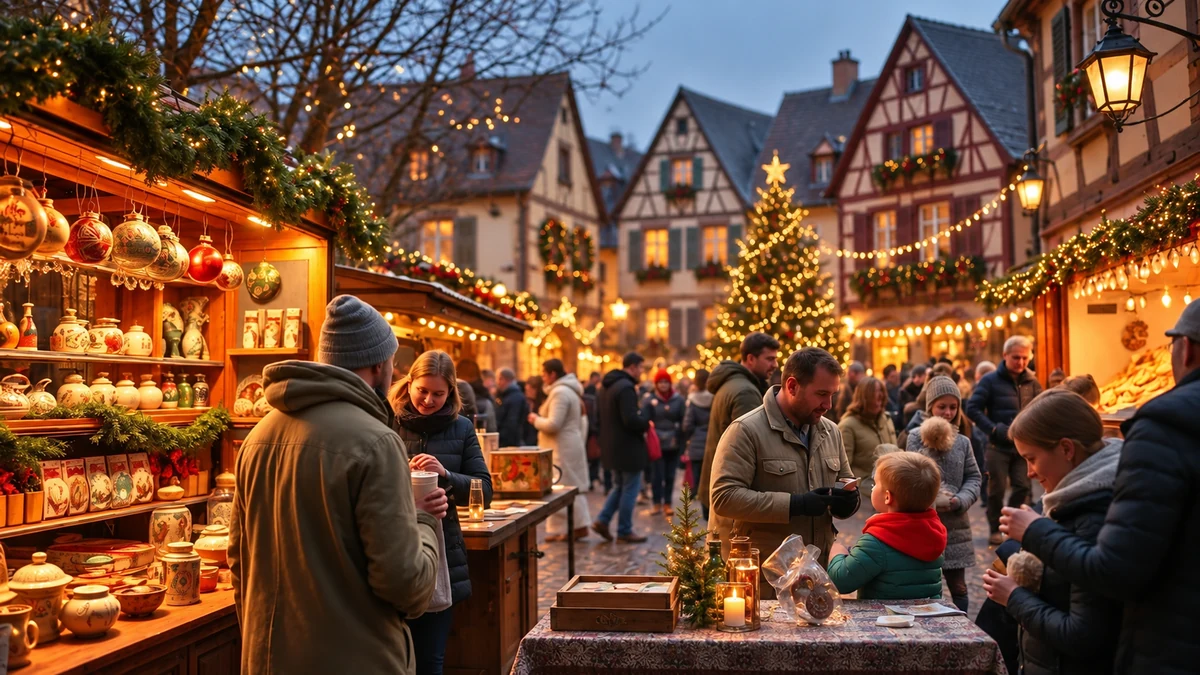
Leave time to taste regional food, speak to makers and explore cultural activities listed for your visit. There is more to enjoy than ticking off every market stall.
Regional food to try
- Bredele: Alsatian biscuits in many shapes and varieties. Check ingredients and storage advice when buying them as gifts.
- Kougelhopf: a traditional cake often made with raisins, available by the slice or whole in some bakeries.
- Tarte flambée or flammekueche: a thin, crisp speciality that is easy to share. Ask about toppings and allergens.
- Vin chaud: spiced mulled wine. Use the market’s returnable-cup scheme where available and choose a non-alcoholic drink if preferred.
- Cheeses and preserved foods: enjoy suitable products during your stay. Current Great Britain import restrictions cover dairy and many meat products from the EU; vacuum packing does not make a restricted item permissible.
Crafts and considered purchases
- Glass ornaments: ask about the maker and how to protect the item in transit.
- Wooden gifts and toys: look at workmanship and provenance, and check that toys meet the needs of their intended recipient.
- Ceramics and textiles: ask whether pieces are handmade or hand-painted if that matters to your purchase.
- Craft demonstrations: check the official programme for bookable workshops or demonstrations; participation is not guaranteed at every stall.
- Thoughtful buying: choose gifts you will use, minimise unnecessary packaging and ask sellers about origin where appropriate.
Cultural experiences to consider
- Concerts and choirs: consult church and event listings for performances, booking requirements and accessibility.
- Nativity scenes and religious traditions: visit churches during permitted opening hours, respecting services and other visitors.
- Children’s activities: look for age-appropriate craft, storytelling or cookery sessions in the current programme.
- Guided visits: compare walking and boat tours covering local architecture and traditions, checking language and route details.
- Food events: consult current producer and tasting listings rather than relying on a past year’s calendar.
Making the most of local traditions
- Allow time to talk: visit during quieter trading periods if you want to ask craftspeople about their work.
- Plan transport for purchases: confirm protective packaging and any shipping service with the individual seller.
- Respect venues: arrive in good time for booked events and follow church or concert-house guidance.
- Ask thoughtful questions: a conversation about a recipe or craft can add depth to your visit without expecting every seller to act as a guide.
- Reduce avoidable waste: bring a reusable bag and choose souvenirs that are meaningful rather than buying for the sake of it.
Final thoughts
Strasbourg combines Christmas traditions, regional flavours and historic surroundings. A flexible route lets you enjoy the city without treating a past programme or an unverified price list as a current promise.
Thank you for reading. Follow our social channels for festive ideas and visit the I Love Christmas blog for more Christmas travel inspiration.
Enjoy planning your visit, and check the official seasonal information again shortly before you travel.
Strasbourg Christmas markets: frequently asked questions
When is the best time to visit the Christmas markets?
Quieter weekday trading periods may be more comfortable than busy evenings and weekends. Check the actual opening hours; early-morning sightseeing does not guarantee open stalls. Evening visits are good for lights but can be crowded.
How do I reach Strasbourg’s historic centre?
Use current CTS routes or walk from suitable nearby accommodation. Strasbourg’s main railway station connects with longer-distance trains, and the airport has a rail connection via Entzheim-Aéroport. Check timetables and temporary festive restrictions.
Which payment methods do market traders accept?
Acceptance varies. Take a card and a modest amount of euros in small denominations, and ask each seller before ordering or buying.
How can I transport fragile souvenirs safely?
Ask for suitable protective packaging, check airline or rail luggage limits and consider insured shipping if the seller offers it. International customs rules still apply, including those for a return to Brazil or the UK.
What should I do if something is lost or stolen?
Ask the event information point about lost property. Report theft to the local police and contact your insurer or consular service as appropriate, particularly if travel documents are missing.
Sources and Further Reading
- Strasbourg Christmas: history
- Strasbourg Christmas: official programme
- City of Strasbourg: Alsatian Museum
- CTS: validating QR tickets
- Strasbourg Airport: train connection
- French Customs: tourist tax refunds
- UK Government: bringing food into Great Britain