
A Christmas travel packing checklist can help you organise clothes, keep dirty laundry separate and make essential items easy to reach. Adapt the list to your destination, transport and personal needs, then check it before leaving.
A Christmas travel packing checklist gives you a starting point for preparing your luggage. It cannot prevent every travel problem, but it can reduce last-minute searching and help you notice what still needs arranging.
Why use a travel packing checklist?
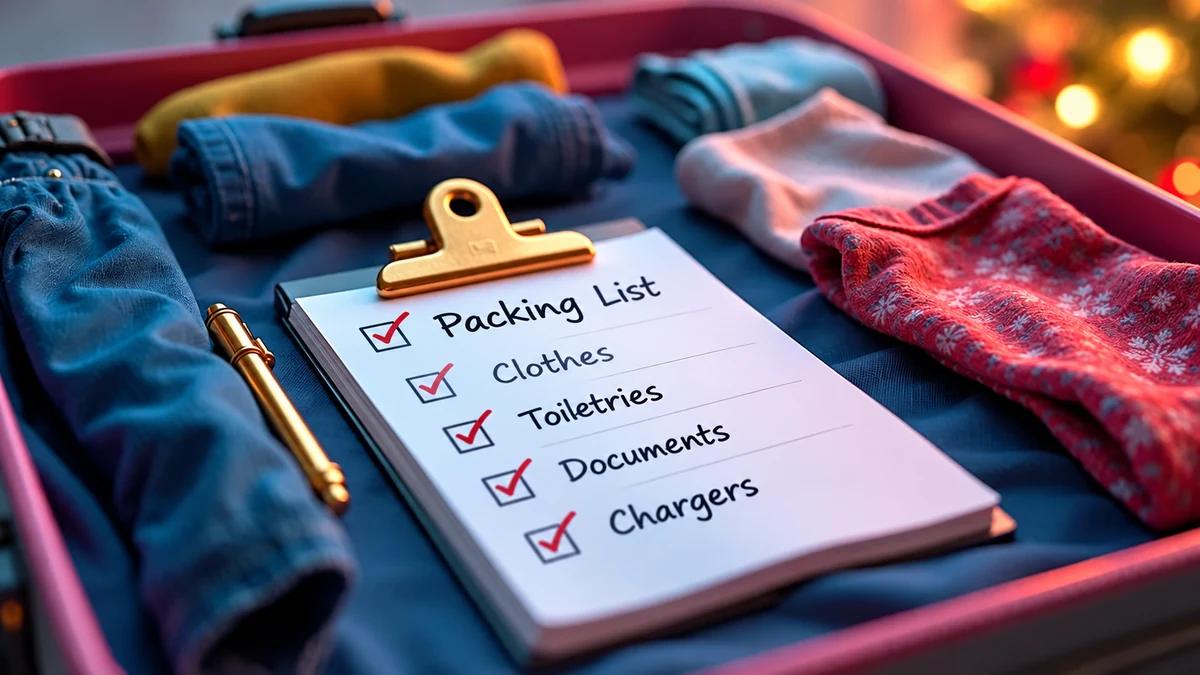
A packing checklist helps you remember the items that matter for your particular trip. Work through it as you pack, and remove anything that does not apply rather than treating every suggestion as essential.
Why does it help? When preparations are busy, small but important items are easy to overlook. A written list can reduce the mental effort of remembering everything at once and give you a clear final check.
A checklist may also save time by grouping tasks before you start packing. You can see which items are ready and which need buying, charging or washing, without repeatedly starting the list again.
Include notes about how to organise the contents, such as separating toiletries and placing heavier items near the wheels of a wheeled case. Test what fits your luggage; rolling clothes or using packing cubes will not necessarily save space in every case.
Christmas travel essentials to consider
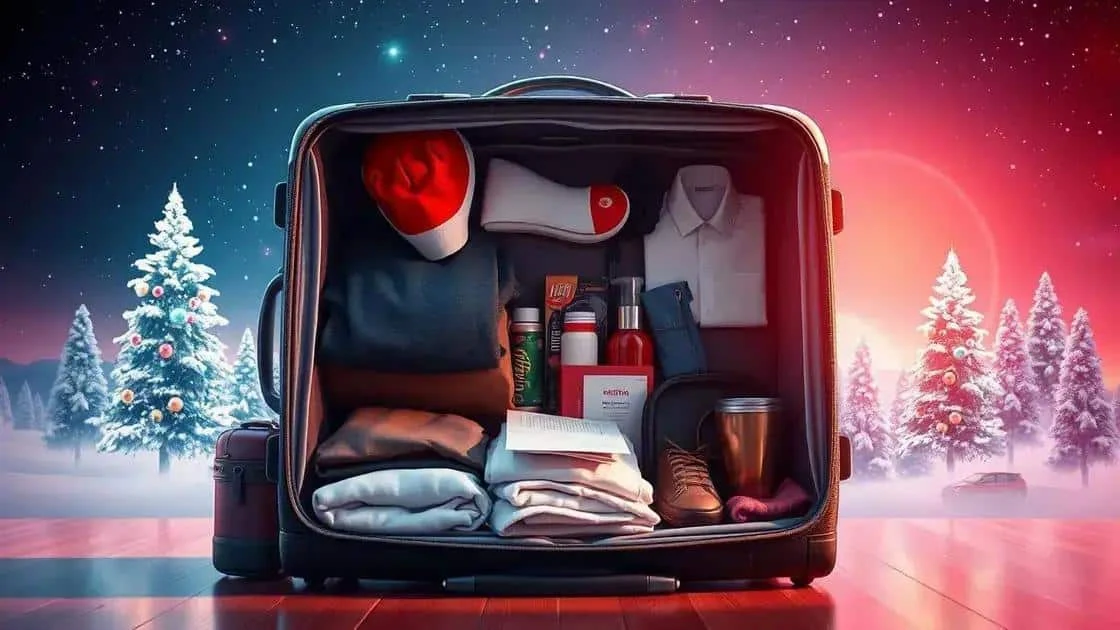
Your packing list should cover more than clothing. Use these essential categories as a starting point, then add the specific items your journey requires:
Suitable clothes: Check the destination’s climate and recent forecast. Take a warm coat where needed, along with suitable footwear and any clothes for planned celebrations. A December trip to Brazil requires different preparation from a UK winter break.
Toiletries: Pack your toothbrush, toothpaste and other personal-care items. Check what the accommodation supplies and follow the liquid restrictions for the airports on your route rather than assuming every airport uses the same arrangements.
Medicines: Take the prescribed medicines you need, check destination rules and keep essential supplies accessible. Ask a pharmacist or clinician about suitable first-aid items and storage if necessary; do not rely on finding an identical medicine abroad.
Important documents: Check passport, visa or other entry requirements, reservations and insurance details. Keep secure backup copies separately from originals. A copy can help if something is lost, but does not normally replace the original travel document.
Chargers and electronics: Take the chargers you actually need and a suitable plug adaptor if required. An adaptor does not convert voltage. Check your devices’ compatibility and your carrier’s rules for batteries and power banks.
Snacks and water: Suitable snacks can be useful on a long journey. Check security and customs restrictions, keep perishable food safely stored and allow time for rest stops. An empty reusable bottle may be practical where it can be filled after security.
Books or entertainment: A book, downloaded film or music may help pass the journey. Check downloads and battery levels beforehand, and use headphones considerately. Choose age-appropriate options if children are travelling.
Organising your suitcase
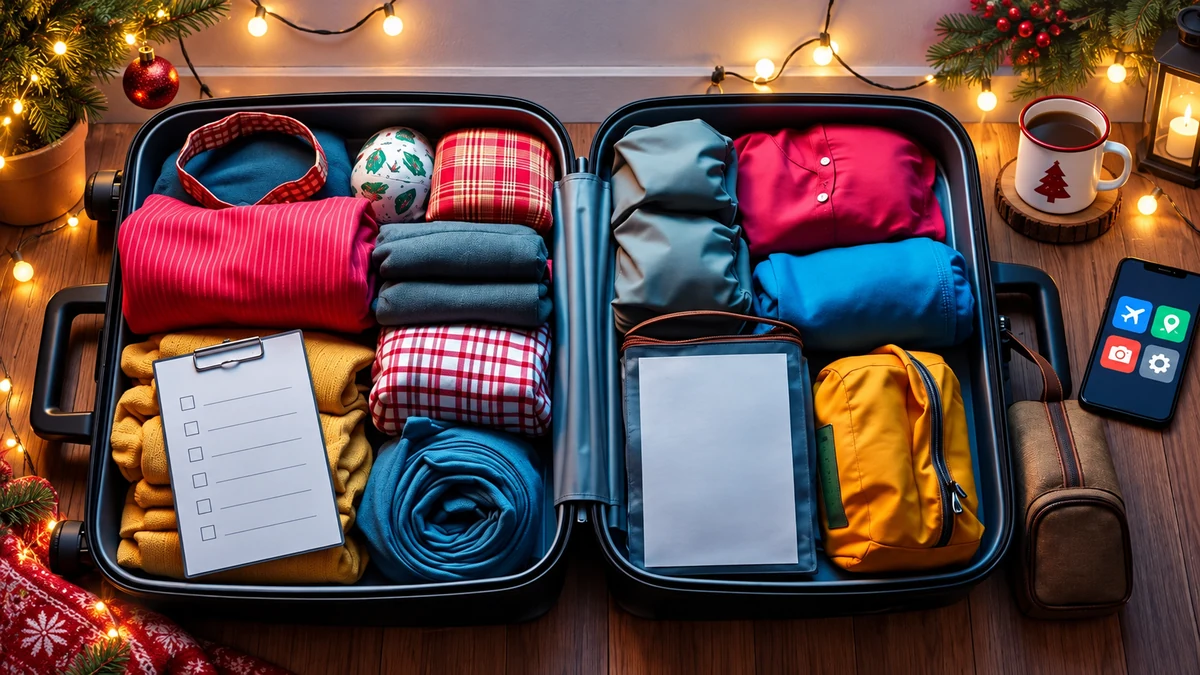
An organised case can make it easier to find what you need. Try the following approaches and keep the ones that suit your luggage and way of travelling:
1. Choose suitable luggage: Check size and weight allowances before choosing a case. A lightweight case with useful compartments may help, but make sure you can comfortably carry or manoeuvre it.
2. Write a list: List what your actual itinerary requires before packing. Tick items off as they go in, and question extras that you are unlikely to use.
3. Fold or roll appropriately: Rolling suits some clothes, while folding may work better for others. Compression bags can reduce the volume of suitable bulky clothing, but they do not reduce its weight or guarantee crease-free clothes.
4. Distribute weight: In a wheeled case, placing heavier items near the wheels may improve stability. Spread the load sensibly and keep within the luggage allowance. Protect fragile items separately.
5. Use organisers where helpful: Packing cubes or small bags can separate clothing and accessories. Put toiletries in a suitable leak-resistant pouch, and keep documents in a secure place rather than burying them among clothes.
6. Keep first-use items handy: Place clothes or toiletries you will need on arrival where they are easy to reach. Keep documents, essential medicines and permitted valuables in appropriate hand luggage rather than checked luggage.
7. Check before closing: Review your list, weigh the case if required and make sure it closes without strain. Leave some space if you expect to bring items home, while checking import restrictions.
Remembering important documents

Missing or invalid documents can prevent travel. These practical checks can help you prepare, but official entry requirements should determine your final list:
1. List the documents required: Include passports, relevant visas or permissions, tickets, accommodation information and insurance details. Check any additional requirements for children travelling with your group.
2. Keep secure digital copies: Store copies where you can access them securely if your phone or original documents are lost. Protect accounts with strong security and avoid placing sensitive files in a publicly shared folder.
3. Use a document organiser: Keep the papers you need together in a secure pouch or folder. Choose somewhere you can reach without exposing everything to other people.
4. Check validity and conditions: A passport that has not expired may still fail a destination’s validity rules. Check the official requirements for your nationality and route well before departure.
5. Keep originals accessible and secure: Put passports and tickets in secure hand luggage or a suitable travel pouch. Avoid an unsecured external pocket where documents can fall out or be easily taken.
6. Share useful information carefully: A trusted contact may benefit from your itinerary and emergency contact details. Share sensitive document information only when needed, using an appropriately secure method.
7. Make a final check: Before leaving, check originals and any required permissions against the list. Confirm that everyone in the group has the documents they need.
Keeping luggage organised during the trip
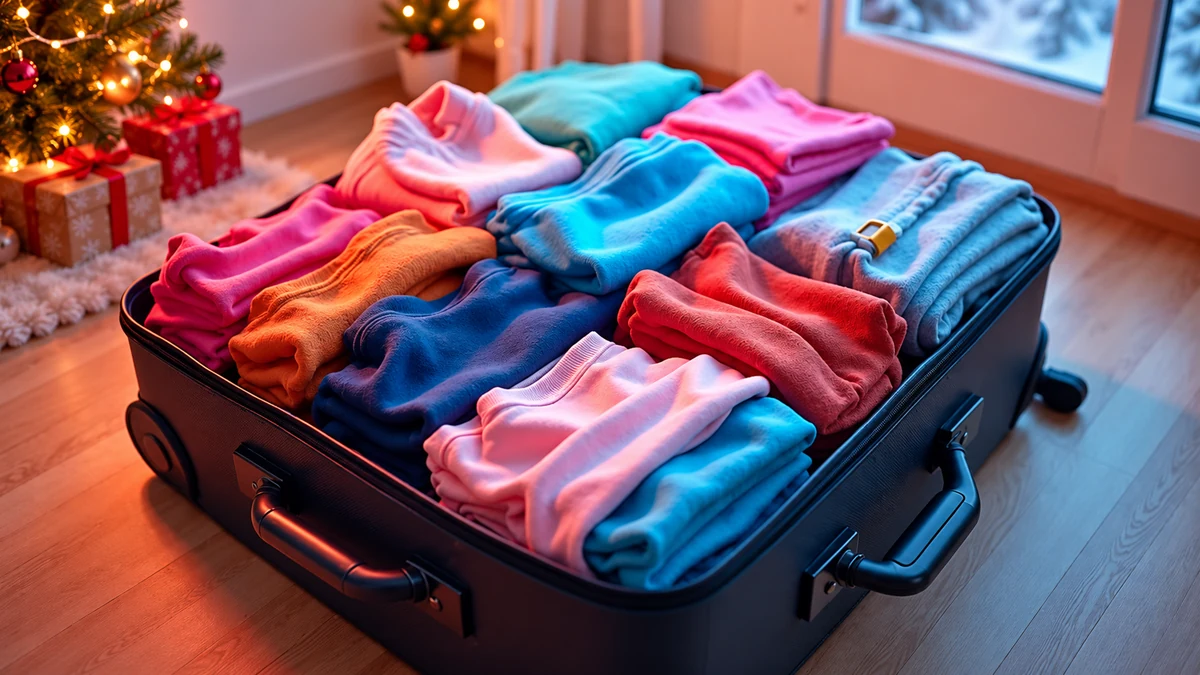
A little organisation during the trip can make repacking easier. These suggestions are optional routines rather than tasks that need to take over your holiday:
1. Keep categories together: Use organisers or bags for clothes, footwear and accessories if helpful. Keep clean items separate from dirty shoes and leaking toiletries.
2. Use space sensibly: Fold or roll according to the fabric and available space. Small items can go inside clean, bagged shoes if suitable, but avoid crushing delicate belongings or overpacking.
3. Separate dirty laundry: Take a separate laundry bag to keep worn clothes apart. Let damp items dry safely before storing them for an extended period.
4. Tidy when useful: Return items to their usual place after use. A short check before changing accommodation is often more useful than unpacking and reviewing every item daily.
5. Keep essentials easy to reach: Store frequently used items together and keep documents and essential medicines secure. Follow storage instructions rather than leaving medicines in unsuitable heat or cold.
6. Check the room before departure: Look in drawers, sockets, cupboards and the bathroom before closing your case. Check chargers and documents separately, as they are easy to leave behind.
Prepare a packing list that suits your trip
A clear list and sensible luggage organisation can reduce avoidable searching and forgotten items. Adapt the suggestions to your destination, personal needs and transport restrictions.
Keep important documents and medicines accessible, protect backup information and check the room before moving on. These habits can help without requiring a perfectly arranged suitcase throughout the holiday.
Once the essentials are ready, you can spend less time rearranging luggage and more time enjoying your Christmas plans.
FAQ — Packing for Christmas travel
Which documents should I take?
This depends on your nationality, destination and route. Check official passport and entry requirements, and take relevant tickets, reservations, insurance information and permissions. Backup copies support, but do not normally replace, originals.
How can I reduce creases in clothes?
Choose folding or rolling to suit the fabric and avoid overpacking. Compression bags may help with suitable bulky items, but neither rolling nor compression guarantees crease-free clothing.
What if I forget an important item?
For ordinary items, check whether a suitable replacement is available locally. For medicines or travel documents, seek advice from a pharmacist, clinician, carrier or relevant authority rather than assuming a simple replacement will be possible.
What is a practical way to organise luggage?
Group similar items, separate laundry and keep first-use items easy to reach. Carry essential medicines and documents securely in suitable hand luggage, following transport rules.
Can I guarantee that I will not lose my documents?
No method provides a guarantee. Keep originals secure, check them regularly at travel stages and store protected backup copies separately. Know how to contact the relevant authorities if something is lost.
What are the benefits of organised luggage?
It can make items easier to find, simplify repacking and help you notice missing belongings. Choose a level of organisation that is useful without becoming another source of pressure.