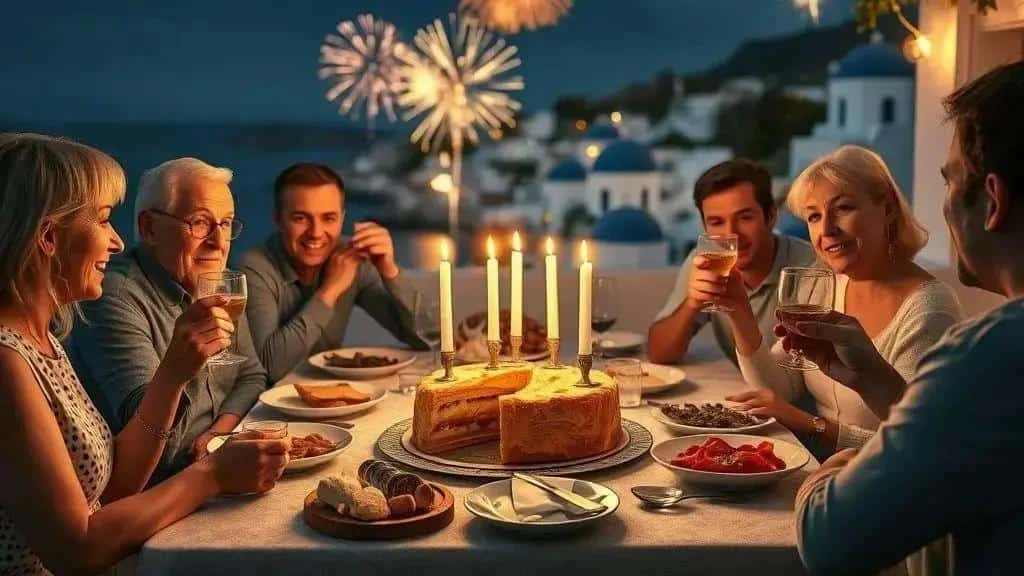
New Year in Greece brings together Orthodox traditions and folk customs. Family meals, vasilopita, pomegranates, symbolic doorway decorations and kalanda songs express hopes for renewal and good fortune. Music and public celebrations vary from place to place.
New Year in Greece might bring to mind generous family meals, a ceremonial cake or a midnight celebration by the sea. Would you like to understand these customs before a winter visit, or bring a little of their warmth to your own gathering? Here are the traditions, food and practical details to explore.
Illustrations in this article are conceptual images, not documentary photographs or evidence of a particular historical event, destination, venue or access route.
The history and meaning of New Year in Greece
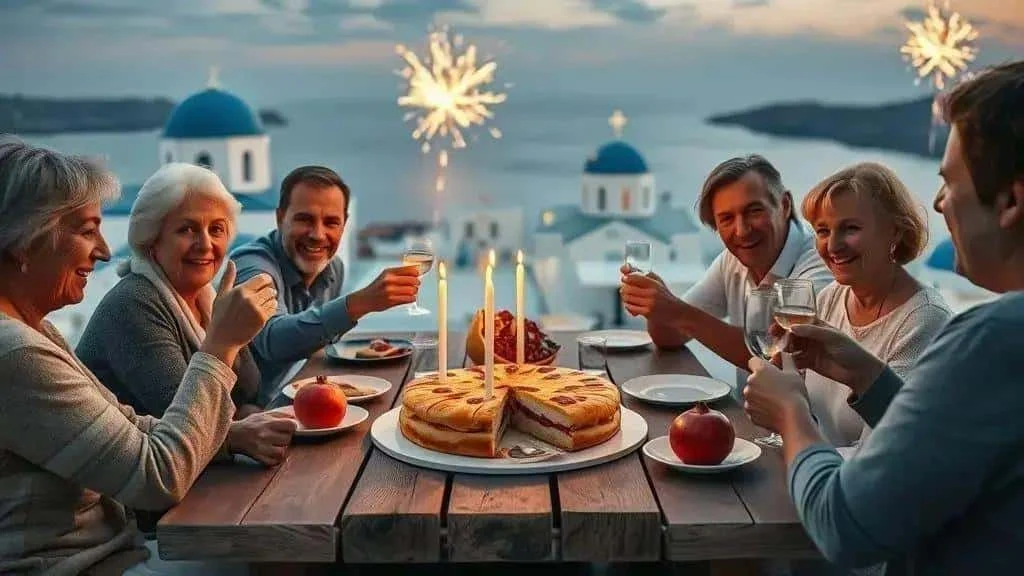
Celebrating New Year in Greece combines religious observance, family customs and wishes for a fresh start. Familiar objects can carry considerable meaning, with traditions passed between generations and adapted by individual households.
Historical background
Today’s celebrations draw on different strands of Greek religious and popular culture. Their histories are not identical, and it would be misleading to trace every modern custom directly to a single ancient winter festival. Orthodox observances and local family traditions both help shape the occasion.
Symbolic traditions
Several well-known customs continue in homes and communities:
- Vasilopita: a New Year cake, bread or pie traditionally containing a coin. Finding it represents good fortune; it is a belief, rather than a prediction.
- Breaking a pomegranate: a doorway custom associated with wishes for abundance.
- Kalanda songs: children and other singers perform seasonal songs around Christmas and New Year.
- Church bells and services: Orthodox worship and blessings form an important part of the holiday for practising families.
The role of Saint Basil
In Greek tradition, Saint Basil, or Agios Vasilis, is associated with 1 January and seasonal gift-giving. His religious significance is distinct from that of a festive gift-bringer, although children may encounter both aspects in family celebrations. Source: Greek Orthodox Archdiocese: Saint Basil and 1 January
How the customs fit into the celebration
Families may gather for a New Year’s Eve meal, exchange good wishes at midnight and share vasilopita then or on New Year’s Day. Music and fireworks can accompany public celebrations, but arrangements differ between cities, islands and individual communities. A picturesque coastal setting does not guarantee a public event.
What the traditions mean today
These practices can strengthen family ties and express hope for the coming year. Greek communities abroad also maintain them, perhaps by sharing cake with visitors or displaying a decorative pomegranate. Not every household observes every custom.
Family traditions and celebrations in cities and on islands
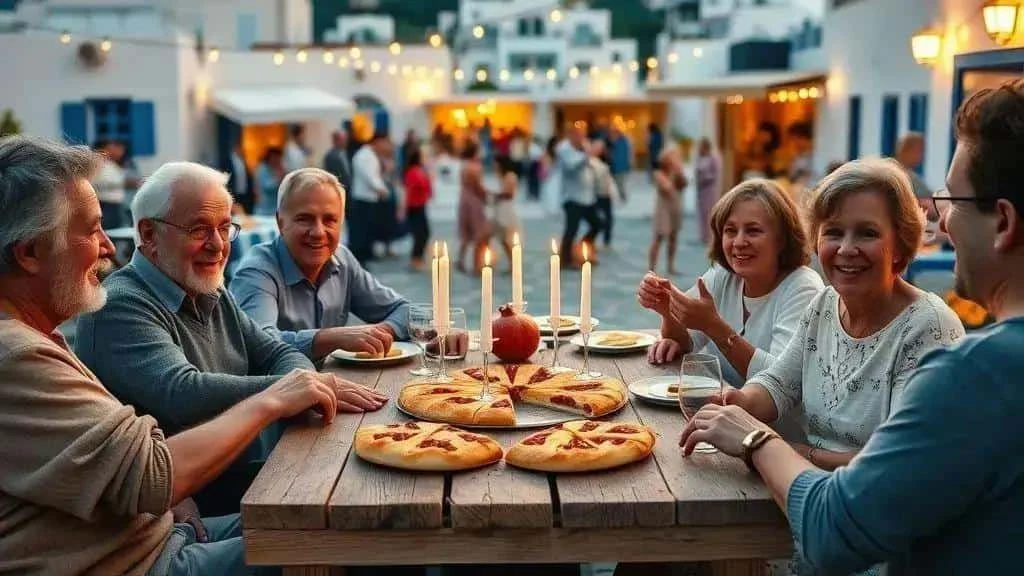
During New Year in Greece, private gatherings and public events offer different ways to celebrate: a long meal at home, a restaurant booking or a programme of music in a town square.
Family gatherings may include vasilopita, songs and good wishes. Children singing kalanda are often offered small treats or coins. Public programmes can include live music, with midnight celebrations in some coastal towns, but performers, fireworks and other activities depend on the local organiser.
How island and city celebrations differ
Smaller communities may focus on family gatherings and local venues. Larger cities offer a wider choice of organised events, restaurants and nightlife. Remember that this is winter: island businesses may be closed, outdoor meals are weather-dependent and summer holiday descriptions are not a reliable guide to December.
Traditions and activities you may encounter
- A family meal featuring regional food and the ceremonial sharing of vasilopita.
- A pomegranate custom at the entrance to the home, expressing wishes for prosperity.
- Music or dancing in public squares where events have been organised.
- Waterfront celebrations in some places; check the programme rather than expecting boats or fireworks everywhere.
- Children singing kalanda, sometimes accompanied by a triangle or other small instrument.
Hotels, restaurants and bars may offer special New Year’s Eve menus or parties. Smaller communities can have more intimate celebrations, but private family occasions are not automatically open to visitors. A genuine invitation to share cake is a welcoming gesture, not something to assume.
Taking part respectfully
Check entry arrangements and arrive in good time for an organised event. Dress comfortably and follow local guidance on appropriate clothing and behaviour in Orthodox churches. Accept invitations courteously, and feel free to decline food or activities politely if necessary.
Check holiday transport times and book accommodation that is actually open in winter. At crowded events, keep belongings secure, observe barriers around fireworks and respect private celebrations. Island journeys also need flexibility for weather-related disruption.
Festive food and vasilopita, the New Year cake
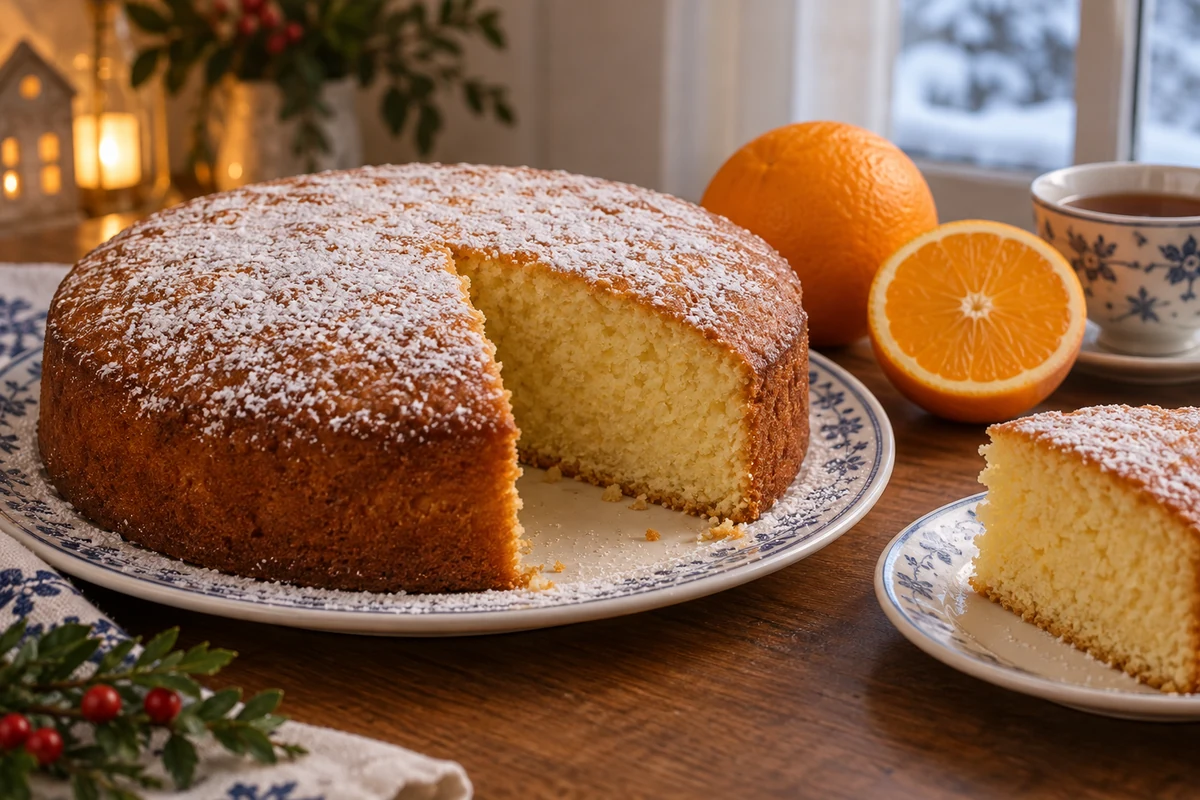
Vasilopita is closely associated with New Year in Greece. Recipes vary considerably: the traditional celebration can involve cake, sweet bread or a regional pie. A festive spread may also feature mezedes, spanakopita and honeyed sweets. The home-baking version below keeps the symbolic coin outside the food. Source: Visit Greece: Saint Basil’s cake and regional variations
Ingredients for a home-style vasilopita
The following quantities come from the original article and have not been kitchen-tested for this translation. Use a 22–24 cm cake tin. The suggested substitutions are not tested equivalents:
- 250 g plain flour, sifted.
- 200 g sugar. The original suggests reducing this to 150 g, but that can affect the cake’s texture as well as sweetness.
- 200 g softened butter. The original’s alternatives of margarine or 180 g vegetable oil are untested; use butter for the version described here.
- 4 large eggs, at room temperature.
- 120 ml milk. Almond or oat drink was suggested as an alternative in the original, but the result may differ and allergens still need checking.
- 1 tablespoon baking powder, as specified in the original recipe.
- Finely grated zest of 1 orange; lemon zest offers a different flavour if preferred.
- A pinch of salt.
- An optional symbolic coin, kept outside the food. Award it separately rather than hiding it in a slice.
How to make the cake
Follow these steps, checking doneness rather than relying only on the suggested baking time:
- Prepare the tin: grease a 22–24 cm cake tin and preheat a conventional oven to 180°C. Keep any symbolic coin well away from the batter and serving plates.
- Cream the butter and sugar: beat together in a bowl until pale and fluffy.
- Add the eggs: beat them in one at a time, incorporating each before adding the next.
- Add the flavourings: mix in the orange zest and salt.
- Combine the flour and milk: add the sifted flour alternately with the milk, beginning and ending with flour. Mix only until combined.
- Fold in the baking powder: distribute it evenly through the batter without overmixing.
- Fill the tin: pour in the batter and level the surface. Do not add a coin or foil parcel; arrange a separate symbolic draw after serving instead.
- Bake: allow approximately 35–45 minutes, checking that the centre is cooked and a skewer comes out clean. Tin size and ovens can change the timing.
- Cool and decorate: leave in the tin for 10–15 minutes before turning out carefully. Once cooled, dust with icing sugar if desired.
Variations and serving suggestions
- Walnut and honey variation: the original suggests 50 g chopped walnuts and 1 tablespoon honey. This variation is untested and introduces a nut allergen; choose it only if appropriate for your guests.
- Gluten-free baking: use a separately tested gluten-free recipe rather than assuming a flour swap and an unspecified liquid adjustment will work here.
- Liqueur variation: the original suggests 1–2 tablespoons of orange liqueur or brandy. This is untested and should not be treated as alcohol-free after baking.
- Keep the coin separate: foil does not remove the risk of swallowing a coin or damaging a tooth. Share the symbolism through a separate draw, with small objects kept out of children’s reach.
- Serving: share the cake at midnight or on 1 January. Ceremonial portions and the order of serving vary between households and communities; follow your hosts rather than assuming there is one universal sequence.
Rituals and beliefs associated with good fortune
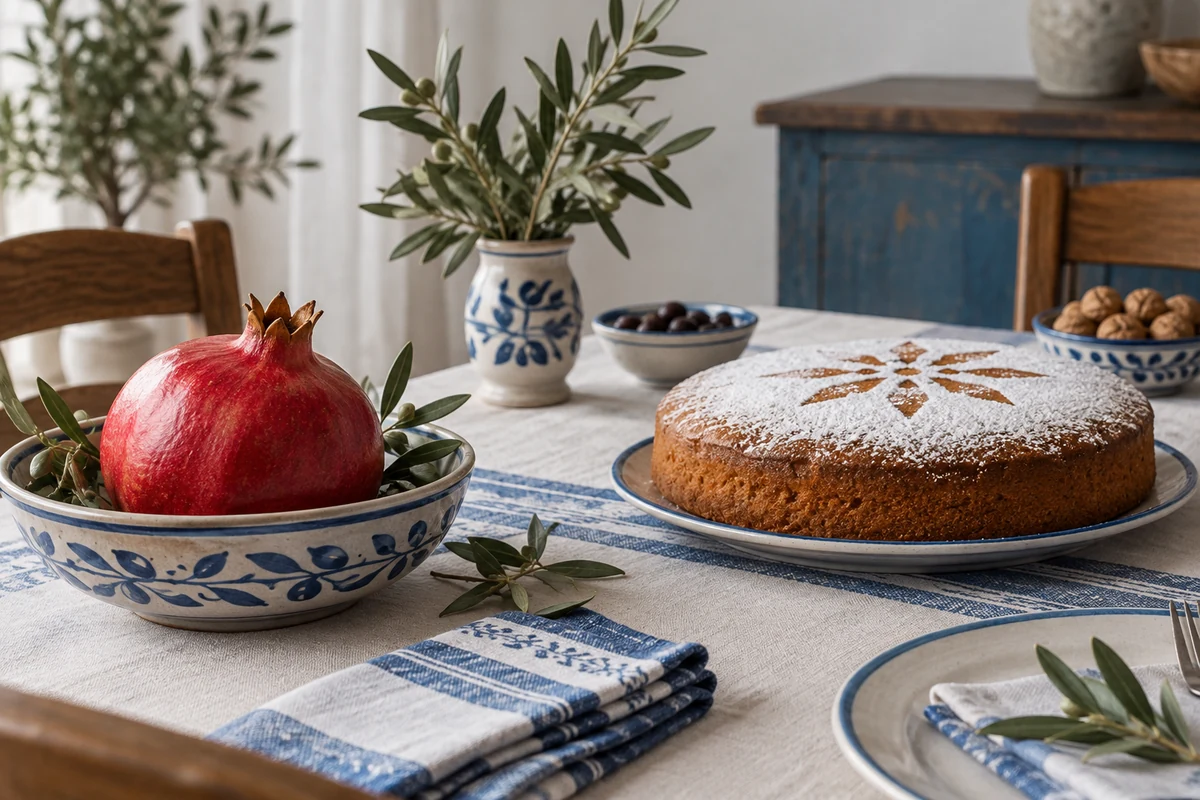
Customs surrounding New Year in Greece express wishes for luck, protection and prosperity. Their value lies in symbolism, faith and shared meaning, not a guarantee that a ritual will change someone’s future.
Vasilopita and its symbolic coin
The Saint Basil cake, vasilopita, traditionally conceals a coin. The person receiving it is offered good wishes for the year ahead.
- Although a coin is traditionally hidden in the cake or bread, our suggested home version keeps it outside the food.
- The allocation of ceremonial and family portions depends on the tradition being followed.
- A separate draw can preserve the moment of congratulating one person without putting a small object in anyone’s meal.
Pomegranates and abundance
Breaking a pomegranate at the entrance to a home is associated with abundance and good fortune. Its many seeds help explain the symbolism; the practice is a cultural custom, not a promise of prosperity.
- For a simple home adaptation, display a whole pomegranate. If taking part in a traditional breaking ceremony, follow your host’s lead and keep the entrance clear of slippery fruit afterwards.
- A decorative pomegranate makes a lasting keepsake. Avoid storing fresh seeds as an ornament: they spoil, and loose small decorations should stay away from young children.
A doorway symbol of renewal
The large bulb known in the custom as kremmida is hung outside the door as a symbol of renewal. Do not assume that an unfamiliar decorative bulb is an edible kitchen onion.
- For a simple decorative adaptation, use an illustration or a clearly identified ordinary onion rather than collecting unidentified wild bulbs. Keep any display away from children and pets.
- How long the decoration remains in place depends on the household and local custom; there is no single rule that every family follows.
Other meaningful practices
Other gestures may accompany the better-known customs:
- Tidying the home: a practical fresh start that some families also give symbolic meaning.
- Candles and blessings: participation in Orthodox worship, following the church’s arrangements and instructions.
- Children singing kalanda: a seasonal exchange of songs, good wishes and small treats.
- Sharing cake: offering visitors a slice as a gesture of hospitality.
Joining in with respect
Watch how your hosts observe a custom and ask before taking part or photographing it. A warm greeting and an interested question can show respect just as well as eating a particular food. Guests should not feel pressured to join religious practices or ignore dietary needs.
Public celebrations: music, dancing and fireworks
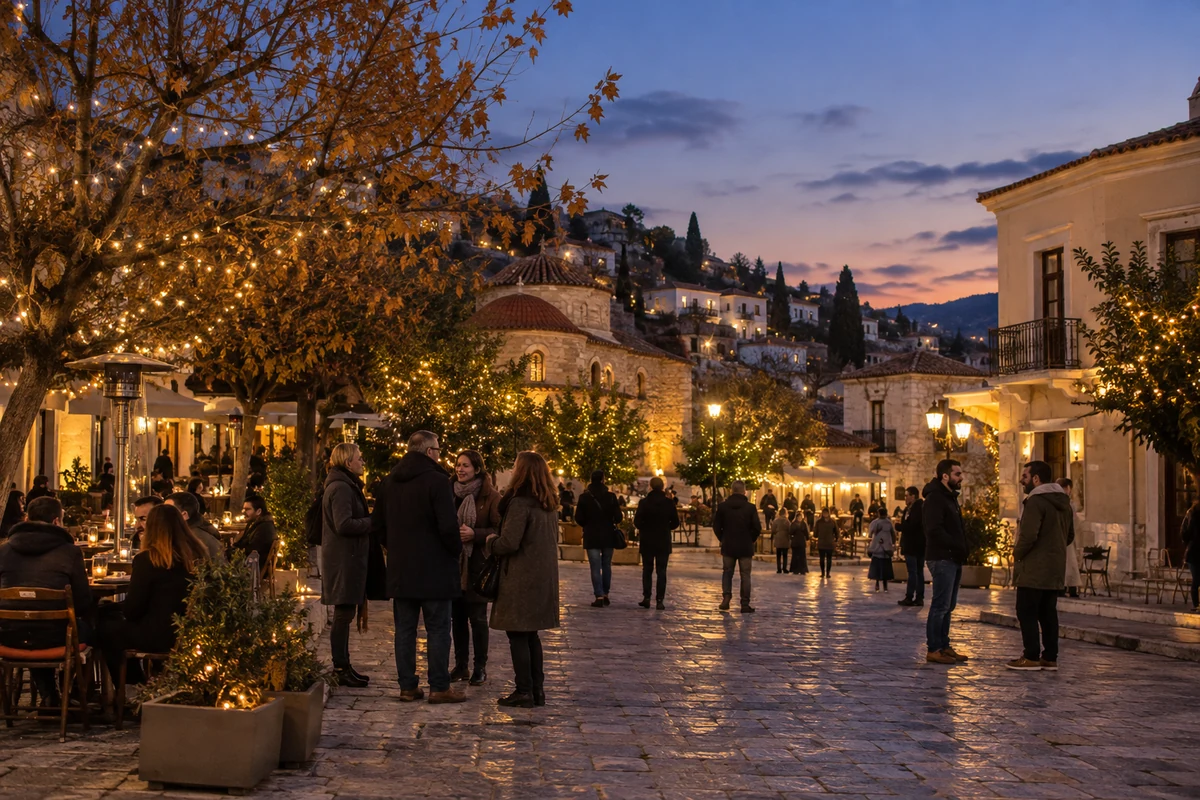
Public celebrations for New Year in Greece can bring people together through lights, music and dancing. The scale and character depend on the location and the year’s programme, so check official event details before planning around them.
Music and instruments
Greek festive music draws on many regional styles. You may hear the bouzouki, violin, clarinet or percussion, but not every celebration uses the same instruments or features a live folk ensemble.
- Bouzouki: a distinctive string instrument heard in several Greek musical styles.
- Clarinet and violin: instruments with important roles in regional musical traditions.
- Percussion: accompaniment that can help establish the rhythm for dancing.
Dancing and taking part
Visitors may encounter sirtaki or other Greek dances at an organised performance or social event. Different dances have different formations and steps; do not assume every circle or line is open to visitors.
If invited to join, ask someone to demonstrate the steps and follow their guidance. Give other dancers space, choose a comfortable pace and enjoy watching if participation is not suitable for you.
Fireworks and festive lighting
Some cities and coastal communities organise midnight fireworks or festive lighting. Displays vary in size and may change or be cancelled, so use the published local programme rather than assuming a quiet or predictable display.
- Waterfront fireworks can be striking, but view them from a permitted position well away from the water’s edge and any launch area.
- Illuminated windows and balconies add atmosphere. At a home celebration, LED decorations offer a flame-free alternative to candles; follow the product’s indoor or outdoor rating.
Food and drinks during the festivities
Depending on the venue and what is open, restaurants or stalls may offer small dishes and sweet treats. Check opening hours and menus rather than counting on street food at every celebration.
- Souvlaki: grilled skewers, often served with accompaniments or in a wrap.
- Mezedes: small sharing dishes that may include olives, cheeses and dips.
- Loukoumades: small fried dough sweets, often served with honey or syrup.
- Wine and tsipouro: alcoholic options on some menus; a non-alcoholic toast is equally welcome.
Practical tips for going out
- Check reservations, ticketing and entry times rather than assuming early arrival guarantees a place.
- Wear comfortable shoes suitable for uneven paving and winter conditions.
- Carry a modest cash backup as well as your usual payment method.
- Respect private gatherings and nearby religious services.
- Plan your journey home after midnight and agree a meeting point with your group.
Planning a winter visit or a celebration at home

Whether you are visiting Greece or drawing inspiration for an evening at home, a little planning helps. Think about transport, accommodation, guests’ comfort and which traditions you want to understand or adapt.
Before travelling
- Plan ahead: confirm that your chosen accommodation and island transport operate in winter. Ferry schedules can be reduced and weather-dependent; allow flexibility rather than planning tight connections.
- Check holiday timetables: verify outward and return services, including connections around midnight and on New Year’s Day.
- Keep payment options available: a small amount of local cash can be useful alongside a card; check the arrangements at your booked venues.
- Pack for winter: take warm layers and supportive shoes. Coastal wind, rain and cold evenings are possible, and conditions differ across the country.
- Learn local expectations: check church service arrangements and ask permission before photographing private or religious occasions.
Once you arrive
- Confirm event details: check the time, location and entry rules, then allow time to arrive without rushing.
- Ask for local advice: accommodation staff and local tourism offices can suggest events; verify current details with the organiser.
- Give fireworks space: stay behind barriers and away from launch sites. Consider children’s and animals’ needs when choosing where to watch.
- Book a meal if needed: ask whether the restaurant requires a reservation or offers a fixed New Year’s Eve menu.
Celebrating at home
- Keep the menu manageable: choose sharing dishes, salads and a vasilopita that fit your preparation time and safe storage arrangements.
- Choose simple decorations: a decorative pomegranate, blue-and-white table details and LED lights can create an inspired setting without claiming to reproduce every Greek household’s style.
- Make a music playlist: combine Greek music for a lively moment with quieter tracks during the meal.
- Tell guests what to expect: share arrival times and explain any optional gift exchange or symbolic activity in advance.
- Adapt the coin custom: keep coins outside the cake and use a separate draw, explaining the good wishes behind the tradition.
Comfort and practical arrangements
- Plan the return journey: confirm taxi, transfer or public transport arrangements for after the event.
- Consider different needs: provide quiet space, flexible timings and suitable food for children, older guests and anyone who needs a break.
- Have a weather alternative: use an indoor venue if outdoor conditions become unsuitable; a blanket alone is not always enough.
- Prepare travel essentials: take required medication, valid travel documents and appropriate insurance, and check current official entry guidance before departure.
A final thought on taking part
At home or abroad, take part with respect and curiosity. Learn the meaning of a custom, enjoy the food that suits you and make room for local differences. Sensible planning helps, even though no trip or celebration can be guaranteed free of surprises.
Welcoming the year ahead
The traditions of New Year in Greece connect family, food, faith and hopes for renewal. Understanding their meaning can make a visit more rewarding and inspire a thoughtful celebration at home.
Thank you for reading. Follow our social channels for more seasonal ideas, recipes and cultural stories, and explore the I Love Christmas blog for more festive inspiration.
Share your experiences in the comments. We wish you a New Year filled with kindness, companionship and good memories.
Frequently asked questions about New Year in Greece
When is New Year celebrated in Greece?
The change of year is celebrated on the night of 31 December into 1 January. Family meals, church observances and public events vary by community.
What is vasilopita and why is it important?
It is a New Year cake, bread or pie associated with Saint Basil. A traditional coin symbolises good fortune; for a home adaptation, keep the coin outside the food and award it separately.
Which customs should visitors respect?
Follow local guidance at religious services, ask before photographing private rituals and accept or decline invitations courteously. Do not assume family celebrations are public events.
What foods could I try during the celebrations?
Depending on the menu, try mezedes, spanakopita, loukoumades or vasilopita. Regional dishes and availability differ, so ask about ingredients and allergens.
What should I remember when travelling to Greece at New Year?
Confirm winter accommodation and transport, pack warm layers, check holiday ferry and bus timetables and allow for weather-related changes. Keep a practical plan for returning after midnight.
Sources and Further Reading
- Visit Greece: Christmas holiday traditions
- Visit Greece: Saint Basil’s cake and regional variations
- Greek Orthodox Archdiocese: Saint Basil and 1 January