
Christmas travel documents depend on your nationality, destination, route and circumstances. Check passport validity, visas or electronic authorisations, bookings, insurance, any health certificates and children’s paperwork. Keep originals accessible and secure copies separately. There is no universal six-month passport rule.
Christmas travel documents are easier to organise before the festive rush. This checklist is written with UK-based travellers in mind, but living in the UK does not make everyone’s entry requirements the same. Use the official rules for your passport and itinerary, including connections and the journey home.
Illustrations in this article are conceptual images, not documentary photographs or evidence of a particular historical event, destination, venue or access route.
A Quick Checklist Before Departure
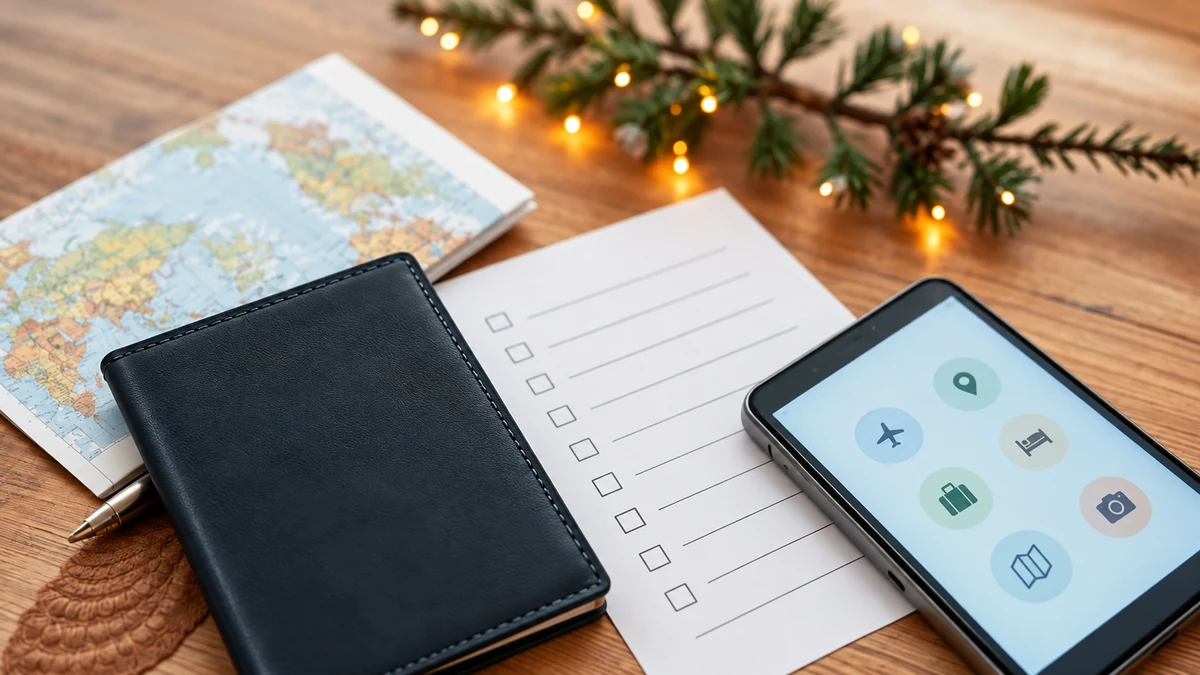
Make a list for each traveller, then add the documents needed for the whole booking. A digital copy is useful for reference, but it does not replace an original passport or other document where the original is required.
Personal Travel Documents
- Passport: check the destination’s rules for expiry, issue date and blank pages, including any transit countries.
- Visa or authorisation: confirm whether you need one and how to present approval. Check that it matches the passport you will use.
- Other identification: check your carrier’s accepted documents for domestic travel; do not assume a particular card is accepted on every route.
- Driving documents: take your driving licence if needed and check whether your destination requires an International Driving Permit. Confirm the hire company’s requirements too.
Children’s Documents and Accompanying Adults
- Evidence of relationship: a birth or adoption certificate can help, particularly where surnames differ; confirm what your route requires.
- Permission to travel: check parental responsibility and any court orders, plus the destination’s rules. Do not assume every country requires the same consent letter or notarisation.
- Help from another adult: ask the relevant service what authority it needs if someone will act on your behalf. Ordinary travel assistance does not automatically require a power of attorney.
Bookings and Supporting Paperwork
- Tickets and reservations: keep flight, accommodation and transfer confirmations together.
- Travel insurance: save the policy number, wording and assistance contact, and check the cover you actually have.
- Health certificates: check whether vaccination evidence or another health document is required for your destination and travel history.
- Supporting entry evidence: some destinations ask for proof of funds, accommodation or onward travel. Follow their specific instructions.
Copies and Organisation
- Paper copies: keep useful copies separately from the originals, without leaving sensitive information unattended.
- Digital copies: save legible files securely and make essential information available offline.
- Data protection: use a protected device and trusted storage, and avoid public sharing links for identity documents.
- Document wallet: organise originals and essential contact details so you can find them without unpacking your bag.
Final Practical Checks
- Application timing: consult current official processing guidance rather than relying on a fixed number of weeks.
- Validity after the trip: check any period required beyond arrival or departure, as well as passport issue-date rules.
- Useful contacts: save the appropriate consular and insurer details before travelling.
- Access to money: plan a backup if your main card or phone is lost, and keep payment methods securely separated.
Review your folder again two or three days before departure. This is a final check, not the time to begin a passport or visa application.
Passports: Validity, Renewal and Care

Passport requirements are specific to your destination and passport. A document that has not expired may still fail an entry condition. Check the relevant government guidance before committing to travel, including rules affecting issue dates and remaining validity.
Expiry Dates and Blank Pages
- Remaining validity: there is no single six-month rule for every country. Check the requirement for your actual journey. Source: UK Government — foreign travel checklist
- Blank pages: follow the destination’s stated requirement rather than assuming a fixed number will cover every itinerary.
- Issue date: check it as well as the expiry date; some entry rules limit the age of a passport.
Renewing a British Passport
- Start with GOV.UK: use HM Passport Office guidance. Different procedures apply to other nationalities and to applications made overseas. Source: UK Government — renewing an adult passport
- Check what to provide: follow the requirements for your application, including the old passport, photograph and any supporting documents.
- Pay through the official process: check the current fee and retain the application reference.
- Choose the appropriate service: check eligibility before relying on an urgent service; an appointment is not part of every renewal.
- Follow the instructions: supply documents and attend any required appointment as directed.
- Check the new passport: inspect your details when it arrives and update bookings or authorisations that depend on the passport number. Do not book travel until you have a valid passport.
Situations That Need Extra Attention
- Loss or theft: follow official reporting and cancellation guidance. If abroad and travelling urgently, check eligibility for an emergency travel document. Source: UK Government — emergency travel documents
- A different name: check that travel bookings and documents meet the carrier’s and destination’s requirements; seek official advice before travelling with mismatched details.
- Damage: torn pages, water damage or other defects may affect acceptance. Contact the issuing authority instead of trying to repair the passport yourself.
- Children: check each child’s travel document requirements separately, even when everyone is on the same booking.
Planning for Festive Travel
- Allow a buffer: use current processing estimates and leave time for additional checks, delivery or missing documents.
- Keep reference copies: store passport details securely without treating a photograph as a travel document.
- Carry originals with you: keep them secure and accessible rather than in checked luggage.
- Save assistance details: record the appropriate consular contact and your insurer’s emergency number.
- Recheck before departure: review official entry guidance for any changes after you booked.
Visas and Electronic Travel Authorisations

Requirements depend on nationality, passport type, purpose of travel, length of stay and transit arrangements. Residence in one country does not necessarily give you permission to visit another. Work through the rules for every person travelling.
Where to Check Requirements
- Destination authorities: consult the country’s official immigration service, embassy or consulate.
- Official application websites: use the government route for forms and fees, checking the web address carefully.
- Your airline: ask about boarding document checks and transit arrangements if the itinerary is unclear. Carrier guidance complements rather than replaces immigration rules.
Checking What You Need
- Identify the purpose: tourism, study, business and work may have different requirements.
- Read the application guidance: check eligibility, supporting documents, processing and how approval is confirmed.
- Check the passport: make sure it meets the destination’s conditions and matches the application.
- Review health requirements: check any certificate rules for the destination and places you have recently visited.
- Check connections: transit rules can matter even if you intend to remain at the airport; changing airports or collecting luggage may alter the situation.
Documents an Application May Request
- An eligible passport with the required validity and pages.
- A recent photograph meeting the specified format.
- Accommodation details or an invitation where required.
- Financial and onward-travel evidence in the form the authority requests.
- Insurance evidence if it is an entry or application condition.
Different Kinds of Permission
- Visas and electronic authorisations: these are not interchangeable. Follow the official process for the permission your journey requires.
- Permission on arrival: do not rely on this unless official guidance confirms that you are eligible and explains the conditions.
- Study or work permission: check the relevant category instead of assuming a visitor authorisation covers these activities.
Planning for Festive Travel
- Start early: processing varies widely; leave room for appointments, further evidence and public holidays.
- Keep confirmation: save receipts and approval references, while checking whether printed evidence is required.
- Be cautious with intermediaries: use the official process or a provider explicitly authorised for it. A promise of guaranteed approval is not a substitute for eligibility.
- Final check: confirm approval, passport details and the conditions attached to the permission before leaving.
Children, Older Travellers and Assistance
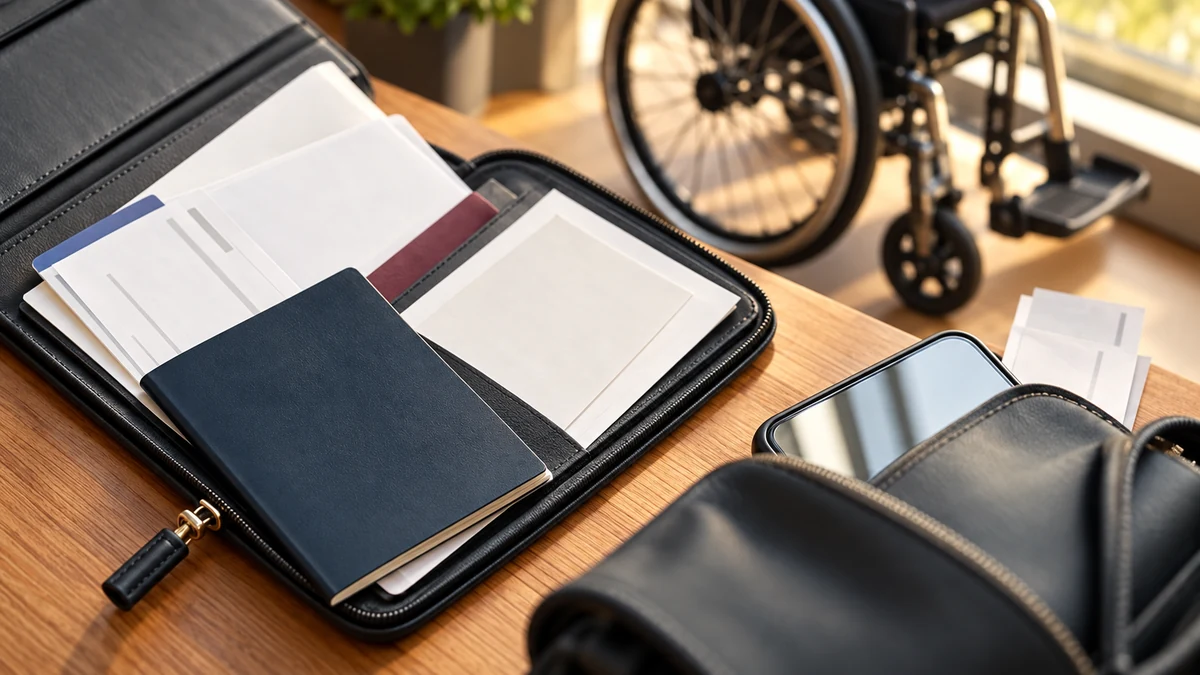
A traveller does not automatically need a power of attorney or a special certificate because they are over 70. Plan around individual needs, the destination and carrier requirements. Children’s travel involves separate questions about parental responsibility and permission.
Documents for Children
- Travel document: check the child’s own passport or other accepted document for the route; a birth certificate is not generally a substitute for an international travel document.
- Supporting evidence: check whether evidence of relationship or a difference in surnames needs explaining.
- Health certificates: follow any applicable entry requirements for the child.
Checking Permission for a Child’s Trip
- Start with official guidance: for taking a child abroad from the UK, check permission from those with parental responsibility and any relevant court order or exception. Source: UK Government — permission to take a child abroad
- Record consent where appropriate: a letter is often used; check what details and format the relevant authorities require.
- Check destination formalities: notarisation or other certification is not a universal UK requirement, but another country may require it.
- Prepare supporting documents: follow the instructions for your circumstances rather than sending unnecessary copies of everyone’s identity documents.
- Carry what is required: keep the accepted originals and supporting paperwork accessible at the border.
Acting on Someone Else’s Behalf
- Identify the actual task: helping with luggage differs from collecting an official document or making a legal decision. Ask the service concerned what authority it needs.
- Check recognition: a document valid in one jurisdiction may not be sufficient elsewhere. Seek advice where cross-border use is involved.
- Get suitable advice: do not use a generic letter as a substitute for a properly established legal power when one is needed.
Supporting Older Travellers
- Identification: check normal passport and entry requirements, with copies accessible to the traveller.
- Medicines: check destination restrictions and carry prescribed items with suitable supporting information. Ask a clinician or pharmacist about individual needs.
- Decision-making arrangements: respect the traveller’s own decisions. In England and Wales, a health and welfare LPA is used only when the person cannot make the relevant decisions; overseas recognition needs separate advice. Source: UK Government — health and welfare lasting power of attorney
- Airport assistance: request the help you need from the airline in advance; UK guidance says to notify the airline at least 48 hours before departure. Source: UK Government — assistance at airports
Keeping Information Accessible
- Secure copies: use a protected device and keep a practical backup that the traveller can access.
- Separate originals and copies: avoid losing everything with one bag; agree any sharing with the person whose documents they are.
- Emergency details: include the insurer and a trusted contact, without displaying private information unnecessarily.
Avoiding Last-Minute Problems
- Allow appropriate time: ask the relevant authority about its process; there is no single deadline for every consent or legal document.
- Arrive prepared: follow the carrier’s arrival guidance and keep required documents ready for inspection.
- Translations and certification: check whether the receiving authority requires these and which formats it accepts.
- Complex family circumstances: seek qualified advice if permission, care arrangements or court orders are unclear.
Digital Copies, Insurance and Booking Records

A well-organised folder saves searching through messages at the airport. Keep sensitive material protected and retain a way to reach essential information if the phone is lost or its battery runs flat.
What to Save
- Passport reference copy: a clear image of the details page and relevant visas, stored securely.
- Permission confirmations: approval files or references, with any instructions about presentation.
- Travel bookings: confirmations and boarding passes where available.
- Accommodation: the address, booking reference and contact details.
- Insurance: the policy, number and emergency assistance details.
- Required health evidence: relevant certificates in the accepted form.
- Medical information: prescriptions or letters that are appropriate for the journey.
- Family travel paperwork: the consent or supporting documents needed for your circumstances.
Secure Storage Options
- Protected cloud storage: use a trusted account with a strong password and two-step verification, and restrict sharing.
- Offline copies: save essential files on a locked, updated device and test that they open without a connection.
- An encrypted backup: use one only if you can access it safely when needed; avoid carrying extra unprotected copies.
- Paper essentials: keep important phone numbers and accepted printed documents securely, away from the originals where practical.
Naming and Sorting Files
- Clear filenames: use a consistent pattern such as Passport_Smith_2026.pdf or Travel_Insurance_Policy.pdf, without adding more personal details than necessary.
- Separate folders: try Passports, Visas, Insurance, Bookings and Health.
- Version dates: distinguish the current document from an expired or superseded copy.
Finding Documents Quickly
- Prepare offline access: do not depend on an airport connection to retrieve essential information.
- Open only what is needed: avoid exposing other documents or personal messages at the desk.
- Share selectively: check the recipient and purpose, use an appropriately protected channel and revoke access when no longer needed.
Privacy and Device Security
- Use strong authentication: keep account passwords unique and protect the password manager itself.
- Lock the device: use a strong passcode and available security features; no single measure eliminates the risk of loss or unauthorised access.
- Check connections and websites: avoid unfamiliar public computers and suspicious links. A VPN does not make a fraudulent website trustworthy.
- Protect sensitive files: consider encrypted storage and manage access carefully, rather than relying only on a filename or hidden folder.
Your Final Document Check
- Review dates: confirm passport and authorisation validity for the whole itinerary.
- Test downloads: open the essential files without an internet connection.
- Prepare required originals: pack them with any accepted printed supporting documents.
- Check contacts: save insurer, consular and trusted contact details in an accessible backup.
- Check legibility: make sure scans are complete and not corrupted, while remembering that copies cannot replace required originals.
Timing and Last-Minute Travel Checks

Festive travel can involve busy airports and reduced office opening hours. Work backwards from departure, leaving time for applications and corrections, then keep the final days for checking rather than starting essential paperwork.
Tasks to Start Well Ahead
- Passport applications: follow the issuing authority’s current processing guidance and allow for extra checks.
- Visa applications: check the particular category’s timetable and appointment availability.
- Travel health: seek professional advice several weeks ahead; the NHS recommends at least four to six weeks for travel vaccination advice, and some preparations need longer. Source: NHS — travel vaccinations
- Insurance: consider appropriate cover when booking, including cancellation conditions, destinations, activities and medical declarations.
Checks in the Weeks Before Travel
- Review passport conditions for all destinations and connections.
- Check application status and distinguish a payment receipt from actual approval.
- Confirm accommodation and any airport transfer arrangements.
- Review medication paperwork and any destination restrictions with appropriate professional guidance.
- Check your bank’s travel advice, including fees and access arrangements; not every bank requires advance notice.
Two or Three Days Before Departure
- Check your flight: review timings and any changes directly with the airline.
- Check in when available: follow the carrier’s procedure; online check-in does not always remove the need for a document check at the airport.
- Download key records: save the current insurance, bookings and approvals securely offline.
- Prepare paper copies: print only what is required or useful as a backup.
- Review baggage rules: check size, weight and prohibited items for every flight.
- Pack your hand luggage: keep essential documents and permitted medicines accessible, following carrier rules for chargers and batteries.
- Confirm the journey to the airport: allow for traffic and follow recommended arrival times.
Baggage and Boarding
- Medicines: check both destination law and security rules. Controlled medicines can need specific evidence or permission; use the official guidance for your situation. Source: UK Government — travelling with medicine
- Liquids: rules vary by airport. Check departure, connection and return airports, including packaging requirements and any medical exemptions. Source: UK Government — liquids in hand luggage
- Luggage labels: use appropriate contact information without unnecessarily displaying your home address.
- Original documents: keep them securely with you, not in luggage that will be checked into the hold.
If Something Goes Wrong
- Flight disruption: contact the carrier, keep its messages and retain receipts. Available assistance depends on the circumstances and applicable rules.
- A missing passport: follow official reporting guidance and check emergency travel document options if abroad. A police report may be needed locally or for an insurance claim.
- A medical emergency: seek urgent local help first where needed, then contact the insurer as appropriate. Do not delay emergency treatment while organising paperwork.
- Claims and changes: retain records, read the relevant terms and meet any notification deadlines; reimbursement is not automatic.
Ready for Your Christmas Trip
Organised documents cannot prevent every disruption, but they make it easier to identify missing information and respond when plans change.
Start with the rules for your nationality and route. Check applications early, keep required originals ready and make a secure backup of essential information before departure.
Thank you for reading. Visit the I Love Christmas blog and our social channels for more seasonal travel ideas, and use the official sources below for current requirements.
Frequently Asked Questions About Christmas Travel Documents
Do I need a passport for a Christmas trip?
International travel normally requires an accepted travel document, usually a passport. Requirements depend on nationality and route. For domestic journeys, check the carrier’s identification rules rather than assuming the same document is accepted everywhere.
How much passport validity do I need?
There is no universal six-month requirement. Check your destination’s rules for expiry, issue date and blank pages, as well as transit and return arrangements.
How do I find out whether I need a visa or electronic authorisation?
Use the destination government’s immigration guidance and official application route. Check your nationality, purpose, length of stay and connections, and confirm boarding requirements with the carrier if needed.
What paperwork do children need?
Check the child’s travel document, permission requirements and any court orders. Supporting evidence of relationship may help. Requirements vary with family circumstances and destination; use official guidance and seek advice where anything is unclear.
How should I keep digital copies safe?
Use a protected device and trusted storage with strong authentication. Restrict sharing, test offline access and keep a secure alternative for essential information if your phone is unavailable.
What should I do if my passport is lost or stolen abroad?
Follow official reporting and cancellation guidance, check whether you qualify for an emergency travel document and contact the appropriate consular service if needed. Tell the carrier and insurer where relevant; keep any local report required for your circumstances.
Sources and Further Reading
- UK Government — foreign travel checklist
- UK Government — permission to take a child abroad
- UK Government — renewing an adult passport
- UK Government — travelling with medicine
- UK Government — assistance at airports
- UK Government — liquids in hand luggage
- UK Government — health and welfare lasting power of attorney
- UK Government — powers of attorney
- UK Government — international driving permits
- NHS — travel vaccinations
- UK Government — lost or stolen passports
- UK Government — emergency travel documents