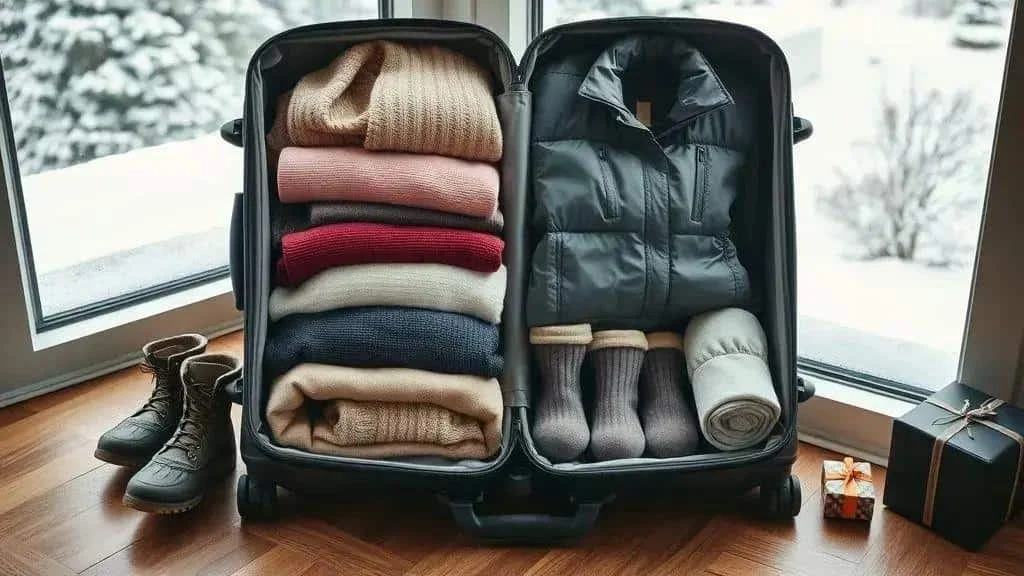
Christmas winter travel packing checklist: choose layers for the forecast and your activities, pack suitable footwear, keep essential medicines and documents accessible, organise chargers and adapters, and protect presents. Check your airline, airport and customs requirements for every part of the journey.
This Christmas winter travel packing checklist helps you prepare for a festive break in a cold destination. The Northern Hemisphere includes very different climates: a city weekend, a wet coastal stay and a snowy mountain holiday need different equipment. Start with your itinerary rather than assuming that every December trip requires the same suitcase.
Illustrations in this article are conceptual images, not documentary photographs or evidence of a particular historical event, destination, venue or access route.
Essential clothing for cold weather
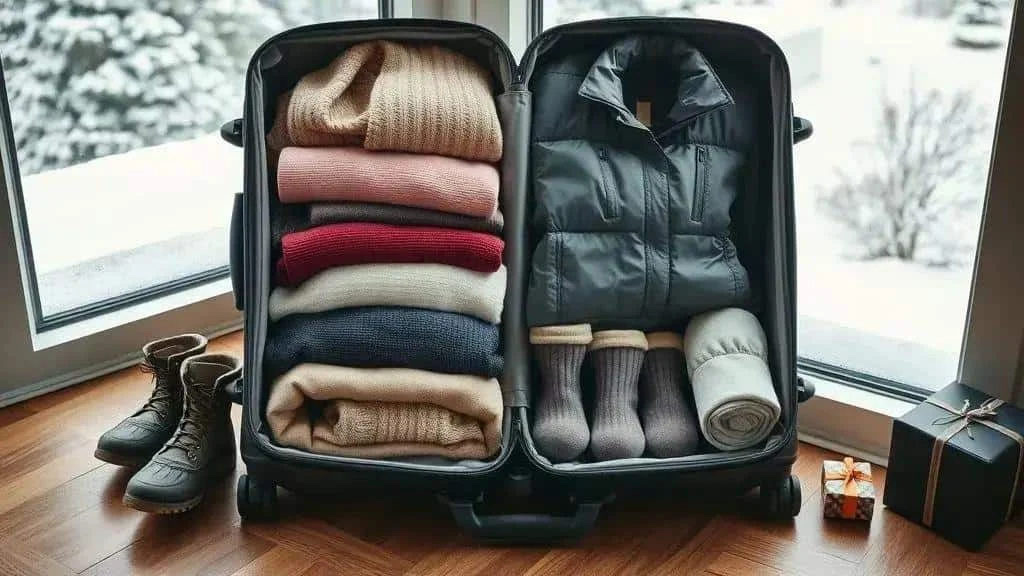
Build a flexible set of layers that you can add or remove indoors, on public transport and outside. Match the warmth and weather protection to the forecast, including wind and rain, and to how active you expect to be.
- Base layers – synthetic or merino tops and leggings can help manage moisture next to the skin during cold-weather activities.
- Mid-layer – a wool jumper or fleece provides an adaptable layer of warmth without requiring a different coat for every outing.
- Insulated jacket – choose down or synthetic insulation with enough warmth for the conditions, rather than buying solely by how small it packs.
- Weatherproof outer layer – a suitable waterproof, wind-resistant shell protects your inner layers in rain or snow.
- Trousers – combine comfortable trousers with thermal leggings when needed; waterproof overtrousers may be useful for wet or snowy activities.
- Footwear – choose comfortable boots with appropriate insulation, water protection and tread. No sole makes icy ground completely safe.
- Warm accessories – pack a hat, scarf or neck warmer, suitable gloves or mittens and well-fitting warm socks.
- Optional extras – spare socks, a laundry bag, a light insulated gilet and hand warmers may suit your plans. Keep the list proportionate to the trip.
Choosing fabrics and avoiding common mistakes
Merino wool and suitable insulated clothing can form a useful winter wardrobe. Synthetic base layers are another option; cotton is a poor choice next to the skin for prolonged cold, wet activity. Down needs protection from moisture, while synthetic insulation may be more practical in damp conditions.
A light insulated jacket and waterproof shell can be a flexible combination, but they are not automatically adequate for severe cold. Check the warmth, fit and intended use of the garments, leaving room for comfortable layers underneath.
Organising clothes in your suitcase
- Group the layers: keep base layers together, fold bulky garments carefully and put footwear in separate bags. Only compress clothing as its care instructions allow.
- Use small spaces: tuck clean socks into clean boots to save space without squashing delicate items.
- Keep arrival essentials accessible: place a hat, gloves and a warm layer near the top or in your cabin bag.
- Protect delicate knits: use a fabric bag or packing cube to prevent wool jumpers catching on buckles and zips.
For a festive dinner or formal occasion, choose an outfit that works with fine layers and your warm outerwear. Comfortable shoes and adequate protection from the weather matter more than a particular look, especially if you will be walking between venues.
Footwear, accessories and protection from snow
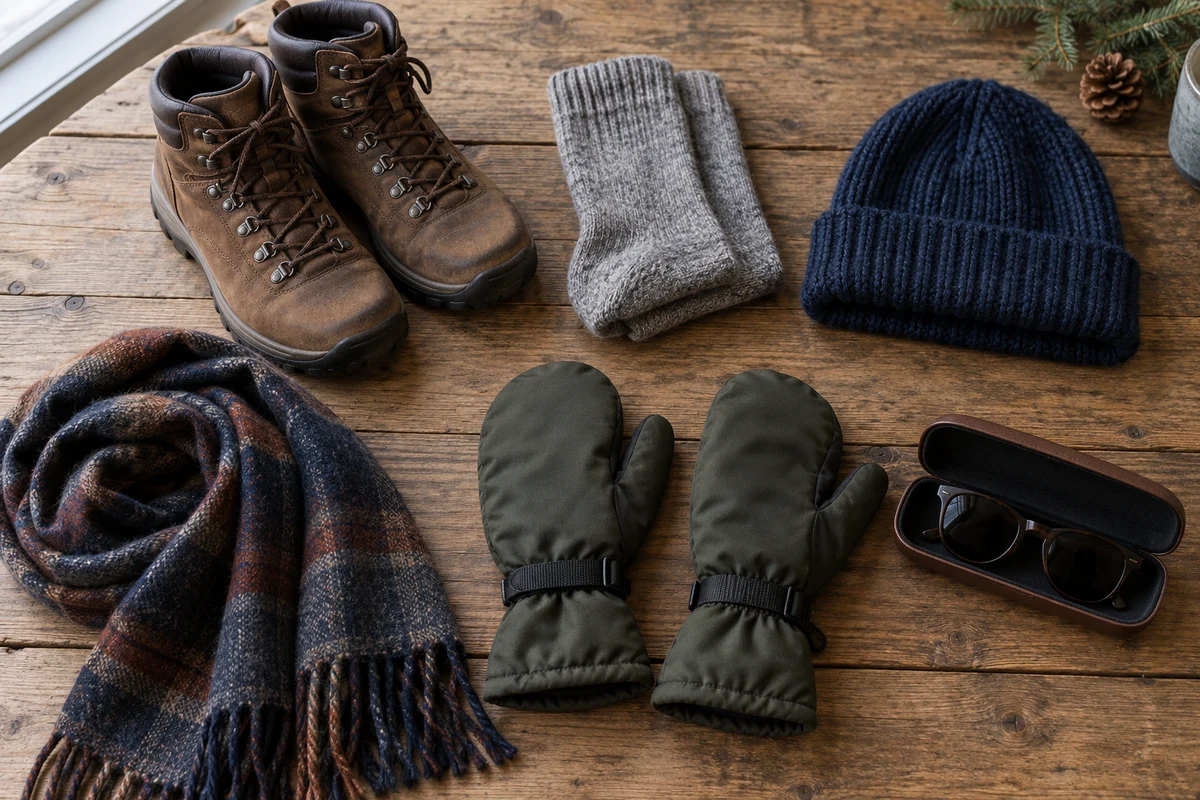
Think about where you will actually walk. Pavements, slushy city streets and mountain paths pose different challenges, so choose footwear for the terrain and conditions rather than treating any winter boot as suitable for everything.
- Water-resistant or waterproof boots – select the level of protection and insulation you need. A higher ankle can help keep out splashes or shallow snow, but does not turn an ordinary boot into mountaineering equipment.
- Suitable tread – check grip, fit and comfortable movement. A well-known sole brand or deep tread alone is not a guarantee against slipping on ice.
- Linings and insoles – removable insoles can help with drying. Extra insulation must not make the boots tight or restrict your toes.
Foot protection and traction
Ask for appropriate local advice if your route may be icy. Changing the route or postponing a walk can be the sensible option; carrying traction equipment does not replace judgement or winter skills.
- Traction aids and crampons – these are not interchangeable. Small traction aids have limits, especially on steep or hard icy ground. Winter mountain routes may require compatible boots, crampons, an ice axe and the training to use them; this general packing list is not a mountain-safety checklist. Source: BMC — walking boots, crampons and micro-spikes
- Gaiters – when appropriate, these help stop snow and debris entering the top of your boots. Check their fit before travelling.
- Hand and foot warmers – use only as instructed, including any warnings about direct skin contact. They supplement suitable clothing rather than replacing it.
Keeping hands, face and eyes comfortable
Cover exposed skin appropriately and choose accessories that you can adjust as the conditions change.
- Layered gloves – thin liners beneath insulated gloves or mittens can be useful. Balance warmth, water protection and the dexterity you need.
- Hat and neck warmer – a warm hat and scarf or neck gaiter help protect exposed areas; a balaclava may suit particularly cold activities.
- Sunglasses and goggles – choose suitable UV protection and, for snow sports, appropriate goggles. Goggles do not make it safe to continue in a storm or poor visibility.
Socks and foot comfort
Socks need to work with your boots. A comfortable, dry fit is more useful than simply packing the thickest pairs available.
- One pair or two? – a thin liner with a warmer sock suits some boots, but doubling up is not compulsory and can make footwear too tight. Try the combination first.
- Choose the right thickness – leave room to move your toes comfortably and avoid seams or folds that rub.
- Allow for changes – take enough pairs for the trip and your washing arrangements, including dry spares for wet days. Change damp socks promptly.
Choosing and caring for footwear
- Try boots with your intended socks and walk around before deciding. Check heel comfort, toe room and how they feel on steps.
- Check the care instructions before applying any waterproofing spray or wax; use only products suitable for the material.
- Dry gently – remove insoles if appropriate and allow ventilation. Avoid strong direct heat that could damage the boots.
- Pack only useful maintenance items – a small approved care product or spare laces may help. Do not rely on an improvised repair to make damaged footwear safe for a demanding walk.
Packing footwear and accessories
- Save space carefully: fill clean shoes with socks and keep dirty footwear separate from clothing.
- Prepare your cabin bag: include gloves, a hat and a warm layer for arrival or an unexpected delay.
- Protect sharp equipment: if your activity requires traction equipment, cover the points securely and check airline and security rules before packing it. Do not leave spikes loose in an outside pocket.
Toiletries, medicines and personal care
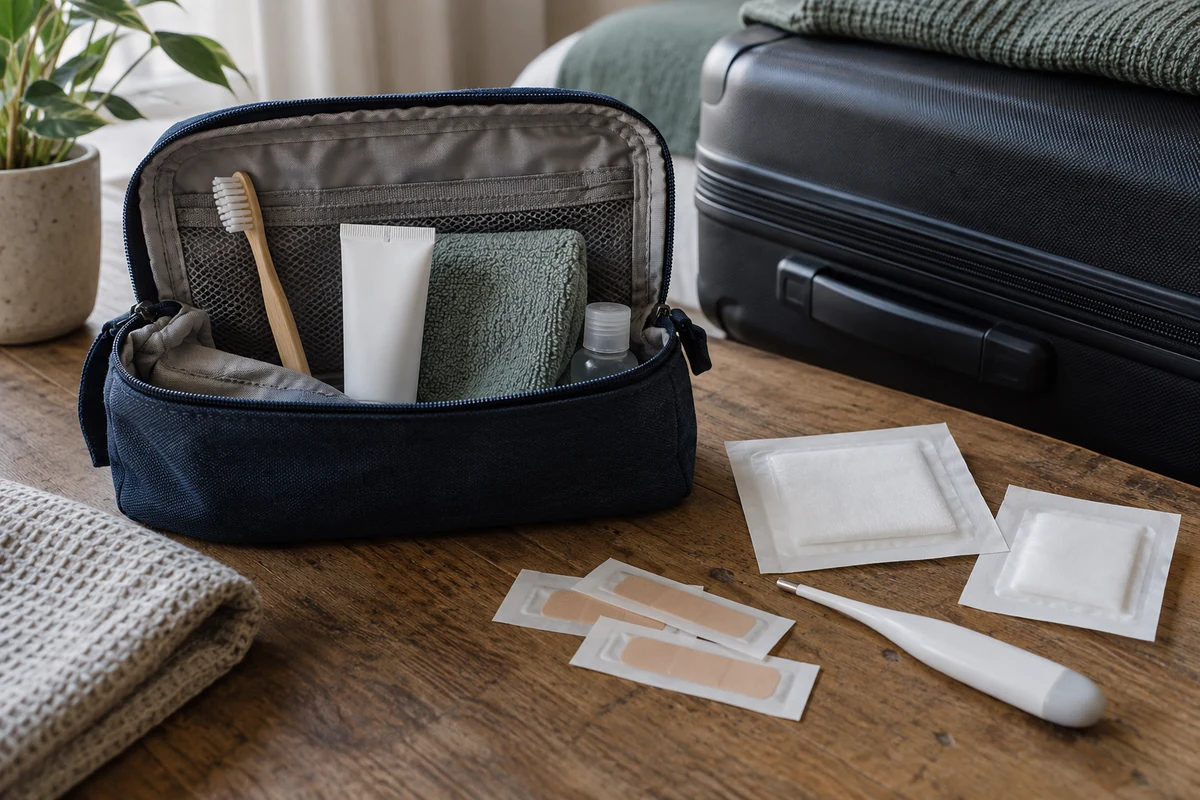
Pack the products you actually use, plus health supplies appropriate to your destination and circumstances. A pharmacist or travel-health professional can help with questions about medicines and storage.
Essential medicines and organisation
- Regular medicines – keep them in original labelled packaging and accessible during travel. Check the destination and transit countries’ rules, particularly for controlled medicines, and obtain any required prescription or doctor’s letter. Source: TravelHealthPro — medicines and travel
- Pain relief – take only products suitable for you and follow their instructions. A pharmacist can advise if you are unsure; a packing list cannot determine which medicine or dose you need.
- Allergy medicines – bring your prescribed treatment and follow your own allergy action plan. An antihistamine is not a substitute for a prescribed adrenaline auto-injector.
- Cold remedies – these are optional, not essentials for everyone. Check suitability and ingredients, especially before combining products that may contain the same medicine.
- Temperature-sensitive medicines – agree a suitable storage and transport plan with your pharmacist or clinician. Keep within the product’s specified temperatures; cold weather and direct contact with ice packs can also cause damage.
A small first-aid kit
- Dressings – a selection of plasters, gauze and suitable dressing tape covers simple needs without filling the bag.
- Blister care – consider appropriate blister dressings, particularly if you plan to walk more than usual.
- Cleaning supplies – include suitable wipes or a small cleansing product that you know how to use.
- Thermometer – a compact digital thermometer may be useful for your household.
- Tweezers and small scissors – protect the points and check security requirements; pack them in checked luggage if required.
Skin care in cold weather
- Face and body moisturiser – take products that suit your skin, in containers appropriate for your journey’s luggage rules.
- Lip care – a suitable balm can help with comfort in dry conditions; choose sun protection when needed.
- Sunscreen – winter does not remove the need for sun protection, particularly around snow. Use at least SPF30 with good UVA protection, following the label, alongside clothing and sensible exposure precautions. Source: NHS — sunscreen and sun safety
- Tissues and hand sanitiser – small supplies are convenient in transit; keep sanitiser within the applicable liquids allowance.
Eyes and everyday personal care
- Eye-care products – bring any drops you already use as directed. Seek appropriate advice for new or persistent eye symptoms rather than treating drops as a universal preventive measure.
- Nasal care – if you use a saline product, pack it according to its instructions and your luggage allowance.
- Menstrual and personal-care supplies – allow for the length of the stay and some flexibility if plans change.
- Contact lenses – bring the correct case and solution, together with glasses as a practical backup.
Packing and paperwork
- Keep essentials with you: carry necessary medicines, relevant medical paperwork and basic toiletries where they remain accessible during the journey.
- Separate potential leaks: seal toiletries securely and protect nearby items. Any extra container for medicine must still meet that medicine’s storage requirements.
- Bring the required evidence: check what documentation your medicines or medical equipment require, and keep relevant contact details accessible.
- Allow for delays: discuss an appropriate extra supply with your pharmacist or prescriber, within the permitted import quantity. There is no single extra-days allowance suitable for every medicine and destination.
Practical supplies and replacements
- A small organised pouch – keep dressings and permitted tools together. Carry needles or syringes only when needed for your treatment, with the required documentation and safe storage.
- Travel toiletries – decant suitable products into secure containers if useful, but check the rules at every departure and transfer airport rather than assuming one liquids limit applies everywhere. Source: GOV.UK — hand luggage restrictions
- A private medicine list: keep names, strengths and your prescribed schedule available in a secure place, with an offline copy if needed.
- Insurance and assistance: save your insurer’s contact details and find out how to obtain medical help at your destination.
Documents, electronics and travel essentials
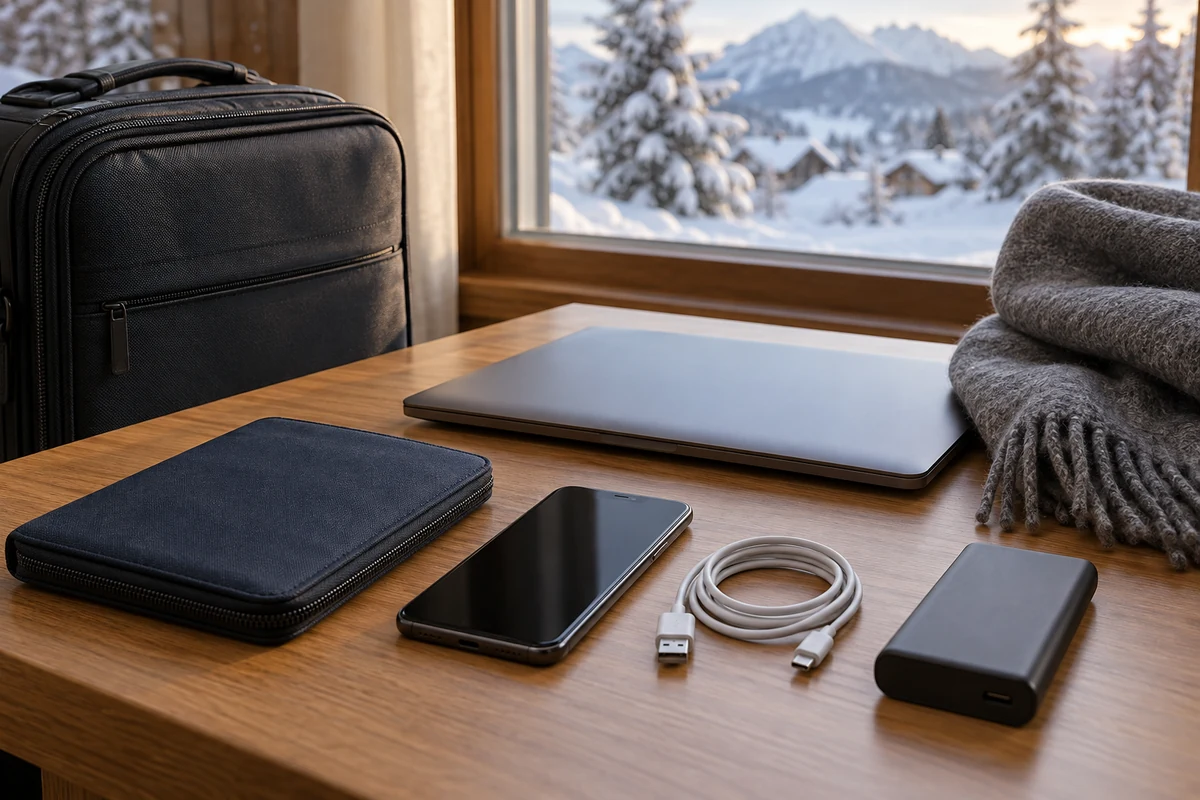
Keep the items you need during the journey organised and secure. Essential documents should remain with you, and electronic equipment should be packed according to the airline’s rules.
Documents to check
- Passport and entry permissions – check the exact passport-validity, visa and electronic-authorisation requirements for your nationality and route. Do not assume that a six-month passport rule applies to every country. Source: GOV.UK — foreign travel advice
- Driving documents – if hiring or driving a car, check the destination’s licence rules and the hire company’s requirements. An international driving permit is only needed where applicable.
- Payment cards – check overseas fees and your bank’s travel advice. A separate backup payment method can be useful if one card stops working.
- Travel insurance – check cover for your health conditions and planned activities, including any winter sports. A GHIC or EHIC, where usable, is not a replacement for travel insurance. Source: GOV.UK — foreign travel insurance
- Booking confirmations – keep accommodation, transfer and ticket details available offline, with printed copies if useful.
Backups and document security
- Secure digital copies – store copies in protected storage with an offline option, rather than relying on an internet connection at the airport.
- Paper copies – keep a useful copy separately from the original and protect personal information. Copies do not replace valid travel documents.
- A discreet document wallet – organise items so that they are easy for you to find but not exposed to others. RFID-blocking features are optional, not a guarantee against theft.
Useful electronics
- Phone – check roaming costs, coverage and compatibility before choosing a local SIM or eSIM. Download useful maps before departure.
- Chargers and cables – pack the correct cables for your devices and keep them together in a small pouch.
- Power bank – check its marked watt-hour rating and your carrier’s limits. UK CAA guidance limits passengers to two power banks, carried in the cabin, and says not to recharge them on board. Airline rules may be stricter; protect batteries from damage and short circuits. Source: Civil Aviation Authority — safe packing
- Plug adapter – choose the correct plug for the country and check your device’s voltage compatibility. An ordinary travel adapter does not convert voltage, and there is no single socket type used throughout Europe.
- Laptop or tablet – bring one only if you need it for work or entertainment; consider the weight and how securely you can carry it.
- Headphones – a familiar comfortable pair can make a long journey more pleasant.
- Camera accessories – pack compatible memory cards and a reader if needed, following battery rules for any spares.
Settings and practical checks
- Charge before leaving so you are not dependent on aircraft charging. Follow the airline’s rules on using and storing power banks; do not assume that use during the flight is allowed.
- Passwords and authentication – use a secure password manager and plan how you will access accounts if your main phone is unavailable.
- Important contacts – save consular assistance, insurance and accommodation details, including a copy you can access without your phone.
- Airport and airline rules – check liquids, electronics and battery restrictions for the outward journey, transfers and return. If a cabin bag is put in the hold at the gate, remove power banks and spare lithium batteries first.
Packing electronics securely
- Use a small organiser for cables, adapters and memory cards rather than leaving loose accessories throughout the suitcase.
- Keep essentials accessible but secure – use a zipped internal compartment for documents and your phone, not an exposed outer pocket.
- Reduce unnecessary weight – decide whether you really need several devices when one may cover your plans.
Arranging your suitcase in layers
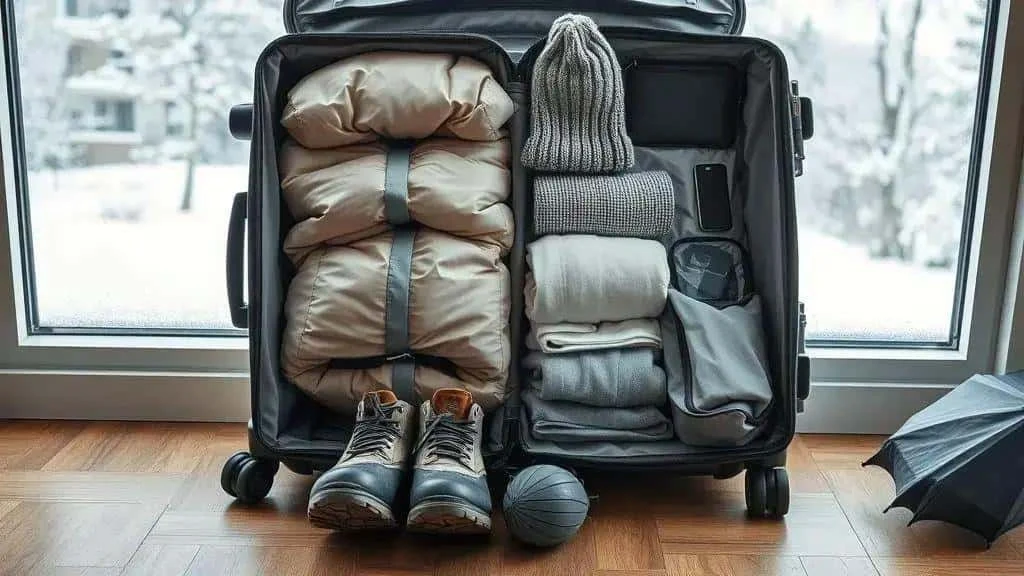
Grouping belongings makes it easier to find what you need without unpacking everything. Adjust the arrangement to the shape of your luggage and how you will use it during the journey.
Basic packing principles
Packing layers keep base layers, jumpers and outerwear organised. Keep things you will need first accessible and avoid over-compressing delicate garments.
- Layer one – bulky items: position bagged footwear and heavier items where the suitcase remains balanced; fold insulated clothing carefully.
- Layer two – warm clothes: group jumpers and trousers in packing cubes or suitable bags.
- Layer three – lighter clothing: keep thermals, underwear and socks together, rolled or folded as suits the fabric.
- Layer four – accessories: place hats, gloves and small items in an accessible pouch, reserving arrival essentials for hand luggage.
A practical packing sequence
- Sort before packing: lay out clothes by use and check that the combinations cover your itinerary.
- Use packing cubes if helpful: separate thermals and jumpers, and bring a bag for laundry.
- Roll suitable lightweight items: this can make them easier to arrange, although it will not prevent every crease.
- Fold bulky clothing carefully: follow care guidance on compression and unpack insulated clothing promptly at your destination.
- Bag footwear separately: position shoes so they do not soil or crush other belongings, using clean empty space inside them for socks.
- Separate liquids from electronics: use leak-resistant packaging and a protective device pouch, following the applicable cabin and hold rules.
- Keep a change of clothes in hand luggage: a small set of essentials helps if your main suitcase is delayed.
Making the most of the space
- Compress selectively: reducing volume does not reduce weight. Avoid forcing zips or damaging fabrics to squeeze in more.
- Choose compatible layers: a few pieces that work together can serve several outfits.
- Balance warmth and bulk: a packable coat is convenient only if it is suitable for the conditions you expect.
- Keep the arrangement clear: grouping items by purpose makes it easier to find something quickly.
Before you close the suitcase
- Check that everyday essentials remain accessible.
- Confirm that toiletries are securely closed and packed for the route’s rules.
- Keep essential documents and permitted electronics safely with you.
- Use a separate bag for dirty or temporarily damp items, then dry wet clothing promptly rather than leaving it sealed up.
A little organisation protects delicate items and helps you reach the things you need during the journey without repeatedly unpacking.
Presents, souvenirs and local purchases

Allow some space and budget for festive purchases. A thoughtful souvenir does not need to be large; consider how it will travel and whether it is permitted at your next border before buying.
Ideas worth considering
- Local crafts – small ornaments, embroidery and ceramics can be meaningful keepsakes. Check that fragile pieces can be protected properly.
- Regional food – check current import rules before buying chocolates, biscuits, preserves or other food gifts. Packaging, including vacuum sealing, does not make a restricted food permissible; rules also differ between Great Britain and Northern Ireland. Source: GOV.UK — bringing food into Great Britain
- Clothes and accessories – scarves, hats and gloves can be useful gifts. Read material and origin labels rather than assuming every market item was made locally.
- Local drinks – check age restrictions, customs allowances and carrier requirements before buying wine or spirits, and plan leak-resistant protection.
- Experiences – a tour, meal or workshop voucher can suit someone who prefers experiences. Check availability, expiry dates and booking conditions.
Wrapping, transport and protection
- Protect fragile items – use padding and, where possible, a rigid inner box. Carry especially delicate objects with you when permitted, within size and weight limits.
- Check liquid purchases: airport rules and transfer arrangements matter. Do not assume a bottle bought after one security check will pass the next; check any sealed duty-free bag requirements before buying.
- Batteries and electronic gifts: spare lithium batteries and power banks belong in the cabin, protected as required. Check separately how the airline treats equipment with batteries installed.
- Use protective packaging: a gift bag offers less protection than a suitable box. Security staff may need to open wrapped presents, so leave final wrapping until arrival when practical.
Customs, tax and receipts
- Keep receipts: retain purchase records for customs declarations, returns or a tax-refund claim where eligible.
- Check VAT-refund eligibility: refunds are conditional, not automatic. For EU purchases, eligibility depends on factors including residence outside the EU, export requirements and any minimum purchase rules; confirm the procedure before shopping. Source: Your Europe — VAT and refunds for visitors
- Check allowances and declarations: consult the customs guidance for your destination and return country, and declare goods when required. Paying tax abroad does not automatically remove obligations on arrival.
Gifts for different people and budgets
- Family: consider an ornament, small local game or permitted food gift, taking allergies and preferences into account.
- Friends: a scarf, handmade mug or compact keepsake can be easier to transport than a large decorative object.
- Colleagues: keep gifts modest and appropriate, and check workplace gift rules if relevant.
- A limited budget: postcards, a small craft item or a permitted sweet treat can carry a personal message without filling the suitcase.
Shopping at markets and local shops
- Ask politely: check the displayed price and payment options. Do not assume bargaining is customary at every Christmas market.
- Look closely before buying: check size, materials, condition and origin, and ask about returns where needed.
- Ask about protective wrapping: some sellers can supply a suitable box or padding; check whether it costs extra.
Choosing souvenirs thoughtfully
- Consider how things are made – buying from a local maker can support their work, but local origin alone does not prove a product has a lower environmental impact.
- Reuse suitable packaging – bring a reusable bag and reuse padding where it protects the purchase properly.
- Consider an experience – it avoids carrying a physical gift, although travel and other activities still have their own impacts.
Thinking about size, suitability and transport before buying helps keep the journey home straightforward and the gifts meaningful.
Final Christmas travel checklist

- Documents ready: have your valid passport, required entry permissions, payment method and insurance details accessible.
- Bookings checked: confirm flights, accommodation, transfers and arrival arrangements, with essential details saved offline.
- Medicines prepared: pack your required supplies and documentation, having checked the rules and storage arrangements for the route.
- Electronics ready: charge devices before leaving and bring the correct cables and suitable adapter.
- Baggage within allowance: check size, weight and number of bags against your actual booking, including connecting flights.
- Liquids packed correctly: follow each airport’s current requirements, including any applicable medical exemptions, rather than relying on a single universal container limit. Source: GOV.UK — medicines and medical equipment in hand luggage
- Warm arrival clothes accessible: keep a hat, gloves, suitable layer and spare socks with you if the destination calls for them.
- Personal essentials covered: include a modest first-aid kit and toiletries appropriate to your own needs, rather than an unnecessary collection of medicines.
Documents and security
- Backups available: keep useful paper or secure digital copies separately from the originals, protecting personal information.
- Valuables stored discreetly: use a secure wallet or zipped compartment and avoid leaving documents exposed while travelling.
- Assistance details saved: keep consular, insurance and accommodation contact details available if your phone or connection fails.
Luggage and practical items
- Bags identified: use a luggage tag with an appropriate contact detail, avoiding unnecessary public display of your home address. Check any destination-specific lock requirements.
- Fragile objects protected: use suitable padding and a rigid inner container when possible, rather than relying on loose clothes alone.
- Clothing matched to the trip: check your layers, outerwear and footwear, leaving reasonable room for planned purchases.
Electronics and connectivity
- Important information backed up: protect photos and documents before travelling, and make essential details available offline.
- Payment access checked: follow your bank’s travel advice and plan a secure backup if your main payment method fails.
- Maps and mobile service prepared: download useful maps and check roaming or SIM arrangements before departure.
Last checks before closing the bag
- Review the forecast: adjust for expected rain, wind, snow and temperature, and check again close to departure.
- Check electrical compatibility: confirm both plug type and the voltage requirements of the devices you intend to use.
- Close the luggage securely: check caps, zips and tags without forcing an overfilled suitcase shut.
- Prepare for a delay: keep a change of clothing and essential supplies accessible, with any extra medicine quantity agreed and legally permitted.
On the day of departure
- Leave devices ready: charge your phone and other essentials before leaving home, and keep the relevant travel details accessible.
- Allow enough time: follow the airline and airport’s arrival guidance for check-in, security and any border formalities.
- Watch for updates: check your flight or other transport service for timing and departure-point changes.
We hope this checklist makes preparing for a Christmas winter trip easier. Adapt it to your destination, activities and household rather than treating every item as compulsory.
Thank you for reading. Explore more festive ideas and practical seasonal guides as you plan a comfortable holiday.
Visit the I Love Christmas blog for more inspiration. Have a lovely Christmas and a good journey!
Christmas winter packing: frequently asked questions
What should I wear for a very cold Christmas trip?
Build suitable layers: a moisture-managing base layer, a warm mid-layer and enough insulation and weather protection for the forecast. Add appropriate footwear, socks, gloves and headwear. Severe cold and mountain activities need more specific preparation than a general city-break checklist.
Can I take liquids in hand luggage?
Check every departure and transfer airport, as requirements vary. Some still apply a 100 ml container limit, while other arrangements and exemptions may apply. Confirm the rules for the return journey too.
How should I carry medicines?
Check destination and transit requirements, use the required labelled packaging and documents, and arrange suitable storage with your pharmacist where needed. Keep essential supplies accessible and plan any permitted extra quantity for delays.
How can I protect fragile presents?
Pad items securely inside a suitable rigid container where possible, then position them so they cannot move around. Check whether carrying them in the cabin is permitted and retain receipts for customs or returns.
Which shoes are best for snow and ice?
Choose footwear that fits well and suits the weather and terrain. No boot guarantees grip on ice. Seek advice before relying on traction aids, and obtain suitable equipment and skills for winter mountain routes.
What should I do if my checked bag is delayed?
Report it to the airline promptly, keep the reference number and relevant receipts, and check your insurance and the carrier’s claim process. Having essential supplies and a change of clothes in hand luggage makes the immediate disruption easier to manage.
Sources and Further Reading
- BMC — walking boots, crampons and micro-spikes
- TravelHealthPro — medicines and travel
- NHS — sunscreen and sun safety
- GOV.UK — foreign travel advice
- GOV.UK — foreign travel insurance
- Civil Aviation Authority — safe packing
- GOV.UK — hand luggage restrictions
- GOV.UK — bringing food into Great Britain
- Your Europe — VAT and refunds for visitors
- GOV.UK — medicines and medical equipment in hand luggage