
A family year in review at Christmas can bring together photographs, short reflections and memories of everyday life. Choose activities that suit those taking part, leave room for mixed feelings and agree what may be recorded or shared.
A family year in review at Christmas offers a chance to look back without turning the occasion into a performance or a list of achievements. These ideas can help you create a small, flexible activity with relatives, friends or chosen family.
Preparing a comfortable place to reflect

Choose a setting for reflection where people can hear one another and sit comfortably. Consider mobility, hearing and sensory needs, and leave an easy way for someone to take a break.
A few photographs or meaningful objects may prompt conversation. Check that those involved are comfortable with the selection, especially where an image recalls a difficult event or someone who has died.
Gentle lighting can create a relaxed atmosphere, provided people can still see photographs and written notes. Keep music low or leave it off if it makes conversation harder, and use electrical lights safely.
Set up a small writing area with paper and pens for anyone who prefers to contribute a note. A person may choose to keep their reflection private rather than add it to a shared display.
Invite contributions without requiring them. Listening, writing something later or opting out are all valid choices, and nobody should have to explain a personal difficulty in front of the group.
Choosing moments to remember

Begin with moments from the year that people want to revisit. Birthdays, a visit or a new skill may be part of the list, but ordinary experiences and times of support can matter just as much.
Ask people to add a date or context where they know it. Label uncertain details as approximate, and accept that two people may remember the same event differently.
Look through personal albums or saved photographs if people agree. Social media can provide prompts, but it is not a complete or neutral record of a year; many meaningful experiences never appear online.
Instead of voting on the best memory, let each person choose one or two moments that matter to them. This avoids ranking one person’s experience above another and can make a display more varied.
Include smaller moments, such as a shared meal or a useful conversation. The activity need not prove that the year was happy or successful, and difficult experiences can remain private.
Making a memory board

A memory board can bring together selected photographs and notes. Gather copies of pictures, coloured paper and suitable pens or adhesive materials, keeping originals separate.
Choose a stable display area that does not block a doorway or create a trip hazard. Use a board or a small wall space, and keep pins, magnets and long cords away from young children.
Group pictures by month or theme and add dates where known. Decorative corners or tape can be used with replaceable copies; unsuitable adhesives should not touch irreplaceable photographs.
Invite people to add short messages about the chosen images. Keep private details off a display that visitors or an online audience may see, and ask before photographing the finished board.
Leave a little space for later additions. A digital version can be updated too, but review access permissions and keep backed-up master files rather than relying on a single shared platform.
Inviting different people to take part
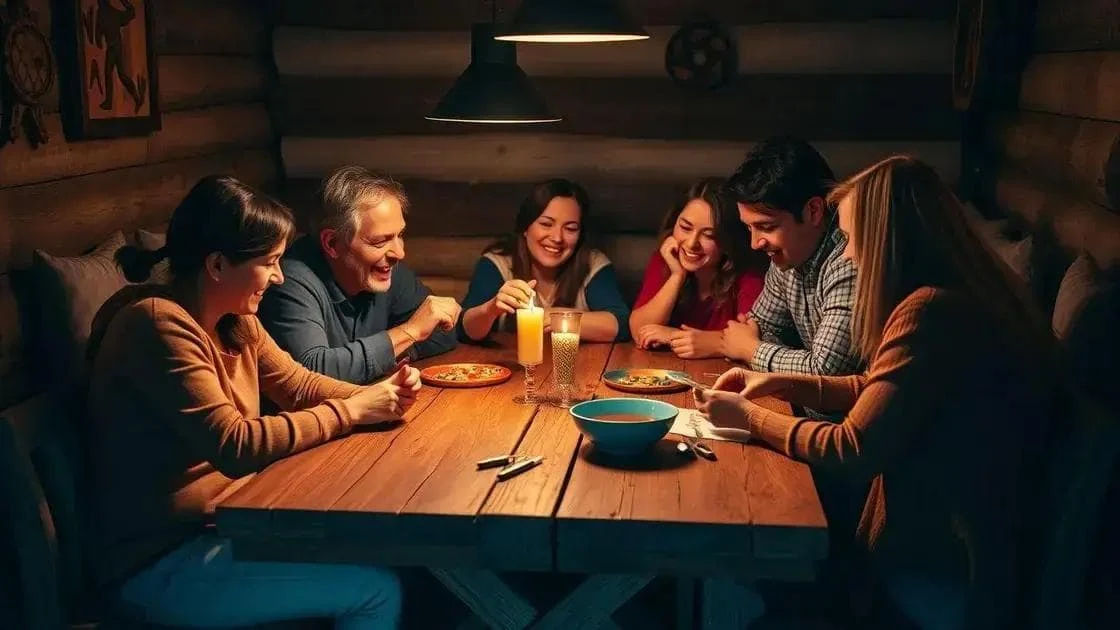
Including the family can mean offering several ways to contribute rather than expecting everyone to join the same conversation. Adapt these ideas to the household and its relationships.
1. Make the setting comfortable: Offer suitable seats, enough light to read and a quiet option. Cushions or blankets can help some people, but access and individual needs matter more than a particular decorative style.
2. Try an optional game: A light-hearted quiz about shared events can work if it does not expose private information or embarrass anyone. A cooperative activity may suit the group better than competition.
3. Offer gentle prompts: Questions about a place visited, a small pleasure or something learnt can start a conversation. Avoid demanding an account of someone’s biggest challenge or greatest achievement.
4. Allow different forms of contribution: Someone might speak, write a note, choose a photograph or simply listen. Accept a decision to pass and ask permission before retaining personal reflections.
5. Make something together: If people want to continue, assemble a small album or memory board. Keep the task manageable and let it end before it becomes tiring.
Activities for reflecting on the year
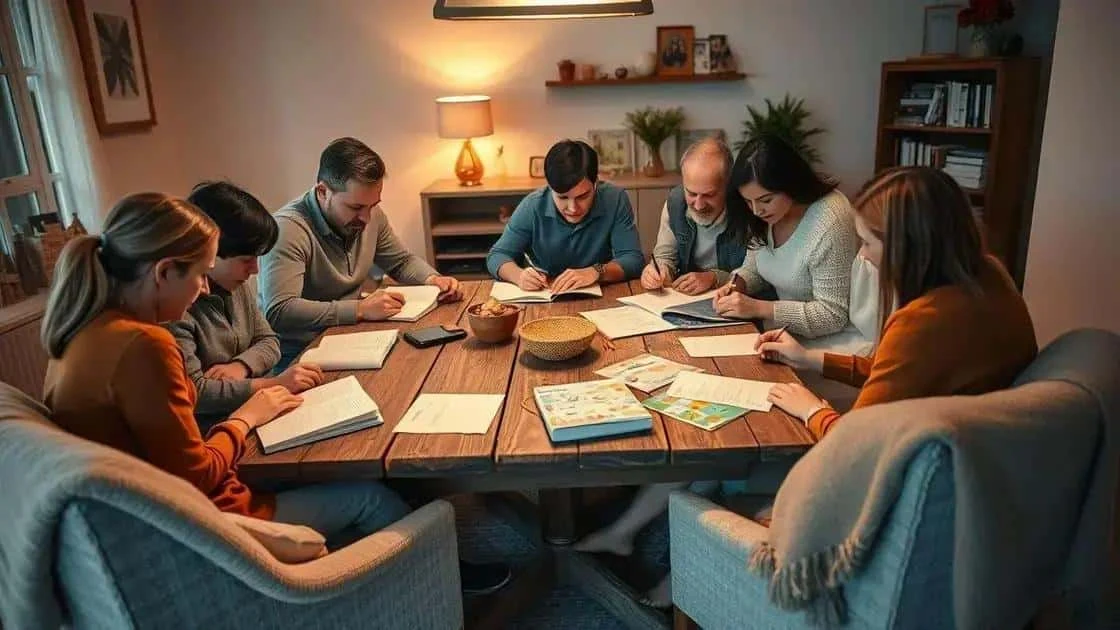
Year-end reflection activities can offer a way to notice change and remember support. They are optional personal activities, not therapy or a guarantee of emotional wellbeing.
1. A reflection journal: Write privately about something you learnt or would like to remember. Gentle prompts such as, What helped me this year? can be useful, but no entry needs to be read aloud.
2. A memory circle: Offer each person a turn to share something if they wish. Listen without correcting feelings or insisting on a positive ending, and allow people to pass.
3. Thank-you notes: Write a short message to someone whose help or company mattered. Share or send it only if the writer wants to, rather than requiring public expressions of gratitude.
4. A memory treasure hunt: Use safe, age-appropriate clues leading to copies of photographs or large paper symbols. Keep routes accessible and avoid hiding objects where children would need to climb or handle fragile keepsakes.
5. Creative reflection: Drawing, painting or collage can provide another way to express an idea. Choose suitable materials and leave the meaning to the maker rather than interpreting their work for them.
Recording memories for next Christmas

Recording memories throughout the year can make a later review easier. A small amount of clear, organised information is more useful than collecting everything without a system.
1. Keep a photo collection: Save selected images in dated folders and add captions. Keep original files, more than one backup and a copy in a separate location; check occasionally that the files still open.
2. Write brief celebration notes: Record the date, who was involved and a few details about an occasion. Keep sensitive information private and distinguish what you remember from what you can verify.
3. Make short recordings: Ask before filming or recording voices, especially children. Agree whether the material is for private viewing and obtain separate permission before sharing it more widely.
4. Choose sharing carefully: A private folder or album may be more appropriate than a public social media post. Review permissions, avoid exposing addresses or children’s routines and keep your own backups outside the platform.
5. Mark a keepsake with context: A new handmade ornament can carry a year or a small note. Record the story separately for fragile objects, and avoid altering valuable originals.
Personal gift ideas linked to memories

Personalised gifts are an optional extension of the activity, not a requirement. Choose something the recipient would enjoy and stay within a comfortable budget; a thoughtful note can be enough.
1. A personalised mug: Use an appropriate printing service or a product intended for the purpose. Craft paints are not automatically safe for food contact, so follow the manufacturer’s limits and keep unsuitable decoration away from the rim and inside.
2. A small memory album: Select photographs of shared experiences and add a few accurate captions. Check permission before including other people’s images or private messages.
3. An engraved keepsake: A date or initials may personalise a suitable item if it fits the recipient’s taste and your budget. Avoid promising that an object will always be treasured, and consider material allergies or age suitability.
4. Time together: A walk, a shared meal or a chosen class can be an alternative to an object. Discuss timing, accessibility and preferences rather than booking an experience the person may not want.
5. A suitable DIY kit: Put together materials for a hobby the recipient already enjoys, such as drawing or a simple craft. Check age suitability, allergens and any restrictions on posting seeds, liquids or batteries.
6. A useful personalised item: A name or design can make an everyday object distinctive. Check the spelling and the recipient’s preferences before ordering, and avoid including personal information they would not want displayed.
Looking back in a way that suits your household
A Christmas year in review can be a brief conversation, a few photographs or a small shared project. Choose what feels manageable rather than treating it as another festive obligation.
Clear captions, suitable storage and backed-up files help keep memories accessible. Respect people’s right to keep a reflection private or remember the same event differently.
Leave room for ordinary moments and mixed feelings. A useful record of the year does not need to present a perfect version of family life.
FAQ — A family year in review at Christmas
Which activities could we try for a family year in review?
A memory board, a small album, optional question cards or a short conversation are possibilities. Adapt the activity to people’s needs and let anyone listen or pass.
How can I record memories for next Christmas?
Keep dated photographs, short captions or notes, with permission for recordings. Maintain multiple backups, check that files open and review who can access shared material.
Do personalised gifts need to be part of the activity?
No. They are an optional idea, and a note or time together may be just as meaningful. Choose according to the recipient’s preferences and your budget.
How can we include family traditions?
Use a photograph, recipe or ornament as a prompt, and ask people what they remember. Note uncertain details as uncertain and respect different cultural, religious or personal perspectives.
Does everyone need to reflect on the year?
No. Some people enjoy it and others do not, particularly after a difficult year. Offer gentle prompts and private options without requiring disclosure, gratitude or a positive account.