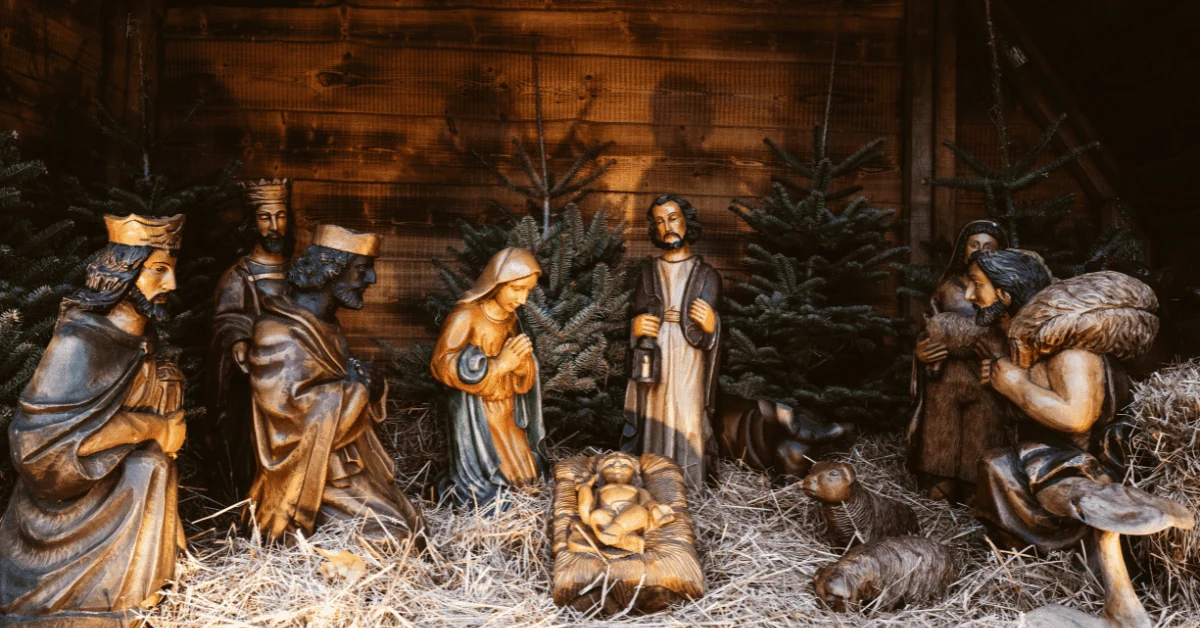
Celebrating Christmas abroad can combine familiar customs with local food, decorations and cultural activities. Keep in touch with people at home where possible, and choose a celebration that suits your circumstances rather than feeling obliged to recreate everything.
Spending Christmas abroad may bring curiosity, enjoyment and homesickness at the same time. Exploring local customs while keeping a few familiar traditions can help you find a balance that feels right for you.
Discovering local Christmas traditions
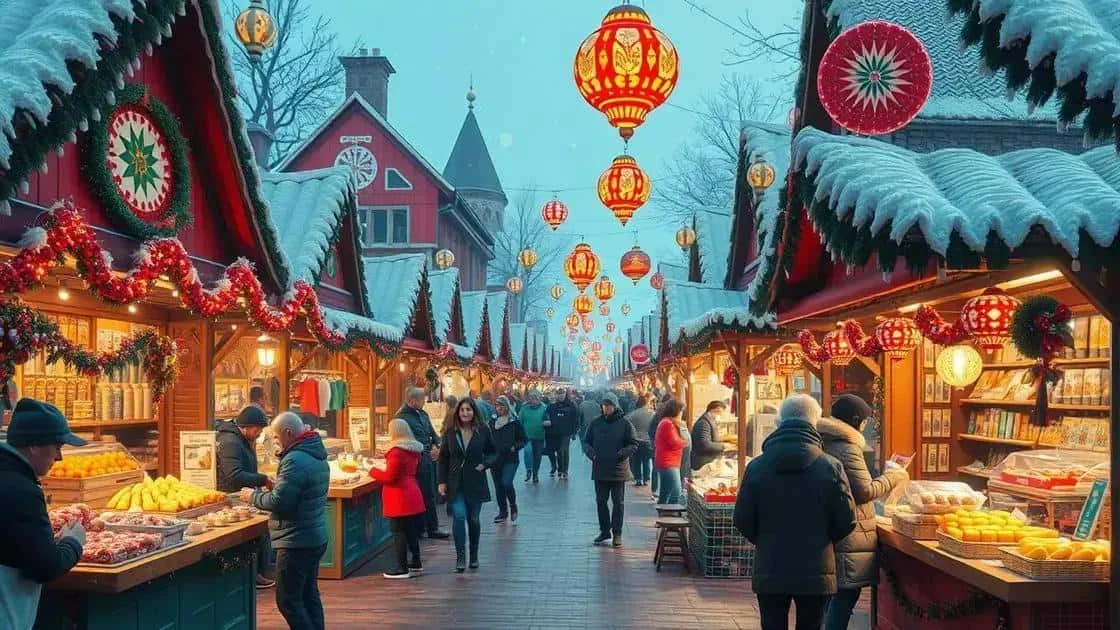
Learning about local Christmas traditions can add context to a visit or a new home. Customs vary within countries as well as between them, and not everyone celebrates Christmas. Look for local information and ask respectfully rather than relying on a national stereotype.
Joining local celebrations
Markets, parades and community gatherings may be open to visitors. Check current listings, tickets and access arrangements, then take part in ways that respect residents and organisers. A public event can offer a gentle introduction without requiring you to know every custom.
Decorations and lighting
Notice how public spaces and homes are decorated, while respecting private property. Materials, colours and lighting styles may reflect local conditions or individual taste. Enjoy the variety without assuming one style represents the whole country.
Regional food and drink
Local Christmas dishes can be an interesting part of your visit. Ask about unfamiliar ingredients and allergens, and choose food that fits your dietary needs. Trying something new is optional, not a requirement for taking part.
Music and dance
Seasonal concerts, songs or dance performances may offer another way to learn about the place you are visiting. Check whether participation is invited and follow any guidance, particularly at religious or community-led events.
Exploring Christmas food traditions
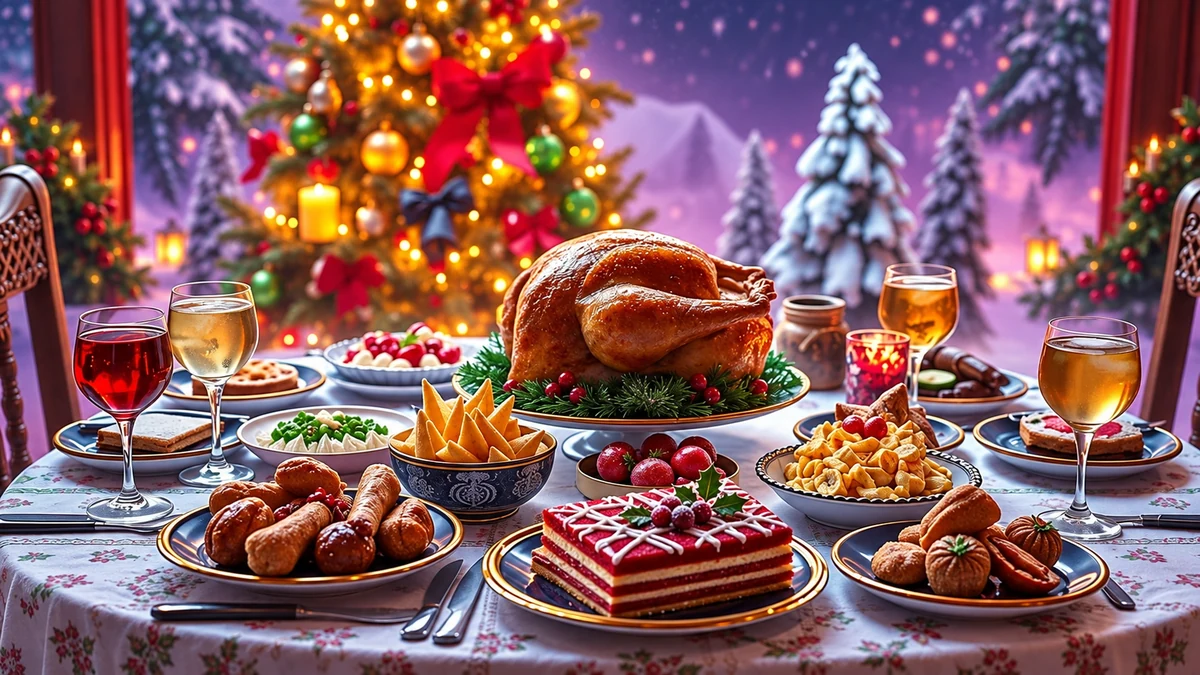
Christmas food traditions reflect families, regions and personal preferences as much as national customs. The examples below are starting points for exploration, rather than a fixed menu shared by everyone in a country.
Traditional main dishes
Christmas meals may feature roast turkey in some households or salt cod in Portuguese traditions. Elsewhere a family might choose chicken curry or another familiar dish. It would be misleading to describe one meal as the universal Christmas tradition of a diverse country such as India.
Seasonal desserts
Examples to explore include walnut pavê, a layered dessert made in some Brazilian households, German Stollen and British Christmas pudding. Recipes and preferences vary, so ask what is in a dish rather than assuming its ingredients.
Festive drinks
Seasonal choices may include cider, mulled wine or drinks flavoured with fruit and spices. Alcohol is not necessary for a celebration; ask for an alcohol-free option if preferred, and never assume a warm or fruity drink is alcohol-free.
Sharing food and company
A shared meal can be a chance to spend time together, whether the food is familiar or new. If you invite people, ask about their needs and preferences, and avoid treating a large banquet as the only way to be welcoming.
Christmas decorations with international inspiration

International Christmas decorations offer many possible styles. Borrow ideas thoughtfully, learn their meaning where relevant and remember that personal taste often matters more than national boundaries.
Different decorating styles
Decorated Christmas trees, ornaments, lights and stars appear in many celebrations, alongside quieter or more contemporary arrangements. Choose what fits your space and budget rather than assuming you need to reproduce a particular national look.
Using suitable local materials
Locally available materials may inspire a display. Tropical foliage and flowers can suit some warmer settings, while evergreen trees are familiar in many colder places. Check whether collecting plants is permitted and whether they are safe around children and pets.
Ornaments and handmade details
Glass ornaments and handmade wreaths are examples of decorations used in many places. Their materials and meanings differ between makers and families. Keep fragile items and small parts out of young children’s reach.
Festive lighting
Public displays of Christmas lights can be enjoyable to explore after dark. For your own space, use appropriate equipment according to its instructions and respect the accommodation’s rules. A modest display can be enough.
Cultural activities at Christmas

Christmas cultural activities can help you understand local celebrations. Use current programmes to find out what is happening, and choose activities that suit your interests, mobility and comfort with crowds.
Local festivals and events
A Christmas market or festival may feature crafts, food and performances. Check whether it is open on your travel dates, whether tickets are needed and how to get back afterwards. Programmes can change from year to year.
Seasonal theatre
Some communities stage plays about the birth of Jesus or other Christmas stories. Attend respectfully, check language and age suitability, and remember that a religious event may have different expectations from a commercial show.
Activities with family or friends
Making cards, decorating a tree or baking biscuits can bring a familiar rhythm to the day. Keep activities manageable and age-appropriate, and invite participation without making anyone feel obliged to join in.
Volunteering and practical support
If you want to volunteer, contact a legitimate organisation in advance and ask what support is actually useful. Roles may require training, checks or an ongoing commitment. Respect people’s dignity and privacy, and avoid treating assistance as a holiday attraction.
Choosing gifts for a local exchange

Christmas gift exchanges vary between groups and cultures. Ask your hosts about expectations, budgets and timing rather than assuming that everyone exchanges presents or welcomes the same kind of gift.
Handmade gifts
A handmade craft can be a personal choice when it suits the recipient. Simple ornaments or a carefully made keepsake may work well. Check safety and suitability, especially for candles, toys or items intended for children.
Local food and drink
Regional foods can be enjoyable gifts. Panettone is one option, while Brazilian-inspired choices might include pavê or rabanada, a festive bread dessert similar to French toast. Check allergens, refrigeration and transport requirements; chilled homemade desserts are not suitable for every journey.
Books and games
A book or game can suit different interests and ages. A Christmas recipe book may appeal to someone who enjoys cooking, while a board game could offer a shared activity. Consider language, accessibility and the recipient’s preferences.
Shared experiences
Tickets, a cinema visit or a restaurant voucher may be welcome if they fit the recipient’s interests and availability. Check expiry dates, access and any extra costs, and do not assume that an experience is automatically more meaningful than a physical gift.
Adapting familiar recipes

Adapting traditional recipes can help when ingredients are unavailable or guests have different needs. Some substitutions work easily, while others change texture, cooking behaviour or food safety. Use a reliable adapted recipe where possible.
Replacing ingredients
If a recipe uses dairy cream, coconut milk may work in some dishes, but it is not a universal replacement. Check the whole recipe and product labels before describing a dish as vegan or suitable for an allergy; lactose-free is not the same as free from milk proteins.
Adjusting quantities
Cook for the number of people attending and realistic appetites. Scaling ingredients does not always scale cooking times in the same way, so use a suitable recipe and check food is safely cooked. Plan storage for any leftovers.
Adding new ingredients
Ingredients such as dried fruit or nuts can add flavour and texture to some desserts. Check allergies first and choose additions that work with the recipe, rather than assuming every festive dish needs more ingredients.
Considering your household’s tastes
Ask what people enjoy and discuss any dietary requirements before changing a familiar dish. A separate simple option may be easier than adapting everything. Children can help with suitable tasks under adult supervision, without needing to like every new flavour.
Keeping familiar Christmas connections abroad

Finding the Christmas spirit away from home can take time. A few familiar routines may help, but it is also fine to celebrate differently or to acknowledge that the day feels difficult.
Personal decorations
A small decoration can make a temporary space feel more personal. Suitable dried leaves or tropical flowers might inspire a local arrangement, where safe and permitted. Keep flammable materials away from heat, and avoid transporting restricted plants across borders.
Revisiting family traditions
Choose one or two familiar activities, such as baking biscuits, playing Christmas music or putting up a small tree. Adapt them to your space and company rather than expecting the day to feel exactly as it does at home.
Keeping in touch from a distance
Arrange a call or exchange messages with family and friends if that feels helpful. Agree a time that works across time zones and check your connection or data costs. A short conversation can be worthwhile without sharing every part of the day live.
Learning from local traditions
Take opportunities to learn about celebrations where you are, without feeling you must attend every event. Respectful curiosity may bring new ideas to future Christmases, while familiar customs can remain part of your own celebration.
Make room for a different Christmas
Christmas away from home can combine discovery with mixed feelings. Keeping a few familiar elements of the Christmas spirit may help, but there is no single correct way to mark the day.
Food, cultural activities and contact with people you care about are possible ingredients, not a checklist for happiness. Choose what is practical and comfortable for your circumstances.
Be open to new traditions, value the familiar ones you want to keep and allow yourself a quieter celebration if that is what you need.
FAQ — Celebrating Christmas abroad
How can I keep familiar Christmas traditions away from home?
Choose a few manageable routines, such as familiar music, a favourite dish or a small decoration. Contact people at home if helpful, and leave room for your plans to be different this year.
What gifts suit a local Christmas exchange?
Ask the host about budgets and expectations. Crafts, food, books or experiences may suit particular recipients, but check dietary needs, transport, language and any ongoing costs before choosing.
How can I adapt a traditional recipe?
Use a reliable variation suited to the ingredients and dietary needs involved. Substitutions can change texture and safety, and changing one ingredient does not automatically make the whole dish suitable for an allergy or a vegan diet.
Which cultural activities could I explore?
Check current listings for markets, concerts, theatre or community events. Confirm bookings and access, and follow local expectations when attending religious celebrations.
A video call may work if you have a suitable connection and agree a time across time zones. Messages or an ordinary phone call are alternatives if video feels impractical or tiring.
What if I miss my family at Christmas?
Homesickness is understandable. Familiar routines, rest and contact with trusted people may help, but you do not have to force yourself to feel festive. Choose company or quiet time according to what feels supportive.