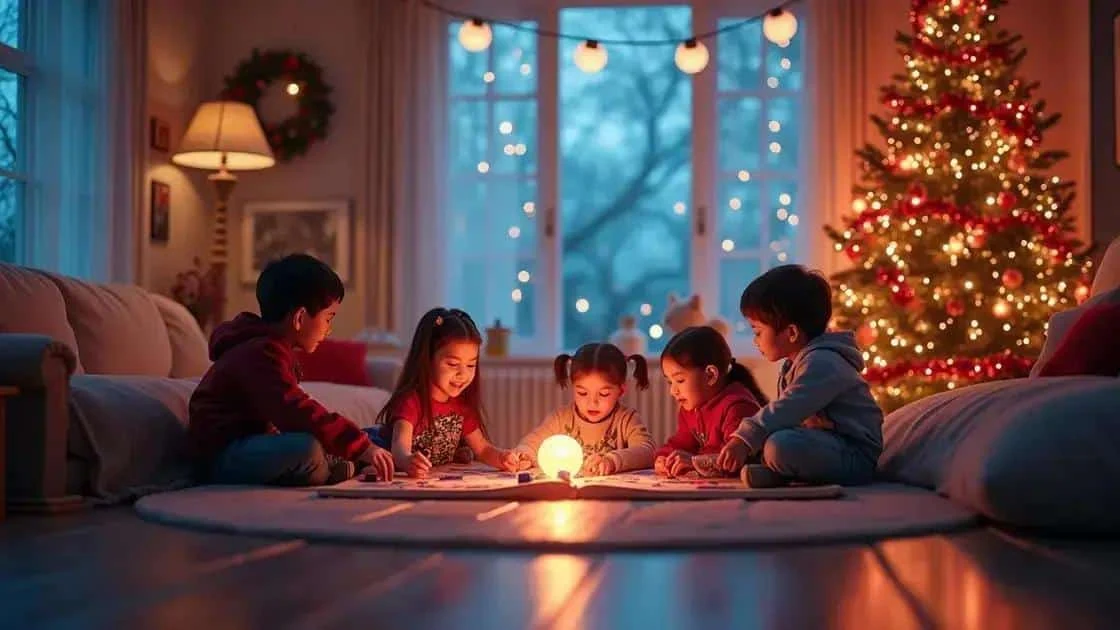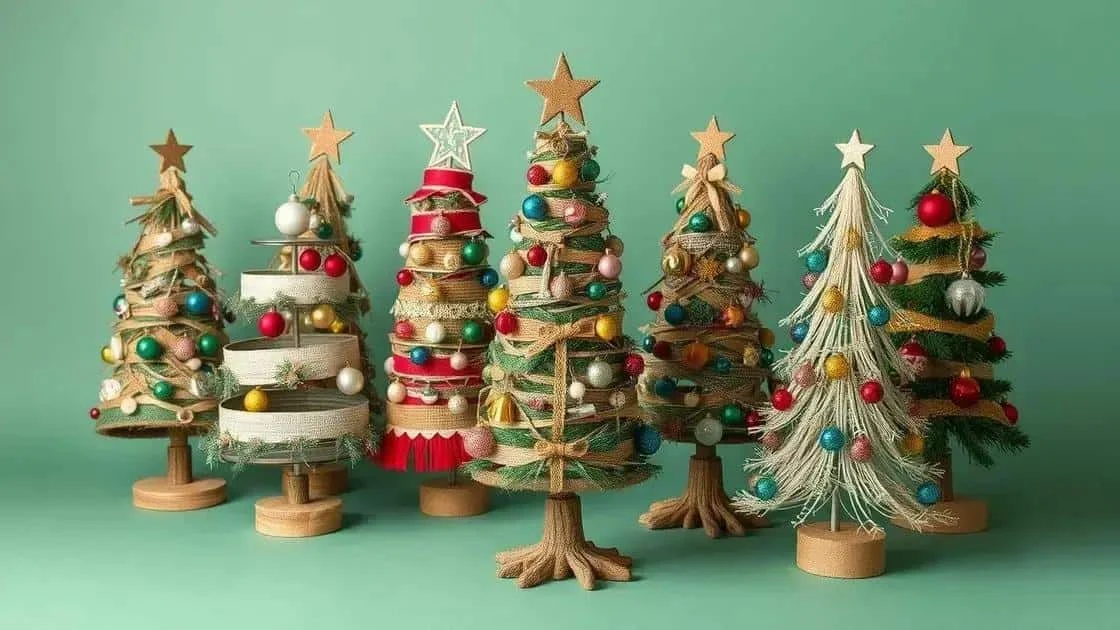
Alternative DIY Christmas trees offer ways to make a personal festive display from suitable existing materials. Choose a stable design, decorate it with light ornaments and keep it for future Christmases where possible.
Alternative DIY Christmas trees can bring a different look to your festive decorations. A compact tabletop piece or a flat wall display may suit a small home. Explore materials and finishing ideas to create a tree that fits your space.
Why choose an alternative Christmas tree?
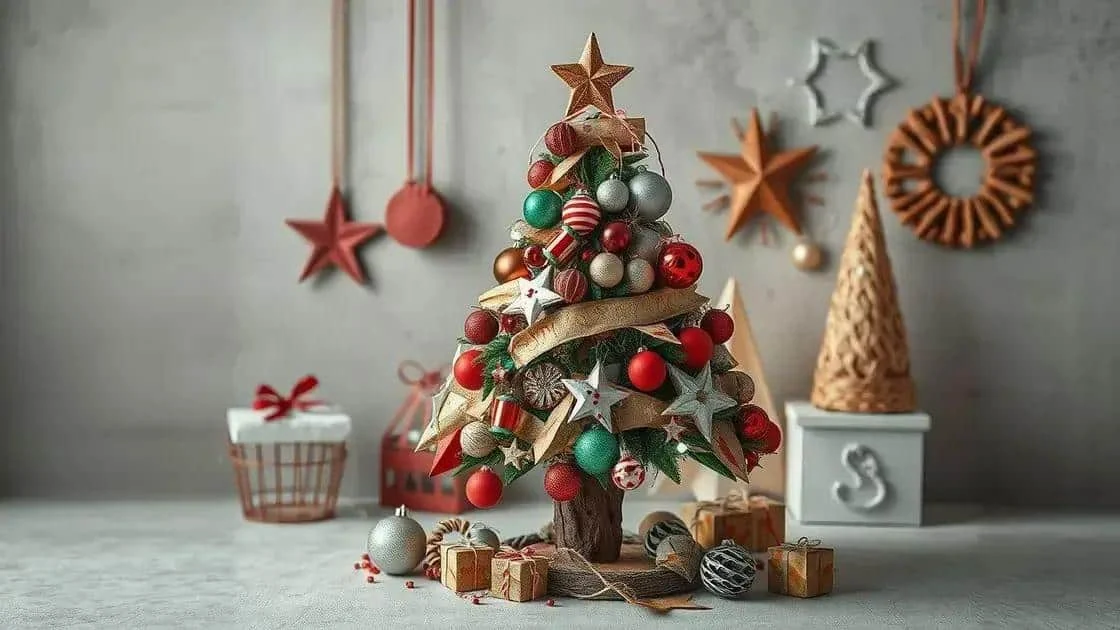
Alternative Christmas trees offer a way to vary the familiar festive display. Their usefulness depends on your room, available materials and preference for making things yourself.
Personal style
Individuality is part of the appeal. Cardboard, suitable reused wood or fabric can become a tree with colours and textures that reflect your style.
Reuse and environmental impact
If you want to reduce unnecessary resource use, start with materials you already own. An alternative tree is not automatically lower-impact: durability, new supplies, energy use and disposal all matter.
Planning the cost
A homemade tree can be affordable when the materials and tools are already available. Check the full project cost before buying supplies, and choose a simple design within your budget.
Making it together
Building a tree can be a shared family activity. Children can choose colours and make light ornaments, while adults handle the structure, tools and secure fixings.
Alternative Christmas trees can make a personal addition to your home. Choose one because it suits your space and can be used again, rather than relying on guaranteed savings or environmental claims.
Materials for an alternative tree
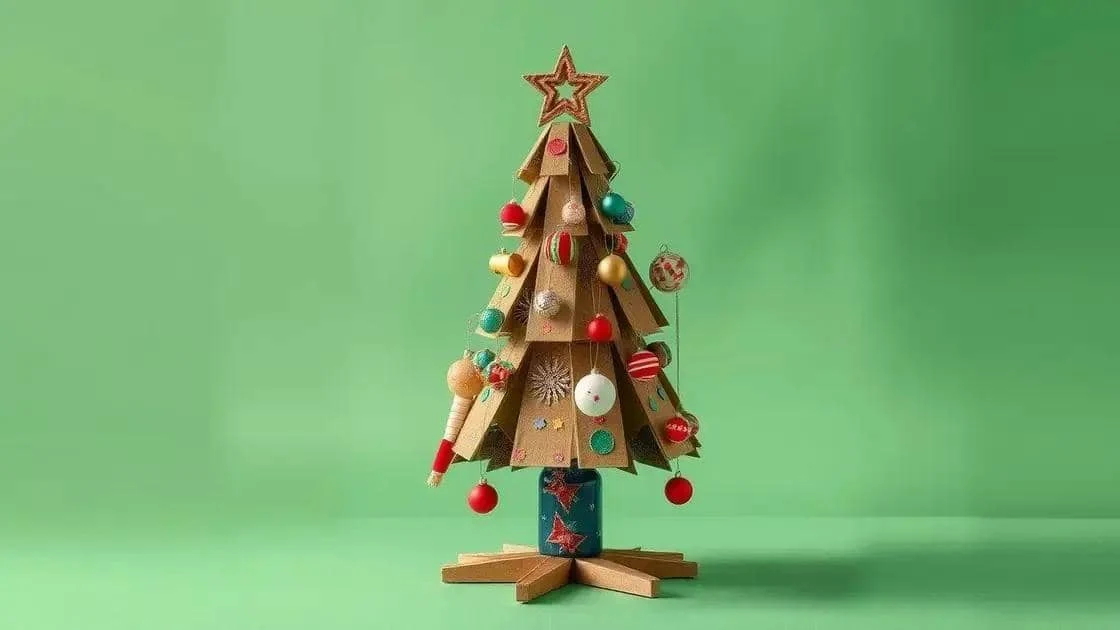
Several materials can form an alternative tree. Check their condition, weight and support requirements before deciding how to use them.
Existing packaging
Clean plastic bottles, cardboard and newspaper can provide shapes and surfaces for a small tree. Adults should prepare any cut edges, and the finished display needs a stable base.
Reused wood
Sound reused wood can form a simple tree frame. Avoid pallets with unknown treatment or contamination, and inspect for nails and splinters. Cutting, sanding and assembling the frame are adult tasks requiring suitable tools and protection.
Fabric and unworn clothing
Unwanted textiles, such as old sheets or fabric offcuts, can be sewn or tied to a frame. Keep them away from heaters and flames, and make sure the support is stable.
Buttons and craft supplies
Buttons, ribbons and other craft supplies can decorate a simple structure. Choose light pieces, secure them properly and keep small parts out of reach of young children.
A familiar fabric or saved ribbon can give the tree a personal connection. Choose materials that will remain in good condition when the display is packed away.
Creative ways to personalise your tree
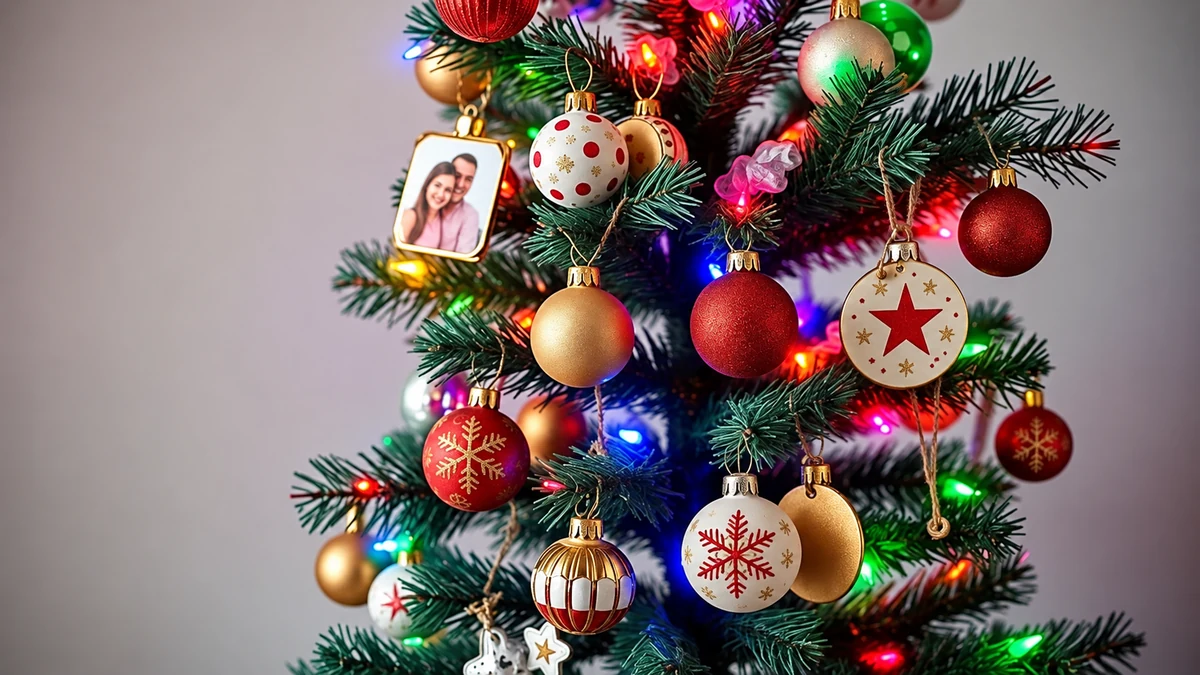
These creative finishing ideas can be adapted to the structure and colours you have chosen. Leave the tree stable and avoid overloading it.
Photographs and memories
Small photographs of family and friends can become ornaments in lightweight card frames. Ask permission before using or sharing photographs publicly, and keep heavier glass frames off a delicate tree.
Handmade ornaments
Make stars and hearts from paper or felt, or add small wreaths. Children can help with suitable materials and tasks while adults prepare difficult cuts and fixings.
Creative lighting
Arrange suitable coloured LED lights in a spiral or zigzag, following the manufacturer’s instructions. Battery-powered lanterns or flameless candles can provide another effect. Keep wiring intact and batteries secure; do not use real candles on the tree.
Natural details
Pinecones and small twigs or dried citrus slices can add texture. Use clean, dry materials collected with permission, keep them away from pets and young children, and check for mould before reusing.
A colour theme
A colour theme can help you select ornaments from supplies you already own. Choose two or three colours that suit the room and repeat them in ribbons or paper details.
A few consistent details can make a small display feel complete. There is no need to fill every gap or add more weight than the structure can support.
Making a tree with reuse in mind
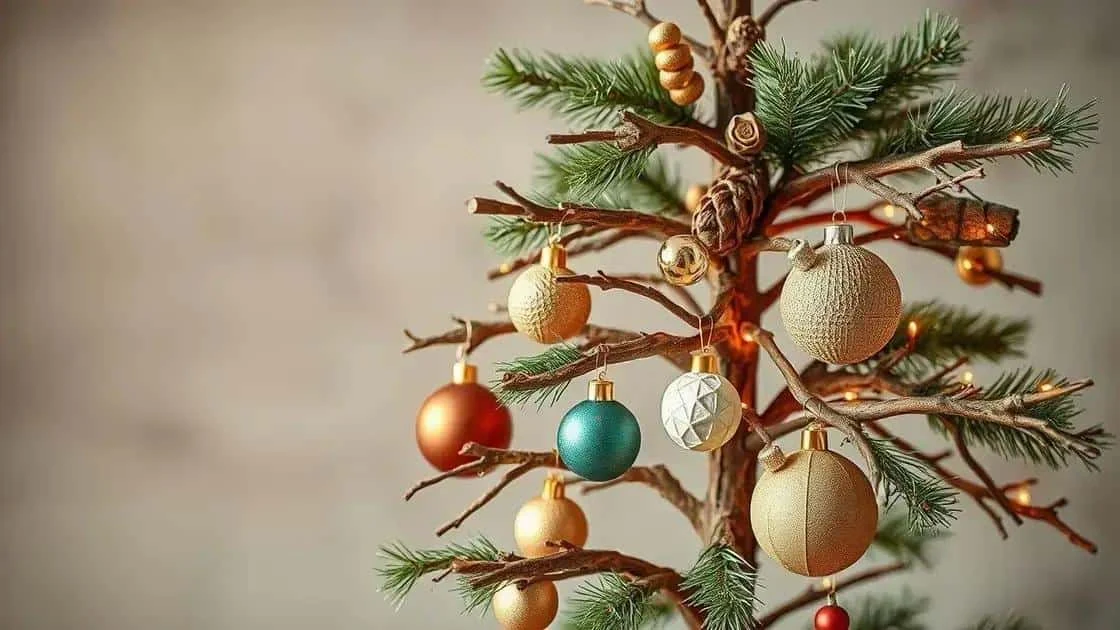
For a Christmas tree designed for reuse, think about the whole project: where the materials come from, how long the tree will last and how its parts can be separated afterwards.
Choose suitable natural materials
Sound reclaimed wood or natural materials can suit a rustic display. Fallen branches need checking for damage and pests, and should only be collected where permitted. Natural does not automatically mean safe or lower-impact.
Reuse decorative supplies
Choose ornaments made with reused materials such as saved paper and fabric. Dried fruit can be decorative too, but do not eat it after prolonged display. Aim for pieces you can store and bring out again.
Consider lighting energy use
Suitable LED lights can use less electricity than comparable older incandescent strings. Check power ratings and use a timer if helpful. Solar lights depend on daylight and may perform poorly in a British winter; their suitability is not guaranteed indoors.
Keep useful decorations
If you already own a plastic tree or ornaments in good condition, continued use may be more sensible than replacing them solely for a different material. Avoid unnecessary new purchases and choose durable pieces when replacement is needed.
Store or separate materials afterwards
Plan how to store or dispose of the tree’s materials. Only suitable untreated plant material belongs in compost; remove wire, glue, paint, plastic and other unsuitable parts. Check your local recycling or garden-waste rules.
A tree you can repair and use again is a practical goal. Environmental impact varies by materials and use, so focus on avoiding waste rather than claiming the design has none.
Ideas for handmade ornaments
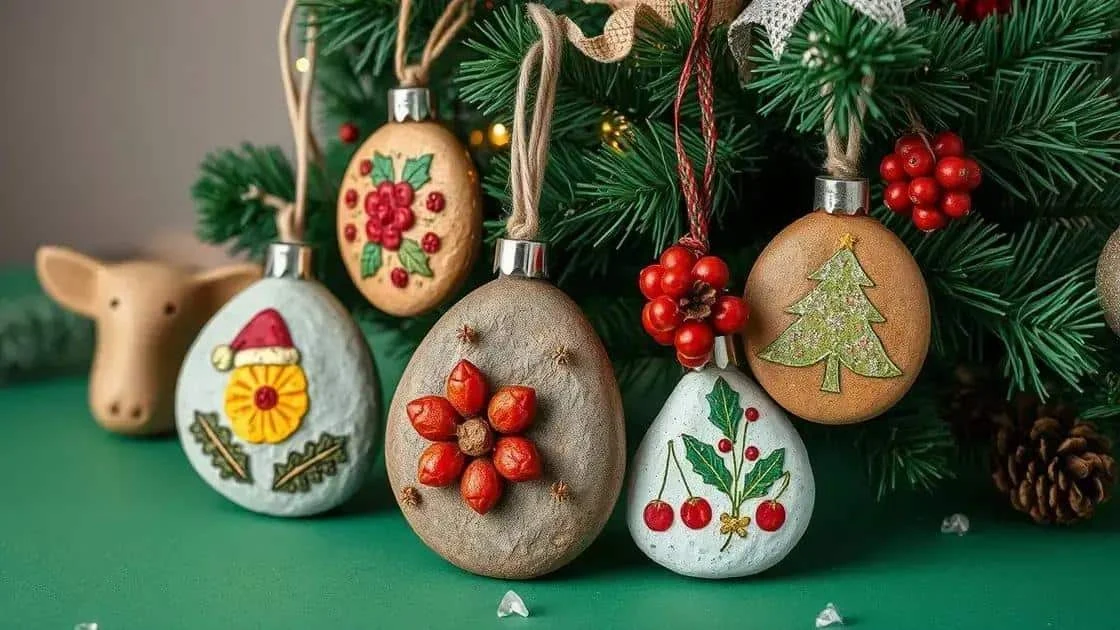
Handmade ornaments can give an alternative tree character. Use light materials that fit the structure and choose a few designs you enjoy making.
Use existing supplies
Cardboard and clean plastic packaging can become stars or other shapes. Adults should handle cutting bottles and make edges safe. Fabric or paper coverings can finish the pieces.
Decorative food-inspired pieces
Dried orange or apple slices and baked biscuit ornaments can give a seasonal effect. Follow suitable preparation instructions, store decorations dry and keep them away from pets. Make a separate batch for eating rather than treating displayed ornaments as food.
Painting and personalising
Paint or suitable craft pens can refresh plain ornaments. Use products intended for the material and follow ventilation and drying instructions. Shatter-resistant baubles are more practical than fragile glass for children’s projects.
Invite family ideas
Let family members make an ornament linked to a memory or favourite colour. Offer age-appropriate tasks and accept different styles rather than expecting a matching set.
Choose a theme
Nature, traditional motifs or a colour palette can guide your choices. Felt animals might suit a nature theme, while saved ribbon can bring several different ornaments together.
Each ornament can represent someone’s idea or effort. Keep the pieces that matter to you and store them carefully for another year.
Inviting children to help decorate
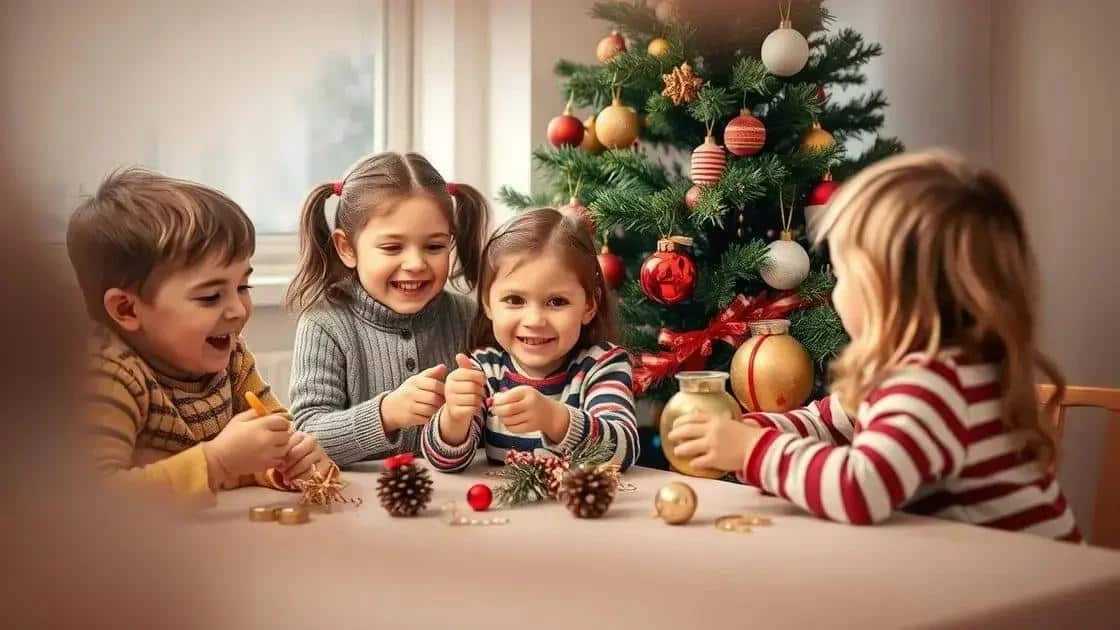
Children may enjoy helping with Christmas decorations when they can choose activities that interest them. Keep sessions short and leave the structural work to adults.
Craft activities
Offer craft activities using coloured paper, age-appropriate glue and prepared cardboard shapes. Children can draw stars or Father Christmas figures, while an adult helps with difficult cutting.
Choosing a theme
Let children suggest a decoration theme based on colours or characters they enjoy. A few of their choices can be included alongside the rest of the household’s ideas.
Decorating the tree
Children can help decorate the Christmas tree once its structure is secure. Let them choose reachable spots for lightweight ornaments without climbing or pulling on the frame.
Sharing stories
Tell Christmas stories or explain the memories behind particular ornaments. If discussing another culture, use reliable sources and make clear that traditions vary between families.
A relaxed family activity
Make the decorating a shared family occasion with music and a suitable snack if everyone would enjoy it. Keep food separate from paint and glue, and allow breaks.
The aim is enjoyable participation, not a perfect tree. Children can contribute in different ways or choose another activity if decorating does not appeal.
Choosing a tree that suits your home
An alternative Christmas tree can be a satisfying project when it fits your room and skills. Involving children in suitable tasks can make the preparation more personal.
Think through materials, stability, ornaments and storage before building. Reusing existing supplies and keeping the result for future years can help avoid repeated purchases.
Choose a manageable design and let your household’s ideas shape the finishing touches. A small tree can still become a familiar part of Christmas.
FAQ — alternative DIY Christmas trees
Which materials can I use for an alternative tree?
Cardboard, suitable reused wood and fabric are possible starting points. Check their condition, avoid unknown treatments and choose a stable support.
How can children help decorate?
They can choose colours and make lightweight ornaments. Adults should assemble the structure, handle sharp tools and check the fixings.
What handmade ornaments could I make?
Paper stars, felt shapes and dried citrus decorations are possibilities. Consider small parts, pets and storage, and keep displayed food ornaments separate from food for eating.
How can I reduce the display’s environmental impact?
Use existing materials where practical, choose durable pieces and store them for reuse. Check lighting power and local disposal rules; no material choice guarantees a lower impact in every case.
Where can I find design inspiration?
Decoration blogs, craft books, Pinterest and local workshops can offer ideas. Choose tutorials with clear measurements, materials and support instructions.
Why personalise Christmas decorations?
Personal details can reflect your style or shared memories. Choose what your household enjoys without needing an elaborate or matching display.