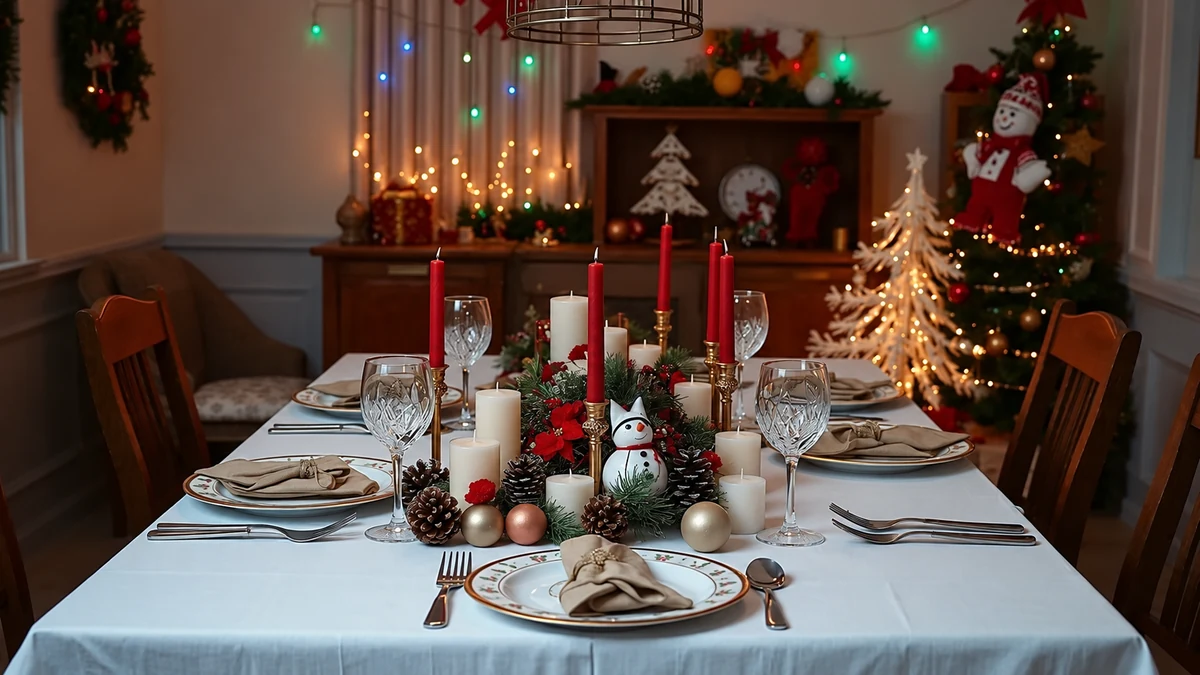
Handmade Christmas table decorations combine personal details, suitable reused materials and shared craft projects. Choose a few pieces that leave enough room for guests, dishes and serving utensils.
Would you like to make your handmade Christmas table decorations feel more personal? Combining familiar festive colours with simple craft details can give your table character. Explore these ideas for centrepieces, place settings and activities to enjoy together.
Creative Christmas table arrangement ideas
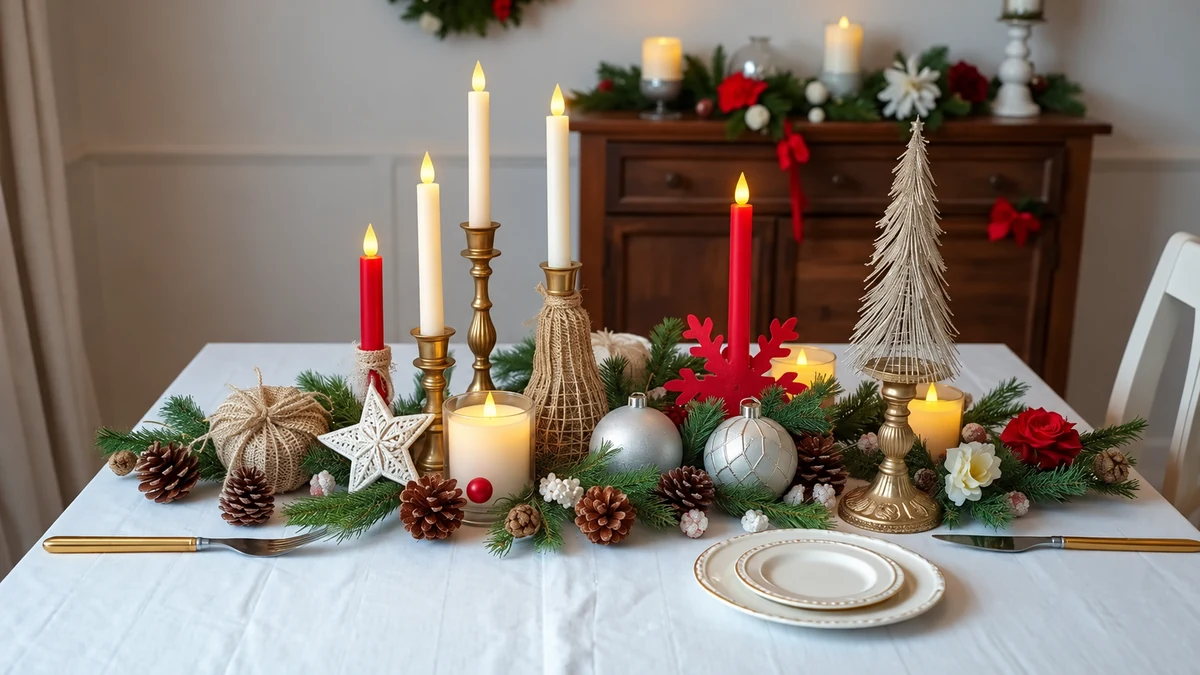
These creative Christmas table arrangement ideas start with a practical base. Choose a tablecloth or runner that suits your theme and fits securely without trailing where someone might trip.
Flowers and foliage
Combine suitable flowers with pine sprigs, decorative poinsettias or aromatic herbs for a seasonal arrangement. Keep ornamental plants out of food and away from children or pets that may chew them. A low glass vase or rustic container can keep the display below guests’ eye level.
Lights and candles
Small lights and flameless LED candles can create a warm effect. Use products suitable for the display, keep battery compartments secure and accessible, and leave decorations clear of plates and spills. Do not use an ordinary decorated bottle as a real candle holder.
Natural details
Nuts and pinecones or dried leaves can give a rustic effect. Use clean, dry materials in a separate centrepiece rather than scattering loose pieces around food. Consider nut allergies and small parts where children are present.
Choosing a seasonal theme
Choose a style such as tropical or retro, or use a traditional red-and-green palette. Gold and silver details offer another option. Handmade place cards can tie the setting together without needing an elaborate display.
Handmade finishing touches
Create your own ornaments and centrepieces from paper, felt or other suitable materials. Keep craft paint and glue away from food-contact surfaces, and let everything dry before laying the table.
Making decorations and finding craft support
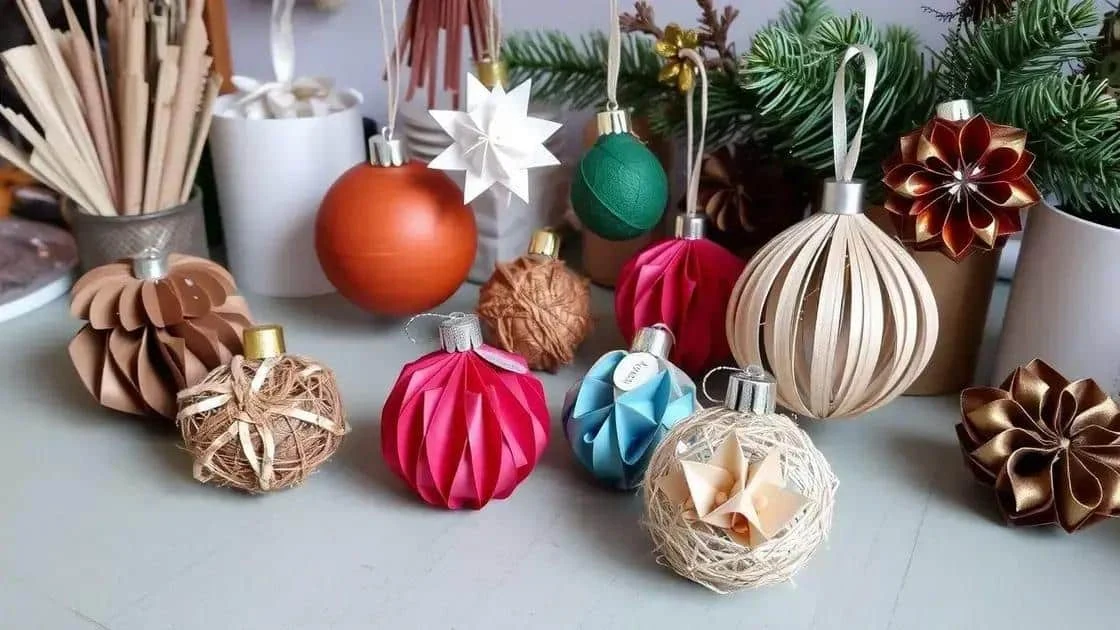
Making decorations is one way to personalise a festive table using supplies you may already own. If you would like help with a technique, a local workshop or craft group can provide a starting point.
Choosing suitable materials
Start with reusable materials such as paper and fabric. Natural items, including twigs and pinecones, may suit a rustic design when clean, dry and collected with permission. Reuse works best when the finished piece is sturdy enough to keep.
Simple ornament projects
Make paper ornaments by folding or cutting suitable paper into stars and other festive shapes. Keep paper decorations separate from food and real flames.
Personalising your decorations
Add painted, glued or embroidered details to suit your style. Glitter or sequins can provide sparkle, although paper or fabric accents create less loose debris. Keep all craft finishes away from food and young children.
Finding local craft workshops
Look for local craft workshops if you would like to learn a new technique. Check the class content, age requirements, materials included and cost before booking.
Displaying your finished pieces
Use a shelf, sideboard or part of the table to display your work. Choose stable supports and keep exits, serving spaces and walking routes clear.
Tips for themed festive tables
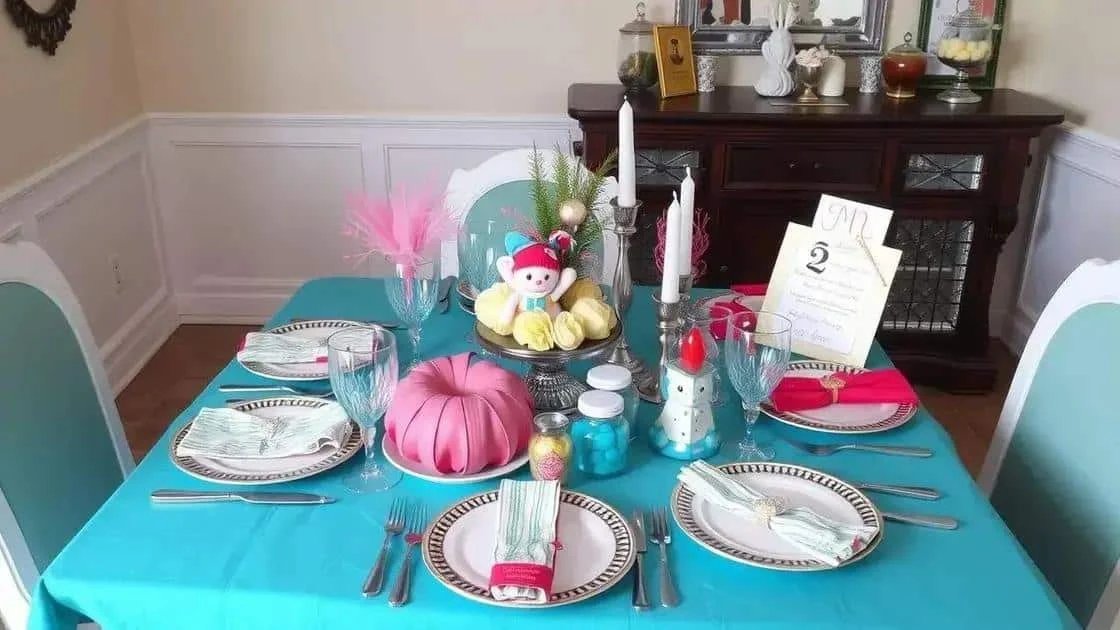
A theme can help you choose colours and materials without having to match everything exactly. Start with the tableware you own and add a few related details.
Choose a central idea
Try a classic Christmas theme or a tropical or retro setting. Your chosen idea can guide the colours, patterns and handmade pieces.
Choose a colour palette
Red and green with gold make a familiar festive combination. Repeat a few colours in the runner, napkins or place cards to create a consistent setting.
Select practical decorations
Use decorative pieces that fit the theme and the table’s size. Wood and hessian with natural details can suit a rustic arrangement. Keep flammable materials away from heat and real flames.
Presenting the food
Use food-safe serving dishes and stable stands where appropriate. A little height can vary the display, but guests should still be able to reach dishes comfortably and see one another.
Add personal touches
Personalised place cards or small handmade details can finish each setting. Keep these separate from food and allow space for guests’ glasses and cutlery.
Reusable materials for festive decorations
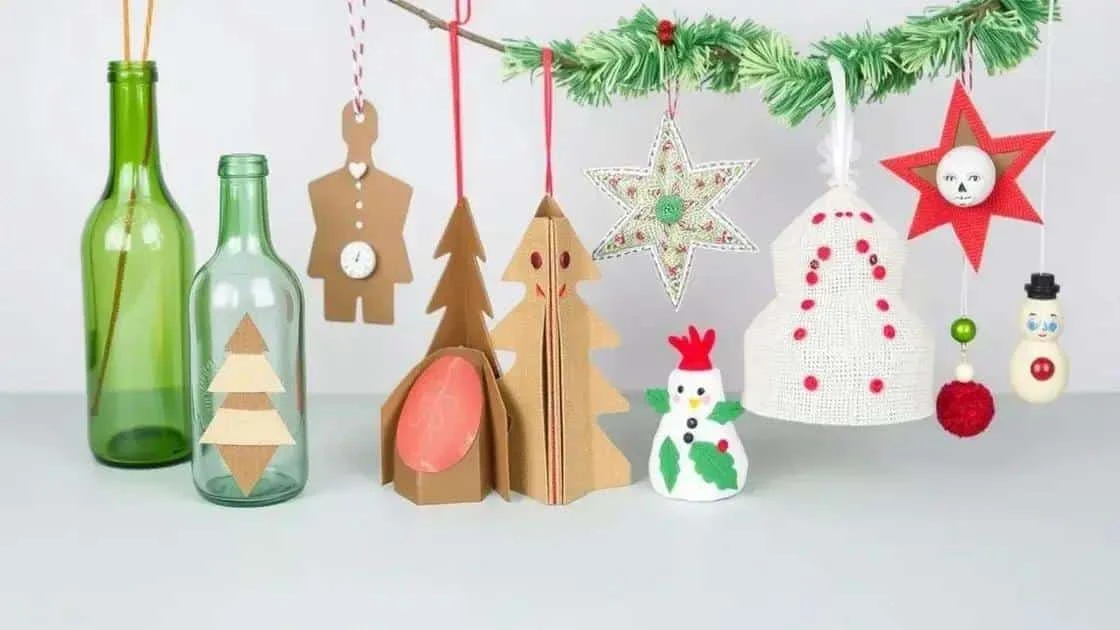
Several reusable materials can be turned into decorative pieces. Check their condition and choose a new use that fits the material, rather than buying disposable supplies specifically for a reuse project.
Paper and cardboard
Cardboard and paper can become ornaments and garlands. Cut stars or hearts, combine colours, or use saved wrapping paper for folded details. Store finished pieces flat where possible.
Glass bottles and jars
Sound glass bottles or jars can become vases or displays for battery-powered lights. Decorate the outside with paint or ribbon, keeping the opening and battery access clear. Avoid improvised holders for real candles.
Plastic containers and lids
Clean plastic tubs can hold small plant pots, while lids may become mosaic-style decorative pieces. Cover sharp edges and keep small loose parts away from young children. These craft items should not be reused for food unless they remain suitable for food contact.
Clothing and fabric
Fabric from unworn clothing can become decorative soft figures or cushion covers. Colourful offcuts can also form bunting or small patchwork pieces for a runner. Decorative figures are not automatically suitable as children’s toys.
Stationery and craft supplies
Paper clips can help construct hanging decorations, but leave sharp staples and wire to adults. Clean paper straws can form stars; secure the joints and check for exposed points before displaying.
Sharing decoration projects with children
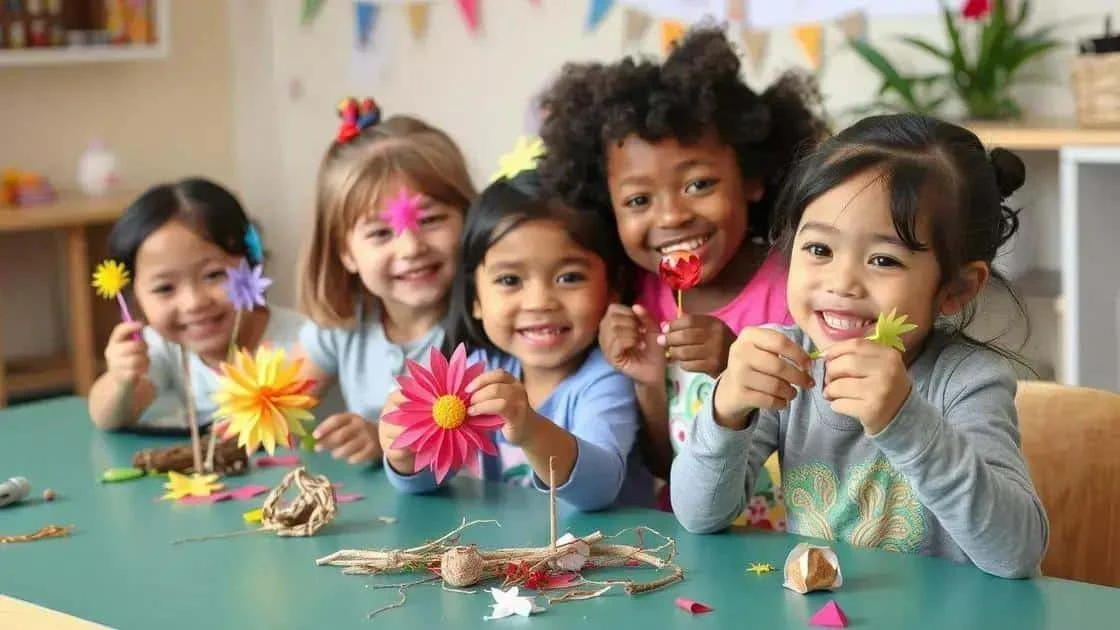
Craft projects offer children a chance to explore creativity and practise tasks such as drawing, folding and arranging. Keep the activity manageable, adapt it to each child’s abilities and focus on enjoying the process together.
Choosing materials
Let children choose from suitable coloured paper, washable paints, age-appropriate fabric paints and clean packaging. Read product instructions and keep adult tools or unsuitable materials separate.
Working together
Making a garland or a set of Christmas ornaments allows people to share tasks. One child might draw shapes while another decorates prepared pieces. Adults can handle difficult cutting and fixings.
Using natural materials
Children can arrange or decorate clean, suitable leaves and pinecones. Avoid unknown plants, sharp twigs and materials that may cause irritation, and wash hands after handling them.
Encouraging imagination
Invite children to draw the display they would like to make or suggest their own colours and patterns. There is no need for every piece to match or look like an adult’s example.
Sharing the finished work
Give children the choice to show their creations at home or in class. Recognise their effort and ideas, and ask permission before sharing photographs publicly.
Making decorations together can become part of your Christmas preparations. Suitable materials, clear tasks and room for individual ideas help make the activity welcoming.
Let children decide which pieces they would like to display and where they fit. A small handmade detail can be enough to give the table a personal touch.
Keep the emphasis on participation and enjoyment. Store favourite pieces carefully so they can return in future years.
FAQ — Christmas decoration projects with children
Why involve children in decoration projects?
They can enjoy choosing colours, making things and sharing ideas with others. Offer tasks that suit their age, abilities and interest rather than expecting a particular result.
Which reused materials can we use?
Clean paper, cardboard and fabric offcuts are useful starting points. Adults should assess glass, sharp edges and small parts; not every reusable material is suitable for children.
How can I encourage children’s imagination?
Invite them to draw ideas or choose their own colours and patterns. Offer a few practical options while letting each child make something personal.
What is a good group craft activity?
A paper garland or set of tree ornaments can be divided into drawing, folding and decorating tasks. Adults can prepare any difficult cuts or fixings.
Make a small display at home or let children present their work if they wish. Appreciate the ideas and effort behind each piece.
What should we do with the decorations afterwards?
Display suitable pieces for Christmas, then store favourites dry and protected. Separate materials for local recycling where a decoration cannot be reused.