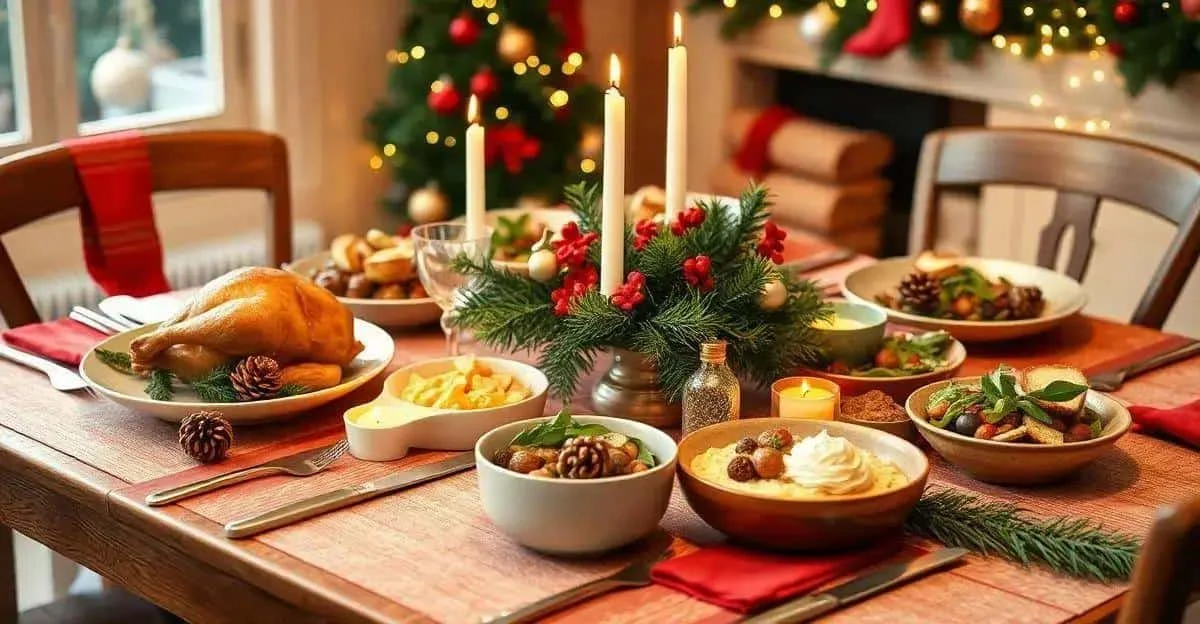
Christmas dinner wine pairings depend on the whole dish, including sauces and sides, as well as personal taste. Red, white, sparkling or sweet wines can each suit different courses, but wine is optional and alcohol-free choices deserve equal attention.
Choosing Christmas dinner wine pairings can be an enjoyable part of planning the meal. You do not need an expensive bottle or a different wine for every course. Start with the menu, your budget and what your adult guests actually enjoy.
Choosing Wine for Christmas Dinner
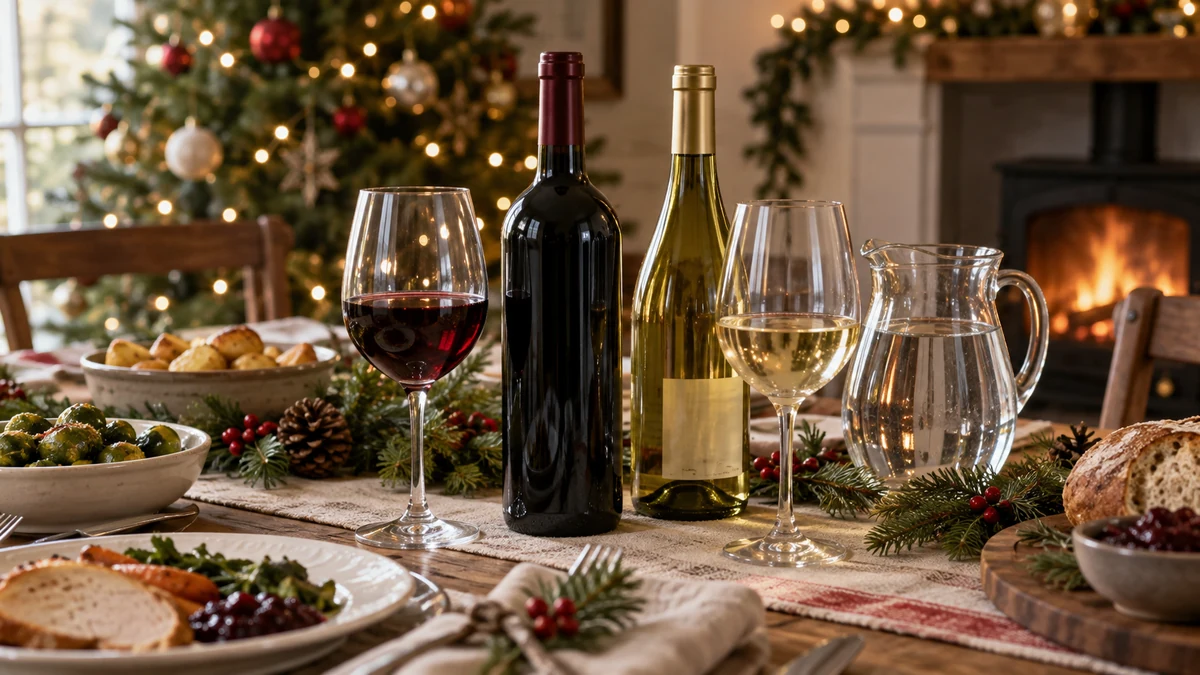
When selecting wine for Christmas dinner, a few practical questions help more than a long shopping list. Use these ideas as starting points rather than rules that promise a perfect match.
1. Look at the Whole Menu
Consider the main dish, sauces, sweetness, spice and richness. Roast meat with a powerful sauce may call for a different style from the same meat served simply. A wine merchant can suggest a bottle once you describe the actual plate.
2. Ask About Preferences
A technically interesting match is of little use if nobody enjoys it. Ask whether guests prefer red, white or no wine at all. Offer water and an appealing alcohol-free option, and do not pressure anyone to taste.
3. Think About Dessert
If serving a dessert wine, consider the sweetness of the food as well as its flavour. A dry wine may taste sharper or less fruity beside a very sweet pudding. A small optional serving can be enough; another drink is not necessary after every course.
4. Explore Local and Brazilian Wines
The original Brazilian Christmas context offers a reason to explore Brazilian wine if it is available to you. For a UK gathering, English or Welsh producers are another possibility. Choose on style, price and reliable information rather than assuming local automatically means better.
5. Plan Without a Drinking Quota
Do not use a bottle-per-person formula as a target. Ask how many adults want wine, check bottle strength and offer modest pours with no automatic top-ups. UK low-risk guidance is not to regularly exceed 14 units a week, spread over three or more days; it is not an allowance to use in one evening.
6. Store It Properly
Keep bottles away from heat and direct sunlight, and chill the wines that need it before the meal. Follow the producer’s advice for the style. Avoid using a radiator to warm a bottle or leaving one in a freezer.
7. Keep the Occasion Relaxed
The company and meal matter more than getting every pairing right. Guests can enjoy one wine throughout, switch to an alcohol-free drink or skip wine altogether. Curiosity need not mean drinking more.
Red Wine Ideas for Meat Dishes
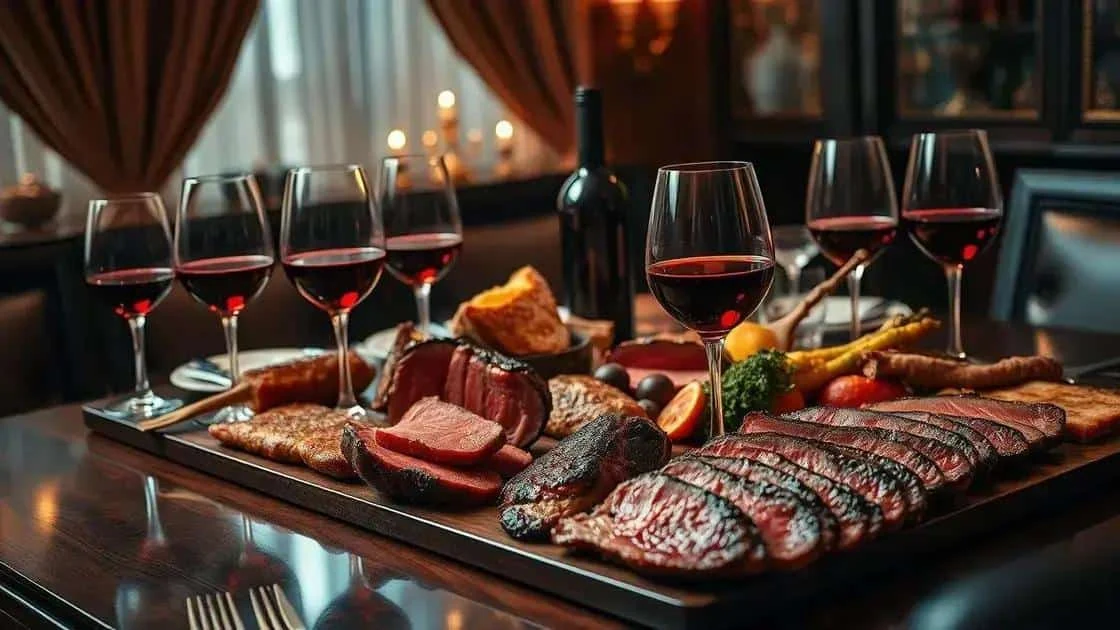
Red wines vary greatly in body, tannin, acidity and alcohol. The following grapes offer a way to discuss options with a retailer; the actual bottle and the dish matter more than the grape name alone.
1. Cabernet Sauvignon
A structured Cabernet Sauvignon can be worth considering with roast beef or another richly flavoured meat dish. Some examples are quite tannic, so it may be less suited to a delicate plate or a guest who prefers a softer style.
2. Malbec
Malbec has French origins and is now particularly associated with Argentina. A fruit-led example may suit grilled beef, including Brazilian picanha or an Argentine-style steak. Styles vary, so ask about the specific bottle rather than assuming every Malbec is the same.
3. Syrah
Syrah, also known as Shiraz, is an option to explore with lamb or other strongly flavoured dishes. Some examples are peppery and restrained, others richer. Match the wine’s weight to the preparation and sauce.
4. Merlot
A softer, fruit-led Merlot may be a useful starting point for pork or a more robust poultry dish. It is not always light or low in tannin, so read the description and choose according to the food and your guests’ taste.
5. Tempranillo
Tempranillo-based wines offer different styles, including those influenced by oak ageing. Consider one with roast meat or a savoury sauce, and ask whether the bottle is fresh and fruit-led or more mature and oak-influenced.
6. Zinfandel
A ripe red Zinfandel may appeal alongside grilled meat or a barbecue-style glaze. Pay attention to alcohol strength and the sweetness of the sauce; an intense wine is not automatically the best match.
7. Serving Red Wine
Avoid serving red wine in an overheated room straight from beside a radiator. The ideal temperature varies with style: lighter reds may benefit from a little chilling, while fuller ones are usually served cool rather than warm. Follow the bottle or retailer’s guidance.
White Wine Ideas for Christmas

White wines can work with far more than fish. Acidity, body, sweetness and oak influence all affect the match. Consider these styles in relation to the sauce and side dishes.
1. Sauvignon Blanc
A fresh Sauvignon Blanc is a starting point for herby dishes, fish or some salads. A very sharp dressing can change the balance, so taste the food rather than pairing on the main ingredient alone.
2. Chardonnay
Chardonnay ranges from lean and unoaked to richer, oak-influenced styles. A fuller example may suit roast poultry or a creamy sauce; a fresher one may better suit a simpler fish dish. Ask which style the bottle represents.
3. Pinot Grigio
A light, dry Pinot Grigio can be a straightforward option for gentle starters or simply prepared dishes. The grape can produce other styles too, particularly under the name Pinot Gris, so check the description.
4. Riesling
Riesling may be dry, off-dry or sweet. An off-dry style can be worth exploring with a mildly spicy dish or a sweet glaze, while dessert needs a sufficiently sweet example. The grape name alone does not tell you the sweetness.
5. White Sparkling Wine
A dry sparkling wine can work with some savoury starters and main dishes. A sweet dessert generally needs a different level of sweetness. Do not assume one bottle will match every course simply because it has bubbles.
6. Serving White Wine
Serve according to the style: lighter whites usually suit more chilling than full-bodied examples. Excessive cold can make aromas harder to notice. Use clean glasses and let the wine warm a little if it seems muted.
7. Try a Small Comparison
If adults want to compare pairings, use small tastes of wines already open rather than opening many bottles. Personal preference is part of the result, and nobody needs to finish a serving they do not want.
Serving Sparkling Wine

Sparkling wine is an optional festive choice for a welcome drink or a course of the meal. There are many styles, so choose for taste and budget rather than treating it as an essential part of Christmas.
1. Different Styles
Champagne, Prosecco and Cava are distinct options, not interchangeable names for all sparkling wine. Check sweetness, flavour and price, and include other regions if you are interested.
2. When to Offer It
You might offer a small serving when guests arrive, alongside an equally appealing alcohol-free drink. It can accompany a suitable canapé, but guests should feel free to wait until the meal or decline.
3. Food Pairing
A dry sparkling wine may suit seafood, savoury nibbles or some poultry dishes. Richness, salt, sweetness and sauces all affect the match. Treat the suggestion as a starting point for the specific food you are serving.
4. Chill Before Opening
Chill sparkling wine according to its style and producer’s instructions. Open it carefully, keeping control of the cork and pointing it away from people. Do not shake the bottle or aim for a dramatic popping display.
5. Glasses
Use clean, sound glasses with enough room to appreciate the aroma. A flute, tulip-shaped glass or suitable wine glass can work. The most elaborate glassware is not necessary for an enjoyable meal.
6. Pairing with Dessert
A sweeter sparkling style may suit a fruit-based dessert or cake better than a very dry bottle. Compare the sweetness of the food and wine, and keep the serving optional.
7. A Toast for Everyone
A toast can be made with water, juice, an alcohol-free drink or wine. The words and company give it meaning; nobody needs alcohol to take part.
Sweet Wine Options for Dessert

Sweet wines can offer a small accompaniment to dessert, but styles range widely. The ideas below are options to discuss with a retailer, not a requirement to add another course of drinks.
1. Port
Different Port styles can suit different foods. A ruby-style Port may appeal with chocolate, while a tawny style offers another direction for nutty flavours. Port is fortified, so check its strength and use an appropriately small serving.
2. Sauternes
Sauternes is a sweet wine from Bordeaux. It is an option to explore with fruit-based or creamy desserts, provided the sweetness and intensity work together. Ask about the bottle rather than assuming every pudding needs the same pairing.
3. Moscato
Moscato describes a range of wines rather than one fixed style. A lightly sparkling, sweet Moscato d’Asti may suit a lighter dessert, while other Muscat-based wines differ in strength and character. Read the label carefully.
4. Spanish Sweet Wines
A sweet Pedro Ximénez can be very rich and intense. Consider a small serving with a dessert that can stand up to it, such as one with dried-fruit or caramel flavours. Check alcohol strength as well as sweetness.
5. Icewine
Icewine is a concentrated sweet-wine style made from grapes frozen on the vine. It can be explored with fruit or creamy desserts, but price and style vary. There is no need to seek out a specialist bottle if a simpler option suits your meal.
6. Matching Sweetness
A useful starting point is to choose a wine at least as sweet as the dessert, then consider flavour intensity. Follow serving guidance for the particular style rather than applying one temperature to all sweet or fortified wines.
7. Finish When You Want
Dessert does not have to mean another alcoholic drink. Tea, coffee, water or an alcohol-free choice may be more welcome. Let guests decide and avoid topping up without asking.
Pairings for British and Brazilian Christmas Dishes

These wine pairing ideas include a familiar British roast and dishes from the Brazilian Christmas table. They are suggestions to adapt to the recipe, especially where glazes, dried fruit or rich sauces change the flavour.
1. Roast Turkey
A fuller-bodied white such as Chardonnay or a lighter red such as Pinot Noir can be a starting point. Consider stuffing, gravy and cranberry sauce too, rather than matching the turkey in isolation.
2. Glazed Ham
Brazilian tender is a festive ham often served with a sweet glaze. A fruit-led Merlot or an off-dry white may be worth exploring, depending on the glaze. Avoid assuming a very sweet wine is necessary simply because the meat has a sweet coating.
3. Bacalhau
Bacalhau is salt cod, prepared in many ways for Portuguese and Brazilian celebrations. A fresh white from Vinho Verde is one possible match, but richer baked recipes may call for more body. Pair with the finished dish after the cod has been properly prepared.
4. Farofa
Farofa is a toasted cassava-flour accompaniment that may include bacon, vegetables, eggs or fruit. Choose the wine for the whole plate. A young, fruit-led red may suit some meat-based versions, while others work better with the wine already chosen for the main course.
5. Festive Salads
A sparkling wine may suit some salads, but dressing, fruit and nuts can change the balance substantially. Check whether the salad is sharp, sweet or creamy before deciding.
6. Christmas Desserts
For panettone or Brazilian rabanadas, a form of festive French toast, consider an appropriately sweet wine if desired. A style such as Sauternes is one possibility, but sweetness, fillings and toppings should guide the choice.
7. Serving the Meal
Keep wine at an appropriate temperature for its style and water readily available. Use clear, modest pours, ask before refilling and keep alcoholic drinks distinct from those intended for children or non-drinkers.
Other Wine Styles to Explore
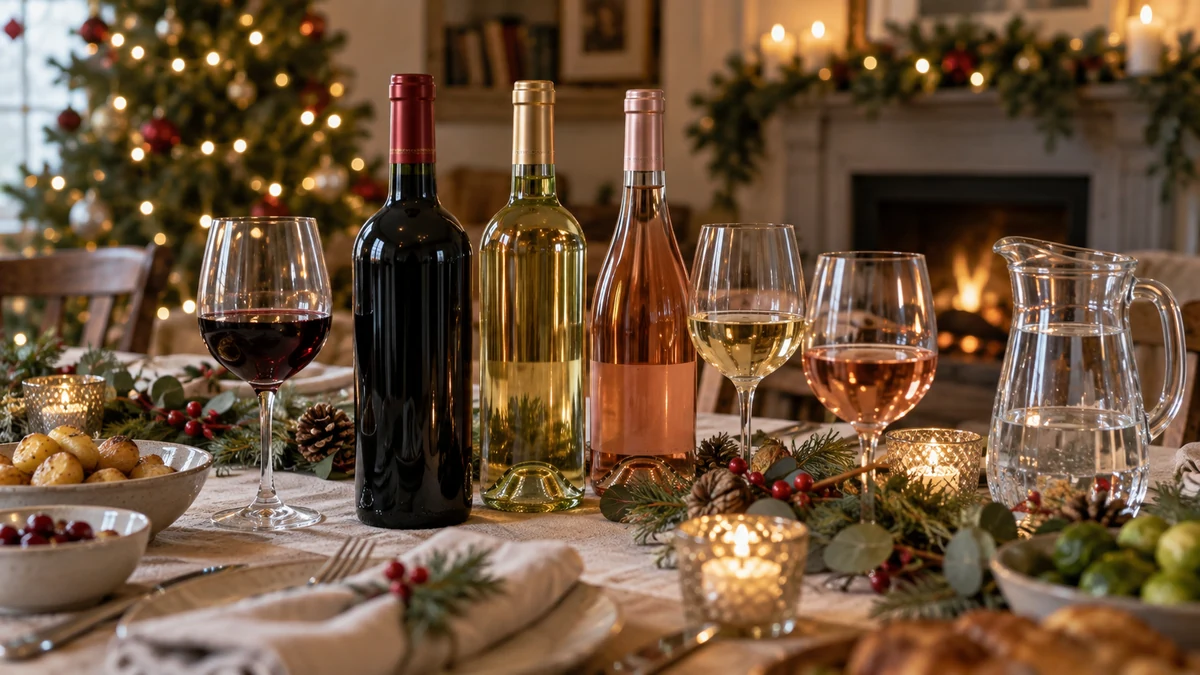
Rather than presenting outdated predictions as current Christmas wine trends, consider these areas of interest when browsing. They are options for discovery, not evidence that one style is fashionable, healthier or better.
1. Organic and Biodynamic Labels
Organic and biodynamic claims relate to particular standards and practices. Do not interpret them as a guarantee of zero pesticide use, superior flavour or healthier alcohol. Look for clear certification and information about the producer.
2. Regional Varieties
A wine made from a regional grape variety can be an interesting alternative to a familiar bottle. Ask how it tastes and what food it may suit, rather than buying solely because the variety is unusual.
3. Sparkling Wine from Different Regions
There are sparkling wines from many regions beyond Champagne. Compare styles within your budget, including sweetness and production approach, without assuming a famous name is the only good choice.
4. Low-Intervention Descriptions
The term low intervention does not tell you everything about how a bottle was made or how it will taste. Ask for specific details and do not treat it as a health or environmental guarantee.
5. Wines from Other Countries
Exploring wines from different countries can widen your choices. Georgia, Chile, Brazil and many other places offer distinct wine traditions; availability and price will depend on the UK retailer.
6. Pairing Beyond Roast Meat
Try thinking about wine with vegetable-based or differently seasoned dishes too. Mushrooms, pulses, spices and sauces deserve the same attention as meat. Choose around flavour and texture rather than assuming vegetarian food is always delicate.
7. Lower-Alcohol and Alcohol-Free Choices
Check the stated ABV rather than relying on a description alone. Lower alcohol can reduce the alcohol in a comparable serving, but larger pours can cancel that out, and less sugar does not make alcohol healthy. Respect guests who do not drink and provide a clearly labelled alternative.
Choosing for Your Own Christmas Table
A few considered choices are enough. Start with your menu and guests’ preferences, set a budget and ask for help selecting a style if you need it. There is no single bottle that everyone must enjoy.
You can explore a regional variety or a different sparkling style without turning dinner into a tasting exercise. Clear information, modest servings and appealing alcohol-free options make the planning more inclusive.
Enjoy the meal and company, and let each guest decide what they would like to drink. A festive toast does not depend on wine.
FAQ — Christmas Dinner Wine Pairings
Which wines could accompany roast turkey?
Chardonnay or a lighter red such as Pinot Noir can be starting points. Consider the stuffing, sauce and other sides, and choose a style your guests enjoy.
Can sweet wines accompany dessert?
Yes, if desired. Match the wine’s sweetness and intensity to the dessert, offer a small serving and remember that tea, coffee or an alcohol-free drink are equally valid choices.
Which wine styles could I explore for Christmas?
You might look at regional grapes, different sparkling wines or clearly described organic options. Treat these as areas to explore rather than unsupported trend or health claims.
How should I serve Christmas wine?
Follow guidance for the specific style: sparkling and lighter whites generally need more chilling than fuller whites or reds. Keep water available and ask before refilling glasses.
Can I serve more than one type of wine?
Yes, but you do not need a different bottle for every course. Keep portions modest and consider total alcohol rather than assuming variety makes the evening low-risk.
Why explore wines from different regions?
It can introduce different grapes and styles. Choose according to taste, food and budget; an unfamiliar origin does not automatically make a wine better.
Sources and Further Reading
- WSET — winter wine and food matching
- WSET — Malbec
- WSET — serving temperatures
- WSET — wine styles
- WSET — qualification specification
- NHS — alcohol risks
- Soil Association — pesticides
- Soil Association — organic standards