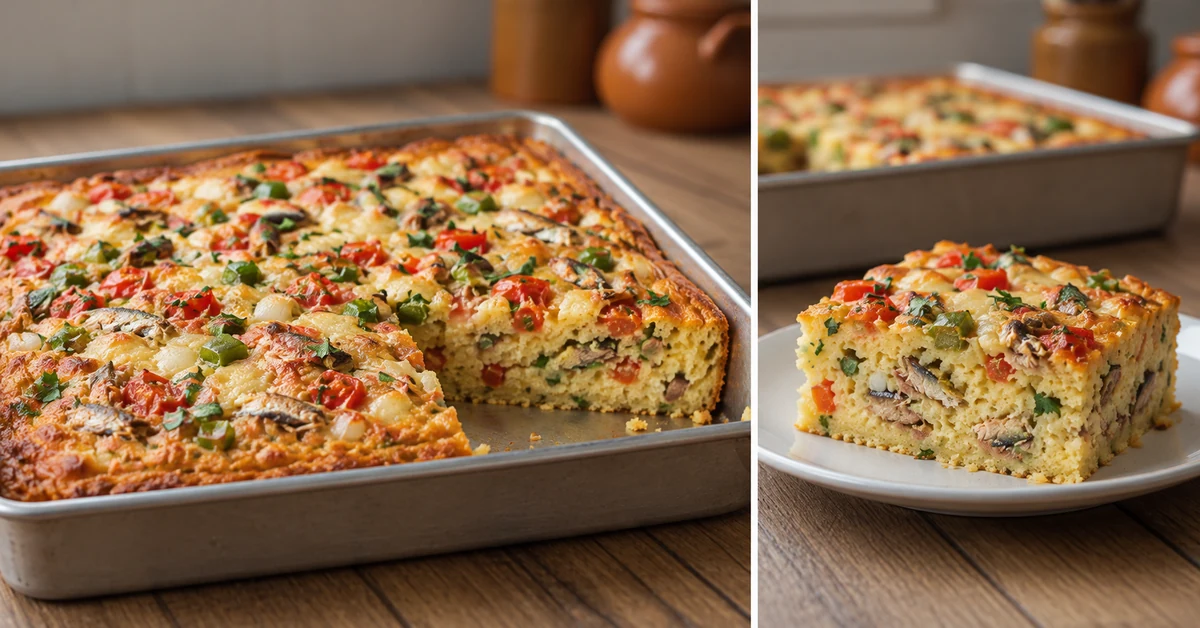
A thoughtfully planned Christmas meal can include plant-based dishes, sensible portions and reusable tableware. Consider how ingredients are produced and stored rather than assuming that every organic, local or natural choice has the same environmental impact.
These vegetarian and vegan Christmas food ideas offer ways to vary your festive menu. The suggestions are starting points rather than complete recipes: choose reliable instructions for quantities, cooking and storage. Vegetarian dishes may contain eggs or dairy; vegan dishes exclude animal-derived ingredients, but still require allergy checks.
Vegan starter ideas for Christmas
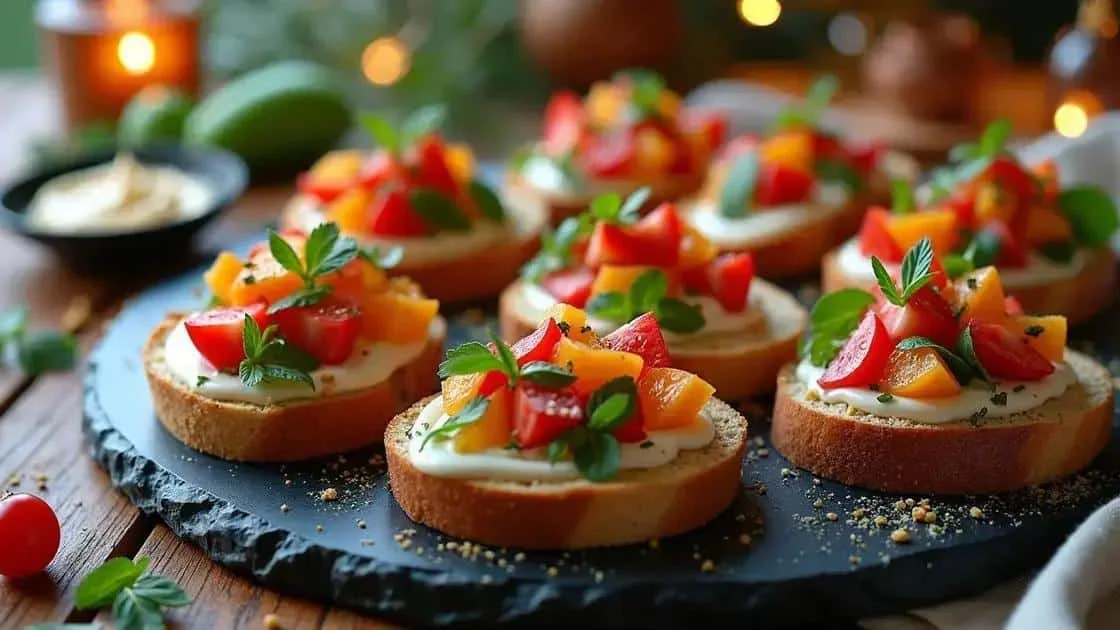
For vegan Christmas starters, try avocado canapés on wholemeal bread with suitable seasonings. Check the bread and toppings are vegan, and prepare the avocado close to serving time. Ask guests about allergies rather than assuming this suits everyone.
Vegan bruschetta
For vegan bruschetta, top toasted bread with chopped tomatoes, garlic, basil and olive oil. Check the bread’s ingredients and keep any prepared topping appropriately chilled until needed.
A selection of plant-based spreads
Spreads made with chickpeas, olives or beetroot can accompany toast or prepared vegetables. Use a complete recipe and check ingredients such as tahini, which contains sesame. Adapt vegetable shapes and textures if young children are attending.
Vegan rice paper rolls
For vegan rice paper rolls, wrap suitable prepared vegetables in rice paper following the packet instructions. A tahini or peanut sauce can add flavour, but contains sesame or peanuts respectively. Check guest requirements, avoid cross-contact and keep perishable fillings chilled.
Festive salads
Festive salads can combine washed leaves, dried fruit and walnuts for colour and contrasting textures. Check nut allergies and suitability for children. A salad is not automatically a nutritionally complete meal; consider the rest of the menu too.
Vegetarian and plant-based main course ideas

Vegetarian main courses can offer variety for guests who eat meat as well as those who do not. One idea is a vegetable roulade with carrot, spinach and tofu, served in slices with a suitable sauce. Use a full recipe and check that the pastry, filling and sauce meet the intended dietary requirements.
Creamy mushroom fricassée
A mushroom fricassée can accompany rice or mashed potatoes. Cook mushrooms with onion, garlic and herbs, then add a suitable plant-based cream according to a complete recipe. Check the cream’s ingredients and whether the accompaniments contain dairy.
Spinach and ricotta quiche
Spinach and ricotta quiche is vegetarian rather than vegan because it contains dairy and eggs. Choose vegetarian-suitable ricotta and pastry, and follow a complete recipe for the filling and baking time. Cook the centre properly rather than judging only by a golden top.
Pumpkin risotto
Pumpkin risotto combines rice, vegetable stock and pumpkin for a creamy main or side dish. Follow a full risotto recipe and check the stock and any cheese alternative are suitable for vegans. Serve promptly and follow specific rice-storage guidance if keeping leftovers.
Vegan feijão tropeiro
Vegan feijão tropeiro is a variation on a Brazilian bean dish. A plant-based version can combine cooked beans, onion, garlic, collard greens and toasted maize flour. Use a vegan recipe, checking that the flour mixture contains no bacon, butter or eggs; it can be a substantial accompaniment.
Vegan dessert ideas for gatherings

Vegan desserts for gatherings offer plenty of flavour possibilities. One example is vegan chocolate mousse made with avocado, cocoa and a suitable sweetener. Follow a complete recipe for proportions and refrigeration. ‘Natural’ sweeteners are still sugars, and a vegan dessert is not automatically suitable for every diet.
Vegan carrot cake
For vegan carrot cake, choose a recipe developed without eggs rather than improvising a direct replacement. A chocolate topping can use vegan chocolate and coconut milk if the recipe specifies appropriate quantities. Check chocolate and other ingredients for allergens.
Fruit salad
A colourful fruit salad might include strawberries, kiwi, pineapple or grapes, chosen around availability and your budget. A little orange juice can dress it; added syrup is optional. Wash the fruit, chill as appropriate and prepare age-appropriate pieces for young children, especially grapes.
Vegan truffles
Vegan truffles can combine dates, cocoa and walnuts, shaped into balls and coated with coconut or cocoa. Use a complete recipe for proportions and storage. Check nut allergies, and do not assume small dense balls are suitable for young children.
Chia pudding
For chia pudding, use a recipe that specifies the ratio of chia seeds to plant-based milk and the soaking time. Refrigerate as directed and add suitable fruit or berry sauce before serving. Check the milk’s ingredients and avoid blanket claims that every version is healthier than other desserts.

Adapting familiar recipes for a vegan menu depends on what each ingredient does. Apple purée, mashed banana or ground flaxseed mixed with water can work in some baking recipes, but not as universal egg replacements. Start with a tested vegan recipe, particularly for dishes that rely on eggs for structure or lift.
Replacing dairy ingredients
Almond, soya or oat drinks can suit some recipes, but behave differently when heated or baked. Plant-based yoghurt and plant-based cream may work in suitable sauces and desserts. Nutritional yeast adds a savoury flavour, although it does not melt or bind like cheese. Check the recipe and allergen labels.
Plant-based alternatives to meat
Depending on the dish, try soya protein, shredded young jackfruit or plant-based burgers. Follow preparation instructions and choose seasoning to suit the recipe. These ingredients have different textures and nutritional profiles, so are not interchangeable in every dish.
Adapting sweets and desserts
Plain coconut or almond milk mixed with sugar is not a direct substitute for condensed milk: the concentration and texture differ. Use a tested vegan dessert recipe or an appropriate vegan condensed milk. Dates and coconut sugar can sweeten some recipes, but may change moisture, flavour and texture, so follow specified quantities.
Herbs, spices and flavour
Explore spices and culinary herbs to add aroma and variety. Check seasoning blends, stocks and sauces for animal-derived ingredients and allergens. Good flavour does not require copying the taste of meat in every dish.
Planning a Christmas meal with less waste

For a Christmas meal with less waste, plan portions, check what you already have and choose ingredients you will use. Local or seasonal products can be worthwhile choices, but their environmental impact also depends on production, storage and transport; those labels alone do not guarantee a lower footprint.
Understanding organic ingredients
Organic ingredients come from certified production systems with specific rules. Organic does not mean completely pesticide-free: some approved substances may be used under restrictions. Nor does the label guarantee that an individual food or meal is healthier. Choose around your priorities and budget without treating organic purchases as essential.
Reduce avoidable food waste
Buy realistic quantities and plan uses for suitable leftovers. Clean vegetable trimmings may suit a stock, and sound ripe fruit can be used in a recipe. Discard mouldy or unsafe food; cooking it into a sauce or dessert does not make it safe or restart its storage life.
Include plant-based options
Plant-based options can bring variety to the table. Beans, vegetables and grains offer many possibilities, but no single label establishes the footprint of a whole meal. Consider the ingredients, portions, production and waste rather than promising that every vegan substitute has the same impact.
Reuse decorations and tableware
Use reusable items you already own, such as tablecloths and serving dishes. For natural decorations, keep pinecones and foliage away from food, heat and flames. Compostability depends on coatings and other added materials; battery LED candles can provide light without an open flame.
Discuss plans with guests
Tell guests what you are preparing and ask whether they would like to contribute a suitable dish or reusable container. Keep participation optional and coordinate portions and dietary information rather than asking everyone to bring extra food without a plan.
A thoughtful Christmas menu can combine enjoyable flavours with practical decisions about portions, ingredients and storage. Local and organic options may fit your priorities, but they do not automatically guarantee a healthier meal or a lower environmental impact.
Plant-based dishes and a plan for leftovers can add variety while helping you avoid unnecessary purchases. Choose recipes that suit your kitchen, budget and guests rather than trying to change every tradition at once.
Share ideas and practical arrangements with family and friends. A manageable menu, clear ingredient information and reusable tableware can support a celebration that reflects your priorities without making promises about everyone’s wellbeing.
FAQ — vegetarian and vegan Christmas planning
How can I plan a Christmas meal with less waste?
Check existing ingredients, estimate portions and plan safe uses for leftovers. Consider suitable plant-based dishes and reusable tableware, choosing purchases around your budget and priorities.
Does organic food mean pesticide-free food?
No. Organic certification sets production rules and restricts pesticide use, but some approved substances are allowed under specific conditions. The label also does not guarantee that a food is healthier than every alternative.
How can I reduce food waste after Christmas dinner?
Prepare realistic quantities and store suitable leftovers safely. Use them within the relevant storage period or freeze where appropriate. Do not use spoiled food, and remember that making a new dish does not reset a leftover’s storage life.
Can I adapt any traditional recipe with a simple vegan swap?
Some adapt easily, but others depend on eggs or dairy for their structure. Use a tested vegan recipe or a substitution designed for the ingredient’s role, rather than assuming apple purée or a plant-based drink works in every case.
What could I use for reusable table decorations?
Existing plates, cutlery, tablecloths and suitable ornaments can be reused. Keep foliage and pinecones away from food and heat, and consider LED candles instead of open flames.
How can I involve guests in reducing waste?
Explain your plans, coordinate any contributions and ask whether people would like to bring a reusable container. Keep participation optional and share accurate ingredient and storage information with any food.
Sources and Further Reading
- The Vegan Society: baking
- Soil Association: what organic food means
- UK government: chilling, freezing and defrosting food safely