Christmas markets in Germany combine seasonal food, decorations, craft stalls and festive entertainment. Berlin’s Gendarmenmarkt and Munich’s Marienplatz are popular starting points, alongside neighbourhood markets and themed events. Dates, opening hours, admission charges and programmes vary, so check each organiser before travelling.
Christmas markets in Germany bring together warm lights, spiced drinks and stalls full of gift ideas. This guide helps you choose between Berlin and Munich’s markets and build a realistic trip, with time to browse and enjoy the atmosphere.
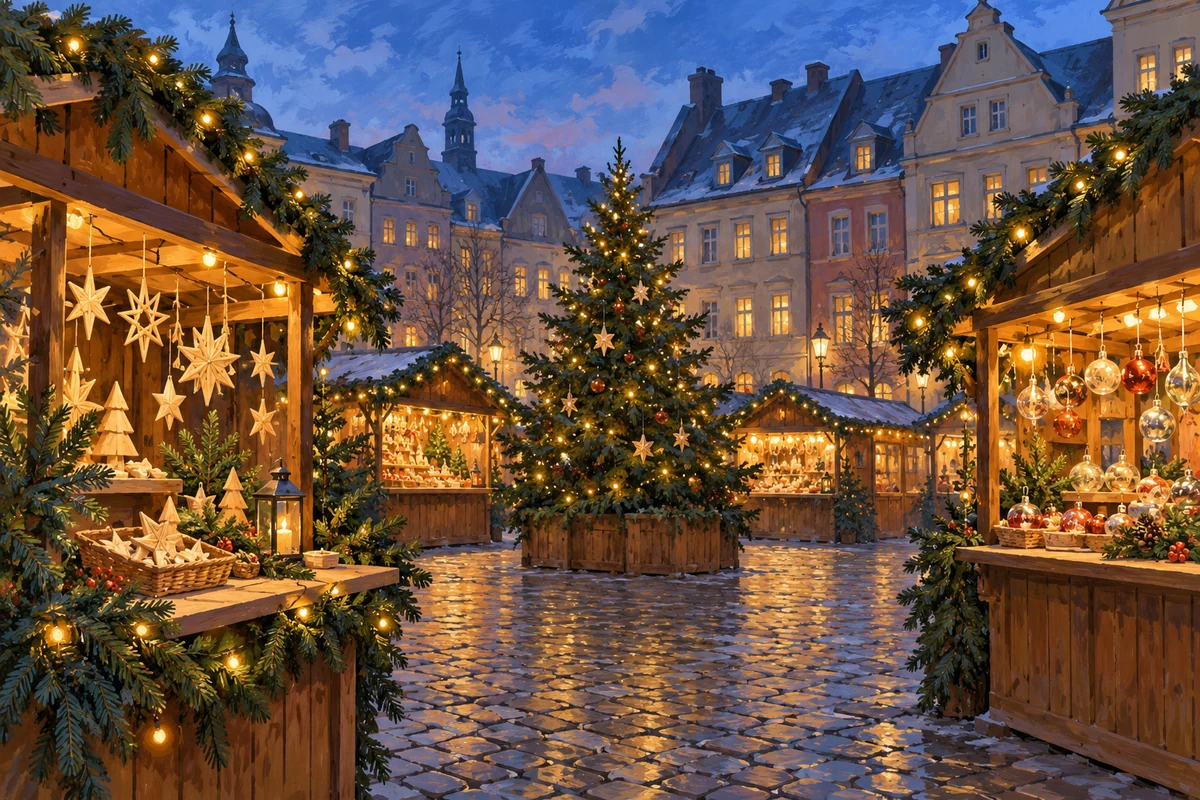
Illustrations in this article are conceptual images, not documentary photographs or evidence of a particular historical event, destination, venue or access route.
What makes German Christmas markets appealing?
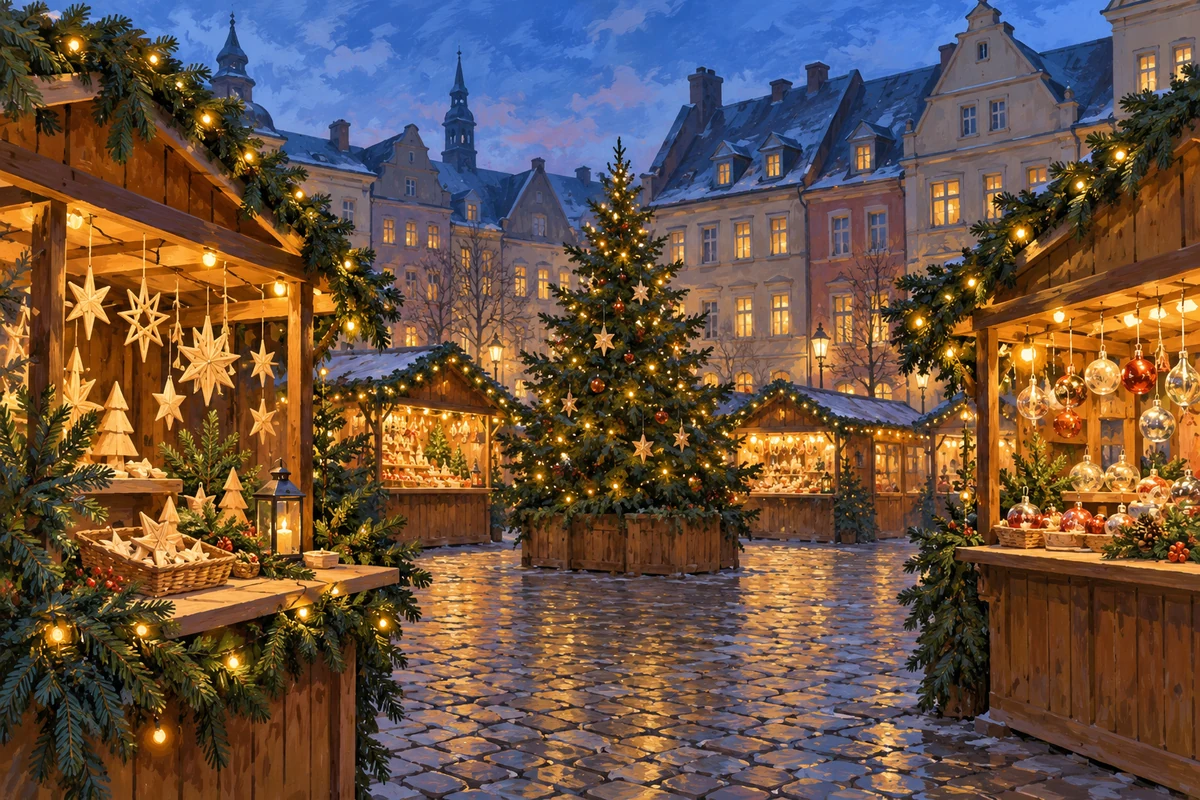
Their appeal comes from a combination of seasonal surroundings, food and browsing, with different traditions and settings from one town or neighbourhood to another.
Atmosphere and setting
Wooden stalls, warm lighting and evergreen decorations can make even a large square feel festive. Dress for spending time outdoors, and remember that popular evenings can be crowded rather than peaceful.
Crafts and traditions
Look for hand-finished decorations, carved wooden figures and glass ornaments. Ask about where and how an item was made: a market setting alone does not guarantee that every product is locally produced or handmade.
Food and drink
Familiar aromas include Glühwein, grilled sausages, spiced Lebkuchen and fruit-filled Stollen. Menus vary between stalls, so the market can be an enjoyable introduction to different seasonal foods without every dish being unique to the region.
Music and family activities
Some markets offer choirs, live music, carousels or children’s activities. Check the programme, age restrictions and accessibility arrangements for the specific event rather than assuming these facilities are available everywhere.
A seasonal cultural experience
A market visit is a chance to enjoy the details: a decoration being made, a favourite winter snack or the lights coming on. Leave room for those moments instead of trying to see every market in a single day.
Berlin Christmas markets to consider
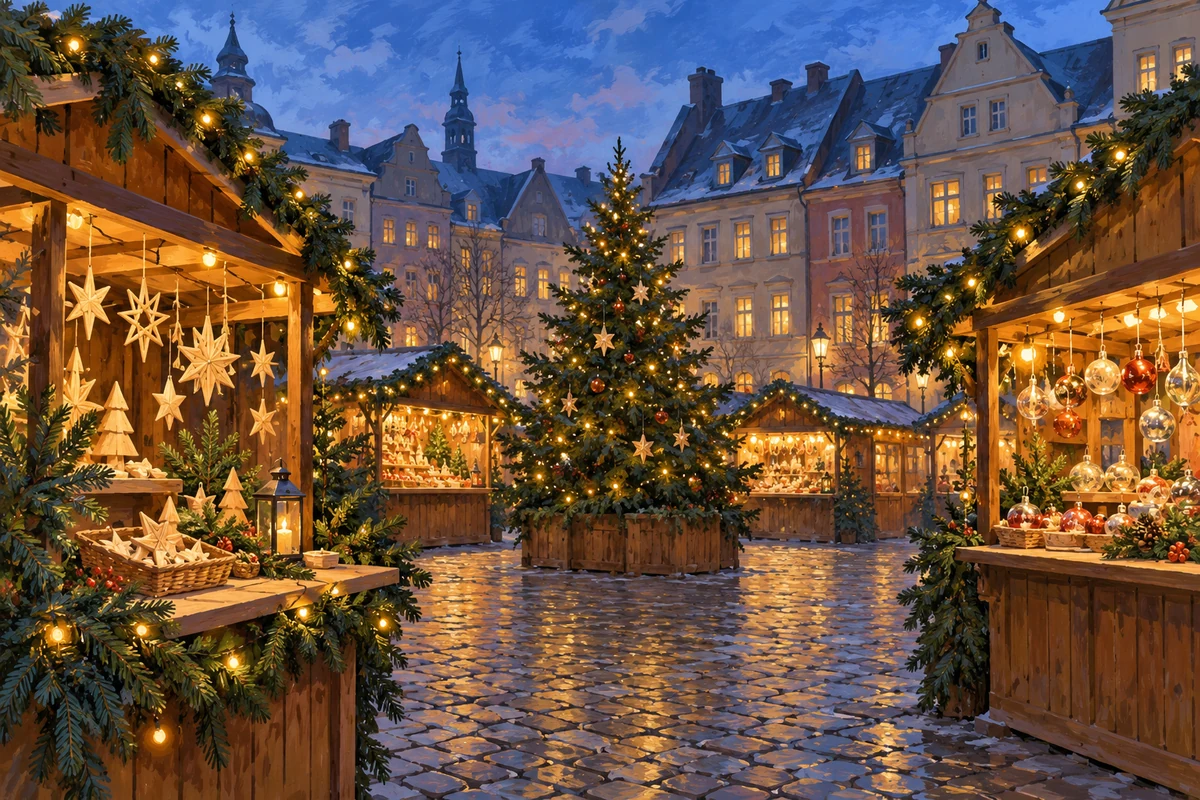
Berlin has several distinct market settings, from central squares to palace grounds and the old town of Spandau. Choose a small number based on your interests and the time available for travelling between them.
Gendarmenmarkt: crafts and a grand setting
WeihnachtsZauber at Gendarmenmarkt is known for crafts, food and entertainment. Look for demonstrations and handmade decorations, checking the current programme and admission arrangements. Berlin’s official listing gives 23 November–31 December for 2026; opening hours and charges should be confirmed before your visit. Source: Berlin: Gendarmenmarkt Christmas market
Charlottenburg Palace: a festive palace backdrop
The market at Charlottenburg Palace combines stalls with an illuminated historic setting. It is a good option if the surroundings appeal to you, but do not expect guaranteed quiet. Check the day’s opening hours and leave time for the journey from central Berlin. Source: Berlin: Charlottenburg Christmas markets
Alexanderplatz: a central option
Alexanderplatz combines market stalls with a busier fairground-style atmosphere. It is convenient for public transport, with U-Bahn and S-Bahn connections nearby. Check the current dates and attractions; the mix of rides, food and entertainment can change. Source: Berlin: central Christmas markets
Spandau: exploring the old town
Spandau’s market spreads through its old-town streets and offers a different setting from Berlin’s central squares. Check the current craft and entertainment programme rather than assuming a particular medieval event is included. Allow a substantial part of the day, including travel time. Source: Berlin: Spandau Christmas markets
Potsdamer Platz Winterwelt: seasonal activities
Winterwelt at Potsdamer Platz is associated with a winter slide and festive food stalls. Berlin’s official listing highlights the slide; do not plan around an ice rink unless the current organiser explicitly confirms one. Check dates, opening hours, ride restrictions and charges before going. Source: Berlin: Potsdamer Platz Winterwelt
Choosing your Berlin markets
Carry some euros in cash, as payment options vary by stall. Wear layers and footwear suited to cold or wet weather. A weekday visit may be less busy, but only arrive during published opening hours. Check entrance charges and leave time for a warm drink, alcoholic or alcohol-free as preferred.
Munich Christmas markets and experiences
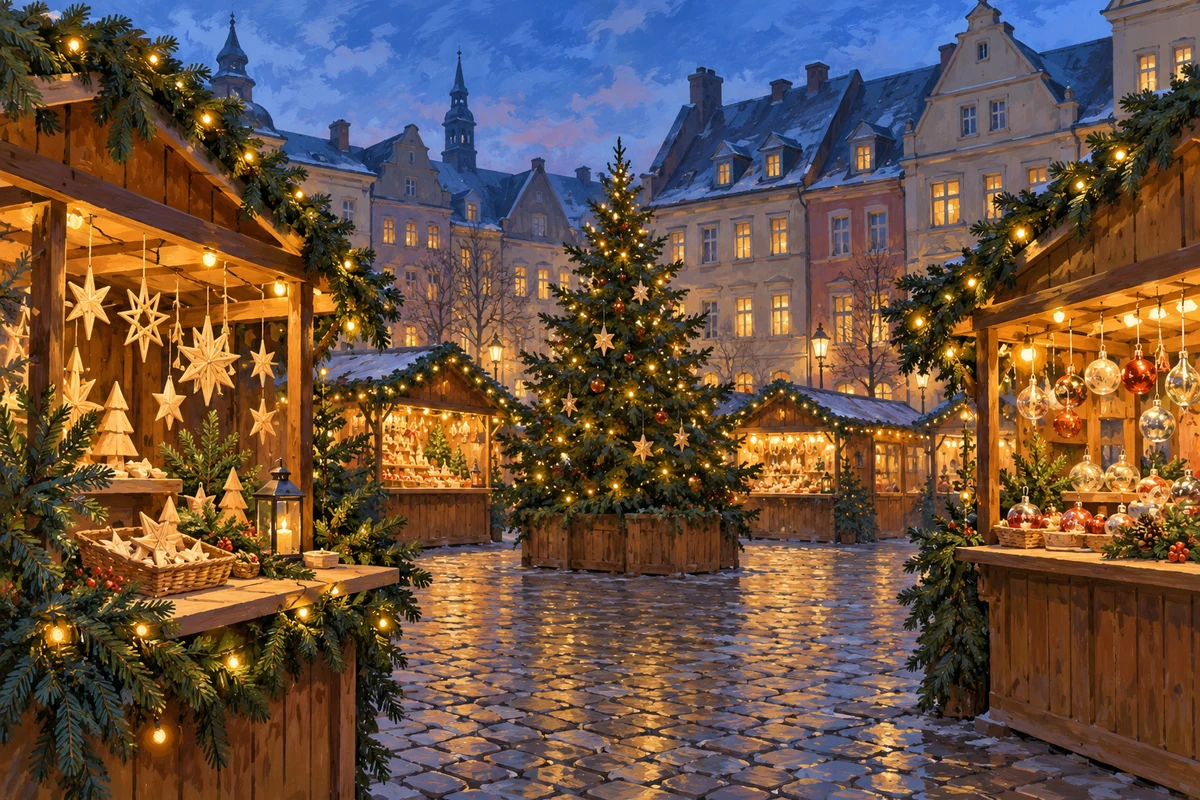
Munich offers a traditional central Christkindlmarkt as well as courtyard, themed and festival settings. Choose markets that suit your interests in crafts, food or performances.
Marienplatz: the central Christkindlmarkt
Marienplatz is known for its large Christmas tree and stalls around the town hall. Munich Tourism lists the 2026 market for 20 November–24 December, with a closure on 22 November. Check the current daily hours, especially Christmas Eve; evening lights are appealing, but late afternoon can also be busy. Source: Munich Tourism: Marienplatz Christmas market
Tollwood Winterfestival: arts and international food
Tollwood at Theresienwiese combines a market with food and a cultural programme. Check the official Winterfestival page for this year’s market dates, performance tickets and opening times: the festival and the market do not necessarily finish on the same date. Ask individual vendors about vegan choices and ingredients. Source: Tollwood: official Winterfestival programme
The Residenz Christmas village
The Christmas village in the Residenz courtyard offers a historic backdrop and a more enclosed setting. Its courtyard atmosphere may appeal if you prefer this to a large open square, but it is not a promise of fewer visitors. Check the organiser’s current programme and access arrangements. Source: Munich Tourism: city Christmas markets
The medieval-themed market
Wittelsbacherplatz is associated with Munich’s medieval-themed Christmas market. Costumes, stalls and entertainment create a theatrical setting; treat it as a themed contemporary event rather than a historical reconstruction of every detail.
Familiar foods and drinks
- Glühwein — warm spiced wine, for adults who choose to drink alcohol.
- Kinderpunsch — a warm alcohol-free punch; check the ingredients and let it cool appropriately before giving it to a child.
- Bratwurst — grilled sausage, often served in a bread roll with mustard.
- Lebkuchen — spiced German biscuits or cakes, sometimes chocolate-coated.
- Gebrannte Mandeln — sugar-coated roasted almonds, often sold in paper bags.
- Kartoffelpuffer — crisp potato pancakes, with accompaniments depending on the stall.
Practical tips for Munich
Public transport can be useful for moving between markets. Carry some cash and check each event’s dates: some close before Christmas Eve, while others continue later. A reusable mug may carry a refundable deposit; ask where and when to return it and whether keeping it is permitted.
More seasonal food to try
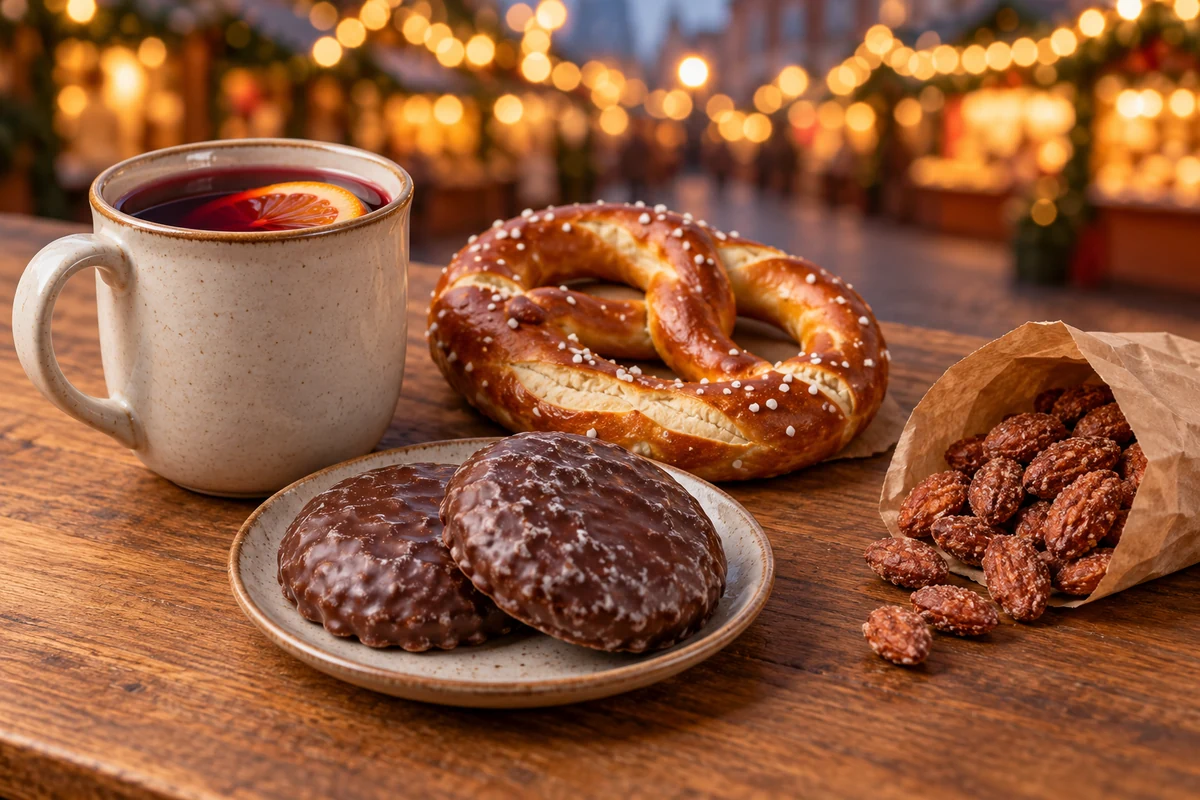
You can sample sweet and savoury foods across different stalls, but there is no need to try everything. Check portion sizes and prices, and choose foods that suit your preferences and dietary needs.
Warm drinks
Glühwein — usually spiced red wine, although white-wine versions also exist. Serving sizes and recipes vary. Ask specifically for an alcohol-free alternative if that is what you need.
Kinderpunsch — a sweet, warm non-alcoholic punch. It is not restricted to children, and should be handled carefully while hot.
Savoury choices
- Bratwurst — a grilled sausage in a roll is a familiar option. Find a suitable place to stop and eat rather than navigating crowds with hot food.
- Currywurst — sliced sausage with curry-flavoured sauce, particularly associated with Berlin.
- Kartoffelpuffer — potato pancakes that may be served with apple sauce or another topping. Check ingredients if sharing with someone who has dietary restrictions.
- Brezel — a pretzel with a chewy interior and browned crust, useful as a simple snack between visits.
Sweet treats
- Lebkuchen — spiced biscuits or cakes, sometimes with icing or chocolate. Packaged varieties can make practical gifts if permitted by your destination’s food rules.
- Stollen — a rich festive bread with dried fruit; some versions contain marzipan. Portion sizes are not standard.
- Gebrannte Mandeln — sweet roasted almonds sold by weight or bag size. Check the price and ingredients before buying.
- Schmalzkuchen — small fried dough pieces dusted with sugar, available at some stalls.
Vegan choices and dietary requirements
Some stalls offer plant-based sausages, suitable desserts or vegan Glühwein. Wine processing can involve animal-derived products, so check the specific drink. Lactose-free does not necessarily mean dairy-free or vegan, and “plant-based” is not an allergen guarantee; ask about ingredients and preparation.
Eating comfortably
Check payment methods before ordering. Sharing a portion can be useful if everyone is happy with its ingredients. Ask about allergens and cross-contact where relevant, and confirm the mug-deposit system before leaving with a drink. A busy stall alone does not prove that food is safe or freshly prepared.
Planning a day in Berlin or Munich
- Option A — A day in Berlin
- Before the markets open: have breakfast or explore the surrounding area. Start at Gendarmenmarkt only once its published opening time has arrived; stall setup is not visitor opening time.
- Around lunch: choose food at the market you are visiting, or travel to Alexanderplatz if it is open and fits your route. Do not add an extra crossing of the city just for a particular snack.
- Afternoon: choose either Charlottenburg or Spandau as a separate excursion, allowing transport time. Spandau is not a small nearby stop to walk to from the central markets.
- Evening: enjoy the lights and any scheduled music at your chosen market. Return to Gendarmenmarkt only if the journey, admission arrangements and available time make sense.
- Option B — A day in Munich
- After opening: begin at Marienplatz to see the tree and browse the stalls, checking that your date is not a closure day.
- Lunch: choose a market snack or a nearby café, with a seated break if needed.
- Afternoon: continue to the Residenz or Wittelsbacherplatz if open. Tollwood is a separate stop requiring extra travel time, so choose it instead of trying to fit in every market.
- Evening: enjoy lights or a performance listed for that day, leaving time for food shopping and the journey back before closing.
- Option C — Travelling between the two cities
- Plan a separate travel day: Berlin and Munich are several hours apart by rail. Check Deutsche Bahn’s timetable for your exact dates, including engineering works. An overnight stay is usually a more relaxed basis for visiting both than a same-day return. Source: Deutsche Bahn: Berlin to Munich journey planner
- Choose one arrival-day market: after checking in, focus on a central location and a few experiences, rather than expecting a full sightseeing day after the journey.
- Arrange luggage storage: ask your accommodation or check station lockers and their availability. Allow time for the local journey as well as the intercity train.
- Be realistic: several hours of train travel each way, plus station transfers and potential delays, leave limited time for markets. If a same-day visit is unavoidable, choose one city and one principal market, with a generous margin for the return.
Building a practical day
- Transport: use DB Navigator for rail planning and official local transport information from BVG in Berlin or MVV/MVG in Munich. Check which ticket covers each journey.
- Opening hours: work from each market’s published hours. Some open around midday or later, so a blanket morning itinerary will not work.
- Money and mugs: carry some euros and ask about the Pfand deposit. Return the mug as instructed for a refund; keeping it as a souvenir is an option only where the vendor allows it.
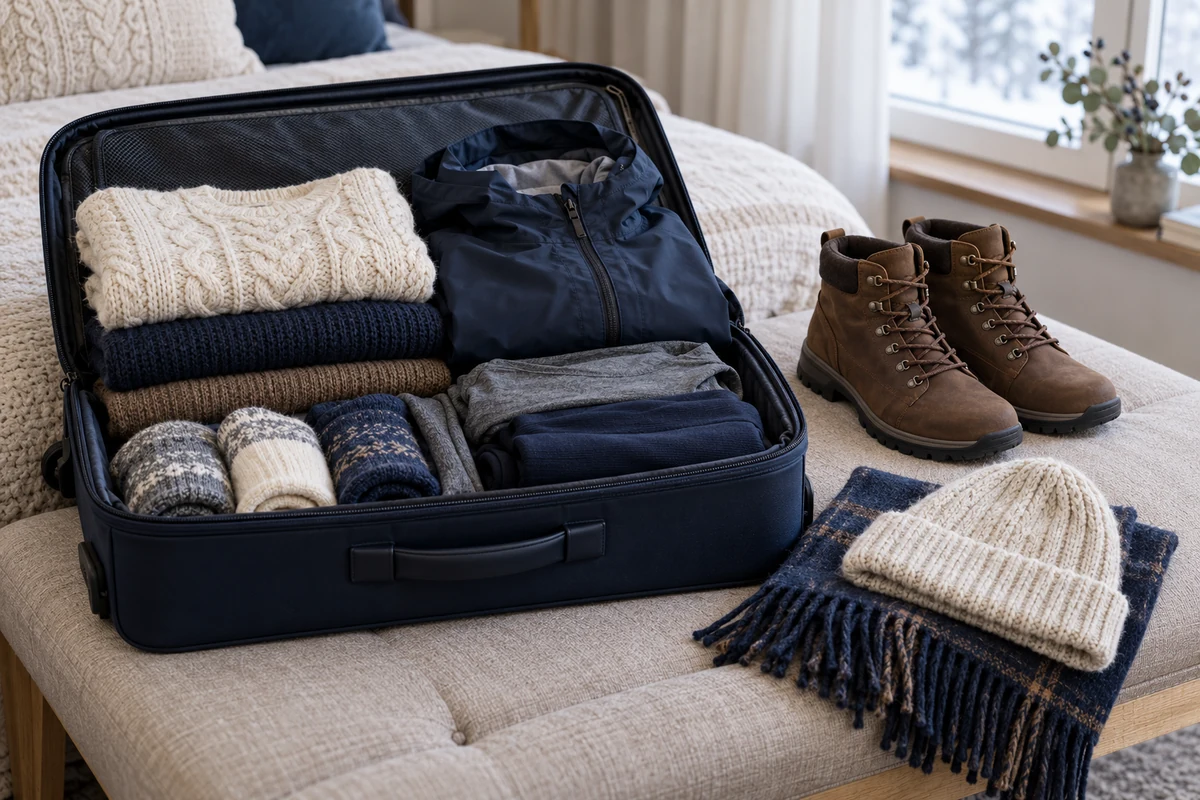
- Clothing: wear layers, suitable waterproof footwear, gloves and a scarf, adapting to the forecast.
- Shopping: ask about materials, origin and care instructions. Prices are normally marked; do not assume bargaining is part of the experience.
- Belongings: keep documents and money secure and avoid carrying unnecessary bulky bags through crowds.
A flexible single-city outline
- Before opening — breakfast, a local walk and a check of the day’s transport and market information.
- After the first market opens — allow time for crafts and photographs without blocking stalls or walkways.
- Lunch break — choose food that suits you and pause somewhere comfortable.
- Afternoon — visit one additional nearby market, or spend longer at the first.
- Later in the day — take a warm indoor break or enjoy a seasonal snack before the evening lights.
- Before your return journey — leave enough time for the station or accommodation, including queues and any travel disruption.
Useful tools
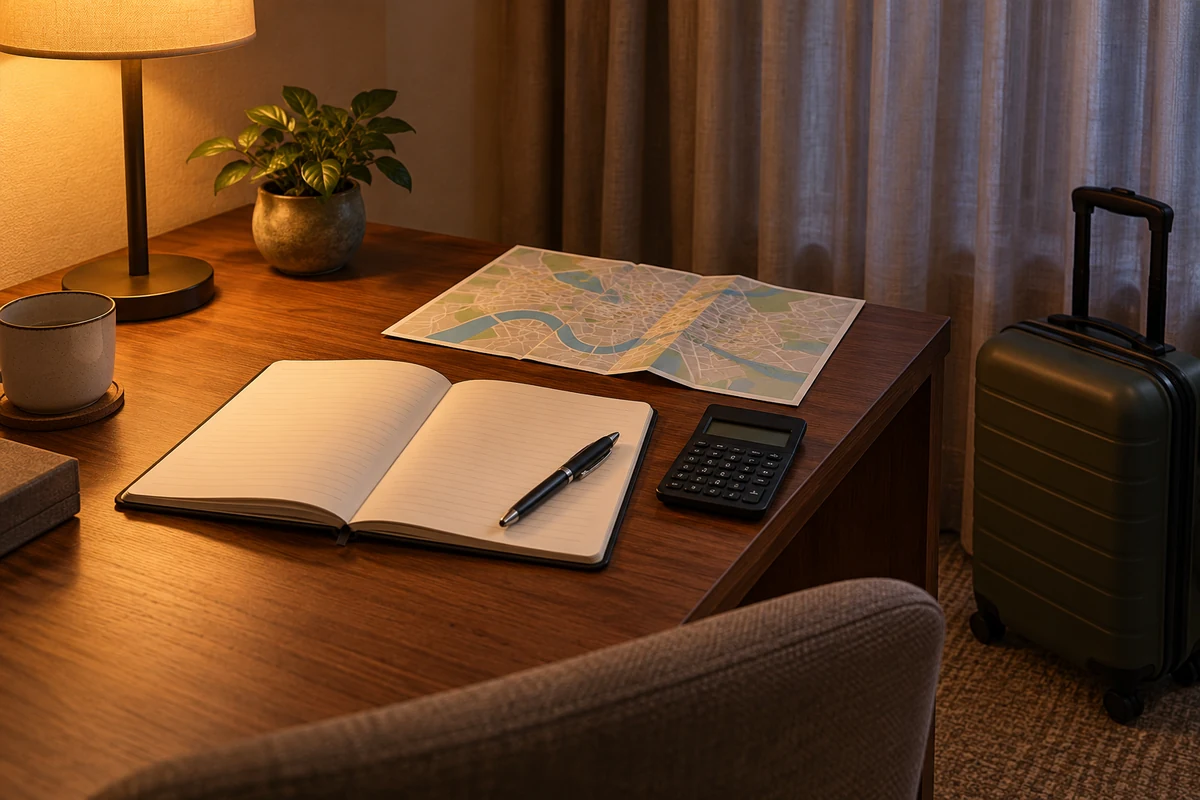
Save an offline map, official transport details, essential phrases and a short list of markets. Choose fewer stops and give yourself time to enjoy them.
Practical advice: timings, transport and shopping
A little preparation can prevent wasted journeys and unexpected costs. Keep plans flexible, especially in poor weather or at busy weekend events.
Choosing a visiting time
A weekday may be easier than a popular weekend evening, but there is no guaranteed quiet period. Check the actual opening time before planning an early visit; some markets do not open in the morning.
- If you prefer fewer crowds, avoid the busiest advertised events and consider a less central location.
- Check the start and finish dates for every market. Some close before 24 December; others continue after Christmas, and special closure days may apply.
- Arrive during public opening hours. Craftspeople setting up their stalls should not be treated as an attraction before the event opens.
Getting around
U-Bahn, S-Bahn, trams and buses can connect useful parts of both cities, but check the actual route and any temporary changes.
- Compare a day ticket with individual fares for your planned journeys; a pass is not automatically the cheapest option.
- For Berlin–Munich travel, compare suitable long-distance trains and book with a realistic itinerary. Regional connections can take much longer and are not interchangeable with an ICE journey.
- If driving, check parking arrangements, local access requirements and walking distances in advance. An early arrival does not guarantee a space.
- Luggage lockers can help where available, but have a backup plan in case they are full or unsuitable for your bags.
Paying and buying gifts
Carry some euros in cash because not every stall takes cards. Budget separately for any mug deposit so you are not surprised by the initial price.
- Small notes and coins can make payments easier. Check prices rather than assuming cash means a discount.
- Keep receipts for substantial purchases. If you hope to claim a VAT refund, check eligibility, the retailer’s participation and export requirements beforehand; do not assume every purchase qualifies.
- Ask about the material, origin and care of wooden, glass or textile gifts, particularly where these details matter to you.
- Respect marked prices and the seller’s time. If discussing a purchase, keep the conversation polite and accept a fixed price.
Comfort and personal safety
Wear weather-appropriate layers and comfortable footwear. A secure inner pocket or well-fastened bag can help keep valuables close, but remain aware of your belongings.
- Avoid unnecessary large bags and keep exits and busy walkways clear.
- Drink water and take indoor breaks when needed. A hot alcoholic drink is not protection from cold weather.
- Agree on a meeting point and a way to contact one another if the group separates.
A short checklist
- Check each market’s dates, opening hours, entry arrangements and programme.
- Choose a manageable number of stops during their public opening times.
- Plan transport and carry an appropriate mix of cash and cards.
- Keep belongings secure and ask about products before buying.
Enjoying the trip
Germany’s Christmas markets offer many ways to enjoy seasonal food, crafts and lights. A realistic Berlin or Munich itinerary leaves time for the details, without treating the two cities as neighbouring stops or promising an event that has not been confirmed.
Thank you for reading. Follow our social channels for more festive travel ideas and share the experiences that mattered most to you.
Explore the I Love Christmas blog for seasonal recipes, decorations and traditions. Enjoy planning your trip.
FAQ: Christmas markets in Germany
What is the best time to visit?
Check each market’s published opening hours first. Weekdays may be less busy than popular weekend evenings, but crowds vary. Morning visits only work where the market actually opens in the morning.
Can I pay by card at the stalls?
Some vendors take cards and others prefer cash. Carry a reasonable amount of euros and ask before ordering. A drink may also require a refundable mug deposit, with return arrangements set by the vendor.
Are there vegan options or choices for dietary restrictions?
Some stalls offer vegan food and drinks, but availability varies. Ask about ingredients and cross-contact; lactose-free is not necessarily dairy-free or vegan, and an apparently vegetable-based dish may contain other ingredients.
How do I travel between markets within a city?
Check official public transport routes and ticket coverage. A day ticket may help if you make several journeys, but compare it with individual fares. Allow extra time for queues, walking and winter disruption.
Can I find locally made crafts and unusual gifts?
Yes, some stalls sell work made by local craftspeople, but this is not true of every item. Ask where and how it was made, check materials and keep a receipt for significant purchases.
Sources and Further Reading
- Berlin: Gendarmenmarkt Christmas market
- Berlin: Potsdamer Platz Winterwelt
- Munich Tourism: Marienplatz Christmas market
- Tollwood: official Winterfestival programme
- Deutsche Bahn: Berlin to Munich journey planner
- Munich Tourism: city Christmas markets
- Berlin: Spandau Christmas markets
- Berlin: Charlottenburg Christmas markets
- Berlin: central Christmas markets