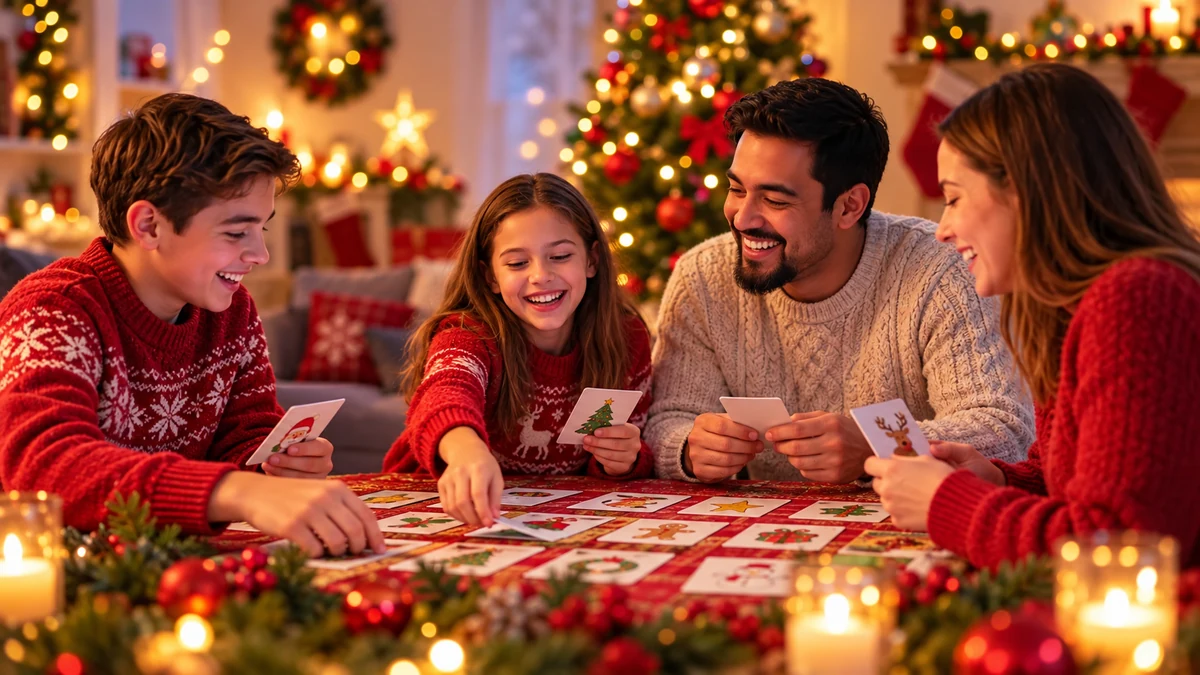
Christmas party games can help guests get to know one another through simple shared activities. Choose games that suit the space and participants, explain the rules clearly and keep participation and prizes optional.
Christmas party games and activities can add enjoyment to a gathering without needing elaborate equipment. A short quiz, cooperative challenge or craft table may be enough. These ideas can be adapted to the people present rather than promising one activity will suit everybody.
Choosing games that welcome your guests

Choose games with the number of guests, ages, interests and access needs in mind. Offer different ways to take part, including seated roles and the option to watch or chat instead.
Ask about preferences
Some guests enjoy active challenges; others prefer quieter activities. Ask what people would enjoy and whether any adjustments would help. Do not assume preferences or abilities solely from someone’s age.
Offer a mix of activities
A board game, a short group quiz and a craft activity offer different kinds of participation. You do not need to schedule them all: a few clear choices can be more relaxing than a crowded programme.
Team activities
Cooperative games can encourage conversation. Give people a choice of roles and avoid teams that leave someone isolated. Explain that taking part matters more than winning.
Try the game beforehand
Check the instructions, materials and timing before the party. Make sure the room has enough safe space and that any written clues are readable. Adjust rules that create unnecessary difficulty or confusion.
Decide whether prizes are needed
Small prizes can be fun, but they are not necessary. If you use them, keep costs modest and consider recognition for teamwork or creativity rather than rewarding only speed. Check allergies and age suitability before giving sweets.
Christmas activities for children
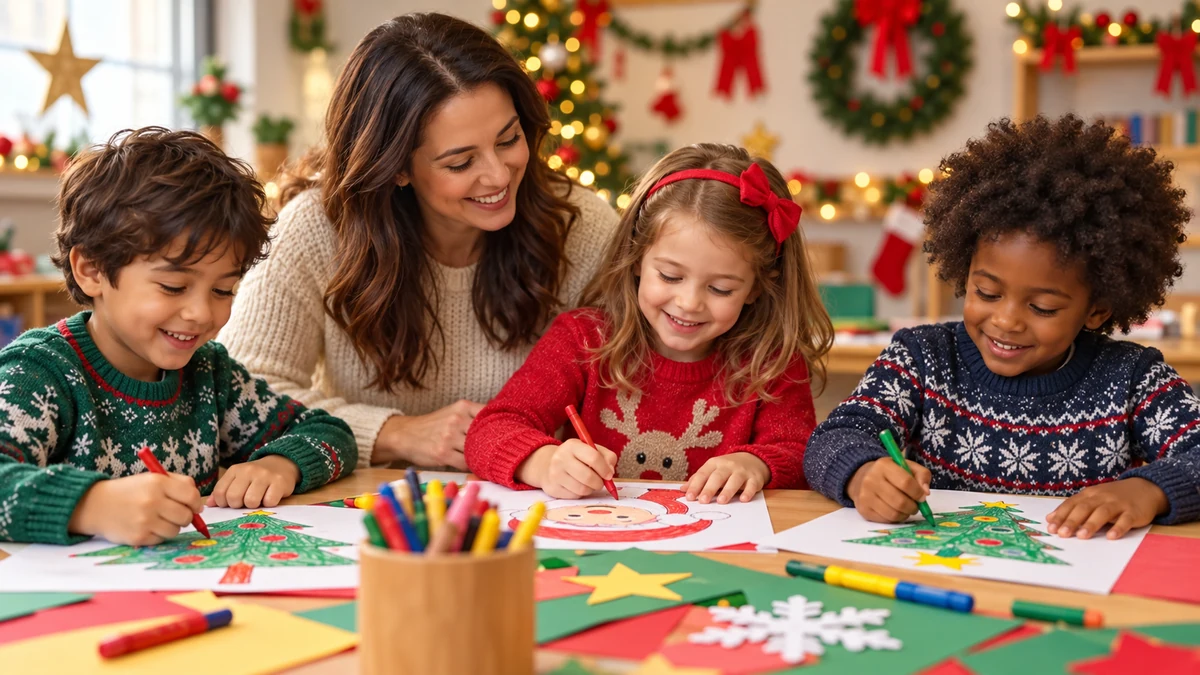
Activities for children should suit their ages, interests and the available supervision. Offer short games, breaks and quieter options rather than expecting every child to enjoy the same challenge.
A simple treasure hunt
For a treasure hunt, place simple clues in safe, accessible locations. Keep children away from stairs, kitchens, electrical displays and outdoor hazards. Use suitable objects rather than small choking hazards, and let the group solve clues together if preferred.
Musical movement
Traditional musical chairs involves rushing for a seat and may not suit the group or room. A gentler alternative is to pause the music and ask everyone to make a festive pose, seated or standing. Nobody needs to be eliminated, and avoid pushing or racing around furniture.
Art and craft activities
Set up a supervised craft table for paper cards or simple ornaments. Use age-appropriate scissors and materials, avoid small parts for young children and keep food away from craft supplies.
An adaptable movement challenge
A traditional sack race can create trip and collision risks, especially indoors. Instead, try passing a large soft object along a seated team or moving it slowly between safe markers. Offer different roles and avoid obstacles or slippery surfaces.
Puppet storytelling
A small puppet show can let children make up a seasonal story. They can narrate, move a puppet, provide sound effects or watch. Use suitable toys and leave performance optional.
Party activities for adults

Activities for adults can offer an easy introduction between guests who do not know one another. Keep explanations brief and avoid challenges that depend on alcohol, embarrassment or physical ability.
Forming teams
Invite guests to form teams for a quiz or cooperative challenge. Balance the roles and let people choose a comfortable level of involvement. Friendly competition works best when nobody is pressured to perform.
Board games
Offer board games that you already know and can explain. Check each game’s player count, age guidance, language demands and playing time. A familiar short game may be a better fit than buying something complicated for the occasion.
Karaoke or a singalong
Optional karaoke can suit guests who enjoy singing. Keep volume comfortable, choose appropriate songs and allow group singing or listening. Ask permission before recording or sharing performances.
A simple food-decorating activity
For a food challenge, decorate ready-prepared biscuits or arrange a small plate using suitable ingredients. Check allergies, hygiene and storage requirements. Avoid rushed cooking, raw-meat handling competitions or pressure to taste food.
Small surprises
If you want prizes, use modest items or playful recognition for teamwork. Do not assume everyone is motivated by a competition, and avoid presenting one guest as the only successful participant.
Adapting familiar party games
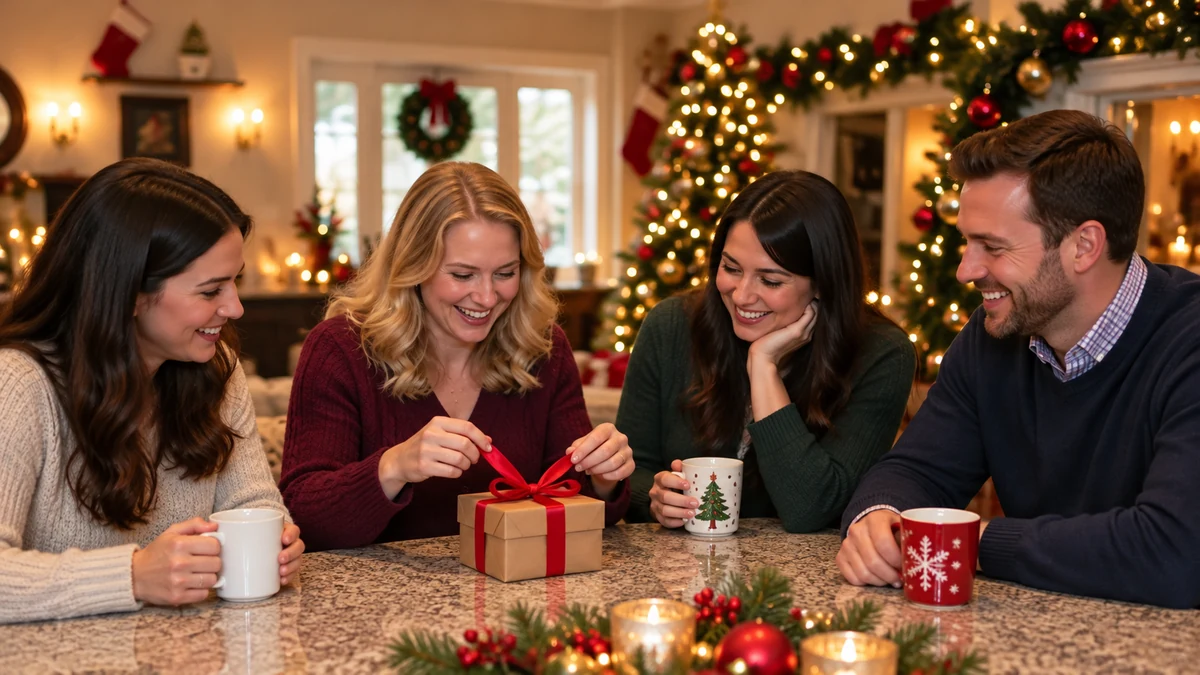
Adapt traditional games to suit your guests and setting. A familiar idea can work well when the rules are simplified and unnecessary risks or exclusions are removed.
Adjust the rules
A game based on musical chairs can become musical poses, with seated options and no elimination. Use seasonal music, keep space clear and let participants suggest an accessible variation.
Use a festive theme
Add Christmas-themed materials such as paper pictures or clue cards. For a treasure hunt, use large paper ornaments rather than fragile glass decorations or electrical lights that participants might pull or disturb.
Offer different ways to join in
Mixed-age teams can share skills, but ask what works for the people involved. Provide seated, visual, spoken or written options where useful and respect anyone who chooses not to play.
Add a gentle extra challenge
For a quiz, include a few festive questions and allow teams to discuss answers. Check factual answers beforehand and explain regional or religious context instead of treating one tradition as universal.
Try shorter rounds
Short games are easier to fit around conversation and food. Instead of truth or dare, which can pressure people to disclose private information or attempt unsafe tasks, invite an optional favourite-memory question or a simple charade.
Planning a flexible activity schedule

An activity schedule can help with preparation, but it should leave room for guests to relax. A party does not need continuous organised entertainment.
Allow enough time
Consider the length of the gathering and the time needed to explain each game. Around 15 to 30 minutes is only a possible allowance for an activity, not a rule; shorten it if people lose interest or need a break.
Choose a sensible order
Start with a short welcoming game. If the group wants movement, choose a safer alternative to a sack race or rushing musical chairs. Follow with a quieter activity such as puppet storytelling if it suits the participants.
Mix shared and individual activities
Allow time for teamwork and independent choices such as drawing or puzzles. Replace truth or dare with voluntary questions that do not demand personal disclosures. Guests can take part without being placed in the spotlight.
Include breaks
Leave time to rest, eat and talk. A five- or ten-minute break may work between activities, but adjust to people’s needs rather than treating a timetable as more important than their comfort.
Have an alternative
Keep a few alternative activities ready if the weather changes or a game does not suit the group. A short round of charades or an informal quiz can work with little equipment, including seated options.
Ideas for modest prizes and recognition

Prizes and surprises can be a small extra rather than the reason for joining in. Set a budget first and consider whether a shared reward or a thank-you would work better.
Personalised keepsakes
A handwritten note or simple paper keepsake can mark the occasion. You do not need to order mugs or clothing solely for a game; choose something useful and wanted rather than creating extra cost or clutter.
Sweets and small treats
If offering sweets or chocolates, check allergies, dietary requirements and age suitability. Have an alternative available and avoid treats that could be choking hazards for young children.
Shared experiences
An optional experience might be choosing the next family film or planning a simple walk together. Paid tickets or vouchers are not necessary; check dates, access needs and extra costs if you do choose them.
More time together
A shared board game or another optional singalong can extend the fun. Offer it to anyone interested rather than reserving all enjoyable activities for the winners.
Playful certificates
Simple certificates can recognise cooperation, creativity or kindness. Keep the wording considerate and avoid labels that embarrass a guest or turn a private difficulty into a joke.
Make room for enjoyment rather than pressure
Thoughtful party games can add variety to a celebration. Choose activities that suit the people and space, explain them clearly and accept that some guests may prefer to watch or talk.
Adapt familiar games, keep the schedule flexible and offer alternatives when needed. A successful gathering does not depend on everybody doing the same thing at the same time.
Prizes are optional; consideration and shared enjoyment matter more. A few simple activities can provide plenty of fun without extra spending or pressure.
Frequently asked questions about Christmas party games
Which games work well at Christmas parties?
A safe treasure hunt, musical poses, a quiz, crafts or puppet storytelling can work. Choose according to ages, interests, access needs and the available space.
How can I adapt a familiar game?
Simplify the rules, add a festive theme, remove elimination or rushing and offer seated or cooperative roles. Keep participation optional.
Why plan an activity schedule?
It helps with materials and timing, but should include breaks and remain flexible. Guests’ comfort matters more than completing every planned game.
What prizes should I offer?
Small suitable treats, paper keepsakes or thoughtful certificates may be enough. Check allergies and age suitability; prizes are not required.
How can I make activities more inclusive?
Ask about preferences and adjustments, offer different roles and ways to participate, and respect people who prefer not to join a game.
What if a game does not work?
Stop or adapt it without blaming participants. Offer an alternative such as a short quiz, charades, drawing or simply a break for conversation.