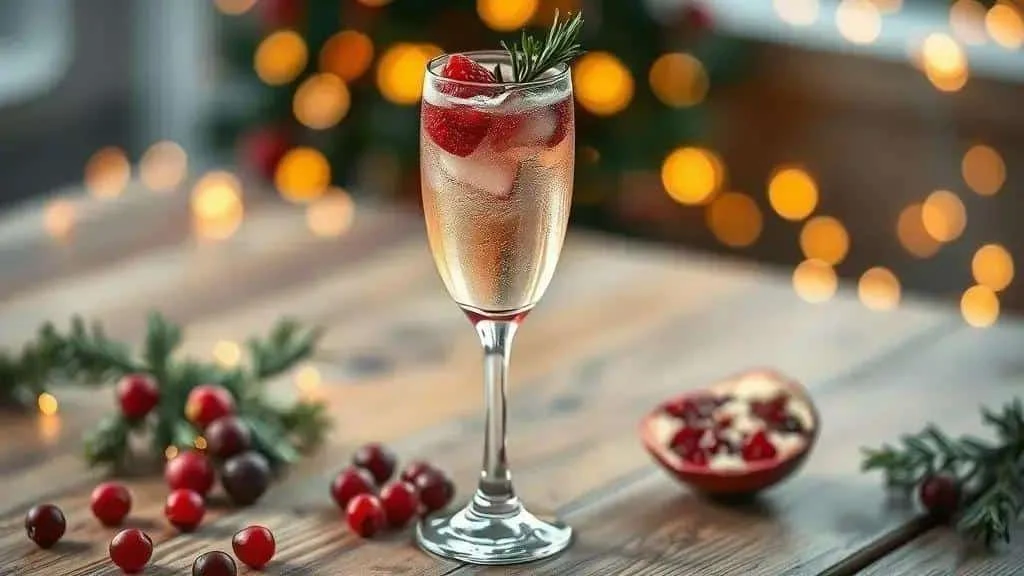
This Christmas sparkling wine cocktail combines chilled brut sparkling wine, strawberries, raspberries, pomegranate seeds and a little citrus and syrup. Prepare the fruit base ahead, keep it chilled and add the wine just before serving. The main batch serves about six adults; a separate soda-water version offers an alcohol-free alternative.
A Christmas sparkling wine cocktail with red berries is simple to assemble and colourful on the table. This guide covers the main recipe, individual variations and practical serving tips, without needing specialist bar equipment.
Ingredients for the Christmas Sparkling Wine and Berry Cocktail
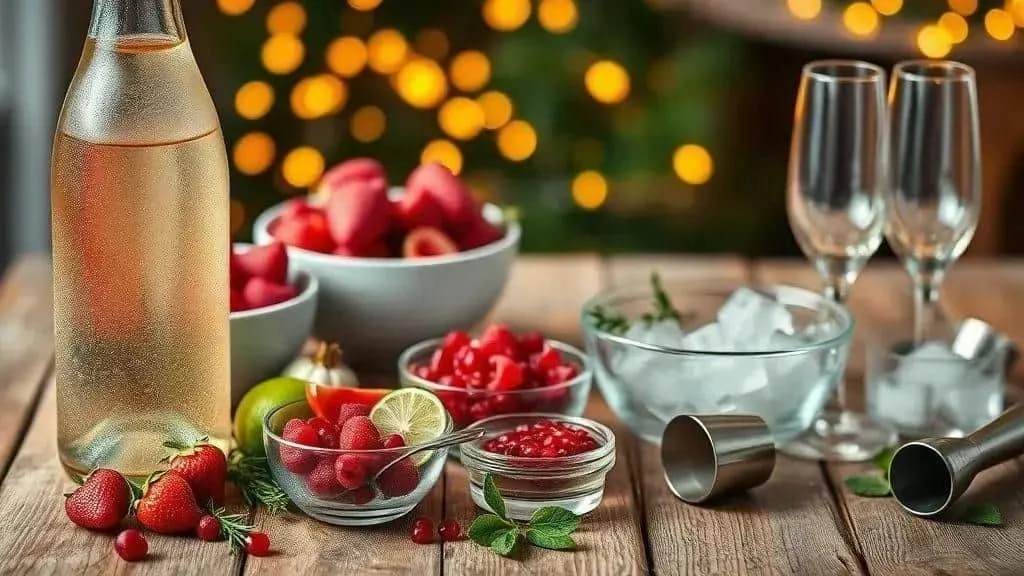
For this Christmas sparkling wine cocktail, gather the following ingredients. The optional liqueur quantity is for the whole batch, not each glass:
- 750 ml brut sparkling wine, one bottle — well chilled; prosecco or cava are suitable styles.
- 150 g strawberries — washed, hulled and sliced. If using frozen berries, follow their packet’s preparation and any cooking instructions, then cool fully before use.
- 75 g raspberries — washed gently; blackberries or blueberries give a different flavour.
- 100 g pomegranate seeds — for colour and texture. Fresh cranberries are much sharper and harder, so are not an equivalent spoon-for-spoon replacement.
- Up to 30 ml simple syrup, 2 tablespoons — add to taste. This is a measured amount of prepared syrup, not two tablespoons of dry sugar plus an unspecified quantity of water.
- 30–60 ml raspberry liqueur for the entire batch, optional — divide across approximately six servings. It can be omitted; vodka is stronger and is not an equivalent flavour or alcohol-content substitute.
- Juice of ½ lemon — add gradually to taste.
- Washed mint leaves or culinary rosemary sprigs — for garnish.
- Ice cubes, optional — mainly for chilling glasses or bottles; use sparingly in the finished drink.
Substitutions and Quick Tips
Prosecco and cava are types of sparkling wine that work well here. Prices vary, so choose by taste and budget. For an alcohol-free version, replace all the wine with soda water or juice-and-soda and omit the liqueur. Check labels carefully if using a dealcoholised wine.
Simple syrup dissolves easily in a cold drink. Honey and agave also add sugar and are not automatically healthier options. Briefly macerating some berries with the measured syrup and lemon juice brings out their flavour.
How to Make the Christmas Sparkling Wine Cocktail
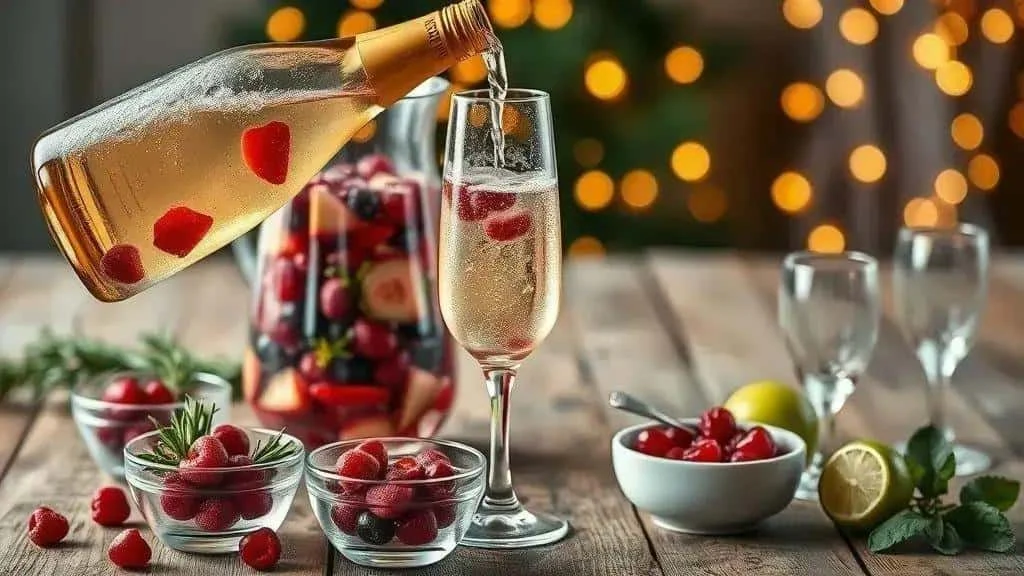
- Chill the wine and glasses: refrigerate the bottle until cold. Chill suitable glasses in the fridge or with ice water, then empty and dry them. Do not put delicate or unsuitable glassware in the freezer.
- Prepare the fruit: wash and slice 150 g strawberries, gently rinse 75 g raspberries and prepare 100 g pomegranate seeds with clean utensils.
- Macerate briefly: mix the strawberries with 15 ml of the measured syrup and some lemon juice. Lightly crush a few pieces and refrigerate for 8–10 minutes.
- Divide the fruit base: share the strawberries, their juice, raspberries and pomegranate seeds between about six generously sized glasses, or place in a jug with plenty of headroom.
- Add optional liqueur: use 30–60 ml for the whole jug, or about 5–10 ml per glass when making six servings. Do not add the full batch measure to every glass.
- Pour the sparkling wine: divide the cold wine between the glasses, roughly 125 ml each for six servings, pouring slowly and leaving room for fruit and foam.
- Stir gently: one or two careful turns of a spoon are enough to mix the fruit juice without losing too much fizz.
- Garnish: add a little washed mint or culinary rosemary and a strawberry slice. Keep woody sprigs easy to remove before drinking.
- Serve immediately: taste a small portion and use any remaining measured syrup only if needed. Bring the glasses to the table while the drink is still sparkling.
Quick Tips
Alcohol-free: use soda water or juice-and-soda instead of sparkling wine and leave out all liqueur. Prepare this version separately and label it clearly.
Batch preparation: prepare and refrigerate the fruit base shortly before the guests arrive. Add sparkling wine only when ready to serve.
Adjust sweetness gradually: start with 15 ml syrup for the batch, then add up to the remaining 15 ml if needed. Honey or agave have different strengths and flavours.
Christmas Sparkling Wine Cocktail Variations
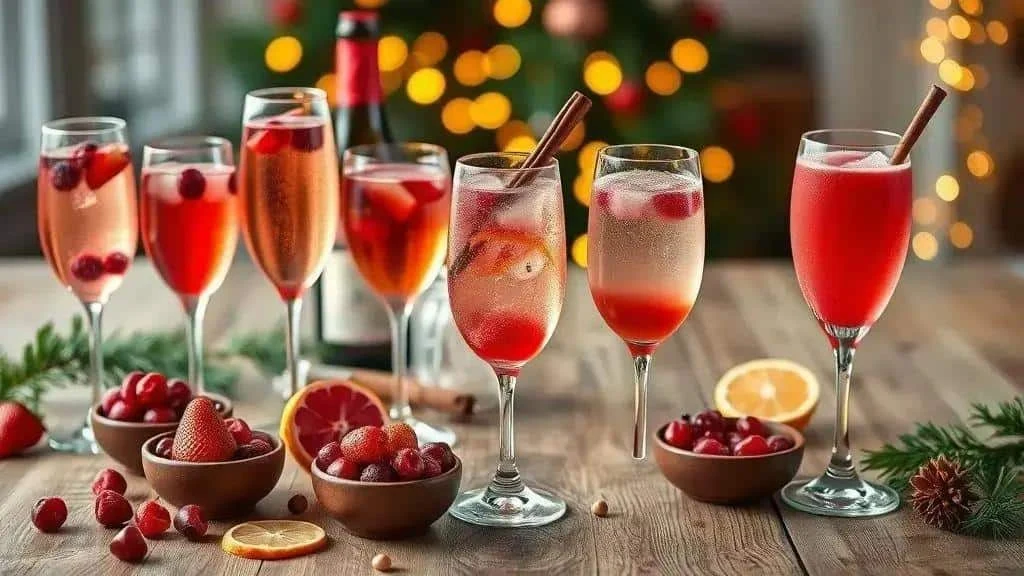
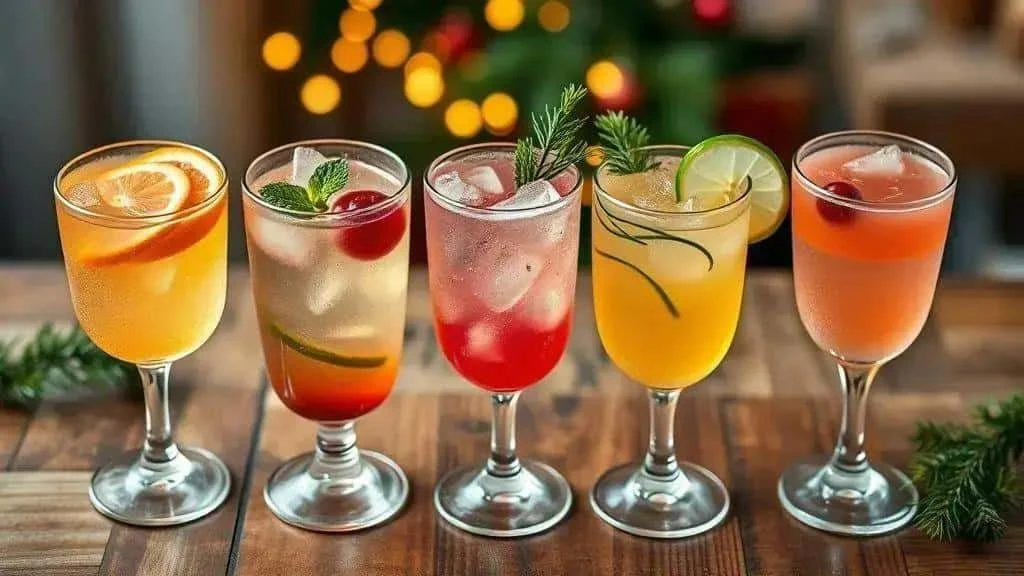
These individual variations on the Christmas sparkling wine cocktail use their own measures. Use a glass large enough for the fruit and liquid, and keep the wine-based options for adults who choose alcohol.
Raspberry Liqueur Version
A small measure of liqueur reinforces the berry flavour without overwhelming the wine.
- 120 ml brut sparkling wine
- 2 tablespoons prepared berries — sliced strawberries and raspberries.
- 5–10 ml raspberry liqueur, optional — consistent with the main recipe’s per-glass measure.
- Up to 1 teaspoon simple syrup — taste first if the fruit has already been sweetened.
- A small squeeze of lemon juice — to taste, rather than automatically using half a lemon per glass.
- A few pomegranate seeds and a mint leaf — to garnish.
- Chill: keep the wine cold and chill the glass in the fridge or with ice water before emptying and drying it.
- Macerate: combine the fruit, any needed syrup and lemon juice, then refrigerate for 8–10 minutes.
- Assemble: place the fruit in the glass and add the optional measured liqueur.
- Top up: pour in the sparkling wine slowly, leaving space for foam.
- Finish: garnish with pomegranate and mint, and serve immediately.
Alcohol-Free Festive Mocktail
A fruit-and-soda version keeps the colour and freshness without wine or liqueur.
- 150 ml chilled soda water — or use a little pasteurised fruit juice as part of that total if preferred.
- 3 tablespoons prepared berries — from a separate alcohol-free batch.
- Up to 1 tablespoon simple syrup — add only as needed, especially if using juice.
- Lemon juice to taste, up to ½ lemon — start with a small squeeze.
- A thin orange slice — for garnish.
- Macerate: mix the fruit with a little syrup and lemon, then chill for 10 minutes.
- Pour: place the fruit in a suitable glass and add the soda water or juice-and-soda mixture.
- Garnish: add the orange slice and serve chilled. For young children, use a suitable cup and omit hard or choking-sized fruit garnishes.
Citrus and Sparkling Rosé
Blood orange brings a deeper colour and a sharper citrus note to sparkling rosé.
- 120 ml sparkling rosé
- 2 thin blood-orange slices
- Up to 1 tablespoon lemon juice — add gradually to taste.
- 2 tablespoons red berries — such as sliced strawberries and raspberries.
- Orange zest — to finish.
- Prepare: wash and thinly slice the orange, then prepare the berries.
- Assemble: place an orange slice and the berries in the glass.
- Add citrus: squeeze a little lemon juice over the fruit and adjust to taste.
- Finish with rosé: pour slowly, then garnish with the remaining orange slice or a little zest.
Frozen Berry Slush
This icy variation suits a warm-weather Christmas or a summer-style festive gathering. It makes a generous serving; divide between glasses if necessary.
- About 150 g frozen red berries — use berries labelled suitable for eating without cooking. Otherwise cook as directed, cool safely, then freeze the prepared purée for this version.
- Up to 2 tablespoons simple syrup — to taste.
- 60 ml cold water
- 60–90 ml chilled sparkling wine to finish — or soda water for the alcohol-free version.
- Blend the still ingredients: blend the suitably prepared frozen berries or purée with the water and some syrup until slushy. Never blend sparkling wine in a sealed blender.
- Leave room: spoon the slush into a large glass or divide between smaller ones, filling only about two-thirds.
- Add bubbles: slowly pour the measured sparkling wine or soda over the slush, allowing for foaming.
- Garnish: add a few pomegranate seeds if suitable for the guests.
Christmas Spice Version
A little cinnamon-and-clove syrup adds warm spice to the cold berry drink.
- 120 ml brut sparkling wine
- Up to 30 ml chilled spiced simple syrup — start with 15 ml and add more only if needed.
- 2 tablespoons red berries
- 1 food-grade cinnamon stick, optional — as a removable garnish, not something to chew.
- Make the syrup: gently heat 50 g sugar with 50 ml water, a cinnamon stick and two cloves until the sugar dissolves. Infuse gently for about five minutes, strain and cool promptly. Measure the amount needed for each glass rather than using the whole syrup batch.
- Flavour the fruit: combine the berries with 15 ml of the measured syrup.
- Assemble: put the fruit mixture in a glass and add the sparkling wine. Taste before adding any remaining syrup.
- Finish: add the optional cinnamon stick and a few pomegranate seeds, keeping whole spices easy to remove.
Presentation Ideas for Christmas
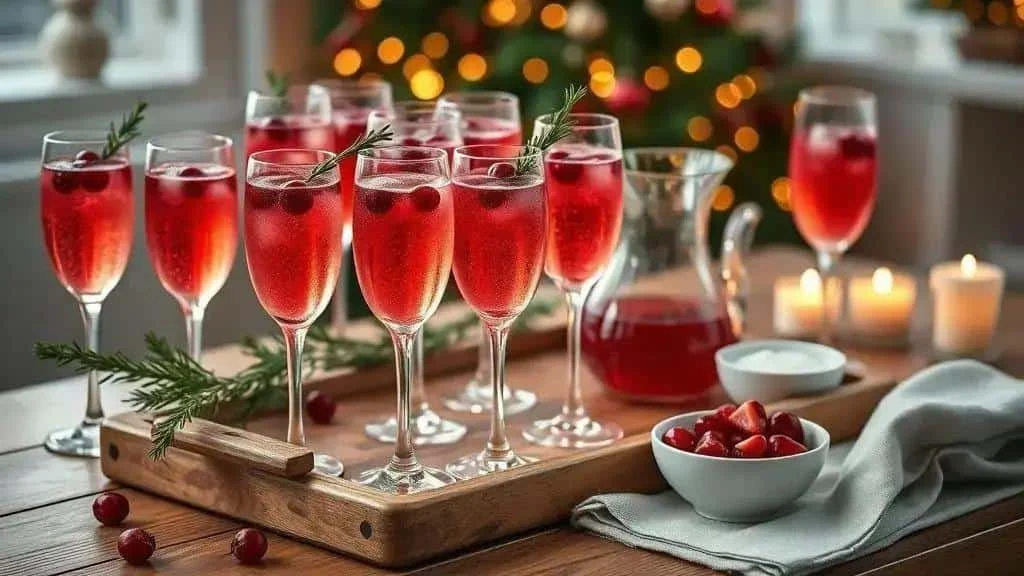
- Choose roomy glasses: flutes can suit a strained drink, but wider wine glasses make pieces of fruit easier to serve. Leave room for foam.
- Keep ingredients cold: chill the wine and fruit base, then assemble just before serving.
- Use useful garnishes: pomegranate, strawberry and washed culinary mint or rosemary add colour and aroma.
- Avoid overcrowding: use a small amount of macerated fruit and little or no ice when the ingredients are already cold.
- Add a light sugar rim: moisten part of the glass rim with lemon and dip in caster sugar if desired.
- Sugared cranberries: prepared edible cranberries can add sparkle. They remain tart and may be unsuitable as loose garnishes for young children.
- Use red and green: pair berries with culinary rosemary or mint. Keep decorative pine, holly and other non-food greenery out of drinks and away from food contact.
- Set out small batches: arrange a few glasses and a small chilled fruit jug on a stable tray, with garnishes in separate bowls.
- Keep the setting uncluttered: soft background lights are enough. Keep naked flames and electrical leads away from serving hands and spills.
- Choose edible details: washed citrus zest or a lemon-peel twist gives a simple finish. White chocolate is optional but adds milk and other possible allergens.
More Garnish Ideas
Fruit picks: for adults, thread suitable fruit on a short cocktail pick and make it easy to remove. Keep sharp picks out of children’s drinks.
Cinnamon and rosemary: use only food-grade cinnamon and washed culinary rosemary, and remove woody garnishes before drinking.
Arranging a Serving Tray
- Base: choose a stable tray with enough room for the glassware.
- Layout: space glasses so their stems do not catch together and keep heavy jugs centred, away from edges.
- Final details: add napkins, a clear alcoholic or alcohol-free label and a clean place for the serving spoon.
Hosting Tips
Prepare ahead: cool the syrup fully and keep the macerated fruit covered in the fridge. Finish with sparkling wine at serving time.
Plan the pours: a bottle gives six 125 ml wine portions before fruit and other additions. Smaller pours make it easier for guests to choose how much they want.
Keep bottles secure: chill in a stable ice bucket or the fridge, away from children and busy walkways.
Food and Snack Pairings
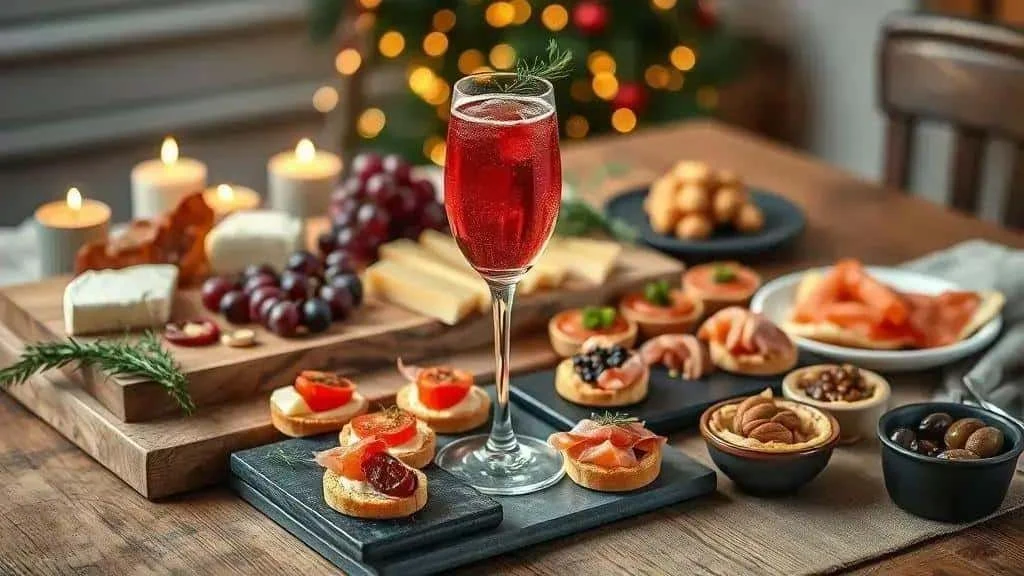
- Cheese and charcuterie boards — try brie, a mature hard cheese or Gouda with fruit and a small amount of berry preserve. Around 80–120 g cheese and charcuterie per person is only a planning example; adjust for the rest of the meal.
- Goat’s cheese and tomato crostini — crisp bread, soft cheese and roasted tomatoes echo the drink’s fruitiness. Two or three small pieces per person can be part of a larger selection.
- Salmon canapés — serve on small toasts or blinis with soured cream and dill. For guests at higher risk from foodborne illness, use thoroughly cooked salmon rather than ready-to-eat cold-smoked fish.
- Melon and cured ham — thin ham around melon offers a sweet-savoury contrast. Keep chilled and consider guests’ dietary needs.
- Mini cheese and herb quiches — one or two small quiches per guest can form part of a mixed spread.
- Crisp savoury snacks — toasted almonds, olives and cheese straws are easy to arrange separately, with allergens identified.
Quick Pairing Tips
Balance flavours: savoury or creamy snacks often suit a sharp sparkling drink. Taste combinations rather than treating any pairing as a strict rule.
Serve safely: keep chilled foods refrigerated until needed and serve freshly cooked items promptly. A warm buffet needs proper time and temperature control, not indefinite lukewarm holding.
Putting the Food Together
- Make a varied board: keep cheeses, fruit and accompaniments in clear groups, with separate utensils where needed.
- Plan by the occasion: the amount needed depends on duration, appetites and whether a meal follows. Do not assume 150–200 g of snacks per person will replace a full meal for every guest.
- Reduce crowding: provide spare plates and utensils and bring out fresh small portions as needed.
Vegetarian and Gluten-Free Options
Vegetarian: try tomato and burrata crostini, grilled vegetables with yoghurt dip, or a cheeseboard. Check that cheeses use vegetarian rennet where required.
Gluten-free: use verified gluten-free bread, blinis or polenta bites, and check all seasonings and fillings. A potato-based or crustless quiche is not automatically free from cross-contact.
Allergen Information
Check and label: identify relevant allergens in all dishes and drinks, including milk, eggs, wheat, nuts, fish, crustaceans and sulphites where present. Use separate utensils and do not promise an allergen-free option without suitable controls.
Storage, Advance Preparation and Sparkling Wine Safety
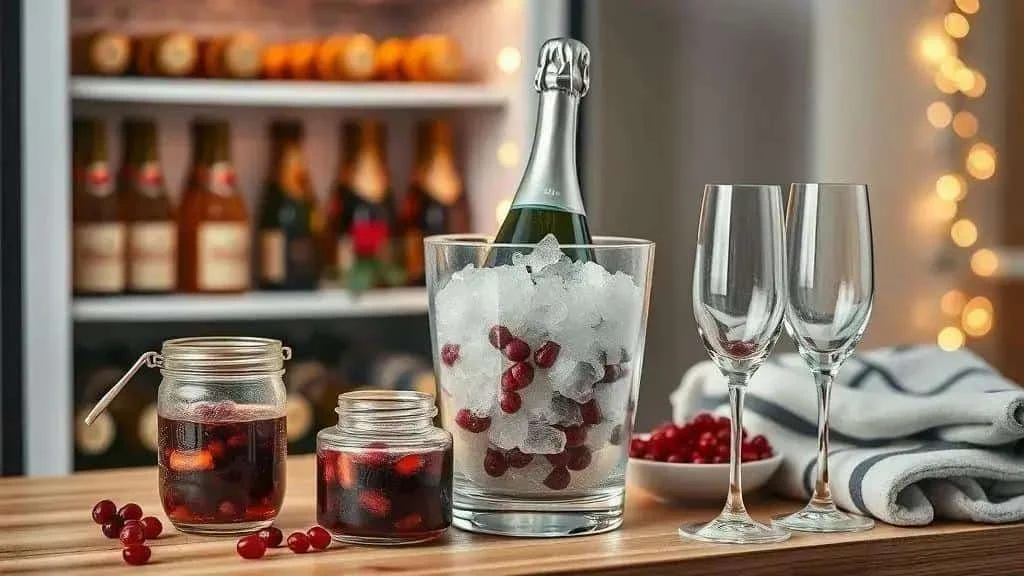
Store unopened wine carefully: follow the producer’s advice and keep bottles away from heat and direct sunlight. Around 10–13°C can suit wine storage, but this is not the storage temperature for the prepared fruit mixture, which belongs in the fridge at 5°C or below.
- Bottle position: follow the producer’s storage guidance. For short-term chilling before a party, standing the bottle securely in the fridge is practical.
- Do not freeze the bottle: freezing liquid expands and can break the glass. Chill in the fridge or a suitable ice bucket instead.
- Transport upright and secure: keep bottles protected from knocks and excessive heat, using an insulated carrier where helpful.
Preparing Ahead
Fruit and syrup can be prepared separately in advance and kept chilled until assembly.
- Simple syrup: dissolve 50 g sugar in 50 ml water over gentle heat, cool promptly and refrigerate in a clean covered container. Make only what you need and use within 48 hours for this home preparation; discard any signs of spoilage.
- Macerated berries: prepare on the day and refrigerate covered. Four to six hours ahead can be practical, but soft berries will lose some texture; do not promise they remain unchanged.
- Pomegranate: keep freshly prepared seeds covered in the fridge and use within one to two days, or follow the use-by and storage instructions for a purchased pack.
- Jug preparation: keep the fruit base in the fridge at 5°C or below and add sparkling wine only when the jug is ready to serve.
- Glassware: chill in the fridge or briefly with ice water, then dry. Avoid thermal shock and follow the glassware manufacturer’s guidance.
After Opening the Wine
Use a sparkling-wine stopper: refrigerate the bottle upright with a suitable pressure-rated stopper. Aim to enjoy any remainder within 24–48 hours for quality, following the producer’s advice; the amount of fizz retained varies.
- Keep it chilled: return the bottle to the fridge between servings rather than leaving it on the table.
- Do not heat it to restore bubbles: heat will not re-carbonate wine, and a sealed pressurised bottle should never be heated.
Opening and Serving Safely
Open under control: chill first, point the neck away from people and breakables, and keep a firm hand over the cork while loosening the wire cage. Hold at about 45 degrees and gently turn the bottle while controlling the cork. Aim for a quiet release rather than a flying cork.
- Do not shake: handle the bottle gently to avoid spraying wine or losing control of the cork.
- Keep alcohol and fragile glass away from children: offer the separately prepared mocktail in an appropriate cup if wanted.
- Offer a choice: provide water and alcohol-free drinks, avoid automatic refills and respect guests who do not want alcohol.
- Choose suitable cups: stable, food-safe reusable cups can be more practical than delicate stemware in busy areas.
Planning Tips
Measure the servings: allow roughly 120–150 ml sparkling wine per adult serving before other ingredients. Label prepared bases with their contents and preparation time, and keep them chilled. Have a suitable wine stopper ready for leftover wine.
A Festive Berry Drink
This Christmas sparkling wine cocktail with red berries is colourful and easy to personalise. Adjust the sweetness gently, keep everything chilled and finish just before serving.
Share the recipe if you enjoyed it, and visit the I Love Christmas blog for more recipes and festive presentation ideas.
Thank you for reading. Wishing you a happy Christmas and an enjoyable celebration, whichever drinks you choose.
Frequently Asked Questions About the Christmas Berry Cocktail
How far ahead can I prepare it?
Make and cool the syrup ahead, then prepare the berries on the day and refrigerate covered. Four to six hours ahead is practical, although the fruit softens. Add sparkling wine only at serving time.
How do I make it alcohol-free?
Replace all sparkling wine with soda water or juice-and-soda and omit the liqueur. Use fruit and utensils that have not touched alcohol. Check the alcohol content on any dealcoholised-wine label rather than assuming it is zero.
Which sparkling wines can I use?
Brut prosecco, cava or sparkling rosé can work. Choose a style you enjoy and adjust the syrup to its sweetness. Soda water is the simplest completely wine-free alternative.
How do I avoid a diluted drink?
Chill the wine, fruit base and suitable glassware beforehand, use little or no ice, and assemble only when ready to serve. Gentle stirring helps preserve the bubbles.
Which garnishes work well?
Try pomegranate seeds, a strawberry slice, washed culinary mint or rosemary, citrus zest or prepared edible sugared cranberries. Keep non-food greenery out of the drink and omit hard or sharp garnishes where unsuitable for the guest.
How many glasses does a 750 ml bottle make?
It gives six 125 ml wine portions or five 150 ml portions, before fruit, syrup and any optional liqueur. In the main recipe, the 30–60 ml liqueur is shared across the whole batch, not added to each glass.
Sources and Further Reading
- Food Standards Agency: chilling, freezing and defrosting food
- Food Standards Agency: cold smoked fish and consumers at higher risk