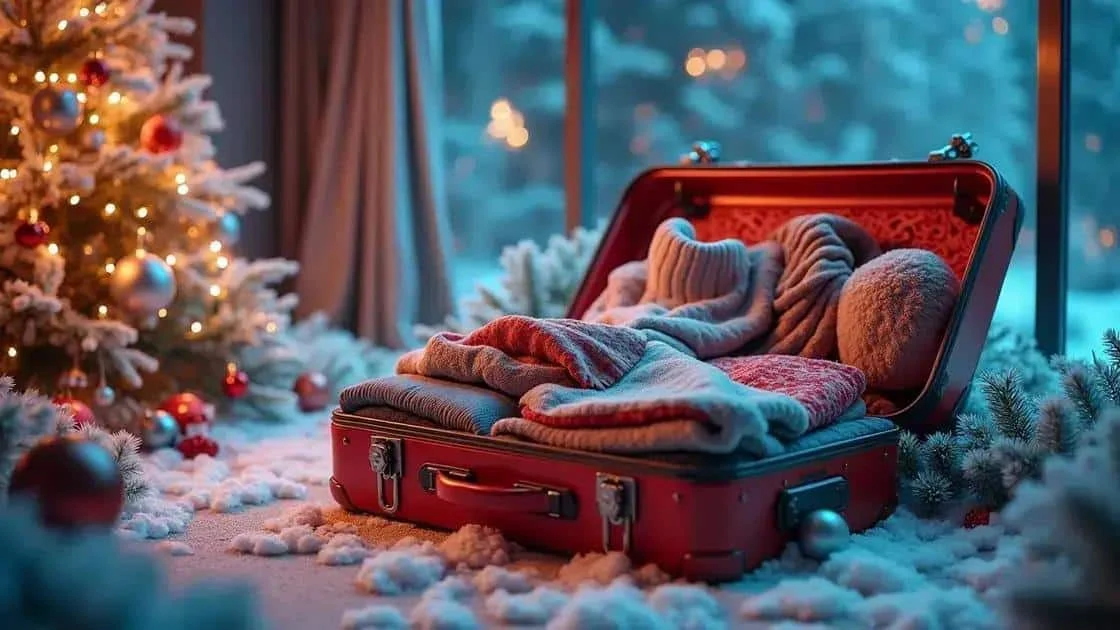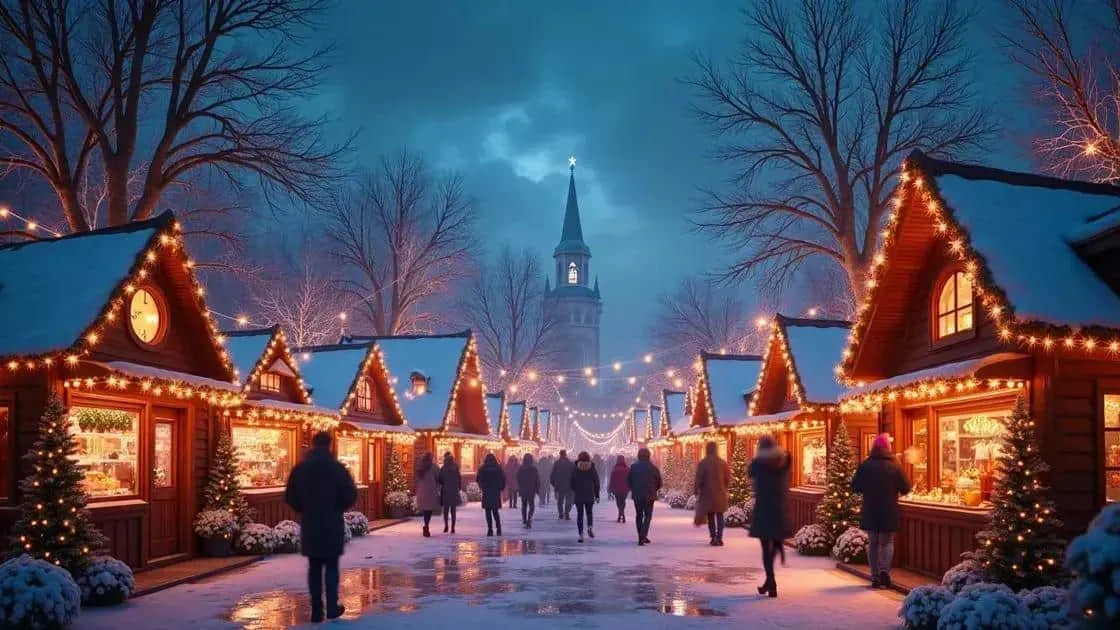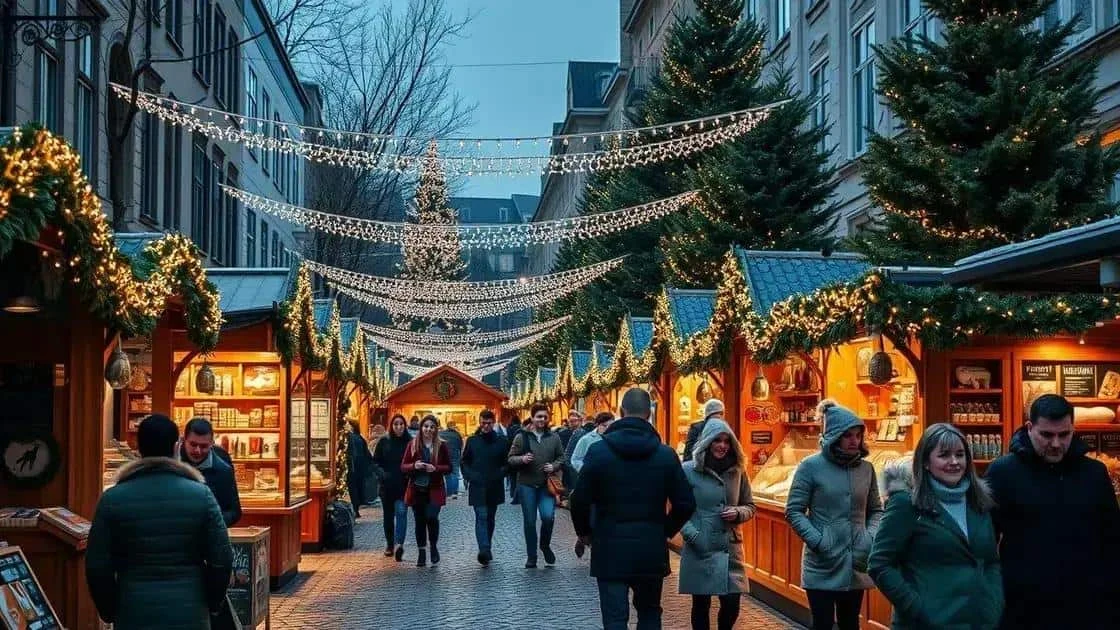
Planning Christmas away involves choosing an affordable destination, checking current travel requirements and opening times, packing for likely conditions and agreeing a manageable itinerary. Prices, weather and activities are not guaranteed.
Christmas travel planning can help you explore a different place or visit people you care about. Start with your budget and practical needs rather than a promise of savings: this guide cannot guarantee the original headline’s claimed 50% reduction.
Choose a destination that fits your plans

The right Christmas destination depends on budget, travel time, accessibility and interests. Consider likely weather, but do not assume that Europe or North America will have snow everywhere. Conditions vary greatly by region and year.
Southern Hemisphere destinations may offer a summer Christmas, including parts of Brazil, while tropical climates vary by season and location. Research the particular place rather than the hemisphere alone. Local Christmas traditions can also differ within a country.
What would you like to do? Check official information for cultural events, religious services or other activities that interest you. Confirm dates, opening hours, booking requirements and accessibility, especially around Christmas Day.
Set a realistic budget covering transport, accommodation, meals, insurance, local travel and activities. Compare full prices and cancellation terms. Booking early may offer more choice, but does not guarantee a lower fare.
Consider the group’s comfort and safety. For overseas trips, check current FCDO advice, entry requirements and suitable travel insurance before booking. Reviews can inform a choice but do not establish that a location or provider is risk-free.
What to pack for Christmas away
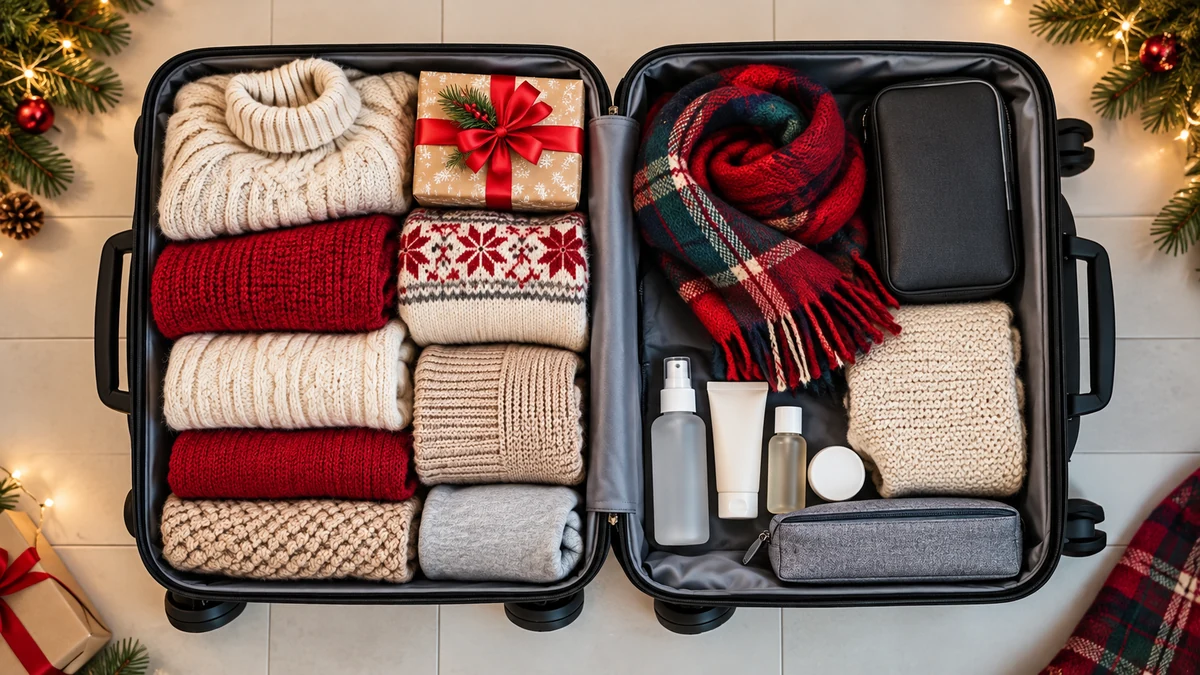
Pack for your Christmas trip using the destination’s likely conditions and a forecast nearer departure. Layers, comfortable footwear and appropriate rain or sun protection may be more useful than relying on a festive image of the place.
Include essential personal items in quantities that suit the trip and current baggage rules. Packing organisers are optional; separate bags you already own can work just as well.
A suitable basic first-aid kit may be useful, along with prescribed medicines you need. Check destination rules for carrying medicines and seek professional advice where necessary; do not assume every familiar medicine can be taken abroad without restrictions.
Choose accessories for practical needs. Sun protection may matter in warm places, while gloves and suitable layers can help in cold conditions. Avoid buying specialist equipment unless the itinerary genuinely requires it.
Check travel documents and current requirements for each traveller, including passport validity, visas or permissions where relevant. Keep secure backup access to bookings, insurance and important contact details; copies do not replace original travel documents.
If taking Christmas gifts, check baggage, security and customs rules before packing. Liquids, batteries, food or plants may have restrictions. Pack fragile items carefully and leave room within the permitted allowance.
A festive touch in your accommodation

Before decorating your accommodation, ask the owner or provider what is permitted. A small personal touch can be enough, and you should not damage surfaces or interfere with safety equipment.
Decorative lights are optional. Use only suitable undamaged equipment with permission, check local electrical compatibility and avoid overloaded sockets. Do not trail cables across routes or leave lights on unattended.
A small Christmas display: a lightweight decoration may suit the space if allowed. Keep exits clear, do not block heaters or alarms and avoid unsuitable plants or small pieces around children or pets.
Table decorations should be modest and stable. Use a small ornament or a purpose-made battery-operated candle where permitted rather than bringing real flames into unfamiliar accommodation.
Festive scents are not necessary for a welcoming room. Check accommodation rules and other people’s allergies or sensitivities before using any scented product, and avoid spills or aerosols near heat.
Personal touches might include a card or a small photograph displayed privately. Keep valuables and personal information secure, and remove decorations without leaving damage when you depart.
Exploring local Christmas food
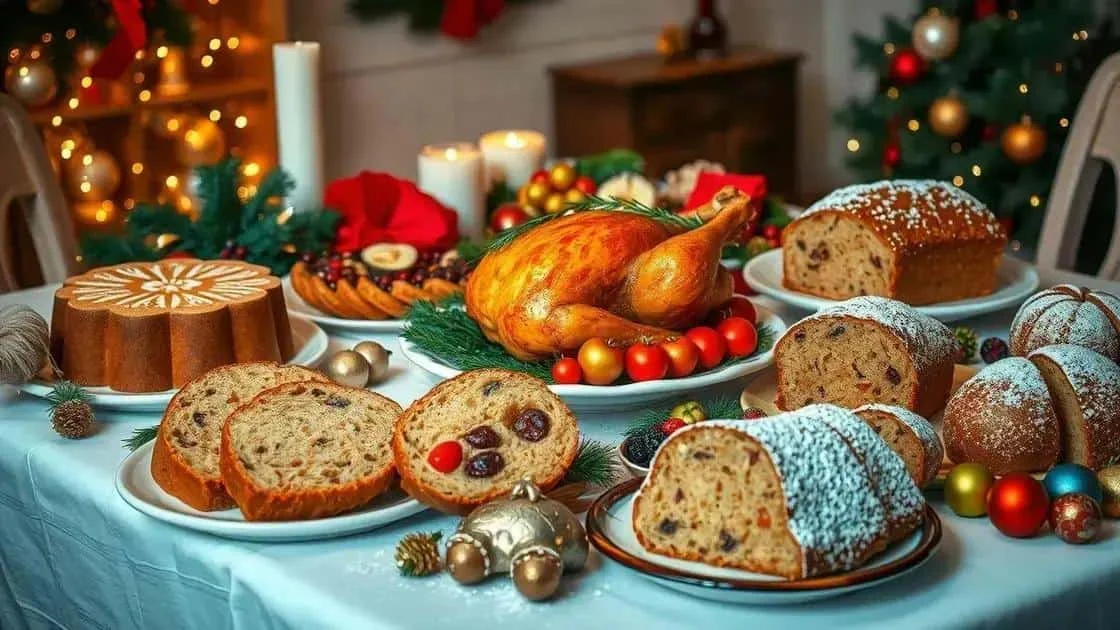
Local Christmas food can be an interesting part of a trip. Traditions vary across regions and households, so treat these examples as an introduction rather than a menu everyone follows.
In Brazil, some festive tables include roast turkey and farofa, a toasted cassava-flour accompaniment. Rabanada, a sweet eggy-bread dish, is another familiar seasonal option. Christmas falls in the Brazilian summer.
In Italy, panettone is a familiar festive sweet bread, often containing dried fruit. Tortellini in broth belongs particularly to some regional traditions; dishes and meal timings differ across the country.
In Germany, Stollen is a festive fruit bread with recipes that vary and may include nuts or marzipan. Different Christmas biscuits are also part of seasonal baking traditions. Check ingredients rather than assuming a particular recipe.
In France, the bûche de Noël is a familiar log-shaped Christmas dessert, with many flavours and styles. It is an example of a tradition, not an essential dish in every household.
Research suitable vegetarian, vegan or other dietary options before booking meals, and communicate allergies clearly. A dish’s name or appearance does not establish its ingredients. Restaurants may close or require reservations over the holiday period.
Plan festive activities at your destination
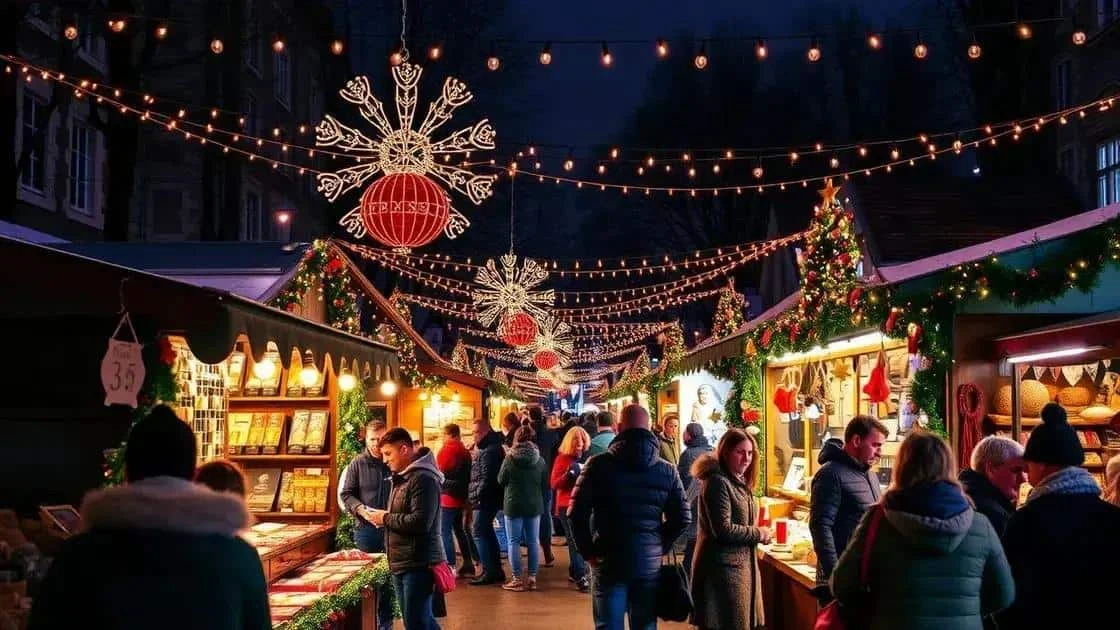
Choose Christmas activities that suit your interests, abilities and budget. Leave space for rest and check current official information rather than assuming an event runs throughout the festive period.
Christmas markets may offer food, crafts and seasonal displays. Some serve mulled wine, but alcohol is optional and heating does not reliably remove it. Check ingredients and choose suitable alternatives if needed.
Vienna and Munich have established Christmas markets. Use the cities’ official information to check the particular market’s dates, access and programme; do not assume all stalls or events remain open on Christmas Day.
A walk to see festive lights can be an option where suitable. Check the route, weather, transport and accessibility, and respect private property. Guided or bus tours require separate checks of availability and cost.
Outdoor activities such as ice skating or skiing depend on facilities, conditions and ability. Check competent instruction, suitable equipment and insurance cover where needed. Snow and access are never guaranteed.
In a warmer destination, local events may look different from a British winter Christmas. Research the specific location and follow local safety guidance rather than assuming a beach celebration will be available or suitable.
For community events or religious services, check whether visitors are welcome and whether booking is required. Respect local customs, photography rules and the people taking part.
Include fellow travellers in the planning
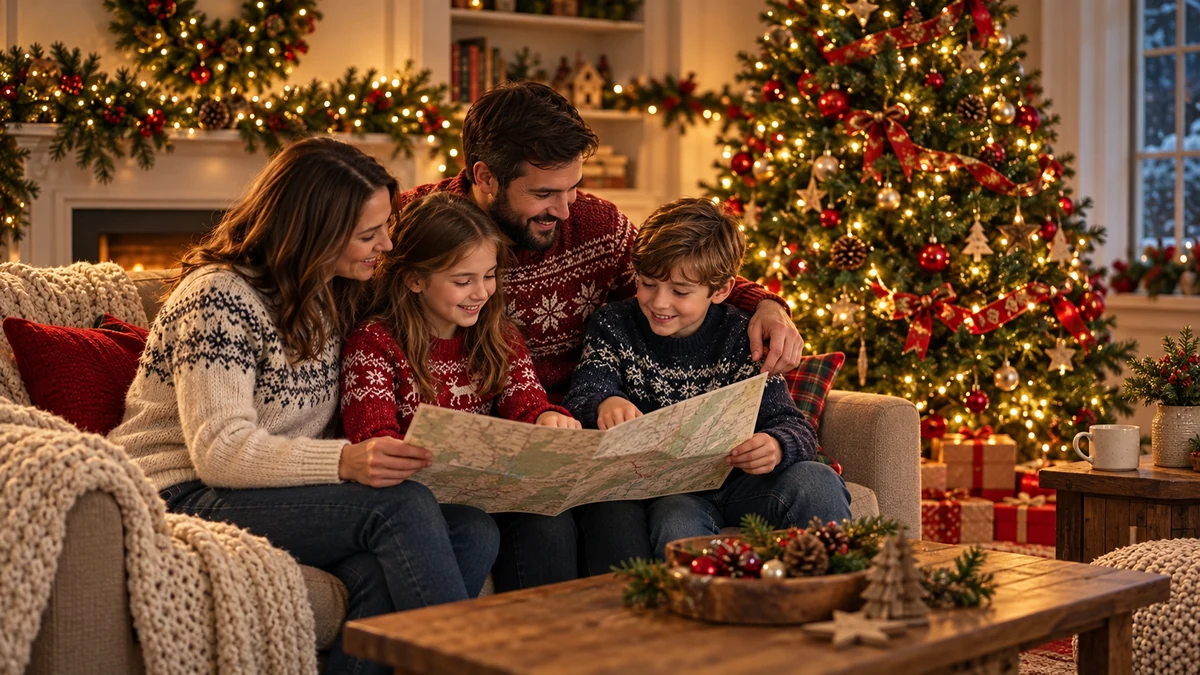
Inviting family or friends into the itinerary can clarify what matters to each person. Consider mobility, dietary needs, rest and available money as well as attractions.
Plan together where practical. Discuss a few priorities and acceptable costs, and allow different activities or downtime rather than expecting everyone to enjoy the same schedule.
Share agreed tasks, such as checking transport or meal options. Keep bookings and payment responsibilities clear, and do not leave essential arrangements unconfirmed because several people assumed someone else was handling them.
Simple shared activities can work when travelling, such as a suitable game or a short festive walk. Choose accessible options and make participation optional rather than filling every hour.
A flexible Advent countdown before departure might include a story or planning a shared activity. It does not need daily purchases or tasks, especially if travel preparations are already demanding.
Talking about Christmas traditions can help people understand different expectations. Respect different beliefs and boundaries rather than presenting one meaning of the season as universal.
Choosing souvenirs thoughtfully
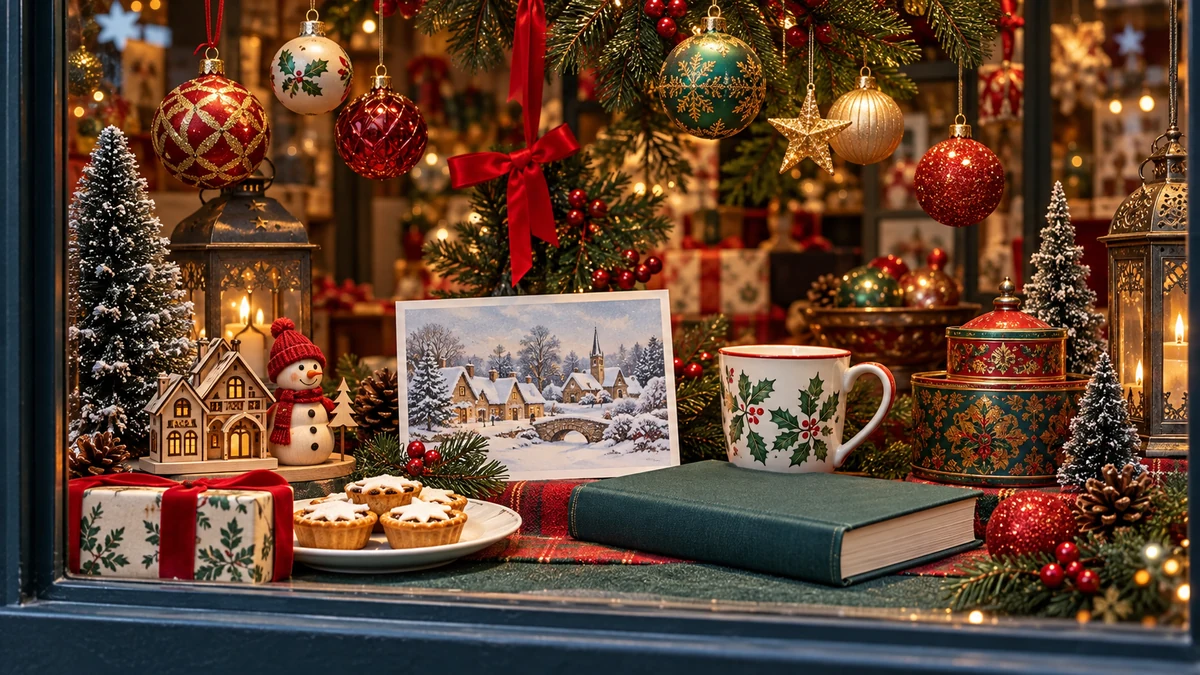
Christmas souvenirs can recall a trip, but are optional. Set an affordable limit and check transport and import rules before buying something to take home.
A suitable Christmas ornament may be a small reminder of the place. Check fragility, materials and baggage restrictions, and avoid small or breakable items intended for young children.
Postcards and cards are easy to keep or send. Choose images you enjoy and check current postage arrangements if sending them during a busy holiday period.
For local food or other products, check current import rules before purchasing. Restrictions can apply to meat, dairy, plants and other goods, and rules differ between Great Britain and Northern Ireland. Do not assume a gift is exempt because it is for personal use.
Local crafts can be meaningful if genuinely wanted. Ask about materials and origin, check any restrictions and avoid buying objects made from protected wildlife or other controlled materials.
A book about local food or traditions may provide context beyond the trip. Consider language, weight and whether you will use it, rather than buying solely because it is presented as a souvenir.
A few photographs or a travel note can preserve memories without extra purchases. Respect permission and privacy when photographing people, places of worship or private property.
A practical Christmas travel plan
Choose a trip that fits your circumstances, confirm essential arrangements and check current requirements before departure. A realistic budget is more useful than a promised percentage saving.
Shared planning and an interest in local traditions may enrich the experience, while allowing for different needs and rest. Food, markets and souvenirs remain optional parts of the trip rather than obligations.
Keep plans flexible and use reliable current information. Christmas away can take many forms, including a short visit close to home rather than an expensive overseas holiday.
FAQ: Christmas travel planning
When should I start planning a Christmas trip?
Start when you can realistically assess dates and costs, allowing time for documents, bookings and any requirements. Earlier planning may offer more choice, but no fixed two- or three-month window guarantees availability or savings.
What should I pack?
Pack for the specific destination and forecast, with essential personal items, required medicines and valid travel documents. Check baggage, security, customs and medicine rules before departure.
How do I choose a destination?
Compare the full budget, travel time, accessibility, likely conditions and the group’s interests. For overseas travel, check current official advice and entry requirements before booking.
Which festive activities might be available?
Markets, lights, cultural events or suitable outdoor activities may be options. Check official dates, opening hours, booking conditions and accessibility for the particular destination.
How can fellow travellers help with planning?
Discuss priorities and costs together, agree who checks each arrangement and leave room for different activities or rest. Keep booking and payment responsibilities clear.
What souvenirs could I bring home?
A card, suitable ornament or book can be a modest reminder. Check baggage and current import restrictions before buying food, plants, animal products or other controlled goods.
Sources and Further Reading
- Foreign travel checklist — GOV.UK
- Christmas markets — City of Vienna
- Munich Christmas Market — muenchen.de
- Bringing food into Great Britain — GOV.UK