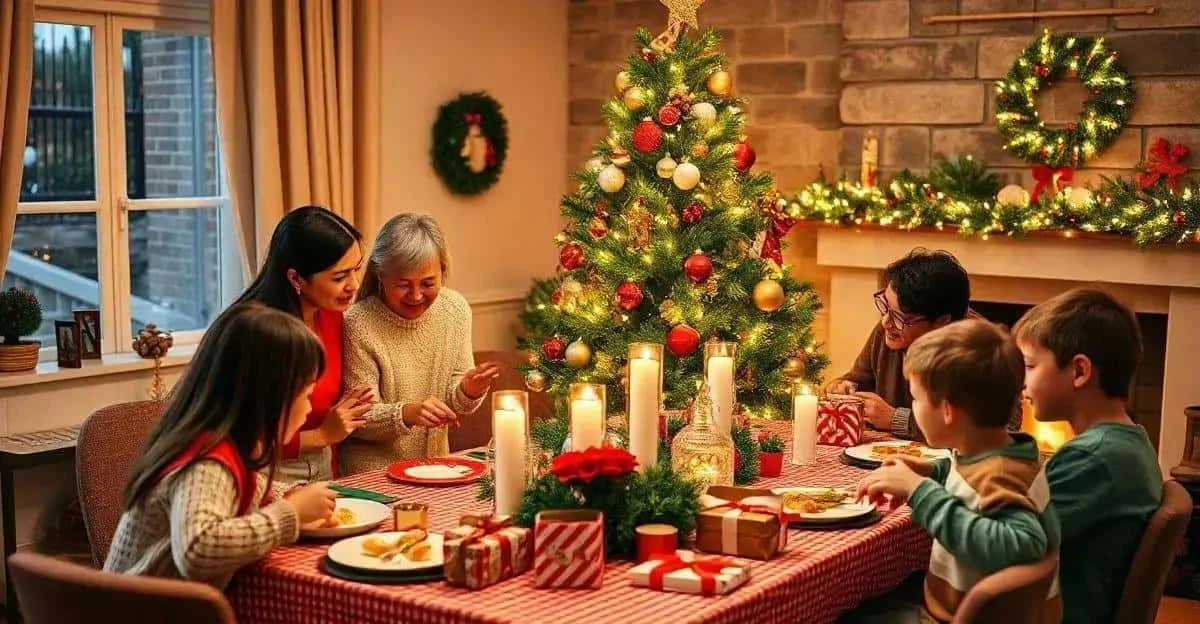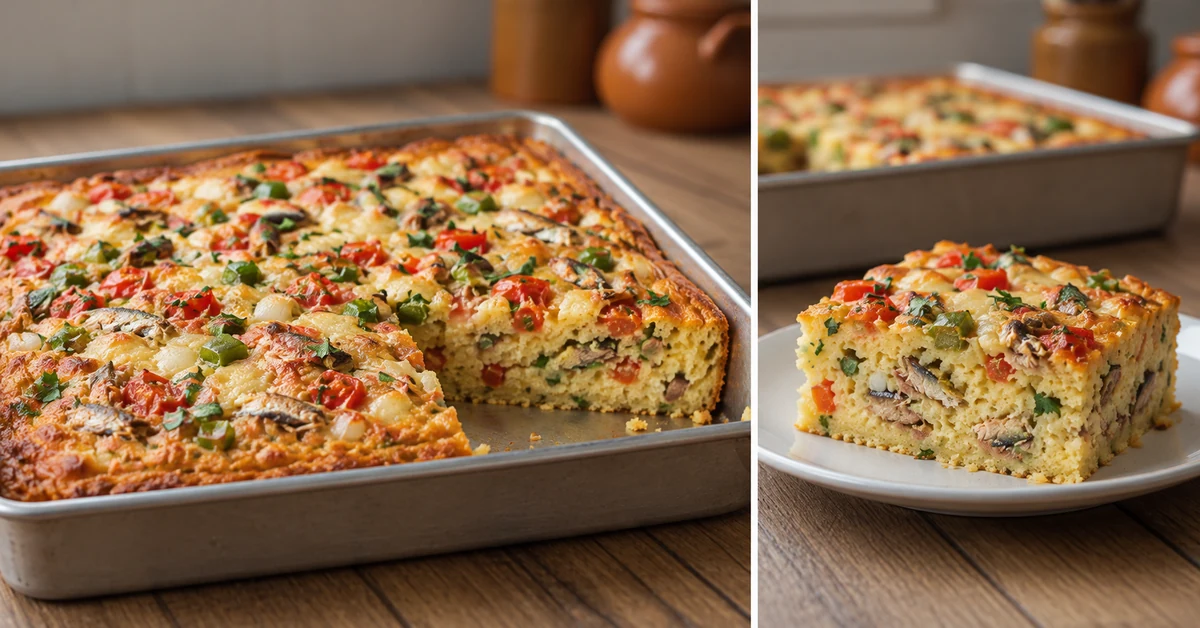
Christmas desserts can bring a meal to a relaxed close. Brazilian favourites, straightforward decoration and carefully chosen ingredients offer plenty of ideas for a festive table without an elaborate menu.
Christmas often brings family and friends together, and an easy Christmas dessert can be a welcome finishing touch. Choose something you enjoy making and check what your guests can eat before deciding.
This guide explores dessert ideas and serving suggestions, rather than complete measured recipes. Use a full recipe for quantities, preparation, chilling times and storage instructions.
Start with one manageable dessert and add another only if it suits your time and budget.
The Place of Dessert at Christmas

Desserts can give everyone a reason to linger at the table, whether you serve a traditional pudding, a Brazilian sweet or simply some fruit.
The end of the meal often provides time for conversation and a quieter moment after cooking and serving the main course.
A familiar family recipe may feel special, but a new dish can be equally welcome. Choose a portion size that suits the meal rather than feeling obliged to offer several rich puddings.
Preparing or decorating a dessert together can become part of the occasion, provided the work is shared and manageable.
When planning Christmas dinner, consider oven space, fridge space and which tasks you can complete ahead of time.
Quick and Easy Dessert Ideas

Quick and easy dessert ideas are useful when the main course already needs plenty of attention. Remember that a short preparation time may still require several hours of chilling.
Options include chocolate pavê, a Brazilian layered biscuit dessert, passion fruit mousse and a fruit tart. Their ingredients and methods vary, so choose a complete recipe before shopping.
A chilled dessert prepared in advance can free up time on the day. Keep dairy-based dishes refrigerated until serving, following the recipe and ingredient storage guidance.
Look for clear instructions and ingredients available locally. A shop-bought pastry case or prepared fruit can help if your chosen recipe allows it.
The suggestions here are starting points for your menu. They do not replace the measured instructions needed to make each dessert successfully.
Traditional Christmas Desserts
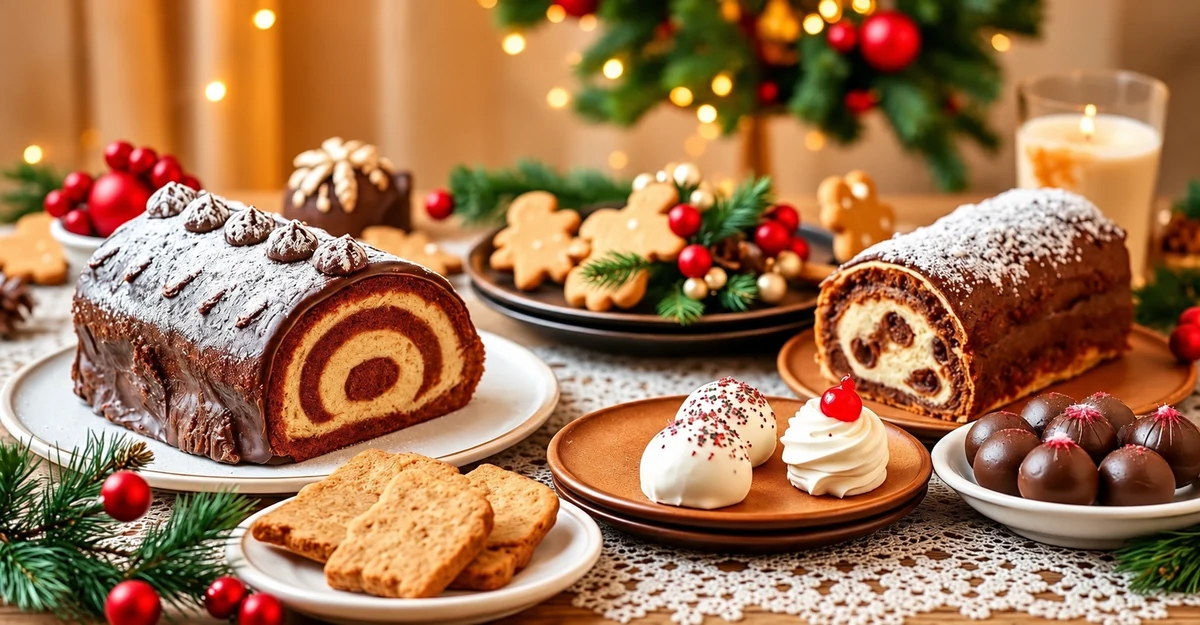
Traditional Christmas desserts reflect the households and regions that make them. In Britain, familiar puddings can sit alongside dishes inspired by Brazilian celebrations.
Brazilian rabanadas, cinnamon-sugar fried bread, an iced festive cake or a walnut tart offer different flavours and textures. Choose a recognised recipe for each rather than an unclear dessert name.
Family recipes often change slightly between generations, with different spices, finishes or serving traditions.
A dessert can introduce guests to another food culture, especially when you explain its name and how it is usually served.
Serving a dish with a family connection can add a personal story to the meal, without making it compulsory for every Christmas table.
Arrange your serving space before guests arrive and leave room for people to help themselves comfortably.
Simple Christmas Dessert Decorations
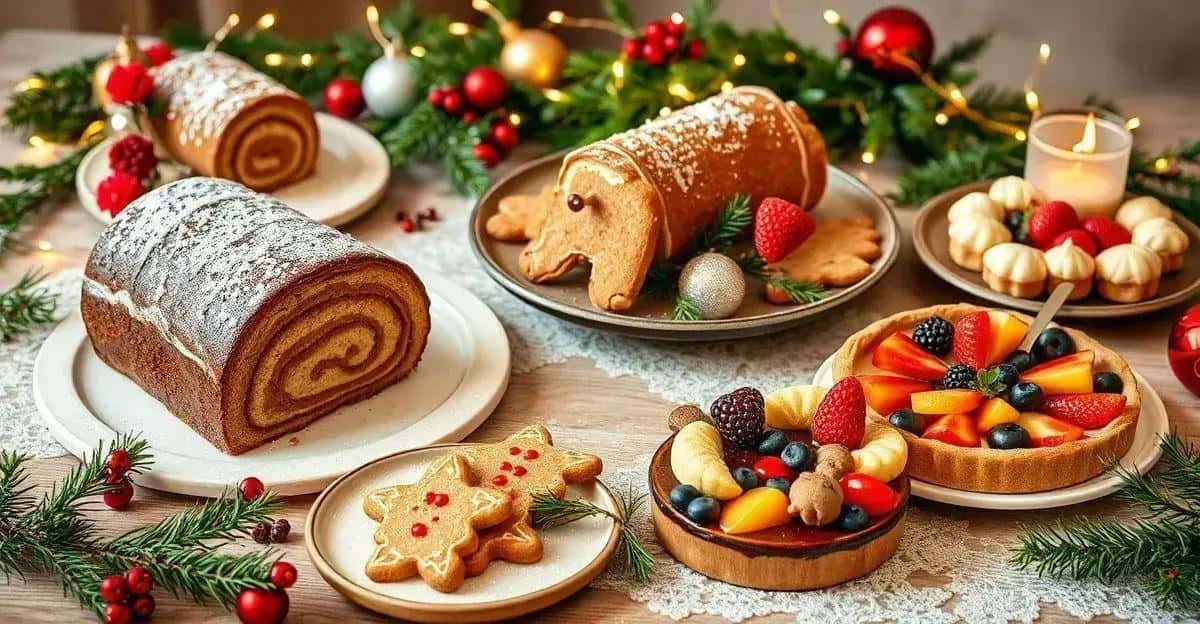
A few finishing touches can lift a plain dessert. These dessert decorating ideas work best when they complement the recipe rather than overwhelm it.
Use fresh fruit for colour, such as strawberries, kiwi fruit or raspberries when available. Wash and prepare it appropriately, and add delicate fruit close to serving.
A little melted chocolate can make a drizzle or simple decoration. Let it cool as needed for the dessert underneath.
Whipped cream adds a soft finish to suitable puddings. Keep it chilled and use a suitable alternative if a guest needs to avoid dairy.
Nuts and edible sprinkles can add texture, but check allergy requirements and labels before using them. Keep nut toppings separate where appropriate.
Choose serving dishes that fit comfortably on the table. Use only food-safe decorations in contact with the dessert.
A restrained finish is often enough: a dusting of cocoa, a few berries or a small chocolate decoration can provide a clear focal point.
Choosing Ingredients for Christmas Desserts
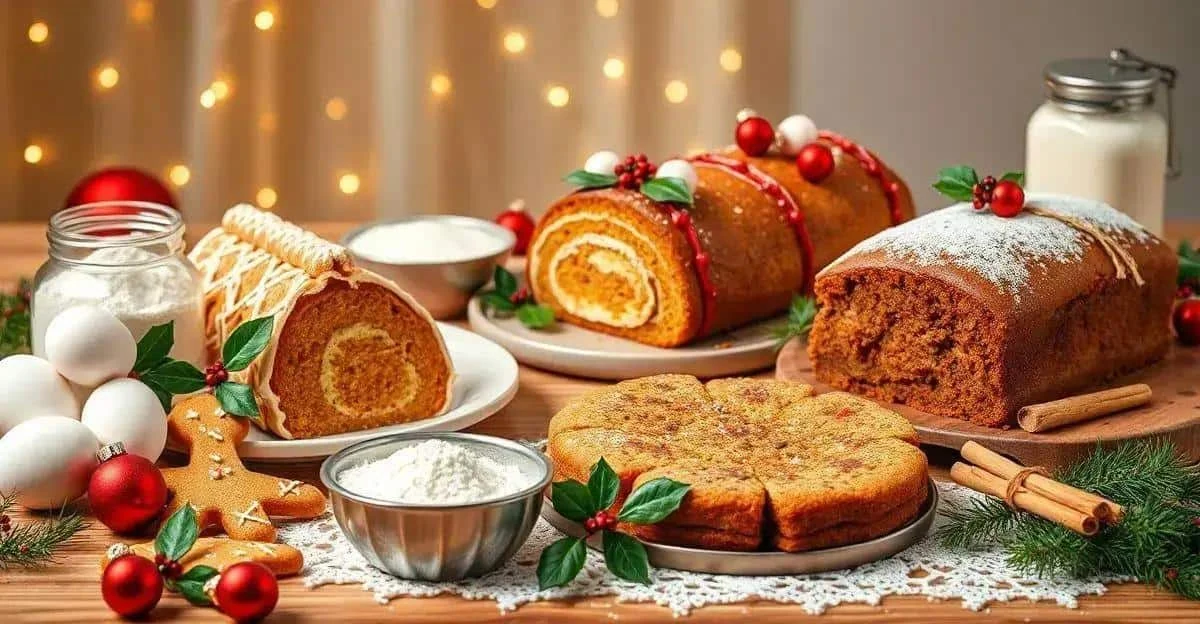
The right ingredients depend on the recipe and your guests’ needs. Check quantities, substitutions and storage requirements before shopping.
Choose fresh ingredients in good condition and check use-by dates. Frozen fruit may suit some recipes better than out-of-season fresh fruit.
Seasonal fruit can offer good value. In a British winter, citrus fruit, apples or pears may suit the menu as well as berries used in Brazilian summer celebrations.
For chocolate desserts, choose chocolate suited to the recipe and the stated cocoa content. A higher price alone does not guarantee a better result.
When buying dairy ingredients such as cream or cream cheese, check the fat content and product type specified. Different products do not always behave alike in a recipe.
Brown sugar and honey change flavour, moisture and texture. Use a recipe designed for them rather than assuming they replace caster sugar in equal quantities.
Check the condition and storage of ingredients and read allergen information. Fewer preservatives or a different sweetener does not automatically make a dessert healthier.
Bringing the Dessert Menu Together
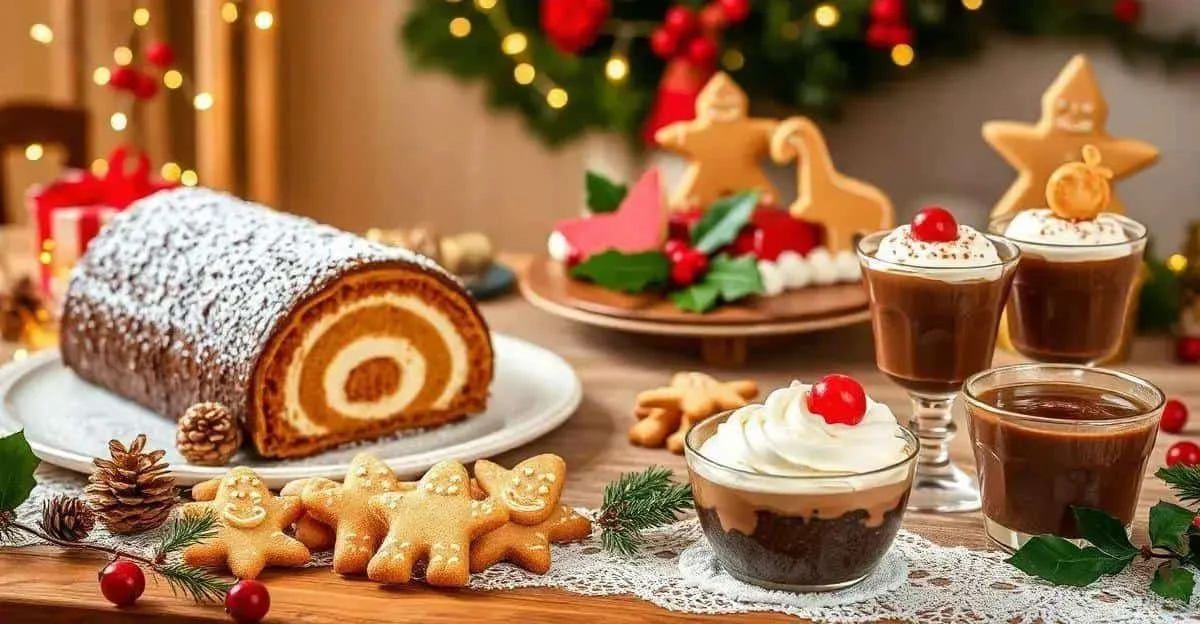
You might offer one traditional dessert alongside a different or lighter option. Two dishes that can be prepared ahead may be easier than several last-minute recipes.
Think about the balance between rich and lighter flavours and the preferences of your guests. Ask about allergies and dietary requirements directly rather than guessing.
Use colour and a tidy arrangement to make the table welcoming. Label dishes clearly when they contain ingredients guests need to identify.
Encourage guests to try what appeals to them without pressure. A relaxed table and sensible portions matter more than a complicated display.
Planning a Dessert You Can Enjoy Making
The place of dessert at Christmas is whatever suits your celebration: a treasured family recipe, a new flavour or an easy dish shared together.
We have explored quick dessert ideas, traditional Christmas sweets and simple decorating tips. Choose a complete recipe before putting an idea into practice.
Choosing the right ingredients includes checking labels, using suitable substitutions and planning enough fridge space.
Bring flavours you enjoy to the table, with an option that your guests can comfortably share.
Plan realistically, prepare ahead where possible and leave yourself time to enjoy the meal too.
Frequently Asked Questions About Christmas Desserts
Why serve dessert at Christmas?
Dessert can provide a relaxed end to the meal and a chance to share a favourite family dish. It need not be elaborate or expensive.
What are some easy Christmas dessert ideas?
Chocolate pavê, passion fruit mousse and rabanadas are Brazilian-inspired options. Use a complete recipe and allow for any chilling, cooking and cooling time.
Which desserts are traditional at Christmas?
Traditions vary. Rabanadas and panettone are familiar in many Brazilian homes, while Christmas pudding and mince pies are associated with British celebrations. Walnut cakes and tarts are other options.
How can I decorate Christmas desserts simply?
Try fruit, chocolate, whipped cream or suitable edible sprinkles. Check allergies before adding nuts and keep perishable toppings chilled.
How should I choose dessert ingredients?
Follow the recipe’s product types and quantities, check freshness and allergens, and choose fruit that is available and good value locally.
How can I make the dessert course enjoyable?
Offer a manageable choice, consider dietary needs and prepare ahead where possible. Guests do not need an elaborate menu to enjoy the occasion.