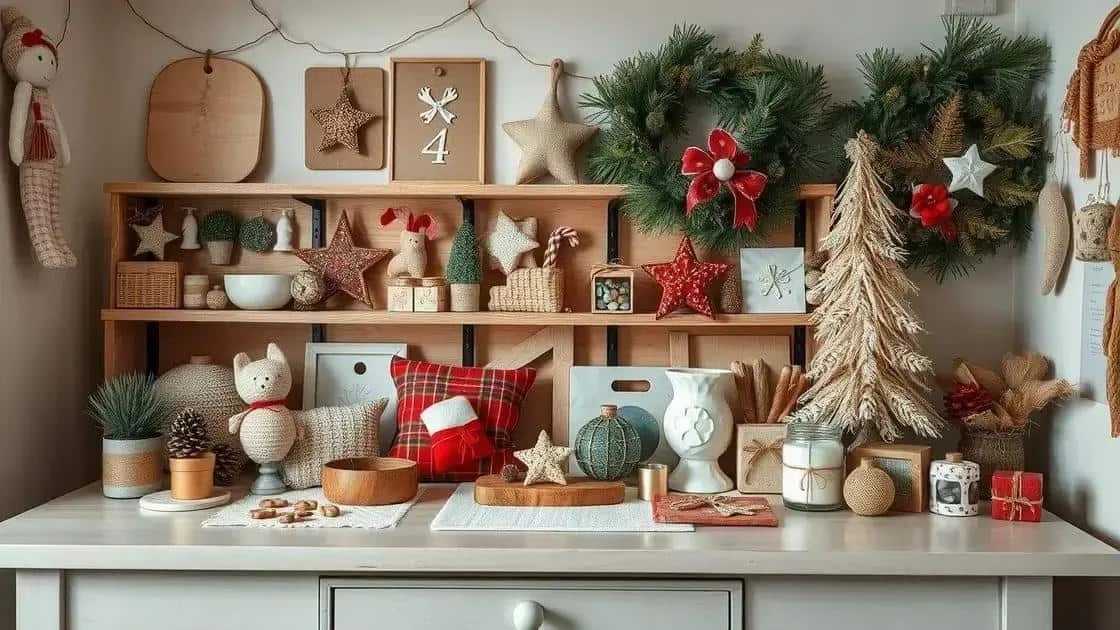
Helping children enjoy Christmas beyond presents can begin with shared traditions, meaningful stories and age-appropriate activities. Making cards, preparing food together or helping others offers opportunities to practise kindness without putting pressure on a family’s budget.
Exploring Christmas beyond presents does not mean children should feel guilty about enjoying gifts. It means making room for other pleasures too: time together, favourite stories and small acts of care. Choose what fits your household’s beliefs, circumstances and children’s interests.
Kindness and connection at Christmas
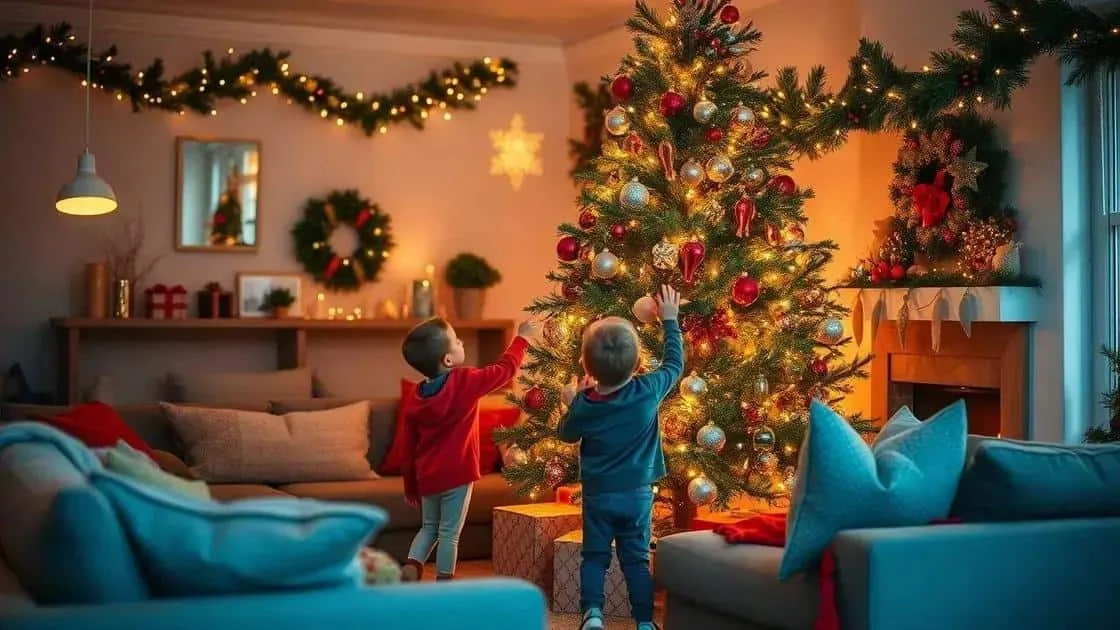
Christmas can offer opportunities to discuss values such as compassion, helping others and love. Children can see these in ordinary actions, including listening, sharing a task and respecting someone else’s feelings. These values matter throughout the year, not only in December.
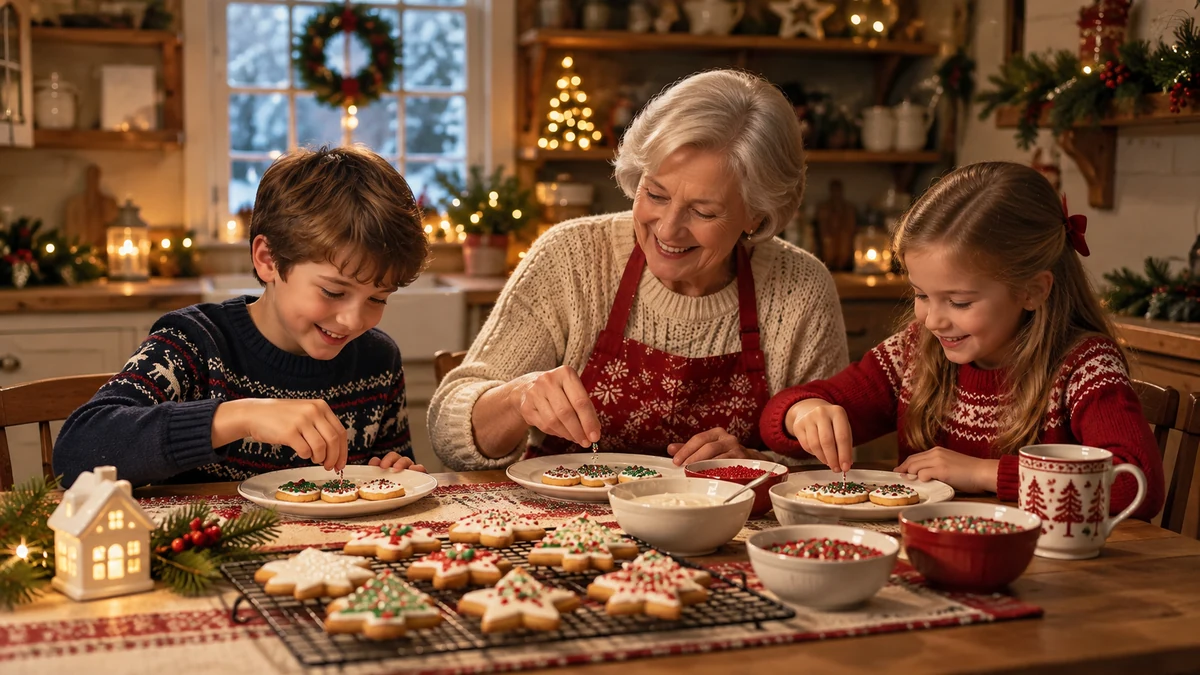
Simple family traditions can provide a starting point. Baking biscuits or making a card together gives children a chance to contribute. Ask which activities they enjoy, and avoid making participation a test of gratitude or good behaviour.
Stories can also open a conversation about courage, hope and kindness. Let children ask questions, suggest a different ending or tell their own story. Distinguish fictional tales from religious beliefs and historical accounts.
Decorating together can create a sense of Christmas celebration. Give children safe, manageable tasks and talk about why particular decorations matter to your household. There are many ways to mark a special occasion without buying more things.
Creating flexible family traditions
Family traditions need not be elaborate. Start with one activity that suits your time, budget and household, and let it change as children grow. Friends, carers and chosen family can be part of these experiences too.
Try baking biscuits together using a reliable recipe. Children can weigh ingredients or decorate cooled biscuits while an adult handles hot trays. Check allergies, avoid tasting raw dough and finish with an age-appropriate Christmas story if they enjoy listening.
Create a memory display using copies of favourite photographs and drawings. Let children choose what to include, and ask permission before sharing images outside the household.
You could choose a way to help the community, such as donating suitable items requested by a local charity. Check age requirements and safeguarding arrangements before volunteering, and respect the privacy and dignity of people receiving support.
A short music or dance evening can be another option. Let children choose whether to sing, move, listen or take a break, keeping sound levels and sensory needs in mind.
Christmas activities children can help with
Shared Christmas activities can make space for kindness and connection. Adapt each task to the child’s age and abilities, with adult supervision where tools, heat or small parts are involved.
1. Make tree decorations: Use child-appropriate paper, glue and colouring materials to create stars or bells. Adults can handle difficult cutting. Encourage creativity without requiring a perfect finished ornament.
2. Make a Nativity scene, if appropriate: Families who celebrate the Christian tradition can use paper figures to explore the birth of Jesus as told in the Gospels. Explain this religious meaning of Christmas while respecting other beliefs and households that celebrate differently.
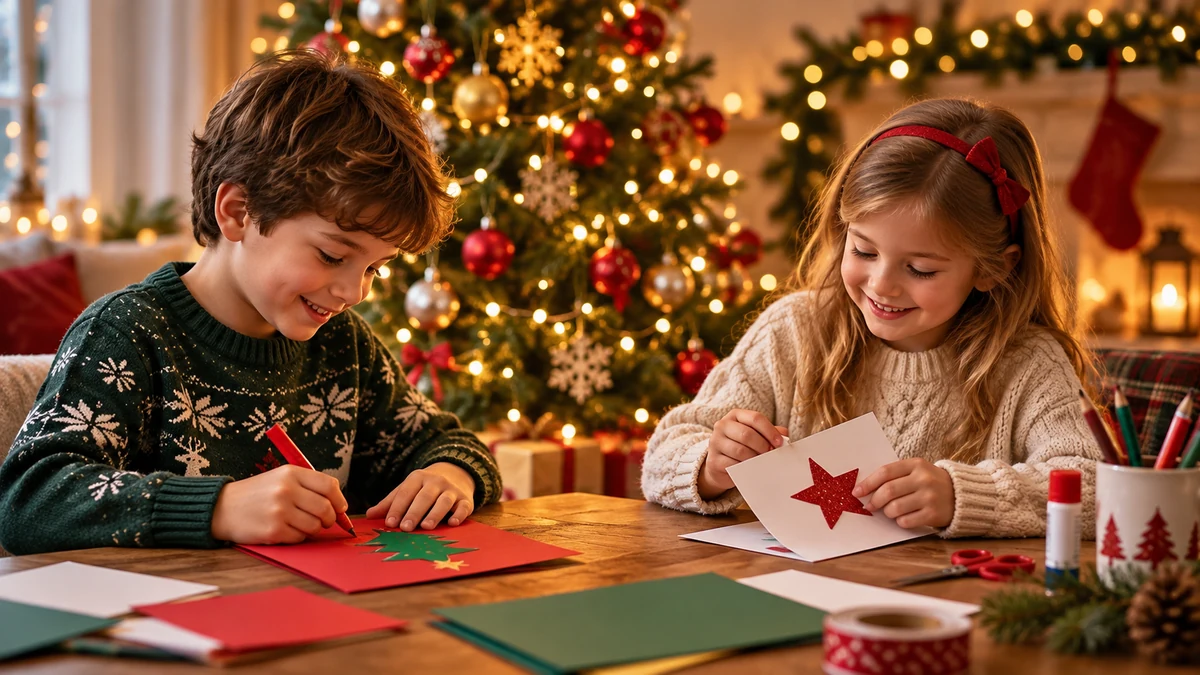
3. Create Christmas cards: Children can draw, paint or add a short message for someone they care about. This is an opportunity to express thoughtfulness and affection without expecting a gift in return.
4. Help prepare a festive meal: Let children choose between suitable dishes, wash produce or arrange napkins. Adults should handle knives, hot pans and raw meat. Small jobs can encourage a sense of teamwork.
5. Organise a Christmas treasure hunt: Hide large paper pictures or age-appropriate clues in safe places. Keep routes clear, avoid climbing and use non-food finds where allergies or choking risks make sweets unsuitable. A cooperative hunt can work without winners and losers.
Christmas stories that invite discussion

Christmas stories can entertain and prompt questions about generosity or belonging. Choose an edition suitable for the child’s age; versions of a story can differ, and no single interpretation needs to be treated as the only correct one.
1. The Nutcracker: Adaptations of this fantasy story feature a child’s adventure with a nutcracker and a battle against a mouse king. The heroine’s name and details vary between versions. You might discuss courage and imagination rather than presenting one adaptation’s lesson as universal.
2. A Charlie Brown Christmas: This animated special explores Charlie Brown’s discomfort with commercialism and includes an explicitly Christian account of Christmas. It can prompt a conversation about belonging and community, alongside your family’s own beliefs.
3. How the Grinch Stole Christmas!: Dr. Seuss’s story suggests that Christmas means more than possessions and that people can change. Ask children what the community still shares after its presents and decorations disappear.
4. The Nativity story: For Christian families, the birth of Jesus is central to Christmas. Share an age-appropriate retelling and discuss values such as compassion, care for others and hope, making clear that this is a religious tradition rather than a belief held by everyone.
5. A story about a thoughtful gift: Choose a clearly identified book from your library or invent a short tale together about giving time, help or a handmade card. This is an activity idea rather than a reference to a specific published title.
Christmas crafts for children

Christmas crafts give children a way to try materials, make choices and create something personal. Keep projects simple and supervise according to the child’s needs, especially where scissors, string or small parts are involved.
1. Paper ornaments: Cut or draw stars, baubles and festive shapes from coloured paper. Use child-safe glue and colouring materials; large stickers are an alternative to loose glitter or small embellishments for younger children.
2. Christmas cards: Reused clean card can become a drawing or collage for someone special. Talk about kindness and consideration when choosing a message, rather than treating the activity as proof of a particular educational outcome.
3. Paper wreaths: Use a card ring with paper leaves or painted pieces from clean cardboard tubes. Keep cords short and small decorations out of young children’s reach. The wreath can be a welcoming decoration without needing to carry one fixed historical meaning.
4. Paper Nativity figures: Where this suits your beliefs, use card, colouring materials and a small box to create a scene. Discuss the story behind it and keep the construction free of sharp edges or loose parts unsuitable for the child’s age.
5. Paper chains: Join strips of coloured paper to make a garland, with adult help where needed. This avoids using popcorn or small berries as wearable necklaces, which can introduce choking, string and food-safety concerns.
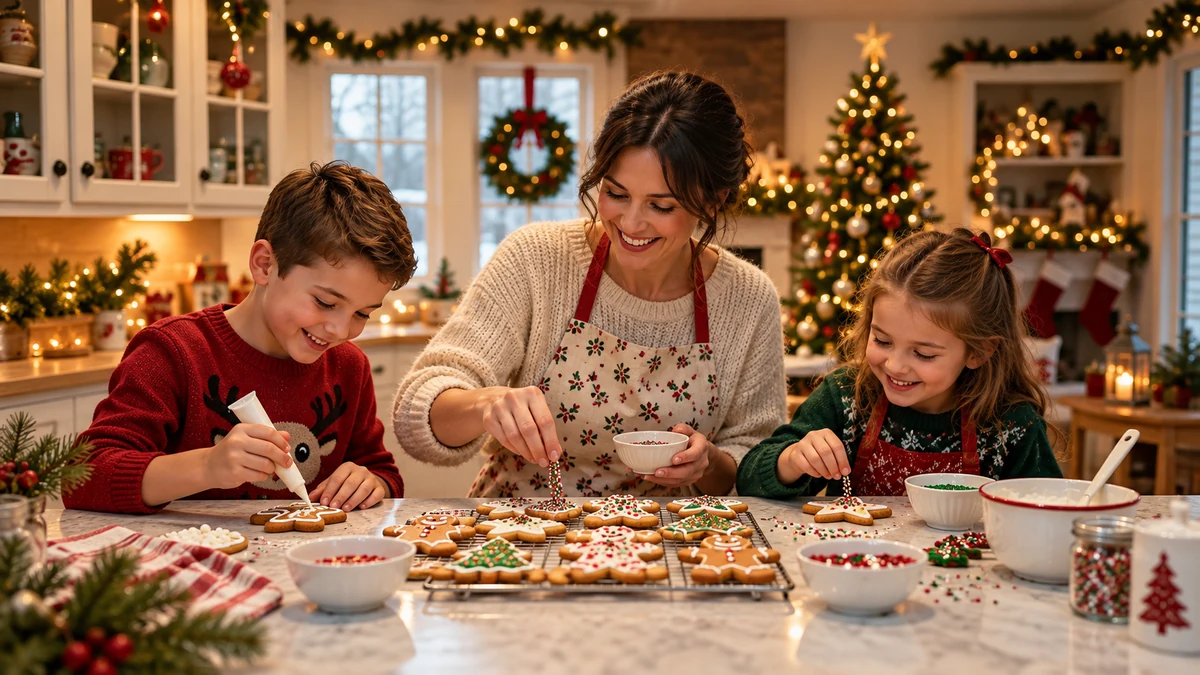
Preparing simple festive food together can be enjoyable, provided the task suits the child’s age. The ideas below are starting points, not a complete tested recipe collection. Check allergies and use a reliable recipe where measurements or cooking stages matter.
1. Christmas biscuits: Choose a tested biscuit recipe with clear quantities and oven instructions rather than relying on an untested ingredient ratio. Children can weigh or shape dough with supervision and decorate once it is cool; adults handle the oven, and raw dough should not be eaten.
2. Rabanada: This Brazilian and Portuguese festive dish uses bread soaked in an egg-and-milk mixture before cooking. Follow a tested recipe, cook the egg thoroughly and leave hot oil to an adult. Check wheat, milk and egg allergens.
3. Christmas fruit salad: Children can help wash and choose suitable fruit while an adult prepares safe pieces. Quarter grapes lengthways for young children and remove stones. Honey is unnecessary and must not be given to babies under one year; keep prepared fruit chilled until serving.
4. Cheese canapés: Children can arrange suitable pieces of bread and cheese with adult supervision. Check milk and wheat allergens, cut food for the child’s age and avoid whole olives or sharp cocktail sticks for young children. Keep perishable ingredients chilled.
5. Hot chocolate: An adult can heat milk or a suitable alternative with cocoa and a little sugar to taste, following the product instructions. Let it cool to a safe drinking temperature. Avoid marshmallows for young children where they pose a choking risk, and check milk or other allergens.
Making room for more than presents
Christmas can be a time to practise care, share interests and spend time together. Exploring Christmas beyond presents offers children other ways to enjoy the season without denying the excitement of gifts or judging what other families can afford.
A card, a simple craft or a familiar story can become meaningful when children have a choice in the activity. Keep expectations realistic and adapt plans when someone is tired, overwhelmed or uninterested.
The aim is an enjoyable celebration that reflects your household’s values, with kindness and connection continuing after the decorations come down.
FAQ — Christmas activities and values for children
How can I discuss the meaning of Christmas with children?
Explain what Christmas means in your household, including religious beliefs where relevant, and acknowledge that others celebrate differently or not at all. Stories and small acts of kindness can open the discussion without making presents a moral test.
What are some simple Christmas activities for children?
Drawing cards, making paper ornaments, arranging napkins and listening to stories are options. Choose materials and tasks suitable for the child’s age, supervise where necessary and make participation optional.
How can I involve different family members?
Offer a choice of manageable tasks, including quieter roles such as choosing music or sharing a memory. Respect sensory needs, energy levels and anyone who does not want to join a particular activity.
What can children gain from Christmas crafts?
Crafts offer opportunities to practise practical skills, make choices and express ideas. Focus on enjoying the process rather than requiring a perfect result or promising a particular developmental benefit.
Which food tasks can children help with?
Depending on age, they might wash fruit, weigh ingredients or decorate cooled biscuits. Adults should handle ovens, hot liquids, sharp knives and raw meat. Use tested recipes and account for allergens and choking risks.
How can Christmas activities support family connection?
Choose activities people enjoy, listen to their preferences and keep plans flexible. A short shared task or conversation can be meaningful without an elaborate celebration or a large budget.