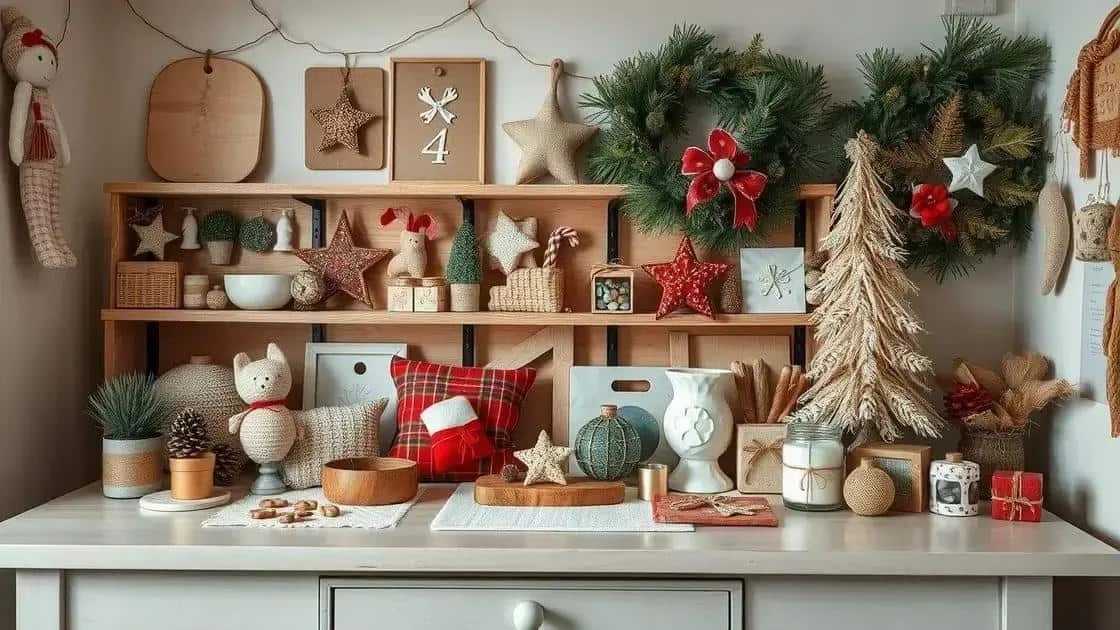
Handmade Christmas gifts can combine suitable reused materials, personal details and thoughtful wrapping. Choose a manageable project that suits the recipient, your budget and the materials you can use safely.
Handmade Christmas gift ideas offer ways to express appreciation without an extravagant purchase. A small, useful or personal creation can be a thoughtful gesture. Here are seven project ideas, followed by preparation and presentation tips.
What are handmade gift favours?
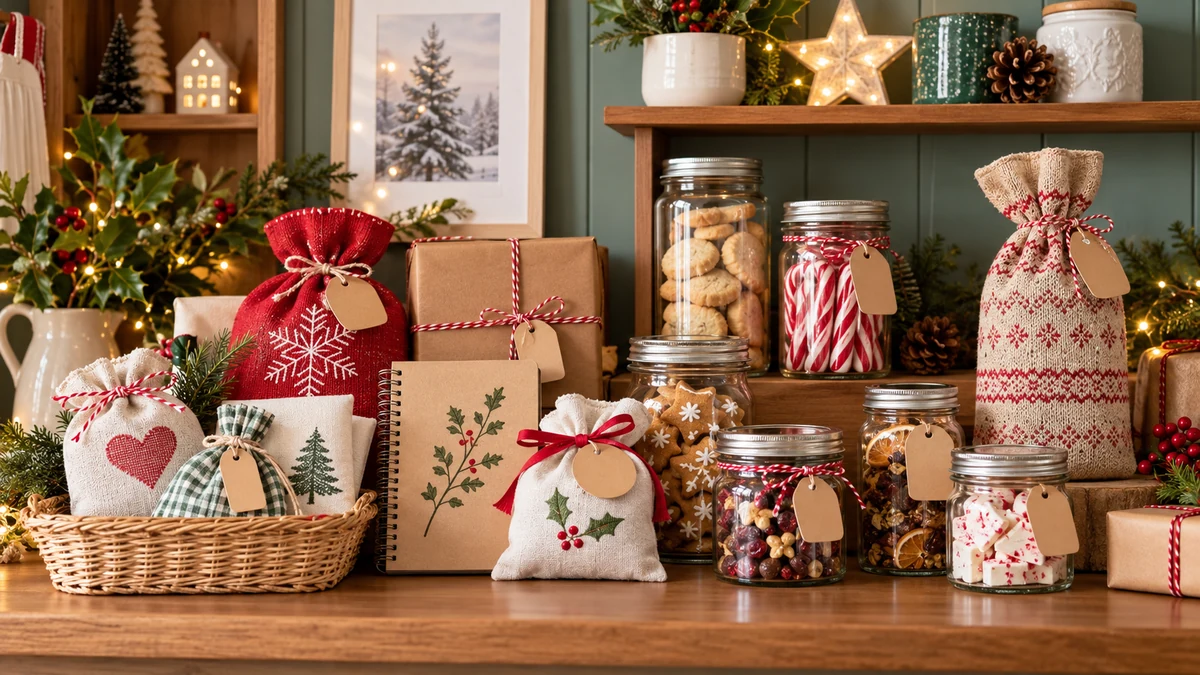
Handmade gift favours are small presents made or assembled personally. They might mark Christmas, a family gathering or another occasion, with details chosen for the recipient.
Options range from decorative objects to suitably packaged treats. A handmade gift may be appreciated for its personal connection, though preferences differ; choose something the recipient would enjoy or use.
Projects can fit different budgets, especially when you already have suitable materials. Allow for tools, packaging and time too, because handmade does not always mean cheaper.
Types of handmade gifts
Examples include glass jars containing suitable sweets, small craft soaps, decorative LED candle holders and photo frames. Pick materials designed for the intended use, and do not treat this overview as instructions for making skin products or burning candles.
Making gifts can also be a shared activity. Choose age-appropriate tasks if children join in, and leave sharp tools, hot glue and other hazards to adults.
Finding free craft lessons

You may find free craft lessons online for different skills and projects. They can help you learn techniques for handmade gifts, but assess the instructions and material safety before starting.
Video platforms and craft websites include tutorials on jewellery, decorations and scrapbooking. Availability and quality vary, so look for clear demonstrations and realistic material lists rather than assuming every tutorial is reliable.
Craft groups may share ideas and practical experience. Compare advice with the manufacturer’s instructions for tools, adhesives and finishes, especially where the finished item will touch food or skin.
What free lessons can offer
Free lessons let you explore a technique before paying for a course. Working online can be flexible, although some projects still require materials or equipment you do not own.
Some providers offer printable guides or patterns. Check the terms before copying a design or selling items made from it, and avoid downloading files from sources you do not trust.
Start with a small project and make one sample before buying enough materials for several gifts. That helps you assess the time, cost and finish.
Reusing suitable materials for DIY gifts
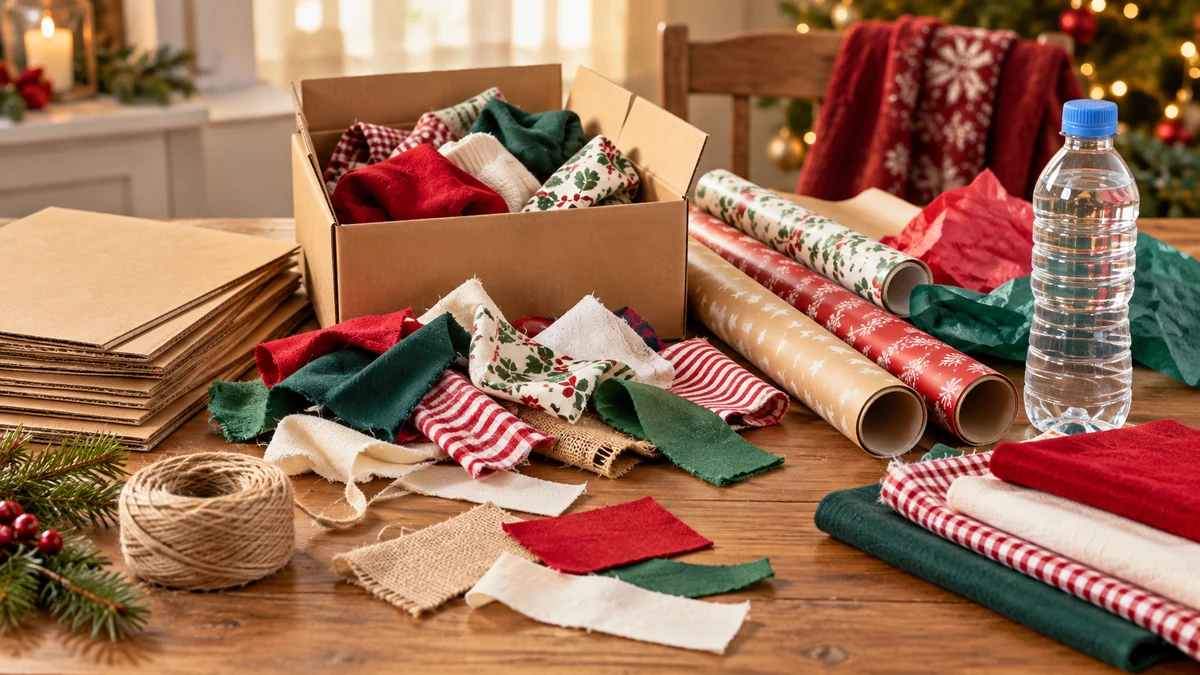
Reusing materials for DIY gifts can reduce new purchases when the materials are clean, sound and appropriate. Reuse is not automatically the safest or most environmentally beneficial choice for every project. Consider these possibilities:
Plastic bottles: Suitable bottles can become small planters or decorative holders for cool LED lights, never open flames. An adult should cut them and deal with sharp edges. Do not use containers that held chemicals for food or drink.
Cardboard: Clean cardboard can become gift tags, organisers or decorations. Cut and glue it to suit the project. A homemade decorative object should not be assumed safe as a children’s toy.
Leftover wrapping paper: Clean scraps can make personalised cards, gift tags or paper decorations. Keep printed or decorated paper away from unwrapped food unless it is specifically suitable for food contact.
Glass bottles and jars: Sound containers can become decorative vases or holders for suitable LED lights. For edible gifts, use clean food-safe containers. Ordinary reused glass is not automatically suitable for burning candles or high temperatures.
Old clothes: Clean, sound fabric can become gift bags, cushion covers or decorations. Check that it suits the project and wash it appropriately before use.
Look at what you already have before shopping. Choose a project that suits the material, rather than forcing unsuitable scraps into a gift that needs to be durable or safe for a specific use.
Seven handmade gift ideas
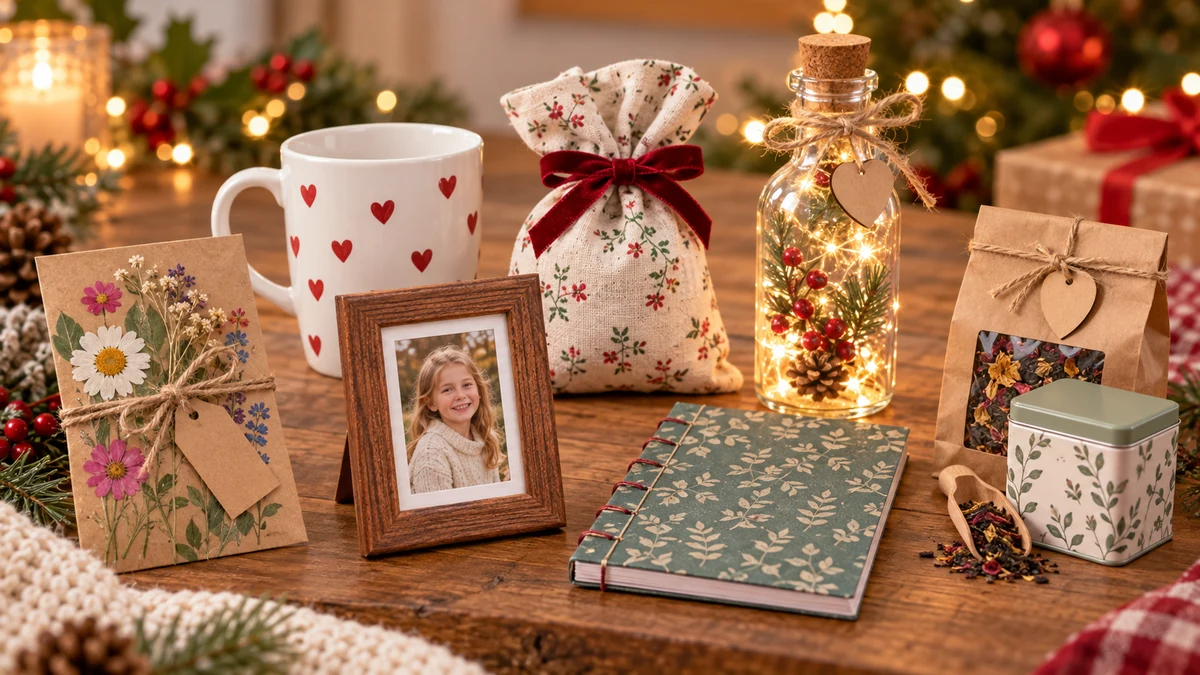
When planning small gifts, choose something manageable and useful to the recipient. These creative ideas are starting points, with safety and material suitability to check for each project:
1. Decorated seed packets: Put suitable, correctly identified flower or herb seeds in labelled paper packets with planting instructions. Keep seeds away from young children and check restrictions before posting them internationally. Do not collect or distribute unknown or unsuitable species.
2. Mini photo displays: Decorate a small cardboard or wooden frame with a photograph or message. A freestanding display avoids loose magnets. If using a magnet, it must be securely enclosed and kept away from children; swallowed magnets can cause serious harm.
3. Scented sachets: Sew small fabric bags containing suitable dried lavender or another chosen filling. Ask about fragrance sensitivities, keep them away from food, children and pets, and label them as decorative rather than edible.
4. Personalised mugs: Use decorating products intended for the type of mug and follow curing instructions. Unless expressly approved for food contact, keep decoration away from the rim and interior. Include care instructions and avoid claiming the finish is dishwasher-safe without confirmation.
5. Decorative bottle lights: Place suitable cool LED lights in a sound glass bottle, following the product instructions, and decorate the exterior. Do not use an open flame or improvise mains wiring. Keep battery compartments secure and inaccessible to children.
6. A handmade notebook: Bind suitable paper into a small notebook and decorate the cover with drawings or collage. Use a method you can finish securely, with an adult handling cutting or sharp binding tools.
7. A quiet-evening gift set: Assemble a small selection such as a notebook, a clearly labelled tea sachet and a suitable LED candle. Choose items the recipient likes, check ingredients and avoid promising medical or therapeutic effects.
Adapt each idea to your budget and the recipient’s preferences. Making one careful sample first helps you choose projects you can finish comfortably.
A simple handmade gift workflow

Making simple gifts is easier with a clear plan. This step-by-step workflow helps organise a project; use project-specific instructions for techniques and materials.
Step 1: Choose suitable materials
Decide whether paper, felt, fabric or another material suits the finished item. Check cleanliness, condition and intended use. Reused materials are an option where appropriate, rather than a requirement.
Step 2: Choose a theme
Pick a theme suited to Christmas or the occasion you are marking. It can guide colours and shapes without needing to appear on every part of the gift.
Step 3: Plan the design
Sketch the idea or list the colours, dimensions and components. Check that the design is practical and make a sample where possible before producing several copies.
Step 4: Cut and assemble
Prepare materials according to the plan, then glue, sew or bind them using a suitable method. Adults should handle hazardous tools and supervise children’s tasks. Allow adhesives or finishes to cure as instructed.
Step 5: Add personal details
Use a name, handwritten note, suitable sticker or ribbon if it fits the project. Keep decorative materials away from food-contact surfaces unless approved for that purpose.
Step 6: Wrap thoughtfully
Choose a fabric bag, suitable box or clean reused wrapping paper. Food gifts need appropriate food-safe inner packaging and ingredient or storage information, not just attractive outer wrapping.
Step 7: Give your gift
Include any care, ingredient or storage instructions the recipient needs. Give the item as a thoughtful gesture without expecting a particular reaction or a gift in return.
Personalising your creations
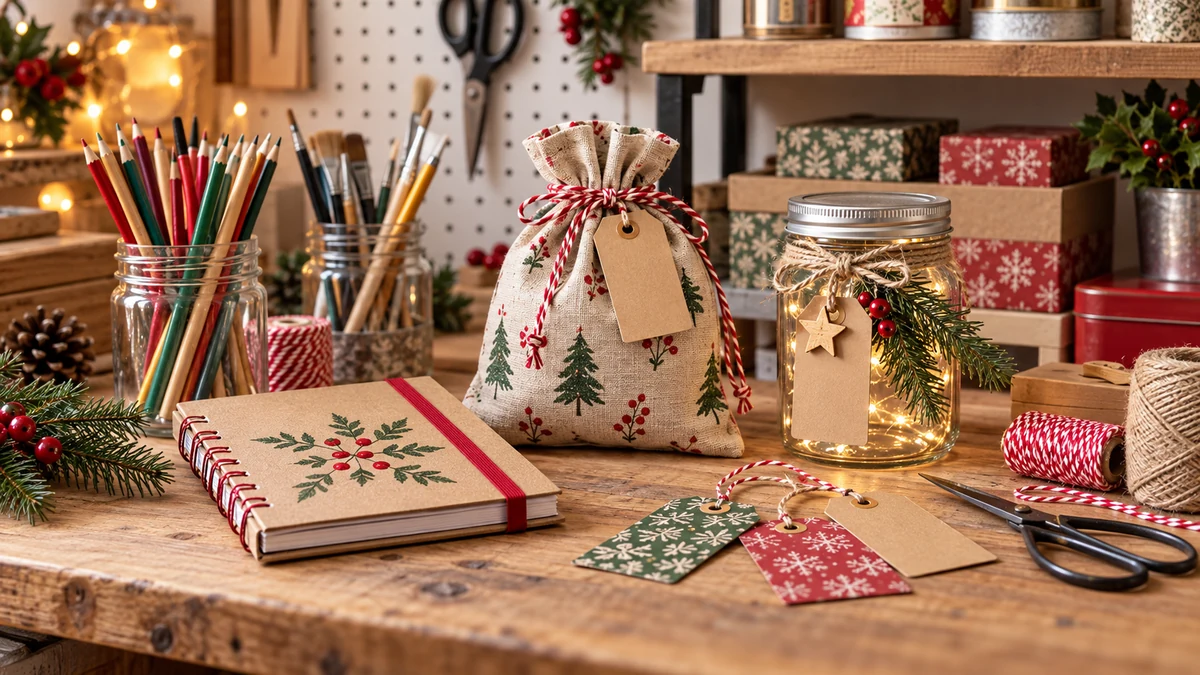
Personal details can give your creations character and connect handmade gifts with their recipients. These suggestions for personalising your creations can be adapted to the project:
1. Add a name or message: Use a handwritten or printed label with a short, sincere message. Check spelling before attaching it permanently.
2. Choose favourite colours: If you know the recipient’s preferences, incorporate a colour they enjoy. There is no need to follow a standard festive palette.
3. Combine suitable textures: Paper, fabric and other materials can create contrast. Make sure the combination is durable and appropriate for the item’s purpose.
4. Add a drawing or painted detail: A simple flower, symbol or pattern can make a cover or tag personal. Use a finish intended for the surface and follow its safety and curing instructions.
5. Try a different shape: A star-shaped tag or another simple silhouette can suit the theme. Avoid sharp points or small detachable pieces where they would be unsafe.
6. Consider scent carefully: A labelled lavender sachet may suit someone who enjoys fragrance. Ask first where preferences or sensitivities are uncertain, and do not add perfume to food, skin-contact products or packaging indiscriminately.
7. Personalise the wrapping: Decorate a gift bag or paper band in a way that suits the item. A small matching tag can be enough without adding layers of unnecessary packaging.
Choose one or two details that suit the recipient. Personalisation is most useful when it reflects their tastes rather than making the project more complicated.
Presentation and posting tips

Wrapping and protecting handmade gifts helps them reach the recipient in good condition. These presentation and posting tips cover the final stage:
1. Choose appropriate packaging: Use a box, bag or wrapping suited to the item. Attractive outer packaging should not replace protection or food-safe inner packaging where needed.
2. Add a clear label: Include the recipient’s name and any information needed to use or store the gift safely. A personal message can sit alongside practical instructions.
3. Keep ribbons manageable: A simple bow can finish a package. Avoid long cords or small detachable decorations where young children may handle the gift.
4. Include a short card: Write a personal message of thanks or a seasonal greeting. It does not need to be elaborate to be thoughtful.
5. Protect items in transit: Cushion fragile objects with suitable packing material and prevent movement inside the parcel. Check the carrier’s restrictions for batteries, liquids, food or other restricted items before sending.
6. Use a suitable outer box: Choose a sound box with enough room for protective cushioning. A box that is too tight or too large can leave the contents vulnerable.
7. Consider the recipient’s needs: Choose wrapping that is manageable to open and avoid strong scents where they may be unwelcome. Practical presentation can be just as thoughtful as decorative detail.
Finish by checking the item, its instructions and the parcel address. Careful packing improves the chance of a safe arrival, although no wrapping can guarantee against all transit damage.
Making a thoughtful handmade gift
Handmade gifts can express appreciation through a useful object or a personal detail. Start with suitable materials and a realistic project, then check that the finished item is safe for its intended use.
Personalisation and wrapping can add character, but they do not need to be elaborate. Choose what suits the recipient and the project.
If posting the gift, allow time for packing and check any relevant carrier restrictions. Include practical information such as care instructions or food ingredients where needed.
A manageable project, made with care, is a good starting point. Keep the process enjoyable and within your budget rather than feeling obliged to make something for everyone.
Frequently asked questions about handmade gifts
Which materials can I use for handmade gifts?
Clean paper, cardboard, felt and suitable fabric are possible choices. Reused containers may work for decorative projects, but check their condition and intended use, especially for food, heat or children’s items.
How can I personalise handmade gifts?
Add a name, short message, favourite colour or simple drawing. Choose suitable materials and keep decorative finishes away from food-contact surfaces unless approved for that use.
What is a good way to wrap handmade gifts?
Use packaging suited to the item, with protective cushioning for fragile objects and food-safe inner packaging for edible gifts. A small card or tag can add a personal touch.
What are the basic steps for a simple handmade gift?
Choose suitable materials, decide on a theme, plan the design, assemble it safely, add personal details and wrap it appropriately. Follow project-specific instructions for any tools or finishes.
How should I choose a gift theme?
Consider the occasion and the recipient’s interests. A colour, motif or personal memory can provide a simple theme without requiring a complicated design.
Can I sell handmade gifts?
It may be possible, but a market and income are not guaranteed. Check the rules that apply to the product and location, including safety, labelling and design rights. Food, cosmetics and children’s products have requirements beyond making an attractive item.