Choosing between a hotel and Airbnb for a European Christmas trip comes down to the particular property and your priorities. A hotel may offer convenient staffed services, while a whole-home rental may provide extra space and a kitchen. Compare the full price, heating, location, recent reviews and cancellation terms before booking. Neither type guarantees round-the-clock help or a trouble-free stay.
Hotels or Airbnb for Christmas? Perhaps you want a traditional festive setting, or perhaps you would rather have somewhere that feels like home. This guide compares the practical benefits, responsibilities and booking checks that can help you choose.
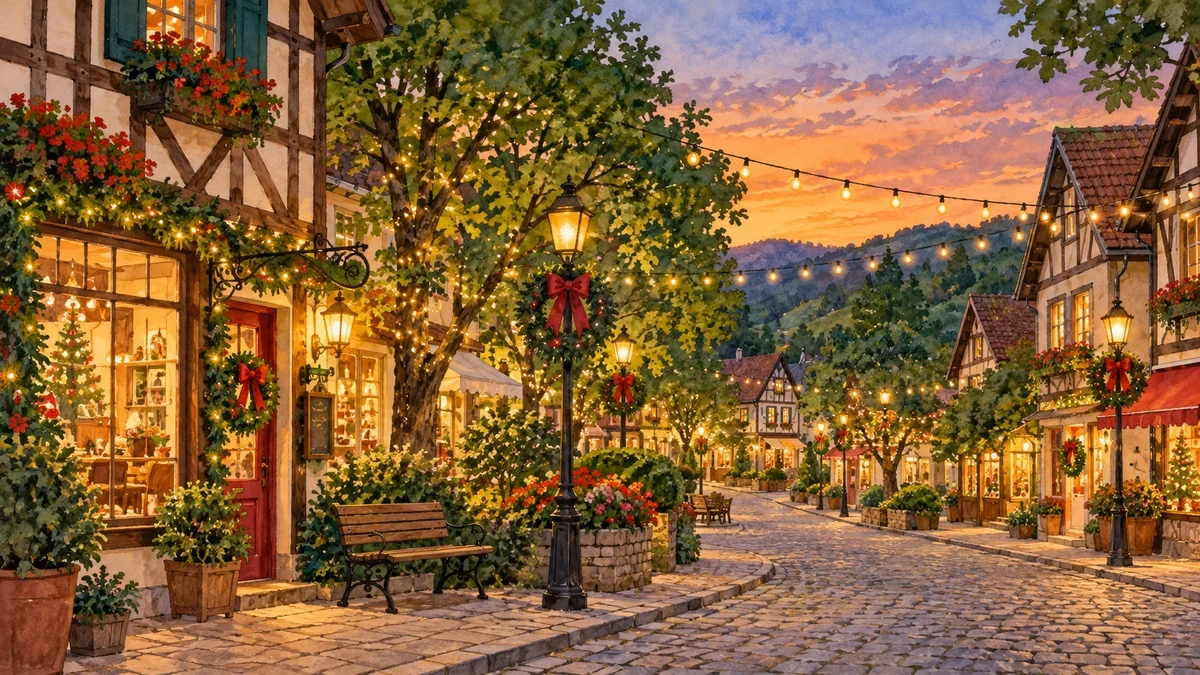
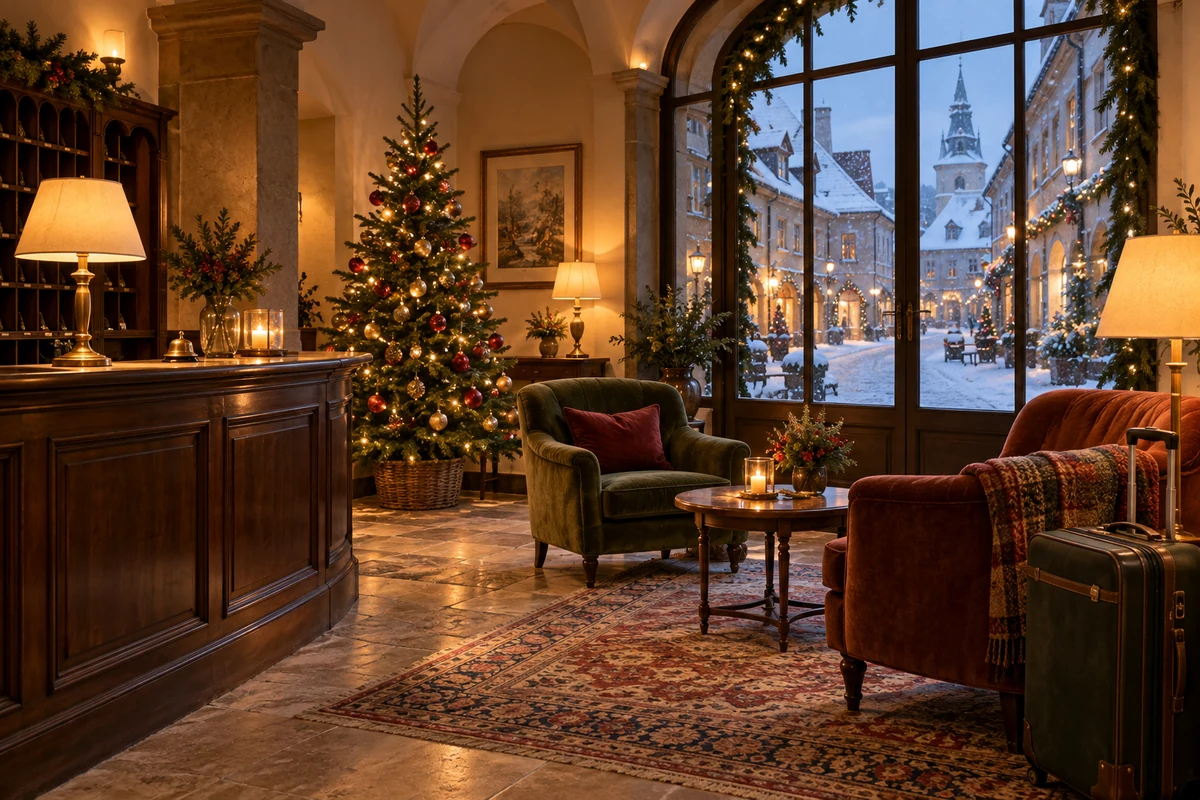
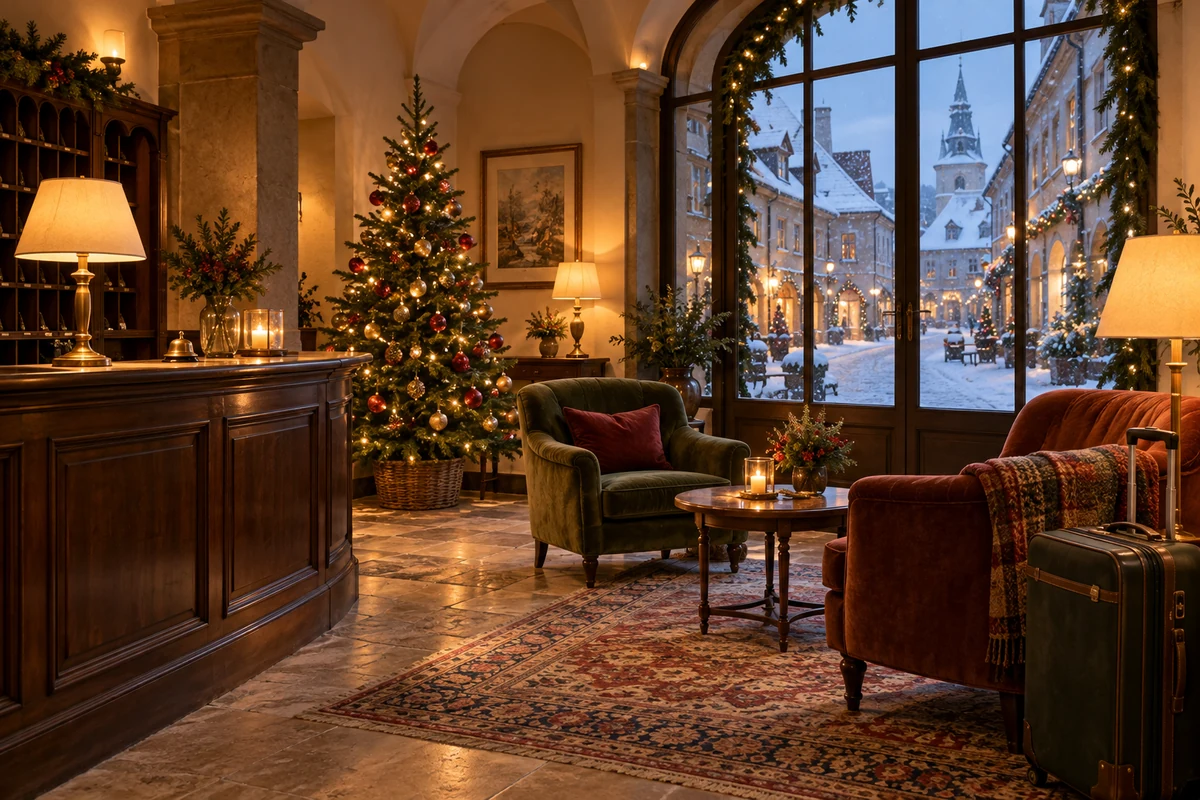
Illustrations in this article are conceptual images, not documentary photographs or evidence of a particular historical event, destination, venue or access route.
How to choose between a hotel and Airbnb for a European Christmas trip
Start with what matters most: convenience, cost or the neighbourhood experience. Both options vary considerably, so compare individual listings against the same requirements.
What to consider
- Location: staying near Christmas markets and useful public transport can save time and reduce taxi journeys.
- Total cost: check the complete breakdown, including cleaning, taxes and any extra guests. Do not add a fee twice if it is already included.
- Essential facilities: confirm effective heating, any kitchen or laundry facilities you need, and suitable bedding for winter.
- Cancellation and flexibility: compare the actual refund deadlines and conditions. Bad weather does not automatically make a booking refundable.
- Safety and responsibility: read recent reviews, the property’s rules and the booking platform’s support terms. Airbnb explains that AirCover for guests is not travel insurance. Source: Airbnb: AirCover and travel insurance
- Privacy and service: check reception and housekeeping hours for hotels. For Airbnb, distinguish an entire home from a private room or shared accommodation.
A step-by-step comparison
- Set a total budget: calculate the price for your full stay and include compulsory charges and the extras you actually need.
- Search by location: map the journeys to the festive events you plan to visit.
- Read recent reviews: look particularly for winter comments about heating, cleanliness and noise, including those from the past year.
- Check the terms: confirm arrival arrangements, cancellation rules and how any damage claim would be handled.
- Compare facilities: list essentials such as an extra bed, cot or kitchen, then check that they are available for your booking.
- Think through the logistics: allow for luggage, grocery shopping, icy pavements and reduced holiday transport services.
Quick practical tips
- Start looking early: popular dates and locations can sell out, although booking early does not guarantee the lowest price.
- Contact the host or reception: clear answers help you assess arrangements, but a quick reply alone does not guarantee good service.
- Check the price breakdown: cleaning, local taxes and optional extras can affect which property offers better value.
- Confirm the heating: ask how it works and whether you can control it. An attractive photograph cannot establish how warm a room will be.
- Check attraction opening times: Christmas markets may close before Christmas Day or keep limited holiday hours. Choose your base around confirmed plans.
Hotel advantages and disadvantages at Christmas
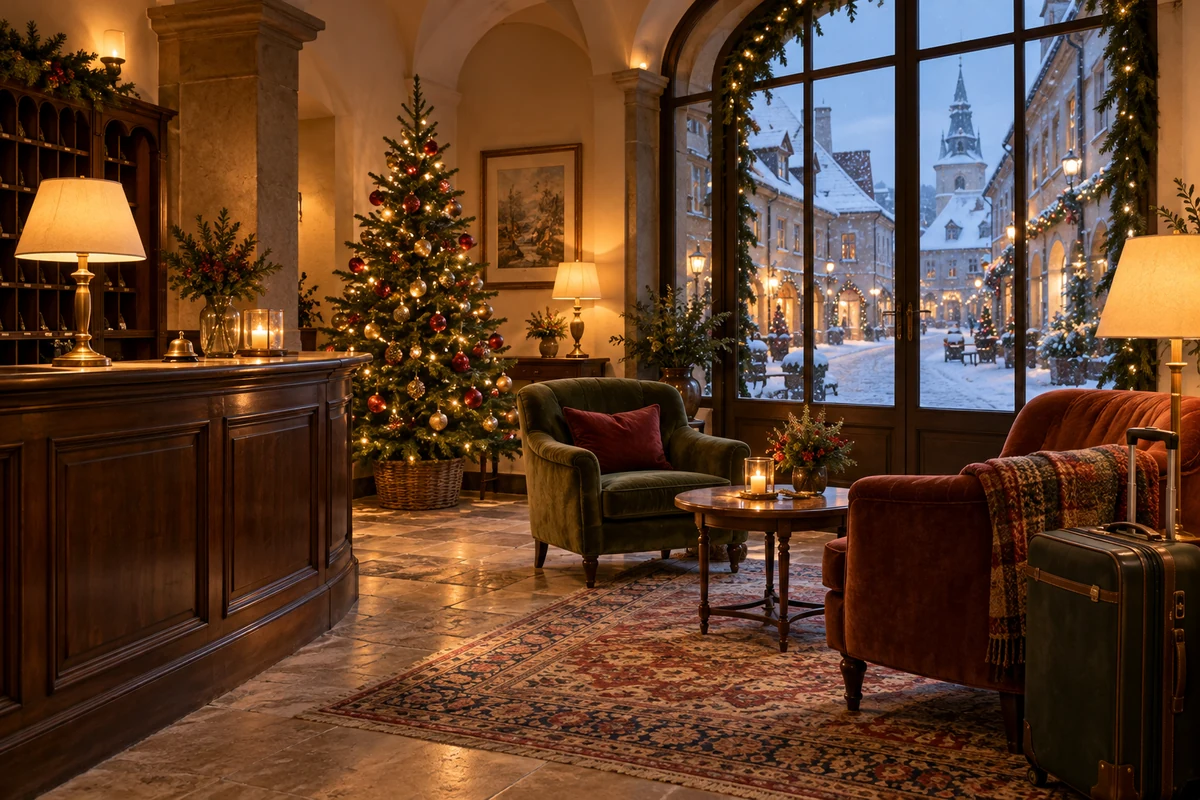
A hotel can make a festive trip easier through on-site services, but its price, facilities and operating hours still need checking.
Potential advantages of a hotel
- Staffed assistance: some hotels have 24-hour reception or a concierge who can help with a late arrival. Smaller properties may have limited hours.
- Festive activities: some offer Christmas dinners or seasonal entertainment. Check whether these exist, require a reservation or cost extra.
- Convenient facilities: breakfast, housekeeping, room service and family equipment may simplify your stay, but inclusions differ by rate and property.
- On-site support: reception staff and controlled access can be useful. Check the arrangements rather than assuming every hotel offers the same level of security.
- A useful base: a well-located hotel can put markets, transport and sights within easy reach; the hotel label itself says nothing about location.
Possible drawbacks of a hotel
- Higher seasonal prices: busy dates can be expensive, particularly once parking, meals and festive packages are included.
- Crowds and noise: busy shared areas and rooms beside function spaces may affect sleep.
- Limited space: a standard room may be less practical for a large family than connecting rooms, a suite or a suitable apartment.
- A more standardised setting: some travellers prefer a residential neighbourhood and their own kitchen, although hotels can also be locally distinctive.
- Fixed arrangements: check-in times and non-refundable rates may leave little flexibility. Similar restrictions can apply to rentals too.
When a hotel may suit you
- You value convenience: on-site services may reduce the need to cook or organise every practical detail yourself.
- You are travelling with children: a confirmed cot, suitable room and convenient meals can help. Hotel staff are not a substitute for emergency services or childcare.
- It is a first visit or a short break: a central property with clear arrival arrangements may simplify the trip.
- You prefer staff nearby: confirmed reception hours and accessible facilities can matter more than the type of accommodation alone.
Tips for booking a Christmas hotel stay
- Compare availability early: this gives you more time to find a suitable room and assess the cancellation conditions.
- Calculate the full price: include relevant taxes, resort charges, parking and any compulsory festive meal.
- Read the cancellation policy: weigh the additional cost of a flexible rate against the financial risk of changing your plans.
- Ask about warmth and noise: confirm heating and request a room away from function rooms, while recognising that requests may not be guaranteed.
- Check the festive programme: confirm dates, prices, suitability for children and whether separate bookings are required.
- Read recent feedback: reviews from the previous winter may reveal useful details about comfort, service and cleanliness.
Price and convenience together
Value for money depends on what is included. A higher room price may be worthwhile if it reduces transport, meal costs or time spent organising the stay. Compare the whole trip, not just the nightly rate.
Airbnb: flexibility and responsibility

A suitable rental can offer freedom to cook and settle into a neighbourhood. It also brings responsibility for following house rules, caring for the property and checking how assistance works.
Potential advantages of Airbnb
- Space and privacy: an entire apartment with a sitting room and kitchen may suit a family or longer stay. Check the listing type and layout.
- A neighbourhood base: a residential location may make it easier to explore everyday shops and cafés, alongside any nearby festive events.
- Self check-in: where offered, a key safe or entry code may help with late arrivals. Confirm access hours and a backup contact.
- Options for groups: a whole property can sometimes cost less per person than several hotel rooms; compare actual totals and sleeping arrangements.
Possible drawbacks of Airbnb
- Cleaning expectations: read the checkout instructions and any cleaning charge so you know what the host expects.
- Variable quality: photographs and descriptions may not capture every detail. Recent reviews and clear questions are useful checks.
- House and neighbourhood rules: quiet hours, visitor limits and restrictions on gatherings may affect your plans.
- No on-site reception: a host may not be physically present. Check local assistance and platform support rather than assuming nobody is available at night.
- Host cancellation: this can disrupt a trip. Understand the platform’s support and refund arrangements and keep a realistic backup plan.
Checks before booking
- Recent reviews: look for relevant comments on heating, cleanliness and communication, particularly from winter guests.
- Cancellation and deposits: Airbnb generally prohibits host security deposits, with specified exceptions that must be disclosed. Do not assume a direct deposit demand is normal. Source: Airbnb: permitted security deposits
- Essential facilities: confirm heating, Wi-Fi and the appliances you intend to use.
- House rules: check the number of permitted guests, visiting arrangements and restrictions on parties or noise.
Reducing avoidable problems
- Ask questions first: clarify heating, parking and arrival instructions through the official booking channel.
- Record existing damage: take dated photographs on arrival and report problems promptly. This creates evidence rather than guaranteeing the outcome of a dispute.
- Keep bookings on the official platform: avoid unexpected payment links and off-platform transfers. Query any unusual payment request with support.
- Check travel insurance: look at the actual cover for your circumstances. GOV.UK guidance emphasises checking exclusions and whether planned activities are covered; not every cancellation or damage claim is insured. Source: GOV.UK: choosing appropriate travel insurance
- Have a backup: identify alternative accommodation and keep an emergency budget, recognising that nearby rooms may also be full.
Being a considerate guest
- Respect neighbours: follow quiet hours and the building’s shared-space rules.
- Follow the property’s instructions: dispose of rubbish properly and use heating and appliances as directed.
- Agree arrival and departure arrangements: confirm times, key handover and any disclosed extra charges.
- Leave an honest review: describe what happened clearly so future guests can make an informed choice.
Comparing prices, fees and seasonal costs

Compare like-for-like totals for the same dates and party size. Airbnb’s price breakdown shows the charges included in a reservation; check the final total and any disclosed local payments rather than treating every advertised price as a bare nightly rate. Source: Airbnb: home pricing and fee breakdowns
Common charges to check
- Accommodation: the nightly amount may vary across your chosen dates or with the length of stay.
- Cleaning: where charged once per stay, it has a greater effect on the per-night cost of a short visit.
- Service fees: check whether a guest fee applies and whether it is already included in the displayed total.
- Local taxes: rules vary by destination and may depend on the number of eligible guests, nights or property type.
- Security deposits or card holds: some hotels and permitted rental arrangements use them. Check disclosure, amount and release conditions.
- Extra guests or equipment: additional beds, cots and other services may change the final price.
- Utilities: clarify whether heating and electricity are included, especially for longer rentals. Do not accept undisclosed charges without checking the booking terms.
Calculating the real cost
- Start with the accommodation charge: add the rates for all your nights, taking account of any varying prices.
- Add applicable fixed fees: include cleaning and service charges only where they are not already counted.
- Include applicable taxes: calculate these using the actual local rules and eligible guests.
- Track refundable deposits separately: they affect available cash or card credit but are not a final expense if returned in full.
- Compare the per-person cost: divide the total by the number of people sharing the expense.
- Illustrative calculation: €150 × 5 nights = €750; plus €80 cleaning, €100 service fee and an assumed property-level charge of €5 × 5 nights = €25 gives €955. Split equally between four people, that is €238.75 each. These are invented comparison figures, not current rates or a real city’s tax rules; a per-person tax would produce a different total.
Avoiding surprises in the price
- Read the full breakdown: review mandatory charges and optional extras before confirming payment.
- Compare a complete quote: enter your dates and party size, then check the final payment screen without submitting a booking just to test the price.
- Check local information: consult the destination’s official guidance if a tourist tax is unclear.
- Ask about extras: confirm parking, heating and cleaning arrangements with the host or hotel in writing.
Ways to explore better value
- Compare early: more time to research may improve your choice, but it does not guarantee cheaper rates.
- Try nearby dates: a small date change may alter the price; check that the events you want will still be open.
- Check longer-stay offers: ask about legitimate weekly rates through official channels and compare the cancellation terms too.
- Compare group totals: a shared home may be economical, but only if its beds, bathrooms and location suit everyone.
- Consider loyalty benefits: points or member rates may help if the offer is genuinely useful and does not encourage unnecessary spending.
- Check payment costs: compare your card’s foreign-currency charges and the exchange rate offered at checkout.
Cancellation terms and insurance
- Assess flexibility: a refundable rate can reduce financial exposure within its stated conditions and deadline.
- Read the insurance policy: do not assume it covers weather disruption, a retained deposit or a change of mind. Cover and exclusions vary.
- Record the deadline: note the time zone and exact point at which a cancellation charge would apply.
Looking beyond the room price
Include journey time, transport and meals in your comparison. A slightly more expensive but practical location may reduce other costs and make a short break easier.
Location, festive events and Christmas markets
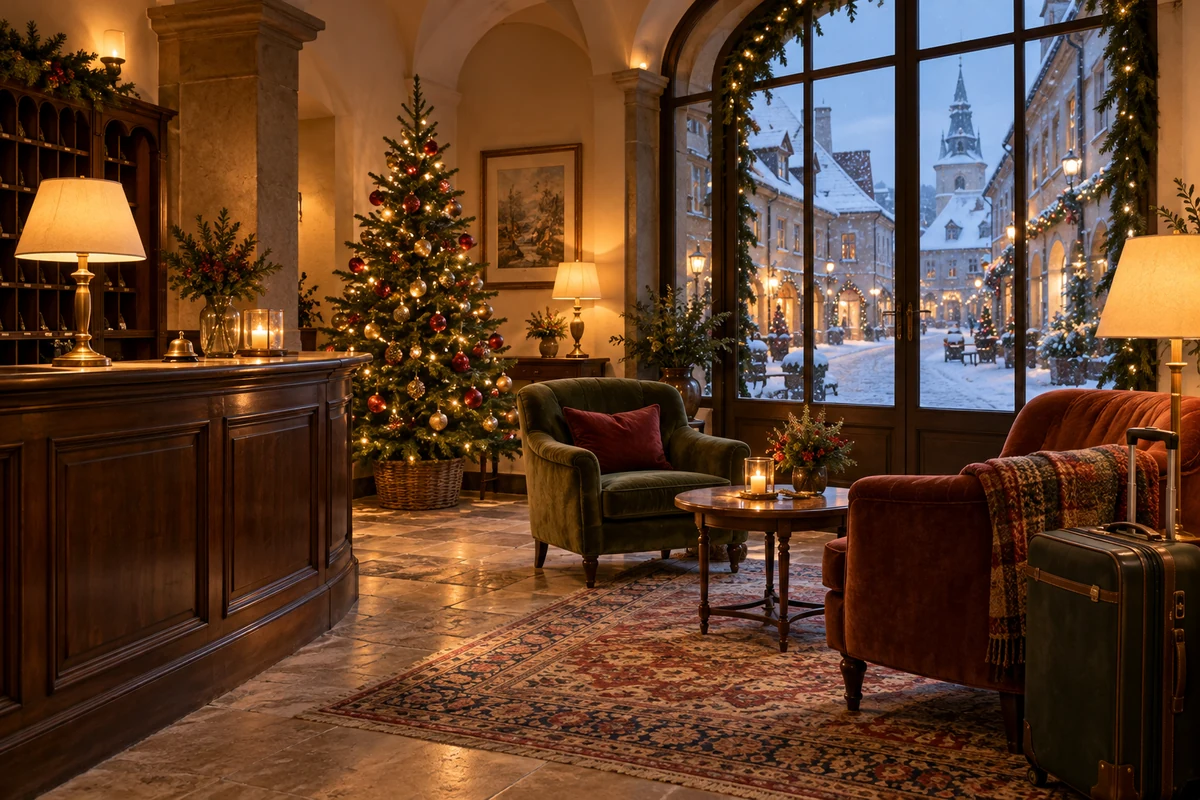
A well-chosen base makes it easier to reach the events you actually want to visit. Check the route, the surroundings and public transport rather than relying on a listing’s description of being central.
Why location matters
- More time to explore: a nearby market is easier to revisit during its opening hours, including after the lights come on. Many markets are not open at dawn.
- Fewer journeys: shorter distances may reduce taxi costs and time outdoors in cold or wet weather.
- A practical return route: look for well-lit routes and reliable transport, while remembering that a busy area is not a guarantee of safety.
Assessing the neighbourhood
- Walking distance: a route of roughly 15–20 minutes may suit some travellers, but judge it against your group’s mobility and winter conditions.
- Public transport: check trains, trams, buses and any late services for the actual holiday dates.
- Event hours: confirm when the markets open and close before organising an evening around them.
- Everyday services: nearby food shops, pharmacies and restaurants can be useful, but may also keep reduced holiday hours.
- Noise: check whether concerts, bars or seasonal events are likely to affect the room you are booking.
Planning journeys
- Check door-to-door routes: include the walk to the stop, waiting time and any changes.
- Use the relevant timetable: a weekday estimate may not apply on Christmas Eve, Christmas Day or other public holidays.
- Check accessibility: lifts, steps, slopes and icy surfaces can matter when travelling with pushchairs, luggage or limited mobility.
- Plan the return: know the last useful service and a realistic alternative if you miss it.
Exploring smaller markets
- Look beyond the centre: neighbourhood events may offer a different atmosphere. Check that an event actually exists and how you will get back.
- Choose quieter opening periods: consult the organiser’s advice rather than assuming early morning or late evening is always possible.
- Group nearby visits: combine sights along a sensible route without overloading the day.
Luggage and shopping
- Storage: confirm whether luggage can be left securely before check-in or after checkout, and whether a fee applies.
- Usable room space: check where you can put coats and bags, and follow safe drying instructions rather than covering heaters.
- Carrying purchases: a sturdy folding bag can help, but remember your luggage allowance and the journey home.
Location checklist
- Estimate the walk to your chosen markets.
- Confirm evening transport on your travel dates.
- Assess the return route and relevant local safety advice.
- Read location reviews for practical details beyond the map.
- Consider noise if rest is a priority.
Safety, cancellations and booking terms at Christmas

Attention to safety and clear booking conditions can reduce avoidable problems. Check what you are buying and how to ask for help if the stay goes wrong.
Potential problems and useful precautions
- Last-minute cancellation: understand the separate rules for a cancellation by you and one by the provider. Your flexible rate does not prevent a host cancellation.
- Weather and transport: leave time between connections and check disruption notices rather than assuming a winter journey will run to plan.
- Fraudulent listings: use official sites, read consistent recent reviews and query suspicious instructions. A verified profile is not an absolute guarantee.
- Property safety: ask about access, smoke alarms, emergency exits and any specific needs; read relevant recent feedback.
Booking terms to examine
- Cancellation conditions: read the actual dates, time zone and refund amounts rather than relying on a policy’s short label.
- Any permitted deposit: confirm its amount, payment method and release process. For Airbnb, check that the request fits its stated exceptions.
- Refundable fees: Airbnb’s cleaning-fee guidance ties refunds to the applicable cancellation conditions; check your reservation instead of assuming the charge is always refundable or always lost. Source: Airbnb: cleaning fees and refunds
- No-show rules: find out what happens if you arrive late or do not arrive, and contact the provider promptly if plans change.
- Evidence: retain booking confirmations, messages and receipts in case you need to raise a dispute.
Before you confirm
- Read recent reviews: note recurring comments about cancellations, assistance and winter comfort.
- Clarify arrangements: ask the host or hotel about heating, access and any flexibility you need.
- Review the payment screen: confirm dates, guests, totals and terms before making the booking.
- Use the official payment route: keep a clear record and ask support about requests that seem inconsistent with the listing.
- Arrange suitable insurance: check covered cancellation reasons, excesses and medical or activity exclusions before travelling.
If there is a problem
- Keep evidence: photograph the problem, note when you discovered it and save communications.
- Report it promptly: contact the host or reception first where safe, then the booking platform if it is not resolved. Airbnb asks guests to notify the host within 72 hours of discovering an issue and contact support promptly if help is unavailable. Source: Airbnb: reporting serious accommodation issues
- Find a safe alternative if necessary: use emergency services for immediate danger; discuss replacement accommodation with the platform when circumstances allow.
- Contact your insurer where relevant: follow its claims process and check approval requirements before incurring expenses when possible.
Christmas travel checklist
- Booking terms understood and suitable insurance considered separately.
- Evidence saved, including messages, confirmations and receipts.
- Local emergency information and relevant consular contact details available.
- Backup accommodation options and a contingency budget considered.
Booking and enjoying your Christmas stay

Planning the practical details can make the festive period less stressful, even when you cannot remove every uncertainty.
Before booking
- Choose your priority: decide whether location, price, space or service matters most.
- Read the terms: check cancellation, any permitted deposit and arrival arrangements before paying.
- Check the final total: include disclosed compulsory charges and the extras you intend to use.
- Review recent feedback: look for winter-specific comments about heating and assistance.
- Confirm essentials: ask about your required facilities, including Wi-Fi, kitchen equipment and luggage storage.
Communication and arrival
- Share your arrival time: tell the provider about likely delays and how to contact you.
- Get clear access instructions: confirm the entrance, key collection and backup procedure before you set off.
- Keep a contingency plan: know how to reach support and what alternatives might be available.
On arrival
- Record existing problems: take photographs of relevant damage and report it promptly.
- Check essential facilities: make sure the heating and required appliances work, following their instructions.
- Locate useful services: find nearby shops, pharmacies and transport stops, and check holiday hours.
Making the most of the stay
- Use a kitchen if it suits you: preparing some meals can be convenient and may reduce costs.
- Enjoy available hotel events: a pre-booked dinner or activity may offer a festive evening without another journey.
- Respect local and property rules: follow quiet hours and shared-space instructions.
- Plan your shopping: allow space for gifts and a practical way to carry them home.
Final practical checks
- Keep your paperwork: retain booking details and messages until any outstanding issue is resolved.
- Leave useful feedback: an accurate account helps future guests assess the property.
- Save important contacts: keep the host, reception, platform support and local emergency details accessible.
Quick checklist
- Cancellation conditions understood
- Full price breakdown reviewed
- Heating arrangements confirmed
- Arrival time and access agreed
- Any existing damage recorded at check-in
Conclusion
The better choice depends on the individual property and your group. A hotel may suit you for convenience and staffed services; an entire-home rental may offer space and a kitchen. Compare the location, total cost and terms before committing.
Thanks for reading. Follow us on social media for more festive ideas and explore the I Love Christmas blog. Enjoy planning your trip!
FAQ: hotels and Airbnb for a European Christmas trip
What is the main advantage of a hotel at Christmas?
A suitable hotel can simplify meals, arrival and day-to-day assistance. Check the specific property: 24-hour reception, daily cleaning and festive events are not universal or necessarily included.
Why choose Airbnb for Christmas?
An entire home may provide a kitchen, shared living space and useful privacy for a group or longer stay. Confirm the listing type, layout and total price rather than assuming every Airbnb offers these benefits.
How can I avoid unexpected booking charges?
Review the full quote for your dates and party size. Check included fees, taxes and optional extras, and obtain written clarification of any local payment before booking.
What should I check in a cancellation policy?
Note the exact deadline, time zone, refund amount and no-show terms. Understand the separate rules for provider cancellations and any permitted deposit, and read insurance conditions independently.
How can I reduce the risk of an unsafe online booking?
Use official booking and payment channels, read recent reviews, clarify practical arrangements and keep records. These checks reduce avoidable risks but cannot guarantee safety.
What matters most for families travelling at Christmas?
Look for reliable heating, suitable beds and facilities, room for luggage and a manageable route to transport and attractions. Confirm cot availability and any accessibility needs before paying.
Sources and Further Reading
- Airbnb: AirCover and travel insurance
- Airbnb: permitted security deposits
- Airbnb: home pricing and fee breakdowns
- Airbnb: cleaning fees and refunds
- Airbnb: reporting serious accommodation issues
- GOV.UK: choosing appropriate travel insurance