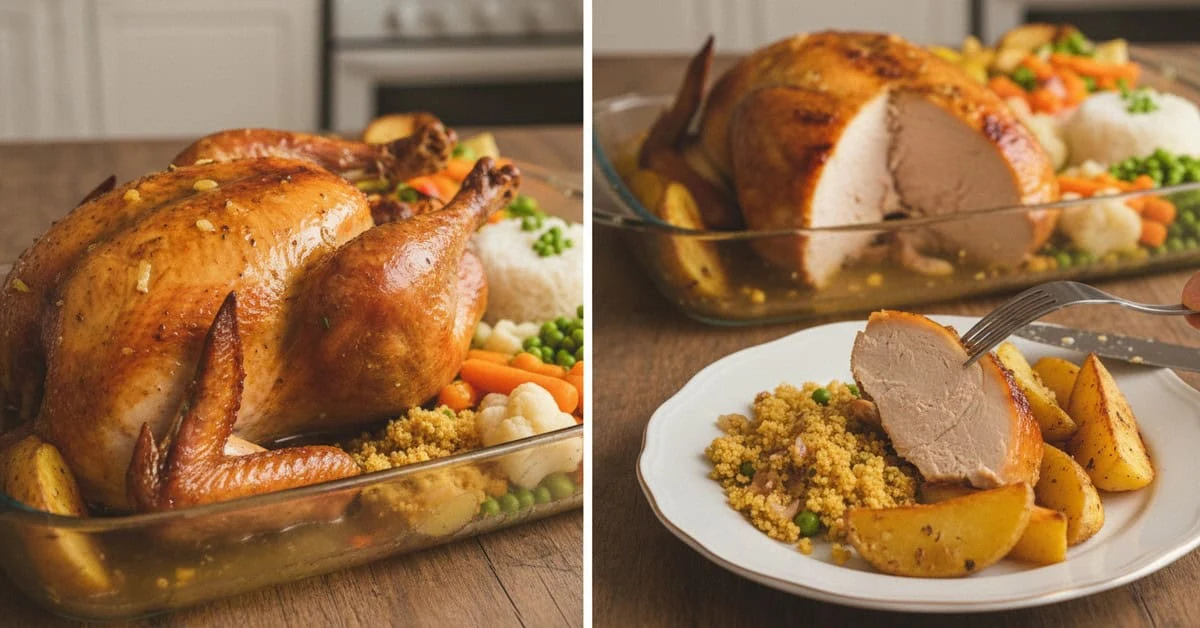
For a well-cooked Christmas turkey, plan thawing and fridge space, follow the bird’s cooking instructions and check doneness with a clean food thermometer. Seasoning adds flavour, but safe cooking and avoiding overcooking matter more than repeated basting.
Wondering how to prepare a Christmas turkey without making the day more stressful? Begin with a realistic plan for the bird, oven and side dishes. These practical tips are general guidance, not a complete measured recipe or advice attributed to unnamed chefs.
Choosing a Christmas turkey
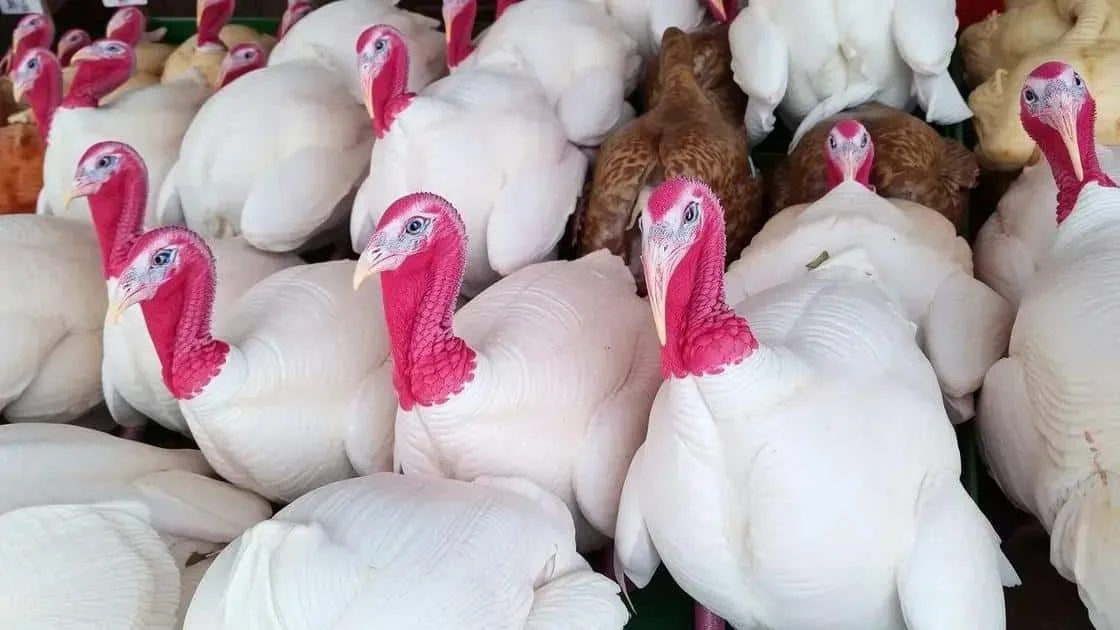
Choose a Christmas turkey that suits your guest numbers, budget, oven and fridge. Fresh and frozen birds can both work well. Check the use-by date, storage instructions and retailer’s portion guide rather than assuming one weight is right for every gathering.
Compare labels and production standards that matter to you, such as a clearly identified organic or welfare certification. Vague claims that a bird is more natural do not guarantee better flavour, and you need not buy the most expensive option to make a good meal.
Whole bird or turkey crown?
A whole turkey offers white and dark meat, while a turkey crown may suit a smaller group or oven. Cooking times differ, so follow the instructions for the specific product you buy.
Check whether the turkey is pre-seasoned or brined before adding salt or a marinade. Plan ahead if frozen: follow the label’s thawing instructions, use the fridge rather than the worktop and allow enough time for the centre to thaw fully.
Marinades and flavour ideas
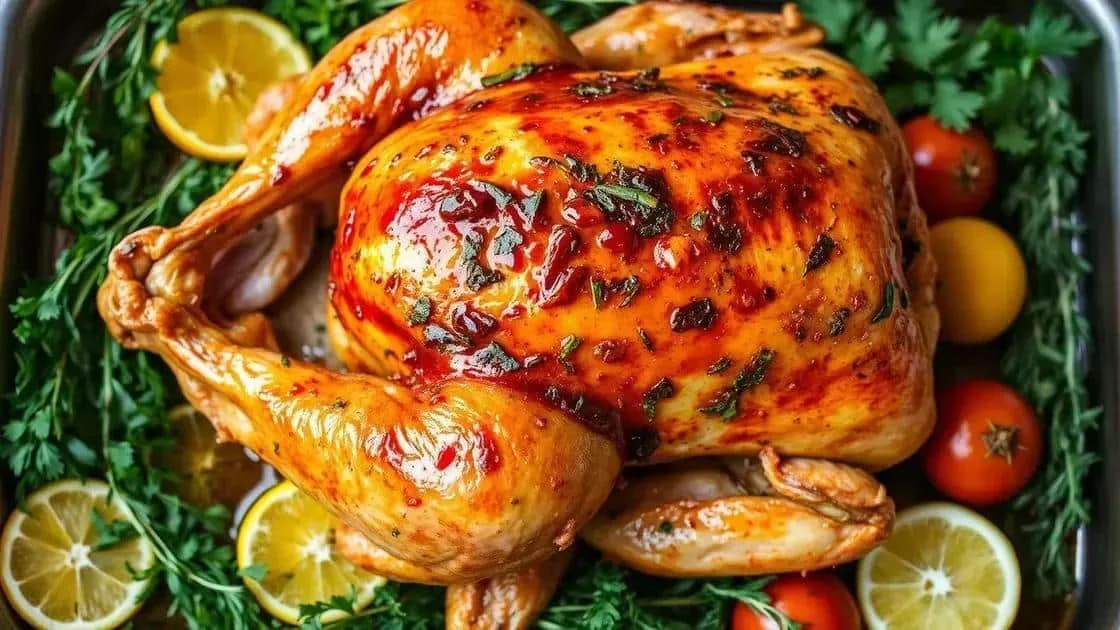
Marinades can add flavour to the surface of turkey. They do not disinfect raw meat or guarantee a juicy roast. Use a tested recipe and keep the bird refrigerated throughout marinating.
Garlic, lemon and herbs offer a familiar combination. A tested mixture might include lemon juice or zest, olive oil, rosemary and thyme. Follow its quantities and timing rather than assuming a very long acidic marinade will always improve the result.
Orange and honey
Orange and honey can provide a sweet, citrus flavour with garlic or a little balsamic vinegar. Sugary mixtures can darken quickly, so follow a tested roasting method and cover as directed if the skin colours too much.
Yoghurt and spices
A tested yoghurt marinade with ginger and spices offers a different flavour. Check dairy allergies and the strength of the seasoning, and avoid claiming the marinade will tenderise the entire bird evenly.
Keep marinating turkey covered on the bottom shelf of the fridge, away from ready-to-eat food. Do not use marinade that has touched raw poultry as an uncooked sauce; discard it or follow a recipe that thoroughly cooks it separately.
Seasoning your turkey
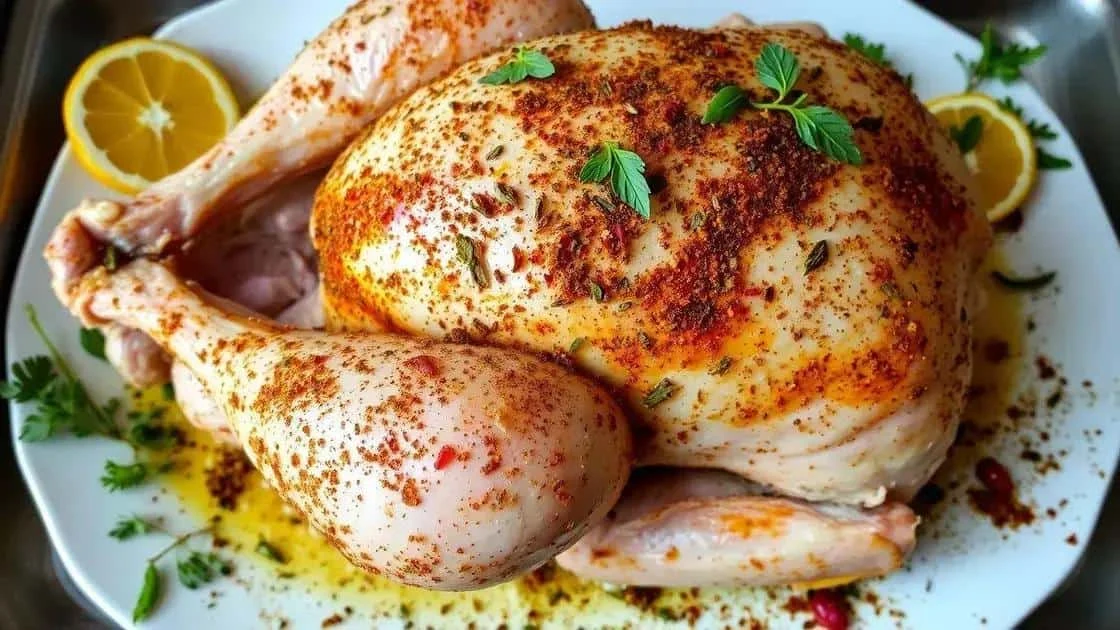
A flavoursome turkey starts with seasoning that suits the product and your guests. Measure ingredients using a reliable recipe rather than adding large amounts by guesswork.
Use salt with care, especially if the turkey is already seasoned or brined. A recipe may include seasoning beneath the skin, but avoid unnecessary handling and wash hands and surfaces afterwards.
Freshly ground black pepper adds aroma. Adjust the amount to taste and combine it with a small selection of herbs rather than feeling obliged to use every festive seasoning.
Fresh and dried herbs
Herbs such as rosemary, thyme and sage work well with turkey. Dried herbs are more concentrated by volume, so follow the recipe’s substitution guidance instead of using the same quantity automatically.
Adding citrus flavour
Citrus notes from lemon or orange zest can brighten the seasoning. Avoid packing the cavity with ingredients: cook stuffing separately, and follow a tested method for any aromatics so they do not interfere with even cooking.
Marinating is optional. If you choose it, plan the timing around the bird’s storage and use-by instructions, and keep the turkey chilled rather than leaving it out to absorb flavours.
Roasting turkey without overcooking it
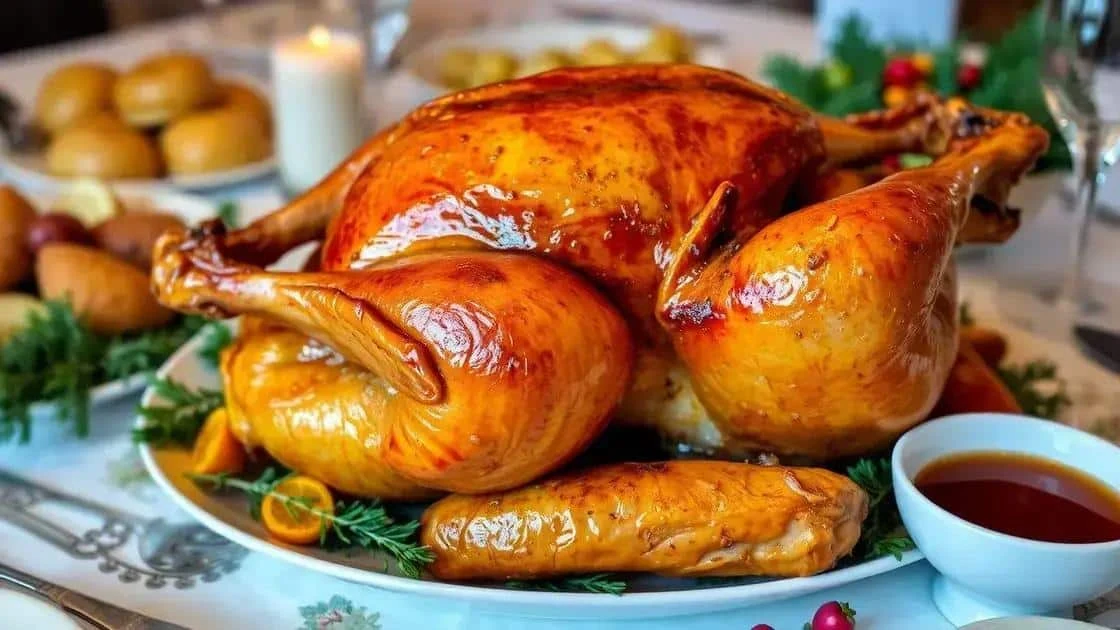
A well-roasted turkey depends on the size of the bird, the oven and its starting condition. Timings are a guide; checking that the meat is safely cooked is essential.
Follow the packaging or a reliable recipe for the oven setting. General guidance commonly uses 180°C conventional, or 160°C fan, but product instructions take priority. Use a suitable roasting tin and do not wash raw turkey before cooking.
Using a food thermometer
A clean food thermometer helps check the thickest meat without touching bone. One recognised safe combination is 75°C for 30 seconds, or 70°C for two minutes. Check more than one thick area where appropriate and clean the probe between uses.
Liquid and basting
Some recipes add a little water or stock to the roasting tin to help prevent the drippings from scorching. This does not guarantee moist meat. Repeatedly opening the oven can affect cooking, so baste only as directed and focus on checking doneness without unnecessary delay.
Resting and storing
Rest the safely cooked turkey as directed by your recipe, often around 20–30 minutes, before carving. After serving, divide leftovers into small portions, cool promptly and refrigerate within one to two hours. Use refrigerated leftovers within 48 hours or freeze suitable portions; reheat only once until steaming hot throughout.
Careful planning and a reliable method are more useful than promises of an infallible roast. Keep raw poultry separate from ready-to-eat food and clean hands, utensils and surfaces after handling it.
Side dishes for Christmas turkey
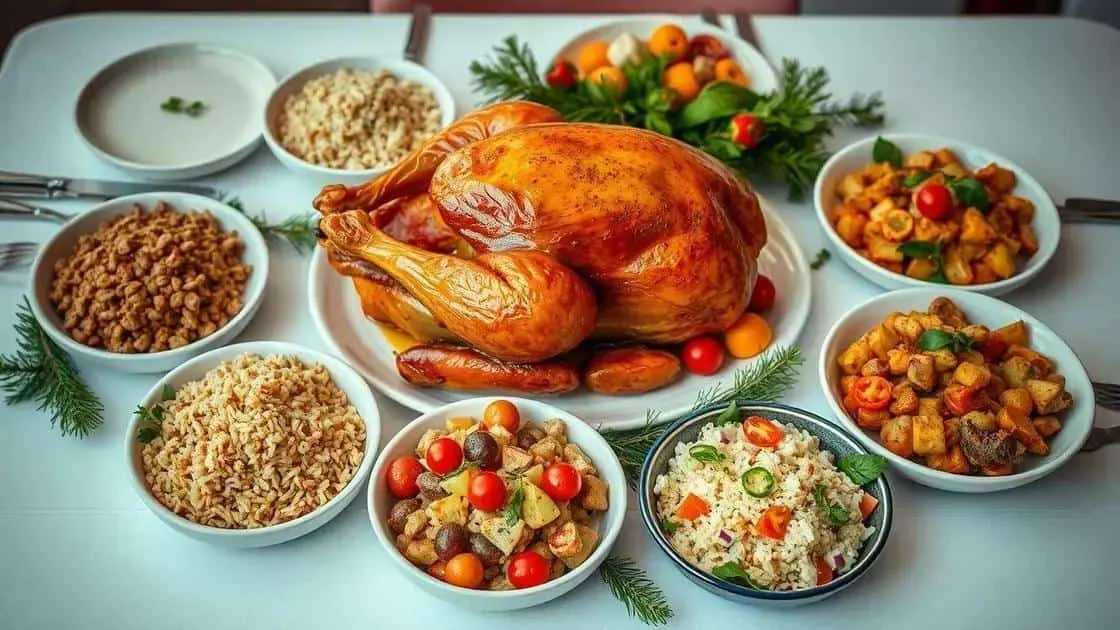
Choose side dishes that suit the meal and the oven space available. These British and Brazilian-inspired ideas offer different ways to accompany Christmas turkey.
Brazilian arroz à grega typically combines rice with vegetables and sometimes raisins; despite its name, it is a Brazilian-style dish. Farofa is a toasted cassava-flour accompaniment that can include onion, olives or bacon. Choose a meat-free version if needed.
Roast vegetables
Roast vegetables such as potatoes, carrots and parsnips are familiar UK options. Courgettes offer another choice. Plan tray space and timing so the vegetables do not prevent the turkey from cooking properly.
A festive salad
A festive salad with leaves, apple and optional feta or walnuts adds a contrasting texture. Check dairy and nut allergies, wash produce and keep ready-to-eat ingredients away from raw poultry preparation.
Cranberry sauce
Cranberry sauce adds a sweet-sharp flavour. Use a tested recipe for the balance of cranberries, sugar and liquid, and follow its storage advice. A shop-bought version can also save time.
Choose a manageable number of sides and check dietary needs before shopping. A coordinated meal is easier to serve than an overfilled menu competing for the same oven space.
Planning a Christmas turkey meal
Preparing a Christmas turkey means planning storage, thawing, seasoning and cooking together. Product instructions and a clean food thermometer help you make decisions based on the actual bird rather than a fixed promise of perfect results.
Prepare suitable side dishes ahead where possible, keeping chilled food cold and ready-to-eat food separate from raw poultry. Leave enough time to cook the turkey fully without rushing.
A realistic menu and clear plan can make Christmas cooking more manageable. The aim is a safely prepared meal people can enjoy, rather than an elaborate performance.
Frequently asked questions about Christmas turkey
How should I choose a Christmas turkey?
Use the retailer’s portion guide and consider your budget, oven and fridge space. Fresh and frozen options can both work; check storage, thawing and cooking instructions before buying.
How can I season Christmas turkey?
Use a tested mixture of herbs, pepper and optional citrus. Check whether the bird is already brined or seasoned before adding salt, and follow the recipe’s quantities.
How long should I marinate turkey?
Follow a tested recipe and the product’s storage limits. Marinating is optional, must take place in the fridge and does not replace thorough cooking or safe handling.
What temperature should I use for roasting?
Follow the packaging for your bird and oven type. A common general setting is 180°C conventional or 160°C fan, but check doneness with a clean thermometer: for example, 75°C for 30 seconds in the thickest meat.
Which side dishes work with turkey?
Roast potatoes and vegetables, cranberry sauce and a suitable salad are options. Brazilian-style rice and farofa offer alternatives; check ingredients for allergies and dietary requirements.
How can I avoid dry turkey?
Use a reliable method, monitor doneness and rest the bird as directed. Marinades, liquid in the tin and basting may affect flavour or surface appearance, but do not guarantee juicy meat or replace temperature checks.