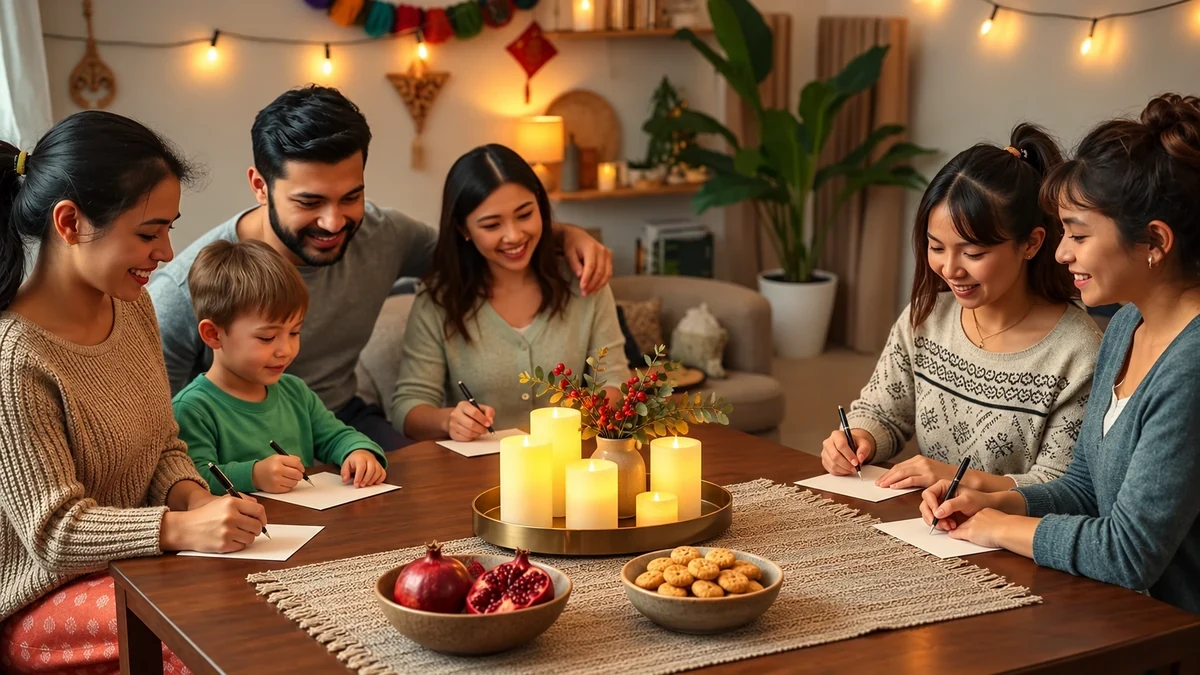
New Year traditions around the world use food, colour and shared gestures to express hopes for the coming year. Twelve grapes, lentils, round fruit and Japanese noodles have different cultural meanings. These are traditions and beliefs, not guarantees of health or prosperity, and family adaptations should be respectful and safe.
New Year traditions around the world offer plenty to discover, whether you enjoy learning about festive food or want a small activity for your own gathering. Here are customs, their symbolic meanings and practical ways to take inspiration without losing their context.
Illustrations in this article are conceptual images, not documentary photographs or evidence of a particular historical event, destination, venue or access route.
New Year customs: rituals, folklore and good wishes
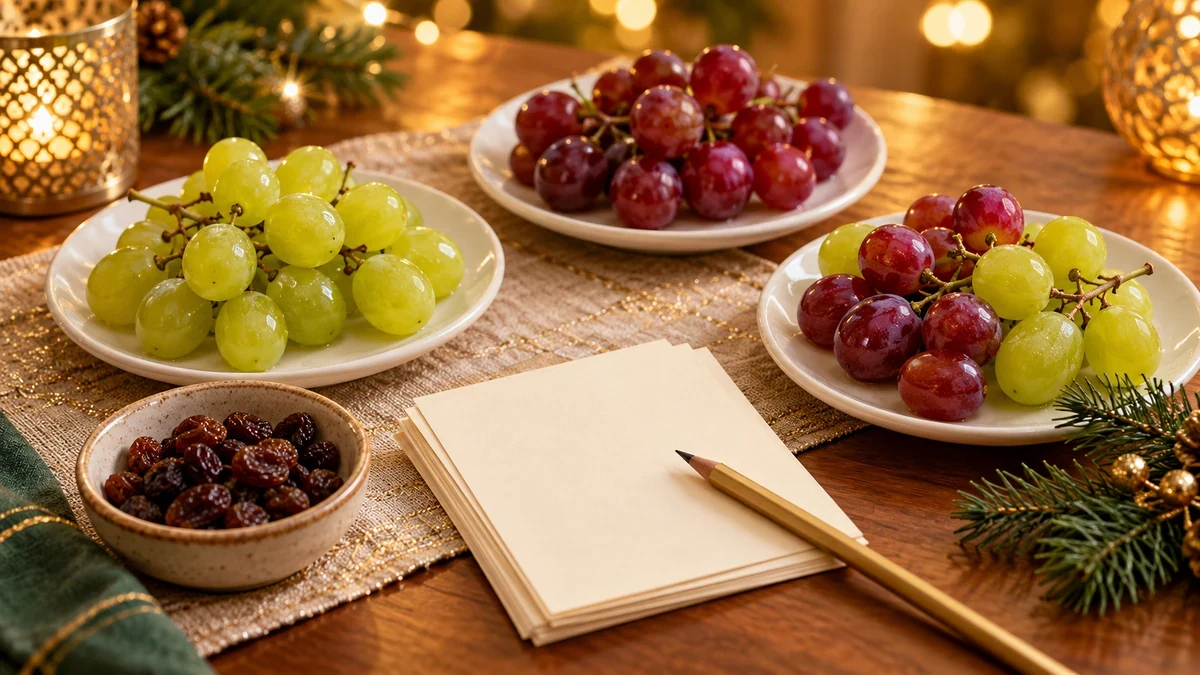
Many New Year customs express hopes for luck, wellbeing and prosperity. Their meanings vary between families and communities, and taking part does not promise a particular outcome in the year ahead.
Familiar customs from different countries
- Twelve grapes in Spain: the custom associates a grape with each midnight chime and each coming month. Luck is part of the folklore; do not turn eating into a race, especially with children. Source: Spain tourism: New Year traditions
- Lentils in Italy and parts of Latin America: lentils are associated with abundance and prosperity. In Italy they often accompany a festive meal, with household customs differing over when they are served. Source: Italia tourism: New Year traditions
- White clothing and seven waves in Brazil: white is associated with peace, while seaside customs have important Afro-Brazilian religious roots. Recognise that heritage rather than treating them simply as party tricks. Source: Visit Brasil: New Year in Brazil
- Temple bells in Japan: Joya no Kane involves 108 bell strikes, associated in Buddhist tradition with releasing worldly desires. Timings and visitor arrangements depend on the temple. Source: Japan National Tourism Organization: New Year customs
- Jumping into the year in Denmark: VisitDenmark describes the midnight custom of jumping from a chair or sofa. A step forward on level ground is a more accessible household adaptation; avoid climbing onto furniture. Source: VisitDenmark: New Year traditions
- First-footing in Scotland: visiting friends or neighbours after midnight with a small gift is a Hogmanay tradition associated with good fortune. Arrange visits with your hosts rather than arriving uninvited. Source: VisitScotland: Hogmanay
- Round fruit in the Philippines: a display of round fruit expresses hopes of prosperity. A familiar version uses twelve fruits to represent the months, although family arrangements vary. Source: Philippine News Agency: round fruit for New Year
- Pomegranates in Greece: the many seeds are associated with abundance and good luck, including the New Year custom of breaking a fruit at the doorway. At home, displaying a whole fruit avoids mess, waste and a slippery entrance. Source: Visit Greece: pomegranate traditions
Simple ways to take inspiration
Choose one or two ideas that your household finds meaningful. Explain where they come from and make clear when your version is an adaptation rather than the original custom.
- Serve a small bowl of cooked lentils as part of the meal and discuss their symbolic association with abundance.
- Explain the twelve-grape tradition, then enjoy fruit at an unhurried pace. Children can count paper circles instead of eating to the clock.
- Arrange round fruit or a pomegranate as a centrepiece, planning to eat the fruit afterwards.
- If celebrating by the coast, share a moment of gratitude from a safe, dry viewpoint. Do not enter the water at night or after drinking alcohol to complete a ritual. Source: RNLI: alcohol and water safety
- Put written wishes into a shared box instead of breaking crockery or throwing objects outside.
Respect and practical care
Learn about a custom before borrowing it, especially when it belongs to a living religious tradition. Ask the relevant community about participation where appropriate. Do not smash real or disposable crockery: a written wish or paper drawing can express an intention without sharp fragments.
A manageable starting point
- Choose a gesture that represents a hope for the year ahead, without presenting it as a way to control what happens.
- Pair it with a short conversation about intentions or something you appreciated in the past year.
- Keep a note or photograph if everyone involved agrees, so the occasion becomes part of your own family story.
New Year food and drink
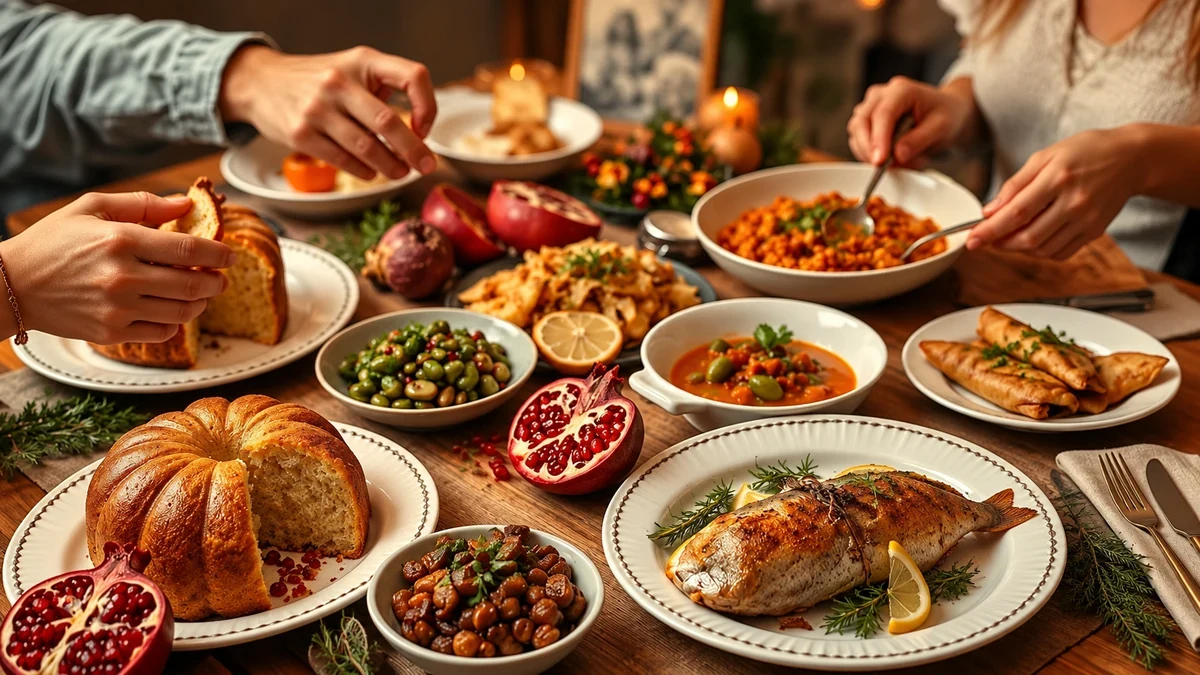
Festive foods carry different meanings in different cultures. Their symbolism expresses hopes rather than causing luck or protecting health, and a dish can be enjoyed simply because people like it.
Foods associated with the occasion
- Twelve grapes in Spain and elsewhere: the grapes symbolise good wishes for the coming months. Serve them as food to enjoy, without a speed-eating challenge.
- Lentils in Italy and parts of Latin America: cooked lentils are linked with prosperity. They can be served in a stew or as a side dish; a different preparation is your own adaptation.
- Black-eyed peas in the southern United States: dishes such as Hoppin’ John belong to the region’s New Year food traditions, with peas associated with good fortune. Source: South Carolina ETV: holiday food traditions
- Soba and mochi in Japan: toshikoshi soba is eaten around the year’s end and associated with longevity. Mochi also appears in New Year food, including ozoni soup. Sticky rice cakes are not a suitable default choice for a children’s eating game or someone with swallowing difficulties.
- Whole fish in some traditions: fish can symbolise abundance, notably in Chinese Lunar New Year celebrations. That festival follows a different calendar from 1 January; avoid presenting all New Year customs as happening on the same date.
- Pomegranates and round fruit: these are associated with abundance in Greek and Filipino customs respectively, although they are distinct traditions rather than interchangeable rules.
- Wine and sparkling drinks: a toast can mark the occasion, but alcohol is optional. Offer clearly labelled alcohol-free drinks and ordinary water so guests can choose comfortably.
Bringing the flavours to your table
- Choose a meaning to discuss: lentils, fruit or noodles can introduce a conversation about abundance, the coming months or longevity without promising those results.
- Adapt transparently: a vegetarian dish or smaller tasting portion may suit your guests; describe changes instead of claiming that every variation is traditional.
- Explain the background: a brief introduction to a dish gives people context and invites questions without turning dinner into a lecture.
- Check individual needs: ask about allergies and dietary requirements, including any pregnancy-related food advice guests follow. Provide age-appropriate food and alcohol-free drinks.
Practical table ideas
- Put cooked lentils in a serving bowl rather than leaving dried pulses where young children can reach them.
- Use twelve paper circles to explain the grape custom. Serve actual fruit separately, prepared appropriately for each guest.
- Arrange round fruit in a shallow bowl as a centrepiece and save it for later meals rather than wasting it.
- Offer a small bowl of soba if it suits the menu, explaining the custom and checking ingredients: soba may contain wheat as well as buckwheat.
- Include an alcohol-free sparkling drink alongside any wine, using clear labels and cups suitable for the guests.
Colours, clothing and symbols of good wishes

Colours can express personal intentions such as peace, love or a fresh start. Their meanings are not universal, and choosing an outfit does not change your health, finances or future.
Common symbolic associations
- White: often associated with peace and renewal in Brazilian New Year celebrations.
- Yellow or gold: commonly used to represent hopes for prosperity in popular colour symbolism.
- Red: may express love, energy or good fortune, depending on the tradition and the wearer’s interpretation.
- Green: can represent hopes for growth or wellbeing; it is a symbol, not a health intervention.
- Blue: can suggest calm or clarity as a personal choice rather than an effect produced by the colour.
Clothing and personal customs
- An all-white outfit: reflects a familiar Brazilian New Year custom. A coloured accessory can add a personal meaning if you wish.
- Coloured underwear: some people choose a colour to represent a private wish. The associations vary; nobody needs to take part or discuss their choice.
- Something new: a new item may symbolise a fresh start, but wearing something you already enjoy is equally suitable.
- A meaningful accessory: a ribbon or familiar piece of jewellery can represent a memory or intention without requiring a special purchase.
Symbols and keepsakes
- A decorative horseshoe: is a familiar good-luck symbol. Beliefs about which way it should face vary; a drawing is enough for a family activity.
- A four-leaf clover: can be drawn on a card or used as a motif for a personal good wish.
- A coin or lentil symbol: can represent prosperity. Use a large drawing around young children rather than loose coins or dried pulses.
- White or gold light: can provide a focus for reflection. An adult-controlled flameless light avoids an open flame beside clothes and decorations.
Making a choice that feels right
- Comfort, accessibility and freedom to opt out matter more than following a list of supposed rules.
- Adapt respectfully: learn about religious meanings and avoid presenting a sacred practice as a generic party activity.
- Combine a personal symbol with a short intention, such as keeping a written note in a pocket.
- One or two details are enough. There is no need to buy a collection of charms or wear a colour you dislike.
Outfit ideas inspired by colour
- Idea one: a white outfit with a yellow scarf or bracelet to express wishes for peace and prosperity.
- Idea two: a red shirt or dress with a green detail, using colours that you associate with energy and growth.
- Idea three: a favourite blue item and a written intention, without needing a new outfit or a coin in your pocket.
- A simple detail: a small clover motif on a card or accessory for someone who enjoys understated symbolism.
Before the celebrations begin
- Set out your clothes and any keepsake beforehand so there is less to organise during the gathering.
- Explain a symbol only if you want to; guests may give the same colour a different meaning.
- If adults use real candles, place them in stable, heat-resistant holders away from anything flammable. Never leave them unattended, and extinguish them before leaving the room or going to bed. Source: London Fire Brigade: candle safety
- Write down an intention you might revisit later in the year, rather than treating the object itself as a source of good fortune.
Renewal rituals: water, light and reflection
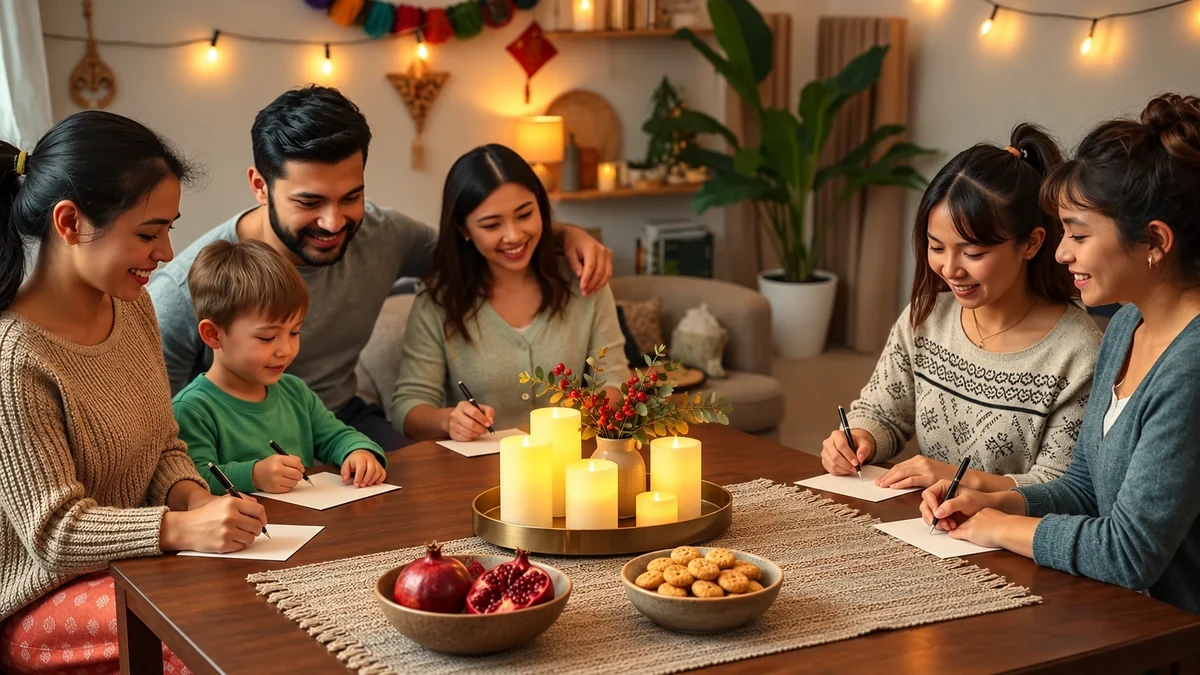
Water, light, prayer and quiet reflection appear in different traditions as ways to mark a new beginning. The meanings belong to those traditions; these practices are not proven methods of cleansing a home or body of harmful forces.
Customs and symbolic meanings
- Herbal cleansing customs: some traditions use plants in ritual washing. This is not a recommendation to make or apply herbal mixtures at home; a simple reflection needs no added substance.
- Water: can symbolise renewal. A normal wash with plain water is a household adaptation; entering a river or the sea is a separate activity with real safety considerations.
- Letting-go ceremonies: some involve burning written notes. For a home gathering, tear up or recycle a note instead of setting paper alight.
- Candles and light: light may represent hope or clarity. A flameless light can serve the same purpose in a family reflection without claims of supernatural protection.
- Incense and smoke: have specific uses in some religious practices. Avoid presenting smoke as a way to purify household air, and do not copy sacred ceremonies out of context. A smoke-free alternative is more suitable for a general family activity.
- Prayer, songs and bells: may accompany a personal or communal observance. Choose something consistent with your beliefs and allow others to remain quiet or opt out.
A simpler, smoke-free home activity
- Choose a comfortable space: keep exits and walking routes clear, and avoid strong fragrances, smoke and open flames.
- Set out an ordinary box: use it to collect notes. No fireproof vessel, burning paper or improvised fire setup is needed.
- Write what you want to leave behind: read it privately if you prefer, then keep, tear up or recycle the note.
- Use light thoughtfully: an adult can operate a flameless decoration. Keep lights with accessible batteries away from children, and do not hand decorative electrical items out as toys.
- Keep washing simple: if water forms part of your personal reflection, use an ordinary handwash rather than boiling herbs or applying homemade infusions.
- Pause and set an intention: sit comfortably, breathe normally and think about one manageable step you would like to take in the coming year.
Respectful adaptations
Before adopting a practice from another culture, learn about its origins. If it is sacred or community-specific, listen to people from that tradition. A clearly described personal reflection is preferable to claiming authority over a ceremony you do not know.
What you need for the simple activity
- An ordinary box or envelope for collecting written wishes, without burning them.
- An optional flameless light controlled by an adult and kept away from children if its battery compartment is accessible.
- Access to ordinary handwashing if desired; no herbs, essential oils or fragranced sprays are required.
- A clear table and comfortable seat so everyone can participate without handling flames or sharp objects.
- Paper and a pen for recording a hope or something you want to change.
Fitting the activity into the evening
- Explain that it is a personal family activity, drawing on the broad idea of a fresh start rather than reproducing a sacred ritual.
- Keep it brief and optional so people can enjoy the rest of the gathering.
- Revisit a note during the year if it helps you remember a practical goal. Photograph people only with their agreement.
Adapting traditions for your own New Year meal
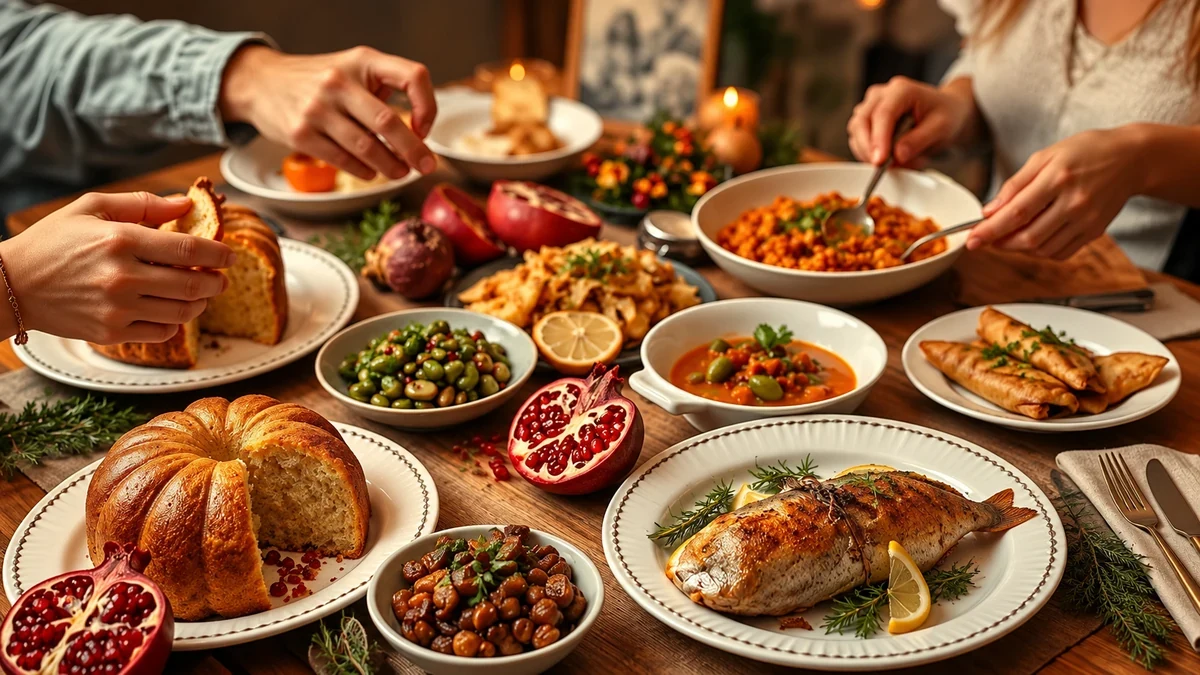
Learning about another culture’s customs can enrich a gathering when approached with respect. Pay attention to meaning and context, and be honest about changes made for your own household.
Principles for thoughtful adaptations
- Read about the background: find out whether a custom is religious, regional or mainly associated with family celebrations.
- Ask when participation is uncertain: consult the organiser or people from the relevant community before joining a particular ceremony.
- Explain changes: a safer household activity can express a similar hope without being presented as an exact version of the original.
- Avoid turning sacred items into props: choose a personal symbol or a secular conversation if you do not know the meaning of an object or practice.
- Consider everyone taking part: adjust for mobility, sensory preferences, allergies, age and dietary requirements, and avoid activities involving fire or rushed eating.
Practical examples
- Twelve grapes: use twelve paper circles for the countdown and serve fruit separately. Raisins or blueberries are not automatically safe substitutes for someone with chewing or swallowing difficulties.
- Lentils: offer a cooked side dish. If you use chickpeas or beans instead, explain that this is your own variation and check suitability for your guests.
- Japanese soba: serve noodles according to a suitable recipe and explain their association with the year’s end. Ordinary pasta can be a household substitute, but it is not the same dish.
- A smoke-free reflection: use a written wish or quiet song rather than incense, burning herbs or spraying scented water around the room.
- Symbolic clothing: choose colours meaningful to you without using unfamiliar religious dress as a costume.
Including family and guests
- Give a short explanation of the custom and where your version differs.
- Let people choose whether to join in, watch or do something else.
- For children, use drawing, counting or storytelling rather than food challenges or flames.
- Keep notes or photographs with permission, without pressuring anyone to share a private wish.
Food and practical arrangements
- Use a flameless setup for the shared activity and keep ordinary decorations away from cooking appliances and heaters.
- Label ingredients and discuss allergies directly with guests. Do not assume that a gluten-free, dairy-free or alcohol-free label meets everyone’s needs.
- Keep activities short enough that people can return to conversation, food or rest when they wish.
Small details that help
- Add a short written or spoken explanation of a tradition’s origin.
- Pair a dish with a conversation about hopes for the year, without requiring anyone to disclose personal plans.
- Provide clear instructions and help with drawing or writing if requested, keeping participation accessible and voluntary.
New Year activities for children and families
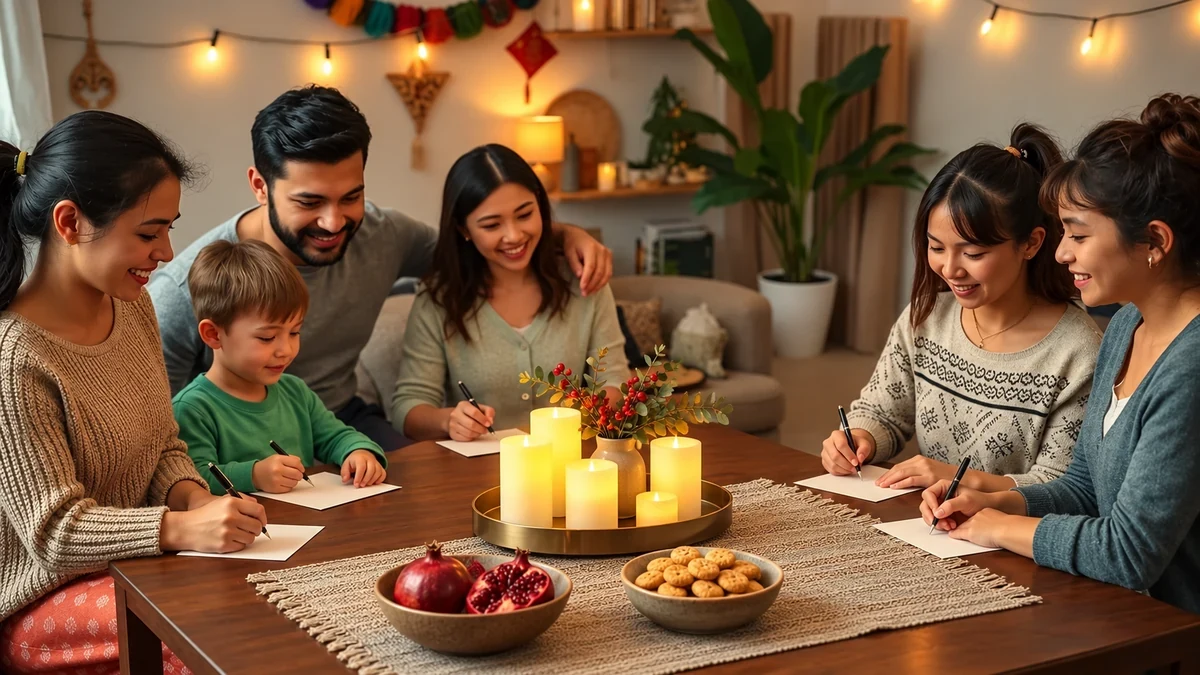
A brief, enjoyable activity is enough. Give children a choice of roles, consider what they can safely handle and avoid making midnight participation an obligation.
Simple activity ideas
- A twelve-part countdown: count large paper circles or clap twelve times. Keep eating separate from the countdown so children are not encouraged to swallow quickly.
- A wishes box: let children draw or write a hope on paper, then place it in a box to revisit on an agreed date.
- Reused-paper decorations: make simple paper chains or drawings with suitable glue and age-appropriate scissors under supervision.
- A light-themed activity: draw stars or let an adult switch on a secured flameless display. Button batteries must remain inaccessible; decorative lights are not children’s toys. Source: Child Accident Prevention Trust: button batteries
- A circle of good wishes: each child can hold a large drawing and share a kind thought from their seat. This avoids food, coins, small objects and unnecessary movement in a crowded room.
Food preparation with children
- A separate fruit snack: an adult should cut grapes lengthways into quarters for young children. Keep children seated and supervised while eating; seedless grapes still need preparation. Source: Kingswinford Medical Practice: preventing choking
- A shared savoury side: let older children help with simple tasks for a cooked lentil dish or a familiar chickpea recipe, adapting the texture for whoever will eat it.
- Alcohol-free drinks: serve a suitable fruit drink or water in stable cups. Adults should handle cutting fruit and check ingredients before children help arrange the table.
Roles children can choose
- Countdown helper: count aloud with an adult, using an earlier pretend countdown if midnight is too late.
- Table decorator: arrange drawings or paper place cards without climbing or handling electrical items.
- Wishes-box helper: collect notes and agree with an adult where the box will be kept.
Safety and inclusion
- Avoid whole grapes and other unsuitable small foods for young children. Choose preparation and texture according to their eating skills, not the symbolism of the food.
- Keep matches, lighters, flames and loose batteries away from children. Use drawn stars for a hands-on activity if there is any doubt about a light’s suitability.
- Check allergies and dietary needs with caregivers, and provide clearly identified alcohol-free drinks.
- Adjust activities to each child’s interests and abilities rather than expecting everyone of the same age to do the same task.
Keeping the evening manageable
- Plan a short session, perhaps 10–20 minutes for children who enjoy it, and stop earlier if they lose interest or need a break.
- Use a familiar song or spoken cue to introduce the countdown, keeping sound levels comfortable.
- Save a drawing or note as a memory; photographs are optional and should respect children’s wishes and caregivers’ consent.
- Offer a quiet place to rest and let children keep their usual bedtime where possible, without pressure to stay awake.
Celebrating with meaning
New Year traditions show how food, folklore and shared gestures can connect people. Learning their context, making sensible adaptations and giving everyone a choice matters more than completing a list of rituals.
Thank you for reading. Explore more ideas for a thoughtful festive season and share the traditions that matter to your family.
Visit I Love Christmas for more celebrations, recipes and family activities.
New Year traditions around the world: frequently asked questions
What do New Year rituals mean?
They express hopes such as peace, renewal or prosperity. Meanings vary between cultures and households; symbolic gestures do not guarantee a particular outcome.
How can I adapt another culture’s tradition respectfully?
Learn about its origins, listen to people from the community, avoid treating sacred practices as party props and explain how your household version differs. Make participation optional.
What is a simple renewal activity for home?
Write a hope or intention, share it if you wish and keep or recycle the note. A quiet song or adult-controlled flameless light can accompany it; burning paper, herbal infusions and smoke are unnecessary.
How can children join in more safely?
Use drawings, a wishes box or a paper-circle countdown. Keep food separate from timed activities, supervise eating and crafts, and keep flames, small objects and accessible batteries out of reach.
Which New Year foods have symbolic meanings?
Examples include Italian lentils associated with prosperity, Spain’s twelve grapes representing the coming months, Japanese year-end soba and round-fruit displays in the Philippines. These are distinct customs with local variations.
What do New Year colours mean?
White may represent peace, gold prosperity and red love or good fortune, but meanings depend on culture and personal interpretation. Wearing a colour does not determine what happens in the coming year.
Sources and Further Reading
- Spain tourism: New Year traditions
- Italia tourism: New Year traditions
- Visit Brasil: New Year in Brazil
- Japan National Tourism Organization: New Year customs
- VisitDenmark: New Year traditions
- VisitScotland: Hogmanay
- Philippine News Agency: round fruit for New Year
- Visit Greece: pomegranate traditions
- RNLI: alcohol and water safety
- South Carolina ETV: holiday food traditions
- London Fire Brigade: candle safety
- Child Accident Prevention Trust: button batteries
- Kingswinford Medical Practice: preventing choking