
These festive salt cod recipes offer three options for Christmas or New Year’s Eve: bacalhau à Gomes de Sá, bacalhau com natas and salt cod fritters. Find ingredients, preparation steps, variations and advice on shopping, serving and storing each dish.
Looking for festive salt cod recipes? These three Portuguese-style dishes, also popular at Brazilian celebrations, range from a layered cod and potato bake to crisp fritters for sharing.
Why serve salt cod at a festive dinner?

Salt cod, or bacalhau, brings a distinctive flavour and a sense of tradition to a meal with family and friends. It can be prepared in several different ways to suit your menu.
A traditional festive ingredient
Drying and salting fish made it easier to preserve and transport before modern refrigeration. Salt cod became established in Portuguese cooking and, through that influence, in Brazilian family celebrations, including Christmas and Easter meals.
Practical reasons to put it on the menu
- Planning ahead: unopened salted cod can be bought in advance, but storage conditions and shelf life vary. Follow its packaging; once soaked, treat it as fresh fish rather than a preserved product.
- Versatility: use it in layered bakes, creamy gratins or fried snacks.
- Serving a group: potatoes and other accompaniments help turn the fish into a sharing dish. Compare prices and edible yields rather than assuming salt cod is always inexpensive.
- Presentation: a layered Gomes de Sá bake or golden cream gratin makes an attractive centrepiece.
- Preparation in stages: soaking and some cooking can be done ahead, provided the fish and prepared components are kept safely chilled.
- A source of protein: cod goes well with vegetables and potatoes; the salt, oil and cream in the finished dish depend on how it is prepared.
For a festive menu, bacalhau offers a choice of textures and serving styles. Allow time for soaking, check for bones and choose the recipe that best fits your kitchen and guest numbers.
Essential ingredients and shopping tips
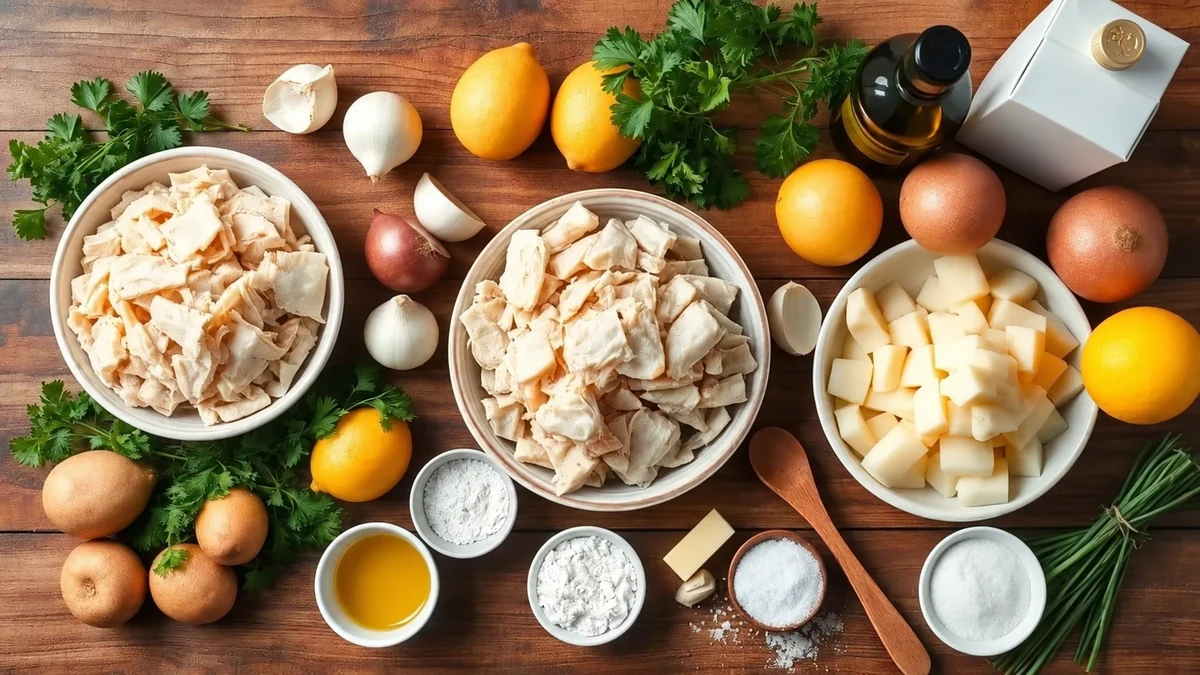
The lists below are for three separate recipes. If making all three, you need 1.7 kg of desalted, drained edible cod in total: 600 g for each bake and 500 g for the fritters. Do not count the same portion of fish twice.
Ingredients for bacalhau à Gomes de Sá
- 600 g desalted, drained cod, ready to cook and flake – for salted fish, follow the supplier’s soaking instructions; 24–48 hours in cold water in the fridge is common, with regular water changes.
- 1 kg potatoes – choose a waxy or all-round variety that holds its shape when boiled and sliced.
- 3 medium onions – thinly sliced.
- 3–4 garlic cloves – chopped or crushed.
- 150 ml extra virgin olive oil – choose a flavour you enjoy; divide between cooking and assembling the dish.
- 100 g pitted black olives – halved.
- 3 hard-boiled eggs – for the topping.
- Fresh parsley, to taste – chopped, to finish.
- 2 bay leaves, salt and black pepper – remove the leaves before serving and check the cooked fish before adding salt.
Ingredients for bacalhau com natas
- 600 g desalted, drained cod, ready to cook and flake – a separate portion from the fish used in the Gomes de Sá recipe.
- 800 g potatoes – diced, cooked and then fried or roasted if desired. Prepared frozen potatoes are another option; follow their cooking instructions.
- 1 large onion – thinly sliced into half-moons.
- 2 garlic cloves – chopped.
- 300 ml cream – single cream or Portuguese natas suitable for cooking, added to the white sauce below.
- 200 ml milk – for the sauce.
- 2 tbsp butter – reserve all of it for the sauce, not the onion pan.
- 2 tbsp plain flour – to thicken the sauce.
- 100 g grated cheese, optional – for a golden topping.
- Salt, pepper and a pinch of nutmeg – plus chopped parsley to finish and vegetable oil for the onions, potatoes and greasing the dish.
Ingredients for salt cod fritters
- 500 g desalted, drained cod, ready to cook and flake – cook it before mixing, remove the bones and drain thoroughly.
- 500 g cooked, mashed potato – use floury potatoes such as Maris Piper and let excess moisture steam away.
- 1 small onion – finely chopped.
- 2 garlic cloves – finely chopped or crushed.
- 1 egg – to help bind the mixture.
- About 3 tbsp plain flour – add gradually according to moisture. Cornflour changes the texture, so trial a small portion before substituting it; optional breadcrumbs are for coating.
- A handful of chopped parsley – for freshness.
- Salt and black pepper, to taste – check a fully cooked test fritter before adding salt.
- Vegetable oil – 1 tbsp for the onion, plus enough for frying, or a little for brushing if baking.
Buying and storing the ingredients
- Choosing salt cod: buy from a reputable fishmonger or supplier, check packaging and dates, and ask about the cut and required soaking time. Smell alone cannot establish safety.
- Choose olive oil and olives carefully: their flavours are noticeable in the finished dishes.
- Plan the quantity: allow roughly 150–200 g desalted, drained edible cod per adult for a main course, adjusting for sides and appetite. Each 600 g bake provides about three to four fish portions by that guide.
- Desalting: follow the product instructions. A common approach is 24–48 hours submerged in cold water in the fridge at 0–5°C, changing the water every 6–8 hours; thicker pieces may take longer. Do not soak at room temperature.
- Storage after soaking: treat the fish as fresh, keep covered at 0–5°C and cook promptly, ideally within 24 hours or sooner if the supplier requires it. Freeze suitable portions before their use-by time if you need longer.
- Practical substitutions: fresh cod or another firm white fish can replace salt cod, although the flavour and texture will differ. Fresh unsalted fish does not need desalting.
- Value and quality: compare local prices for potatoes and onions and buy quantities you can use while fresh.
Organising your shopping
- Group the list: separate cupboard ingredients, vegetables, dairy products and chilled or frozen fish to make shopping easier.
- Prepare ahead: start soaking in good time. Potatoes can be cooked the day before, cooled promptly and refrigerated rather than left on the worktop.
- Check your equipment: have ovenproof dishes, a suitable deep pan, a thermometer and a draining rack or kitchen paper ready.
Bacalhau à Gomes de Sá: ingredients, method and variations
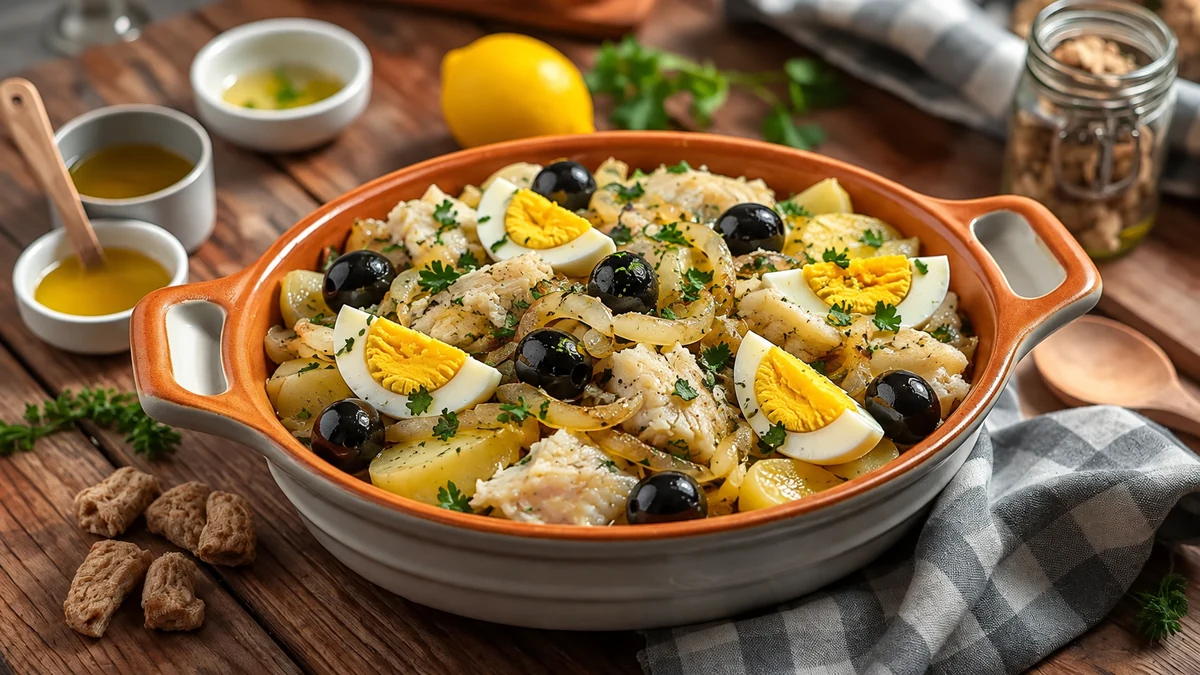
- 600 g desalted, drained cod, ready to cook and flake – if using salted fish, follow its soaking instructions, keeping it refrigerated throughout.
- 1 kg potatoes – boil in their skins, then slice; choose a variety that holds its shape.
- 3 medium onions – thinly sliced.
- 3–4 garlic cloves – chopped or crushed.
- 150 ml extra virgin olive oil – divided between the onion pan and the assembled dish.
- 100 g pitted black olives – halved.
- 3 hard-boiled eggs – sliced for the topping.
- Fresh parsley, to taste – finely chopped, to finish.
- 2 bay leaves – for cooking with the onions; remove before assembling.
- Salt and black pepper – season cautiously because the cod may still contain plenty of salt.
- Lemon slices, optional – to serve.
How to make bacalhau à Gomes de Sá
- Soak if necessary: desalt the fish in cold water in the fridge according to its packaging, commonly for 24–48 hours with water changes every 6–8 hours. Thick cuts may need longer.
- Cook the cod: drain, cover with fresh water and bring to a gentle simmer. Cook until opaque and flaking easily; 5–7 minutes may suit small pieces, but thicker ones need longer. Lift out, remove skin and bones, then flake. Reserve a little cooking water only if it is not too salty.
- Cook the potatoes: boil in their skins until a fork goes in easily, roughly 15–25 minutes depending on size. Drain, cool just enough to handle, peel and slice.
- Cook the eggs: boil for about 9–11 minutes until the yolks and whites are firm, then cool in cold water, peel and slice.
- Cook the onions and garlic: heat 75 ml of the oil in a large frying pan. Cook the onions with the bay leaves until softened and lightly golden, adding the garlic towards the end.
- Add the cod: stir the cooked flakes into the onions for 2–3 minutes. If dry, add a little reserved cooking water, or plain water if the cooking liquid is salty. Remove the bay leaves.
- Assemble: alternate layers of potato and the cod and onion mixture in an ovenproof dish, drizzling with some of the remaining 75 ml oil as you go.
- Finish: add any remaining measured oil, the egg slices and olives. If all the ingredients are still hot, 10–15 minutes in a preheated oven at 180–200°C, or 160–180°C fan, can bring the dish together. A chilled dish needs longer: heat until steaming throughout, not merely warm on top.
- Season and serve: scatter over parsley, add pepper and salt only if needed, and serve hot with lemon slices on the side.
Variations on bacalhau à Gomes de Sá
- Roasted pepper: layer in strips of roasted red pepper for colour and sweetness.
- Less oil: keep the potatoes boiled as in the main recipe and reduce the finishing oil to taste. This changes the richness without making a specific nutritional claim.
- White wine: add a small splash to the onion and cod mixture and let it simmer. Cooking does not guarantee removal of all alcohol; use a little water and lemon instead when avoiding it.
- Different herbs: replace some of the parsley with chives or fresh thyme.
Bacalhau com natas: ingredients, method and variations
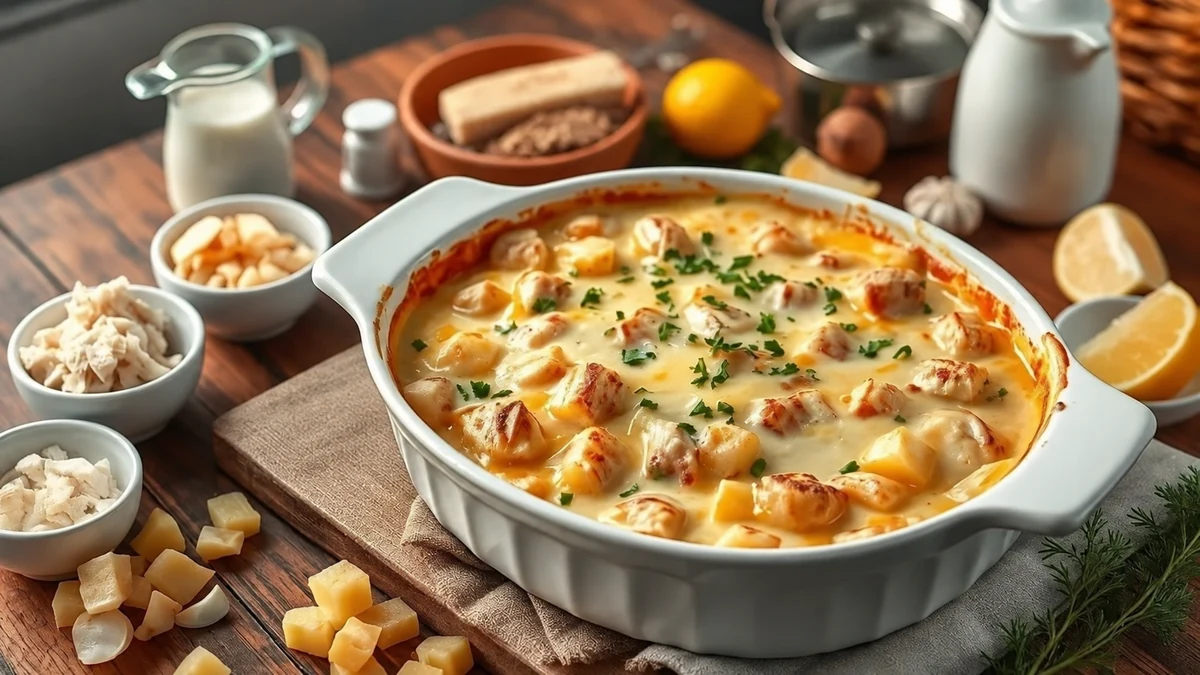
This bacalhau com natas combines cooked salt cod, potatoes and a creamy white sauce. The quantities and steps below keep the butter for the sauce and use oil for the onions.
Ingredients for bacalhau com natas
- 600 g desalted, drained cod, ready to cook and flake – follow the supplier’s chilled soaking instructions. Fresh cod or another firm white fish needs no desalting.
- 800 g potatoes – diced and cooked as below. If using prepared frozen potatoes, follow their packet directions rather than assuming they have the same cooking time or yield.
- 1 large onion – thinly sliced into half-moons.
- 2 garlic cloves – chopped.
- 300 ml cream – single cream or cooking natas. For a less rich version, use 200 ml cream plus an extra 100 ml milk, giving 300 ml milk in total with the amount below.
- 200 ml milk – for the sauce in the standard version.
- 2 tbsp butter – reserve for the white sauce.
- 2 tbsp plain flour – for thickening the sauce; an extra tablespoon will make it considerably thicker.
- 100 g grated cheese, optional – Parmesan or mozzarella for the topping.
- Salt and black pepper – check the cooked cod before adding salt.
- A pinch of nutmeg – for the sauce.
- Chopped parsley – to finish.
- Vegetable oil – a little for the onions and greasing the dish, plus enough to fry or lightly coat the potatoes for roasting.
How to make bacalhau com natas
- Prepare and cook the cod: desalt if needed, then drain and gently poach in fresh water until opaque and easily flaked. Remove the skin and all bones, flake into medium pieces and drain well.
- Cook and dry the potatoes: boil until just tender, drain and let excess moisture steam away. Peel and dice once cool enough to handle. For a firmer, golden surface, fry the pieces or lightly coat with oil and roast at 220°C, or 200°C fan, for about 15–20 minutes, adjusting for size.
- Cook the onion and garlic: heat a little of the vegetable oil in a large frying pan. Soften the onion over medium heat for about 6–8 minutes, then add the garlic for 1 minute. Keep both tablespoons of butter for the sauce.
- Add the fish: stir the cooked cod into the onions for 2–3 minutes. If needed, loosen with a small splash of water rather than adding an unmeasured quantity of milk.
- Make the sauce: in another pan, melt the 2 tbsp butter, add the 2 tbsp flour and stir for 1–2 minutes. Gradually whisk in the 200 ml milk, stirring until smooth and thickened, then add the 300 ml cream. Season with nutmeg, pepper and salt only if needed.
- Combine: gently fold the fish and onions, prepared potatoes and creamy sauce together.
- Bake: transfer to a lightly oiled ovenproof dish and add the optional cheese. Bake at 200°C, or 180°C fan. Already-hot ingredients may take 10–15 minutes to brown; a chilled assembly needs longer. Check it is steaming throughout, with the centre reaching 75°C for 30 seconds, rather than relying on a golden surface.
- Finish: add parsley and let the dish stand for about 5 minutes before serving so the sauce settles slightly.
Variations on bacalhau com natas
- A less rich version: roast rather than deep-fry the potatoes, replace some cream with milk as described above, and use less cheese. The sauce will have a different texture.
- Spinach: add 200 g cooked spinach, squeezing out excess liquid before layering it in.
- White wine: add 50–80 ml to the onion and fish pan and simmer to reduce. This is not an alcohol-free variation; omit it when needed.
- Individual portions: use ovenproof ramekins, checking the centre of each portion is heated through. Smaller dishes may brown sooner.
- Chilli and herbs: try a little chopped red chilli, thyme or chives for a different flavour.
Salt cod fritters: ingredients, method and variations

- 500 g desalted, drained cod, ready to cook and flake – poach before mixing, drain thoroughly and remove all bones. Fresh firm white fish is an alternative and does not need desalting.
- 500 g cooked, mashed potato – floury potatoes such as Maris Piper work well; the mash should be smooth and fairly dry.
- 1 small onion – finely chopped.
- 2 garlic cloves – finely chopped or crushed.
- 1 egg – to help bind the mixture.
- About 3 tbsp plain flour – add gradually according to moisture. Cornflour gives a different texture, so test a small batch before substituting it.
- Breadcrumbs, optional – for an extra crisp coating. Standard breadcrumbs contain gluten, as does plain wheat flour.
- A handful of fresh chopped parsley – for flavour.
- Black pepper, to taste – freshly ground if possible.
- Salt, to taste – add cautiously after tasting a fully cooked test fritter.
- Vegetable oil – 1 tbsp for the onion, plus enough for frying or a little for brushing oven-baked or air-fried fritters.
How to make salt cod fritters
- Prepare the cod: desalt in the fridge according to the packaging if necessary. Drain, gently poach in fresh water until opaque and easily flaked, then remove the skin and bones. Drain thoroughly and flake finely.
- Prepare the potatoes: boil in their skins until tender, drain and allow excess moisture to steam away. Peel when cool enough to handle and mash until smooth; weigh out 500 g cooked mash.
- Cook the onion and garlic: heat 1 tbsp oil, soften the onion and add the garlic for the final minute. Let the mixture cool enough to combine with the other ingredients.
- Mix: combine the cooked cod, mashed potato, onion and garlic, egg, parsley, pepper and flour in a large bowl. Add the flour gradually rather than automatically using extra.
- Check the texture: the mixture should hold its shape. If wet, add a little more flour, avoiding so much that the fritters become dry or heavy. Keep the mixture chilled while waiting to cook.
- Check the seasoning safely: shape and cook a small test fritter thoroughly before tasting it. The mixture contains raw egg, so do not taste it raw or judge doneness from a briefly browned surface.
- Shape: use two spoons or lightly dampened hands to form evenly sized small portions. Coat with the optional breadcrumbs if desired.
- Fry: heat the oil to 170–180°C and fry in small batches, keeping the pan safely below full. Small fritters may take around 2–4 minutes, but size and starting temperature matter. Cook until golden and hot throughout, with the centre reaching 75°C for 30 seconds, then drain on kitchen paper.
- Oven or air-fryer option: brush with oil and bake at 200°C, or 180°C fan, for roughly 15–20 minutes, turning halfway. Air-fry at 180°C for roughly 10–12 minutes. These are starting guides, not guarantees: adjust for size and appliance and check the centre reaches 75°C for 30 seconds.
- Serve: offer hot with optional lemon wedges, chilli sauce or herb mayonnaise on the side.
Variations
- Cheese-filled: enclose a small cube of mozzarella in the centre. Check the filled fritters are thoroughly heated, not just browned outside.
- Sweet potato: replace some or all of the potato with cooked, well-drained sweet potato. The moisture and sweetness will differ, so test the texture before shaping the whole batch.
- Herbs and spices: add chives, coriander or a pinch of smoked paprika for a different flavour.
- Cauliflower variation: a little cooked, very well-drained mashed cauliflower can replace some potato, but the extra moisture changes the binding. Trial a small batch rather than assuming a direct swap; ground almonds used in a coating introduce a nut allergen.
- Mini fritters: shape smaller portions for finger food and adjust the cooking time, still checking they are fully cooked inside.
Serving, side dishes and storage for New Year’s Eve

A clear serving area and straightforward side dishes make a festive dinner easier to manage. Plan how to keep food at the right temperature as well as how the table will look.
Setting up the table
- Create a serving area: use a separate table or counter for hot dishes and fritters, with space to replace small platters as needed.
- Choose practical serving dishes: use ovenproof dishes for hot food, suitable platters for snacks and bowls for salads, with enough serving utensils.
- Arrange the flow: put plates, cutlery and napkins at the start, followed by the main dishes and sides in a convenient order.
- Temperature and lighting: keep candles safely away from guests and decorations. A trivet protects the table but does not keep food safely hot; serve small batches promptly or use proper hot-holding equipment according to its instructions.
- Useful decoration: washed herbs and lemon wedges can add colour and be served with the food. Keep decorative greenery separate from edible ingredients.
Side dishes to try
- Plain or herbed rice: fluffy white rice or rice with herbs complements the cod without overwhelming it.
- Fresh salads: mixed leaves, cherry tomatoes and thinly sliced red onion add freshness and contrast.
- Roasted or grilled vegetables: carrots, courgettes and peppers provide different textures alongside the fish.
- Bread and toast: serve bread to scoop up the creamy sauce or olive oil dressing.
- Cold accompaniments: herb mayonnaise, a simple vinaigrette and olives can be served in small bowls. Keep perishable dips chilled until serving.
Drinks and desserts
- Drinks: white or sparkling wine can accompany the fish for adults who choose to drink. Offer sparkling water and clearly alcohol-free alternatives too.
- Easy access: put drinking water and glasses within reach so guests need not keep visiting the kitchen.
- Make-ahead desserts: Brazilian rabanada, baked fruit or a caramel pudding can follow the savoury dishes. Refrigerate desserts that require it until serving.
Storing leftovers after the meal
- Cool promptly: divide cooked leftovers into shallow portions and refrigerate within 1–2 hours; do not leave a large dish out overnight. Cool cooked rice particularly quickly, ideally within 1 hour.
- Portion before storing: use covered food containers so you can reheat only what you intend to eat.
- Storage time: keep at 0–5°C and eat cooked leftovers within 48 hours, or sooner if an ingredient’s instructions require it. Refrigerated cooked rice should be used within 24 hours. Freeze suitable portions promptly; aim to use these dishes within 2 months for quality, noting that cream sauce may separate.
- Reheat thoroughly: cover sauced dishes and heat in an oven at 160–180°C, or 140–160°C fan, until steaming throughout. Time depends on depth and starting temperature; 10–20 minutes is not a reliable limit. Fritters can be reheated in an oven or air fryer. Reheat only once, checking the centre reaches 75°C for 30 seconds.
- Thaw safely: label containers with contents and dates, thaw in the fridge and use within 24 hours of full defrosting. Do not repeatedly thaw and refreeze cooked leftovers. Raw food thawed safely can be cooked thoroughly and then frozen as a cooked dish if handled correctly.
Practical serving tips
- Set out what guests need: keep plates, cutlery and sauces together to make serving straightforward.
- Do stages ahead: soak the cod in the fridge and prepare potatoes or sauce in advance, cooling cooked components promptly and keeping them chilled. Their storage time starts when first cooked, not when assembled later.
- Share the work: ask someone to replenish drinks or wash utensils while you manage the food.
- Plan portions: use roughly 150–200 g desalted, drained edible cod per adult as a main-course guide, adjusting for the rest of the menu.
A festive meal with three different textures
Salt cod can form the centre of a Christmas or New Year’s Eve meal in several ways. Gomes de Sá offers layers of potato, onion and fish; bacalhau com natas brings a creamy sauce; fritters make a crisp sharing snack.
Choose the dish that suits your plans, allow enough chilled soaking time and organise cooking and storage ahead. That leaves more time to enjoy the celebration with your guests.
Thank you for reading. Follow our social channels for more festive recipes and visit the I Love Christmas blog for ideas and inspiration.
Frequently asked questions about festive salt cod recipes
How long should I soak salt cod before the meal?
Follow the supplier’s instructions. Many cuts need 24–48 hours in cold water in the fridge at 0–5°C, with water changes every 6–8 hours. Thicker pieces may need longer; do not soak at room temperature.
Can I prepare parts of the recipes the day before?
Yes. Soak the fish in the fridge and cook potatoes or sauce ahead if helpful. Cool cooked components promptly and refrigerate within 1–2 hours. Use within their original storage period; assembling the dish does not restart it.
What is the best way to store leftovers?
Divide into shallow portions, cool promptly and refrigerate at 0–5°C within 1–2 hours. Eat within 48 hours, or sooner if required. Cool rice ideally within 1 hour and eat within 24 hours. Freeze suitable portions promptly and use within 2 months for quality.
How can I reheat a cream-based dish without splitting the sauce?
Cover and heat in an oven at 160–180°C, or 140–160°C fan, until steaming throughout, reaching 75°C for 30 seconds at the centre. Stir gently where practical and loosen with a little milk if needed. Microwave reheating is possible with stirring and thorough heating, but the texture may change. Reheat only once.
Can I substitute fresh fish if I cannot find salt cod?
Yes. Fresh cod or another firm white fish can be used, with a different flavour and texture. Fresh unsalted fish needs no desalting. Prepared frozen potatoes are also an option if cooked according to their packet instructions.
How much salt cod should I allow per person?
Allow roughly 150–200 g desalted, drained edible cod per adult for a main course, adjusting for sides and appetite. If making all three recipes here, buy enough for their separate quantities: 1.7 kg in total.
Sources and Further Reading
- Food Standards Agency: cooking food safely
- Food Standards Agency: chilling, freezing and defrosting
- Food Standards Agency: home food fact checker, including cooked rice
- Fiskkaup: desalting fish and storage after soaking