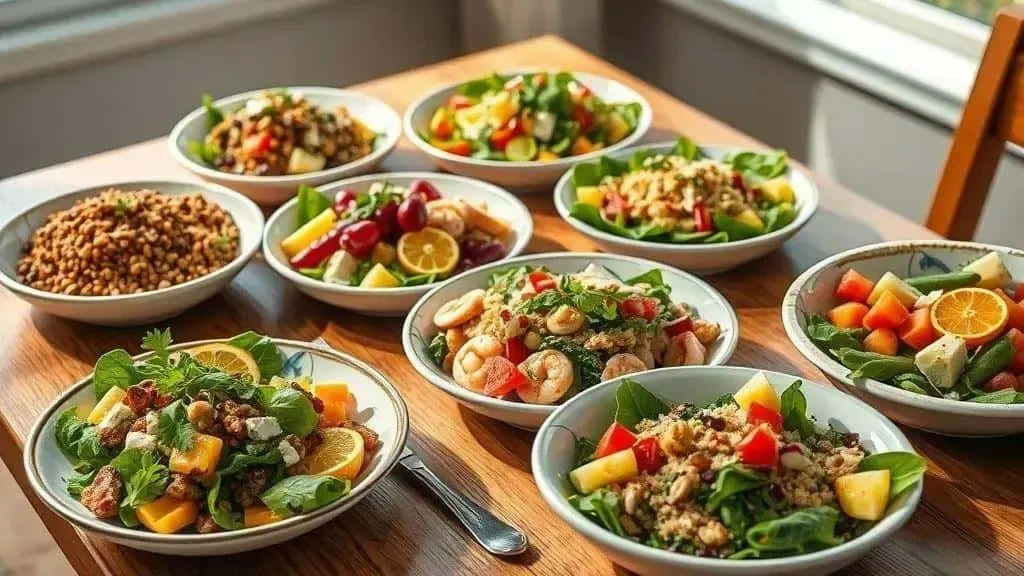
These seven New Year’s Eve salad ideas offer colourful combinations of vegetables, fruit, pulses and other ingredients. Three have detailed methods below, while the other four include simple assembly guidance. Use the portion estimates to plan your spread, check dietary requirements with guests and keep perishable ingredients properly chilled.
New Year’s Eve salad recipes can bring a fresh contrast to a celebratory meal. These ideas reflect Brazil’s summer festivities, but also work alongside a warmer winter menu in the UK. Choose the ingredients and quantities that suit your gathering.
Why serve salads on New Year’s Eve?
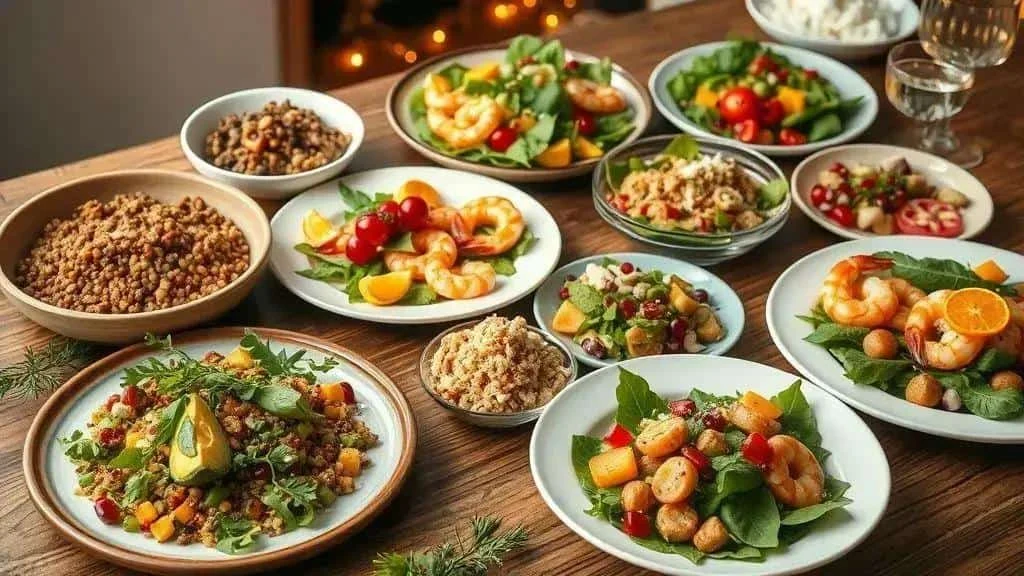
Offering salads provides variety alongside richer dishes. They suit Brazil’s warm New Year weather and can add a refreshing side to a British winter celebration too.
A varied choice of ingredients
Vegetables, fruit, pulses and wholegrains can contribute fibre and a range of nutrients. The nutritional balance depends on the whole recipe, including dressing and portion size; a salad is not automatically a low-energy dish.
Flavour and texture
Salads can combine crunch, sweetness, acidity and creaminess. Pairings such as fruit with leaves, pulses with herbs or cheese with nuts offer a contrast to the rest of the meal.
Colour on the table
Green leaves, red tomatoes, yellow mango and purple onion make an appealing spread. Arrange the ingredients neatly without making serving difficult.
Preparing ahead
Some components can be prepared the day before and refrigerated. Keep dressings and crunchy toppings separate, and assemble delicate salads close to serving.
Different dietary needs
Many salads can be adapted for vegetarian, vegan or gluten-free guests. Check all ingredients and cross-contact risks rather than assuming that a small substitution makes a dish suitable for everyone.
Cost and waste
Choosing seasonal ingredients, using what you already have and planning realistic portions can help control cost and waste. Tropical fruit is not necessarily a local or seasonal choice in a British winter.
A simple way to choose combinations
Aim for contrasts: something fresh, something crunchy and, if wanted, something creamy. Fresh herbs and a modest amount of dressing can bring the components together.
Planning salad portions and combinations
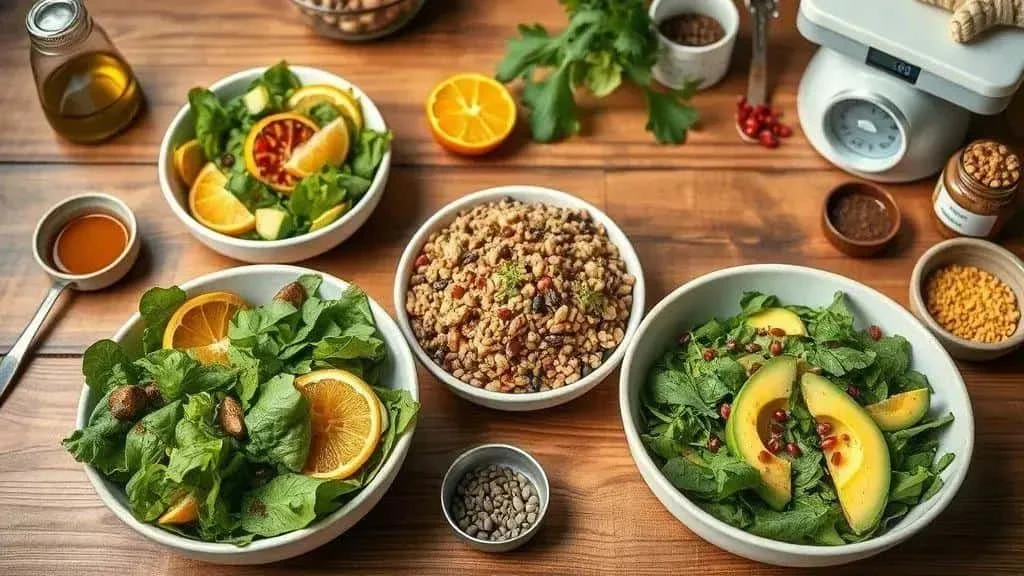
Think about the complete meal before deciding how much of each salad to make. Smaller portions of several dishes often work better than a full serving of every option.
Estimating quantities
These are starting estimates for side dishes, not nutritional targets or quantities to add together for every guest:
- Leaf salad: roughly 60–80 g per person. Cup volume varies considerably with the leaves and how tightly they are packed.
- Grain, potato or pasta salad: roughly 120–180 g per person as a side, adjusted for the rest of the menu.
- Prawn, chicken or tuna component: roughly 50–80 g of the cooked ingredient per person in a side salad. This is food weight, not grams of dietary protein.
- Dressing: allow about 1–2 tablespoons per person, serving separately so guests can use less.
- Nuts or seeds: around 10–15 g per person if included; check allergies and avoid hard whole nuts for young children.
How many salads?
Use your guest count and other dishes as a guide:
- Up to 6 guests: two contrasting salads may be enough.
- 7–12 guests: consider three salads, such as leaves, grains or potatoes, and a pulse or seafood option.
- More than 12 guests: three or four varieties can provide choice without making excessive quantities of each.
Balancing flavours and textures
Choose contrasting components that complement your main dishes. Options include:
- Freshness and acidity: leaves, rocket or a citrus dressing.
- Creaminess: avocado, fresh cheese or seasoned yoghurt.
- Crunch: nuts, croutons or seeds, where suitable for your guests.
- Fruit: mango, pomegranate or cooled roasted fruit.
Combinations for the meal
A few ideas to build on:
- Herby lentil salad with citrus-dressed leaves alongside a roast or vegetarian main.
- Citrus prawn salad with freshly cooked rice for a more substantial plate.
- Avocado, mango and rocket with grilled tofu or a suitable vegetarian cheese for a meat-free option.
Preparation and assembly
Split the work into manageable stages:
- Cook pulses, grains and potatoes ahead, cool promptly and refrigerate within 1–2 hours. For rice, cool as quickly as possible, ideally within 1 hour, and use refrigerated rice within 24 hours.
- Make dressings separately and keep perishable ones in covered containers in the fridge.
- Store nuts, seeds and croutons separately until serving.
- Dress only the leaves being served immediately to avoid wilting.
Adapting to preferences
Useful alternatives include:
- Plant-based protein ingredients: cooked chickpeas, cooked lentils or tofu prepared according to its packet instructions.
- Gluten-free bases: quinoa or potatoes instead of wheat pasta, with suitable dressing and careful preparation.
- Less salt: use herbs, citrus and olive oil for flavour, checking salty additions such as cheese and olives.
Allowing a small margin
If needed, allow about 10–15% extra portions for unexpected guests. When offering several salads, make smaller amounts of each rather than a full portion of all of them per person.
Serving arrangements
Label the dishes accurately, including allergens, and provide separate serving utensils. Put out smaller bowls and replenish from the fridge rather than leaving the whole batch on the table.
Seven salads and their key ingredients
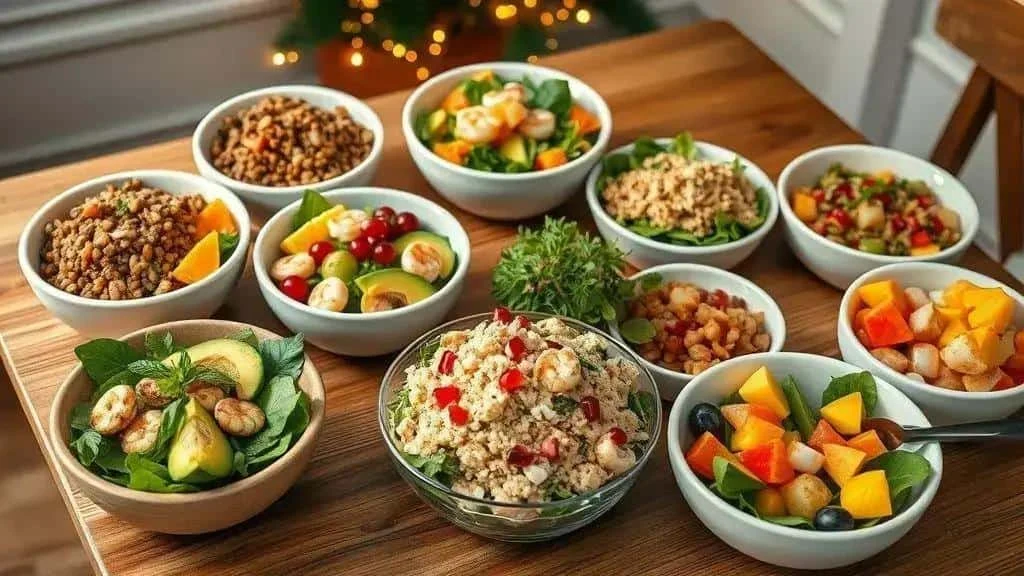
Here are seven options for your New Year’s Eve menu. The first three have more detailed preparation instructions later in the article.
Herby lentil salad
Lentils have a traditional association with New Year prosperity in some cultures; that is symbolism, not a promise of good fortune. The appeal: tender lentils that hold their shape with a fresh herb dressing.
- 200 g cooked lentils – weighed after cooking and draining, not 200 g dry lentils.
- ½ cup chopped parsley and ¼ cup chopped chives – following the detailed recipe; coriander is a flavour alternative.
- 1 small red onion – finely sliced.
- 3 tablespoons olive oil
- About 2 tablespoons lemon juice – or start with 1 tablespoon white wine vinegar. Toss with the cooled lentils, herbs and onion, then chill; optional additions are listed below.
Citrus prawn salad
This combines cooked prawns with juicy citrus and leaves. The appeal: a contrast between savoury seafood and orange segments.
- 300 g peeled, deveined prawns – cook fully rather than relying on a fixed short cooking time.
- 2 oranges, segmented – remove the peel and white pith.
- About 150 g mixed leaves – such as rocket and lettuce.
- 2 tablespoons olive oil and 1 tablespoon vinegar for the dressing, plus 1 tablespoon oil for cooking the raw prawns if using the pan method below.
- Salt and black pepper to taste
Avocado, mango and rocket
This fruit and leaf salad brings a tropical note to the meal. The appeal: creamy avocado, sweet mango and peppery rocket.
- 2 ripe medium avocados – diced; cucumber or tofu offers a different variation, rather than a direct replacement with tahini.
- 1 large ripe mango – diced, following the full recipe below.
- 100–150 g rocket – washed if required by the packet and dried well.
- About 2 tablespoons lemon juice – with 2 tablespoons olive oil for the dressing; lemon helps slow, rather than prevent, avocado browning.
- 1 teaspoon agave syrup or honey, optional – use agave for a vegan version. Do not use honey for children under one. Other optional additions appear below.
Quinoa with pomegranate and mint
A colourful grain salad with fresh herbs. The appeal: pomegranate seeds add juicy texture. Toss the ingredients below together when the cooked quinoa has cooled, then refrigerate until serving.
- 1 cup cooked quinoa – cool promptly before mixing.
- ½ cup pomegranate seeds – dried cranberries give a sweeter, chewier alternative.
- ¼ cup chopped mint
- 2 tablespoons olive oil and 1 tablespoon lemon juice for the dressing.
- Salt and pepper to taste
Potato and green bean salad
A familiar combination with a creamy dressing. The appeal: tender potatoes and green beans that retain a little bite. Cool the cooked vegetables promptly, combine with the yoghurt, mustard and seasoning, then refrigerate.
- 600 g small potatoes – scrub, boil until tender, drain and cut into bite-sized pieces.
- 200 g green beans – trim and boil until cooked but still slightly firm; start checking after 3–4 minutes and allow longer for thicker beans.
- ½ cup plain yoghurt – mayonnaise is a richer alternative; both need appropriate chilled storage.
- 1 tablespoon mustard
- Salt, pepper and chopped chives to taste.
Leaves with walnuts and goat’s cheese
Leaves, nuts and cheese offer contrasting textures. The appeal: crisp walnuts and creamy cheese. Arrange the leaves, add the cheese and cooled toasted walnuts, then drizzle with the oil-and-honey dressing just before serving.
- 150 g mixed leaves – lettuce, watercress and baby spinach, prepared according to the packet.
- 50 g suitable goat’s cheese – crumble over the salad; pasteurised feta is an alternative. Pregnant or higher-risk guests should avoid uncooked mould-ripened soft goat’s cheese and choose a suitable alternative.
- ⅓ cup chopped walnuts – toast lightly and cool before adding.
- 2 tablespoons olive oil and 1 tablespoon honey for a sweet dressing. Use less honey if preferred; omit it for children under one and choose a plant syrup if avoiding animal products.
- Freshly ground black pepper to finish.
Tropical fruit salad
A fruit option to serve as a side or dessert. The appeal: a mixture of fruit with citrus and mint. Wash and prepare the fruit, toss gently with juice and mint, and keep chilled until serving.
- 1 mango, diced
- 1 kiwi, peeled and sliced
- 1 cup diced pineapple
- ½ cup sliced strawberries – or suitable seasonal fruit.
- Juice of 1 lemon and chopped mint – add the juice gradually to taste rather than automatically using it all.
Recipe 1: herby lentil salad ingredients
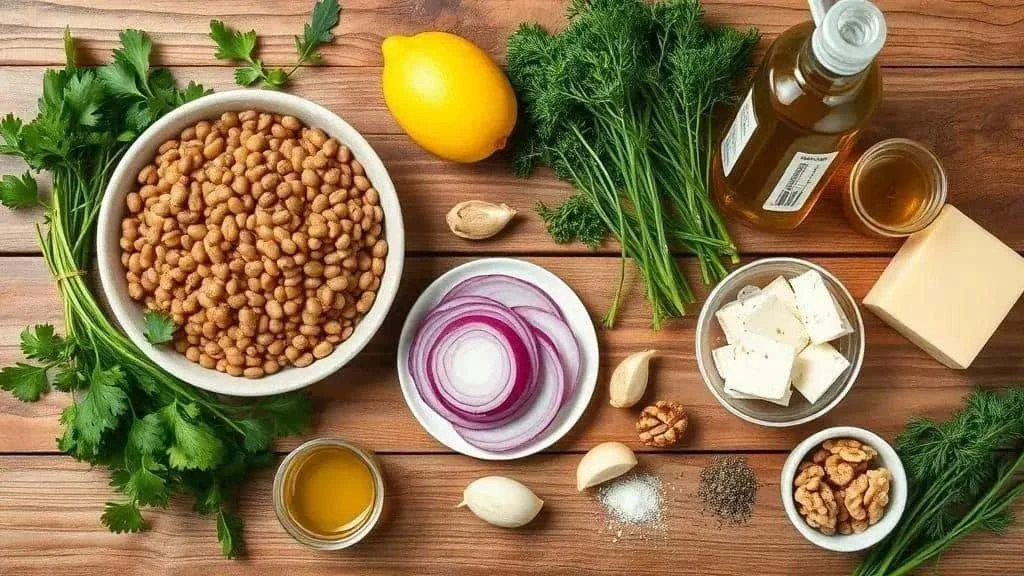
For the herby lentil salad, gather the following:
Ingredients
- 200 g cooked lentils – drained and cooled; cooked chickpeas offer an alternative.
- ½ cup chopped parsley – coriander gives a different flavour. Use the volume measure; the original’s gram conversion for herbs was unreliable.
- ¼ cup chopped chives – or a little extra finely sliced red onion if preferred.
- 2 tablespoons chopped dill, optional – mint is another option.
- 1 small red onion – very finely sliced.
- 3 tablespoons extra virgin olive oil – add the dressing gradually to suit your preference.
- About 2 tablespoons lemon juice – roughly one small lemon, depending on yield; alternatively start with 1 tablespoon white wine vinegar.
- 1 teaspoon Dijon mustard, optional – check the mustard allergen.
- 1 small garlic clove, finely chopped, optional – a little garlic powder is a different alternative; add to taste.
- Salt to taste – start with a small pinch, especially if adding salty cheese.
- Freshly ground black pepper to taste
- 50 g feta or suitable fresh cheese, optional – omit or use seasoned tofu for a vegan version.
- 2 tablespoons toasted nuts or seeds, optional – such as walnuts, almonds or sunflower seeds; check individual allergy requirements.
Quick tip
Use cooled, well-drained lentils so the dressing does not become watery and the herbs stay fresh. Add the dressing gradually and taste with a clean spoon.
Herby lentil salad: step-by-step method
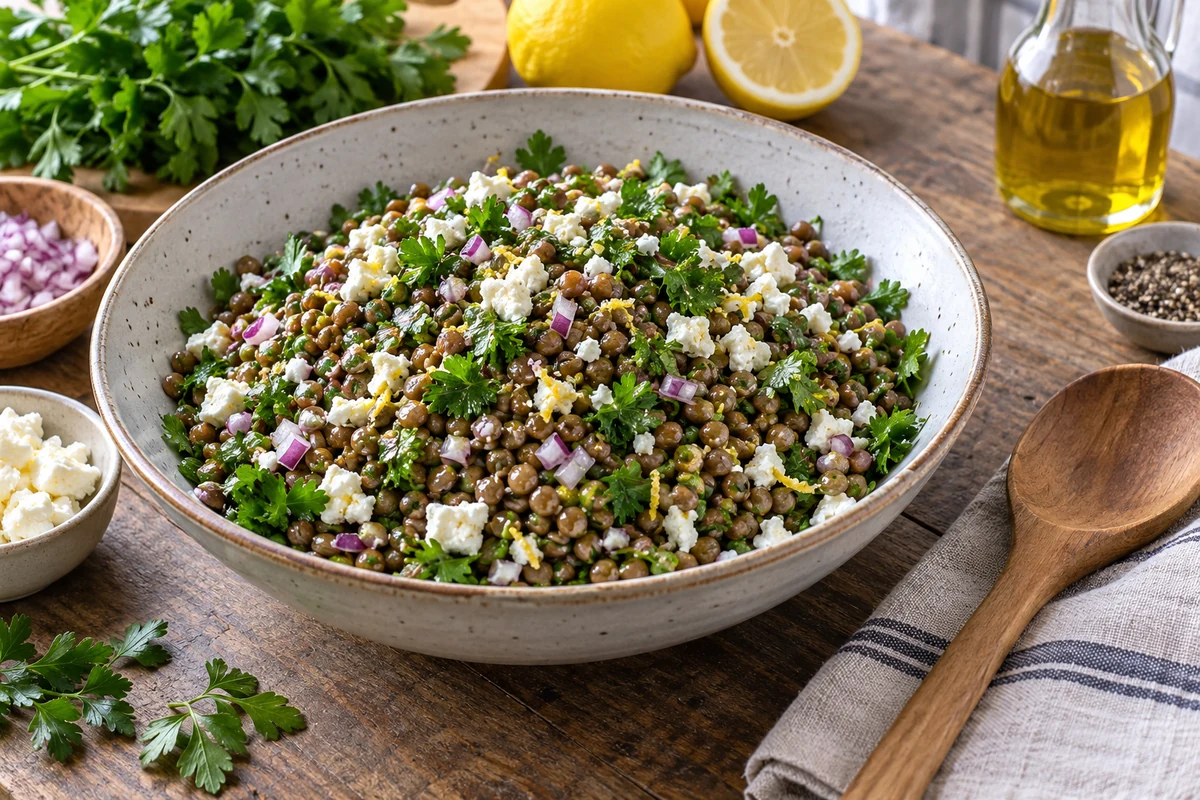
To make the herby lentil salad, follow these steps:
- Choose your lentils: this recipe uses 200 g cooked, drained lentils. Ready-to-eat tinned lentils can be drained and rinsed according to the label. If starting from dry, prepare a separate batch rather than weighing 200 g dry for this salad.
- Cook if necessary: rinse dry lentils and cook in sufficient water according to their packet until tender but still intact. Different varieties take different times. Drain and weigh out 200 g cooked lentils for the salad.
- Keep seasoning modest: if the lentils were cooked in salted water or stock, account for that before adding salt to the dressing.
- Drain and cool promptly: spread cooked lentils in a shallow clean container and refrigerate within 1–2 hours. Use chilled lentils for the salad rather than leaving them on the counter for a prolonged period.
- Prepare herbs and onion: wash and dry the herbs, then chop ½ cup parsley, ¼ cup chives and the optional 2 tablespoons dill. Finely slice the red onion.
- Make the dressing: whisk the olive oil and measured lemon juice with the optional Dijon mustard and garlic until combined.
- Taste the dressing: season lightly with salt and pepper, adjusting the lemon gradually. There is no need to add honey to this vegan-friendly dressing.
- Combine: gently toss the cooled lentils, herbs and onion with enough dressing to coat them without pooling.
- Add optional extras: fold in the feta or prepared tofu if using. Reserve nuts or seeds until serving to keep them crunchy.
- Check the seasoning: taste and adjust pepper, lemon or a little salt, remembering that feta is already salty.
- Chill: cover and refrigerate for 20–30 minutes to let the flavours combine.
- Serve: spoon into a serving bowl and add the crunchy toppings and a few herb leaves. Bring out shortly before serving, keeping the rest chilled.
Practical tips
Keep nuts and seeds separate until serving. You can prepare the lentils and dressing the day before, cooling and refrigerating cooked components promptly. Use refrigerated leftovers within 48 hours, or sooner if an ingredient’s instructions require it.
Herby lentil salad variations, including vegan options
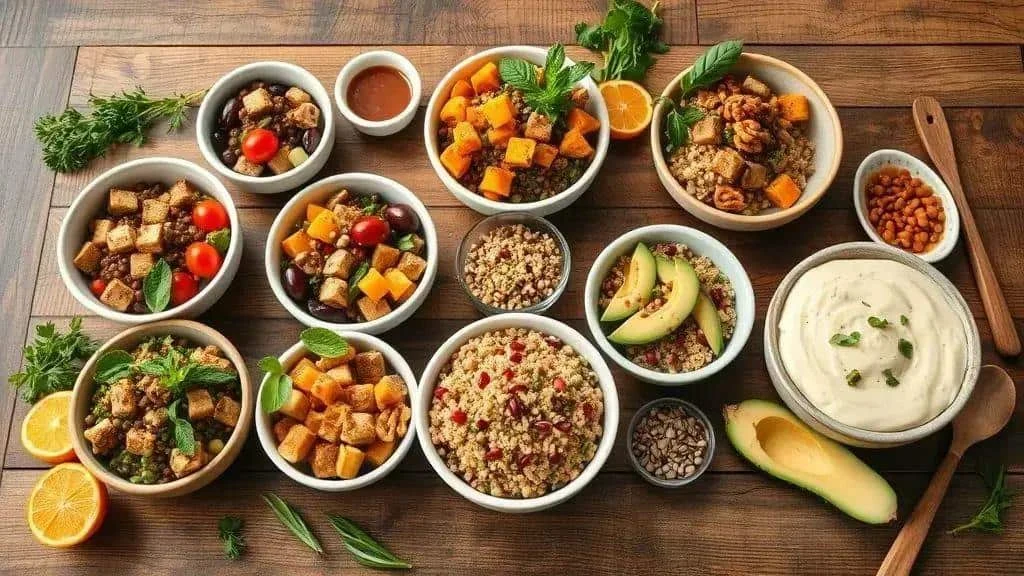
Use the herby lentil salad as a starting point for these variations. Lentil weights below refer to cooked, drained lentils.
1. Mediterranean-style lentil salad
- 200 g cooked lentils
- 8 pitted olives, chopped
- 6 cherry tomatoes, halved – prepared sun-dried tomatoes provide a more concentrated alternative.
- 50 g finely sliced red onion, optional
- 3 tablespoons extra virgin olive oil and 2 tablespoons lemon juice – add gradually to taste.
Toss the chilled ingredients gently and season to taste. Refrigerate until shortly before serving.
2. Lentil and tofu salad (vegan)
- 200 g cooked, cooled lentils
- 100 g firm tofu, cubed and cooked according to the packet – season with olive oil and paprika; roasted cooked chickpeas are an alternative.
- Green leaves to taste – such as rocket or spinach.
- 1 tablespoon balsamic vinegar – or lemon juice.
Combine with the cooled tofu and leaves. It can form part of a more substantial plant-based meal; adjust the amount to the number of people being served.
3. Roast squash and walnut lentil salad
- 200 g cooked lentils
- 250 g roasted squash cubes – season with olive oil, rosemary and a little salt.
- 2 tablespoons toasted walnuts – pumpkin seeds are an alternative only if suitable for the guests’ allergies.
- 2 tablespoons tahini or plant-yoghurt dressing – tahini contains sesame.
For immediate serving, combine chilled lentils with freshly cooked warm squash. If preparing ahead, cool the squash promptly and refrigerate both components rather than leaving the mixed salad lukewarm.
4. Citrus and fresh herb lentil salad
- 200 g cooked, drained lentils
- Zest and juice of 1 orange or lemon – add the juice gradually, since the yield and acidity vary.
- ½ cup chopped mint and parsley
- 2 tablespoons olive oil and an optional pinch of chilli flakes
Toss with the cooled lentils and herbs, using enough citrus juice to dress them without making the bowl watery. Keep chilled until serving.
5. Lentil, quinoa and seed salad
- 100 g cooked lentils and 100 g cooked quinoa – both drained and cooled.
- ⅓ cup pomegranate seeds or dried cranberries
- 2 tablespoons toasted sunflower seeds
- Dressing: 3 tablespoons olive oil and 1 tablespoon cider vinegar – use as much as needed to coat the salad.
Combine the cooled lentils, quinoa and fruit with the dressing. Refrigerate and add the seeds at serving time.
6. Creamy avocado and lentil salad (vegan)
- 200 g cooked, drained lentils
- 1 ripe medium avocado – mash with a little lemon juice. A tahini dressing offers a different sesame-containing variation, not a direct one-avocado replacement.
- 1 small garlic clove, crushed, optional
- Coriander or parsley to taste
Fold the cooled lentils into the mashed avocado with the garlic and herbs. Season lightly and serve soon after making, keeping chilled until needed.
7. A simple version without onion or garlic
- 200 g drained, rinsed tinned lentils for the whole salad – this is not a recommended low-FODMAP serving for one person.
- Green leaves, without onion – add herbs according to preference and tolerance.
- Dressing: olive oil, lemon juice and a little salt
Removing onion and garlic does not make a dish FODMAP-free. Pulse type, preparation, portion size and individual tolerance matter. For a low-FODMAP diet, follow a dietitian’s advice and current tested serving information rather than assuming this entire bowl is suitable.
Tips for adapting the variations
- Plant-based additions: cooked chickpeas, prepared tofu or tempeh can add variety; follow their cooking and storage instructions.
- Different oils: avocado oil or walnut oil changes the flavour; walnut oil also introduces a nut allergen.
- Storage: keep perishable components chilled and store crunchy toppings separately until serving.
Citrus prawn salad: ingredients and quick method
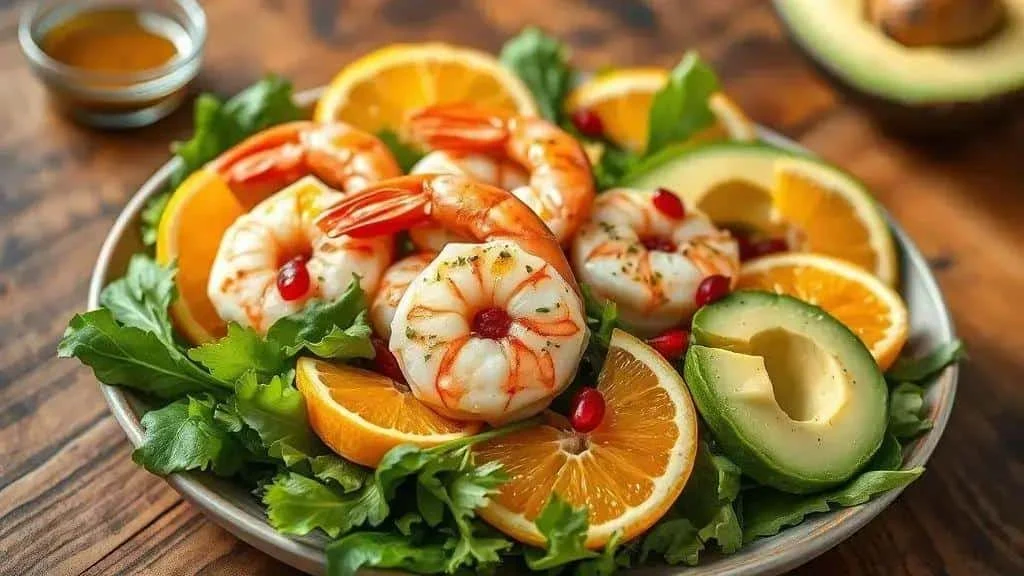
Prepare this citrus prawn salad close to serving, or keep its components chilled separately until needed.
Ingredients
- 300 g peeled, deveined prawns – thaw safely in the fridge if frozen. Ready-cooked prawns can be used according to their packet instructions.
- 2 oranges – segmented, with peel and white pith removed; mandarins are an alternative.
- 150 g mixed leaves – lettuce, rocket and watercress, or lettuce alone for a milder flavour.
- 1 small avocado, optional – diced; cucumber slices provide a different texture.
- 2 tablespoons extra virgin olive oil for the dressing – plus 1 tablespoon oil for pan-cooking raw prawns.
- 1 tablespoon white wine vinegar or lemon juice
- 1 small garlic clove, crushed – omit if preferred.
- Salt and black pepper to taste – start with a small pinch of salt.
- 1 teaspoon honey, agave or maple syrup, optional – honey is unsuitable for children under one.
- Pomegranate seeds or toasted sesame seeds, optional – sesame is an allergen.
Quick method
- Prepare raw prawns: season with a little salt, pepper and garlic. If marinating for 5–10 minutes, keep them in the fridge. Keep raw seafood and its utensils away from salad ingredients.
- Heat the pan: warm 1 tablespoon oil over a medium-high heat.
- Cook raw prawns thoroughly: cook on both sides until opaque throughout and steaming hot, without a translucent centre. Small prawns may take 1–2 minutes per side, but size and starting temperature vary. Skip this step for suitable ready-cooked prawns being served cold.
- Set aside safely: transfer cooked prawns to a clean plate. They can be served warm immediately; for a cold salad, cool promptly in a shallow container and refrigerate within 1–2 hours.
- Segment the oranges: remove the peel and pith with a suitable knife and separate the segments. Drain excess juice so the leaves do not become soggy.
- Prepare the leaves: follow the packet’s washing instructions and dry well using a salad spinner or clean towel.
- Make the dressing: whisk the 2 tablespoons olive oil with the vinegar or lemon juice and optional sweetener. Add a little salt and pepper to taste.
- Assemble: arrange the leaves, orange segments and optional avocado on a platter, then add the cooked prawns.
- Finish: drizzle with enough dressing to coat lightly, then add pomegranate or suitable sesame seeds if using.
- Serve promptly: if preparing ahead, keep the prawns and other perishable components chilled separately and combine close to serving.
Quick tips
Ready-cooked prawns can save preparation time; follow the pack’s use-by and once-opened instructions. Prepare the orange in advance and refrigerate it, keeping the dressing separate from the leaves.
Avocado, mango and rocket: ingredients and quick method
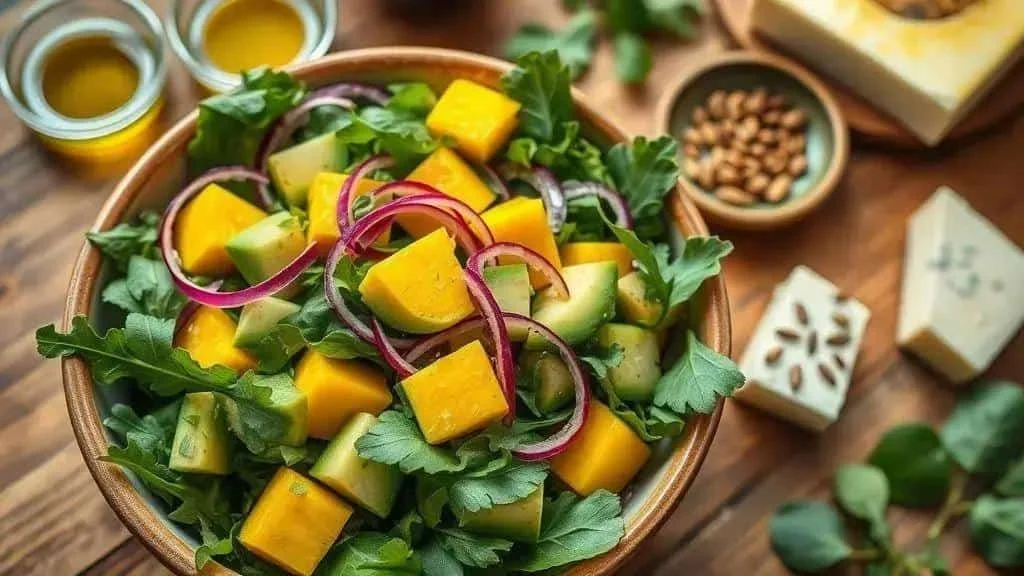
Avocado, mango and rocket salad is best assembled close to serving so the fruit holds its shape and the leaves stay crisp.
Ingredients
- 2 ripe medium avocados – diced; about 1 cup prepared tofu is a different option if avoiding avocado.
- 1 large ripe mango – diced; about 1 cup diced peach is an alternative when suitable fruit is available.
- 100–150 g rocket – prepared according to the packet; mixed leaves can be used instead.
- ¼ red onion – finely sliced; chives give a milder alternative.
- 2 tablespoons extra virgin olive oil – or avocado oil for a different flavour.
- About 2 tablespoons lemon juice – measure and adjust to taste. It helps slow avocado browning; orange juice gives a sweeter version.
- 1 teaspoon honey or agave syrup, optional – use agave or omit for a vegan version. Omitting added syrup does not remove the fruit’s natural sugars.
- Salt and black pepper to taste – start with a small pinch of salt.
- 2 tablespoons toasted seeds or chopped nuts – such as sunflower seeds, sesame or walnuts, only if suitable for guests’ allergies.
- Optional: 50 g suitable fresh cheese or feta – omit for a vegan salad, or add nutritional yeast to taste rather than substituting it gram for gram.
Quick method
- Prepare the ingredients: dry the prepared rocket and cut the mango and avocados into similar-sized pieces.
- Slice the onion: cut into fine slices. If wanted, soak in cold water for 5 minutes to soften the flavour, then drain well.
- Make the dressing: whisk the oil, measured lemon juice and optional sweetener with a little salt and pepper.
- Taste the dressing: adjust the lemon and seasoning gradually so they do not overwhelm the fruit.
- Combine: place the rocket in a bowl, then gently add the mango, drained onion and avocado without crushing them.
- Dress gently: add the dressing a little at a time and turn carefully with a large spoon.
- Add toppings: scatter over the cooled toasted seeds or nuts and optional cheese.
- Check the flavour: taste with a clean spoon and add a little more lemon or pepper if needed.
- Serve promptly: take to the table once dressed. For advance preparation, keep ingredients refrigerated separately and dress just before serving.
Practical tips
- Choose suitable avocados: they should yield gently without being mushy. Cut close to serving and use citrus to slow browning.
- Prepare ahead: chop the mango and onion and refrigerate in covered containers. Leave the avocado until shortly before assembly.
- Taking the salad elsewhere: carry it in chilled containers with the dressing separate. Transport delicate leaves above sturdier ingredients to avoid crushing them.
- Simple alternatives: cucumber gives crunch instead of avocado’s creaminess, while ripe peach offers a different fruit flavour in place of mango.
Presentation, assembly and serving tips
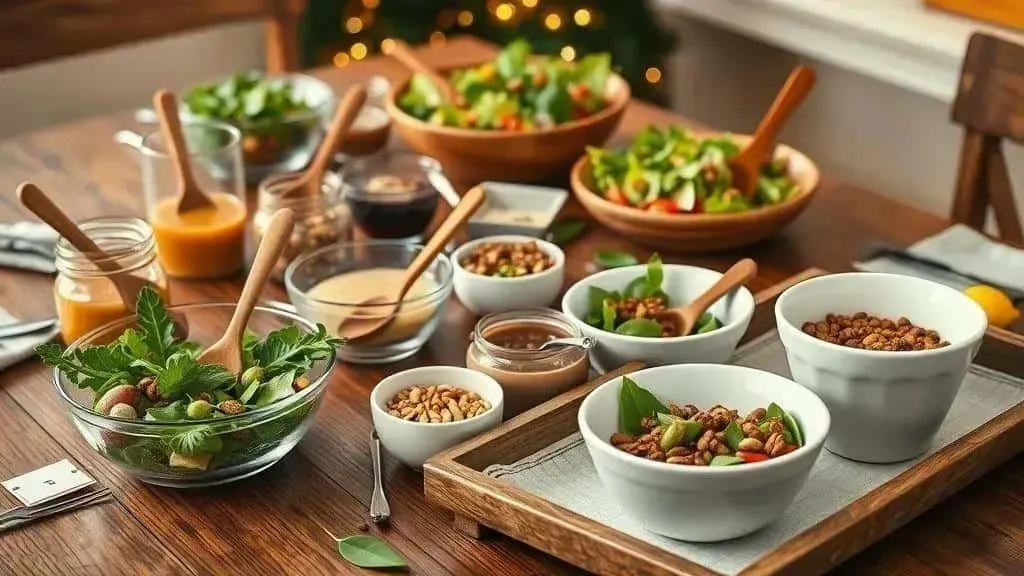
Colour, texture and an uncluttered arrangement can make simple salads inviting without adding complicated preparation.
Bowls and platters
Use a large bowl for leaves, smaller bowls for mixed salads and separate dishes for dressings. Vary heights and materials only where the display remains stable, food-safe and easy to reach.
Building the salad
- Base: arrange dry leaves loosely to create height; do not tie them together with string or other non-food material.
- Colour: scatter fruit, vegetables or pomegranate over the leaves.
- Texture: add nuts, seeds or croutons just before serving.
Temperature and timing
Keep perishable salads refrigerated at 5°C or below until needed. Add freshly cooked warm components only when serving immediately; do not leave them lukewarm on a buffet. Dress close to serving to preserve texture.
Serving the dressing
Offer dressing in food-safe jugs or bowls with serving spoons. Guests can choose how much to use and undressed leaves stay crisp for longer.
Portions and utensils
Small individual bowls can make service easier. For a buffet, provide a separate spoon or pair of tongs for each salad, with clear allergen information.
Garnishes and finishing touches
- Fresh herbs: washed mint or parsley leaves provide a simple finish.
- Oil and citrus: a little olive oil or citrus zest adds aroma.
- Crunch: add suitable seeds or nuts at the last moment.
Labels and ingredient information
Label dishes accurately rather than relying on appearance. Identify relevant allergens such as crustaceans, milk, mustard, nuts, sesame or soya, and check every packaged ingredient before claiming a salad is gluten-free or vegan.
Arrange the serving area
Put plates at the start, salads in the middle and dressings at the end. Leave space for people to move safely and for chilled bowls to be replenished.
Keeping salads fresh
- Keep crunchy ingredients in separate containers until serving.
- Keep all perishable components chilled, especially seafood, cooked pulses, grains and dairy dressings.
- An ice bath beneath a suitable serving bowl can help, but check that the food stays cold and keep meltwater out. Put out small portions and replace them from the fridge.
A neat finish
Wipe the edges of serving dishes and use simple napkins or placemats. Keep the ingredients visible rather than covering everything with dressing; avoid prolonging display time for photographs.
Substitutions for dietary needs and preferences
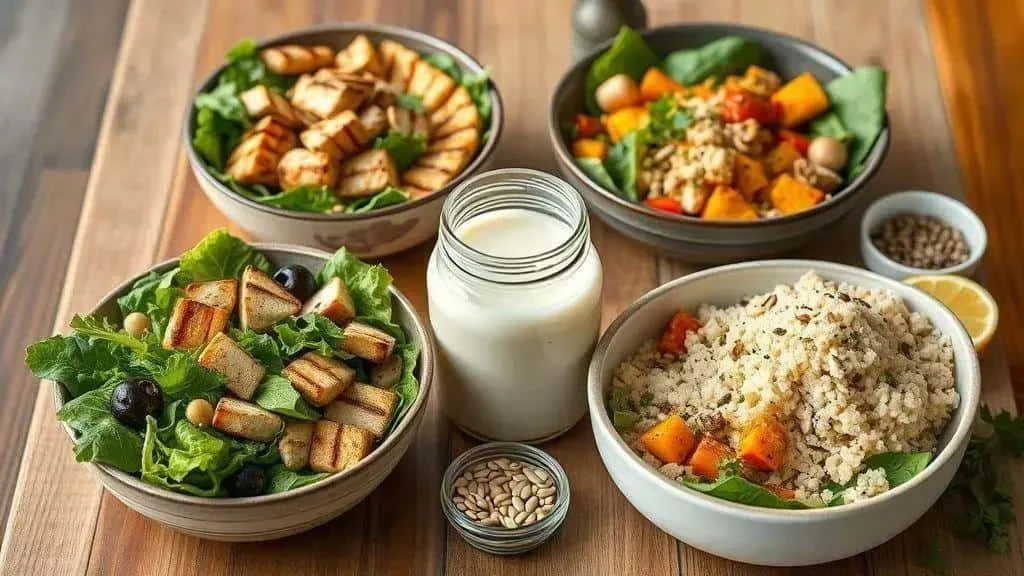
These swaps change flavour and texture as well as nutrition. Confirm guests’ specific requirements and treat medical dietary restrictions individually.
Creamy dressing and cheese alternatives
- ½ cup plain yoghurt can replace ½ cup mayonnaise for a different dressing. Yoghurt still contains milk; it is not a dairy-free substitute.
- 50 g feta can be replaced with 50 g suitable seasoned tofu for a vegan version, introducing soya instead of milk.
- Cream can sometimes be replaced with lower-fat Greek yoghurt in a cold dressing, but the flavour and consistency differ and both contain milk.
Alternatives to meat and seafood
- 150–200 g cooked prawns or chicken can be replaced with prepared tofu or cooked chickpeas as a recipe variation. Equal food weights do not provide identical protein or nutrients.
- Tinned tuna can be replaced with cooked salmon or lentils for variety. Canned food is not inherently an inferior option, and the alternatives have different nutritional profiles.
Gluten-free options
- Wheat pasta can be replaced with suitable gluten-free rice or chickpea pasta, or cooked quinoa. Follow the packet and compare cooked quantities rather than mixing dry and cooked measures.
- Croutons can be made with suitable gluten-free bread, or replaced with seeds if those suit the guests’ allergy needs.
Alternatives with less starch
- 1 cup cooked rice or pasta can be exchanged for cooked grated cauliflower or leaves for a different, less starchy salad. It will not be nutritionally equivalent.
- Potatoes can be replaced with grilled courgettes or prepared turnip for a different vegetable side.
Adjusting salt and dressing
- Start with less salt: add a small amount, taste and use herbs or citrus for balance. Salty cheese and olives may already provide enough.
- Use less oil if preferred: 1 tablespoon oil with 1 tablespoon suitable vegetable stock makes a different, thinner dressing. Check the stock’s salt and allergens and keep it refrigerated.
Nut alternatives and allergies
- Walnuts and almonds can be omitted or replaced with sunflower or pumpkin seeds only after checking that these are suitable for the individual guest. Seeds are not universally allergy-safe.
- Ground linseed or chia also changes texture and can cause allergy in some people. Check packaging and cross-contact risks rather than promising a risk-free replacement.
FODMAP considerations
- Onion and garlic: a dietitian may suggest suitable green parts of spring onions or a commercially prepared garlic-infused oil for particular portions. Avoid improvised garlic-in-oil storage and follow the product’s instructions.
- Lentils: drained, rinsed tinned lentils can have different FODMAP levels from cooked dry lentils, but serving size remains important. Consult current tested guidance and a dietitian; this article does not certify any bowl or portion as low-FODMAP.
Dressing textures
- Creamy dressing: mix ½ cup plain yoghurt with 1 tablespoon olive oil for a tangy alternative to mayonnaise. This changes the quantity and nutrition, and contains milk unless a suitable plant yoghurt is used.
- Plant-based dressing: aquafaba and mustard can be ingredients in an egg-free dressing, but whisking 2 tablespoons aquafaba with 1 teaspoon mustard does not by itself make mayonnaise. Use a complete tested emulsion recipe if that is the texture you want.
- Crunch: keep seeds and croutons separate until the salad is served.
Keeping flavour when changing ingredients
- Fresh herbs: parsley, mint, coriander and dill add distinct flavours without needing a large amount of dressing.
- Balanced acidity: a little orange juice or lemon zest can complement a modest amount of salt.
- Final touch: a small drizzle of olive oil adds aroma; it is still an energy-dense ingredient, so use the amount you prefer.
Quick substitution ideas
- Vegan: replace cheese with suitable tofu and dairy dressings with plant yoghurt or diluted tahini, checking soya, sesame and other allergens.
- Gluten-free: choose suitable quinoa or rice instead of wheat pasta and appropriate seeds or gluten-free croutons for crunch.
- Less starchy: try cauliflower or grilled vegetables in place of potatoes or pasta, allowing for a different texture and meal balance.
A selection of New Year’s Eve salads can add colour, contrasting textures and choice to the meal.
Adjust quantities to your guests, check substitutions carefully and organise chilled storage before the celebration begins.
Thank you for reading! Follow us on social media and visit the I Love Christmas blog for more recipes and seasonal ideas.
Share your favourite combinations and return for more practical ideas for your festive table.
FAQ: salads for New Year’s Eve
How many salads should I make for 10 people?
Three contrasting salads can work well: leaves, a grain or potato option, and a pulse or seafood option. Adjust the total amount to the main dishes and offer smaller portions of each rather than three full servings per person.
Can I prepare the salads ahead?
Yes. Cook suitable pulses, grains and potatoes the day before, cool promptly and refrigerate. Keep dressings and crunchy toppings separate and assemble delicate leaves and avocado close to serving. Rice needs quicker cooling and should be used within 24 hours when refrigerated.
How should I store prawns and other cooked salad ingredients?
Keep them at 5°C or below and follow the pack’s use-by and once-opened instructions. Cool freshly cooked food promptly, refrigerating within 1–2 hours. Put out small amounts at a time and use refrigerated leftovers within 48 hours unless an ingredient requires a shorter period.
How can I make a salad vegan?
Omit seafood, cheese and honey, or use appropriate alternatives such as prepared tofu, pulses and plant-based dressing. Check every ingredient, including sauces and toppings; tahini and tofu introduce sesame and soya allergens respectively.
How can I keep salads crisp?
Dry leaves well, refrigerate them appropriately and add dressing just before serving. Keep nuts, seeds and croutons separate until the last moment.
How should I adapt salads for allergies or other dietary restrictions?
Ask guests about their requirements, check ingredient labels and prevent cross-contact with separate utensils and preparation areas. Seeds, tofu and plant yoghurt are not automatically safe replacements for every allergy. For medical diets such as low-FODMAP, use individual professional advice and tested portion guidance.
Sources and Further Reading
- UK Government: cooking food safely
- Food Standards Agency: chilling food
- Food Standards Agency: allergen guidance
- NHS: foods to avoid during pregnancy
- Monash University: legumes and the low FODMAP diet
- Monash University: serving sizes and FODMAPs