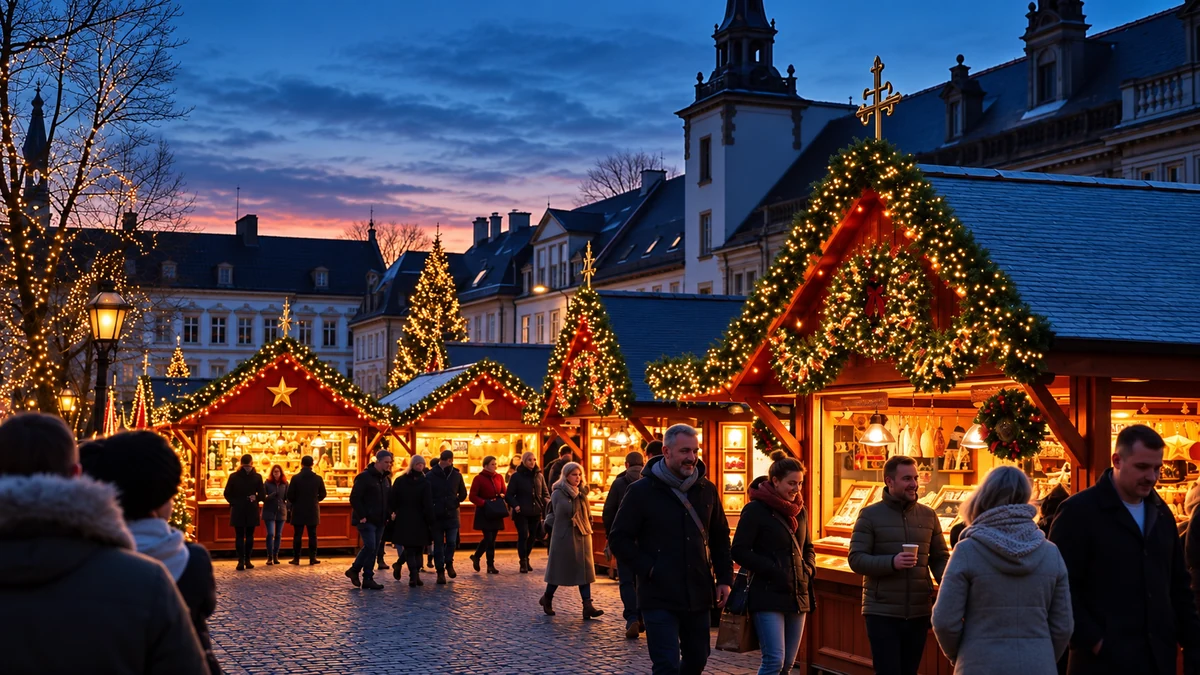
European Christmas markets bring together seasonal food, crafts and festive displays. This guide introduces five destinations and offers practical visiting tips; dates, admission, stalls and activities must be checked with each organiser before travelling.
European Christmas markets offer a chance to explore local food and crafts among seasonal lights. The five destinations below are examples rather than a definitive ranking. Use them as starting points for planning, then check the current official programme and your travel arrangements.
The appeal of European Christmas markets
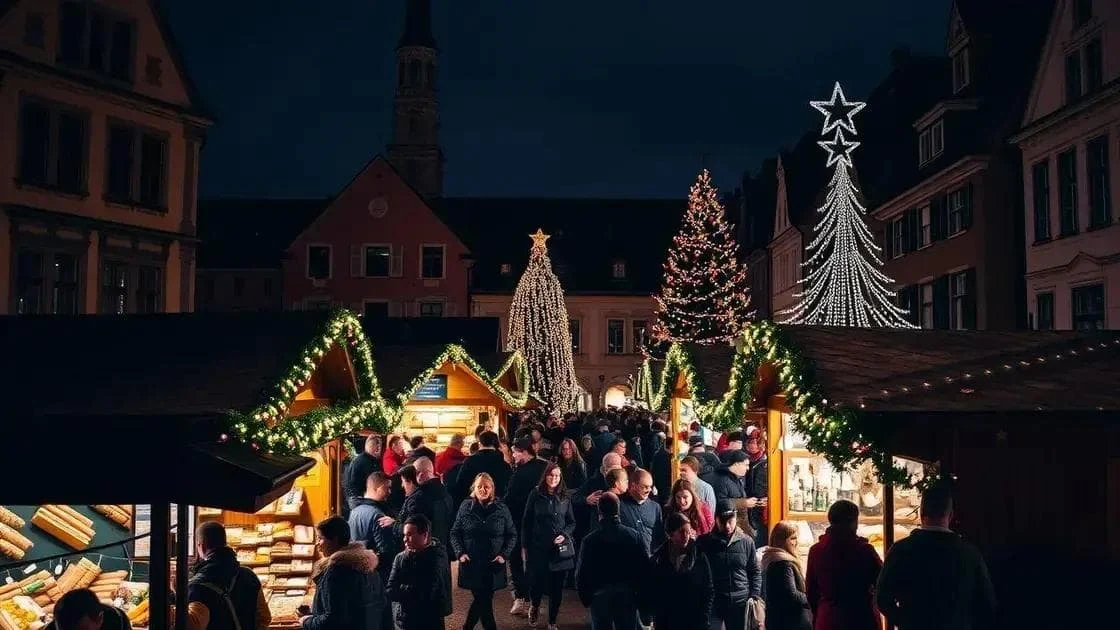
The appeal of European Christmas markets goes beyond lights and cinnamon. Stalls can showcase regional food, ornaments and craft traditions, although each market has its own mix of vendors. Ask about where goods were made rather than assuming everything on sale is locally produced.
Seasonal attractions
Some programmes include illuminated displays and musical performances. Others offer family activities or rides, sometimes with separate charges. Attractions vary by venue and season, so consult the organiser rather than relying on a general description.
Regional food
Depending on the destination, stalls may serve mulled wine, gingerbread or other local pastries. These foods do not appear at every market. Check ingredients and allergens with the vendor, and remember that mulled wine normally contains alcohol.
Crafts and presents
Markets can be a place to find individual gifts, including glass ornaments and handmade Christmas decorations. Quality, origin and prices differ. Take time to compare and check how fragile purchases will travel home.
A festive setting
Lights and decorations can create a storybook atmosphere, particularly after dark. Markets can also be busy, noisy and cold. Plan breaks and quieter visiting times if these conditions would affect anyone in your group.
Five European Christmas market destinations
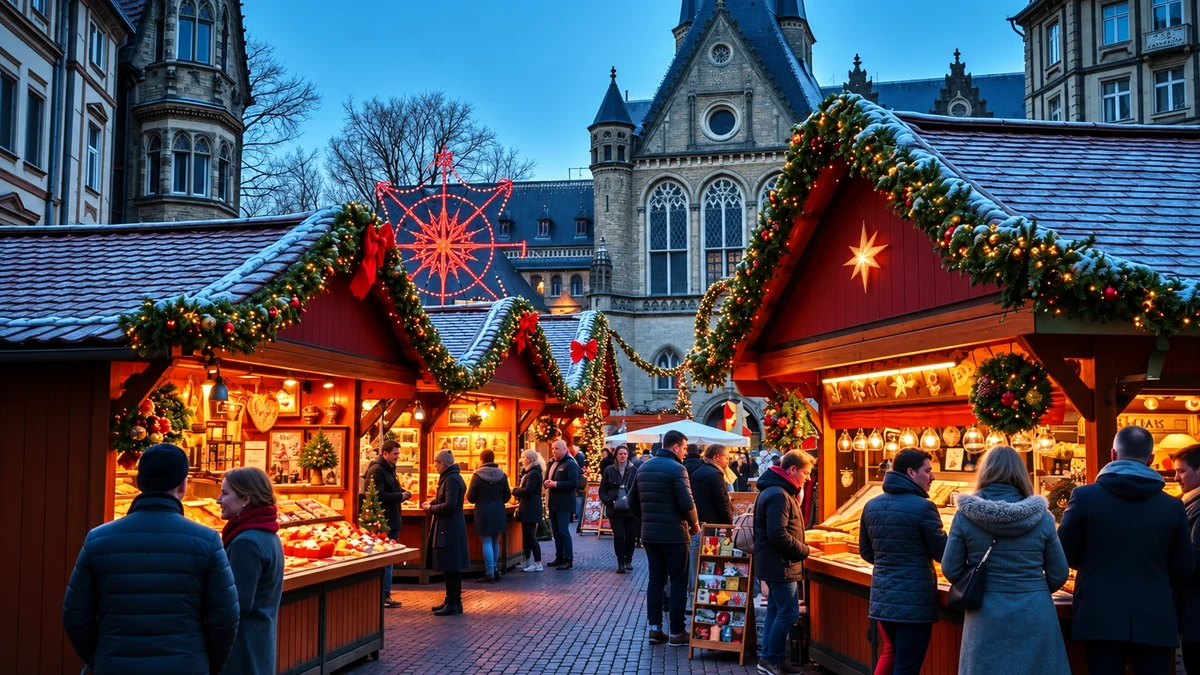
These five European Christmas market destinations combine distinctive settings with seasonal traditions. They are suggestions to explore, not a promise of identical experiences each year.
1. Strasbourg, France
Strasbourg’s Christkindelsmärik dates to 1570 and is a longstanding Christmas-market tradition. Festive stalls and the city’s large Christmas tree are part of its seasonal appeal. Mulled wine is one possible refreshment; check the current market map, access arrangements and opening hours before visiting.
2. Nuremberg, Germany
Nuremberg’s Christkindlesmarkt is known for traditional ornaments and foods including Lebkuchen, spiced gingerbread, and Nuremberg sausages. Its wooden stalls form a recognisable seasonal setting. Consult the official programme for opening dates and any associated children’s activities.
3. Prague, Czechia
Prague’s Old Town Square provides a historic setting for a Christmas market, with seasonal stalls beneath the surrounding architecture. Food, ornaments and activities vary by programme. Check dates carefully: some markets continue after Christmas, rather than all closing on 24 December.
4. Vienna, Austria
Vienna has several Christmas markets, including the one on Rathausplatz outside City Hall. The city also offers seasonal concerts, but these may take place at separate venues with their own tickets. Plan the market and any musical event as separate parts of your visit.
5. Copenhagen, Denmark
Christmas at Tivoli Gardens combines seasonal decorations, stalls and the setting of an amusement park. Check admission prices, opening dates and whether rides require separate tickets or a ride pass. It should not be assumed to be a free street market.
Food and drink at Christmas markets
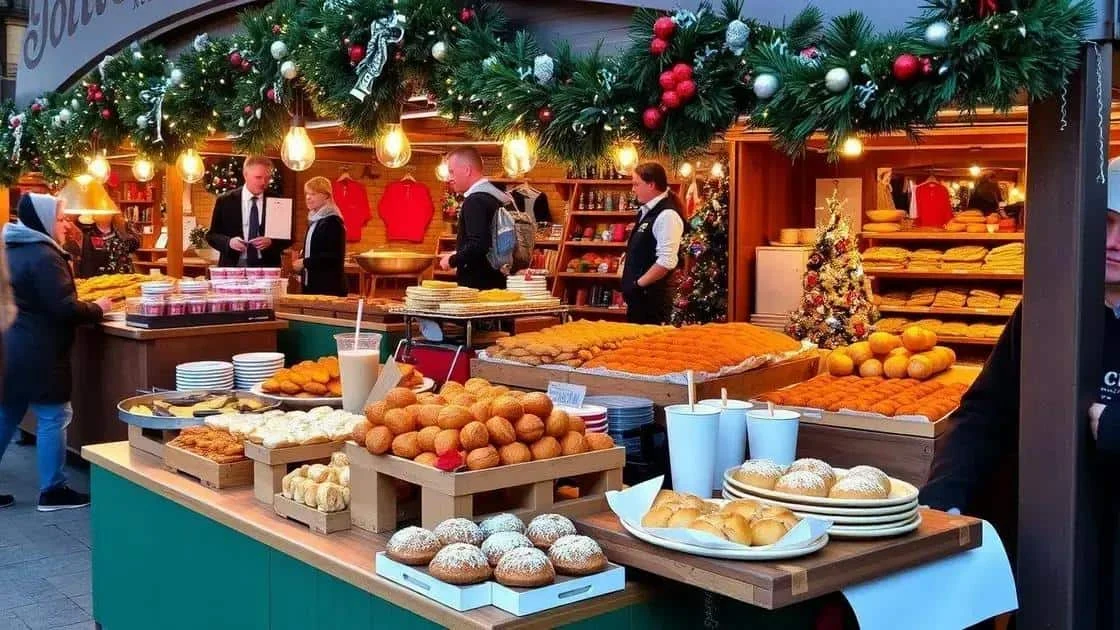
Food and drink at Christmas markets reflect the venue and its vendors. Look for local specialities, while checking ingredients, prices and portion sizes before ordering.
Hot drinks
Mulled wine is a familiar option at many German-speaking markets, often flavoured with spices. Hot chocolate and alcohol-free drinks may also be available. Some stalls charge a refundable deposit for a reusable mug; ask how and where it can be returned.
Regional dishes
There is no standard European Christmas-market menu. In Nuremberg, for example, grilled sausages are a local speciality. Elsewhere you may find regional pastries or gingerbread. Follow the actual stall menus rather than expecting roast turkey or a particular dessert everywhere.
Sweets and desserts
Christmas biscuits and other seasonal sweets can make small gifts as well as treats to eat during a visit. Local cakes and pastries vary by destination. Check packaging, allergens and storage requirements if carrying food home.
Stalls and food trucks
Food stalls may offer anything from small snacks to substantial dishes, while some events include food trucks. Look at the current vendor information if you need vegetarian, vegan or other dietary options; their availability should not be assumed.
Crafts at Christmas markets
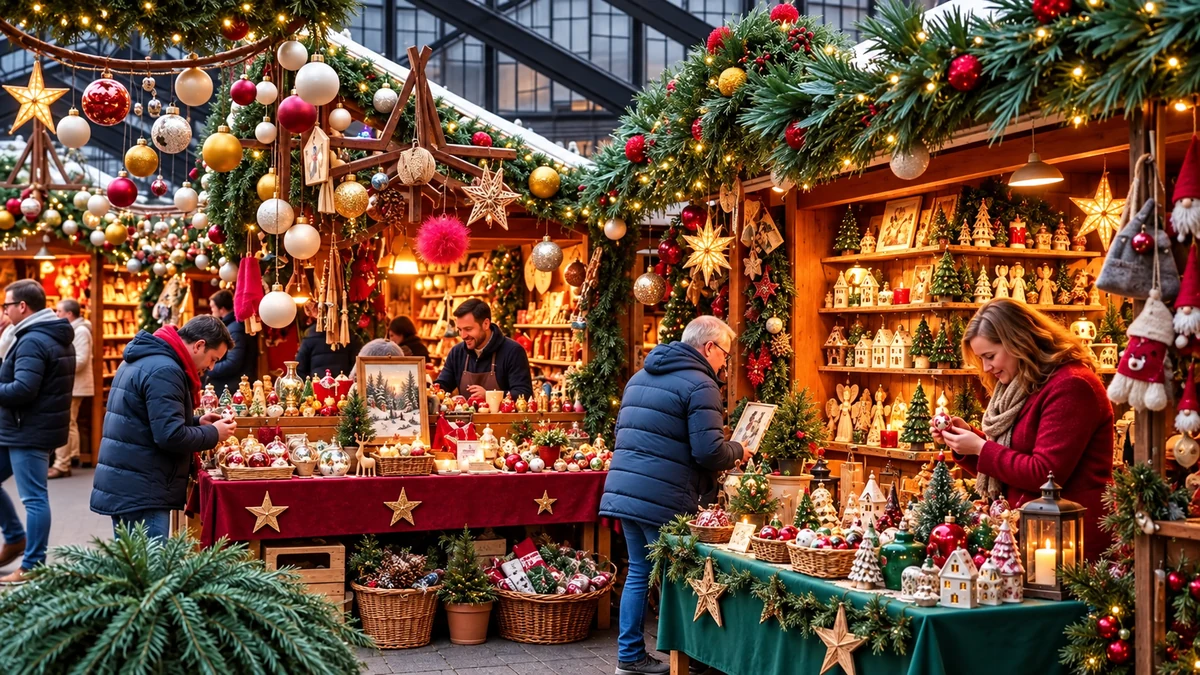
Crafts at Christmas markets can help visitors discover different materials and decorative styles. Talking to a maker can add context to a purchase, although not every seller produces their own stock.
Christmas decorations
Look for handmade Christmas decorations such as wooden ornaments, glass pieces or wreaths. Check how they should be displayed and stored, especially fragile items or decorations with small parts.
Personalised gifts
Some stalls offer personalised gifts, such as engraved ornaments or mugs. Confirm the spelling, price and collection time before ordering, and ask about the terms for personalised purchases.
Considering materials and durability
Some makers use reused or recycled materials. Ask about the material and construction, and choose something likely to be used for years. A handmade or recycled label does not by itself establish the overall environmental impact of a product.
Craft demonstrations
Some programmes include live craft demonstrations. If this is important to your visit, check the location and timetable in advance. Watching a maker can help you understand the work behind a finished piece.
Planning a Christmas market visit

Planning a visit to Christmas markets helps you allow for travel, weather and crowds. Begin with the current official dates, opening hours, accessibility information and any admission requirements.
1. Choose a day and time
Check the dates for the particular market and year. Weekdays may be quieter than peak weekend evenings, but this is not guaranteed. An early visit can make browsing easier; after dark offers a different view of the lights.
2. Research the venue
Compare the Christmas markets you could visit. Look at maps, transport, step-free access, toilets and activities, as well as stalls. Avoid planning several distant venues without allowing enough travel and rest time.
3. Set a budget and shopping list
A shopping list can help you decide which gifts or decorations you genuinely want. Include admission, food, transport and mug deposits in your budget, not just purchases from stalls.
4. Dress for the conditions
Many markets involve time outdoors. Check the forecast, wear suitable layers and comfortable footwear, and allow for rain or slippery surfaces. A warm indoor break can be more useful than trying to stay outside for the whole visit.
5. Check payment options
Payment arrangements vary. Carry a modest amount of local currency if useful, alongside your preferred accepted payment method. Do not assume all stalls accept cards or that all are cash-only; check with the organiser and individual vendors.
6. Allow time for queues
Popular stalls and attractions can have queues. Allow extra time, agree a meeting point with your group and keep belongings secure. If a space becomes uncomfortable, take a break or return at a quieter time.
Enjoying a Christmas market at your own pace
Christmas markets can bring together crafts, food and seasonal traditions in memorable settings. Choosing a destination that suits your interests matters more than trying to visit every famous market.
Check practical details close to your trip, set a comfortable budget and leave space for rest. Programmes, prices and opening hours can change.
Whether you go for the ornaments, a local snack or the lights, a little preparation can make the visit easier to enjoy.
FAQ: Visiting Christmas markets
When do Christmas markets open?
Dates vary by destination and year. Many operate during Advent, while some continue into January. Consult the official organiser before booking travel.
What can I buy at a Christmas market?
Possible choices include decorations, crafts, seasonal food and personalised gifts. The selection and origin of goods vary between stalls.
Do Christmas markets accept cards?
Some stalls accept cards and others may prefer cash. Check the venue information and individual vendors rather than relying on one rule.
Are Christmas markets suitable for children?
Many have family activities, but crowds, noise, weather and admission arrangements differ. Check age suitability, facilities and any separate activity charges.
How can I stay comfortable during a visit?
Wear suitable layers and footwear, check the weather and plan breaks indoors. Consider the needs of everyone in the group.
Can I take market food home?
Some vendors offer packaged or takeaway food. Ask about allergens, storage and shelf life, and check import restrictions if crossing a border.
Sources and Further Reading
- Strasbourg: Christmas market history
- Nuremberg Christmas market: food and drinks
- Prague City Tourism: Old Town Square
- Vienna Tourism: Christmas markets
- Tivoli: Christmas season