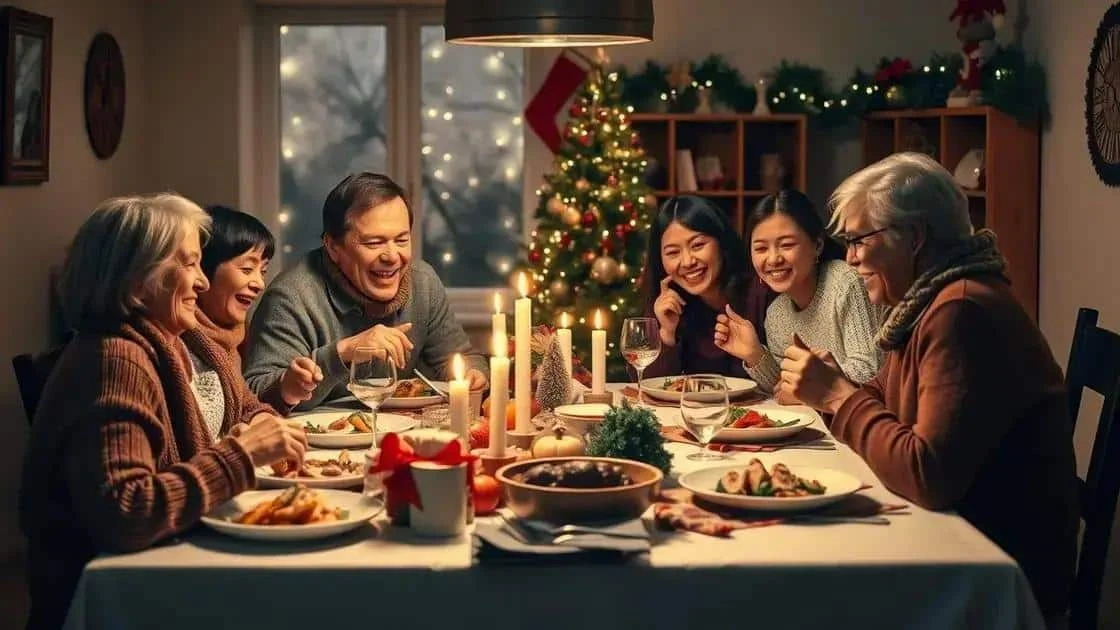
Christmas is a Christian festival. Hanukkah is a distinct Jewish observance, and Christmas is not an Islamic religious holiday. People from different backgrounds may join social celebrations, but their beliefs and choices should not be treated as interchangeable.
Looking at Christmas and different religions means recognising differences as well as shared experiences. Not every religion has its own version of Christmas. Understanding that distinction helps us welcome people without making assumptions about their beliefs.
Christmas in a religiously diverse society
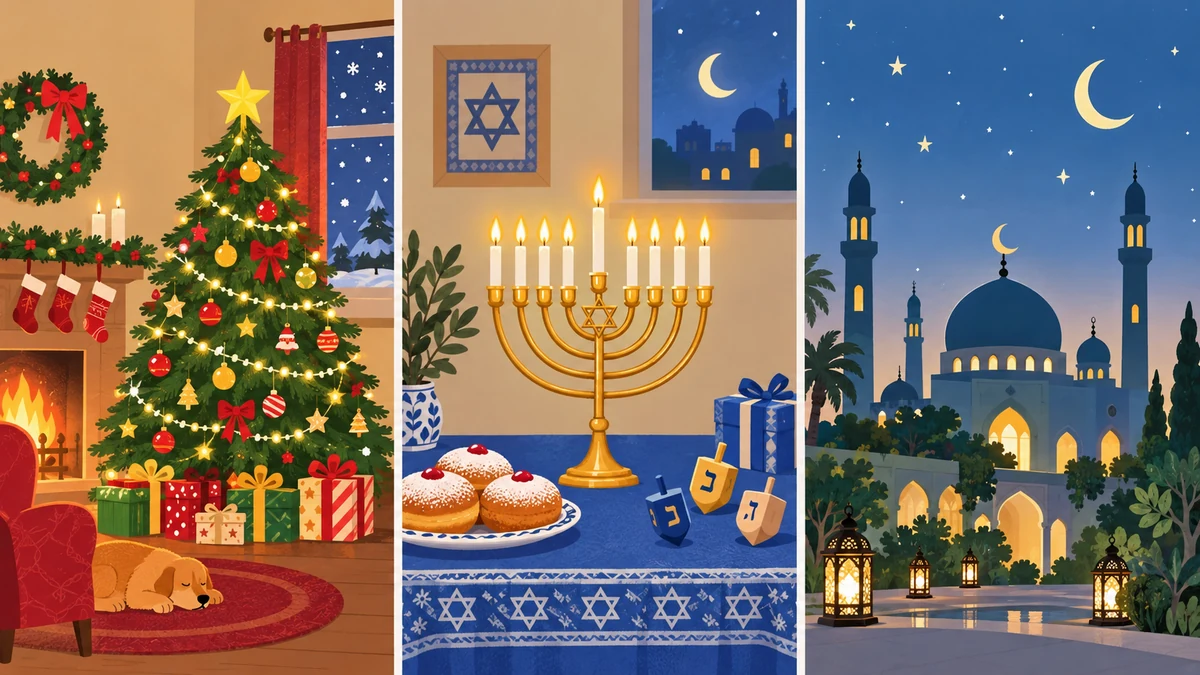
The meaning of Christmas is specifically Christian: it celebrates the birth of Jesus Christ. Worship, carols and Nativity scenes feature in many Christian communities, while gifts and shared meals can also have secular or family meanings.
For Jewish communities, Hanukkah is a separate eight-day festival. Its dates follow the Hebrew calendar and can fall in November or December. It is not a Jewish Christmas, even when the two occasions occur near one another.
Islam honours Jesus as a prophet, but Christmas is not an Islamic religious festival. Muslims differ in whether they exchange greetings or join a social gathering. It is better to ask someone about their preferences than assume a common practice.
Afro-Brazilian religions are diverse and should not be described as sharing one Christmas ritual. Some practitioners also take part in family or cultural Christmas celebrations; that does not make those customs universal religious observances.
Respect begins with allowing communities to describe their own traditions. Similar values such as generosity do not make different festivals equivalent.
Christian Christmas traditions
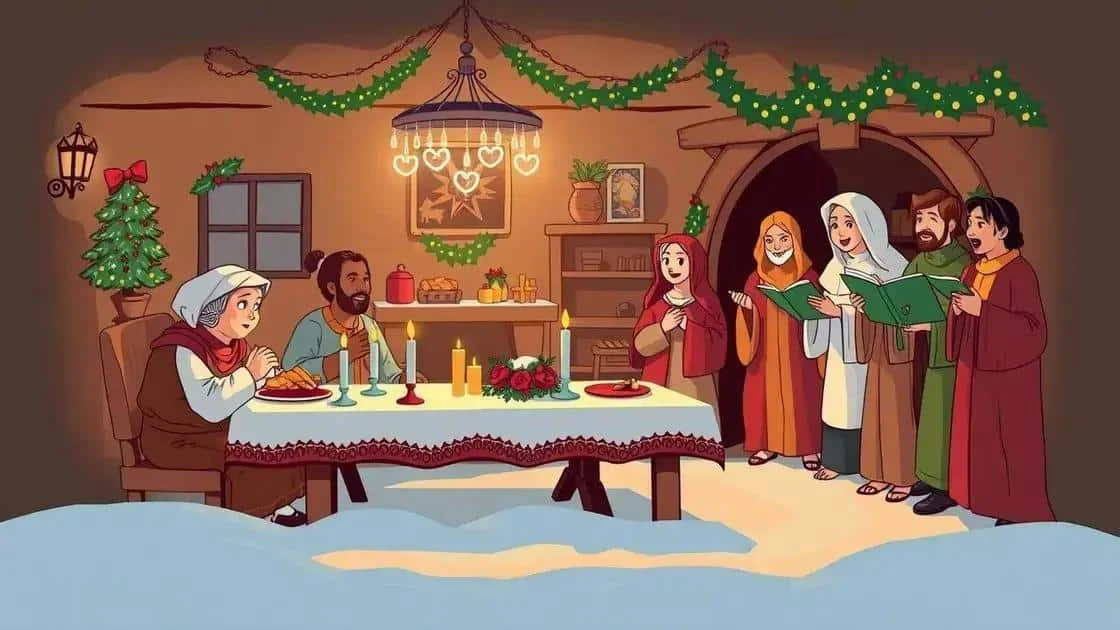
Christian Christmas traditions vary between churches and families. A Nativity scene can offer a focus for reflecting on the birth story, alongside services, prayer and music.
A Christmas meal may bring relatives and friends together. Depending on the household, it might include roast turkey, seasonal vegetables or panettone. These are food examples, not a required Christian menu. Some families say a prayer of thanks before eating.
Christmas carols feature in church services, concerts and community singing. Religious carols tell Christian stories; secular seasonal songs can sit alongside them in other settings.
Giving presents can express generosity, with Christians sometimes connecting it to Jesus or the Magi. Charitable help is another option. Neither gifts nor a particular spending level are requirements for a meaningful celebration.
Christmas decorating can become a shared activity at home. Public lights and displays also attract visitors of different backgrounds, although enjoying a display does not imply sharing a religious belief.
Hanukkah: a separate Jewish festival
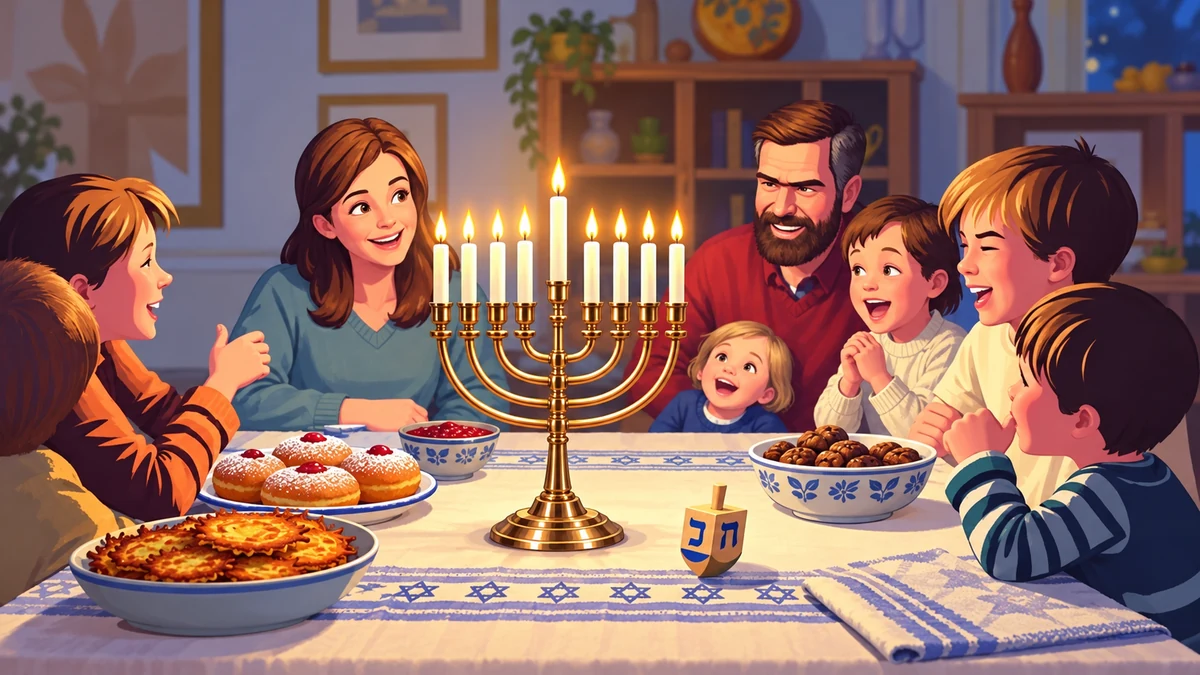
Christmas and Hanukkah have different histories. Hanukkah commemorates the rededication of the Jerusalem Temple. Jewish tradition also tells of oil that lasted eight days; this is a religious account, not an event demonstrated by a modern experiment.
A hanukkiah, or Hanukkah menorah has places for eight lights and a separate helper light, the shamash. One additional light is lit on each night, with blessings and customs that vary. It should not be confused with the seven-branched Temple menorah.
Foods associated with Hanukkah include latkes, potato pancakes, and sufganiyot, filled doughnuts. Fried foods recall the oil tradition, but recipes and family menus vary across Jewish communities.
Children may play with a dreidel, a four-sided spinning top. Customs involving coins, sweets or presents vary between households; gifts are not the defining feature of the festival.
Hanukkah has its own history and practices. Themes of hope and renewal may invite wider reflection, but describing it only through Christmas obscures its particular meaning.
Muslim perspectives on Christmas
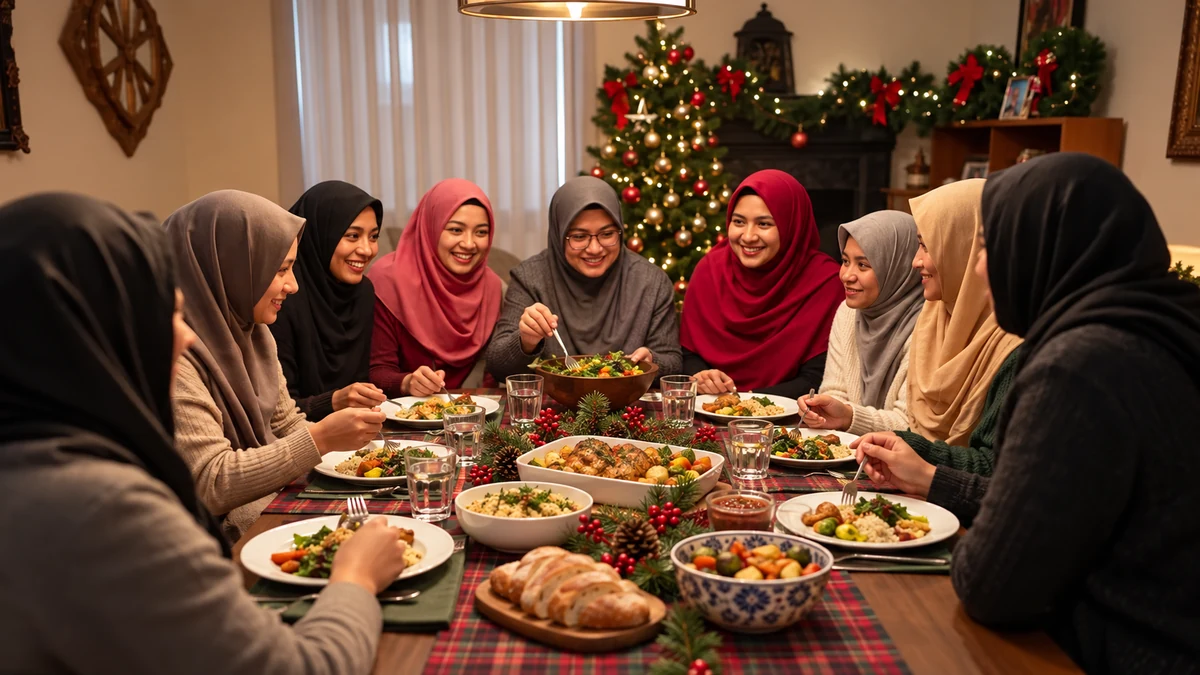
Christmas is not an Islamic religious holiday. Islam recognises Jesus, or Isa, as a prophet, while Christian and Muslim teachings about him differ. Those differences matter and should not be erased in the name of inclusion.
Some Muslims join a meal with Christian friends or exchange seasonal greetings; others choose not to participate. Both responses deserve respect, without asking someone to justify a personal religious boundary.
Compassion and generosity have important roles in Islam throughout the year. A Muslim neighbour’s charitable work in December should not automatically be described as observing Christmas.
Friendship can be maintained through conversations and invitations that leave room for different choices. Ask about dietary needs, alcohol and suitable activities rather than relying on assumptions.
A respectful invitation makes participation optional. Social contact does not require religious agreement, and declining a Christmas gathering need not be interpreted as rejecting friendship.
Christmas and Afro-Brazilian religious communities
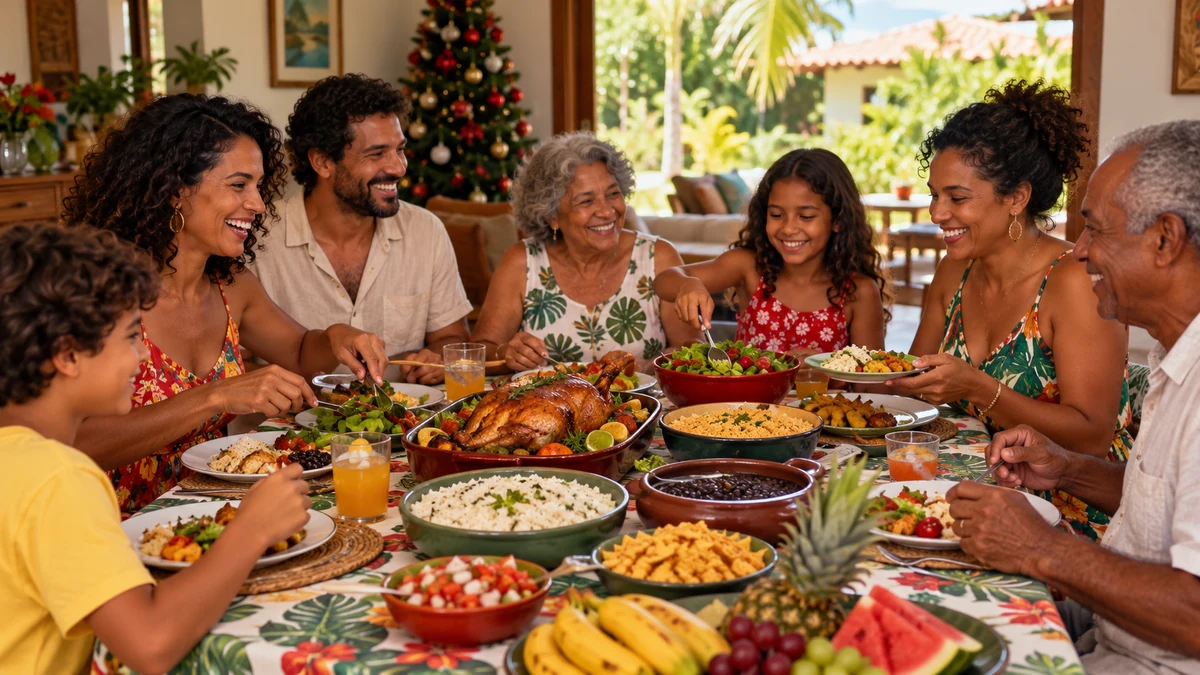
Brazil’s cultural relationships include many ways of experiencing Christmas. Afro-Brazilian religious identities and family Christmas customs can overlap for some people, but there is no single ritual shared by all communities.
A family meal might include dishes such as rice with lentils or black beans. These should not be labelled a standard religious Christmas menu. Likewise, expressions of thanks may be personal rather than a prescribed rite.
Candomblé and Umbanda are distinct traditions, each with internal diversity. Their ceremonies and calendars should not be presented as generic Christmas entertainment or reduced to drums, dancing and offerings.
Theatre and storytelling can explore Afro-Brazilian culture in community settings. A particular performance, however, is not evidence of a Christmas practice followed by every religious community.
People may interpret light as hope or renewal, but meanings depend on context. When visiting a community, follow its guidance and seek permission before photographing or describing sacred practices.
Why religious and cultural diversity matters
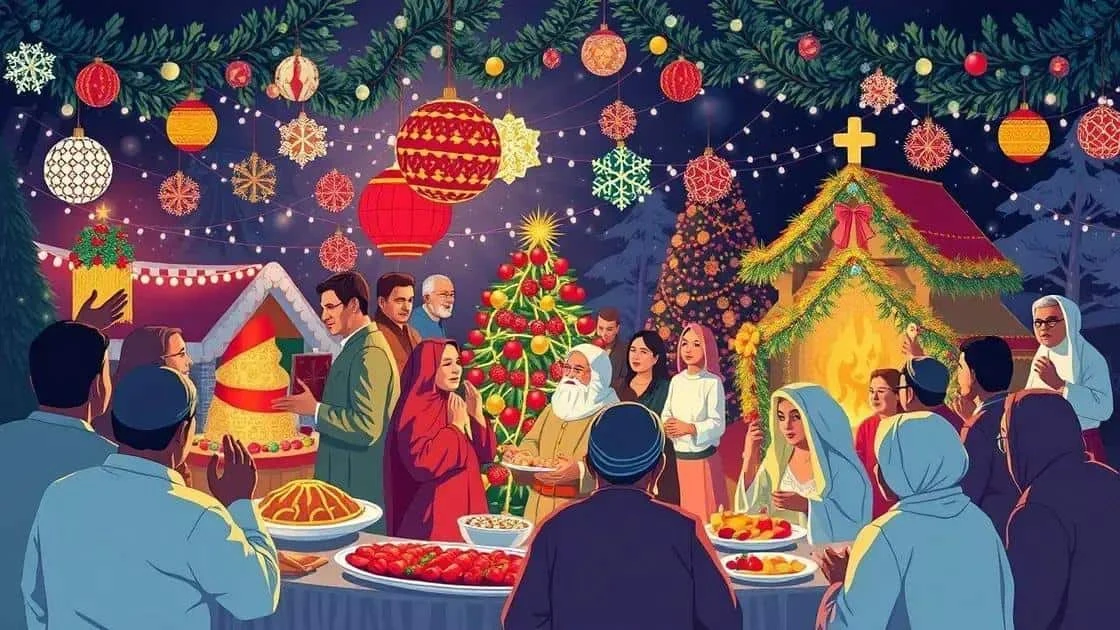
Diversity around Christmas includes people who celebrate religiously, socially or not at all. Recognising that range prevents a welcoming gesture from becoming pressure to take part.
For Christians, the birth of Jesus Christ is central to Christmas. Hanukkah is a separate Jewish festival, and Muslim respect for Jesus does not make Christmas an Islamic holiday. Clear distinctions support genuine understanding.
Brazilian families may combine cultural influences in individual ways. Ask about a specific person’s practice rather than assuming that Candomblé or Umbanda includes a particular Christmas service or ritual.
Respect and connection develop through listening. Inclusive gatherings can offer suitable food, accessible activities and an easy way to decline, without treating everyone as a representative of a whole religion.
Learning about different traditions is valuable when it leaves room for their differences. Respect does not require calling every winter or December festival a Christmas celebration.
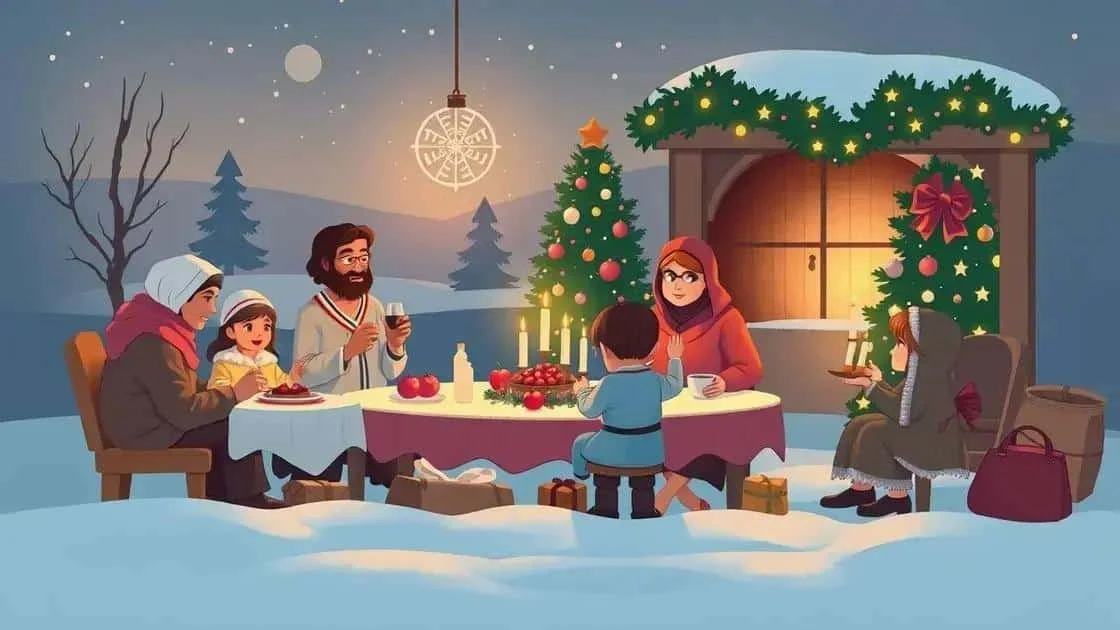
Values associated with Christmas can include love, solidarity, hope and peace. These also appear in other religious and secular traditions; they are not exclusive to this festival.
Concern for others can take practical forms, including donations or time given to a local project. Check what is useful and protect the dignity and privacy of recipients.
Solidarity can include supporting people who do not celebrate Christmas. Charitable help should not depend on someone sharing the giver’s beliefs or taking part in a festive event.
Hope may come through faith, relationships or plans for the future. Leave room for grief and difficulty too, rather than expecting everyone to feel cheerful in December.
Peace can begin with respectful conversation and clear boundaries. Reconciliation should never mean pressuring someone to resume an unsafe relationship or ignore harm.
Making space for different traditions
Christmas takes place in societies with many beliefs and experiences. Its Christian meaning can be acknowledged alongside the choices of people who observe other festivals or none.
Listening, asking rather than assuming, and making invitations optional are practical ways to support understanding. Similar values need not erase differences in religious history or practice.
A welcoming celebration respects both participation and non-participation. That approach can make relationships stronger well beyond the festive season.
FAQ — Christmas and religious diversity
Which values are often associated with Christmas?
Love, generosity, hope and peace are common associations. They are also important in many other traditions and are not exclusive to Christmas.
Do all religions celebrate Christmas?
No. Christmas is Christian. Hanukkah is a separate Jewish festival, and Christmas is not an Islamic holiday. Individuals may join social occasions without adopting Christian beliefs.
Why recognise diversity around Christmas?
It helps people avoid assumptions, respect different beliefs and make gatherings more inclusive. Choosing not to celebrate should be as acceptable as taking part.
Do Afro-Brazilian religions have one Christmas ritual?
No universal ritual should be assumed. Candomblé and Umbanda are distinct and internally diverse; some practitioners also follow personal or family Christmas customs.
How can I offer practical help at Christmas?
Ask a local organisation what it needs, donate suitable items or volunteer within your abilities. Offer help without conditions based on religion or festive participation.
What can we learn from different seasonal traditions?
We can learn to ask thoughtful questions and distinguish shared values from distinct histories. Respectful curiosity leaves people free to explain their own beliefs.
Sources and Further Reading
- Chabad: what is a Chanukiah?
- Chabad: Hanukkah questions
- Quran: chapter 4 verse 171
- Brazilian Ministry of the Environment: traditional peoples and communities