Christmas gifts for children aged five and under can include age-appropriate toys, picture books and creative activities. Start with the child’s interests and the product’s safety guidance, then consider durability, your budget and how you will enjoy the gift together.
Choosing Christmas gifts for children aged five and under need not mean buying the biggest toy in the shop. A book shared at bedtime or a simple game played together can be just as welcome. Here are practical ideas for different ages, along with ways to personalise and wrap them.
Choosing a Gift for Each Age Group
Finding the right present begins with the child rather than the packaging. Age is a useful guide, but interests and abilities vary. Follow the manufacturer’s age warnings and instructions; a toy intended for an older child is not made suitable simply by calling it educational.
Babies Under One
For babies, consider sensory toys designed for their age, such as a well-made rattle or a washable fabric book. Look for secure parts and a manageable sound level. Toys are for awake, supervised play and should not be left in a baby’s sleeping space.
One to Two Years
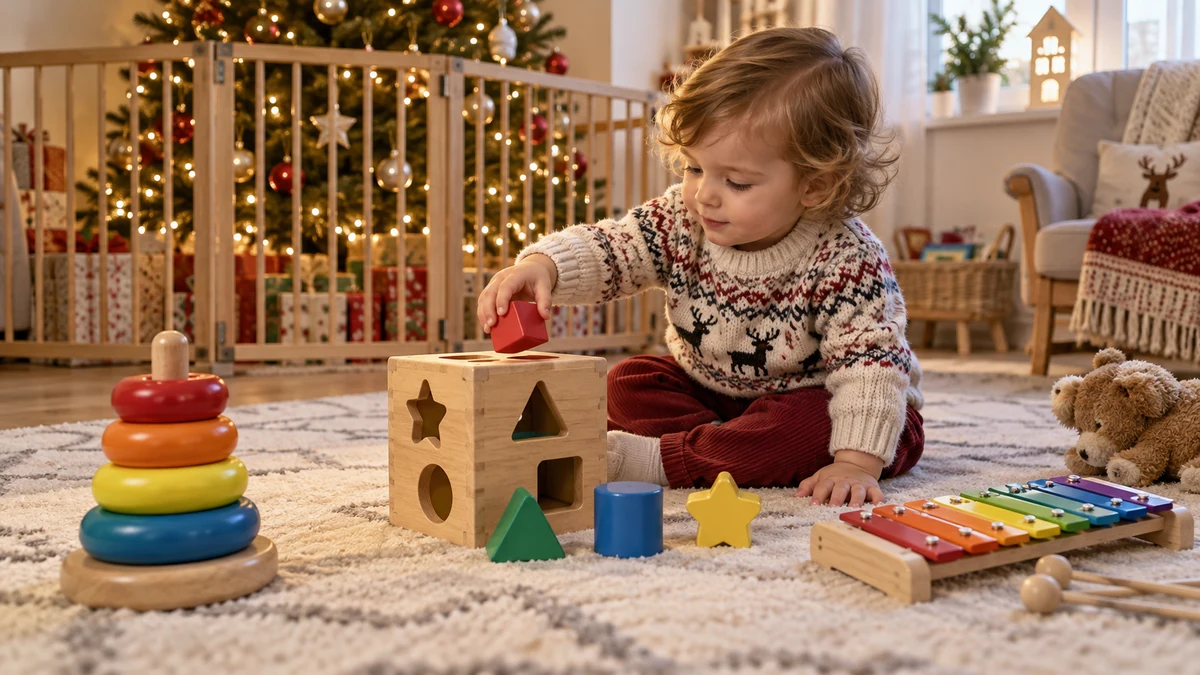
Large stacking blocks and simple shape sorters offer plenty to explore. A sturdy push-along toy may suit a toddler who enjoys moving around, provided it is age-appropriate and used in a clear, safe space. Check that pieces cannot break off or become choking hazards.
Two to Three Years
Children who enjoy copying everyday activities may like pretend-play toys, such as an age-appropriate play kitchen or chunky toy tools. Picture books can also spark conversation. Avoid small accessories that are unsuitable for children under three.
Three to Five Years
By this age, many children have clear favourite themes. Learning games can introduce letters, numbers or matching without turning play into a test. For outdoor presents, consider a ball or a correctly sized balance bike, with suitable protective equipment and adult supervision.
Toys That Encourage Learning Through Play
A useful learning toy combines fun with opportunities to explore. It does not need a screen or an ambitious promise on the box. Choose something the child can handle, understand and return to in different ways.
Building and Construction Toys
Age-appropriate building toys let children stack, sort and invent. Large blocks are a flexible starting point. For any set, check the age label, the condition of the pieces and whether younger siblings could reach them.
Matching and Memory Games
Simple matching games give children a chance to practise remembering and noticing differences. Begin with a few large cards and add more if the child enjoys it. The aim is shared play, not a guaranteed improvement in intelligence or a competition they must win.
Puzzles
Choose puzzles with a suitable number and size of pieces. Work together, talk about the pictures and let the child try their own approach. A puzzle that is slightly challenging can be enjoyable; one far beyond their stage may simply be frustrating.
Exploring Everyday Science
For this age group, think of simple exploration: floating and sinking during supervised water play, observing leaves or sorting objects by size. Do not substitute a chemistry set intended for older children. Any kit should explicitly suit the child’s age and be used as instructed.
Musical Play
A small drum or another age-appropriate instrument can invite rhythm and movement. Check its construction and volume, and make space for a short session together. A musical present is an invitation to explore sounds, not a requirement to perform.
Handmade Gifts with a Personal Touch
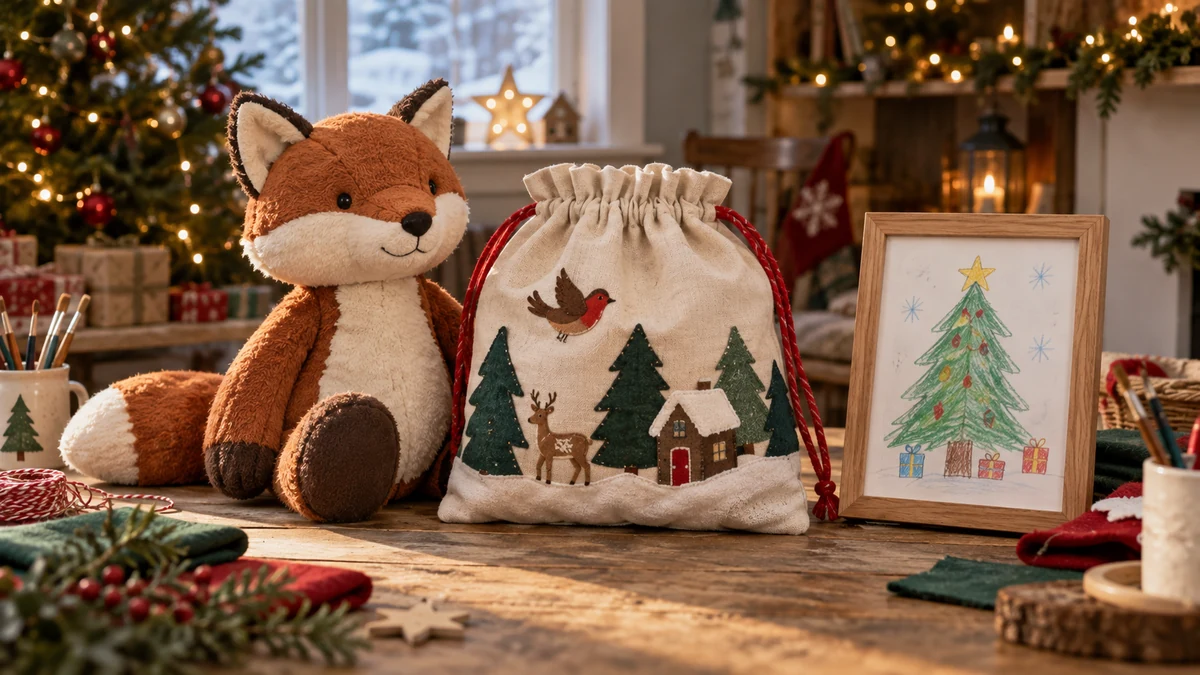
Handmade gifts can show care without costing much. For young children, keep the distinction between a decorative keepsake and a safe toy clear. A home-made object should not automatically be handed over for unsupervised play.
Gathering Materials
Start with coloured paper, card and washable, age-appropriate art materials. Adults should handle sharp scissors and any cutting or assembly that requires them. Avoid loose beads, buttons and other small decorations within reach of very young children.
Personalised Keepsakes
A handmade card can include a drawing and a short message about something you enjoy doing together. Another idea is a personalised photo display made by an adult and placed safely out of reach, rather than a fragile glass frame given as a toy.
Putting Together a Creative Kit
For a child old enough to use the materials, assemble a small kit of washable paints, brushes and paper. Check every item’s age guidance and include time to make something together. Keep packaging, caps and small accessories away from younger siblings.
Reusing What You Have
Upcycling means giving an existing item a new use. A clean, sturdy cardboard box can become an adult-made storage box or part of supervised play. Avoid glass, cut plastic edges, staples and long cords; reusing a material does not make it child-safe.
Making It Meaningful
A home-made present is most useful when it suits the recipient. Keep it manageable, make its intended use clear and prioritise safety over elaborate decoration. A simple keepsake and a plan to spend time together can be enough.
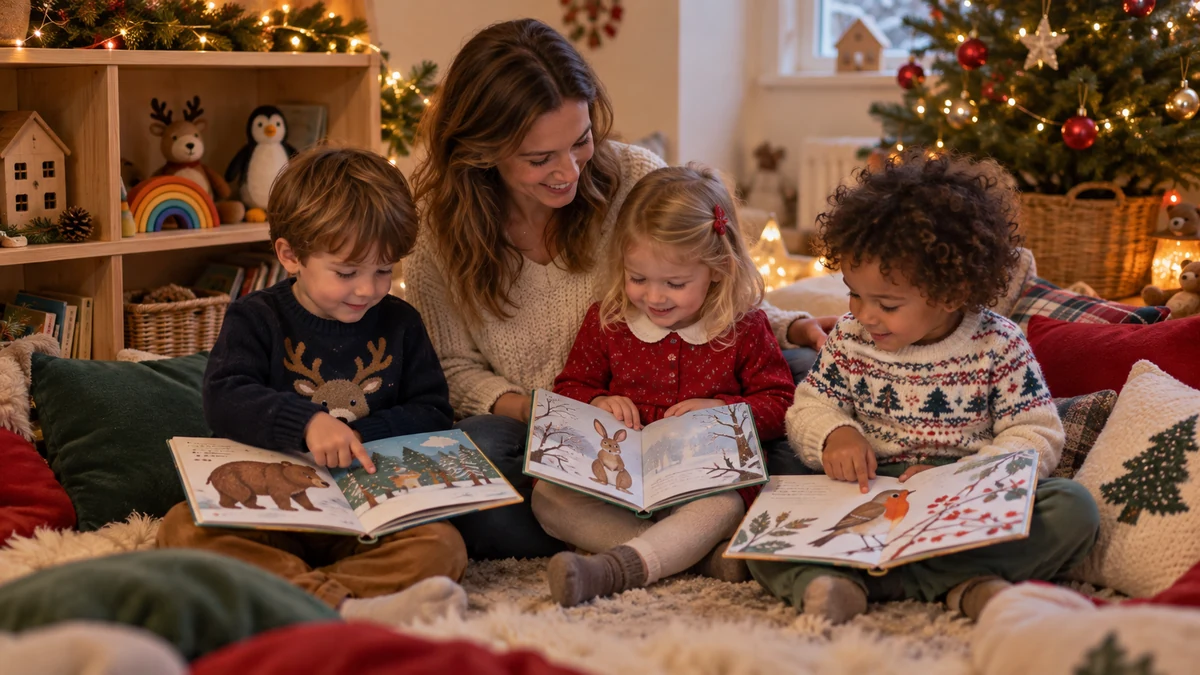
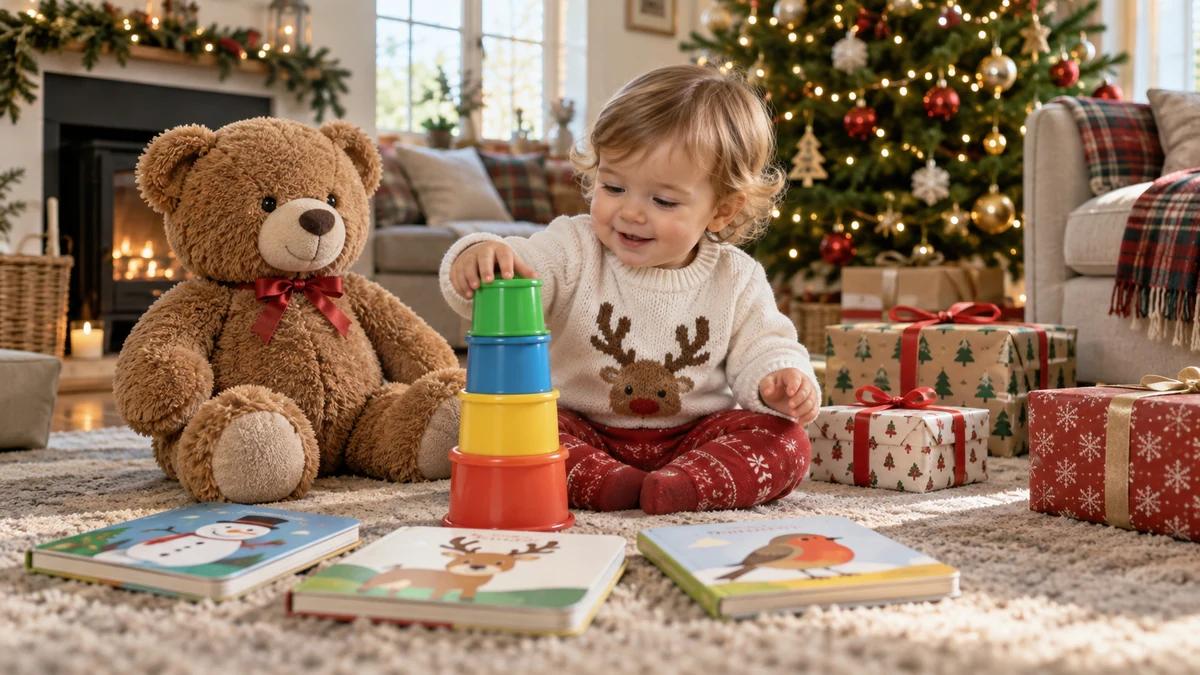
Children’s books offer pictures to explore, words to hear and stories to return to. Choose a format that suits the child, from a fabric or board book for a baby to a longer picture book for a preschooler.
Reading Together
Reading aloud creates opportunities to enjoy language and spend time together. Point to pictures, pause for questions and let the child revisit favourite pages. A few relaxed minutes are more useful than insisting on finishing a book they are not enjoying.
Picture Books with Strong Visual Appeal
Books with clear, colourful illustrations give children plenty to notice. Look for pictures that support the story and invite conversation. For example, Eric Carle’s picture books use distinctive collage artwork that children and adults can explore together.
A Range of Themes
Animals, friendship, family life and everyday adventures offer different starting points. Include characters and settings beyond the child’s own experience, while checking that the story’s themes suit them. Read through an unfamiliar book before giving it.
Interactive Books
Interactive books with sturdy flaps or textures can be appealing. Check that they remain intact and that any battery compartment is secure. A book with damaged parts should be repaired safely or kept out of reach.
Familiar Favourites and New Discoveries
For younger children, consider age-appropriate editions of Dear Zoo or The Very Hungry Caterpillar, alongside newer picture books. Browse a library or a children’s bookseller for ideas. A famous novel for teenagers or adults is not necessarily a suitable gift for a preschooler.
Choosing Gifts with Less Waste
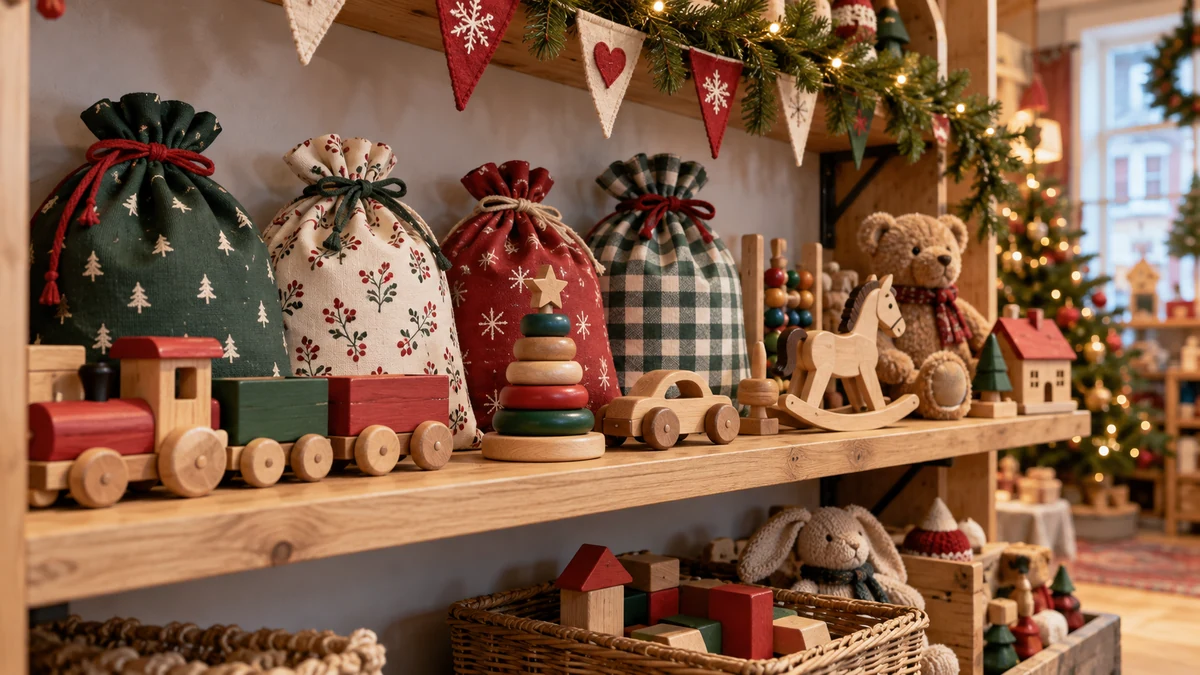
When considering lower-waste gifts for children, start with whether the present will be used and how long it might last. Buying fewer, well-chosen items and passing suitable things on can be more practical than relying on a green label.
Toys Made with Recycled Materials
Some toys contain recycled materials. Check the manufacturer’s information rather than assuming all the components are recycled. The same age, construction and safety checks apply as for any other toy.
Books and Paper Choices
A book printed on recycled paper is one option, but a well-kept second-hand book can also make a thoughtful present. Check its condition and choose a story the child will enjoy. Durability and repeated use matter too.
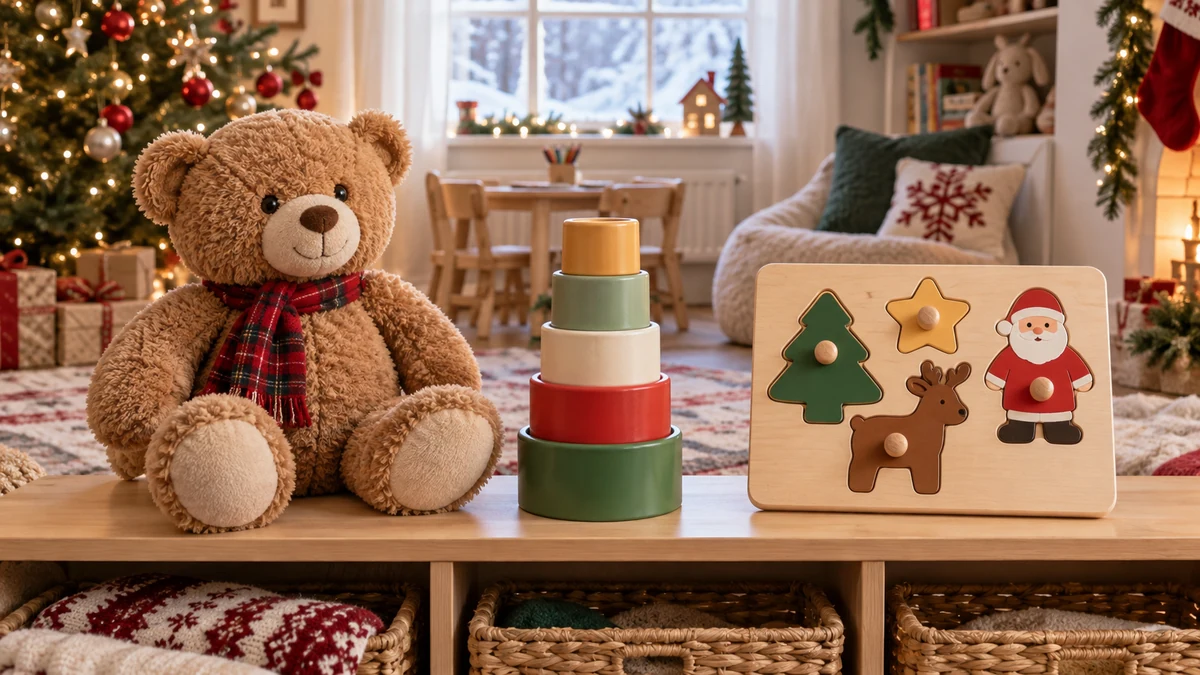
Wooden and Fabric Toys
Toys made from wood or fabric can be appealing, but natural materials are not automatically safer, non-toxic or more durable. Inspect finishes, seams and small parts, follow age guidance and buy from a trustworthy seller.
Gardening Together
An age-appropriate gardening set can be paired with a supervised planting activity. Adults should choose suitable plants and handle compost, tools and any small seeds as appropriate. Keep chemicals out of reach and wash hands after gardening.
Clothes and Useful Accessories
Clothing can be a welcome gift when it fits and suits the family’s needs. Consider a well-made second-hand item or a clearly described fabric, rather than assuming an organic label tells the whole environmental story. Check fastenings, cords and care instructions.
Involving Children in Choosing Presents
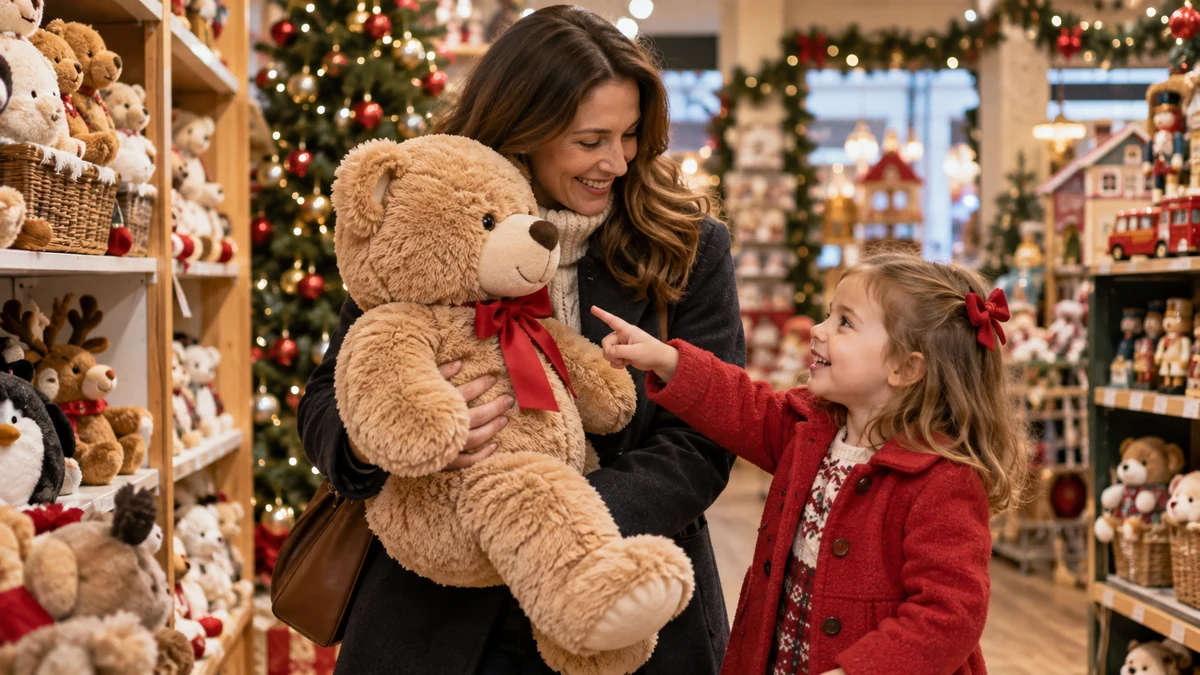
Talking about presents can help children express their preferences and begin to understand choices within a budget. Keep the conversation simple and avoid making a wish list sound like a promise that everything will arrive.
Ask What They Enjoy
Start with their interests and favourite activities. What do they like playing, reading or making? Listening can reveal a useful idea that has little to do with the toy currently being advertised.
Browse Together
A short visit to a toyshop or library can help a child notice different options. Explain beforehand that looking does not mean buying. Let them try only the items intended for demonstration and keep the outing relaxed.
Make a Wish List
A wish list can be drawn rather than written. Ask the child to choose a few favourites and talk about why they like them. Include experiences such as a craft afternoon or a visit to a familiar place.
Talk About Reuse
Discuss how a handmade keepsake, a well-kept used book or a toy passed on by another family can still be special. Avoid presenting one material as always better for the environment; focus on caring for and using what you have.
Offer a Manageable Choice
Rather than asking a small child to choose from hundreds of products, offer two or three suitable possibilities. Adults remain responsible for safety and spending. The child can have a say without carrying responsibility for the whole decision.
Creative, Inexpensive Gift Wrapping
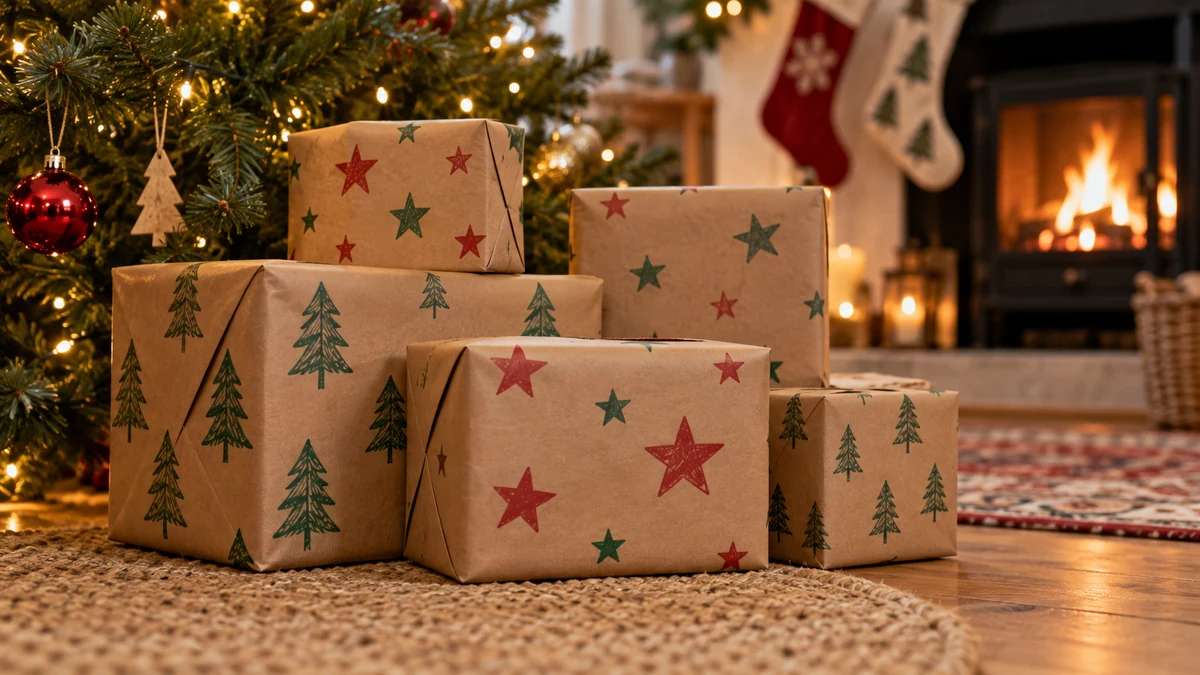
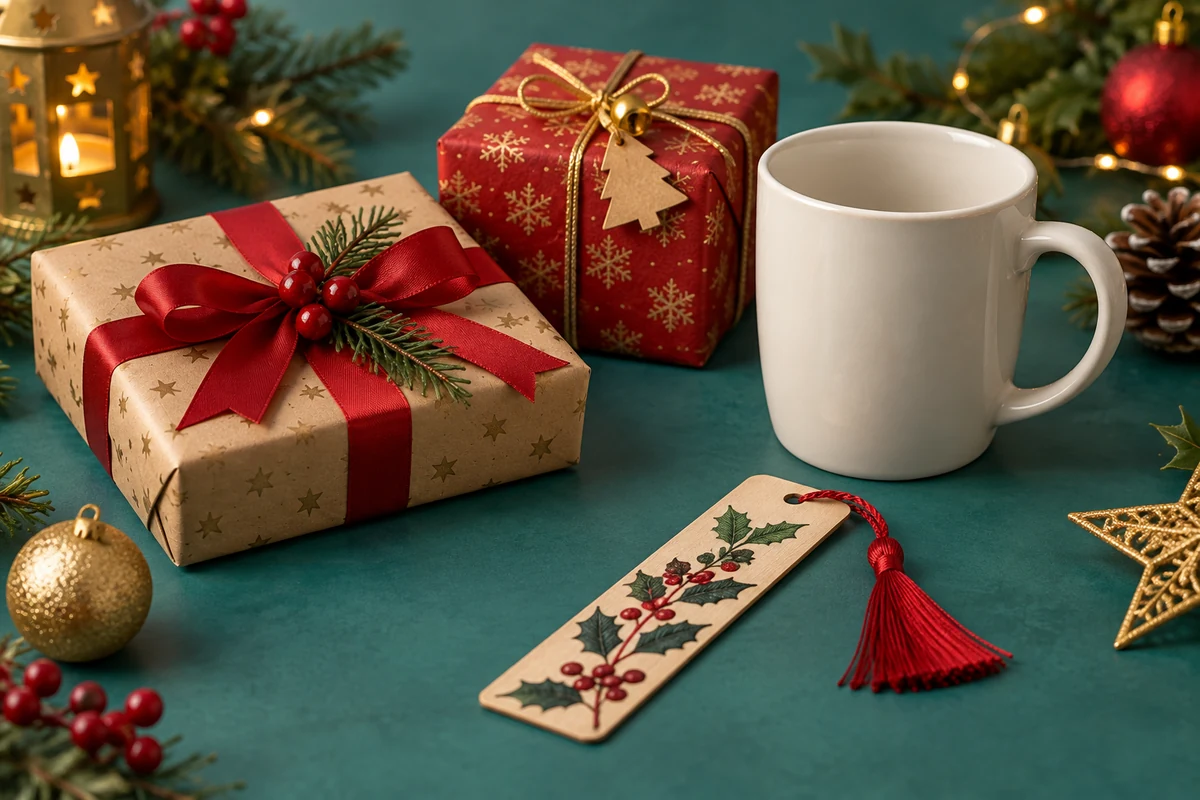
Wrapping can add a personal touch without becoming another large purchase. Reuse clean materials you already have and keep the design simple. Remove packaging before play, especially bags, ties and small embellishments.
Reuse Plain Paper
Clean plain paper or suitable newspaper can be decorated with a drawing or a stamp. Check for ink transfer and avoid food-stained paper. Recycling rules vary, so do not assume every glossy, coated or decorated wrapping can go in the paper bin.
Reused Cardboard Boxes
A sturdy box can be decorated with paint or a little paper tape. Remove staples and old personal information first. Use only as much decoration as needed, particularly if you want the box to be easy to reuse.
Fabric Wrapping
A clean piece of fabric or a reusable cloth bag can wrap a present without disposable paper. Keep ties short and remove the wrapping before a young child plays with the gift.
Keep Tape Simple
A small amount of coloured tape can be part of the design, but layers of plastic tape are rarely necessary. A drawing, folded paper band or reusable bag may do the job with less material.
Skip Loose Decorative Pieces
Although a sprig of rosemary or a pine cone may look festive on an adult’s gift, it can shed pieces or end up in a young child’s mouth. For this age group, choose a drawn decoration instead and keep any adult-only embellishments out of reach.
A Thoughtful Christmas Gift
The best starting point is a child’s stage, interests and everyday life. A book, a suitable toy or time spent making something together can all be thoughtful choices without requiring a large budget.
Look beyond environmental slogans and consider how a present is made, whether it can be cared for and whether it is likely to be used. Safety takes priority over novelty or claims about natural materials.
Inviting children to share their ideas and adding a simple personal touch can make choosing a gift part of the celebration. Keep expectations realistic and leave room for the pleasure of playing together.
A small, well-chosen present can be plenty. Choose carefully, follow the safety guidance and enjoy the time you share.
FAQ — Christmas Gifts for Young Children
What learning gifts suit children aged five and under?
Age-appropriate blocks, simple puzzles, picture books and supervised art materials are useful starting points. Follow the age warnings and choose according to the individual child’s interests and abilities.
How can I involve children in choosing Christmas presents?
Ask what they enjoy, browse a small selection together and make a short drawn or written wish list. Explain that a wish list offers ideas rather than guarantees.
What should I consider when choosing a lower-waste gift?
Consider whether it will be used, its durability, packaging and condition if second-hand. Recycled or natural materials do not replace normal safety checks.
How can I wrap a gift creatively without spending much?
Reuse clean paper, a sound cardboard box or a cloth bag. Keep decoration simple, avoid loose small parts and remove packaging before play.
What activities can we do together while choosing gifts?
Browse books at the library, draw a wish list or make a card with age-appropriate materials. Keep the activity short and enjoyable rather than turning it into a shopping challenge.
Why give a young child a book?
A suitable book offers stories, pictures and words to enjoy together. Choose a format and theme that suit the child, and let shared reading happen at their pace.