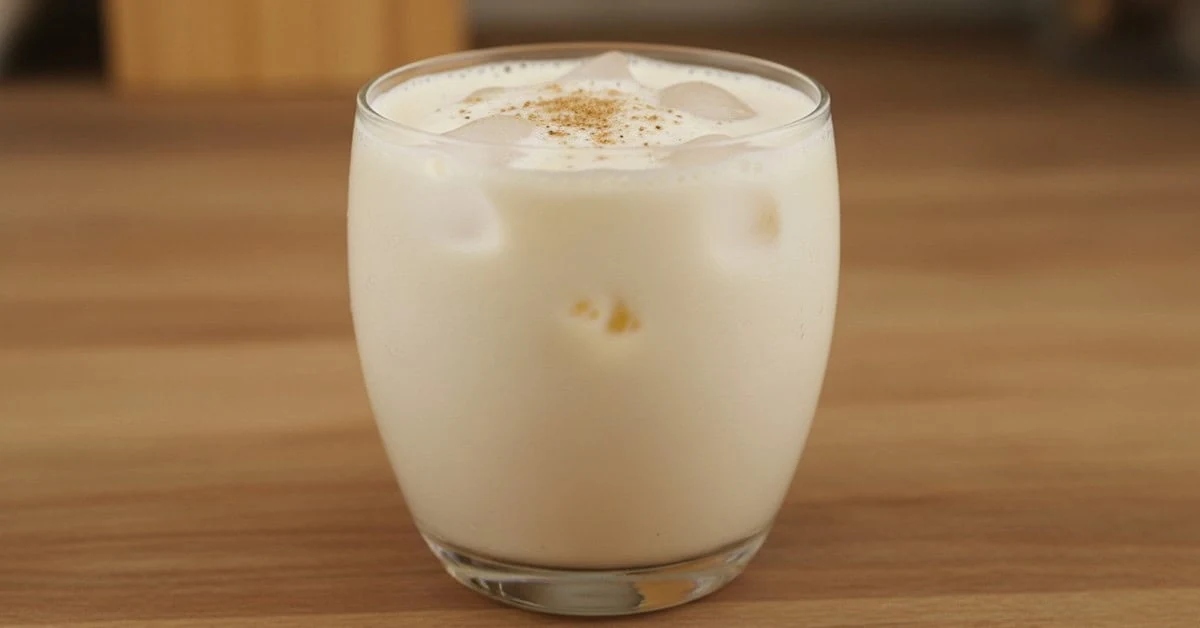
Brazilian-style eggnog combines eggs, condensed milk, milk and cream with vanilla, cinnamon and nutmeg. Use pasteurised egg where available and cook the stirred mixture to a checked temperature-time combination, such as 70°C for 2 minutes. Cool promptly, refrigerate and serve chilled, with optional cachaça or rum added separately for adults.
Brazilian-style eggnog is a rich Christmas drink with the sweetness of condensed milk. This guide covers a cooked homemade version, serving suggestions and adaptations for guests who prefer no alcohol or different ingredients.
Ingredients for Brazilian-style eggnog
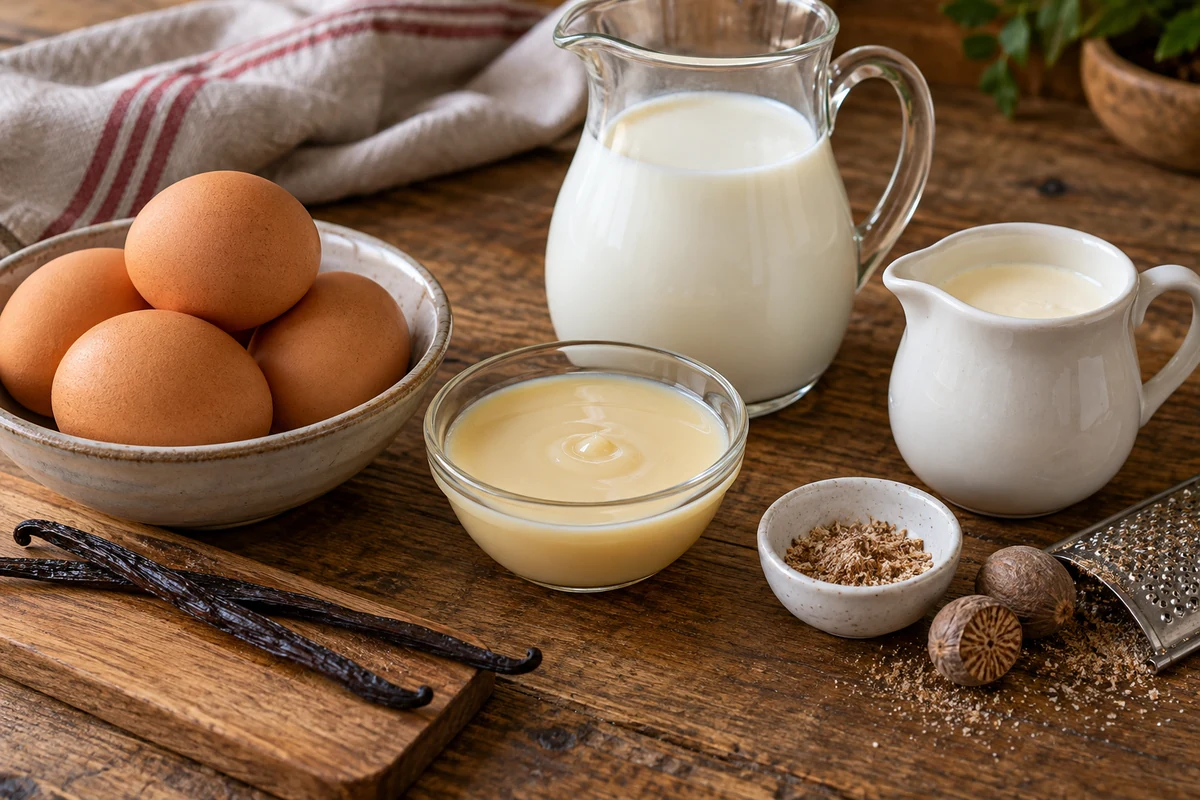
For a creamy Brazilian-style eggnog, gather the following ingredients:
- 6 large eggs — preferably pasteurised whole egg in the manufacturer’s equivalent quantity. Freshness alone does not make raw egg safe; follow the cooked method below.
- 1 tin sweetened condensed milk, 395 g, for sweetness and body. Evaporated milk is unsweetened and has a different composition, so it is not a direct tin-for-tin equivalent.
- 480 ml whole milk — semi-skimmed milk gives a less rich result. Replacing this milk alone does not make the recipe lactose-free because it also contains condensed milk and cream.
- 240 ml whipping cream, for a smooth, rich texture. The same volume of whole milk gives a thinner result rather than an equivalent creaminess.
- 120 ml cachaça, rum or brandy, optional — for an adult batch only. For an alcohol-free version, simply omit it and choose alcohol-free vanilla flavouring or a vanilla pod; do not replace it with extra alcohol-based extract.
- 1 tablespoon vanilla extract, or the seeds from a vanilla pod. Check the extract’s alcohol content when making an alcohol-free drink.
- ½ teaspoon grated nutmeg, plus a light dusting for serving.
- 1 cinnamon stick, for infusing, or ½ teaspoon ground cinnamon.
- A pinch of salt, to balance the flavour.
- Optional ice for serving — otherwise chill the finished drink thoroughly and serve without ice to avoid dilution.
Ingredient notes
This is a sweet, egg-and-dairy drink rather than a health food. Use the cooked method and a food thermometer. Keep any alcoholic version separate, and use a vanilla pod or clearly alcohol-free flavouring for people avoiding alcohol. A product labelled ‘light’ is not necessarily low in sugar or suitable for a particular medical diet.
How to make Brazilian-style eggnog
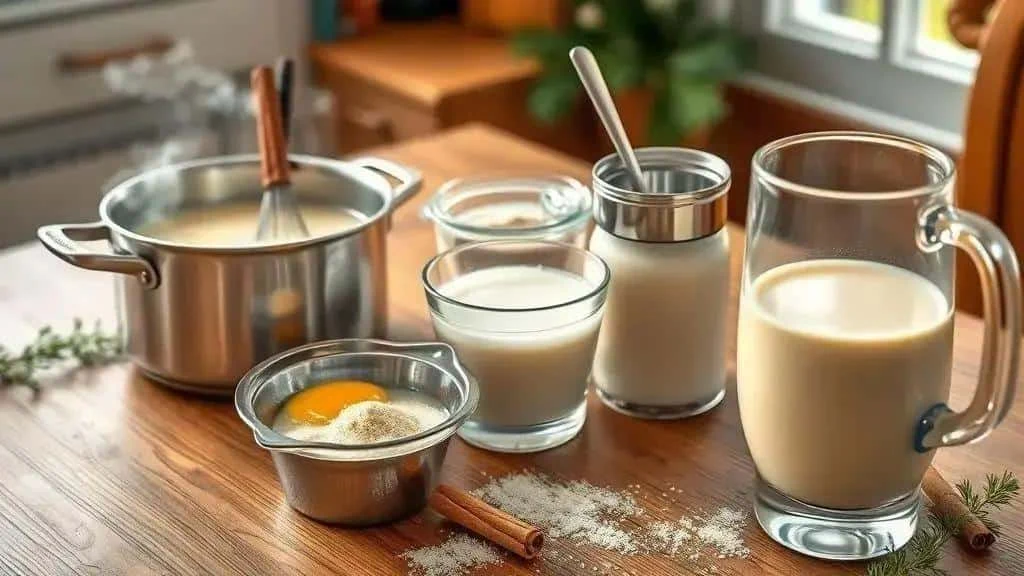
- Gather the equipment: you need a large bowl, saucepan, whisk, fine sieve, clean food thermometer and suitable containers for rapid cooling and refrigeration.
- Warm the 480 ml milk and 240 ml cream with the cinnamon stick and vanilla until steaming, without boiling. Remove from the heat and allow the cinnamon to infuse for 10 minutes.
- In a bowl, whisk the eggs, condensed milk and salt until thoroughly combined.
- Temper the eggs: slowly whisk in about 120–180 ml of the warm milk mixture. This raises the egg mixture’s temperature gradually and reduces the chance of lumps.
- Return everything to the saucepan. Stir continuously over gentle heat, scraping the base, and check with a food thermometer. Bring the whole mixture to at least 70°C and maintain that temperature for 2 minutes while stirring, or use an equivalent recognised combination such as 75°C for 30 seconds. Do not rely on coating the back of a spoon as proof of adequate cooking, and avoid boiling or scorching.
- Remove from the heat and strain into a clean heatproof bowl to remove the cinnamon and any small lumps. If using the optional 120 ml spirit, stir it into the cooled adult batch, or keep it separate for measured individual servings.
- Stir in the ½ teaspoon nutmeg. Cool promptly, for example by standing the bowl in an ice-water bath and stirring with a clean utensil, without allowing bath water into the drink. Refrigerate within 2 hours, then chill thoroughly, usually for 2–4 hours.
- Whisk briefly before serving to restore a smooth texture, or blend the chilled drink for around 20–30 seconds in clean equipment. Serve cold with a light dusting of nutmeg; ice is optional. Keep the remaining batch refrigerated.
-
An uncooked alternative: only with a suitable pasteurised product
- If making an uncooked version, use commercially pasteurised whole egg specifically suitable for uncooked consumption and follow its label. Blend the equivalent of 6 large eggs with the 395 g condensed milk, 480 ml milk and 240 ml cream until smooth. Ordinary fresh shell eggs are not the substitute for this method.
- Add the vanilla and ½ teaspoon nutmeg. Include optional spirit only in a clearly identified adult batch, and use alcohol-free flavouring where required.
- Refrigerate immediately until thoroughly chilled. Follow the pasteurised egg product’s after-opening instructions and use this uncooked version the same day as a cautious household approach. The cooked method is the preferred method in this article.
- Finishing tips: adjust sweetness carefully and use a vanilla pod or alcohol-free flavouring when omitting alcohol. Sparkling water is unnecessary and may spoil the creamy texture. Keep the cooked drink at 5°C or below and use within 48 hours of preparation; alcohol does not extend that limit.
Brazilian-style eggnog variations
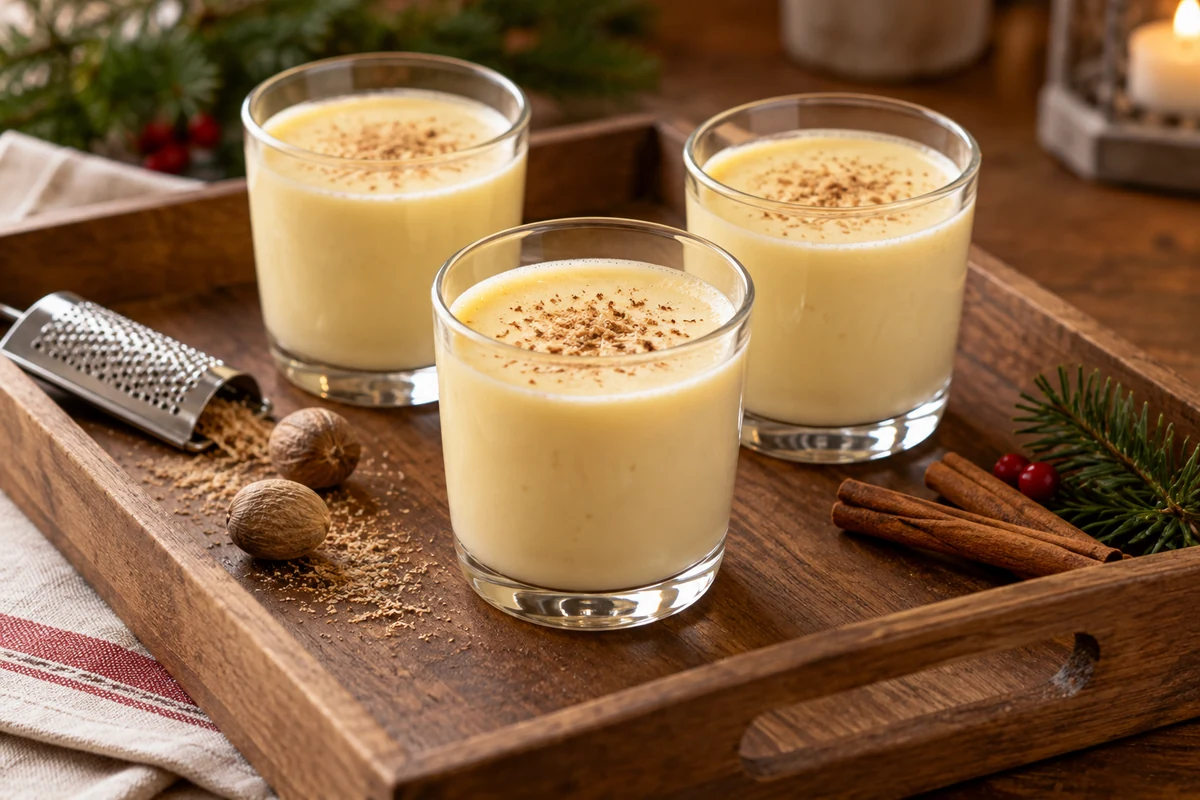
Adapt Brazilian-style eggnog to different tastes, remembering that changing ingredients can affect both texture and preparation.
Alcohol-free version
Omit the spirit and check that the vanilla flavouring is alcohol-free. The drink remains rich and creamy; use appropriate small portions rather than treating it as an everyday children’s drink.
- Pasteurised whole egg equivalent to 6 large eggs, following the cooked method
- 1 tin sweetened condensed milk, 395 g
- 480 ml whole milk
- 240 ml whipping cream
- A vanilla pod or suitable alcohol-free vanilla flavouring, according to its strength
- Nutmeg, to taste within the main recipe quantity
- In place of the spirit: simply leave it out. Do not add several extra tablespoons of vanilla extract, which can contain alcohol and overpower the drink.
- Method: follow the cooked preparation, cool rapidly and refrigerate. Whisk briefly before serving.
Vegan-inspired version
This egg-free, dairy-free variation is a different drink with a lighter foamy texture, rather than an identical custard. Check all ingredient labels.
- 6 tablespoons aquafaba, the liquid from suitable cooked or tinned chickpeas, to provide foam rather than replace the thickening power of six eggs
- A suitable plant-based condensed milk alternative — choose an equivalent product; coconut milk mixed with sugar is not automatically the same consistency
- 480 ml almond or oat drink
- 240 ml coconut or soya cream alternative
- Vanilla flavouring, checking that it is alcohol-free if required
- Nutmeg and cinnamon, added sparingly to taste
- Whisk the aquafaba until foamy, then gently combine with the chilled plant-based drink, cream alternative and condensed milk alternative. Add the vanilla and spices. The foam may settle; this is not a cooked egg custard.
- Adjust the consistency with a little more plant-based drink if necessary. Refrigerate until thoroughly cold, serve promptly and follow the shortest after-opening storage guidance of the ingredients; same-day preparation is preferable.
A less rich or differently sweetened version
Changing milk or cream can reduce richness, but the finished nutrition depends on the actual ingredients and portions. Do not assume that ‘light’ means low-sugar.
- Pasteurised whole egg equivalent to 6 large eggs
- An appropriately formulated condensed-milk alternative — compare labels; using evaporated milk and sweetener needs a recipe adjusted for its different texture
- 480 ml skimmed or semi-skimmed milk
- 240 ml lower-fat cream suitable for cooking — yoghurt is not a direct heated substitute and may split
- Vanilla and spices, for flavour without automatically adding more sweetener
- Choose the sweetened milk component carefully: use a recipe designed for a lower-sugar version rather than swapping in an unspecified tin of evaporated milk and expecting the same result.
- Use the cooked method for the egg mixture, then assess flavour only after adequate cooking. Cool promptly and refrigerate.
Tropical coconut version
Coconut brings another flavour to the creamy, spiced base.
- Pasteurised whole egg equivalent to 6 large eggs
- 1 tin sweetened condensed milk, 395 g
- 240 ml coconut milk and 240 ml whole milk
- 240 ml whipping cream
- Optional: ½ of a 240 ml measuring cup of grated coconut, for infusion
- Lime zest or a little rum, optional; keep rum for the adult version
- Infuse the milk mixture with the grated coconut and strain if you want a smoother texture, then complete the cooked eggnog method with the condensed milk, eggs and spices.
- If desired, add 1 tablespoon rum to the finished adult batch for flavour, or omit it and use lime zest instead.
Coffee and chocolate version
A richer-flavoured variation for a small after-dinner serving; the coffee contributes caffeine unless you use decaffeinated coffee.
- Pasteurised whole egg equivalent to 6 large eggs
- 1 tin sweetened condensed milk, 395 g
- 480 ml whole milk
- 240 ml whipping cream
- 2 tablespoons strong espresso, or instant coffee dissolved according to the product’s strength
- 2 tablespoons cocoa powder; melted chocolate gives a different sweetness and consistency
- Add the coffee to the warm milk mixture during the flavouring stage.
- Mix the cocoa with a little of the warm milk until smooth, then whisk it into the base and complete the cooked method.
Aged-spirit flavour without ageing the drink
An aged rum or brandy can add oak and spice notes. This homemade eggnog is still a perishable drink, not a recipe for long-term alcoholic preservation.
- Use aged rum or brandy within the main recipe’s optional 120 ml quantity, or add smaller measured amounts to adult servings.
- Add a strip of washed orange zest during infusion, avoiding the bitter pith, and strain it out afterwards.
- Nutmeg and a small pinch of ground cloves add further spice.
- Stir in the spirit after cooling if using it. Refrigerating overnight can let the flavours mingle, but use the drink within 48 hours of preparation and do not age it beyond that.
- Adjust a freshly prepared, safely stored batch with a little more spice if desired. Tasting is not a method for checking whether an old batch is safe.
Tips for the variations
Consistency: more cream gives a richer drink, while milk thins it. Sweetness: changes to condensed milk affect body as well as flavour. Preparation: use pasteurised egg where available and follow the thermometer-based cooked method; a vague visual thickness check is not enough.
Egg handling and ingredient substitutions
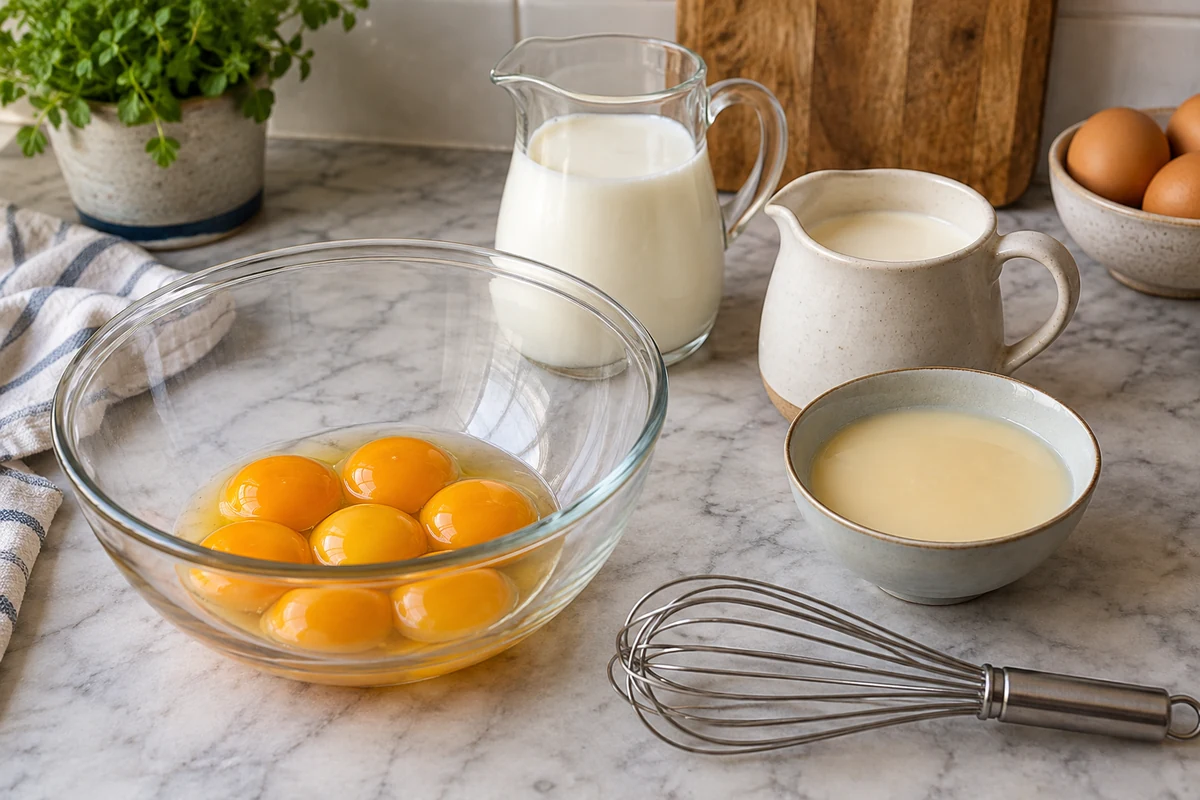
Careful preparation and suitable substitutions help you serve Brazilian-style eggnog with confidence.
Cooking the egg mixture
Use pasteurised egg products where available and follow their instructions. For the cooked method, check that the whole stirred mixture reaches 70°C for 2 minutes, or an equivalent recognised temperature-time combination. Merely reaching the lower end of a temperature range for an instant is not the same process.
- Temper gradually: whisk a thin stream of warm milk into the eggs so they heat evenly rather than scrambling in lumps.
- Cook gently: use low heat, or a suitable bowl over gently simmering water, and stir while checking temperature and holding time. A spoon-coating texture alone does not verify adequate cooking.
- For an uncooked alternative: use only a commercially pasteurised product suitable for that use and follow its instructions. For vulnerable guests, the thoroughly cooked version is the more cautious choice.
Common ingredient changes
- Condensed milk, 395 g — sweetened condensed milk and evaporated milk differ. Use a specifically adapted recipe if changing between them; adding a fixed 200 g sugar to an unspecified tin is not a reliable equivalent.
- Whole milk, 480 ml — semi-skimmed milk gives less richness. For a dairy-free recipe, replace the cream and condensed milk too, not just this milk.
- Cream, 240 ml — a suitable coconut or soya cooking cream can change the flavour and richness. Yoghurt behaves differently under heat and is not a straightforward substitute.
- Eggs — aquafaba can create foam in an egg-free drink but does not reproduce the custard-thickening action of six eggs. Use the separate vegan-inspired method rather than treating it as a direct swap.
- Sweetening — use any alternative according to its instructions and remember that the basic condensed milk already provides substantial sweetness. Honey is not vegan.
- Optional alcohol, 120 ml — simply omit it for an alcohol-free version. Use a vanilla pod or a verified alcohol-free flavouring, not extra alcohol-based vanilla extract.
Serving alcoholic and alcohol-free versions
Make the alcohol-free option clear for anyone who avoids alcohol, including children and pregnant guests. Use separate jugs and serving utensils.
- When to add it: stir optional spirit into the cooled adult batch or add it in measured amounts to individual glasses. It is not a substitute for cooking or refrigeration.
- Measure rather than free-pour: the recipe’s 120 ml is for the whole batch, not one serving. Check the spirit’s ABV and keep portions modest.
- Identify the jugs: mark clearly which contain alcohol and which are alcohol-free.
Storage time
- Refrigeration: cool promptly and keep covered at 5°C or below.
- Use within 48 hours: this applies to the cooked version with or without alcohol, or sooner if ingredient instructions require it. For the uncooked pasteurised-egg alternative, prepare and use the same day. Smell and appearance cannot prove that a drink is safe.
- Whisk before serving: mild settling in a fresh, correctly stored drink can be mixed back in. Do not blend away signs of spoilage or use whisking to rescue an old batch.
Dietary needs and allergens
- Lactose-free: replace all three dairy components with appropriate products. Lactose-free dairy still contains milk proteins and is not suitable for someone avoiding milk because of an allergy.
- Vegan: use the egg-free, plant-based variation and check the condensed milk alternative, cream alternative and flavouring. Expect a different texture.
- Sugar management: a ‘light’ condensed milk or added sweetener does not automatically make eggnog suitable for diabetes. Consider the full ingredient list, carbohydrates and portion size in line with any individual dietary advice.
Practical handling tips
Wash your hands before preparation and after handling shell eggs. Use clean utensils and avoid cross-contamination. Discard questionable ingredients or improperly stored eggnog. Freezing is not recommended here because the texture may split.
What to serve with Brazilian-style eggnog
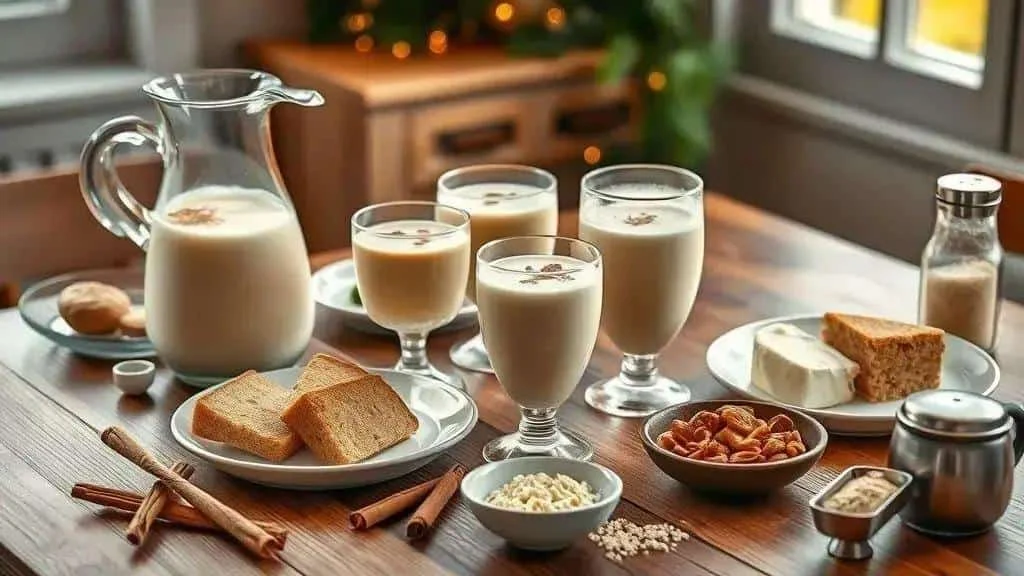
Brazilian-style eggnog is rich enough to serve as a small dessert drink. Choose accompaniments that offer a contrasting texture or flavour.
Pairing ideas
- Festive baking: a small slice of panettone, spiced cake or Brazilian rabanada makes a seasonal pairing.
- Chocolate: a small dark-chocolate dessert or brownie contrasts with the sweet, creamy drink.
- Fruit desserts: apple tart or a lightly sweetened fruit compote adds a different texture and some sharpness.
- Mild cheeses: a small cheese selection offers a savoury contrast; choose products appropriate to your guests’ dietary needs.
- Nuts: toasted almonds, walnuts or Brazil nuts add crunch, provided they are suitable for those being served and allergens are clearly identified.
- Coffee: a separate espresso provides a bitter contrast. Any optional liqueur adds more alcohol and should be measured and clearly identified.
Occasions for serving
- Christmas and New Year gatherings: offer a small chilled serving as part of the festive menu.
- Parties and receptions: serve modest portions as a welcome drink or a dessert option.
- Brunch or afternoon gatherings: the alcohol-free version can accompany sweet or savoury dishes.
- Homemade gifts: only give freshly prepared eggnog when you can maintain refrigeration and provide clear preparation and use-by guidance. It is not a shelf-stable bottled gift.
Serving suggestions
- Temperature: serve thoroughly chilled, with only a little ice if you want to avoid watering it down.
- Glass and portion: small glasses with roughly 100–150 ml servings suit this rich drink; account for any alcohol in the batch.
- Garnish: use a light dusting of nutmeg or a little orange zest. Keep whole cinnamon sticks as optional adult garnishes rather than loose pieces in children’s drinks.
- Alcohol-free flavour: use vanilla-pod seeds, suitable alcohol-free flavouring or citrus zest; extra alcohol-based extract is not an appropriate substitute.
- Serving a group: label the versions clearly, use clean glasses and keep the bulk of the drink refrigerated.
Matching the rest of the menu
After a rich meal, keep both the eggnog and its accompaniments small. Fruit or a little dark chocolate can offer contrast without adding another large sweet course. Adjust the drink’s sweetness with the whole menu in mind.
The Brazilian-style ingredients in this eggnog
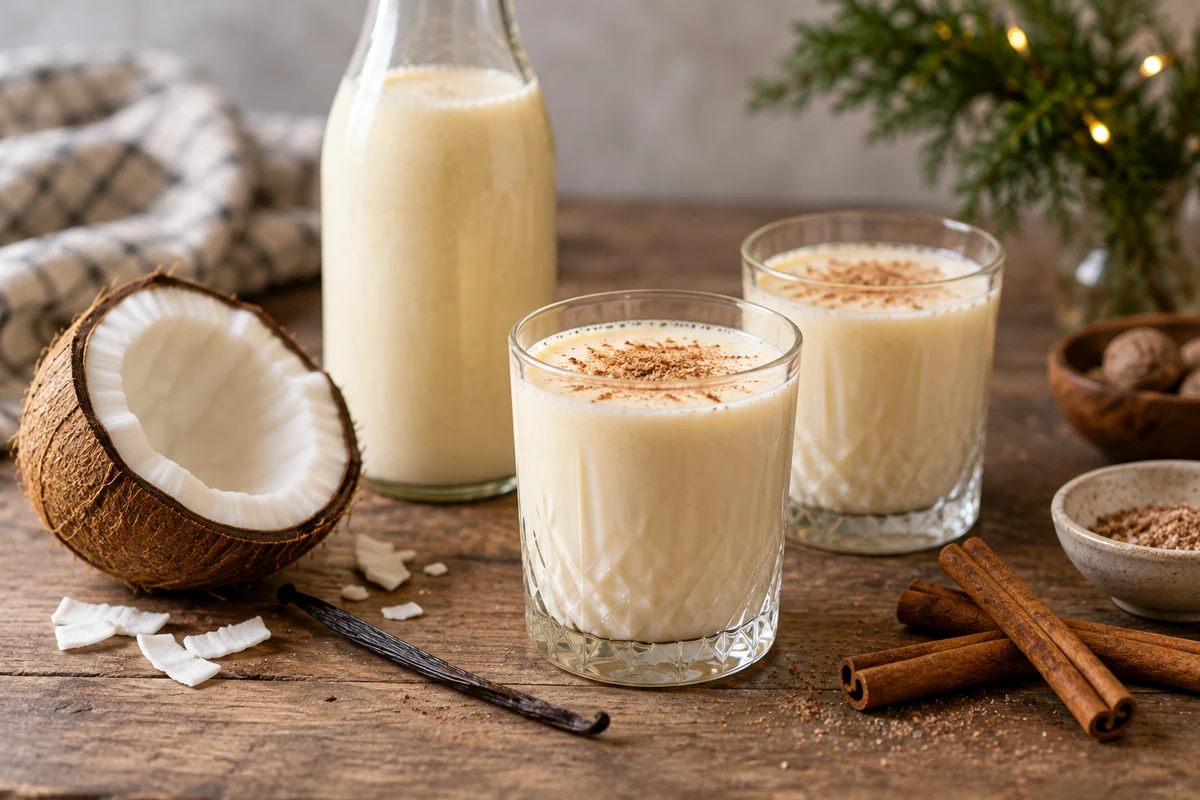
This eggnog is presented as a Brazilian-inspired variation on a creamy egg-and-milk Christmas drink, rather than as a documented traditional recipe shared by every Brazilian household.
Understanding the adaptation
The recipe’s distinctive features are condensed milk for sweetness and body, and optional cachaça in place of rum or brandy. These ingredients describe the style of this version without requiring an unsupported story about its origin.
- Choice of spirit: rum and brandy give different flavours, while cachaça adds a Brazilian ingredient to the adult version. Use a measured quantity and check the bottle’s strength.
- Condensed milk: provides both sweetness and thickness here, which is why unsweetened evaporated milk is not an identical replacement.
- Egg preparation: the cooked method and suitable pasteurised products let you make the drink without relying on unverified raw-egg preparation.
A drink for a Brazilian-inspired festive table
You can serve this version at a Christmas gathering alongside Brazilian sweets, or use it as an alternative to other creamy festive drinks. Its name describes the recipe’s ingredients and inspiration, not a claim about nationwide popularity.
Chilled service suits a warm-weather Christmas, while coconut or citrus can provide a tropical variation. The same drink also works in small servings at a UK winter celebration.
Flavour and presentation ideas
- Combining techniques and ingredients: the gently cooked egg base provides texture, while condensed milk supplies sweetness and optional cachaça changes the flavour.
- A local homemade gift: a small chilled bottle can be given with clear storage instructions, provided the recipient can refrigerate it immediately.
- Commercial drinks: follow their labels rather than applying a shop-bought product’s storage life to a homemade batch.
Small flavour changes
Orange zest or a little freshly grated nutmeg can alter the aroma without changing the basic method. For an adult Brazilian-inspired variation, use measured aged cachaça instead of part or all of the optional rum.
Whichever variation you choose, keep the focus on a smooth texture, balanced sweetness and careful preparation rather than adding unsupported claims about regional traditions.
Storage and advance preparation
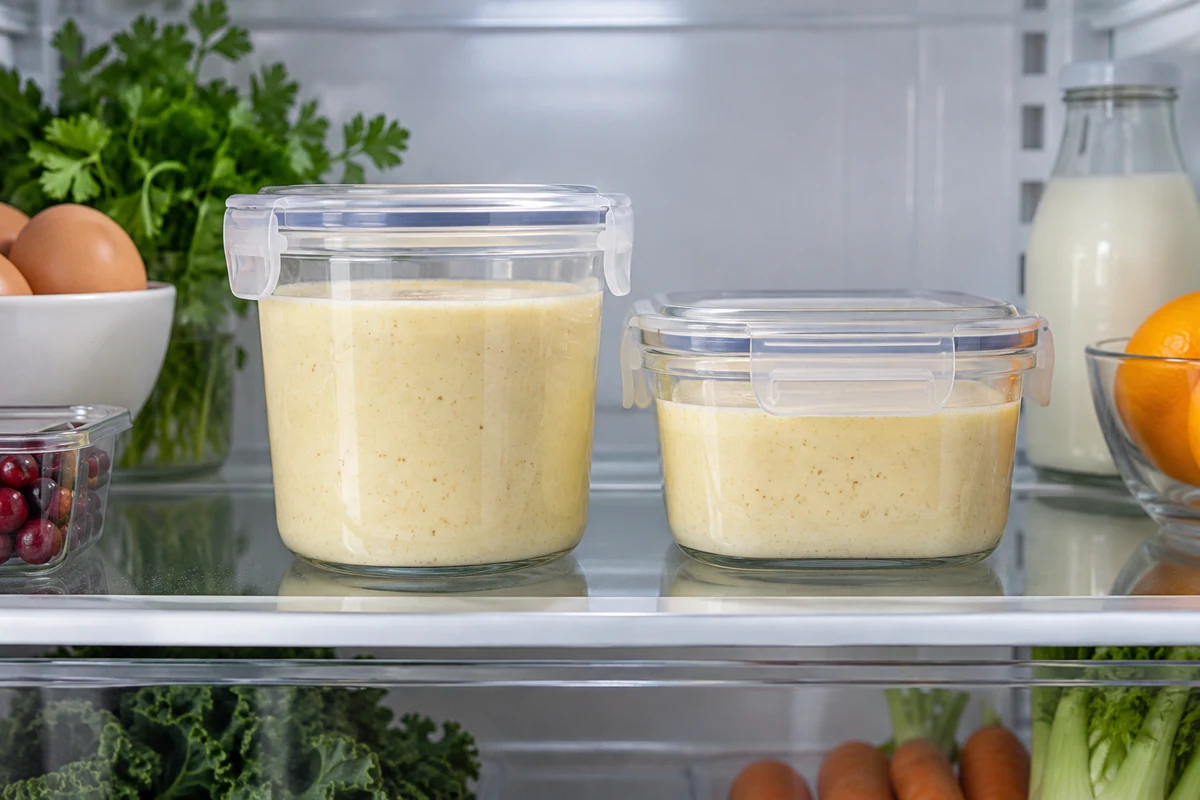
Handle Brazilian-style eggnog as a perishable homemade egg-and-dairy drink, even when it contains alcohol.
Refrigerating correctly
- Cool promptly: use a clean ice-water bath or smaller suitable containers to cool the cooked base, then refrigerate within 2 hours. Keep covered at 5°C or below.
- Choose appropriate containers: clean food-safe glass, stainless steel or suitable plastic containers with covers are all options. Avoid containers that are damaged or retain odours.
- Avoid contamination: serve with clean utensils and close the storage container after use.
How long to keep it
- Cooked alcohol-free eggnog: use within 48 hours of preparation when promptly cooled and continuously refrigerated, or sooner if ingredients require it.
- Cooked eggnog with alcohol: use the same 48-hour limit. A modest amount of spirit does not make this a preserved or safely aged drink.
- When to discard it: discard if it has exceeded the storage guidance, been kept too warm or shows spoilage. Do not taste it to check safety, and remember that harmful contamination may have no obvious smell.
Preparing ahead
- Make the cooked base the day before: this allows overnight chilling while staying within the short storage period. Count the 48 hours from preparation, not from serving or adding alcohol.
- Add optional spirit separately: keeping it out of the main batch makes alcohol-free servings simpler. There is no need to mature this drink for several days.
- Serve thoroughly chilled: once properly cooled and refrigerated, whisk briefly to restore an even texture before pouring.
Why freezing is not the preferred option
Egg and dairy mixtures can separate or become grainy when frozen and thawed. For this recipe, prepare a manageable quantity and use it within the refrigerated storage period rather than relying on freezing to preserve leftovers.
Transport and party service
- Chilled transport: use an insulated container with enough ice packs to maintain refrigeration throughout the journey. A bag with ice is not automatically safe for a fixed two-to-four-hour period.
- At an event: serve a small jug at a time and replenish from the fridge. An ice display must actually keep the drink cold; do not assume that surrounding the jug with ice guarantees its temperature.
- Whisk gently: mix normal settling back into a fresh, safely stored batch just before pouring.
Labels and preparation information
- Identify the batch: record its preparation date, whether it contains alcohol, and its ingredients and allergens, particularly egg and milk. Describe an uncooked pasteurised-egg version accurately if using that alternative.
- Check the cooking process: use a food thermometer and an appropriate temperature-time combination, such as 70°C for 2 minutes, rather than calling an unmeasured warming step pasteurisation.
- Commercial preparation: obtain local food-business guidance, appropriate safety controls and any required alcohol licensing before selling it. This household recipe does not establish a commercial shelf life.
A practical serving routine: keep a small portion ready to pour and the rest covered in the fridge, reducing handling and unnecessary warming.
Brazilian-style eggnog brings together condensed milk, cream, eggs and warming spices. A carefully cooked base, prompt cooling and chilled service give it its smooth festive character.
Try an alcohol-free version, the separate vegan-inspired drink or a coffee variation. Adjust flavour thoughtfully, use clean containers and keep the storage period short.
Thank you for reading. Follow our social channels for more festive recipes and visit the I Love Christmas blog for further ideas. We would love to see your finished creations.
Happy Christmas baking and drink-making!
Brazilian-style eggnog: frequently asked questions
Does eggnog have to contain alcohol?
No. Omit the optional spirit and use a vanilla pod or a clearly alcohol-free flavouring. Ordinary vanilla extract can contain alcohol, so adding more of it is not a suitable alcohol-free replacement.
Can I use raw eggs in this recipe?
The main method cooks the egg mixture with a thermometer: maintain at least 70°C for 2 minutes or an equivalent recognised combination. Prefer commercially pasteurised egg where available. An uncooked alternative requires a pasteurised product specifically suitable for that use and its label instructions; freshness alone is not enough.
How long does homemade eggnog keep?
Cool the cooked version promptly, refrigerate within 2 hours and keep at 5°C or below. Use within 48 hours of preparation, with or without alcohol, or sooner if ingredient instructions require it. Prepare the uncooked pasteurised-egg alternative for same-day use. Never rely on tasting to check safety.
How can I make a vegan version?
Use the separate egg-free variation with aquafaba, plant-based drink, cream alternative and vegan condensed milk alternative. Aquafaba provides foam rather than the same thickening as eggs, so expect a different texture. Check every ingredient and keep chilled.
How should I serve and garnish it?
Serve thoroughly chilled in small glasses, around 100–150 ml, with a light dusting of nutmeg or some citrus zest. Clearly identify any alcoholic version and keep the rest of the batch refrigerated.