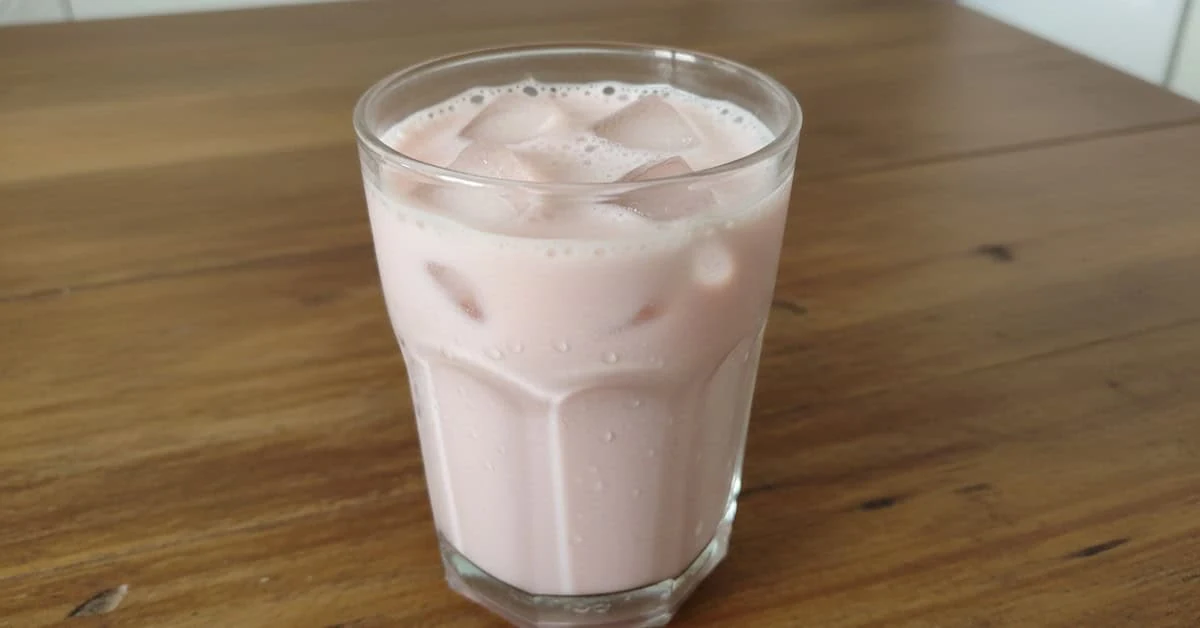
A creamy wine batida is a Brazilian-style blended cocktail made with red wine, sweetened condensed milk and cream. It can be varied with fruit or made without alcohol by replacing all the wine and spirits with grape juice. Serve chilled, refrigerate promptly and use within 24 hours.
A creamy wine batida is a velvety drink for a festive meal or a relaxed gathering. It is straightforward to blend and easy to adapt. Here are the main recipe, variations and tips for balancing sweetness and texture.
Ingredients for creamy wine batida
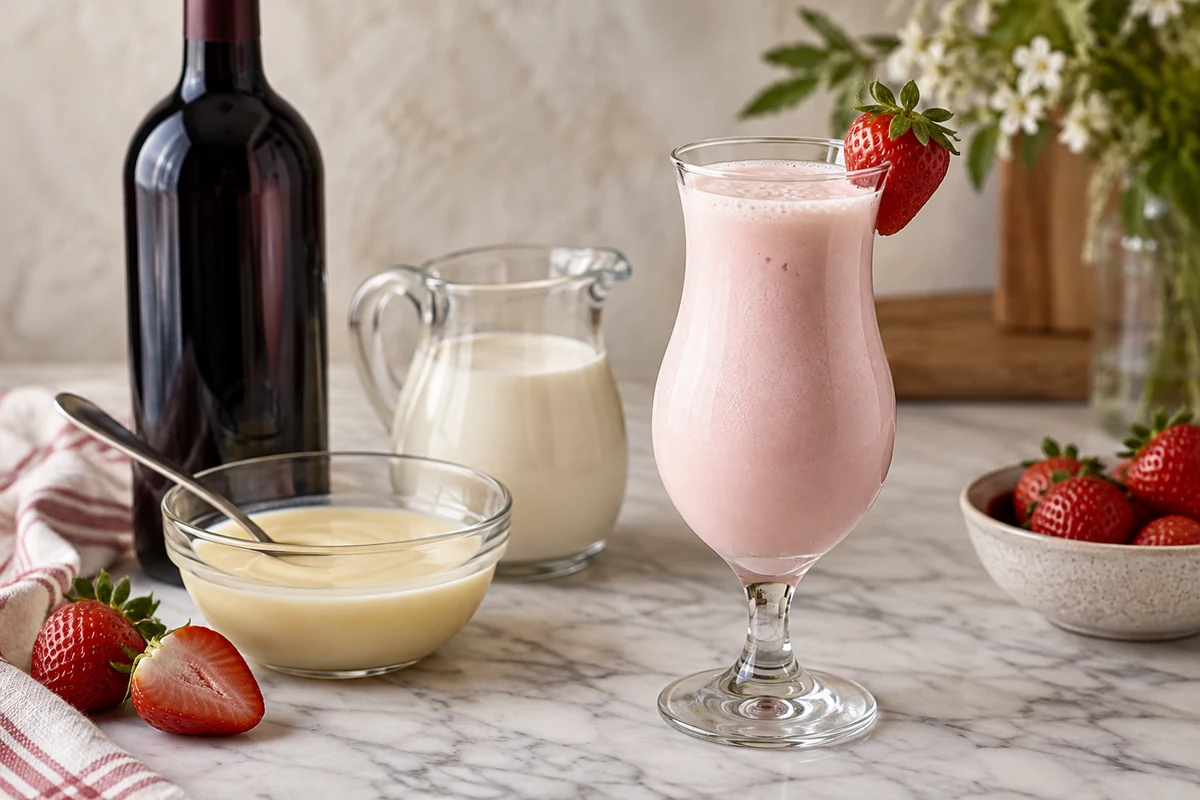
Use the following ingredients for creamy wine batida. Chill them first and measure carefully; substitutions can change the sweetness and consistency.
Ingredients for creamy wine batida
- 750 ml young, fruity red wine — dry or off-dry wine works well. Rosé gives a different colour and flavour, but is not necessarily lower in alcohol.
- 395 g sweetened condensed milk — use sweetened condensed coconut milk for a dairy-free alternative, also replacing the cream.
- 200 ml whipping cream — for a thinner alternative, try 150 ml whole milk, testing a small portion first. Milk does not provide the same richness or stability as cream.
- 50–100 ml cachaça, brandy or rum, optional — the wine already contains alcohol, so extra spirits are not needed. Start with the smaller amount if using them.
- About 1 cup ice — use only in a blender suitable for crushing ice. Chilling all ingredients first reduces the amount needed.
- 1 tsp vanilla flavouring — or a little finely grated washed orange zest. For an alcohol-free version, use alcohol-free flavouring rather than an alcohol-based extract.
- Orange zest or a thin orange slice — to garnish. Lemon zest gives a sharper aroma.
- A pinch of ground cinnamon or cocoa powder, optional — to finish.
- Berries such as strawberries or raspberries, optional — blend in for a fruit variation.
Tip: choose a wine you enjoy within your budget. Its flavour remains noticeable even with the sweetened milk and cream.
How to make creamy wine batida
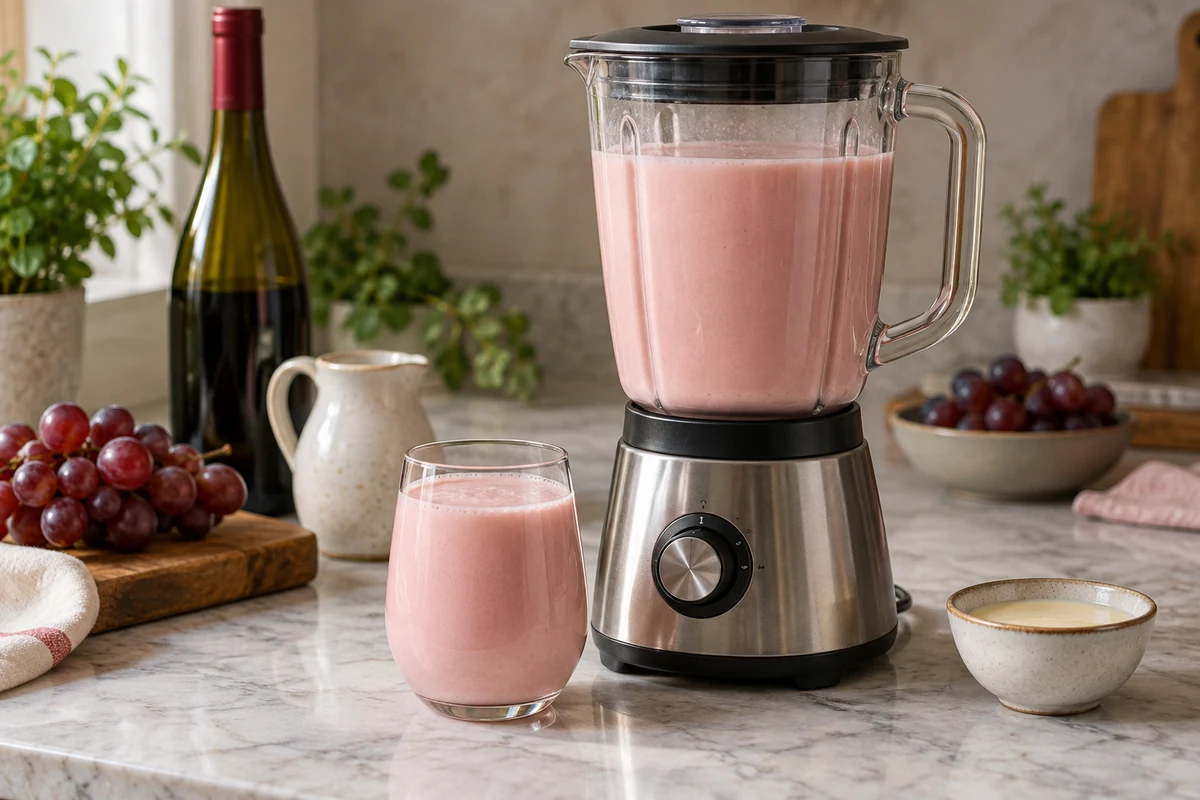
- Chill the wine: refrigerate until cold. An ice-water bath can speed this up, but the time needed depends on the bottle’s starting temperature.
- Prepare the equipment: use a clean blender jug and chilled serving glasses. Check the blender capacity and work in batches if necessary.
- Blend the creamy ingredients: combine 395 g condensed milk and 200 ml cream on low speed for about 10–15 seconds, just until smooth.
- Add the wine gradually: incorporate 750 ml chilled wine in small additions on low speed. Follow the blender’s instructions for adding liquid safely; gradual mixing helps incorporation but cannot guarantee that every wine-and-cream combination stays smooth.
- Optional extra spirits: add 50 ml cachaça, brandy or rum if desired, with up to 100 ml specified for the batch. Omitting spirits alone does not make the drink alcohol-free: the wine must also be replaced with grape juice.
- Add ice: pulse briefly, around 5–8 seconds if appropriate for your blender, until chilled and lightly frothy. Do not overfill or blend longer than needed.
- Adjust the flavour: taste a small sample. Add condensed milk a spoonful at a time for more sweetness, or 30–50 ml extra cream for a richer texture.
- Strain if needed and serve: if you added fruit or coarse zest, strain for a smoother drink. Pour into chilled glasses and garnish with zest, berries or a light dusting of cinnamon.
- Make ahead and store: refrigerate promptly in a clean covered container at 5°C or below and use within 24 hours. Stir before serving. If too thick, add a little chilled milk or wine, remembering that extra wine increases the batch’s alcohol content.
Quick variations
- Fruity version: blend 100 g washed, hulled strawberries with the creamy ingredients before adding the wine.
- Alcohol-free version: replace all wine with ready-to-drink red grape juice, omit spirits and use alcohol-free vanilla flavouring or orange zest. Dilute juice concentrate according to its label before measuring.
- Vegan version: use condensed coconut milk, a suitable plant-based cream and wine labelled vegan. Not every wine is vegan.
Creamy wine batida variations: fruit, vegan and alcohol-free
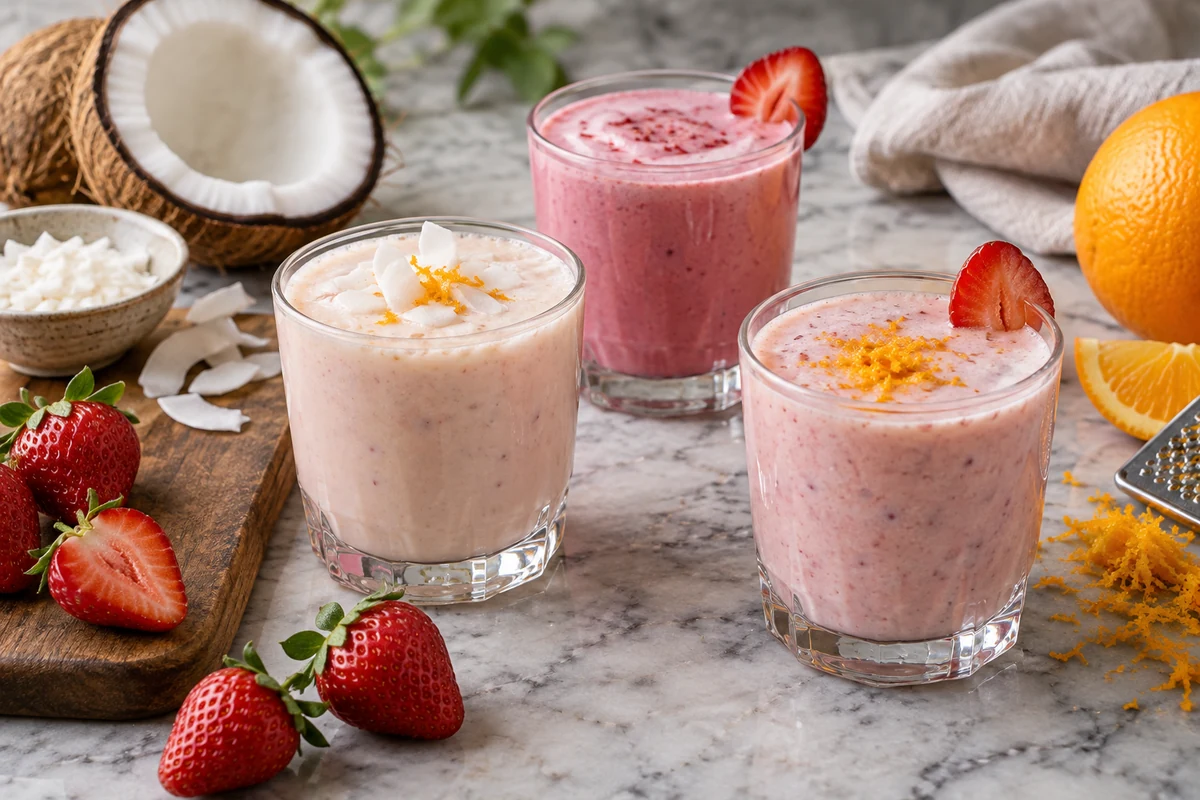
These variations adapt creamy wine batida to different preferences. Try a small quantity first because fruit acidity and different creams affect the texture.
Alcohol-free grape batida
A creamy grape-juice drink for anyone avoiding alcohol. It tastes sweeter and different from wine, rather than reproducing wine exactly.
- 750 ml ready-to-drink red grape juice — use juice as sold for drinking, not undiluted concentrate.
- Up to 395 g sweetened condensed milk, to taste — grape juice is sweeter than dry wine, so you may prefer less. Condensed coconut milk is an alternative.
- 200 ml whipping cream — 150 ml whole milk gives a thinner version; test its compatibility with the juice first.
- About 1 cup ice — or frozen ready-to-drink grape juice, using a blender suitable for frozen ingredients.
- 1 tsp alcohol-free vanilla flavouring — or a little orange zest.
- Chill: refrigerate the juice, dairy ingredients and glasses until cold.
- Blend the cream base: mix the cream with some condensed milk on low speed for about 10–15 seconds.
- Add the juice: incorporate it gradually on low speed. This encourages smooth mixing but does not prevent curdling in every combination.
- Add ice: pulse briefly until chilled and lightly frothy, following the blender instructions.
- Taste: add more condensed milk only if needed, a spoonful at a time.
- Serve chilled: strain if desired and garnish with orange.
Berry version
Fresh berries add colour and aroma to this variation.
- 500 ml young red wine — or 500 ml rosé for a different flavour.
- 395 g sweetened condensed milk
- 150–200 ml whipping cream — according to your preferred consistency.
- 150 g fresh strawberries, washed and hulled — raspberries or blueberries are alternatives.
- About 1 cup ice
- Orange zest — to finish.
- Prepare the fruit: cut the strawberries into pieces, reserving a little for garnish.
- Blend the cream base: mix the condensed milk and cream for about 10 seconds.
- Add the berries: blend until smooth.
- Incorporate the wine: add gradually and mix on low speed.
- Finish with ice: pulse briefly until chilled and lightly frothy.
- Garnish and serve: strain if preferred, then add a strawberry and orange zest.
Vegan coconut version
A plant-based variation with a noticeable coconut flavour.
- 750 ml young red wine labelled vegan — or ready-to-drink grape juice for no alcohol.
- About 400 g sweetened condensed coconut milk — check the pack size rather than assuming every tin is the same.
- 150–180 ml coconut-based pouring cream — choose a product suitable for cold drinks.
- About 1 cup ice
- Berries, optional, to taste
- Mix the coconut ingredients: blend the condensed coconut milk and cream briefly on low speed.
- Add the wine or juice: incorporate gradually until mixed.
- Add ice: pulse briefly in a suitable blender.
- Taste and adjust: add a teaspoon of agave syrup only if more sweetness is needed.
- Serve chilled: garnish with berries or citrus zest.
Note: for every version, use chilled ingredients and blend only as long as necessary. Plant-based ingredients do not automatically give a longer storage life.
Choosing wine, liqueurs and spirits
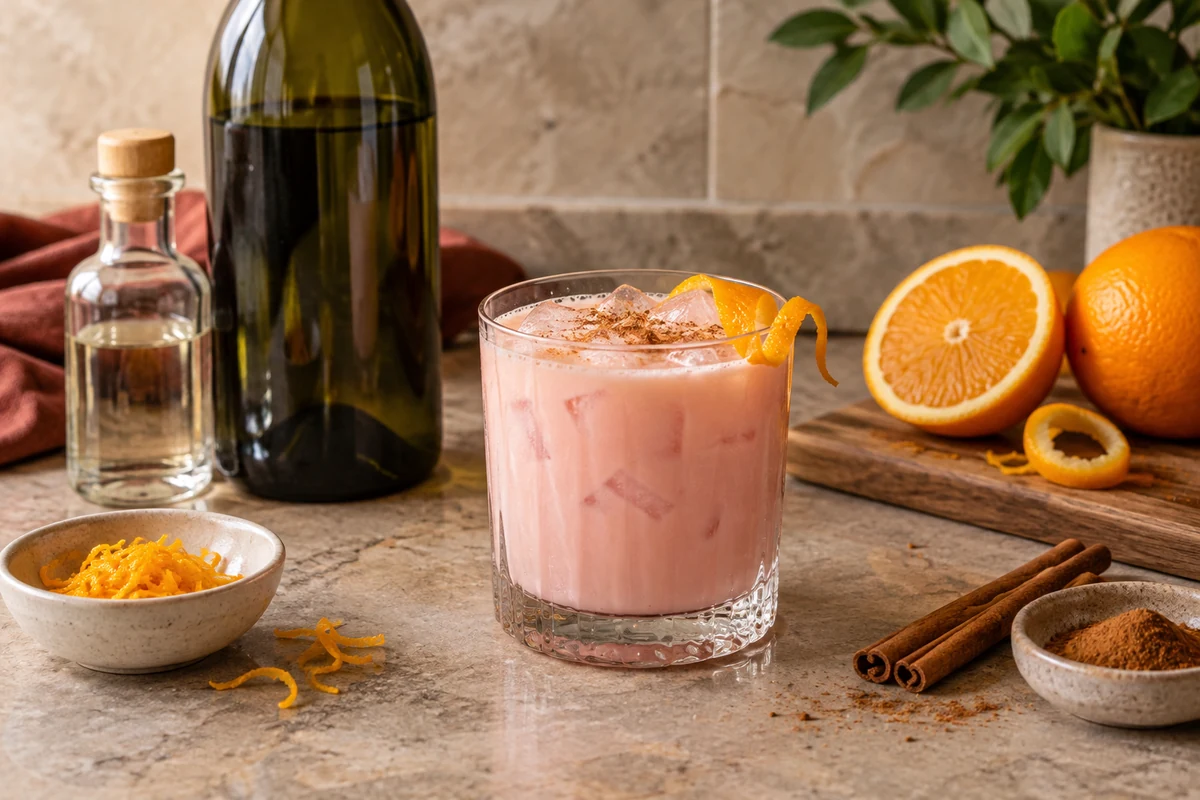
Wine and optional spirits influence the flavour and texture. Look for a balance between fruitiness, acidity and creaminess.
Choosing the wine
- Young, fruity red wine — a softer Merlot, Malbec or young Tempranillo can work, depending on the bottle.
- Avoid very tannic or heavily oaked styles if you dislike astringency — they can compete with the sweetened milk. Grape variety alone does not tell you exactly how a wine will taste.
- Rosé or a lighter-bodied red — offers a different flavour, without necessarily having less alcohol.
- Sweetness — start with dry or off-dry wine because the condensed milk contributes plenty of sugar.
- Amount — the main recipe uses 750 ml wine per 395 g condensed milk. Reducing wine towards 500 ml makes a richer, sweeter mix.
Optional liqueurs and spirits
- Cachaça — adds a Brazilian sugar-cane spirit flavour. If using it, begin with 50 ml for the full 750 ml wine batch; extra alcohol is optional.
- Brandy — 30–60 ml gives a different aromatic variation.
- Dark rum — try a similarly modest amount for caramel-like notes.
- Aromatic liqueurs — small amounts, around 15–30 ml per batch, of amaretto, triple sec or fruit liqueur change the flavour and sweetness. Check relevant ingredients and allergens.
- No alcohol — replace all wine with grape juice, omit every spirit or liqueur, and use alcohol-free flavouring. Leaving out only the extra spirits is not sufficient.
Balancing the flavours
- Test a small quantity: combine a proportional sample of the ingredients before mixing the full batch.
- Control sweetness: start with less condensed milk if using sweet wine or juice. Extra wine changes the alcohol content; adding citrus juice can split the dairy mixture, so do not treat it as a simple fix.
- Chill first: cold ingredients reduce the need for ice and keep the drink creamy for serving.
- Adjust texture: a little extra cream, around 20–50 ml, makes the drink richer. Less cream gives a thinner result.
- Measure extra alcohol: the recipe’s spirit quantities are flavour suggestions, not safe-drinking limits. Sweetness can mask strength; offer small servings, water and an alcohol-free option.
Choosing a bottle
- Stay within your budget: choose a wine you enjoy. A discounted price does not in itself indicate poor quality.
- Look for the style you want: young, fruity and lightly oaked descriptions can help you choose.
- Try a smaller bottle: a 375 ml bottle is useful for a half-sized test batch.
- Try it at home: mix a small sample with the condensed milk and cream to check the flavour and compatibility before scaling up.
Combination ideas
- Fruity red wine with a little cachaça — a Brazilian-style variation.
- Rosé with a little white rum — a different colour and aroma.
- Young red wine with brandy — for richer aromatic notes.
Adjusting the texture and creaminess
Small changes in proportions and blending affect whether a creamy wine batida is more fluid or thicker. Measure your adjustments so you can repeat the combination you prefer.
Proportion ideas
- Main recipe: 395 g condensed milk, 200 ml cream and 750 ml wine. Variations use 150–200 ml cream and 500–750 ml wine, with different richness and sweetness.
- Richer version: increase cream towards 220–250 ml, or reduce the wine towards 500 ml. These changes affect flavour as well as consistency.
- Thinner version: reduce the cream towards 100–120 ml while retaining 750 ml wine. This does not make the drink low in alcohol or sugar.
- Less dilution: chill everything thoroughly and use only the ice needed. If using frozen wine portions, count them as part of the measured wine rather than extra alcohol.
Blending techniques
- Chill the ingredients: keep wine, condensed milk and cream cold before mixing.
- Start with the creamy ingredients: blend on low speed for about 10–15 seconds, just until combined.
- Add wine gradually: use low speed and the blender’s safe filling method. A small compatibility test is more reliable than assuming slow pouring always prevents curdling.
- Control the ice: add a few cubes and pulse briefly in an ice-capable blender. Adjust the time to the machine rather than treating a few seconds as universal.
- Avoid excessive blending: it warms the mixture and melts more ice, thinning the drink.
- Rest briefly: a couple of minutes in the fridge lets excess froth settle before serving.
Useful equipment
- A suitable blender: use one with enough capacity and an ice-crushing function if adding ice.
- Fine sieve: removes fruit seeds or coarse zest if you prefer a smoother drink.
- Clean spoon or spatula: stir in small measured adjustments. Stop and unplug the blender before placing any utensil inside.
- Frozen wine portions: freeze only in suitable trays, never a sealed glass bottle. They may remain slushy; include them within the recipe’s total wine quantity.
Common texture problems
- Too thin: try less wine in the next batch, or add a little cream to the current fresh batch and chill before serving. It will also taste richer.
- Too thick: incorporate 30–60 ml chilled wine or milk gradually. Wine increases the alcohol content; milk changes the flavour and may affect stability.
- Grainy or split: wine acidity can curdle dairy, and more blending or straining may not restore a smooth texture. Test a different wine-and-cream combination next time. Do not use blending to rescue a drink with uncertain storage or spoilage.
- Too sweet: reduce condensed milk in a test batch. Orange zest adds aroma without the extra acidity of juice, but does not remove sugar.
Final tasting
Before making a large batch, try a small proportional sample. Taste in a chilled glass, adjust gradually and write down the quantities that work.
Food pairings and occasions
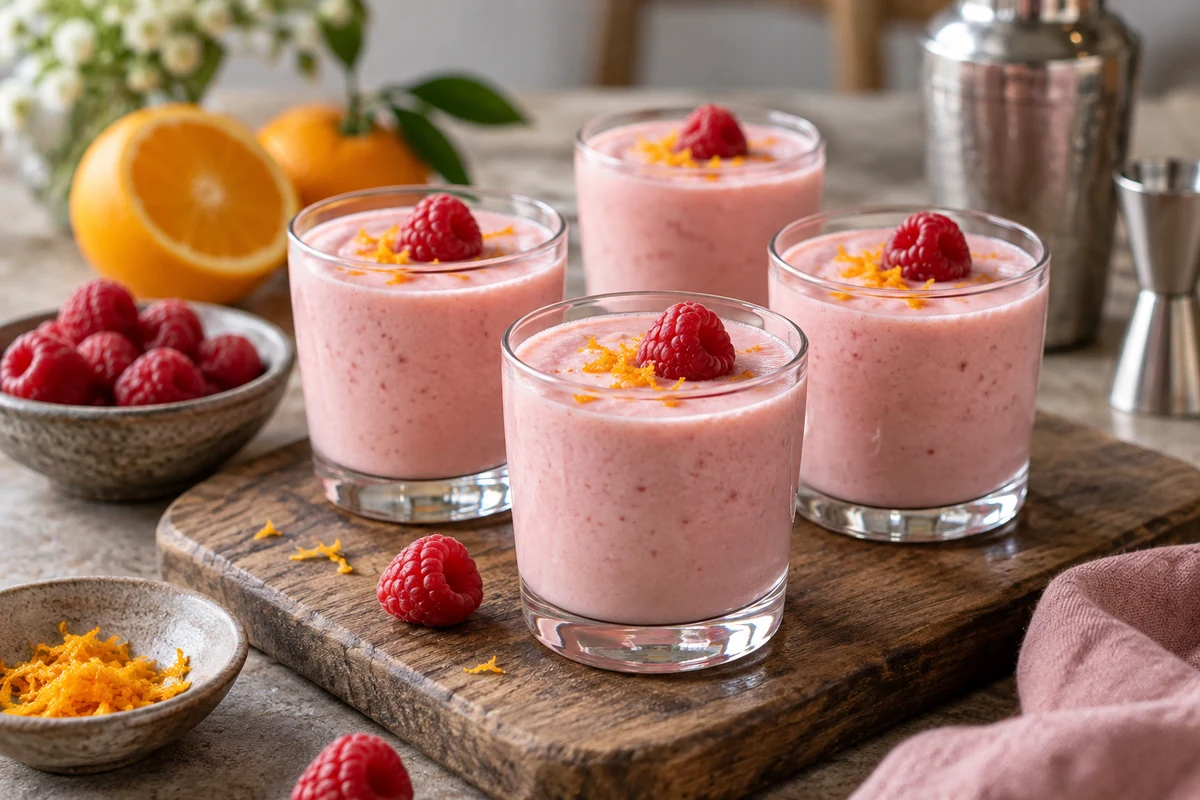
For creamy wine batida pairings, consider the drink’s sweetness, fruit flavour and rich texture.
Pairing ideas
- Chocolate desserts: brownies, truffles or Brazilian brigadeiros make a rich pairing; serve small portions.
- Creamy desserts: berry cheesecake or panna cotta echoes the texture while adding a different flavour.
- Mild cheeses: brie or camembert can accompany the fruity drink.
- Small portions of blue cheese: gorgonzola or roquefort gives a stronger savoury contrast.
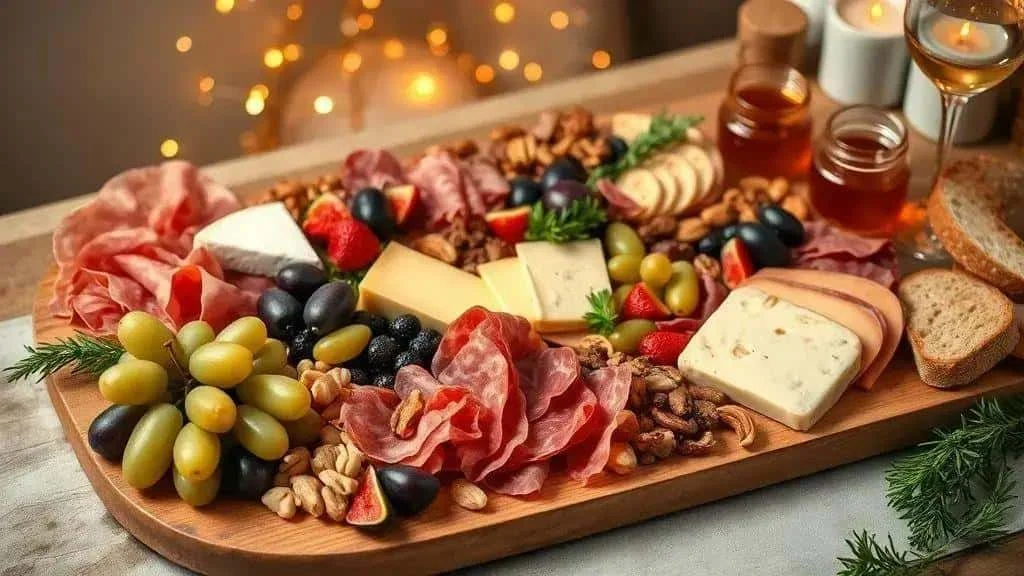
- Savoury bites: pâté crostini, toasted nuts or thinly sliced cured ham offer a contrast to the sweet cocktail.
- Fresh fruit: strawberries, raspberries and orange slices complement the fruit notes.
Occasions
- Small gatherings: serve individual portions as an optional welcome drink.
- Festive dinners: offer a small glass as a dessert-style drink.
- Brunch or a relaxed get-together: fruit variations provide a different option, with water and an alcohol-free version available.
- Cheese-and-wine evenings: present it as a creamy alternative to a plain glass of wine.
- Outdoor occasions: keep the dairy-based drink refrigerated until serving and bring out small batches, particularly in warm weather.
Serving and presentation
- Temperature: keep at 5°C or below until serving; take out only the amount needed.
- Glassware: a small coupe or short glass shows the colour and froth.
- Garnishes: try orange zest, a raspberry or a small pinch of cinnamon.
- Portions: around 120–160 ml is a serving suggestion, not a safe alcohol allowance. Measure the recipe and check the wine and spirit strengths to understand its alcohol content.
- Advance preparation: keep the mixed base refrigerated and briefly blend only the amount being served with ice.
Matching the menu
- Dessert option: offer a small glass after the main course instead of, or alongside a small dessert.
- Savoury menu: sharing boards and bread contrast with the sweetness.
- Alcohol-free version: grape juice flavours can accompany fruit tarts or citrus desserts.
Finishing touches
- Use a tray: arrange chilled glasses alongside small cheese and fruit portions.
- Offer garnishes: let guests choose a little zest, cinnamon or berries.
Storage, preparation ahead and selling from home
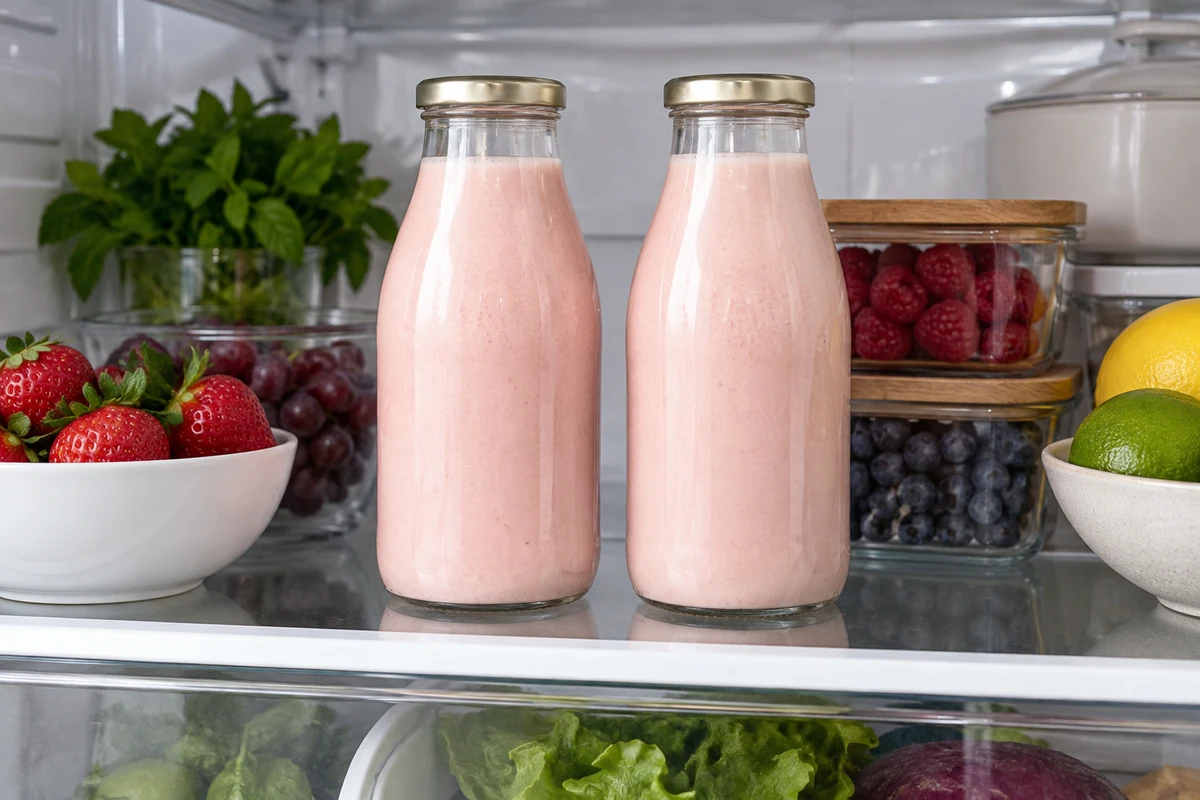
Handle creamy wine batida as a perishable chilled drink. The home-storage guidance below is not a validated commercial shelf life, and the alcohol does not preserve the cream.
Preparing ahead
- Mix the cream base: blend chilled condensed milk and cream until combined.
- Incorporate the wine: add gradually on low speed after checking a small sample for compatibility.
- Refrigerate promptly: transfer to clean covered containers and place in the fridge without leaving the mixture standing at room temperature.
- Fill suitable containers: use clean food-safe bottles or jars with room for gentle mixing; follow their filling guidance.
- Label for home storage: note preparation time, ingredients and the need to keep at 5°C or below. This simple household label is not a complete commercial label.
- Maintain refrigeration: keep chilled throughout storage and any transport.
Keeping time
- Dairy version: use within 24 hours from preparation, kept at 5°C or below, and follow any shorter ingredient use-by limits.
- Alcohol-free and vegan versions: use the same conservative 24-hour refrigerated limit. Removing alcohol or replacing dairy does not establish a longer shelf life.
- Freezing: not recommended for the finished creamy drink because it may separate when thawed.
Packaging for sale
- Containers: choose bottles or containers approved for the intended food and alcohol contact. A 200–300 ml bottle may contain more than one suggested serving.
- Closures: use suitable lids and tamper-evident packaging where appropriate. A seal does not make the drink shelf-stable.
- Labels and allergens: establish the rules for your product and sales format. Milk is an allergen, and wine may contain sulphites requiring declaration; plant-based replacements and liqueurs may add others. Check ingredients, alcohol information, quantity, date marking and storage requirements rather than treating this as a complete label template.
- Serving sizes: label the actual quantity sold clearly. The suggested 120–160 ml serving is not a substitute for alcohol or labelling requirements.
Hygiene and handling
- Clean preparation: wash hands, clean food-contact surfaces and equipment, and use hygienic handling throughout.
- Temperature: maintain the drink at 5°C or below until serving; monitor refrigeration rather than relying on how cold a bottle feels.
- Batch records: record ingredients, preparation dates and quantities so batches can be traced.
Transport
- Keep cold: use suitable insulated transport with sufficient frozen packs to maintain 5°C or below, checking the temperature.
- Plan the journey: maintain the cold chain for the whole trip. A journey of under two hours is not automatically acceptable if temperature control is lost.
- Serving instructions: include clear refrigeration guidance and advise gentle mixing before pouring.
Selling from home
- Pricing: include ingredients, packaging, labour, refrigeration, delivery and other costs before deciding the selling price. Mark-up and profit margin are different calculations.
- Product options: offer measured portions, fruit variations or a clearly identified alcohol-free alternative, subject to the applicable rules.
- Samples: any tasting must also follow relevant alcohol, age-verification, allergen and food-handling requirements.
- Registration and licensing: contact your local authority before selling. UK food businesses generally need registration at least 28 days before trading. Alcohol licensing requirements vary across the UK; check the rules for your location and sales arrangements, including online sales or delivery.
Consistent results
Test small batches for flavour and texture and gather feedback. Record the recipe and measurements, but remember that taste tests do not validate commercial food safety or shelf life.
A creamy wine batida is an adaptable blended drink for a gathering. Try the basic recipe first, then vary the fruit, creaminess or make the fully alcohol-free version.
Work with small test quantities and note the proportions you enjoy. Share your variations on our social channels to inspire other readers.
Thank you for reading. Follow our social channels and visit the I Love Christmas blog for more recipes and festive ideas.
Creamy wine batida: frequently asked questions
What changes when I use grape juice instead of wine?
Wine contributes alcohol, acidity and tannins. Ready-to-drink grape juice gives a sweeter fruit flavour without wine’s alcohol. For a fully alcohol-free version, omit all spirits and liqueurs and use alcohol-free flavouring too.
How long can I keep the finished drink in the fridge?
Use within 24 hours from preparation, kept covered at 5°C or below, for the dairy, vegan and alcohol-free versions alike. Follow any shorter ingredient use-by limit; alcohol does not preserve the cream.
How can I keep it creamy rather than watery?
Start with the main proportions of 395 g condensed milk, 200 ml cream and 750 ml wine. Chill the ingredients, blend briefly and add only the ice needed. Test changes in small quantities because different wines and creams behave differently.
Which substitutions make the recipe vegan?
Use sweetened condensed coconut milk, a suitable plant-based pouring cream and wine labelled vegan. Check other flavourings too. Adjust the sweetness and texture gradually rather than assuming identical results from every replacement.
Can I prepare it ahead for a party?
Yes. Prepare the chilled base, refrigerate promptly in clean covered containers and use within 24 hours. Briefly blend the amount being served with ice just before pouring, leaving the rest refrigerated.
What snacks go well with it?
Try small portions of chocolate desserts, mild cheeses or fresh berries. Savoury sharing boards also contrast with the drink’s sweetness and creamy texture.
Sources and Further Reading
- Food Standards Agency: chilling food safely
- Food business registration
- Food Standards Agency: allergen guidance for food businesses
- GOV.UK: alcohol licensing in England and Wales