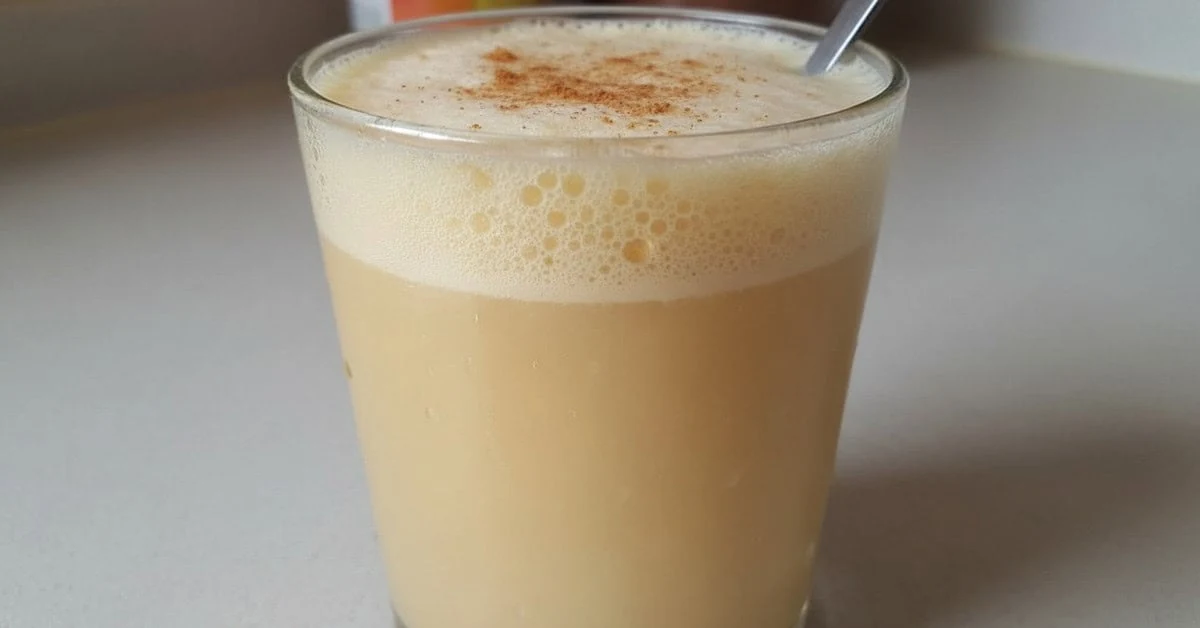
Traditional Brazilian gemada combines egg yolks, milk and sugar into a rich drink, often flavoured with cinnamon or citrus. This cooked version uses gentle heating and a food thermometer rather than relying on thickness alone. Try cocoa, coffee or dairy-free variations and follow the chilling guidance for leftovers.
Traditional Brazilian gemada is a rich, comforting egg-and-milk drink. This recipe explains how to temper the yolks, cook the mixture carefully and adjust the flavours without losing its creamy character.
Ingredients for traditional gemada
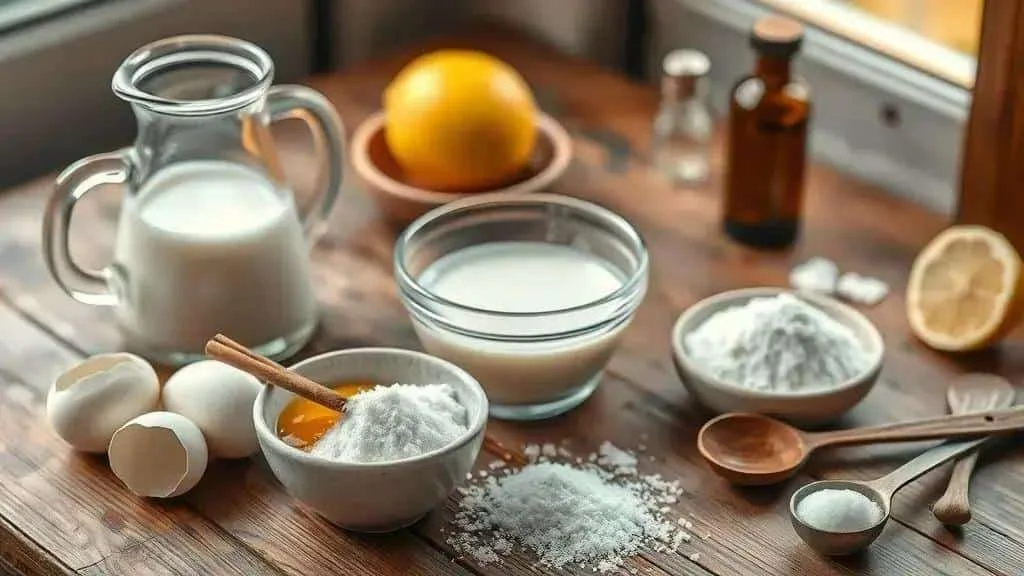
- 4 large egg yolks — pasteurised yolks are a useful option. This recipe uses yolks rather than whole eggs, which produce a different texture.
- 200 ml whole milk — lactose-free dairy milk or an unsweetened plant-based drink can be used, with different results. Lactose-free dairy milk still contains milk allergens.
- 3 tbsp sugar — adjust to taste. Honey, coconut sugar or a suitable sweetener changes the flavour or texture; follow the sweetener’s dosage instructions.
- 1 cinnamon stick — or ¼ tsp ground cinnamon.
- Finely grated zest of ½ washed lemon — avoid the white pith. Orange zest is an alternative.
- ½ tsp vanilla flavouring, optional — choose an alcohol-free product if avoiding alcohol.
- A pinch of salt — optional, to balance the sweetness.
- Optional: 1 tbsp cachaça or rum — makes an alcoholic variation; omit for children or anyone avoiding alcohol.
Substitutions and notes
Whole eggs: two whole eggs are not an exact replacement for four yolks; use a recipe designed for whole eggs if that is what you have. Without lactose: use the same quantity of lactose-free milk or a suitable plant-based drink. Less sweetness: start with 2 tbsp sugar and adjust after cooking.
Cooking check: this is a cooked recipe. Heat the stirred mixture to 70°C and maintain that temperature for two minutes, or to 75°C for 30 seconds, checking with a clean food thermometer. Thickness and warm milk alone do not establish that the egg mixture is thoroughly cooked.
How to make traditional gemada
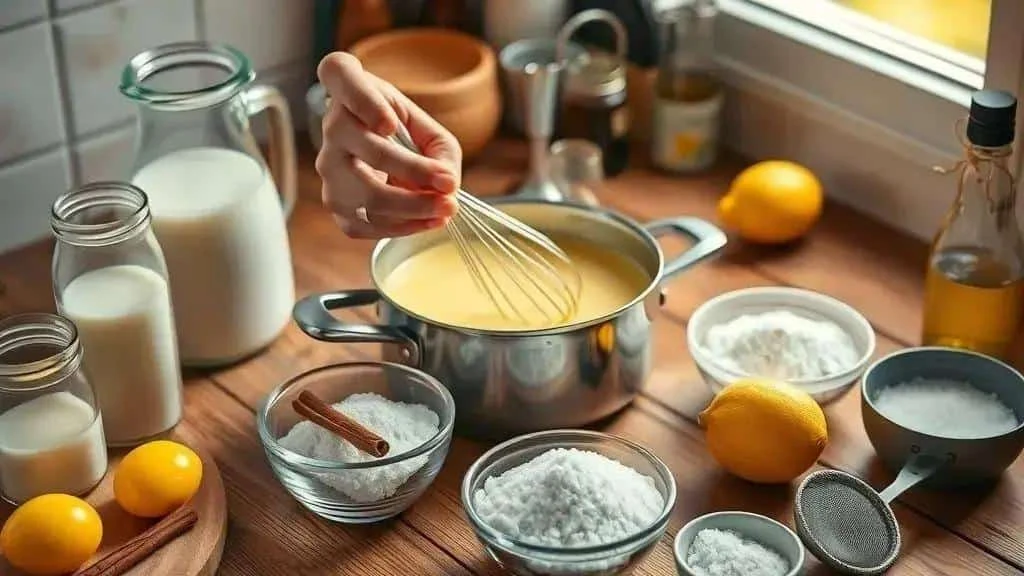
- Separate the eggs: put the yolks in a medium bowl, keeping shell fragments out. Refrigerate the whites promptly for another suitable recipe rather than leaving them on the worktop.
- Whisk yolks and sugar: add the sugar and whisk for about 2–3 minutes until paler and slightly thickened.
- Infuse the milk: gently heat 200 ml milk with the cinnamon and lemon zest until small bubbles appear around the edge. Remove from the heat and leave for about three minutes.
- Remove the cinnamon: take out the stick and strain if you do not want zest in the finished drink.
- Temper the yolks: slowly whisk about one-third of the hot milk into the yolk mixture. This raises its temperature gradually and reduces the chance of lumps.
- Return to the pan: pour the tempered mixture into the remaining milk and stir over low heat.
- Cook gently: stir continuously, including the pan edges, until the mixture meets the temperature-and-time check above. Keep the thermometer tip in the liquid, not against the pan. It should thicken, but do not use a fixed 3–5 minute total cooking time as proof of doneness. Avoid boiling, which can make the egg curdle.
- Finish the flavour: remove from the heat, then add the optional vanilla and, for an alcoholic version only, the cachaça or rum. Taste the cooked mixture and adjust sweetness if needed.
- Strain and serve: pass through a fine sieve for a smoother texture. Serve promptly in heatproof cups with a little cinnamon or zest, allowing it to cool to a comfortable drinking temperature.
Practical tips
Eggs: use sound eggs within their date, or pasteurised yolks as directed on the pack. Follow the cooking check for this recipe either way.
Texture: low heat and steady stirring help keep the custard-like drink smooth. Its richness comes from the high proportion of yolks.
Quick variations: use a suitable plant-based drink for a dairy-free version, still containing egg. Honey can replace some sugar to taste, but must not be given to babies under one year.
Gemada variations
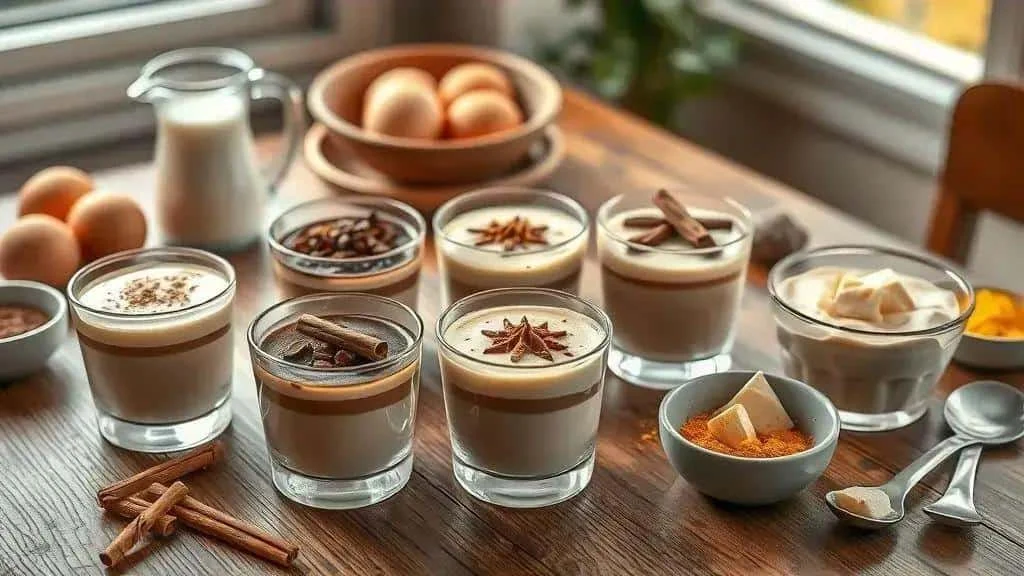
Alcohol-free gemada
- 4 pasteurised egg yolks
- 200 ml whole milk — or a suitable alternative for the person drinking it.
- 2–3 tbsp sugar — to taste.
- ½ cinnamon stick, optional
Method note: follow the main cooked method and temperature check, omitting spirits and alcohol-based flavourings. Let a serving cool sufficiently before offering it to a child.
Cocoa gemada
- 4 egg yolks
- 200 ml milk
- 2 tbsp unsweetened cocoa powder
- 2 tbsp sugar — or adjust with a little honey after cooking, if suitable for the person drinking it.
- Grated chocolate, optional — to garnish.
Tip: mix the cocoa with a little of the measured warm milk before tempering the yolks. Cook as in the main recipe.
Coffee gemada
- 4 egg yolks
- 180–200 ml milk
- 30 ml espresso — or strongly brewed coffee; decaffeinated coffee is an option.
- 2 tbsp sugar
Tip: add the coffee after tempering, then cook the full mixture using the same temperature check.
Alcoholic and spiced variations
Gemada with cachaça or rum
- 4 egg yolks
- 200 ml milk
- 3 tbsp sugar
- 1 tbsp cachaça or rum — add after the cooked mixture is removed from the heat.
Note: this remains an alcoholic drink. Adding spirits to warm gemada does not make the alcohol disappear or sanitise the eggs.
Spiced gemada
- 4 egg yolks
- 200 ml milk
- 3 tbsp sugar
- ¼ tsp grated nutmeg and ½ cinnamon stick — or ¼ tsp mixed spice instead.
Tip: infuse the spices in the milk, removing any whole spices before tempering and cooking the yolks.
Vegan gemada-inspired drink
- 200 ml oat or almond drink
- 100 g silken tofu — gives creaminess without egg.
- 2 tbsp sugar
- A small pinch of turmeric, up to ¼ tsp — add gradually for colour without overwhelming the flavour.
- ½ tsp vanilla flavouring, optional
Method: blend the tofu, plant drink, sugar, turmeric and vanilla until smooth, then heat gently while stirring, following the tofu pack’s cooking instructions. It is a different creamy drink, not an exact egg-custard replacement, and may not thicken further on heating.
Tips for the variations
For egg versions: temper the yolks by gradually whisking in some hot milk before combining everything in the pan.
Gentle heat: stir steadily and follow the cooking check. Avoid boiling to protect the texture.
Serving: serve promptly at a comfortable drinking temperature, with zest, cinnamon or chocolate to match the flavour.
Getting the texture right
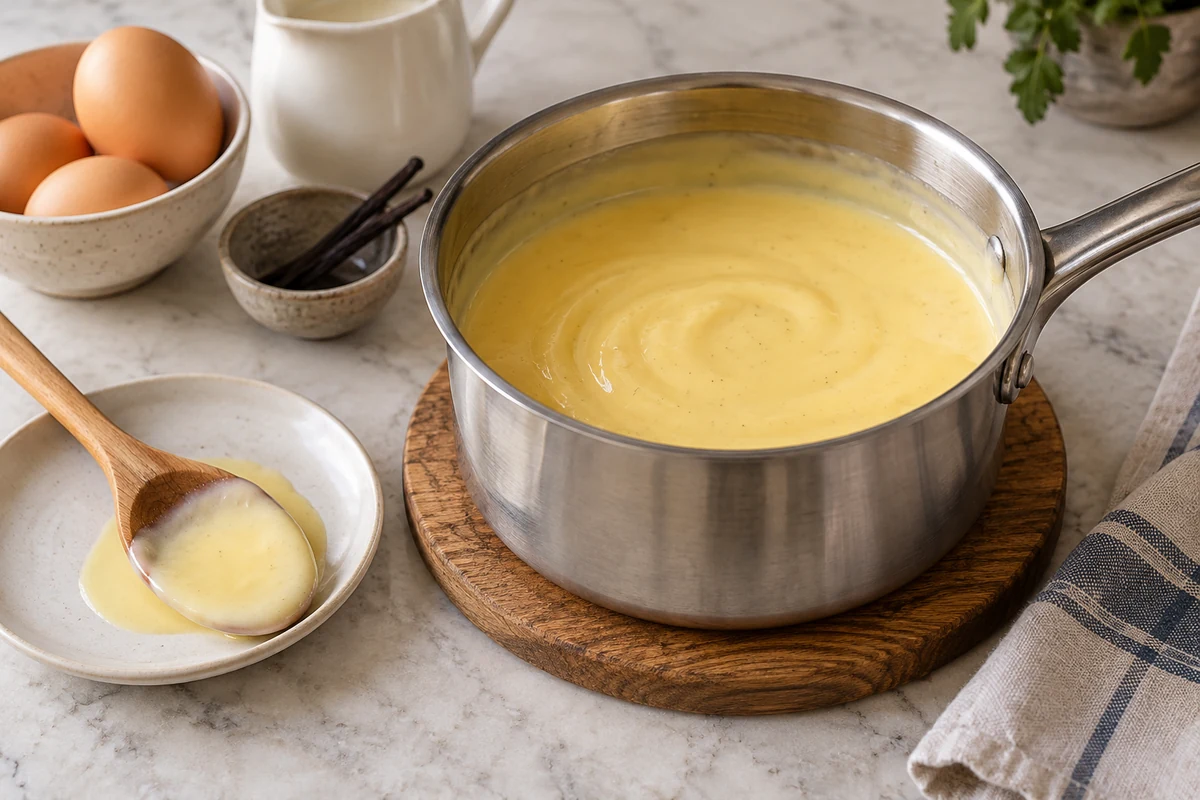
Gentle heat, gradual tempering and steady stirring make the main difference to the texture. Use a thermometer to separate the cooking check from the visual judgement of creaminess.
Key points
- Temper gradually: whisk a thin stream of hot milk into the yolks so they do not heat unevenly.
- Use low heat: a heavy pan or a heatproof bowl over gently simmering water gives more control.
- Stir continuously: reach the bottom and edges to avoid local overheating.
- Check time and temperature: use the cooking check in the method; simply staying somewhere within a broad temperature range is not sufficient.
- Choose the milk: whole milk gives more body than lower-fat milk. Plant-based drinks behave differently and may add their own flavour.
- Strain at the end: a fine sieve removes zest and small lumps, but cannot make an undercooked mixture safe.
Texture checklist
- Warm the milk: heat gently without boiling.
- Whisk yolks and sugar: beat until pale and slightly thickened.
- Temper: whisk in roughly one-third of the hot milk gradually.
- Return to low heat: combine with the remaining milk and keep stirring.
- Cook and check: reach the specified time and temperature, then remove from the heat. Coating the spoon is a texture cue, not the safety test.
- Finish and strain: add optional flavourings off the heat and strain if desired.
Common texture problems
- If it starts to curdle: remove from the heat immediately. Cooling the pan exterior in cold water while whisking can limit further cooking, but cannot always reverse curdling.
- If it seems thin: check that cooking is complete. Continue gently if it has not reached the required cooking check; prolonged cooking after that may just cause curdling.
- If small lumps form: whisk and strain for texture. A heavily scrambled mixture is better remade.
- Cooking still matters: texture fixes do not replace the thermometer check, even when pasteurised yolks are used in this cooked recipe.
Serving or storing: serve promptly, or cool quickly and refrigerate as described below. Reheat only once, until steaming hot throughout, then allow the serving to cool enough to drink.
Common mistakes to avoid
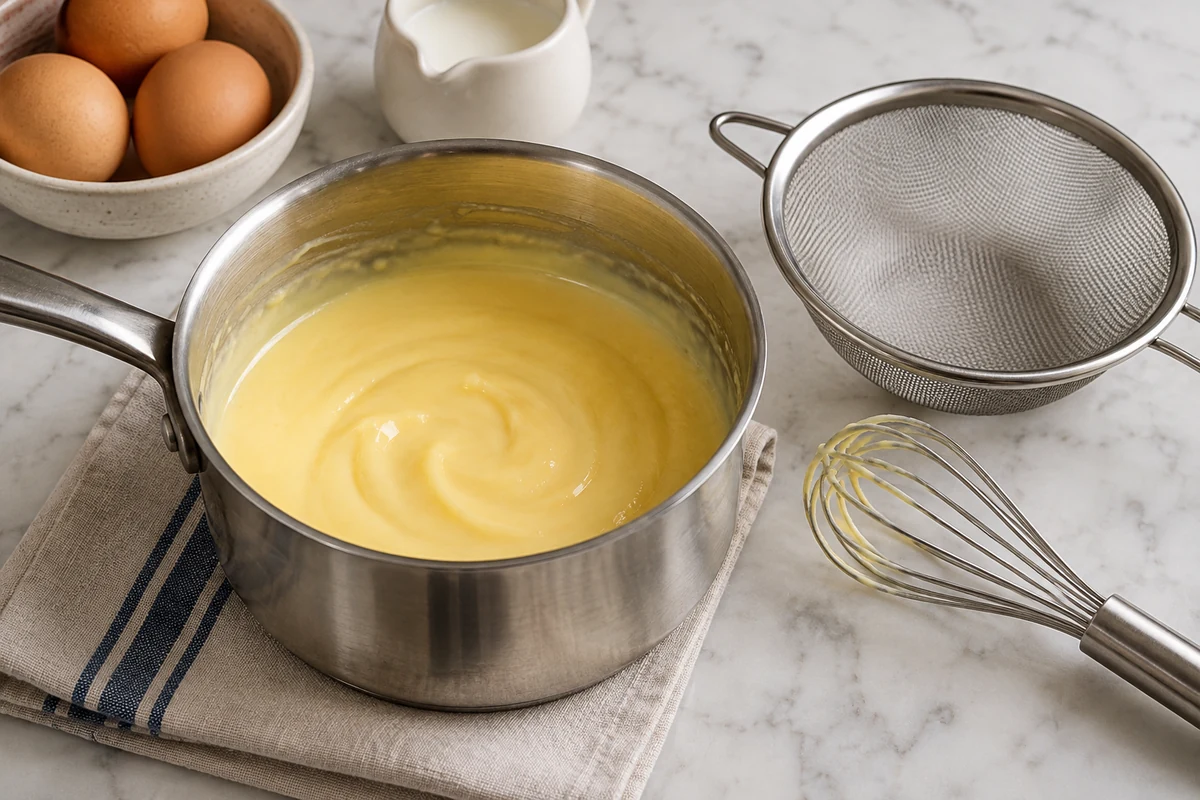
These are the main reasons gemada becomes lumpy or inconsistent.
- High heat or boiling: can scramble the yolks. Instead: use low heat or a water bath, stirring while monitoring the mixture.
- Adding hot milk all at once: heats the yolks unevenly. Instead: gradually whisk in some milk before combining the full batch.
- Too little stirring: allows hot spots and lumps. Instead: stir continuously over the base and around the edges.
- Assuming warm milk cooks the eggs: leaves the final cooking unverified. Instead: check the mixed drink with a clean thermometer and follow the method’s time requirement.
- Unmeasured sugar changes: affect sweetness and texture. Instead: measure the starting amount and adjust the cooked drink in small increments.
- Coarse zest or small lumps: can make the drink less smooth. Instead: strain after cooking if you prefer a silky texture.
- Boiling delicate flavourings: can change their aroma. Instead: add vanilla and optional spirits off the heat; whole spices can be infused in the milk earlier.
If the gemada begins to curdle
- Remove from the heat: stop cooking immediately to limit further scrambling.
- Cool the pan exterior: place it carefully in cold water without letting water into the mixture, and stir.
- Whisk: small lumps may disperse, although cooked egg curds do not always become smooth again.
- Strain: remove small remaining lumps with a fine sieve.
- Check what happened: if the original cooking check was not completed, the mixture still needs proper cooking. If the eggs are badly scrambled, start again rather than repeatedly heating and cooling to chase the texture.
Preparation and storage checks
Cooking: complete the method’s thermometer check. Hygiene: use clean equipment and avoid contaminating the cooked drink with raw egg. Storage: cool promptly, refrigerate within two hours and use within 48 hours; reheat only once.
Useful equipment: have a food thermometer, fine sieve and whisk ready before starting.
Ingredients, dietary needs and food safety
- A rich sweet drink: yolks, milk and sugar make gemada a dessert-like drink. It should not be presented as a treatment for weakness or as something everyone needs for extra energy.
- Ingredient profile: eggs and milk contribute nutrients as well as flavour, but no nutritional analysis is provided for this recipe and its variations.
- Comfort: a warm cup can feel comforting on a cold day. That does not make it a remedy for colds or other illness.
- Adaptations: cocoa, coffee and milk alternatives change the flavour, but check each ingredient against the drinker’s needs.
Dietary considerations
- Raw eggs: this recipe uses a cooked method rather than raw yolks. People with particular medical or dietary needs should follow the advice given to them, and not rely on this recipe as personalised guidance.
- Egg and milk allergies: the main recipe contains both. Lactose-free milk is not suitable for a milk allergy; plant-based replacements can introduce soya, nuts or other allergens.
- Sugar-related dietary needs: reducing sugar does not automatically make the drink suitable for diabetes or another prescribed diet. Follow your own clinician or dietitian’s guidance.
- Alcohol: leave out spirits and choose alcohol-free flavouring for children, pregnancy or anyone avoiding alcohol. Do not assume warmth removes added alcohol.
Food-handling essentials
- Complete the cooking step, checking the whole stirred mixture reaches 70°C for two minutes, or 75°C for 30 seconds. Use a clean probe correctly positioned in the drink.
- Temper gradually to reduce lumps, rather than mixing hot milk into yolks all at once.
- Heat gently and stir continuously to avoid boiling and local overheating.
- Clean handling: wash hands and utensils after contact with raw egg and keep shells away from the cooked mixture.
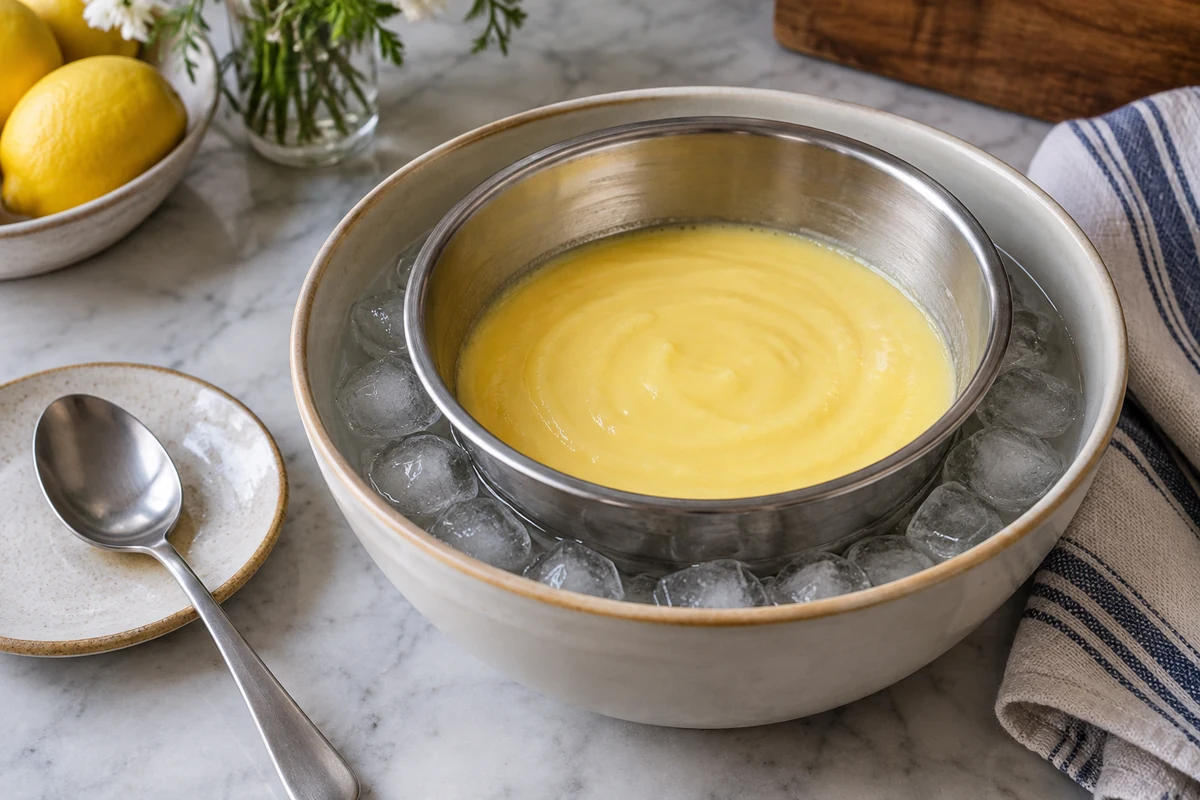
- Chilling: cool promptly in a shallow container or an ice-water bath, keeping water out, and refrigerate within two hours. Store covered at 5°C or below and use within 48 hours.
- Reheating: reheat only once, stirring until steaming hot throughout. Let the portion cool enough to drink. Discard if storage was unsafe; a normal smell does not prove safety.
Remember: the thermometer and good handling address cooking safety; the sieve addresses texture. They do different jobs.
Gemada and Brazilian home cooking
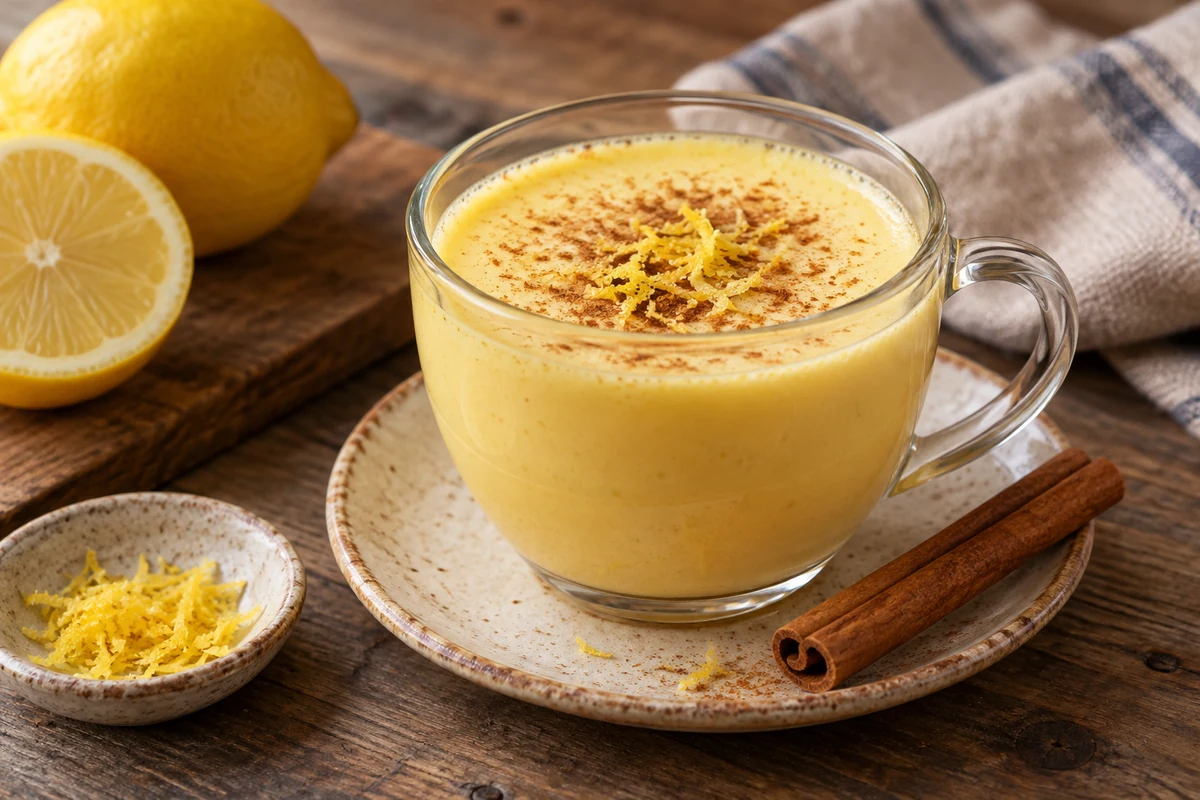
Gemada is the Brazilian name used here for a sweet egg-based preparation. Milk, sugar, citrus, cinnamon and optional cachaça give this version its character. Similar ingredients appear in other egg drinks, but that alone does not establish a precise historical route or inventor.
Tradition and family recipes
Home-remedy associations: gemada is sometimes described as a tonic in family traditions. Present that as a tradition, not evidence that the drink treats illness or is especially easy to digest.
Recipe variations: the balance of egg, milk and sugar can differ between household recipes. This article gives one cooked version rather than claiming a documented nineteenth-century formula.
Flavour variations
- Cachaça or rapadura: these Brazilian ingredients give different flavours. Rapadura, an unrefined cane sugar, changes the sweetness and colour; cachaça makes the drink alcoholic.
- Milk, cinnamon and citrus: an infused milk base is another way to shape the flavour, without needing to assign it to a particular Brazilian region.
- Other adaptations: cocoa, coffee or plant-based drinks suit different preferences, with the ingredient and cooking adjustments explained above.
A comforting drink
For some readers, gemada may recall family kitchens and quiet evenings. Those associations are part of enjoying a recipe; they should be kept separate from claims of medical benefit.
Tradition and a cooked method
In this version, gentle cooking and a thermometer check accompany the familiar ingredients. The aim is to keep the creamy character while making the preparation steps explicit.
A culinary idea: compare the flavour variations and record the ingredients you prefer, without treating one household version as the only authentic recipe.
Final thoughts
Traditional gemada combines simple ingredients into a rich warm drink. Temper the yolks, stir over gentle heat and complete the cooking check before serving or cooling for storage.
Thank you for reading. Follow our social channels for more recipes and visit the I Love Christmas blog for festive ideas.
Come back for more recipes and enjoy your gemada.
Traditional gemada: frequently asked questions
Does this recipe use raw eggs?
No. It is a cooked version: stir and heat the mixture to 70°C for two minutes, or 75°C for 30 seconds, checking with a food thermometer. Pasteurised yolks can be used, but the recipe still follows the cooked method.
How should I store gemada, and for how long?
Cool promptly, refrigerate within two hours and keep covered at 5°C or below for up to 48 hours. Reheat only once, until steaming hot throughout, then cool the serving enough to drink. Discard it if storage was unsafe, even if it smells normal.
What if the gemada curdles or forms lumps?
Remove from the heat, cool the pan exterior in cold water and whisk. Straining can remove small lumps, but heavily scrambled egg may require starting again. Texture fixes do not replace proper cooking.
What substitutions can I make?
Use lactose-free dairy milk or a suitable plant-based drink in the same volume, expecting texture differences. Adjust sweeteners gradually. The vegan variation uses silken tofu and plant drink instead of eggs and dairy; it is a different preparation, not an exact substitute. Do not give honey to babies under one year.
Can I add alcohol or other flavours, and how should I serve it?
Add the optional tablespoon of cachaça or rum after cooking only for those choosing an alcoholic version. Cocoa, coffee and spices are other variations. Serve promptly in heatproof cups at a comfortable drinking temperature, garnished to match.
Sources and Further Reading
- Food Standards Agency: chilling food safely
- Food Standards Agency: cooking your food
- NHS: foods to avoid giving babies and young children