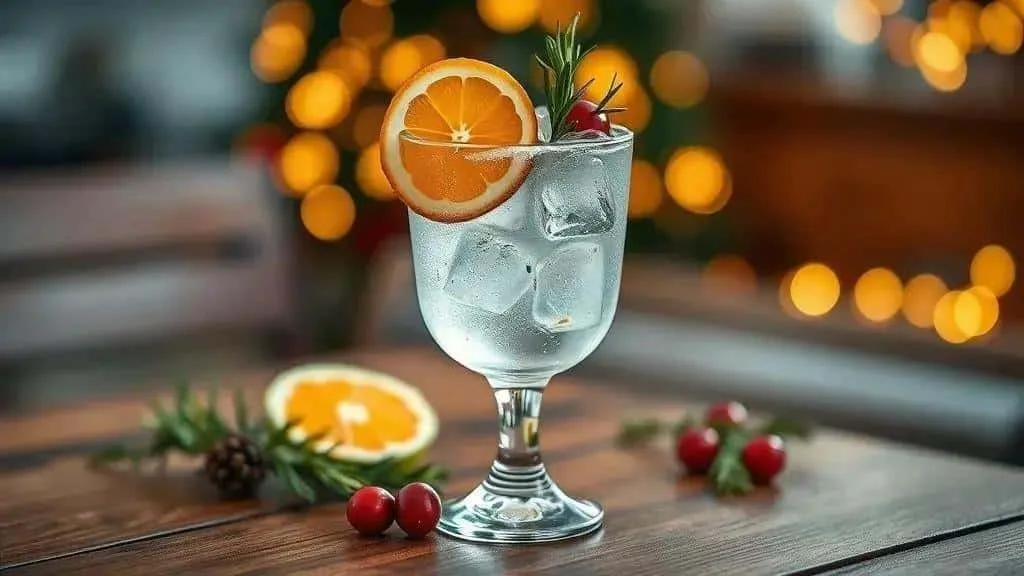
This Christmas gin cocktail combines gin, fresh citrus juice and syrup, finished with chilled tonic and a festive rosemary garnish. Sparkling wine makes a stronger alcoholic variation; an alcohol-free botanical alternative offers a separate option. Prepare the still ingredients first and add anything fizzy only in the serving glass.
A Christmas gin cocktail brings fresh citrus and herbal aromas to an adult festive gathering. Follow the measured recipe below, then explore variations and simple presentation ideas.
Ingredients for a Christmas Gin Cocktail with Citrus Fruit
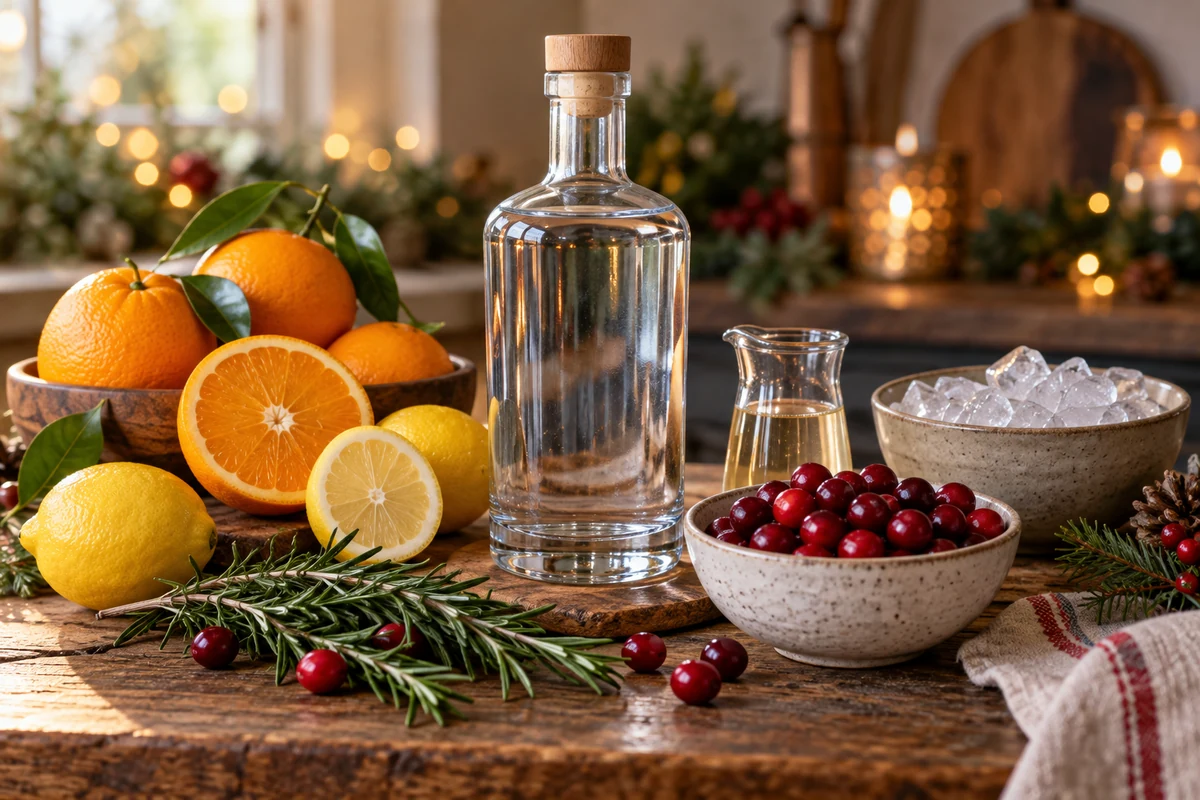
For one Christmas gin cocktail with citrus fruit, gather the following. The measured liquids total approximately 165–200 ml before ice dilution and any extra juice from muddled fruit.
- 50 ml gin — a citrus-led or floral gin suits the fruit. Use 50 ml vodka for a different alcoholic version, or a suitable alcohol-free botanical alternative for the mocktail.
- 30 ml fresh orange juice — freshly squeezed if possible; mandarin juice also works.
- 15 ml fresh lemon juice — strained; lime juice gives a sharper alternative.
- 10–15 ml simple syrup — made with equal weights of sugar and water. Adjust to taste; 10 ml cooled, diluted honey or agave syrup changes the sweetness and flavour.
- 60–90 ml chilled tonic water — sparkling water is an alternative. Sparkling wine can be used for an alcoholic variation but increases the drink’s alcohol content.
- Ice cubes — plenty for shaking and fresh cubes for the glass.
- Orange, lemon or lime slices and wedges — washed, for optional light muddling and garnish.
- A few fresh cranberries — washed and used mainly for colour; whole berries add little juice unless crushed. Raspberries are an alternative.
- A small rosemary sprig — washed; thyme or basil gives a different herbal note.
- A thin strip of orange peel — for an aromatic finishing twist.
Practical ingredient tips
Choosing gin: citrus botanicals complement the juices. Taste before changing the recipe to suit a particularly herbal gin.
Sweetness: start at the lower syrup quantity, especially with sweet orange juice or tonic, then adjust.
Making a jug: multiply the still ingredients by six or eight, chill, and portion into glasses. Add ice and the fizzy mixer at serving time.
Presentation: a few cranberries and one small rosemary sprig provide colour without filling the glass with garnish.
How to Make a Christmas Gin Cocktail: Step by Step
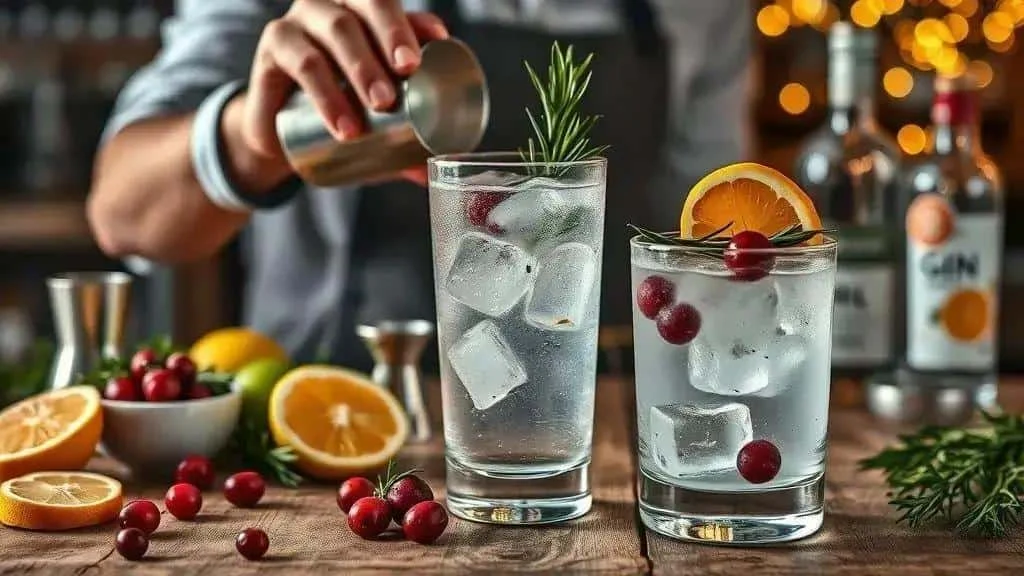
- Prepare the ingredients and equipment: measure 50 ml gin, 30 ml orange juice, 15 ml lemon juice, 10–15 ml syrup and 60–90 ml chilled tonic. Have ice, optional citrus wedges, cranberries and rosemary ready, together with a shaker, strainer, measure, bar spoon and a roomy rocks or highball glass.
- Lightly muddle the optional fruit: gently press one or two small orange wedges and one small lemon wedge in the shaker. They add extra juice, so omit them if you want the measured balance exactly. Avoid crushing the bitter pith.
- Add the still liquids: pour the measured gin, orange juice, lemon juice and syrup into the shaker. Keep tonic and sparkling wine out of the shaker.
- Add ice: fill the shaker approximately three-quarters full, leaving enough space for shaking.
- Shake: secure the lid and shake for about 10–12 seconds, until the outside feels cold.
- Prepare the glass: add fresh ice to a glass with room for the drink and mixer. Large cubes melt more slowly than crushed ice under similar conditions.
- Strain over the ice: pour through a cocktail strainer; use a fine sieve as well if you prefer less pulp.
- Add the bubbles: top with 60–90 ml chilled tonic, or the chosen alternative, and stir gently once or twice.
-
Garnish and aroma
Add a few cranberries, a small rosemary sprig and an orange twist. Gently bend the peel over the glass to release its oils, then rub it lightly around the rim if desired.
- Serving variations: for a group, scale the still base by six or eight and keep it chilled. Add ice and tonic separately to each glass. Vodka remains alcoholic; an alcohol-free botanical alternative must also be paired with an alcohol-free mixer.
Christmas Gin Cocktail Variations
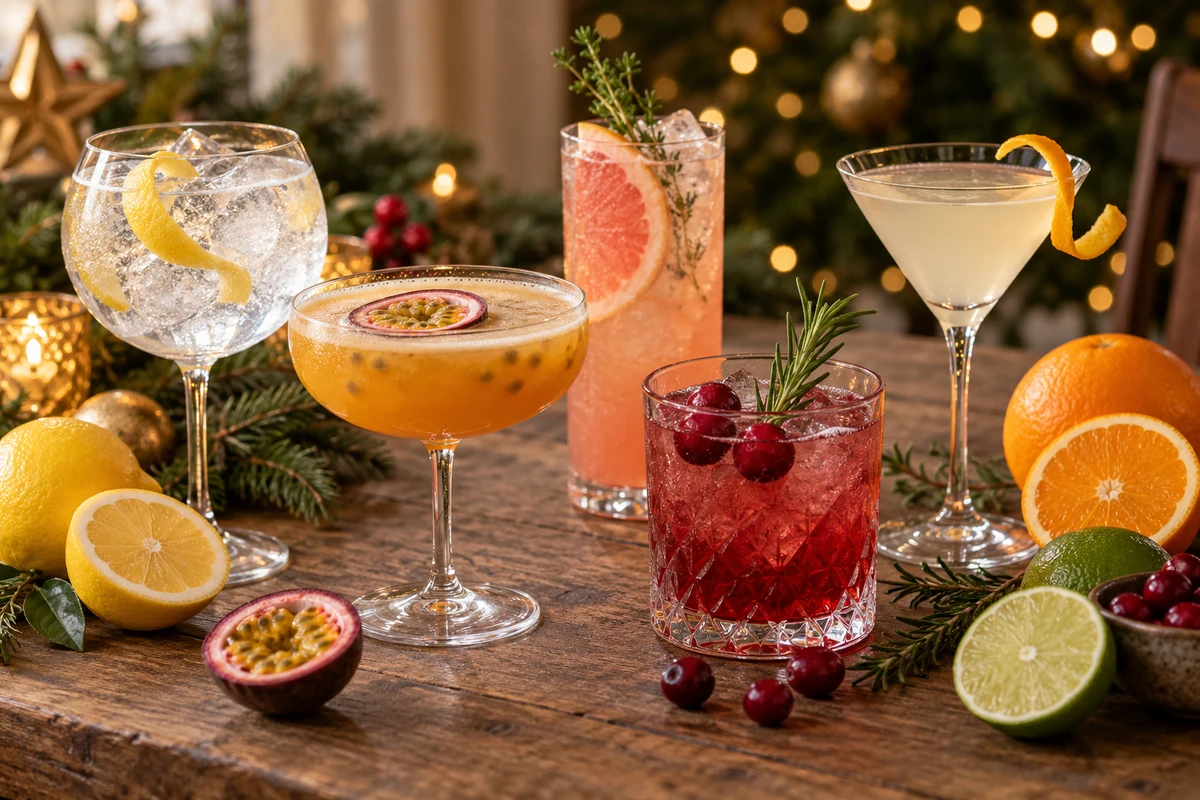
Use these variations on the Christmas gin cocktail to explore different flavours. Keep alcoholic and alcohol-free servings clearly separate.
Citrus sparkling wine cocktail
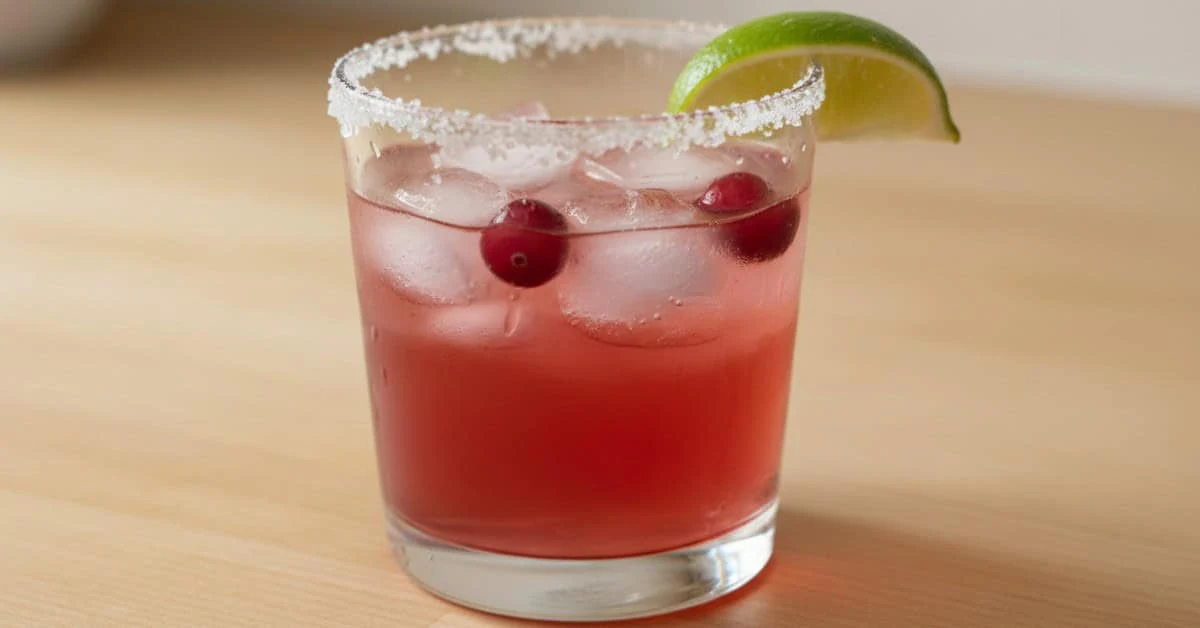
Replacing tonic with sparkling wine creates a dry, fizzy variation. It is not a lower-alcohol drink: the wine adds alcohol on top of the gin.
- 50 ml gin — as in the base recipe.
- 30 ml fresh orange juice.
- 15 ml fresh, strained lemon juice.
- 10 ml simple syrup — adjust to taste.
- 90 ml chilled brut sparkling wine — demi-sec is sweeter, so reduce the syrup if using it.
- Ice, cranberries and an orange slice — to serve.
- Lightly muddle a little optional orange and lemon in the shaker.
- Add the gin, juices and syrup; shake with ice for 8–10 seconds.
- Strain into a glass of fresh ice and top with the chilled sparkling wine. Never shake the wine.
- Garnish with cranberries and an orange slice.
Alcohol-free version
This separate mocktail retains the citrus and festive garnish. Check the botanical alternative’s label and alcohol content; use juice and sparkling water if that is more suitable for your guests.
- 50 ml alcohol-free botanical alternative — or 50 ml still water. If using flavoured tonic instead, add it after shaking, with the other fizzy mixer.
- 30 ml fresh orange juice.
- 15 ml fresh lemon juice.
- 10–15 ml agave syrup or diluted honey — adjust to taste; honey is not vegan.
- 60–90 ml sparkling water or sugar-free tonic — a sugar-free mixer does not make the whole recipe sugar-free.
- Ice, citrus slices and a rosemary sprig.
- Gently muddle a little optional citrus in the shaker.
- Combine only the still liquids and syrup with ice; shake for about eight seconds. Do not seal or shake carbonated drinks.
- Strain over fresh ice and add the sparkling water or tonic, including any tonic used instead of the botanical alternative.
- Finish with rosemary and a few cranberries.
Tropical passion fruit variation
Passion fruit adds a tangy tropical note. Use strained pulp rather than a sweetened cordial unless you adjust the syrup accordingly.
- 50 ml gin.
- 25 ml strained passion fruit pulp or unsweetened juice — dilute concentrated products according to their label before measuring.
- 20 ml orange juice.
- 15 ml lemon juice.
- 10–15 ml simple syrup — adjust to the fruit’s tartness.
- 60 ml sparkling water or tonic.
- Ice and optional passion fruit pulp — thaw frozen pulp as directed before use.
- Lightly muddle a small optional orange wedge in the shaker.
- Add the gin, passion fruit, citrus juices and syrup; shake with ice.
- Strain into a glass with fresh ice and top with sparkling water or tonic.
- Garnish with a little passion fruit pulp if desired; the shell is not an edible garnish.
Christmas spice variation
Cinnamon brings a warm aromatic note alongside the fresh citrus. Use a prepared, strained cranberry-and-cinnamon syrup rather than leaving loose spices in the drink.
- 50 ml gin.
- 30 ml orange juice.
- 10–15 ml cranberry-and-cinnamon syrup — a ready-made syrup or one made from a reliable recipe, cooled and strained.
- 15 ml lemon juice.
- 60 ml tonic water.
- Ice and cranberries — keep an optional cinnamon stick on the serving tray rather than in the drinking path.
- Prepare or select the cranberry-and-cinnamon syrup first. Strain out solids and chill; this variation uses only 10–15 ml per drink.
- Lightly muddle a little optional orange, then add the gin, juices and measured spiced syrup.
- Shake with ice and strain into a glass containing fresh ice.
- Top with tonic and add a few cranberries.
Rosemary and honey variation
A gently aromatic version with honey sweetness. Use a clean rosemary sprig and avoid crushing the woody stem.
- 50 ml gin.
- 30 ml orange juice.
- 15 ml lemon juice.
- 10 ml diluted honey syrup — loosen honey with a little warm water, cool, then measure 10 ml of the mixture.
- 60–90 ml sparkling water.
- Ice, rosemary and an orange twist.
- Gently press a small rosemary sprig with the orange peel to release its aroma, without shredding it.
- Add the gin, juices and honey syrup to the shaker with ice; shake for 8–10 seconds.
- Strain over fresh ice and top with sparkling water.
- Finish with a fresh rosemary sprig and an orange twist.
Preparation Tips for Flavour and Presentation
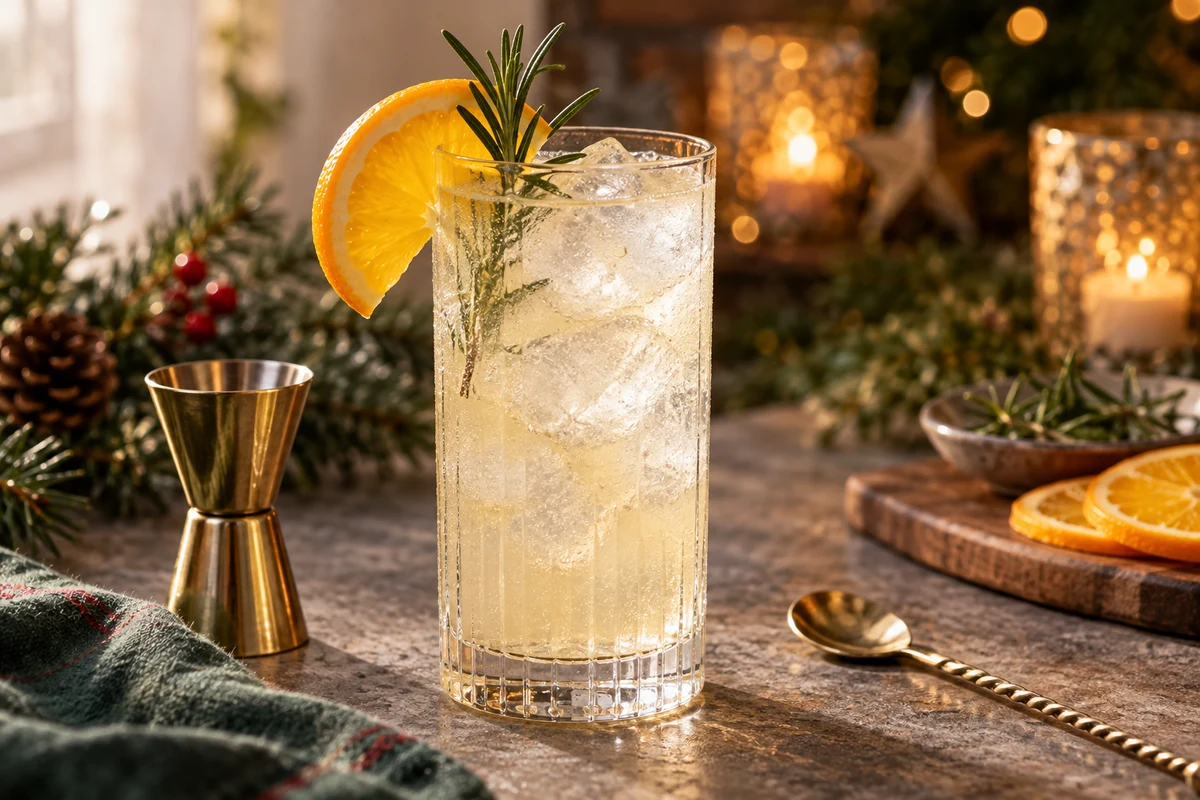
These practical techniques help you control the citrus, sweetness and dilution of your Christmas gin cocktail.
Ice and temperature
Ice both chills and dilutes a cocktail. Use fresh food-safe ice for serving, and pre-chill the mixer so it does not rapidly warm the drink.
- Large cubes: generally melt more slowly than crushed ice, although glass temperature and the room also matter.
- Add ice at serving time: this limits unnecessary dilution while the base waits. Keep fizzy mixers separate to preserve their bubbles.
Gentle muddling for aroma
Light pressure releases juice and some peel oils. Heavy crushing can introduce bitterness from the pith.
- Place one or two small orange wedges and a small lemon wedge in the shaker, if using the optional muddled fruit.
- Press gently two or three times with a muddler.
- Avoid grinding the white pith or shredding seeds.
Balancing sour, sweet and bitter flavours
Taste a little before adding the fizzy mixer. Small adjustments are easier to control than large additions.
- Too sweet: try another 5 ml lemon juice, then taste again.
- Too sharp: add syrup in small measured amounts, starting with about 5 ml rather than pouring freely.
- Too bitter: try a milder tonic or sparkling water; both gin botanicals and tonic can affect the finish.
Garnishes that contribute aroma
Keep the garnish simple, clean and easy to move aside while drinking.
- Orange twist: gently bend the peel over the glass to release oils.
- Rosemary: lightly rub or tap a washed sprig to release its aroma.
- Cranberries: a few whole berries add festive colour. They are mainly decoration and can be set aside; a sharp cocktail pick is unnecessary.
Serving and presentation
Small details can make the drink look inviting without complicated decoration.
- Chilled glasses: cool suitable glasses in the fridge before serving; avoid sudden temperature changes with fragile glassware.
- A cleaner finish: double-strain through a fine sieve if you prefer less pulp.
- Final decoration: add the garnish just before serving so it looks fresh.
Making a jug for guests
Scale the recipe carefully and measure each serving rather than treating a large jug as an unrestricted top-up.
- Mix the gin, juices and syrup in a covered jug and refrigerate without ice.
- At serving time, add ice to individual glasses and measure out the base.
- Add tonic or sparkling wine separately to each glass to retain the bubbles.
Food Pairings and Serving Occasions
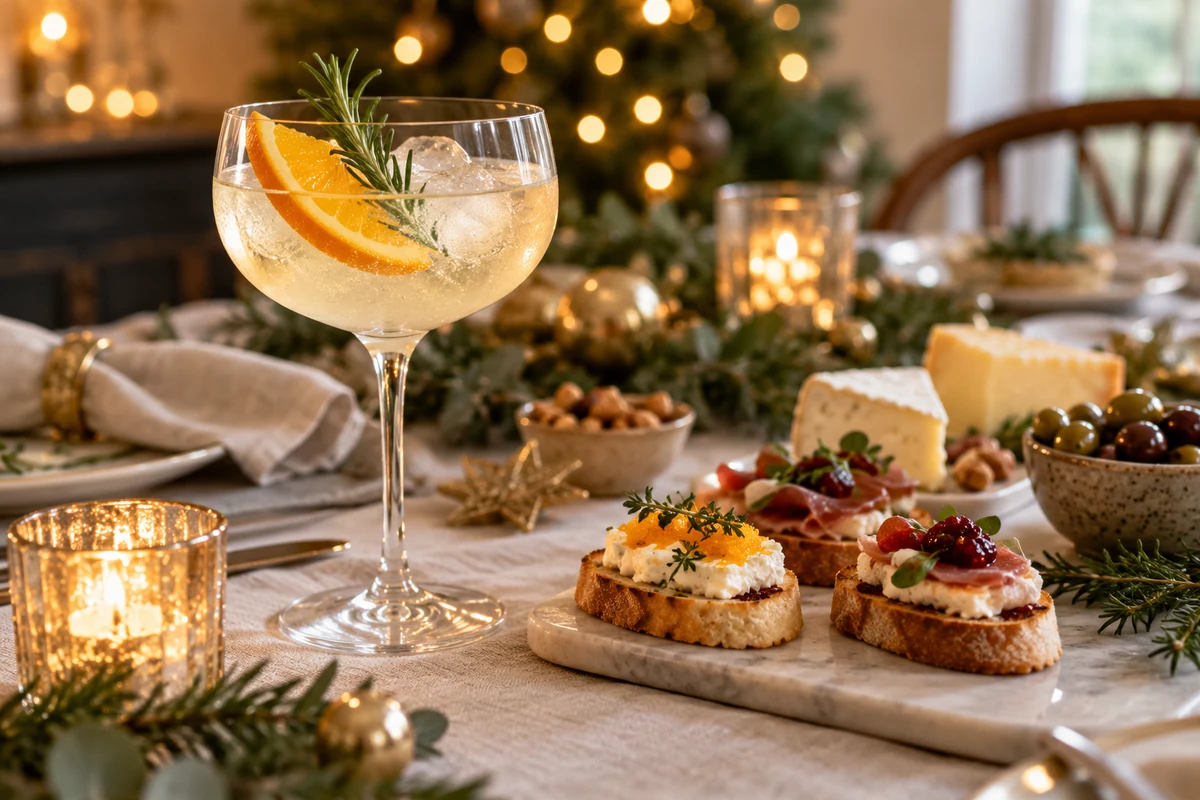
A Christmas gin cocktail with citrus fruit pairs with savoury nibbles and dishes that echo its fresh flavours. Choose food to suit guests’ dietary needs as well as the drink.
Food pairing ideas
- Savoury starters: cream-cheese bruschetta or fully cooked salmon canapés complement the citrus. Cold-smoked salmon needs extra care for higher-risk guests; see the food-safety reference below.
- Main courses: roast turkey or chicken with a citrus sauce, grilled fish or a lightly dressed salad.
- Cheese boards: mild cheeses offer contrast. For pregnant guests, avoid uncooked mould-ripened cheeses such as Brie; choose a suitable alternative or cook until steaming hot.
- Crunchy nibbles: roasted nuts, sweet potato crisps or seasoned dips suit an adult drinks table; label allergens.
- Desserts: citrus puddings, pavlova, fruit tarts and gently spiced ginger desserts echo the drink’s flavour.
When to serve it
- A welcome drink: offer a measured serving alongside water and an equally appealing alcohol-free choice.
- Christmas dinner: the sparkling wine version suits a celebratory toast, but contains more alcohol than the tonic version.
- After dinner: a smaller gin measure with more tonic changes the balance. It is a drink, not a treatment or aid for digestion.
- Festive gatherings: a chilled jug of the still base is convenient; finish each serving individually.
Practical serving notes
- Glass: choose a roomy rocks or Collins-style glass with space for ice and the full drink.
- Temperature: chill the mixer and base before the gathering.
- Serving size: this recipe contains about 165–200 ml of measured liquid before dilution. With 50 ml gin at 40% ABV, it contains two UK alcohol units before any wine is added; a larger mixer does not remove those units.
- Useful garnish: a small rosemary sprig supplies aroma and cranberries supply colour.
- Alcohol-free choice: check the alcohol content of alternatives and prepare them with separate clean utensils and alcohol-free mixers.
- Serving responsibly: label alcoholic drinks clearly, keep them away from children and offer water. Do not serve an alcoholic version to someone who needs to avoid alcohol.
Gin, Citrus and Christmas Aromas
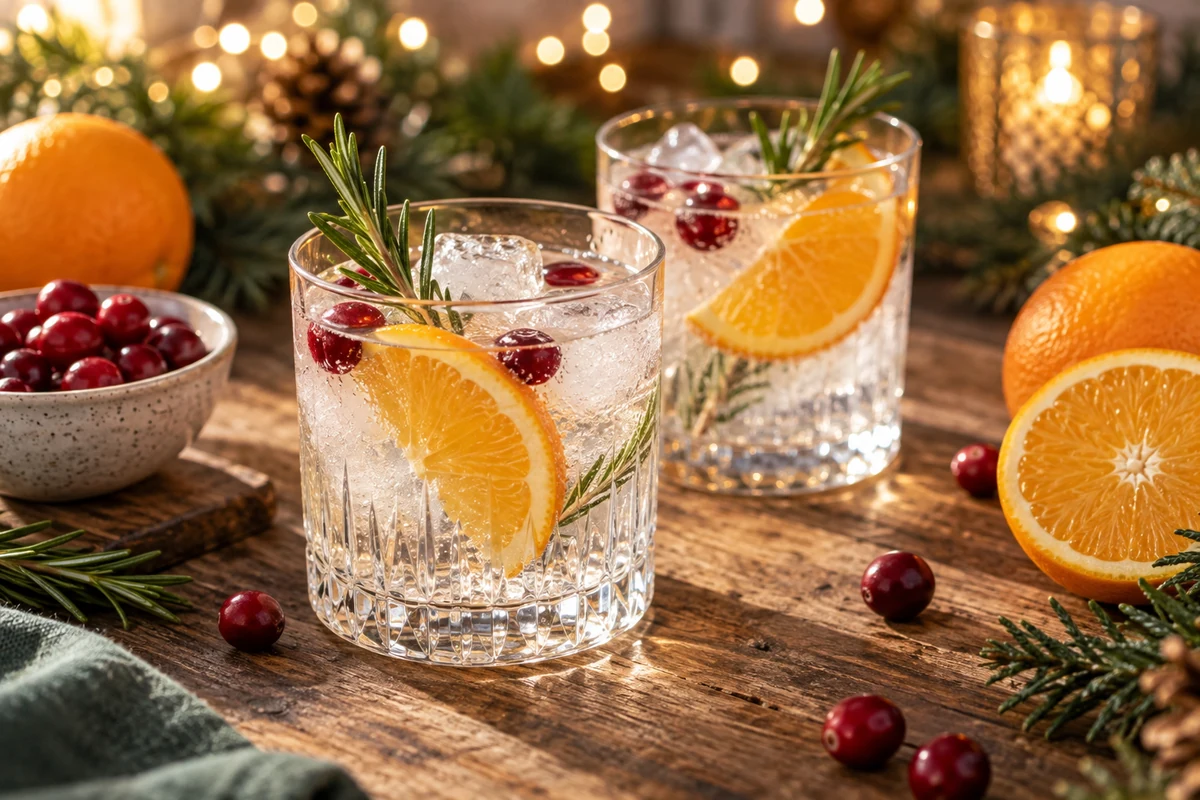
The botanical flavour of gin, citrus peel and rosemary can create a festive combination without elaborate decoration. The following notes focus on their role in this cocktail.
Botanicals and flavour
Gin is a juniper-led spirit, with other botanicals varying between producers. Citrus peel is one possible addition, giving some gins a lemony or orange aroma before fresh juice is added. Historic medicinal associations do not make gin beneficial to health.
Why citrus suits festive drinks
- Contrast with spices: lemon and orange add freshness alongside cinnamon, cloves and nutmeg used in seasonal food.
- Festive colours: orange peel and red cranberries brighten the glass.
- Immediate aroma: the oils released from peel give a fresh scent as the glass approaches the nose.
Quick flavour notes
- Citrus-led gin: lemon, lime or orange peel may contribute flavour during production without fresh juice being in the finished bottle.
- Aromatic twist: bending a thin piece of peel releases oils at the surface of the drink.
- Cranberry colour: whole berries are mainly visual decoration. Cranberry juice or syrup adds colour and changes the acidity or sweetness as well.
- Rosemary aroma: its resinous scent can suggest evergreen foliage, although only food-safe herbs belong near the drink.
- Alcohol-free balance: citrus, an appropriate botanical alternative and a fizzy mixer can give a similar style of drink without copying gin’s flavour exactly.
Putting the ideas into practice
Use a thin strip of peel for the twist, choose a gin whose flavour you enjoy, and finish with a modest aromatic garnish. Keep craft foliage and non-food decorations out of the glass.
This Christmas gin cocktail with citrus fruit is straightforward to assemble. Measure carefully, adjust sweetness to the fruit and serve an alcohol-free alternative alongside it.
Share your version
If you try the recipe, share your preferred citrus combination or garnish. Reader suggestions can inspire other festive variations without being presented as professionally tested recipes.
Visit the I Love Christmas blog for more seasonal recipes and ideas. Enjoy preparing your festive table.
Christmas Gin Cocktail: Frequently Asked Questions
What are the essential ingredients?
Gin, fresh orange and lemon juices, simple syrup, chilled tonic and ice form the base. Cranberries, rosemary and orange peel are optional garnishes; sparkling wine is a stronger alcoholic alternative to tonic.
Can I make an alcohol-free version?
Yes. Use a suitable alcohol-free botanical alternative or still water, retain the citrus juices, and add an alcohol-free fizzy mixer after shaking. Check labels and adjust syrup to taste.
How do I prepare it for a group?
Multiply the still ingredients by six or eight, keep the covered base refrigerated, and measure it into glasses of fresh ice. Add tonic or sparkling wine individually just before serving.
What can replace the gin?
Vodka gives a more neutral alcoholic version. For a mocktail, use an appropriate alcohol-free botanical drink or still water. If using tonic as a substitute, add it in the glass rather than shaking it.
How long can I keep the prepared drink?
Keep the covered still base in the fridge at 5°C or below and use within 24 hours for freshness. Follow any shorter ingredient instructions. Add ice and fizzy mixers only when serving.
What food goes well with it?
Cream-cheese bruschetta, fully cooked salmon canapés, roast poultry with citrus sauce, suitable mild cheeses and crunchy nibbles complement the drink. Check dietary needs and food-safety advice for higher-risk guests.
Sources and Further Reading
- NHS — Calculating alcohol units
- NHS — Foods to avoid in pregnancy
- Food Standards Agency — Listeria risks from cold smoked and cured fish
- Food Standards Agency — Chilling, freezing and defrosting food safely