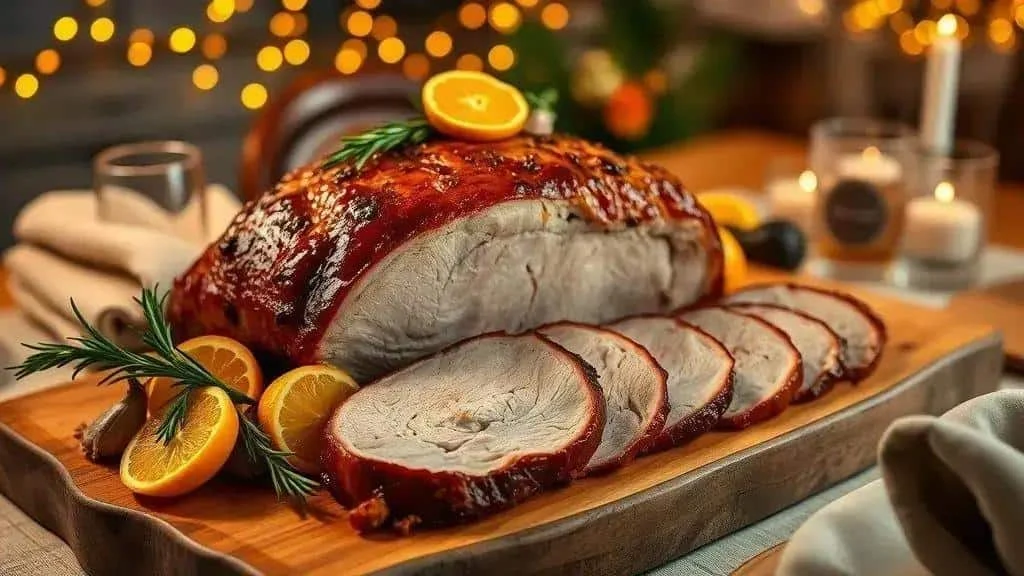
Beer-roasted pork leg makes a generous New Year’s Eve centrepiece. Marinate in the fridge, roast with liquid in the tin, check that the pork is thoroughly cooked and rest before carving. A food thermometer is more reliable than a fixed time per kilogram.
Beer-roasted pork leg, inspired by Brazilian pernil, brings garlic, herbs and a rich roasting gravy to the New Year’s Eve table. This guide covers preparation, roasting, serving and using the leftovers.
Ingredients for beer-roasted pork leg
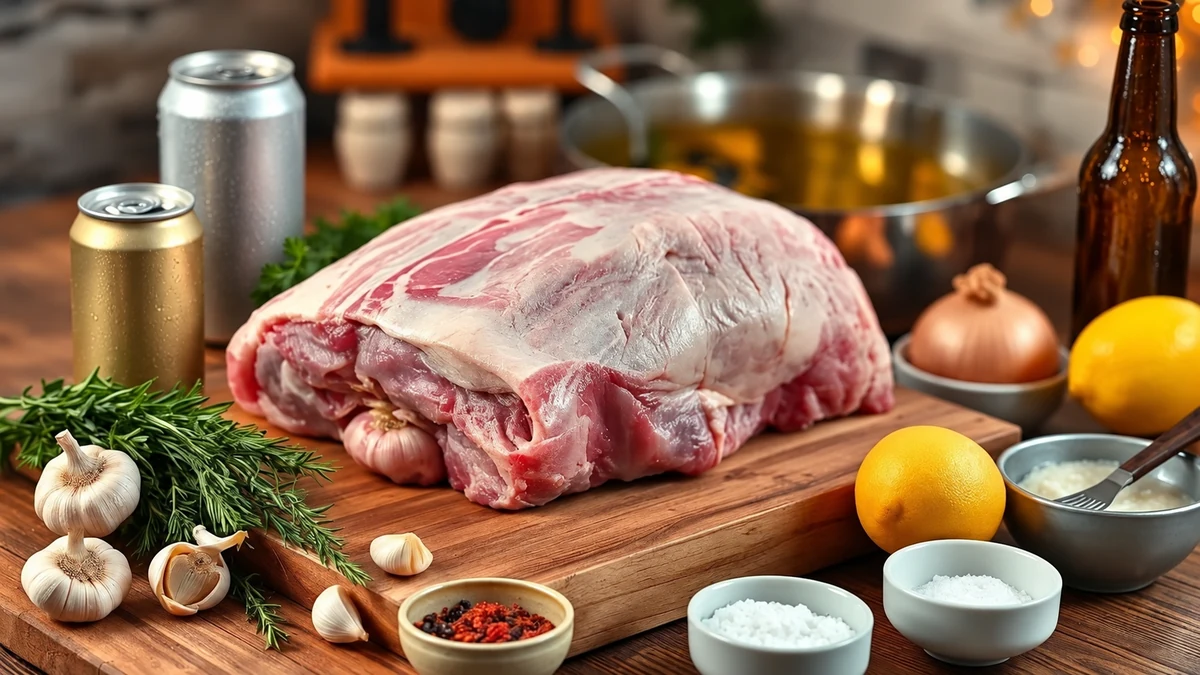
For this beer-roasted pork leg, you will need:
- 3–4 kg fresh pork leg, bone-in or boneless – this is uncured pork, not gammon. A little covering fat helps protect the surface; ask the butcher about the joint’s cooking requirements.
- 350 ml pilsner-style lager – measure it, as can sizes vary. A darker beer changes the flavour. Alternatively, use 1 cup stock and ½ cup orange juice; this is an approximate volume substitution, so adjust the roasting liquid as needed.
- 200 ml olive or vegetable oil – this is a generous amount for the marinade; not all needs to become the finished gravy. Melted butter changes the flavour and adds milk as an allergen.
- 6 garlic cloves, crushed – or about 2 tablespoons garlic paste, checking whether the paste already contains salt.
- Coarse salt, to taste – allow about 30 g for the large joint if appropriate, but two tablespoons can weigh very differently by salt type. Weigh it if following that amount, and reduce it for salty stock or garlic paste.
- 2 tablespoons sweet paprika – smoked paprika gives a different flavour. Brazilian annatto colouring with a little cumin is another variation.
- 1 tablespoon ground black pepper, or less to taste – adjust to your guests’ preferences.
- 2 tablespoons mixed dried rosemary and thyme – alternatively use 2 fresh sprigs of each, recognising that their intensity differs.
- Juice of 1 lemon, or 100 ml orange juice – for citrus flavour; acidity does not make raw pork safe to eat.
- 1 large onion, chopped – for the roasting tin.
- 2 bay leaves – optional if you prefer other herbs.
- 1 tablespoon soft brown sugar, optional – adds sweetness and encourages browning.
- 200–300 ml water or stock – for the tin, with more as needed to prevent the juices burning.
- Up to 50 g melted butter or honey, optional – choose a finishing glaze and use sparingly; these ingredients give different results.
Notes and substitutions
Bone-in or boneless: shape and thickness affect timing more than a simple bone-in rule; boneless pork is usually easier to carve. Beer: lager is relatively mild, while darker beers vary in sweetness and bitterness. Salt: taste the marinade only before it touches raw meat. Without beer: stock and apple or orange juice offer a different flavour. This does not make pork vegan. Cooking beer does not guarantee removal of all alcohol; check labels when avoiding alcohol or gluten.
How to roast pork leg in beer
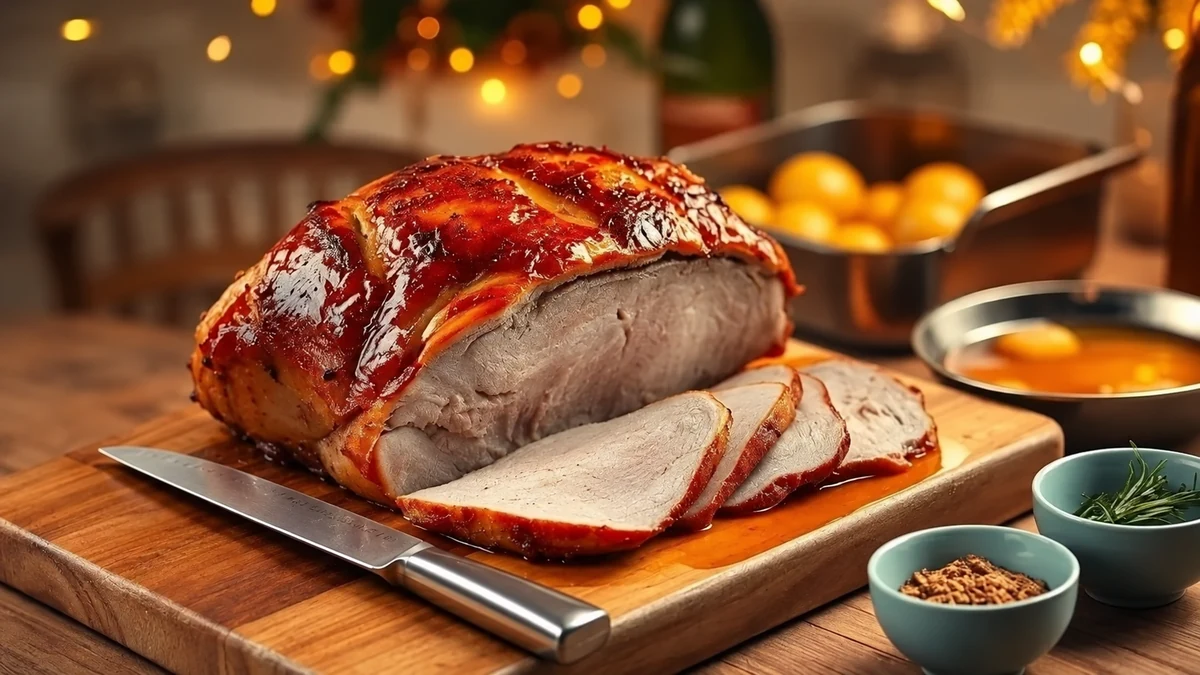
Follow these steps for beer-roasted pork leg, allowing enough time for marinating, cooking and resting.
- Prepare the joint: pat dry with kitchen paper; do not wash raw pork. Make shallow cuts in the fat, avoiding deep cuts into the meat. Trim only excessive fat if necessary.
- Mix the marinade: combine 350 ml beer, crushed garlic, oil, citrus juice, paprika, salt and herbs. Add the black pepper and optional brown sugar. Taste and adjust only before adding the raw pork.
- Marinate: coat the pork and place in a covered food-safe container or leakproof food bag in the fridge. Allow 8–24 hours if convenient, within the meat’s use-by date, turning halfway through. Keep it away from ready-to-eat food.
- Prepare the oven and tin: keep the joint chilled until preparation rather than leaving it on the worktop for an hour. Preheat to 160°C, or 140°C fan. Put the onion, bay leaves and 200–300 ml water or stock in a deep roasting tin.
- Position the pork: place it fat-side up on a rack or the onion bed in the tin and add the marinade for cooking. Browning a 3–4 kg joint in a frying pan is awkward and unnecessary; use the final uncovered roasting stage for colour.
- Roast covered: cover securely with foil and roast. The guide of 40–50 minutes per kilogram is only a planning estimate and may be too short for a large, thick or rolled joint at this temperature. Follow butcher or packet guidance, check several thick areas and continue until safely cooked. Check the tin periodically and add water if it is drying out.
-
Checking that the pork is cooked
Insert a clean food thermometer into the thickest parts, away from bone. Pork must be cooked throughout: aim for 70°C for 2 minutes, or 75°C for 30 seconds at the centre. A broad temperature range without a holding time is not a complete safety check.
- Uncover and brown: towards the end, remove the foil and increase the oven to 200°C, or 180°C fan, if the surface needs colour. Brush with a little chosen glaze and watch closely, especially with honey. Brown only as long as needed; a grill can burn the glaze quickly. Finish cooking the centre if it has not yet reached the required temperature.
- Rest before carving: once fully cooked, rest under loose foil for around 20–30 minutes while finishing the sides and gravy.
- Carve and serve: remove string if present and carve across the grain. Strain the roasting juices, skim excess fat and bring the liquid to a thorough boil before reducing for gravy. Taste the cooked gravy before adding salt.
- If time is short: a shorter marinade, such as 4 hours in the fridge, is acceptable for flavour. It does not shorten the required cooking time; turning up the heat is not a reliable substitute for cooking the joint through.
Marinating and preparing ahead
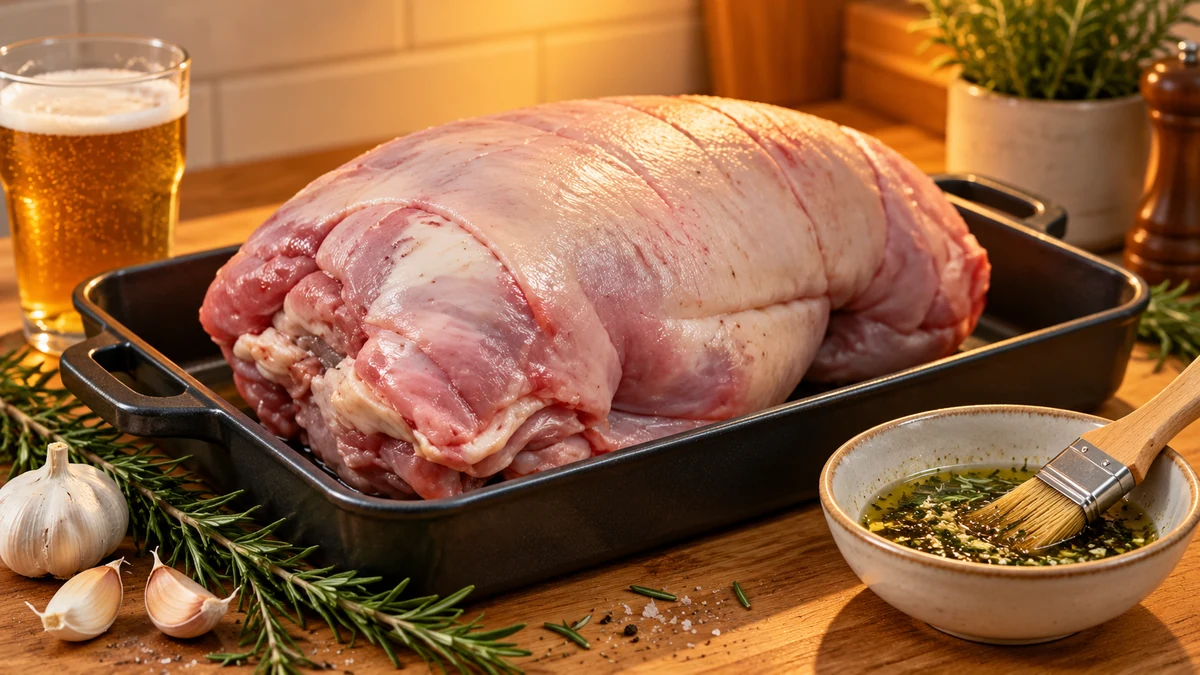
- Prepare the pork: pat dry, score the fat shallowly and tie a boneless joint with kitchen string if necessary. Ask the butcher to do this if preferred.
- Basic marinade: use the listed beer, oil, lemon, garlic, salt, paprika and herbs. A darker beer changes the flavour; stock with orange juice offers a beer-free alternative. Use the same marinade allowance, not an additional batch on top of the main recipe.
- Marinating time: a whole joint can stand for 12–24 hours in the fridge within its use-by date; smaller pieces need less time for flavour. Strongly acidic marinades may affect the surface texture, so reduce the time or citrus rather than assuming longer is always better.
- Coating evenly: rub the marinade over the surface with clean utensils or clean hands, then wash thoroughly. A food-safe bag helps contact; turn the joint halfway through. Deep cuts and injecting marinade are not needed for this recipe and introduce extra handling and cooking considerations.
-
Food hygiene while preparing
Marinate below 5°C. Reserve any clean sauce portion before it touches raw pork; never use raw marinade as a ready-to-eat dressing. Any marinade added to the roasting tin must be thoroughly cooked with the joint, and the finished juices boiled for gravy.
- Before roasting: preheat the oven and organise the tin before taking the pork from the fridge. An hour at room temperature does not reliably warm the centre of a large joint and is unnecessary.
- Dry-brining alternative: season the joint and refrigerate for 12–24 hours, within its use-by date, on a tray away from other food. Treat this as an alternative seasoning method; do not add a second full salt allowance in the liquid marinade.
- Finishing reminder: apply sweet glazes late and sparingly, check the pork has cooked through, and allow the planned 20–30 minute rest before carving.
Seasonings and flavour variations
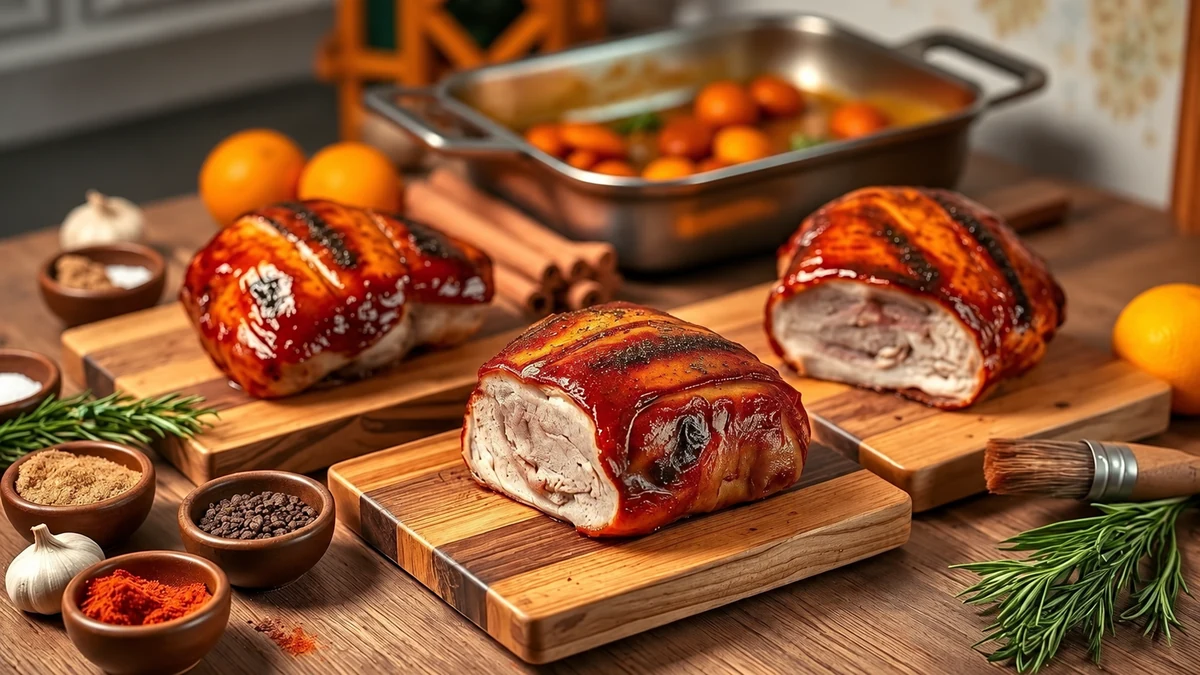
Adapt beer-roasted pork leg with one of the following rubs or glazes. They are alternatives, not a list of additions to pile onto the already seasoned main recipe.
Dry seasoning blends
- Brazilian-inspired: combine salt to taste with 1 tablespoon sweet paprika, 1 teaspoon black pepper and 1 teaspoon cumin. Keep within your chosen total salt allowance rather than adding another 2 tablespoons.
- Smoky and sweet: combine 1 tablespoon smoked paprika with 2 tablespoons soft brown sugar. The paprika provides the smoky note; unspecified powdered tea is unnecessary.
- Herb blend: mix 2 tablespoons dried rosemary, 1 tablespoon dried thyme, 1 tablespoon garlic powder and 1 teaspoon dried lemon zest. This makes a strongly flavoured blend: use to taste rather than adding it all to the herbs listed above.
- A chilli variation: combine 1 tablespoon hot paprika with up to ½ teaspoon chilli flakes and salt from the recipe’s allowance. This may be quite hot; reduce the chilli for a milder result.
Pastes and marinades
- Classic beer marinade: use 350 ml beer, 200 ml oil, lemon juice, 6 garlic cloves and the chosen salt allowance. Marinate in the fridge, usually overnight, as described above.
- Orange and honey glaze: mix 100 ml orange juice, 3 tablespoons honey, 4 crushed garlic cloves and 50 ml oil. Keep this clean mixture separate and brush on towards the end, allowing the garlic to cook without burning the sugars.
- Soy and ginger variation: mix 100 ml soy sauce, 50 ml honey or maple syrup, 2 tablespoons grated ginger and 2 tablespoons sesame oil. Replace the main recipe’s seasoning with this variation and reduce or omit extra salt. Check soy, wheat and sesame allergens.
Finishing glazes
- Honey and butter: mix 50 g melted butter with 2 tablespoons honey as an optional alternative glaze. Brush lightly near the end and watch for burning.
- Mustard and herbs: combine 3 tablespoons Dijon mustard, 1 tablespoon chopped rosemary and 1 tablespoon honey. This variation contains mustard and may include other labelled allergens.
- Roasting gravy: strain and skim the juices, boil thoroughly, then reduce. Add a tablespoon of butter or honey only if the cooked gravy needs it, rather than automatically making it richer and sweeter.
Regional and seasonal ideas
Barbecue-inspired: smoked paprika gives a barbecue note in the oven. Actual barbecue cooking needs suitable equipment, indirect heat, an outdoor setting and careful temperature checks. Mediterranean-inspired: try fresh rosemary and thyme with lemon zest and a little olive oil at serving.
A fruit variation: use orange juice in the marinade and add orange slices and onion to the tin. Watch the juices as they reduce because fruit sugars can burn.
Adjustments and alternatives
- Without beer: use 1 cup beef or vegetable stock with ½ cup apple juice, adjusting the tin’s liquid if needed. Check labels when avoiding alcohol completely.
- Less added salt: reduce the salt to taste and use more herbs. This alone does not establish that the finished dish qualifies as low-salt.
- Without honey: try maple syrup or a little brown sugar dissolved in butter. If the substitution is for an allergy, check all ingredients rather than treating it as a guaranteed safe swap.
Applying the seasonings
Let a rub stand on the meat in the fridge if preparing ahead. During roasting, check the tin every 30–45 minutes and spoon over some cooking liquid if wanted; avoid repeated lengthy oven openings. Use clean utensils and never baste nearly cooked pork with raw marinade. Add sugary glazes towards the end.
Roasting temperature, resting and carving
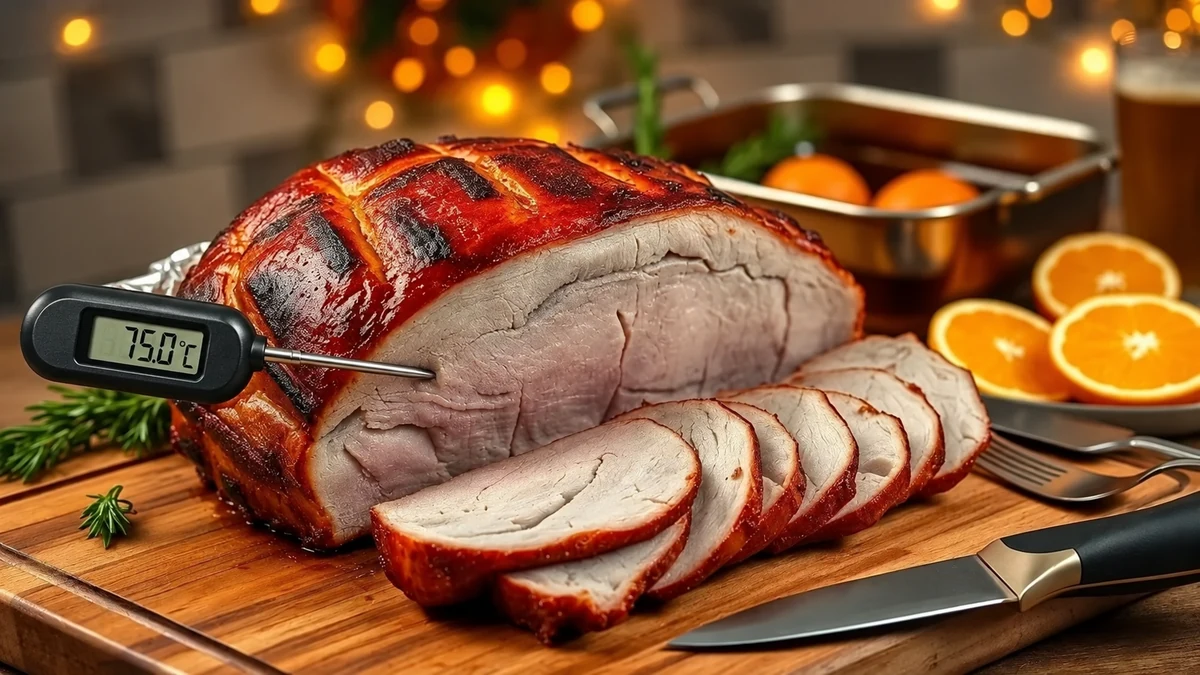
- Oven setting: the covered stage starts at 160°C, or 140°C fan. For final colour, increase to 200°C, or 180°C fan if needed. Pork leg is relatively lean compared with shoulder; do not assume this method will produce pulled-pork texture. Avoid leaving a sweet glaze under the grill for a fixed long period.
- Timing guide: allow approximately 40–50 minutes per kilogram, but this is not a dependable endpoint for every 3–4 kg joint. Allow extra time and follow the joint’s cooking instructions and thermometer checks.
-
Using a food thermometer
Check several thick areas without touching bone. The target is 70°C for 2 minutes or 75°C for 30 seconds. Do not remove the joint 3–5°C early and rely on an assumed rise during resting to make it safe.
- Rest before carving: after the cooking check, cover loosely and rest for around 20–30 minutes. Prepare the rest of the meal during this time and serve promptly.
- Scoring and carving: score the fat shallowly before seasoning. When serving, identify the grain and carve across it for easier-to-eat slices.
- Liquid in the tin: start with 200–300 ml water or stock alongside the marinade. Check roughly every 30–45 minutes and top up if the juices are drying out. Covered roasting limits evaporation but does not replace checking the meat.
- Colour and gloss: uncover near the end and add a small amount of the chosen glaze. Watch the surface closely and stop browning before it burns.
- Common problems: a dry tin can scorch, excessive heat can burn the outside before the centre cooks, and immediate carving loses more juices. Manage the liquid, use a thermometer and allow a rest.
Side dishes for New Year’s Eve
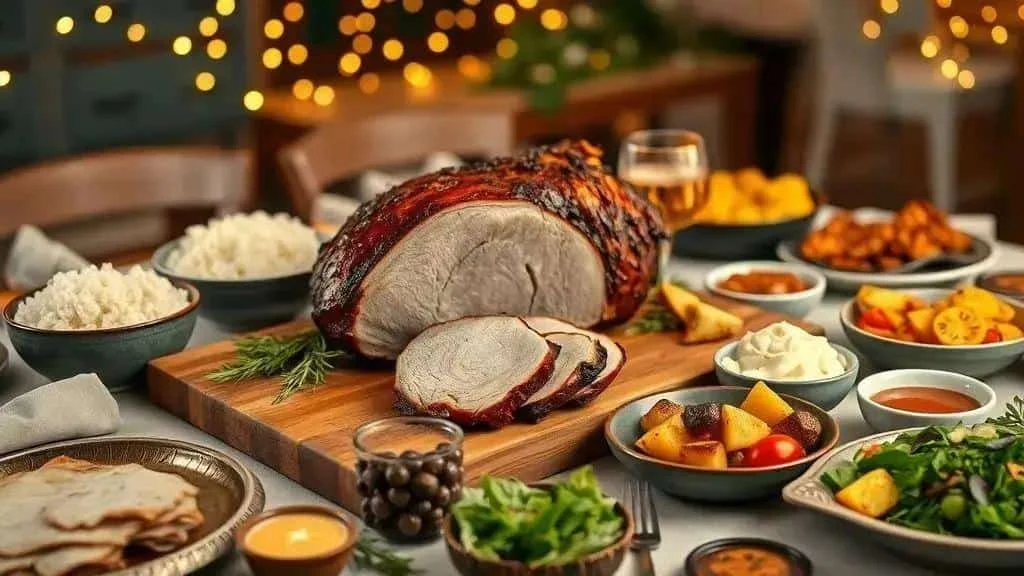
Choose sides that balance the rich flavour of beer-roasted pork leg and are practical to serve. The portion suggestions below are starting points, not quantities to provide for every side simultaneously.
Rice, potatoes and other substantial sides
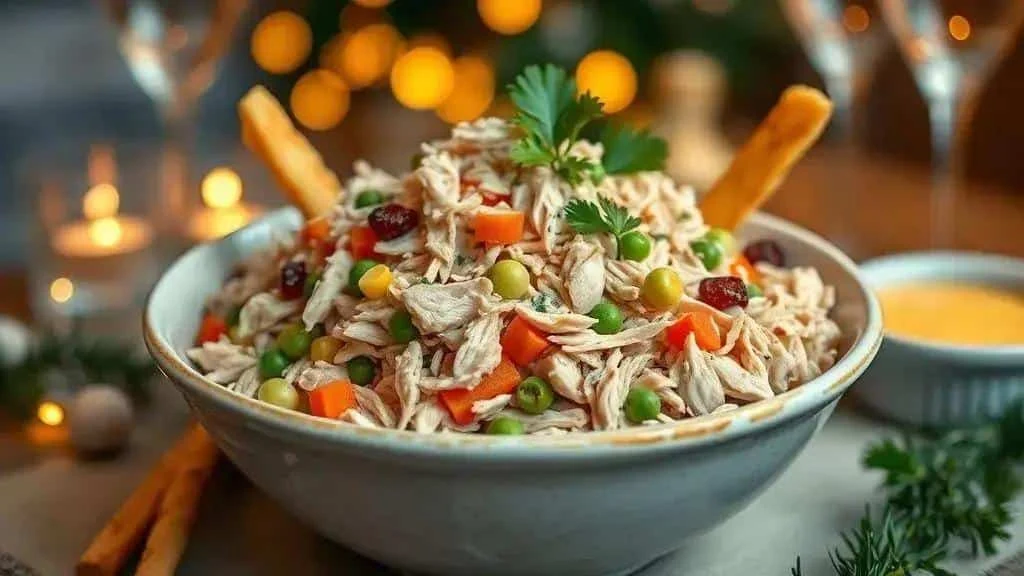
- Fluffy white rice – allow 1 cup uncooked rice for about 3 people; adjust to the wider menu and cook according to the packet. Brazilian arroz à grega with carrots, peas and raisins is another option.
- Crisp farofa – offer small spoonfuls of toasted cassava-flour farofa with bacon, onion or dried banana. A little goes a long way alongside the pork and other side dishes.
- Mashed potatoes – around 200 g prepared mash can be a generous single side. Properly prepared cassava mash is a Brazilian alternative; follow safe preparation instructions for the cassava product used.
- Roast potato wedges – around 150–200 g per person is a starting portion, seasoned with rosemary, garlic and lemon zest.
Vegetables and salads
- Simple green salad – mixed leaves, cherry tomatoes and vinaigrette; 50–70 g leaves per person is a guide, depending on other sides.
- Roast vegetables – try carrots, courgettes and peppers with oil and herbs.
- Creamy potato salad – yoghurt can replace some mayonnaise for a tangier flavour, but the nutritional result depends on the products and amounts. Keep it chilled until serving.
- Asparagus or sautéed green beans – around 80–100 g per person, with a little butter and garlic if desired.
Sauces and finishes
- Roasting gravy – strain, skim, boil and reduce the juices, then adjust the seasoning.
- Citrus glaze – reduce orange juice with a little honey for a sweet, sharp accompaniment.
- Onion or fruit chutney – a spoonful provides another sweet-and-sharp contrast.
Dessert ideas
- Grilled fruit – pineapple or peaches work well. One pineapple may provide several servings, but one peach is not equivalent; buy according to fruit size and guest numbers.
- A fruit-based finish – passion fruit mousse or fruit salad offers a change of flavour. A mousse is not automatically low in fat or sugar.
Portions and organisation
Allow roughly 180–250 g cooked edible pork per adult for a generous main, or less when several main dishes are offered. Bone and cooking loss mean the raw joint weight is not the serving yield. Keep hot food properly hot and cold dishes chilled; replenish small platters instead of leaving the entire meal out.
Preparing and arranging the table
- Prepare ahead carefully: wash and prepare salad components, then refrigerate. Cooked mash or farofa made earlier should be cooled, chilled and reheated appropriately, not left on the worktop all morning.
- Set up serving areas: arrange starters, hot dishes and sides so guests can serve themselves easily, with suitable equipment to maintain temperatures.
- Balance flavours: vinaigrette or citrus adds sharpness, while farofa or toast provides crunch.
- Presentation: arrange carved pork on a platter with washed herbs and orange wedges.
Storing and using leftover pork
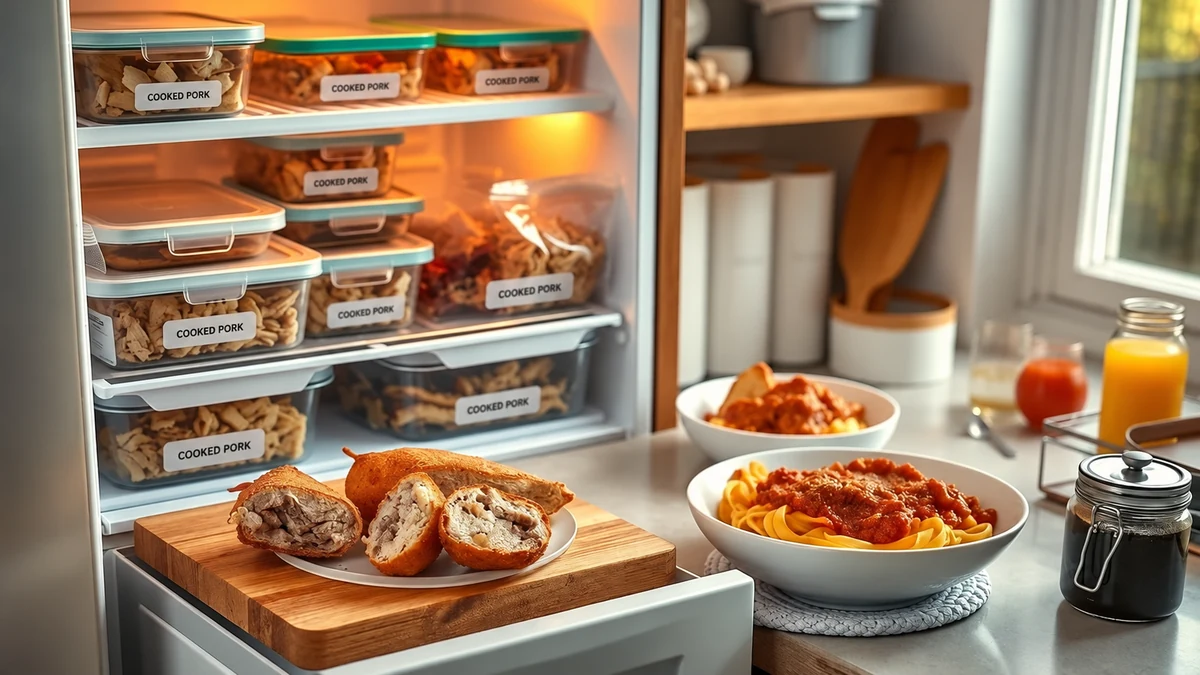
Leftover beer-roasted pork leg can become sandwiches, croquettes or a pasta sauce. Use only safely stored leftovers; a new recipe does not restart their storage time or allow repeated reheating.
Storing safely
- Cooling: divide leftovers into smaller shallow portions and refrigerate within 1–2 hours of cooking; do not leave a large joint to cool for hours.
- In the fridge: keep below 5°C and use within 48 hours, or freeze sooner.
- In the freezer: use suitable sealed containers or freezer bags. Around 2–3 months is a quality guide, not a way to rescue poorly stored food; keep continuously frozen and follow appliance guidance.
- Portioning: freeze amounts suited to a future meal; 200–300 g packs may be convenient, depending on how many people they will serve.
- Labelling: record the contents and freezing date.
- Defrosting: thaw in the fridge in a covered container. Timing depends on the portion size; use within 24 hours of fully defrosting, and do not thaw on the worktop.
Reheating methods
- Oven: put sliced pork in a covered ovenproof dish with a little water or stock. Heat at 160–180°C, or 140–160°C fan, until steaming hot throughout. The amount of liquid and time depend on the portion.
- Microwave: use a suitable covered dish with a little liquid. Turn or stir between heating intervals and follow the appliance’s standing time, checking that it is steaming hot throughout, including the centre.
- Hob: heat pieces in gravy or stock, stirring regularly, until steaming hot throughout. A bubbling sauce alone does not prove that large pieces are hot inside.
- Reheat once only: heat just the portion you will eat; do not repeatedly cool and reheat the same leftovers.
Ideas for leftovers
- Toasted pork sandwich – a convenient option using the steps below.
- Pork croquettes – a starter or light meal; see the method below.
- Pork ragù – combine with tomatoes and herbs for pasta or freshly cooked rice.
- Tacos or wraps: add reheated pork, grilled onion, coriander and a citrus dressing.
- Warm salad: serve thoroughly reheated thin slices over washed leaves with vinaigrette and dried fruit, and eat promptly.
Pork croquettes: method
- Make the base: mix 300–400 g finely shredded pork with 400 g cold mashed potato, or try 200 g very thick béchamel as a different binding option. The consistency will vary; it must hold its shape.
- Season: add ½ finely chopped, softened and cooled onion, 1 egg, pepper and chopped herbs. Add salt cautiously because the pork is already seasoned.
- Shape: form small balls or cylinders with clean hands and keep chilled until cooking.
- Coat: roll in plain flour, then additional beaten egg and finally 100–150 g breadcrumbs. Check wheat, egg and milk allergens.
- Cook through: fry in a suitable temperature-controlled fryer at around 170°C, or bake at 200°C, 180°C fan, turning as needed. Colour alone is insufficient: the raw egg and leftover meat must be hot and cooked throughout. The 2–3 minute frying or 15–20 minute baking times are only guides and depend strongly on size. Do not use pork that has already been reheated.
Toasted pork sandwich: method
- Heat the filling: warm thin pork slices with a little stock until steaming hot throughout, then assemble and toast immediately as one continuous reheating process.
- Assemble: add mustard or mayonnaise, hot pork, cheese and caramelised onion to bread. Add washed salad leaves after toasting if preferred.
- Toast: use a sandwich press or frying pan until the bread is golden and cheese melts, then serve immediately. Three to four minutes is only a guide for browning, not for heating a cold meat filling safely.
Simple pork ragù: method
- Soften the aromatics: cook ½ chopped onion and 2 garlic cloves in 2 tablespoons olive oil without burning the garlic.
- Add the pork: stir in 300–400 g safely stored shredded pork and begin heating it.
- Add tomatoes: use 400 g tinned tomatoes or passata, with pepper and herbs. Taste the fully heated sauce before adding salt or a little sugar; a whole tablespoon of sugar is not automatically needed.
- Simmer: cook for around 15–20 minutes to combine the flavours and reduce the sauce, checking that the pork is steaming hot throughout.
- Serve: spoon over pasta, polenta or rice and finish with herbs or grated Parmesan if wanted. Treat this as the pork’s single reheating and eat promptly.
Keeping leftovers moist
- Add a little liquid: water or stock helps prevent drying during reheating. Adding beer introduces alcohol again and is not necessary.
- Carve for serving: after roasting and the planned rest, carve what is needed; portion the remaining meat promptly for cooling rather than leaving a large warm joint out.
- Save the gravy: cool and freeze small portions of the thoroughly cooked roasting gravy to serve with the pork later.
Conclusion
Beer-roasted pork leg brings bold seasoning and a generous centrepiece to New Year’s Eve. Plan ahead, check cooking carefully and organise the sides so the pork can be rested and carved at the right time.
Thank you for reading. Follow our social channels and the I Love Christmas blog for more festive recipes, decorating ideas and seasonal inspiration.
Enjoy your celebration and share your finished dish with us if you would like to.
FAQ: beer-roasted pork leg
How long should pork leg cook per kilogram?
Allowing 40–50 minutes per kilogram at 160°C is only a rough planning guide and may be insufficient. Follow the joint’s instructions and check the thickest parts with a thermometer. Pork needs 70°C for 2 minutes or an equivalent safe time and temperature, such as 75°C for 30 seconds.
Can I replace the beer?
Yes. Try 1 cup stock with ½ cup apple or orange juice and adjust the roasting liquid as needed. It gives a different flavour. Check all labels if avoiding alcohol or gluten entirely; cooking beer does not guarantee removal of its alcohol.
How can I keep the pork moist?
Start with covered roasting, keep some liquid in the tin and avoid cooking longer than necessary once the joint is safely done. Rest for around 20–30 minutes before carving across the grain.
Can I prepare the pork ahead?
You can marinate it overnight in the fridge within its use-by date. If cooking the day before, cook fully, divide and cool promptly, refrigerate and reheat once until steaming hot throughout. Do not leave a whole warm joint out to cool slowly.
How should I store and reheat the leftovers?
Cool and refrigerate promptly, within 1–2 hours, and use within 48 hours or freeze. Defrost in the fridge, use within 24 hours of fully thawing and reheat once until steaming hot throughout. A 2–3 month freezer period is a quality guide; safe handling before freezing remains essential.
Sources and Further Reading
- Food Standards Agency — cooking food safely
- Food Standards Agency — chilling, freezing and defrosting
- Food Standards Agency — food allergies and intolerances