These New Year’s Eve fish recipes include salmon, sea bass and Brazilian moqueca, with ingredient lists, preparation methods and serving ideas. Check the notes on substitutions, cooking fish thoroughly and keeping leftovers chilled before planning your meal.
Looking for New Year’s Eve fish recipes that will make a special supper without an elaborate menu? Explore ten options, with ingredients, methods and variations. This collection includes Brazilian dishes and a cooked-fish alternative to raw ceviche; cooking times are guides, not substitutes for checking the food.
Why serve fish on New Year’s Eve?
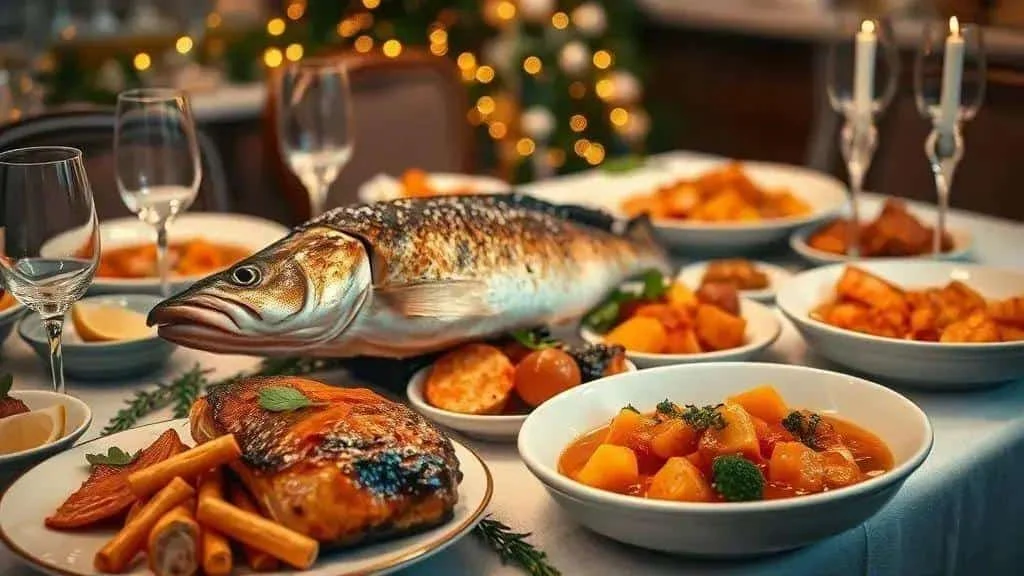
Serving fish for a New Year’s supper gives you plenty of choices, from a centrepiece roast to a comforting stew shared around the table.
What fish brings to the menu
- A choice of styles: baked or steamed fish can suit a simpler meal, while sauces and accompaniments make it more substantial. Digestion varies between people; fish is not automatically easier to digest than every meat dish.
- Variety: white fish and oily fish have different nutritional profiles. Salmon and mackerel are oily fish; do not assume every fish offers the same amount of omega-3.
- Versatility: roast, grill, poach or simmer fish in a moqueca to offer different flavours.
- A festive tradition: fish may be part of a family’s celebration, although New Year customs and their meanings vary.
- Dietary options: plain fish can fit a pescatarian menu. Gluten-free or lower-carbohydrate versions depend on the coating, sauce and side dishes.
- Presentation: a whole roast fish or neatly plated fillets can make an attractive centrepiece.
Choosing and serving fish
- Freshness: look for a mild smell, clear eyes on whole fish and firm flesh. These are quality clues, not proof of safety: also check storage conditions and the use-by date.
- Quantity: allow roughly 200–250 g of boneless raw fish per adult for a main course, adjusting for appetites and side dishes. Whole-fish weight includes the head and bones, so ask the fishmonger about edible yield.
- Suitable choices: sea bass, salmon and firm white fish work well for roasting or fillet dishes. Choose an available species suited to the recipe.
- Simple seasoning: lemon, olive oil, herbs and garlic provide plenty of flavour.
- Substitutions: salmon offers a richer alternative to sea bass. Frozen fillets can replace fresh ones, but adjust cooking to their thickness and follow defrosting instructions.
- Sustainability: check the species, where it was caught or farmed and the method used. A local origin alone does not establish sustainability.
- Accompaniments: serve with roast potatoes, grilled vegetables and a citrus salad.
- Planning: prepare suitable side dishes ahead and keep sauces separate where this preserves texture. Reheat cooked food only once, until steaming hot throughout.
Catering for different guests
- Gluten-free options: choose a plain baked dish or check both the flour and the breadcrumbs in a coating, along with seasonings and preparation surfaces.
- For children: offer mild, fully cooked fish and carefully remove every bone before serving.
- Allergies: fish, crustaceans and molluscs are separate allergens. Confirm each guest’s needs and prepare an appropriate alternative separately.
Which fish suits a New Year’s supper?
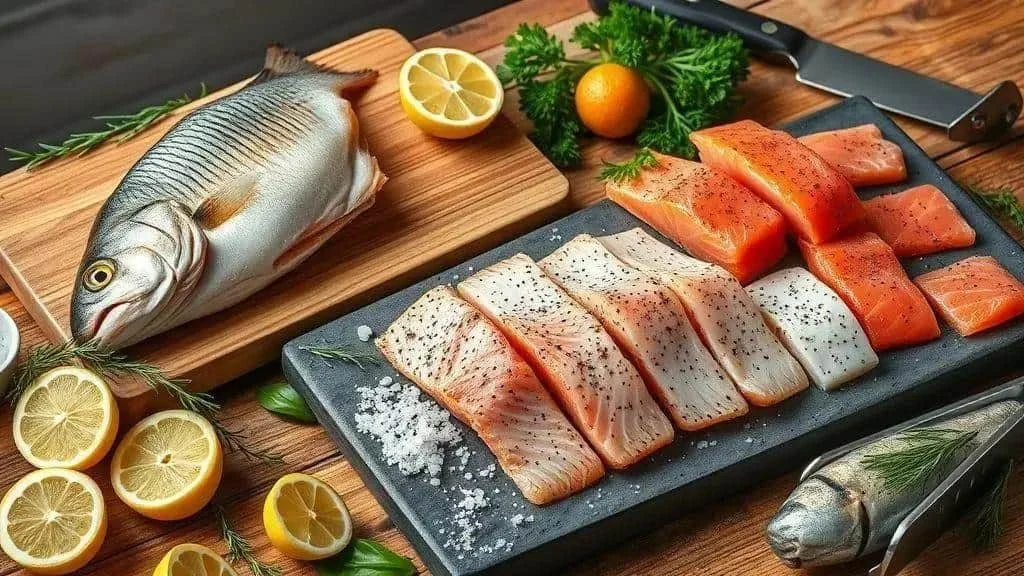
Choose fish for its flavour, texture, yield and the way you plan to cook it. The suggestions below are practical starting points rather than a ranking.
Fish to consider
- Salmon fillet – rich and substantial, suitable for roasting or grilling. Allow around 200–250 g of boneless raw fillet for a generous main course. Trout is an alternative.
- Sea bass, whole or filleted – good for roasting. Allow roughly 200–250 g of boneless raw fillet per main-course serving; whole fish needs a higher purchased weight because of bones and head.
- Firm white fish – useful for moqueca, grilling and roasting. The Brazilian original suggests badejo and namorado; a locally available firm white fish can be used as a cooking alternative.
- Tilapia fillet – mild and suitable for breading or grilling. Around 180–220 g of boneless raw fillet may suit a serving with side dishes; check origin when buying alternatives.
- Sole – delicate fillets suited to gentle frying or steaming. Around 160–200 g may suit a smaller serving with sides. The Brazilian name Saint Peter refers to tilapia, not sole; they should not be treated as the same fish.
- Salt cod – used in festive bacalhau dishes. It usually needs soaking before cooking; follow the supplier’s instructions for the cut.
- Mackerel – oily and distinctly flavoured, good grilled or used as a ready-to-eat tinned ingredient.
Checking fish quality
- Smell: it should be mild, never strongly unpleasant or ammonia-like.
- Eyes: clear, bright eyes are a useful quality clue in whole fish.
- Gills: red or pink, moist gills are preferable to grey, dried-out ones.
- Texture: look for firm flesh and avoid sticky fillets. Appearance and smell cannot replace date and cold-storage checks.
Convenient alternatives
- Frozen fillets: choose a reliable supplier and defrost in the fridge, following the packaging instructions.
- Local availability: ask about seasonal availability and prices, and check environmental information separately.
- Flavour: salmon and tilapia work with simple marinades; delicate white fish often needs only light seasoning.
Origin and sustainability
- Look for information: credible fishery or aquaculture certification can help you assess a product.
- Check more than distance: a native or locally caught fish is not automatically the most sustainable choice.
- Make an informed choice: consult the Marine Conservation Society’s Good Fish Guide and ask your fishmonger about the specific fish being sold.
Quick preparation and portion tips
- Portions: around 200–250 g of boneless raw fish can make a generous main course; 150–200 g may be enough with several substantial accompaniments.
- Baking fillets: medium fillets may take about 12–15 minutes at 200°C, or 180°C fan, but thicker pieces take longer. Check that the centre is thoroughly cooked.
- Roasting a whole fish: season inside and out and roast at 180–200°C, or 160–180°C fan. Shape and thickness matter, so do not rely on a fixed minutes-per-kilogram rule.
- Grilling: lightly oil the fish or cooking surface and preheat it. Turn carefully once the flesh releases rather than repeatedly moving it.
- Soaking salt cod: follow the supplier’s soaking and water-changing instructions, keeping it refrigerated throughout. Thin flakes and thick pieces need different times.
- Reheating: add a little liquid to protect the texture, but heat until steaming hot throughout. Gently warming the outside is not enough.
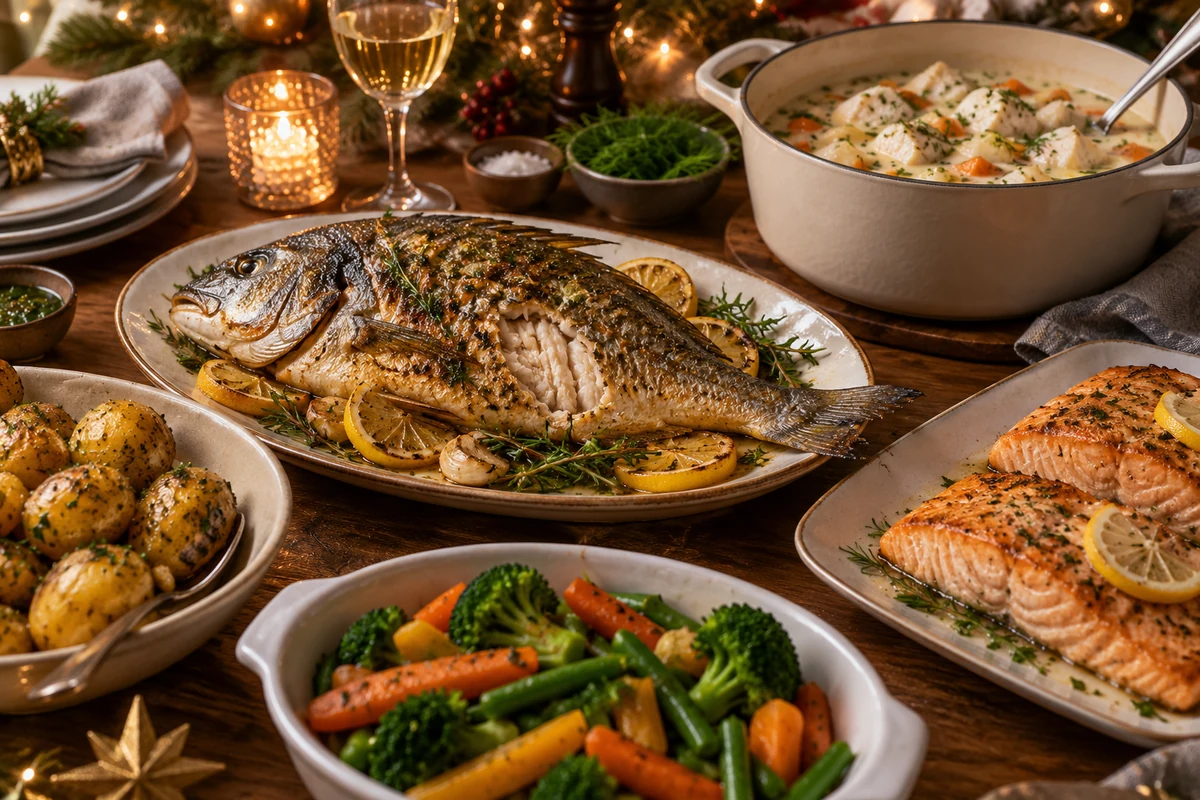
Ten New Year’s fish recipes at a glance
-
Herb-baked salmon
Salmon baked with herbs and lemon makes a straightforward centrepiece.
- 700 g skinless salmon fillet – trout is an alternative
- 2 tbsp olive oil
- 2 garlic cloves – chopped
- Juice of 1 lemon
- 1 tbsp mixed herbs – parsley, thyme and rosemary
- Salt and pepper, to taste
-
Sea bass roasted with lemon and herbs
A whole fish offers an impressive presentation and mild flavour.
- 1 cleaned sea bass, 1.2–1.5 kg – or a suitable whole white fish
- 4 tbsp olive oil
- 1 lemon, sliced
- 4 parsley sprigs
- 2 garlic cloves – sliced
- Salt and pepper, to taste
-
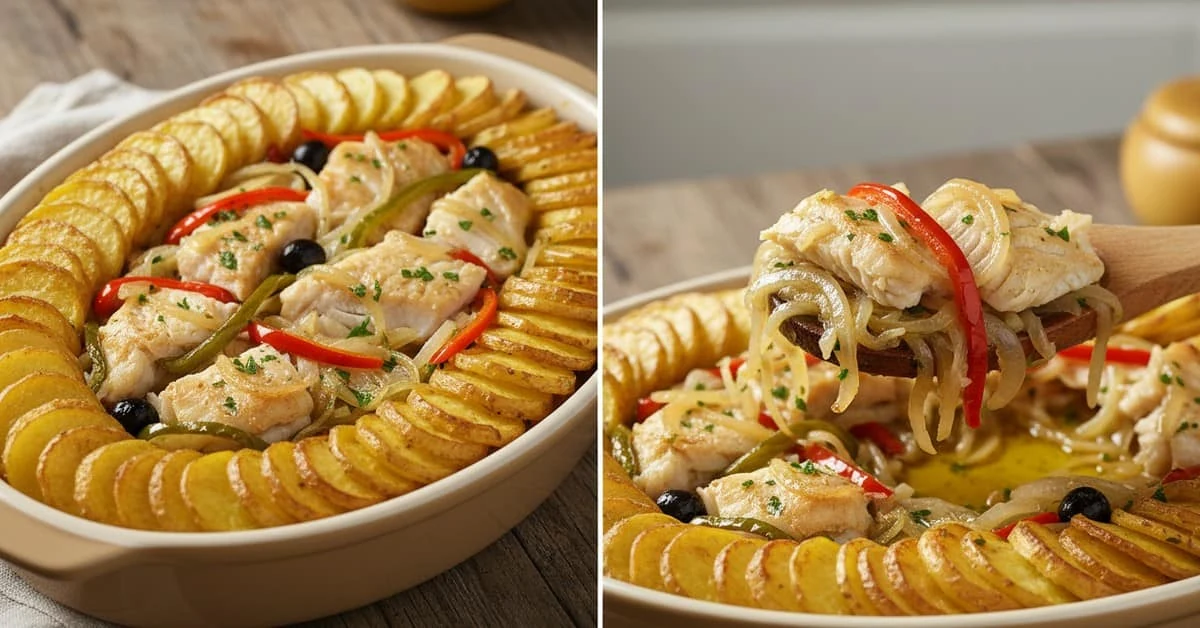
Portuguese-style salt cod
A festive combination of cod, potatoes, eggs and olives. Serve hot, or cool promptly and refrigerate if serving cold.
- 600 g desalted cod – to be cooked and flaked before assembly
- 4 medium potatoes – cooked and sliced
- 2 large onions – sliced
- Up to 200 g olives – according to taste
- 4 hard-boiled eggs – sliced
- 100 ml olive oil
-
Brazilian fish moqueca
A fish stew with coconut milk and optional dendê, the red palm oil used in some Brazilian versions.
- 800 g firm white fish steaks – choose a suitable fish for stewing
- 2 tbsp dendê oil – or olive oil if omitting dendê
- 200 ml coconut milk
- 2 tomatoes – chopped
- 1 pepper – cut into strips
- 1 onion – sliced
- Fresh coriander, to taste
-
Crispy breaded tilapia
A simple option for an informal supper, served with your favourite vegetables.
- 800 g tilapia fillets
- 1 measuring cup plain flour – rice flour is an alternative; a gluten-free version also needs suitable breadcrumbs
- 2 eggs, beaten
- 1 measuring cup breadcrumbs or panko; choose a labelled gluten-free product when needed
- Salt and pepper, to taste
- Oil for frying
-
Fish and vegetable stew
A simple stew made with fish, potatoes, carrots and stock.
- 700 g fish steaks – tilapia, sea bass or another suitable firm white fish
- 2 carrots – sliced
- 2 potatoes – cubed
- 1 onion – chopped
- 400 ml fish stock or water, with a little extra water if needed
- 1 bay leaf
- Salt and pepper, to taste
-
Sole with lemon and herb sauce
Delicate fish with a simple sauce for a special supper.
- 600 g sole fillets
- 3 tbsp butter or olive oil, divided between the pan and sauce
- Juice of 1 lemon
- Chopped parsley and chives
- Salt and pepper, to taste
-
Grilled fish with citrus sauce
A bright orange and mustard dressing adds flavour to grilled fillets.
- 800 g firm fish fillets – salmon, sea bass or tilapia
- 2 tbsp mustard
- Zest and juice of 1 orange
- 2 tbsp olive oil
- Salt and pepper, to taste
-
Cooked-fish ceviche-style salad
A chilled, citrus-dressed starter. This version uses thoroughly cooked fish rather than raw fish cured in lime juice.
- 500 g fresh white fish – sea bass, sole or another suitable boneless fillet, to be cooked first
- Juice of up to 6 limes – add gradually to taste
- 1 red onion – thinly sliced
- 1 mild red chilli – deseeded
- Fresh coriander and salt, to taste
-
Caldeirada fish stew
A substantial fish stew with potatoes and peppers; shellfish can be added if suitable for your guests.
- 1 kg mixed fish – steaks or chunks, with optional shellfish as part of the total
- 3 ripe tomatoes – chopped
- 2 potatoes – sliced
- 1 pepper – cut into strips
- 200 ml white wine – optional; replace with stock for an alcohol-free version
- Fish stock or water – enough to nearly cover the ingredients
Serving inspiration
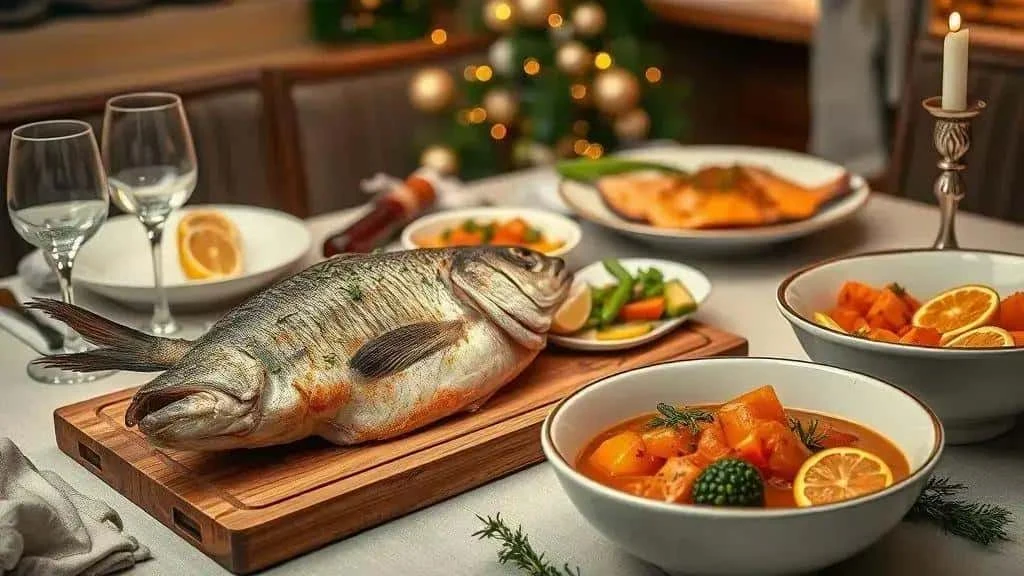
A spread of contrasting colours and textures can help guests choose: combine fillets, a whole roast fish and a chilled cooked-fish dish.
Ingredients for all ten recipes
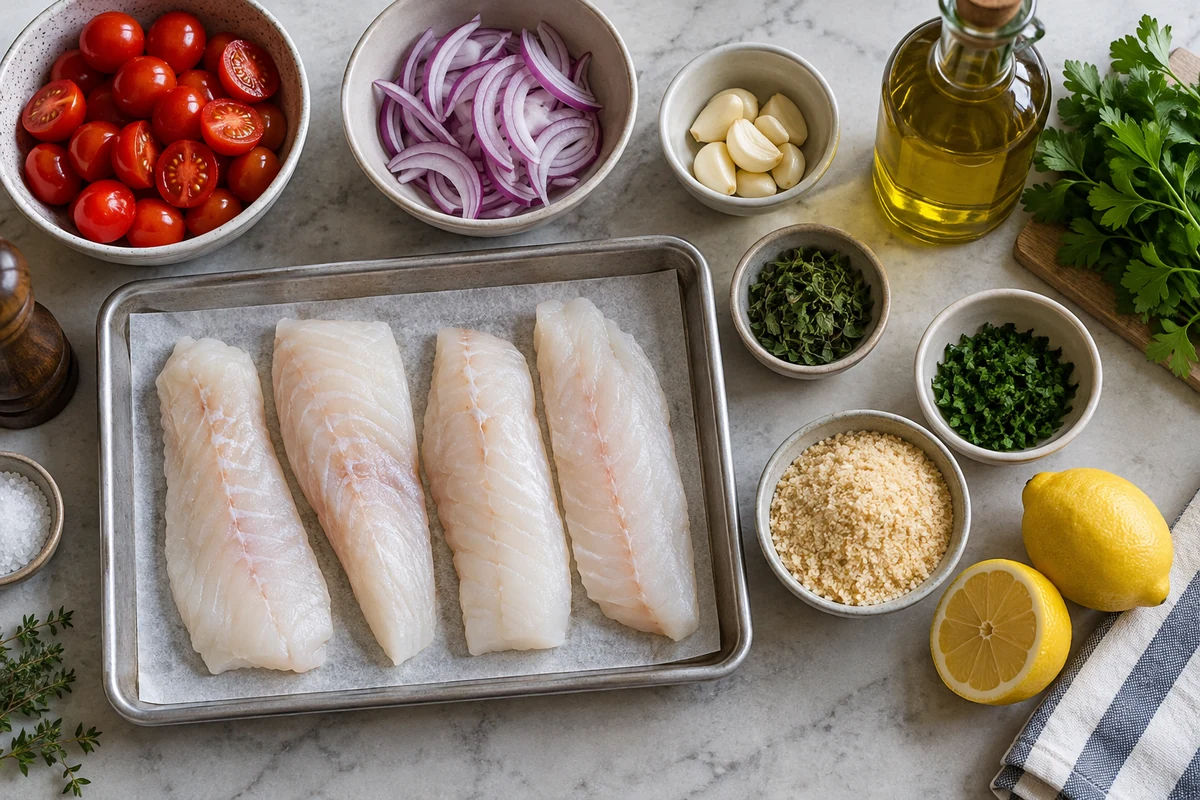
Here are the ingredient lists together for easier shopping. Quantities expressed in cups refer to measuring cups; the source does not specify a cup volume, so no unverified gram conversions have been added.
Herb-baked salmon
- 700 g skinless salmon fillet – trout is an alternative
- 2 tbsp olive oil
- 2 garlic cloves – chopped
- Juice of 1 lemon
- 1 tbsp mixed herbs – a mixture of parsley, thyme and rosemary
- Salt and pepper, to taste
Sea bass roasted with lemon and herbs
- 1 cleaned sea bass, 1.2–1.5 kg – or a suitable whole white fish
- 4 tbsp olive oil
- 1 lemon, sliced
- 4 parsley sprigs
- 2 garlic cloves – sliced
- Salt and pepper, to taste
Portuguese-style salt cod
- 600 g desalted cod – to be cooked and flaked before assembly
- 4 medium potatoes – cooked and sliced
- 2 large onions – sliced
- Up to 200 g olives – according to taste
- 4 hard-boiled eggs – sliced
- 100 ml olive oil
- Salt and pepper, to taste
Brazilian fish moqueca
- 800 g firm white fish steaks – choose a suitable fish for stewing
- 2 tbsp dendê oil – or olive oil if omitting dendê
- 200 ml coconut milk
- 2 ripe tomatoes – chopped
- 1 pepper – cut into strips
- 1 onion – sliced
- Fresh coriander, to taste
- Salt and pepper, to taste
Crispy breaded tilapia
- 800 g tilapia fillets
- 1 measuring cup plain flour – rice flour is an alternative; also use gluten-free breadcrumbs when required
- 2 eggs, beaten
- 1 measuring cup breadcrumbs or panko; choose a labelled gluten-free product when needed
- Salt and pepper, to taste
- Oil for frying
Fish and vegetable stew
- 700 g fish steaks – tilapia, sea bass or another suitable firm white fish
- 2 carrots – sliced
- 2 potatoes – cubed
- 1 onion – chopped
- 400 ml fish stock or water, with a little extra water if needed
- 1 bay leaf
- Salt and pepper, to taste
Sole with lemon and herb sauce
- 600 g sole fillets
- 3 tbsp butter or olive oil, divided between the pan and sauce
- Juice of 1 lemon
- Chopped parsley and chives
- Salt and pepper, to taste
Grilled fish with citrus sauce
- 800 g firm fish fillets – salmon, sea bass or tilapia
- 2 tbsp mustard
- Zest and juice of 1 orange
- 2 tbsp olive oil
- Salt and pepper, to taste
Cooked-fish ceviche-style salad
- 500 g fresh white fish – sea bass, sole or another suitable boneless fillet, to be cooked first
- Juice of up to 6 limes – add gradually to taste
- 1 red onion – thinly sliced
- 1 mild red chilli – deseeded and chopped
- Fresh coriander, to taste
- Salt, to taste
Caldeirada fish stew
- 1 kg mixed fish – assorted steaks or chunks, with optional shellfish as part of the total
- 3 ripe tomatoes – chopped
- 2 potatoes – sliced
- 1 pepper – cut into strips
- 200 ml white wine – optional; replace with stock for an alcohol-free version
- Fish stock or water – enough to nearly cover the ingredients
- Salt, pepper and olive oil, to taste
How to make the recipes
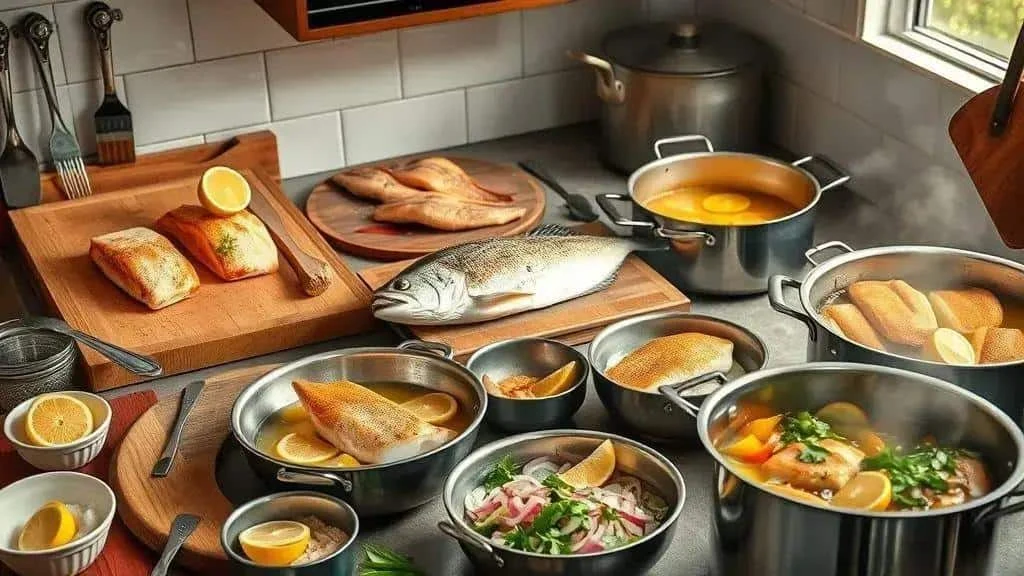
Follow the method for your chosen dish. Oven temperatures below are conventional, with fan equivalents where shown. Thickness, starting temperature and equipment affect timing: cook fish thoroughly, checking the thickest part rather than relying only on the clock.
Herb-baked salmon
- Preheat the oven: set it to 200°C, or 180°C fan.
- Dry the fillet: pat away excess moisture with kitchen paper.
- Season: rub with 1 tbsp of the oil, half the lemon juice, the garlic, salt and pepper.
- Add the herbs: scatter the parsley, thyme and rosemary over the fish.
- Bake: place on a lined baking tray. Medium fillets may take about 12–15 minutes, but a thick 700 g piece can need longer. The centre should be opaque, flake easily and be steaming hot; check the cooking guidance below.
- Serve: once fully cooked, rest briefly before portioning. Use the remaining oil and lemon juice as a finishing dressing to taste.
Sea bass roasted with lemon and herbs
- Prepare the cleaned whole fish: season lightly inside and out. Put the lemon slices, sliced garlic and parsley sprigs in the cavity.
- Add the oil: drizzle 2–3 tbsp over the fish, reserving the rest for serving.
- Roast: use an oven at 180–200°C, or 160–180°C fan. Begin checking after about 30 minutes and continue until cooked through beside the backbone and in the thickest flesh; a large or thick fish will need longer.
- Portion at the table: remove bones carefully and finish with the reserved oil if wanted.
Portuguese-style salt cod
- Prepare and cook the cod: soak and change the water according to the supplier’s instructions, in the fridge. If bought already desalted, check its instructions. Gently poach until thoroughly cooked, drain, remove skin and bones and break into flakes.
- Cook the potatoes and eggs: boil the sliced potatoes until tender and hard-boil the eggs, then peel and slice them.
- Soften the onions: cook the sliced onions in part of the measured olive oil until soft and translucent.
- Assemble: combine the cooked cod, potatoes, onions, sliced eggs and olives in an ovenproof dish. Add pepper and check before adding salt.
- Finish: drizzle with the remaining measured oil and bake at 180°C, or 160°C fan, until steaming hot throughout. Freshly cooked ingredients may take 10–15 minutes; chilled ingredients need longer.
Brazilian fish moqueca
- Season the fish: add salt and pepper and refrigerate while preparing the vegetables.
- Soften the vegetables: heat the 2 tbsp dendê or olive oil in a pan and soften the onion, pepper and tomato.
- Add the fish: nestle the steaks among the vegetables.
- Add liquid: pour in the 200 ml coconut milk and a little water if needed to keep the stew from catching. The measured oil has already been added.
- Simmer: cook gently, avoiding vigorous stirring. Allow about 10–15 minutes as a guide, continuing until the thickest fish is fully cooked and the sauce has thickened.
- Finish: scatter with fresh coriander and serve hot.
Crispy breaded tilapia
- Set up the coating: put the flour, beaten eggs and breadcrumbs in three separate shallow dishes.
- Dry the fillets: pat them with kitchen paper.
- Coat: season, dust in flour, dip in egg and press lightly into breadcrumbs. Discard coating ingredients that have touched raw fish.
- Fry or bake: fry carefully in oil around 180°C, starting with about 2–3 minutes per side for thin fillets; or lightly oil and bake at 200°C, or 180°C fan, for roughly 15–20 minutes, turning halfway. In either case, check the fish is fully cooked, not just the coating browned.
- Drain and serve: drain fried fish on kitchen paper and serve promptly. A lemon wedge is an optional extra.
Fish and vegetable stew
- Start the onion: soften it gently with a small splash taken from the measured stock or water.
- Add the vegetables: stir in the carrot and potato.
- Add the liquid: pour in the rest of the 400 ml stock or water and add the bay leaf. Simmer until the vegetables are nearly tender, adding a little more water if the pan becomes dry.
- Add the fish: nestle in the steaks and simmer gently until thoroughly cooked, around 8–10 minutes for smaller pieces and longer for thick ones.
- Finish: check the potatoes are tender, remove the bay leaf and adjust salt and pepper. Chopped parsley is an optional garnish.
Sole with lemon and herb sauce
- Season the fillets: add a little salt and pepper.
- Cook: heat 2 tbsp of the measured butter or oil in a frying pan. Thin fillets may take about 2–3 minutes per side; cook until opaque and steaming hot throughout, then transfer to a warm plate.
- Make the sauce: add the remaining 1 tbsp butter or oil, lemon juice and chopped herbs to the pan. Heat briefly, tasting the sauce for acidity.
- Serve: spoon the hot sauce over the cooked fish and serve immediately.
Grilled fish with citrus sauce
- Prepare the fish: pat dry, season and rub with 1 tbsp of the measured olive oil.
- Grill on a hot griddle: allow roughly 3–5 minutes per side, depending on thickness, and continue until cooked through. Let the surface brown before moving the fish.
- Make the sauce: mix the orange juice and zest, mustard and remaining 1 tbsp oil.
- Serve: spoon the dressing over the cooked fillets.
Cooked-fish ceviche-style salad
- Cook the fish first: gently poach or steam the boneless fillets until thoroughly cooked, then cool promptly in a shallow container and refrigerate. Once cold, cut or flake into bite-sized pieces.
- Dress with lime: add lime juice gradually to the cold cooked fish, using only as much of the juice from the six limes as you enjoy. Lime juice changes raw fish’s texture but does not replace safe cooking.
- Add the seasonings: gently mix in the thinly sliced red onion, chopped chilli, coriander and salt.
- Keep chilled and serve: serve promptly with leaves or crisps. This is a cooked-fish adaptation, not traditional raw ceviche.
Caldeirada fish stew
- Start with the vegetables: place the sliced potatoes, tomatoes and pepper in a large pan, keeping the fish chilled for now.
- Season: add salt, pepper and a drizzle of olive oil.
- Add liquid: pour in the 200 ml wine, or stock instead, then add enough stock or water to nearly cover the vegetables. Using wine does not guarantee the finished dish is alcohol-free.
- Simmer, then add the fish: simmer until the potatoes are nearly tender. Add the fish and cook gently until fully cooked, without vigorous stirring.
- If adding shellfish: add it late enough to avoid overcooking but allow it to cook completely. Prawns should be opaque and steaming hot; discard mussels that do not open during cooking. Follow the supplier’s preparation instructions and tell guests about these allergens.
Useful cooking checks
- Check the centre: fish should be opaque, flake easily and be steaming hot throughout.
- Avoid drying it out: stop cooking once the fish is properly cooked, rather than leaving it over the heat unnecessarily.
- Keep sauces separate: where practical, serve them alongside to preserve the fish’s texture.
- Use a thermometer: a clean probe in the thickest part helps confirm thorough cooking. The FSA gives 70°C for 2 minutes, or an equivalent such as 75°C for 30 seconds. Do not use 52–60°C as a general safe endpoint.
- Time the meal: prepare accompaniments first and cook the fish last where possible.
Variations for dietary requirements
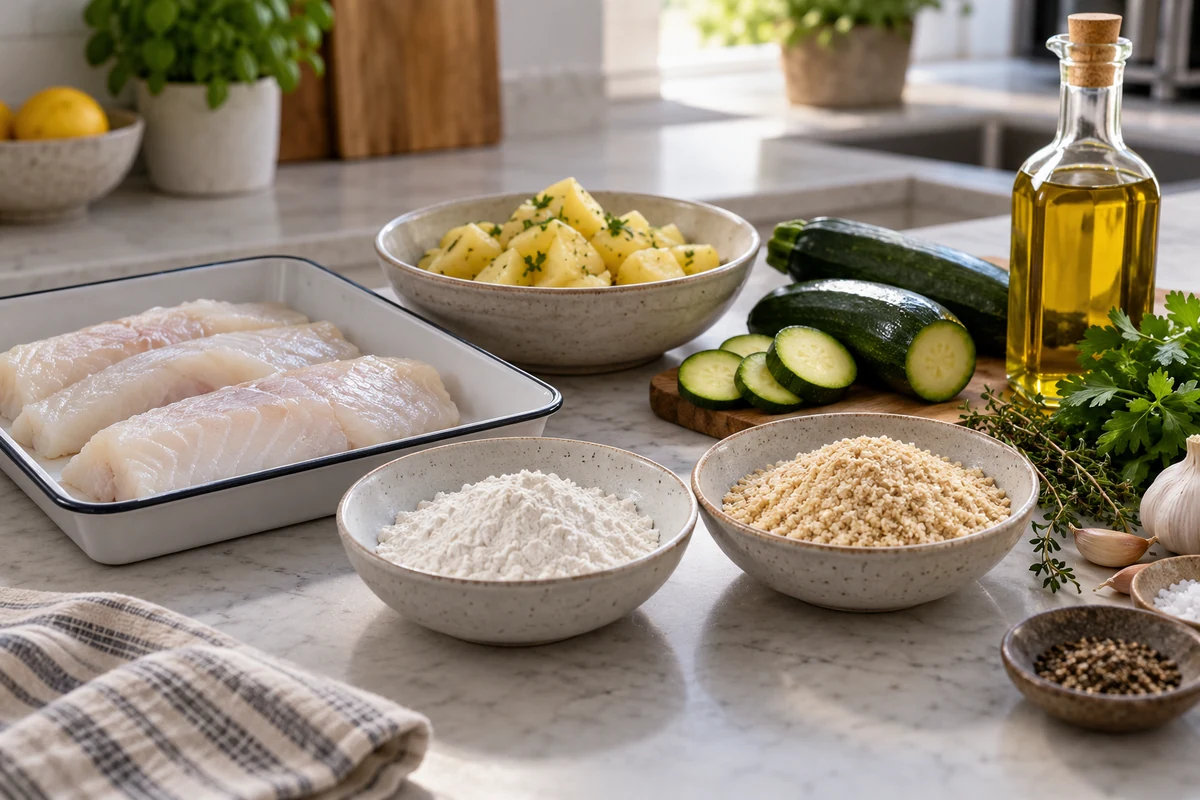
These substitutions are ideas to adapt a dish, not a guarantee that it suits every allergy or dietary requirement. Check the full ingredient list and preparation conditions with your guest.
Gluten-free options
- Coatings: replace wheat flour with rice flour or a suitable gluten-free mix. Breadcrumbs, rice panko or crushed cornflakes must also be labelled gluten-free.
- Sauces and seasonings: check soy sauce carefully; choose a labelled gluten-free tamari if appropriate, noting that it still contains soya.
- Thickening: cornflour can replace wheat flour in some sauces. Start with about half as much, mixed into a little cold water, cook it through and adjust to the product instructions and desired thickness.
Dairy-free and lactose-free choices
- Milk and cream: coconut milk, suitable plant cream or cashew cream may work, but check their ingredients. Cashew is a nut allergen; lactose-free dairy is not suitable for a milk allergy.
- Butter: olive oil or an appropriate dairy-free spread can be used in these pan sauces. Texture and flavour will differ.
- A creamy sauce idea: try a little coconut milk with lemon for a different sauce, adding the acid gradually to taste.
Vegetarian and vegan adaptations
- Alternatives to fish: firm tofu, hearts of palm, thick aubergine slices or shredded jackfruit give different textures. They are not nutritionally interchangeable with fish.
- Flavouring: vegetable stock, lemon, olive oil and a little crumbled nori can season a plant-based adaptation.
- Vegan moqueca: replace fish with firm tofu or hearts of palm and keep the coconut milk and optional dendê. Use vegetable stock if adding stock.
Reducing salt
- Salt cod: fresh unsalted fish is easier to use in a reduced-salt dish. Soaking salt cod removes some salt but does not establish a low-sodium nutritional claim.
- Seasoning: use fresh herbs, citrus zest and mild chilli to add flavour without relying on extra salt.
- Stock: choose a reduced-salt stock or make your own with little salt.
Fish, shellfish, nuts and other allergens
- Nuts: avoid almond, cashew or pistachio substitutes if unsuitable. Check any alternative flour or seed mixture rather than assuming it is safe.
- Fish and shellfish: fish, crustaceans and molluscs require separate consideration. Avoid the relevant ingredients and stock, and prevent cross-contact when preparing an alternative.
- Cross-contact: clean surfaces and utensils thoroughly and keep ingredients, boards and serving equipment separate.
Alternatives to deep-frying
- Baking: lightly oiled breaded fish may take roughly 15–20 minutes at 200°C, or 180°C fan. Turn halfway and check the fish is cooked through.
- Air frying: follow the appliance’s guidance for the size and thickness of your fish. Leave room for air circulation and check the centre.
- A crisp coating: a light spray of cooking oil can help a suitable breadcrumb coating brown in the oven.
Keeping flavour and texture
- Marinating plant ingredients: tofu or aubergine can be marinated for around 30 minutes in the fridge before cooking.
- Adding richness: a little olive oil or avocado can add richness to a plant-based dish. Do not assume coconut oil is a healthier replacement.
- Crunch: suitable gluten-free panko with crushed sunflower seeds offers a different coating, provided the seeds and all other ingredients suit your guests.
Labelling and serving adaptations
- Identify ingredients: provide accurate information about allergens and variations. Only describe a dish as gluten-free when ingredients and preparation support that description.
- Separate dishes: give alternative portions their own platters and utensils to avoid mixing sauces or crumbs.
- Try changes in advance: a small trial helps you adjust texture and cooking time. These variations have not been kitchen-tested for this translation.
A quick substitution guide
- Wheat flour to rice flour: for a light dusting before breading, start with the same volume and shake off excess.
- Milk to coconut milk: a similar volume can work in some sauces, but richness and thickness vary greatly between products.
- Flour to cornflour for thickening: start with about half the amount, for example ½ tbsp cornflour for 1 tbsp flour, mix with cold water and cook before assessing the sauce.
Kitchen organisation
- Prepare ingredients: measure them into separate bowls before starting.
- Adjust cooking: tofu, vegetables and fish need different methods and times; do not simply transfer the original timing to a substitute.
- Communicate: check dietary needs directly and make the appropriate dishes easy to identify.
Side dishes and table settings
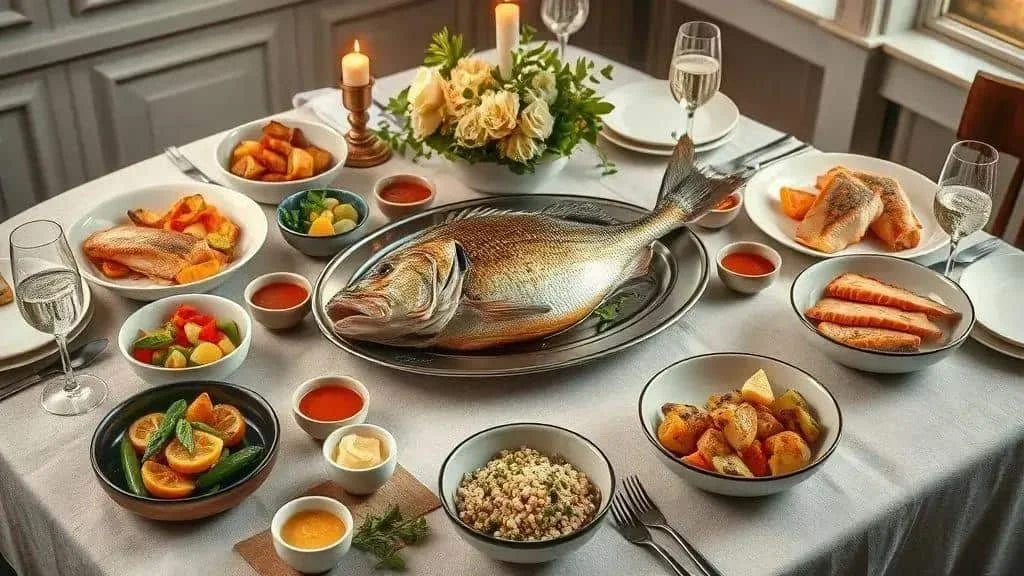
Choose accompaniments that balance the fish’s flavour and texture. A small number of well-planned sides is often easier to serve at the right temperature.
Cold side dishes
- Citrus salad: leaves, orange slices and red onion with an olive oil and lemon dressing.
- Potato salad with vinaigrette: cooked small potatoes with oil, vinegar, parsley and chives.
- Grain salad: cooked quinoa or bulgur with herbs, cherry tomatoes and mint. Quinoa is the gluten-free choice, with other ingredients and cross-contact checked.
Hot side dishes
- Roast vegetables: carrots, courgettes and peppers with olive oil and herbs, roasted until tender and golden.
- Potato wedges: roast with rosemary and garlic.
- Flavoured rice: lemon and herb rice, or coconut rice with moqueca.
- Mash: potato mash complements grilled fish; the Brazilian root vegetable mandioquinha is another option where available.
Sauces to serve alongside
- Lemon and herb sauce: butter, lemon, parsley and chives, served freshly heated over the fish.
- Citrus and mustard dressing: orange zest, mustard, oil and a little honey if wanted. Honey is not suitable for babies under one.
- Fresh tomato salsa: chopped tomato, red onion and herbs alongside grilled fish.
Drinks to accompany the meal
- White wine: if serving alcohol to adults, Sauvignon Blanc or unoaked Chardonnay are possible pairings with white fish.
- Dry sparkling wine: another optional pairing with richer fish such as salmon.
- Without alcohol: sparkling water with lemon or a citrus iced tea.
Setting out the food
- Serving dishes: use separate platters for whole fish, fillets and chilled accompaniments.
- Temperature control: keep hot food properly hot and chilled dishes cold; simply placing a dish near a heater does not ensure safe holding.
- Simple decoration: fresh herb sprigs, lemon slices and small bowls of sauce.
- Crockery and utensils: pale plates show off colours; provide a broad serving spatula for delicate fish.
Portions and timing
- Portion planning: allow roughly 200–250 g boneless raw fish for a generous adult main course, less with several substantial sides. Whole-fish weight is not the same as edible fillet weight.
- Serve in stages: begin with a salad or the chilled cooked-fish starter, then bring out the freshly cooked main course.
- Reheating: cover and add a little liquid to limit drying, but reheat once only until steaming hot throughout.
Presentation and serving space
- Colour: use citrus, green herbs and peppers to contrast with the fish.
- Texture: pair a crisp coating with soft mash or a smooth sauce.
- Access: leave a clear serving area with clean plates and enough space for guests.
Finishing touches
- Food labels: small cards can identify ingredients, allergens and genuine dietary adaptations.
- Table seasonings: offer pepper and a little olive oil for guests to add if wanted.
Roasting, grilling and gently cooking fish
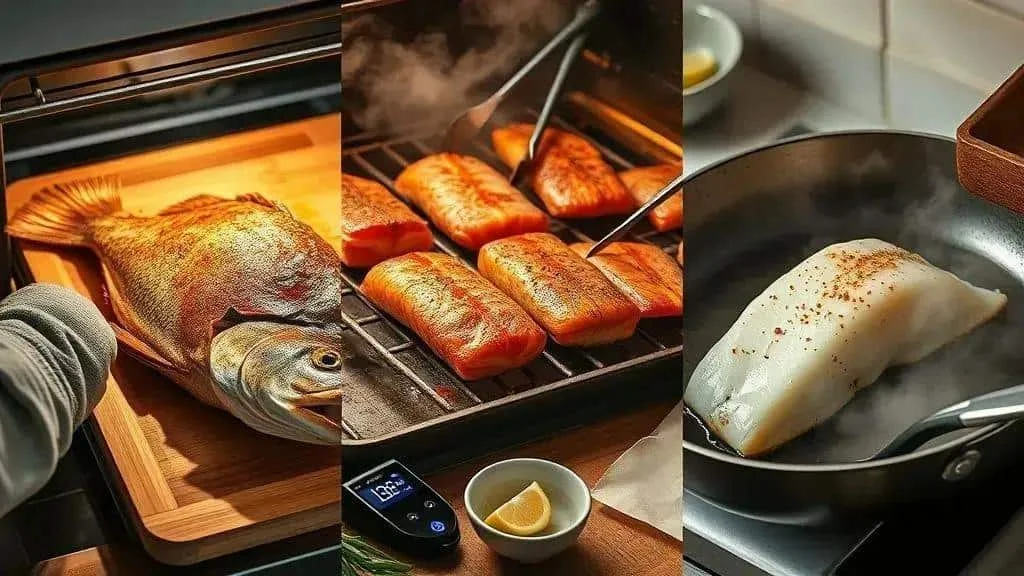
Use these techniques as a guide, checking the actual fish rather than treating any timing as a guarantee. Keep raw fish separate from ready-to-eat food.
Oven cooking
- Preheat: use 180–200°C, or 160–180°C fan, for whole fish; 200°C, or 180°C fan, is a useful starting point for these fillet recipes.
- Pat dry: remove excess moisture with kitchen paper to help browning.
- Season briefly: if marinating, keep the fish in the fridge. A short 10–30-minute marinade is generally enough for these dishes.
- Choose a suitable tray: use oven-safe baking parchment or a lightly oiled roasting tray with room around the fish.
- Allow for thickness: thin fillets cook faster than thick steaks or whole fish. Begin checking at the suggested time and continue cooking as needed.
- Check doneness: the centre should be opaque, flake readily and be steaming hot. A probe can confirm 70°C for 2 minutes or an equivalent time and temperature.
- Rest briefly: let thoroughly cooked fish stand for a few minutes before portioning, then serve promptly.
Barbecue and griddle cooking
- Prepare the surface: clean and lightly oil it to reduce sticking.
- Preheat: use enough heat to brown the fish without burning the outside before the centre cooks.
- Allow enough time: thin fillets may take around 3–5 minutes per side, thicker ones longer. Whole fish may need indirect heat after browning; always check the thickest flesh.
- Turn carefully: use a broad spatula when the fish releases from the surface, rather than repeatedly turning it.
- Skin-on fish: start skin-side down to help protect the flesh and crisp the skin.
- Support delicate fish: a suitable fish basket or foil tray can make handling easier.
Pan-frying and finishing
- Heat the pan: add a suitable cooking oil and let it become hot without smoking.
- Dry and season: dry fillets brown more readily; season just before cooking.
- Brown the surface: leave the fish undisturbed for about 2–4 minutes to form a crust, then turn and cook the other side. Adjust to thickness and heat.
- Finish thick pieces in the oven if needed: use an oven-safe pan at 180°C, or 160°C fan, and cook until the centre is done.
Steaming and poaching
- Steam: place the fish in a steamer over simmering water. Thin pieces may take about 6–10 minutes; check they are cooked through and allow longer for thick pieces.
- Poach: bring stock, flavoured water or coconut milk to a gentle simmer, add the fish and cook gently until the centre is thoroughly cooked. Small pieces may take 5–12 minutes, but thickness matters.
- Keep it gentle: avoid a vigorous boil that breaks up the fish, while maintaining enough heat to cook it properly.
Checking when fish is ready
- Thermometer: insert a clean probe into the thickest flesh, avoiding bones. Use a safe time-and-temperature combination such as 70°C for 2 minutes or 75°C for 30 seconds.
- Fork test: cooked flesh should be opaque and separate easily into flakes.
- Centre check: look inside the thickest part, not just at a browned surface; it should be steaming hot throughout.
Avoiding common problems
- Do not crowd the pan: cook in batches so the temperature does not drop sharply.
- Keep acidic marinades brief: too much acid or too long a soak can alter the texture. This change does not make raw fish safely cooked.
- Season thoughtfully: thin fillets usually need only a little seasoning shortly before cooking.
- Choose the right tools: a broad spatula helps lift delicate fillets without breaking them.
Reheating without unnecessary drying
- Covered in the oven: add a little stock or water and cover with an oven-safe lid or foil. Continue until steaming hot throughout, not merely warm.
- Steaming: gentle steam can protect the texture, provided the centre becomes steaming hot.
- Microwave: use a microwave-safe cover, follow appliance guidance and rotate or stir where possible. Check for cold spots and allow the recommended standing time. Reheat only once.
Food handling
- Storage: keep fresh fish in the fridge at 5°C or below and follow its use-by date and any shorter opening instructions. Freeze before the use-by date if not cooking it in time.
- Hygiene: use separate boards and utensils for raw fish and ready-to-eat foods, and wash hands after handling raw fish.
- Buying: choose a reliable supplier that keeps fish properly chilled and provides origin information.
Choosing fish: freshness and sustainability
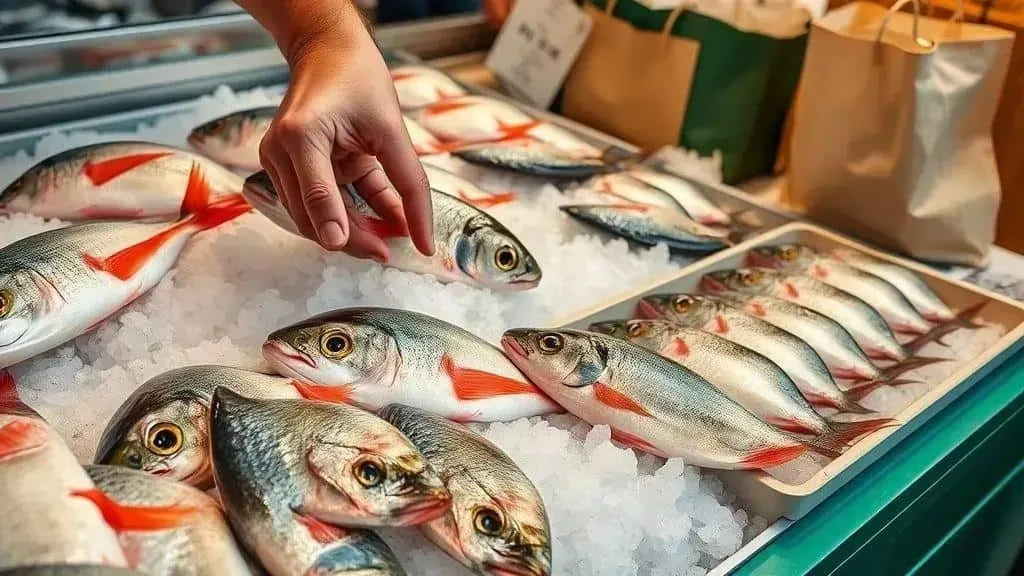
- Eyes: bright, clear eyes can indicate good quality in whole fish; cloudy or sunken eyes suggest deterioration.
- Gills: look for moist red or pink gills rather than grey or dried-out ones.
- Smell: avoid fish with a strong unpleasant or ammonia-like smell. A normal smell cannot prove that fish is safe.
- Texture: flesh should be firm, not soft or sticky. Ask the fishmonger to show you rather than handling food unnecessarily.
- Skin and scales: a natural sheen and firmly attached scales are useful quality indicators, alongside proper chilling and date checks.
Origin and certification
- Check provenance: look for species, catch or farming area, and fishing or farming method.
- Certification: credible fishery and aquaculture schemes can add useful information when comparing products.
- Compare the specific product: environmental ratings can differ within the same species according to location and method.
Seasonal and local choices
- Availability: locally available fish may offer good value, but freshness depends on handling and sustainability needs a separate assessment.
- Ask about the season: your fishmonger can explain which products are readily available and reasonably priced.
- Wild or farmed: neither description alone determines the environmental impact. Check information about the actual fishery or farm.
Buying fillets and frozen fish
- Fresh fillets: look for an even appearance and ask how they have been handled and chilled.
- Frozen products: choose intact packaging and properly frozen fish. Excessive ice, damaged packs or signs of thawing merit caution.
- Labels: read origin, date, batch and storage information, where provided.
Taking fish home
- Keep the journey short: take chilled and frozen fish home promptly, using an insulated bag with ice packs when needed.
- Refrigerate: keep at 5°C or below and follow the use-by date and packaging instructions, including shorter limits after opening.
- Prevent drips: store raw fish covered on the bottom shelf, separate from cooked and ready-to-eat food.
Making a practical sustainability choice
- Ask questions: request information about the catch or farming location and method.
- Look beyond transport: distance is only one factor; fishing pressure and production methods also matter.
- Consider alternatives: use current guidance to compare available options rather than assuming every less familiar fish is sustainable.
Choosing a supplier
- Observe hygiene: clean displays, cold storage and good handling practices matter. Gloves alone do not establish safe handling.
- Ask to inspect: the fishmonger can show you a fish or fillet and explain its condition.
- Buy from a reliable source: choose a business able to explain origin, storage and preparation.
Reducing waste
- Plan quantities: buy what you need and use safely stored leftovers promptly.
- Packaging: choose suitable recyclable or reusable packaging where practical, without compromising food hygiene.
- Stay informed: check the current Good Fish Guide when choosing seafood; ratings can change.
Plating fish for a festive supper
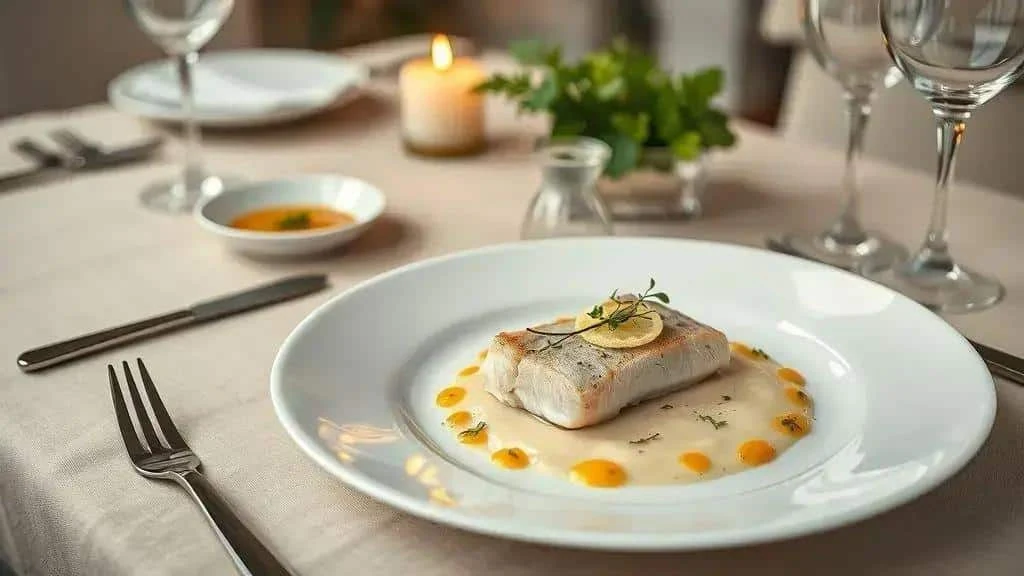
A little attention to colour, space and serving dishes can make a fish supper look inviting. Keep decoration simple enough that the food reaches guests at the right temperature.
Presentation principles
- Colour contrast: pair pale fish with citrus, herbs or peppers.
- Texture: add a crisp accompaniment alongside mash or a smooth sauce.
- Space: avoid crowding the plate so the main ingredient remains clear.
- Height: a modest layer of vegetables or a small herb garnish gives the plate shape without making it awkward to eat.
- A simple palette: three or four main colours are usually enough.
Plating a fish dish
- Choose the plate: use a shallow plate for fillets or a suitably large platter for a whole fish.
- Add the base: arrange mash, rice or vegetables in a neat mound or strip.
- Position the fish: rest a fillet partly over the accompaniment, or centre a whole fish on its platter.
- Add sauce sparingly: spoon it beside or around the fish, leaving some of the surface visible.
- Finish with herbs and citrus: use washed herbs, a little zest or a lemon wedge.
- Add crunch if wanted: toasted seeds, chopped nuts or vegetable crisps provide contrast, but check allergies and age-appropriate textures.
- Clean the rim: use clean kitchen paper to remove splashes before serving.
Edible garnishes
- Citrus: lemon, orange or lime slices and zest add colour and acidity.
- Fresh herbs: dill, parsley, chives or coriander added at the end provide aroma.
- Small leaves: a few carefully washed salad leaves provide a delicate finishing touch.
- Crisps: thin sweet potato or plantain crisps offer crunch. A baked grated-Parmesan crisp is another option; do not use a hard cheese rind as a crisp.
- Sauce accents: a little suitable ready-made aioli or citrus dressing can be spooned neatly alongside. Check egg and other allergens.
Crockery, cutlery and table colours
- Neutral crockery: white, cream or pale grey plates show off the food’s colours.
- Practical utensils: use broad serving spoons or spatulas to lift fish without breaking it.
- Table linen and mats: simple textures and soft colours keep the focus on the dishes.
- Glasses: arrange clean glasses within easy reach, leaving space for serving.
Table decoration and atmosphere
- A low centrepiece: herbs and LED candles create a warm setting without blocking guests’ view.
- Lighting: soft, warm light is inviting; leave enough light to see food and bones clearly.
- Serving positions: space the platters so guests can help themselves without crowding.
Making service easier
- Ingredient cards: identify relevant allergens such as fish, crustaceans, molluscs, milk, eggs, mustard and cereals containing gluten. Lactose intolerance is different from a milk allergy.
- Separate sauces: give each sauce its own bowl and spoon so guests can choose how much to add.
- An organised buffet: place serving utensils and napkins close to the dishes.
Keeping dishes appealing
- Serve promptly: freshly cooked fish has its best texture soon after cooking.
- Reheat thoroughly: cover with a little liquid to limit drying and heat until steaming hot all the way through.
- Similar portions: evenly sized pieces look tidy and help guests choose a serving.
Planning, freezing and using leftovers
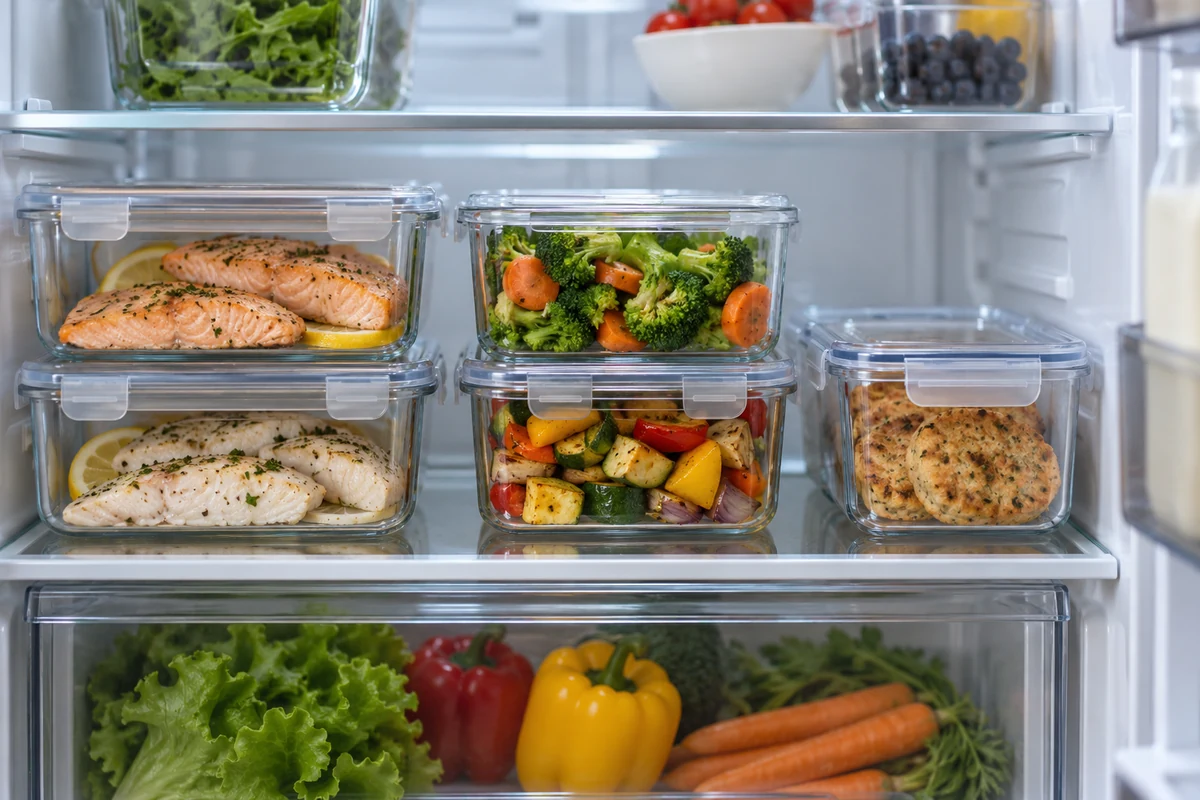
Planning portions
- Estimate servings: allow around 200–250 g boneless raw fish for a generous adult main course, adjusting for side dishes and individual appetites.
- Plan the menu: decide what needs cooking just before serving and what can be safely prepared ahead.
- Freeze useful portions: dividing fresh fish before freezing makes it easier to defrost only what you need. Follow its storage instructions.
- Use suitable containers: airtight freezer-safe containers or bags help protect quality.
Freezing cooked dishes
- Cool promptly: divide food into shallow portions and get it into the fridge within 1–2 hours. Rice needs faster cooling, ideally within 1 hour.
- Portion: pack amounts that you will use in one meal.
- Pack and label: use freezer-safe packaging and mark the contents and date. Follow any special instructions for vacuum-packed fish, including opening before defrosting where directed.
- Freeze promptly: freeze cooled portions without overloading the freezer, then stack once solid.
Storage and quality
- Raw fish: keep refrigerated at 5°C or below and use by the labelled date or shorter opening limit. Freeze beforehand if needed; follow the supplier’s freezer guidance.
- Cooked fish: cool promptly, refrigerate and eat within 48 hours or freeze. Around 2 months is a useful freezer quality target for these dishes, not a substitute for safe handling.
- Sauced dishes: moqueca and stews can be frozen in suitable portions. Aim to use them within about 2–3 months for quality, unless the ingredients’ instructions give a shorter period.
Defrosting safely
- In the fridge: place the covered food in a suitable container and allow enough time to thaw fully. Follow packaging directions; generally use within 24 hours of full defrosting.
- If time is short: use a microwave defrost setting only if appropriate for the product, then cook immediately. The fridge is the preferred method here.
- Avoid the worktop: do not defrost fish at room temperature or in hot water.
Reheating leftovers
- In the oven: cover with a little stock or water and heat until steaming hot throughout. Do not assume a few minutes in a low oven is sufficient.
- With steam: use a covered steamer and check that the centre is steaming hot, not just the surface.
- In the microwave: use a microwave-safe cover, stir or turn where possible and follow the recommended standing time. Check for cold spots and reheat only once.
Ways to use safely stored leftovers
- Fish cakes: flake the fish into the recipe below, provided it has been cooled and stored correctly.
- Tacos or wraps: combine flaked fish with lemon and salad. Serve properly chilled fish cold, or reheat once until steaming hot before filling.
- Soup or stew: add cooked fish to a hot vegetable broth and heat through completely.
- Cold salad: add properly chilled cooked fish to washed leaves and cooked grains, and serve promptly.
- Rice dishes: add cooked fish near the end and heat through. If using leftover rice, it must have been cooled ideally within 1 hour, refrigerated and used within 24 hours; reheat once only.
Quick recipe: leftover fish cakes
- 250 g safely stored cooked fish – flaked and checked for bones
- 1 medium potato – cooked and mashed
- ½ onion – finely chopped
- 1 egg
- 2 tbsp plain flour – rice flour is an alternative
- Parsley, salt and pepper – to taste; oil is also needed if frying
- Combine: mix the fish, mashed potato, finely chopped onion, egg, flour and seasonings. Do not taste the uncooked mixture because it contains raw egg and flour.
- Shape: form small, evenly sized cakes and flatten slightly.
- Cook: fry in hot oil, starting with about 2–3 minutes per side for small cakes, or lightly oil and bake at 200°C, or 180°C fan, for roughly 15–18 minutes, turning halfway. Continue until the centre is fully cooked and steaming hot; a golden outside alone is not enough.
- Serve: accompany with yoghurt sauce or suitable ready-made aioli. This reheats the fish, so do not save it for another reheating.
Before storing
- Label the contents and date
- Pack practical portions
- Seal in suitable packaging
- Keep the freezer at -18°C or below
Final storage reminders
- Use older food first: organise by date, respecting use-by and storage limits.
- Keep the original deadline: adding leftovers to a new dish does not restart their safe storage period.
- Discard if in doubt: throw away food with an unusual smell or texture, but remember that unsafe food may look and smell normal. Time and temperature control still matter.
Serving guests of different ages
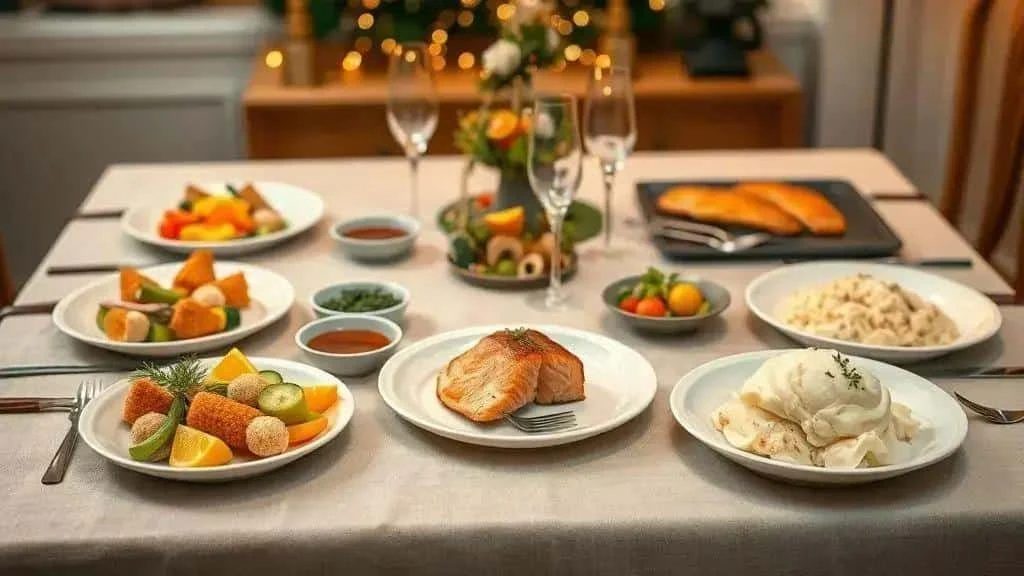
Think about your guests’ preferences, appetites and any individual needs rather than assuming everyone of the same age wants the same food.
General ideas
- Offer choice: a mild dish, a more strongly seasoned option and a crisp accompaniment provide variety.
- Sauces alongside: let each guest choose the intensity of flavour.
- Flexible portions: offer smaller servings to anyone who wants them, with more available.
- Clear information: identify allergens and accurately describe any gluten-free or dairy-free alternatives.
Children
- Mild flavours: lemon and gentle herbs may work better than strong chilli.
- Manageable pieces: serve thoroughly cooked fish in age-appropriate pieces, checking carefully for bones and tough coating.
- An inviting plate: colourful vegetables and suitable children’s cutlery can make the meal easier to enjoy.
- A familiar alternative: keep a simple option available if a child does not want fish, and supervise young children while eating.
Young people and adults
- Varied flavours: offer citrus, herb and chilli sauces separately.
- Sharing dishes: platters or individual portions can both work, depending on the table and guests.
- Drinks: make alcohol-free choices readily available. Alcoholic drinks are optional and for adults.
Older guests
- Individual texture needs: softly cooked, boneless fish may suit someone who finds chewing difficult. Follow any prescribed texture guidance for swallowing difficulties.
- Seasoning: herbs and citrus add flavour without relying on extra salt.
- Easy portions: offer flaked or cut-up fish if the guest would find it helpful.
- Bones: remove them carefully and ask before serving a whole fish or bone-in portion.
Dietary needs and allergies
- Separate alternatives: keep suitable vegetarian or gluten-free dishes clearly identified and apart from other food.
- Avoid cross-contact: use separate clean utensils and serving dishes.
- Explain ingredients: tell guests what a dish contains rather than making assumptions about suitability.
Timing the service
- Serve in stages: bring out starters, then freshly cooked mains to help preserve texture and temperature.
- Hold hot food properly: if not serving immediately, use equipment that keeps it at 63°C or above. A warm platter alone is not reliable hot holding.
- Finish sauces near serving: serve them separately where this keeps coatings crisp.
- Portion when helpful: prepare individual plates for guests who would find a buffet awkward.
Making the meal welcoming
- Build-your-own plates: offer fish, sauces and side dishes in clearly separated serving areas.
- Small touches: lemon wedges, washed herbs and easy-to-use sauce bowls make serving straightforward.
- Familiar sides: mash, roast vegetables and citrus salad give guests a range of choices.
Quick fish dishes for extra guests
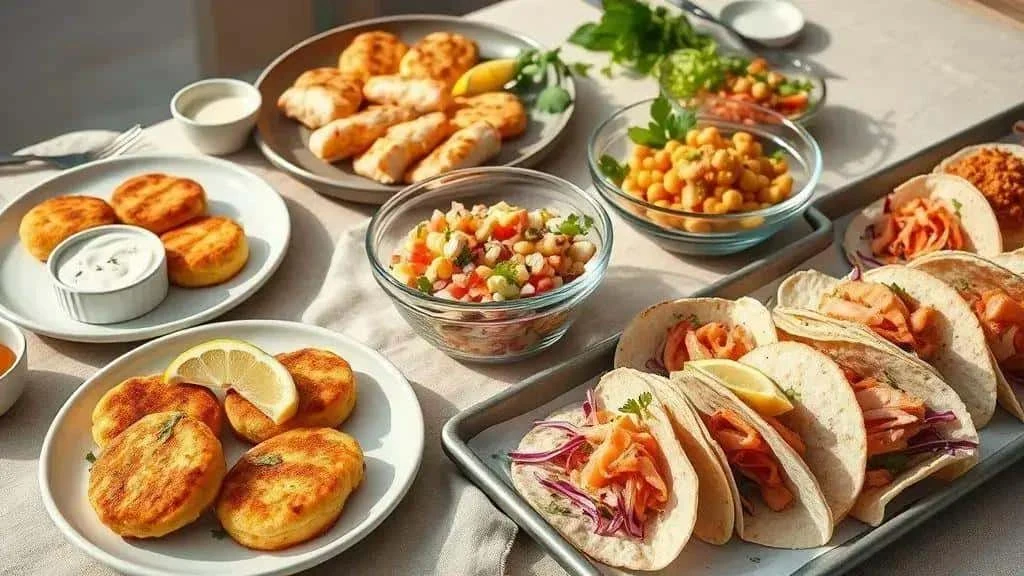
These ideas use simple ingredients, including safely stored leftovers. Choose a dish that fits the time you actually have; cooling fish safely for a chilled salad cannot be rushed.
Leftover fish cakes
Ingredients:
- 250 g safely stored cooked fish – flaked and checked for bones
- 1 medium potato – cooked and mashed
- ½ onion – very finely chopped
- 1 egg
- 2 tbsp plain flour – rice flour is an alternative
- Salt and pepper – to taste
- Oil for frying – or a little oil for baking
Method:
- Mix: combine the flaked fish, mashed potato, onion, egg, flour, salt and pepper. Do not taste the raw mixture.
- Shape: form small, evenly sized cakes with clean hands and flatten slightly.
- Cook: fry in hot oil, allowing about 2–3 minutes per side as an initial guide, or lightly oil and bake at 200°C, or 180°C fan, for roughly 15–18 minutes, turning halfway. Check the egg and flour mixture is cooked and the centre steaming hot; allow longer if needed.
- Drain and serve: drain fried cakes on kitchen paper and serve hot with optional yoghurt sauce or lemon. Reheat the fish only this once.
Lemon-grilled tilapia
Ingredients:
- 600 g tilapia fillets
- 2 tbsp olive oil
- Juice of 1 lemon
- Salt and pepper – to taste
- Lemon zest – to finish
Method:
- Dry and season: pat the fish dry and season with salt, pepper, the olive oil and lemon juice.
- Grill: heat a non-stick frying pan or griddle and add the fillets. Around 3–4 minutes per side is a starting guide; cook longer if necessary until the centre is opaque and steaming hot.
- Finish: remove from the heat once cooked and add a little lemon zest.
- Serve: add a fresh salad or plain rice.
Ceviche-style starter with cooked fish
Ingredients:
- 400 g fresh white fish – boneless fillets, to be thoroughly cooked and chilled first
- Juice of up to 4 limes – add gradually to taste
- ½ red onion – thinly sliced
- 1 mild red chilli – deseeded and chopped, optional
- Fresh coriander – to taste
- Salt – to taste
Method:
- Prepare the fish: poach or steam until fully cooked, then cool promptly in a shallow container and refrigerate. Once cold, cut or flake into bite-sized pieces.
- Add lime: dress the cold cooked fish with lime juice to taste. Acid is a flavouring here, not a substitute for cooking raw fish.
- Season: gently mix in the onion, optional chilli, coriander and salt.
- Serve chilled: accompany with leaves, cassava crisps or tortilla chips. Keep refrigerated until serving.
Quick tuna and chickpea salad
Ingredients:
- 2 tins tuna – drained; tin size is not specified in the original recipe
- 400 g cooked chickpeas – weighed after draining, not the weight of an undrained tin
- ½ onion – finely chopped
- 1 tomato – diced
- 2 tbsp olive oil
- Juice of ½ lemon
- Parsley – to taste
- Salt and pepper – to taste
Method:
- Combine: mix the drained tuna and chickpeas with the onion and tomato.
- Dress: add olive oil, lemon juice, salt and pepper, then stir in the parsley.
- Keep chilled: refrigerate until serving, following any shorter storage instructions for the opened tuna.
- Serve: offer as a starter, in pitta bread or over salad leaves.
Quick flaked-fish tacos
Ingredients:
- 400 g cooked fish – flaked and checked for bones; safely stored leftovers can be used
- 8 small tortillas
- 1 measuring cup red cabbage – finely shredded
- Fresh parsley – to taste
- Sauce: 3 tbsp yoghurt, juice of ½ lemon and salt to taste
Method:
- Warm the tortillas: heat in a frying pan for about 20–30 seconds per side, or follow the pack instructions.
- Fill: use freshly cooked fish, properly chilled cold leftovers, or leftovers reheated once until steaming hot. Add the cabbage and parsley.
- Add sauce: mix the yoghurt, lemon juice and salt and spoon over the filling.
- Serve immediately: fold or roll the tortillas for easier eating.
Quick reminders
- Keep versatile ingredients: lemon, herbs and yoghurt can make several simple dressings.
- Use leftovers thoughtfully: cooked fish can become cakes, salad or taco filling within its original safe storage period.
- Match the dish to the time available: a tuna salad is quicker than cooking and chilling fresh fish. Do not shorten safe cooking or cooling to meet a time estimate.
A New Year’s fish supper can be as simple as baked fillets with vegetables or as generous as a shared moqueca. Choose the dishes that suit your guests and kitchen.
Use the ingredient lists and preparation notes to plan, checking dietary needs and cooking fish thoroughly. The timings are guides and the adaptations have not been kitchen-tested for this translation.
Thank you for reading. Follow our social channels for more ideas and visit the I Love Christmas blog for seasonal recipes and inspiration.
FAQ: fish for New Year’s Eve
How do I choose fresh fish for the meal?
Buy from a reliable supplier, check the use-by date and cold storage, and ask about origin. Clear eyes, moist gills, firm flesh and a mild smell are useful quality clues, but appearance and smell alone cannot prove safety.
How much fish should I allow per person?
Around 200–250 g of boneless raw fish can make a generous adult main course, or 150–200 g with several substantial sides. Adjust for appetites. A whole fish includes the head and bones, so ask about its edible yield rather than using the same purchased weight.
How can I adapt dishes for dietary requirements?
Check every ingredient and preparation surface. Gluten-free breading needs suitable flour and breadcrumbs; a dairy-free sauce must avoid milk ingredients, not just lactose. Tofu or vegetables can make a different plant-based dish. Discuss allergies directly and use separate utensils.
How can I reheat fish without drying it out?
Cover it with a little stock or water and heat until steaming hot throughout, using the oven, steamer or microwave as appropriate. Check for cold spots and reheat only once. Gently warming it is not enough.
Can I freeze cooked fish dishes?
Yes, if cooled promptly and frozen in suitable portions. Around 2–3 months is a useful quality target for stews, and about 2 months for cooked fish, subject to ingredient instructions. Keep the freezer at -18°C or below, defrost in the fridge and generally use within 24 hours of full defrosting. Unfrozen cooked leftovers should be used within 48 hours.
What side dishes and drinks suit a fish supper?
Roast vegetables, mash, rice and citrus salad all work well. Sparkling water or citrus iced tea are refreshing alcohol-free choices; adults who choose alcohol could have white wine or dry sparkling wine.
Sources and Further Reading
- UK Government: cooking food safely
- Food Standards Agency: chilling food
- Food Standards Agency: allergen guidance
- NHS: foods to avoid during pregnancy
- Marine Conservation Society: Good Fish Guide
- Food Standards Agency: freezing fish and parasite controls
- Pascoal: soaking salt cod