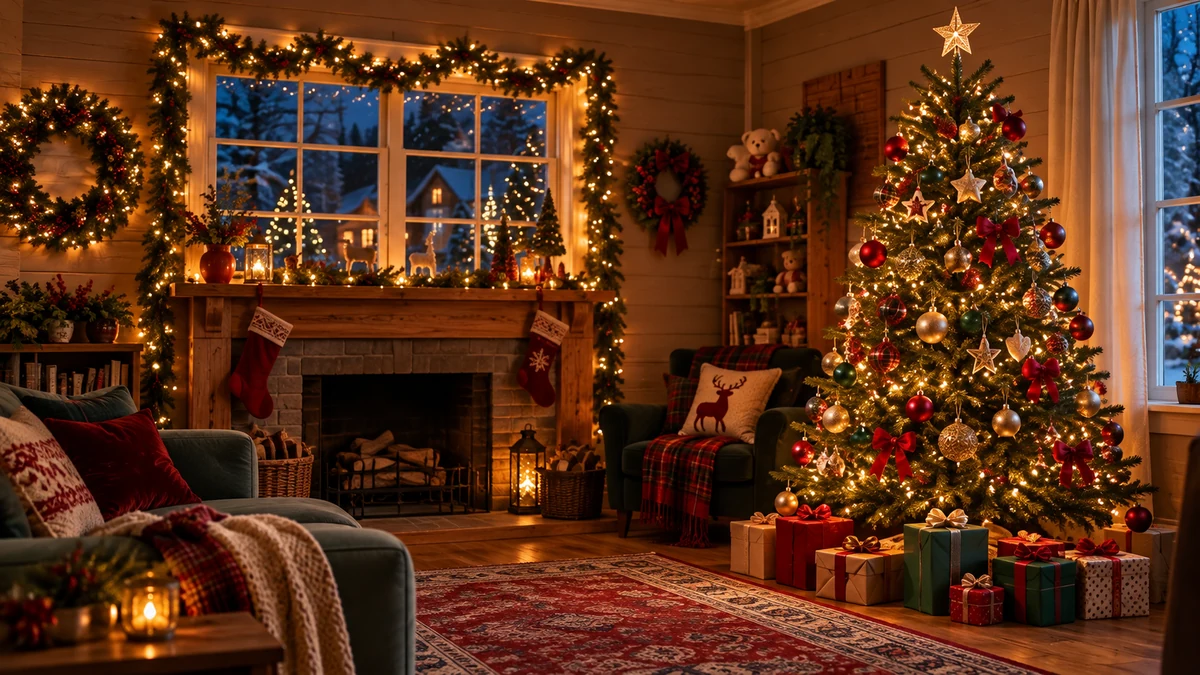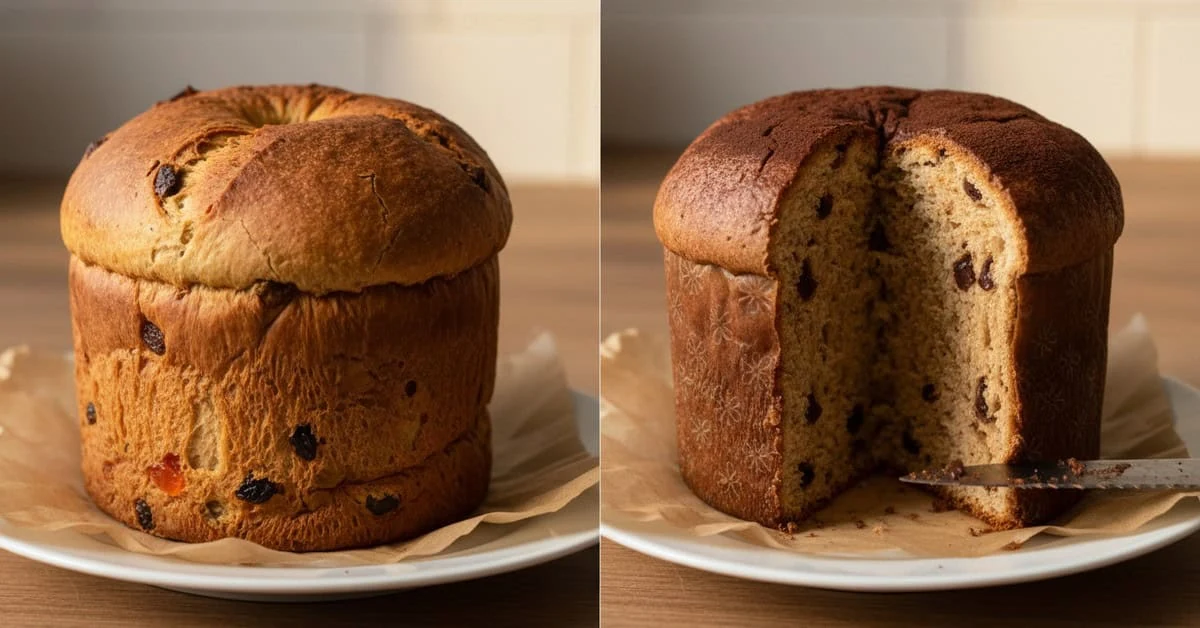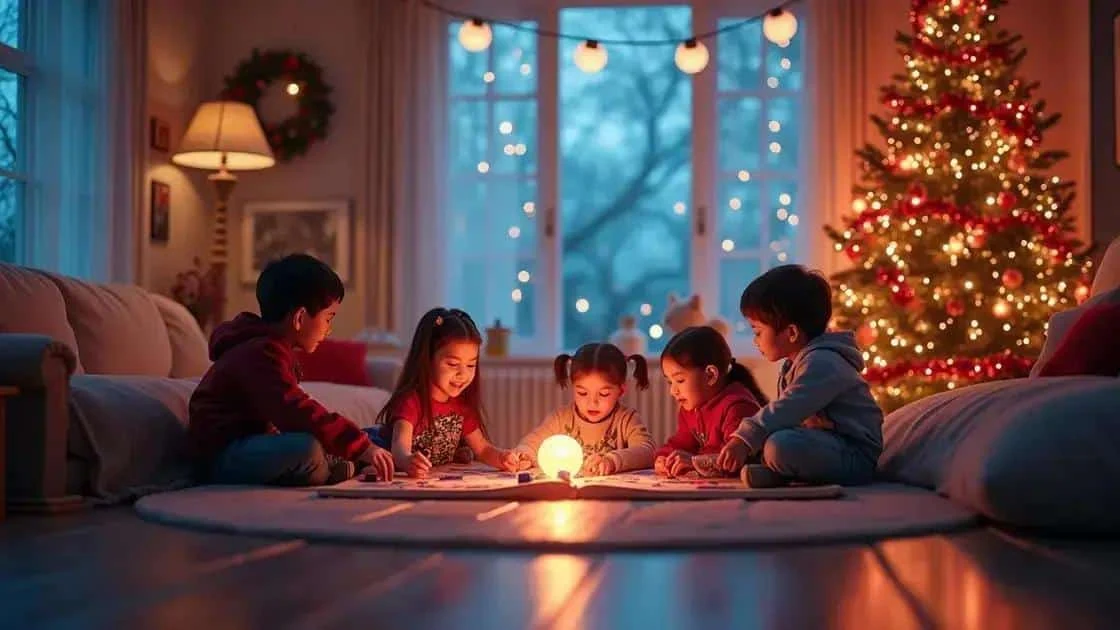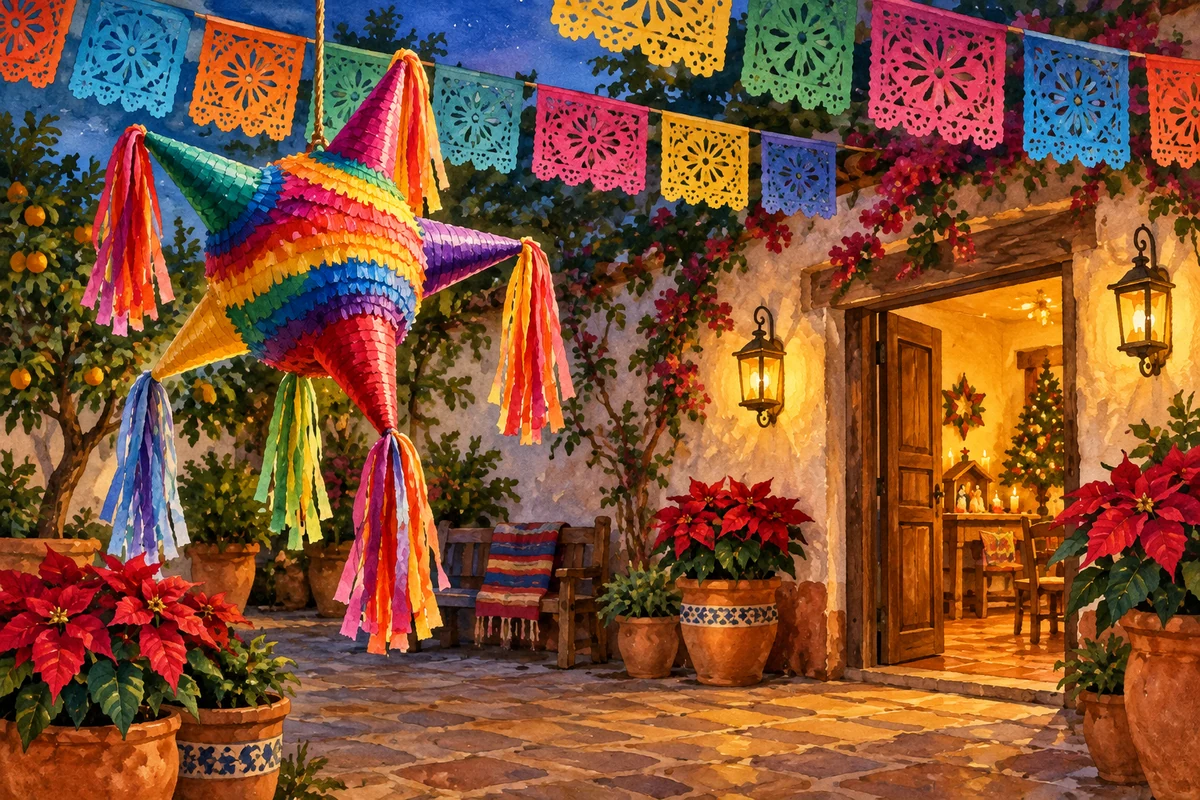
Christmas in Mexico brings together posadas, church services, music, piñatas and regional festive dishes. Tamales, bacalao and warm fruit ponche are among the foods associated with the season. Catholic traditions have developed alongside local histories and customs, with celebrations varying between regions, communities and households.
Christmas in Mexico is rich in posadas, piñatas and shared food. Discover the meaning behind familiar traditions and ways to draw inspiration from them respectfully at home.
Illustrations in this article are conceptual images, not documentary photographs or evidence of a particular historical event, destination, venue or access route.
The origins and meaning of posadas
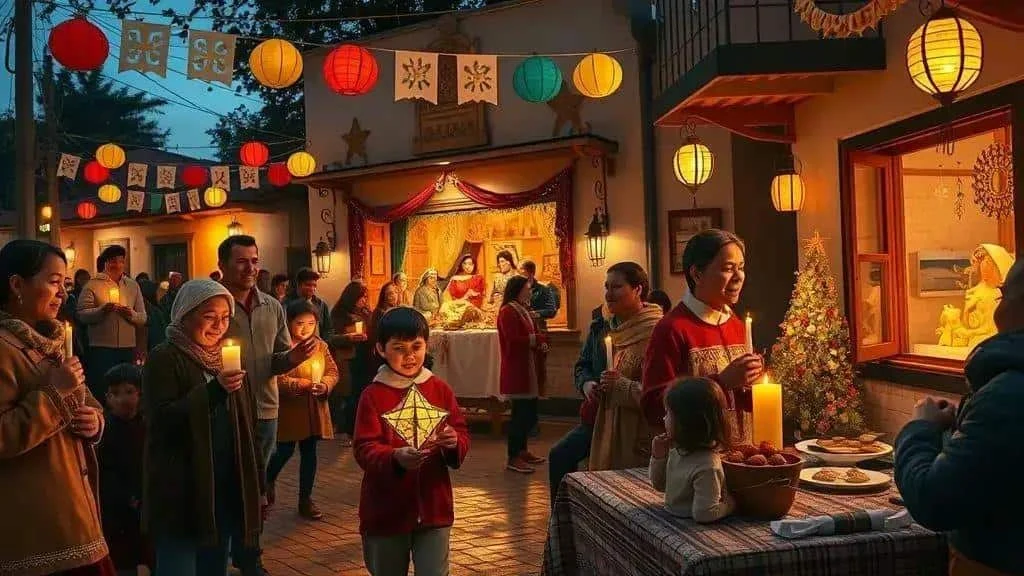
Posadas recall Mary and Joseph’s search for lodging before Jesus’ birth. Their history is associated with colonial-era Catholic evangelisation, including the celebrations held at Acolman. The gatherings developed over time into traditions combining prayer, hospitality and communal festivities.
Religious and symbolic meaning
Traditionally held from 16 to 24 December, posadas form a nine-night sequence leading up to Christmas. The search for shelter offers a setting for reflection on hospitality and shared faith. Source: INAH: Acolman, posadas and traditional piñatas
Familiar rituals and features
- Procession: participants may carry lights and sing as they approach the house hosting the gathering.
- Asking for shelter: groups sing an exchange in which lodging is first refused and then offered.
- Piñata: the traditional seven-pointed star has a Catholic interpretation in which the points represent the seven deadly sins. Breaking it symbolises overcoming evil; sweets and fruit are shared afterwards. Modern piñatas have many other forms and uses.
- Food and drink: hosts may offer tamales, atole or fruit ponche, giving neighbours and relatives time to gather.
- Nativity scene: prayer beside a nacimiento may form part of a religious posada, although not every modern gathering follows the same programme.
Cultural influences and regional differences
Spanish Catholic practices and local traditions have interacted in different ways across Mexico. Music, processions and decorations vary, while schools, neighbourhood groups and parishes also organise their own forms of posada.
Community significance
Alongside their religious meaning, posadas offer an opportunity to meet neighbours, share food and pass traditions between generations. Some remain strongly devotional; others place greater emphasis on the social gathering.
Religious traditions and public celebrations
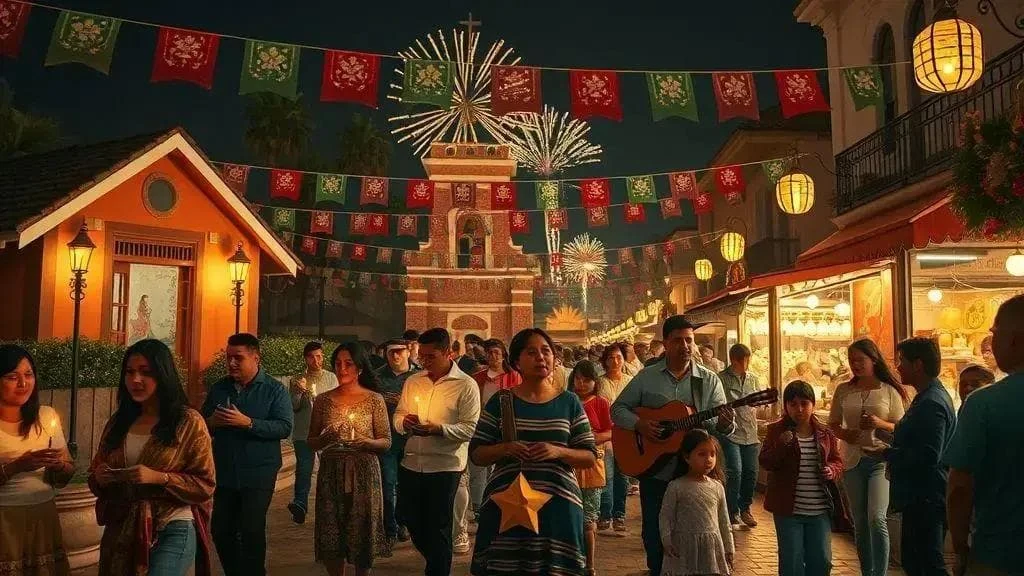
During the Christmas season, church services and neighbourhood festivities often sit alongside one another. What visitors encounter depends on the place and the community.
Common religious practices
The Misa de Gallo is a Christmas Eve Mass traditionally associated with midnight, although actual service times vary. Nativity scenes, prayers and carols also feature in many Catholic celebrations.
Street festivities and seasonal events
Public celebrations may bring together several elements:
- Processions and posadas — community gatherings connected with the Christmas story.
- Lanterns and festive lighting — displays vary locally; paper-bag luminarias should not be treated as a universal Mexican Christmas custom.
- Markets and fairs — places to find local crafts, seasonal food and decorations.
- Fireworks — part of some festivities, subject to local arrangements and restrictions; visitors need not handle them to take part.
Music, dance and craft
Carols, local bands and, in some settings, mariachi music accompany festive gatherings. Crafts such as papel picado, nativity figures and handmade ornaments add colour to homes and public spaces.
Food and company
Seasonal markets and gatherings may offer tamales, warm ponche and sweets. Sharing food is often as important as the particular dish, with menus differing from one family to another.
Taking part respectfully
Before joining a public celebration, pay attention to its religious and community setting:
- Follow the dress expectations of the church or host.
- Ask before photographing people, especially during ceremonies.
- Contribute to a community collection if you wish and understand its purpose.
- Follow organisers’ directions and respect quiet moments of prayer.
Mexican Christmas food and familiar dishes
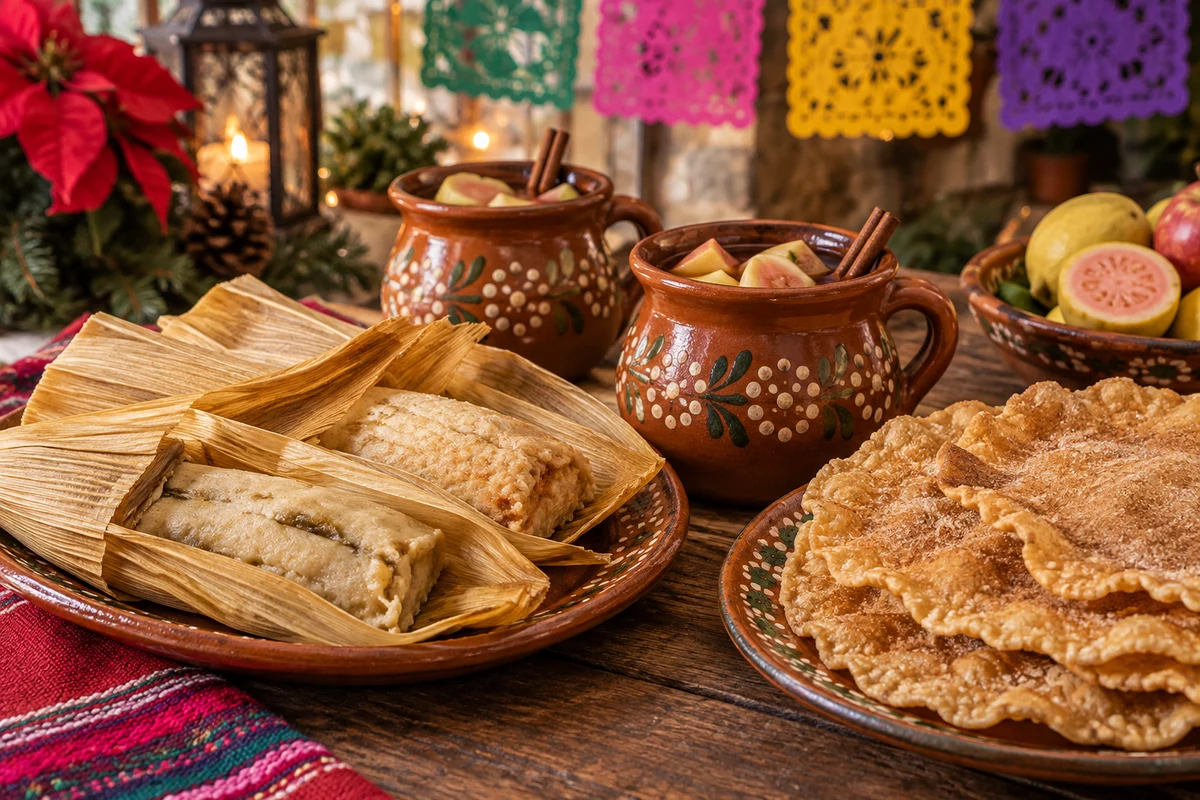
Mexican Christmas cooking reflects regional ingredients and culinary histories, including Indigenous and Spanish influences. There is no single menu shared by every household.
What makes these dishes distinctive?
Tamales are parcels of maize dough, often filled and steamed in corn husks or other suitable wrappers. Mexican versions of bacalao a la vizcaína commonly combine prepared salt cod with a tomato-based sauce, olives and capers. Ponche is a warm fruit drink with many household variations.
Tamales: an introduction to the ingredients
Typical components are listed below as a guide to the dish, not a complete recipe. Dough hydration, filling quantities and steaming times depend on the recipe and type of masa; use a tested recipe when cooking.
- Maize masa – use masa intended for tamales, following its preparation instructions rather than treating dry flour and prepared dough as interchangeable weights.
- A filling (such as shredded pork, chicken or vegetables) – seasoned to suit the recipe, often with a chilli-based sauce.
- Lard or another specified fat – contributes to the dough’s texture. Oil is not automatically a one-for-one substitute in every recipe.
- Corn husks – prepared as directed for wrapping and steaming; remove the wrapper before eating.
Bacalao a la vizcaína: typical ingredients
Common ingredients include the following. These are an introduction rather than a complete cooking method or a fixed shopping quantity:
- Desalted salt cod – follow the supplier’s soaking and storage instructions. Fresh white fish makes a different adaptation rather than an identical substitute.
- Ripe tomatoes – used for the sauce in many Mexican versions.
- Onion – prepared according to the chosen recipe.
- Green olives – often added for their savoury flavour.
- Capers – another salty, tangy element used in some versions.
Ponche navideño: ingredients and variations
Fruit ponche varies considerably. The following list introduces common components rather than prescribing an untested ratio; tejocotes, guavas, sugar cane and prunes also appear in Mexican recipes. Source: Mexico Ministry of Agriculture: Christmas fruit ponche
- Water – the base in which fruit and spices are simmered, in the amount specified by the recipe.
- Hibiscus flowers or tamarind – used in some versions for colour or tartness. They have different strengths and are not interchangeable cup for cup.
- Cinnamon sticks – a familiar aromatic ingredient.
- Chopped fruit – apples are common; pears can be a household variation alongside the other fruits available.
- Piloncillo or a recipe-specified sweetener – piloncillo is an unrefined cane sugar. Brown sugar gives a different flavour and should be adjusted within a tested recipe.
How food fits into the celebrations
Families and neighbours may bring dishes to share at Christmas gatherings and posadas. Food and drink help create a welcoming occasion rather than serving only as a formal menu.
Practical advice for trying the dishes
Start with a reliable Mexican recipe and identify any substitutions clearly. Use only food-safe wrappers intended for cooking tamales, never unidentified local leaves. Adjust chilli to preference and plan safe cooling, refrigeration and reheating for make-ahead food. Source: FSA: chilling, freezing and defrosting safely
Decorations, music and traditional crafts
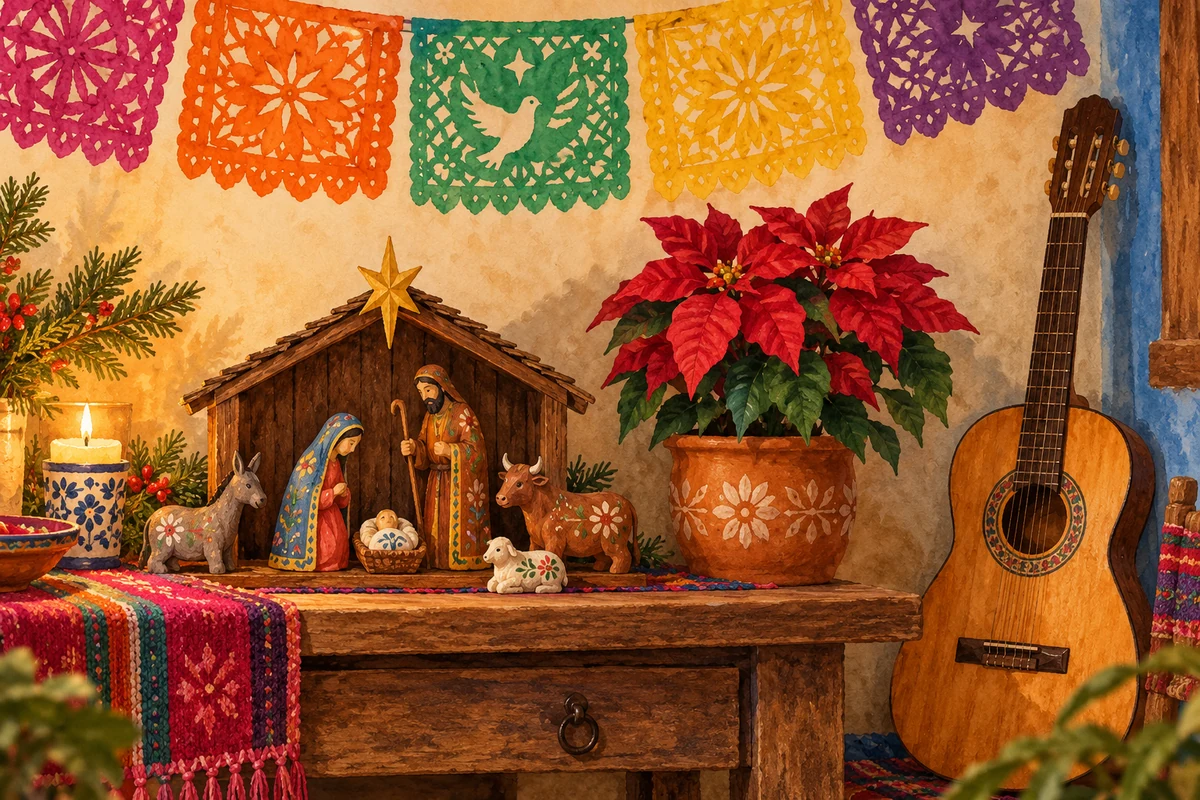
Colour, light and handmade objects feature prominently in many Mexican Christmas celebrations. The most meaningful decorations often reflect a family’s or community’s own traditions.
Familiar decorative elements
Papel picado consists of decorative cut-paper designs used for many celebrations. Lanterns and other lights may brighten outdoor spaces, while star piñatas and nativity scenes, or nacimientos, are particularly associated with the Christmas season.
Traditional crafts and materials
Makers use a variety of materials and skills:
- Tissue paper — for cut-paper decorations and lightweight festive details.
- Corn husks — used for food preparation and in some handmade crafts.
- Wood and clay — carved or modelled into nativity figures and other objects.
- Thread, ribbon and beads — used in garlands and decorative details.
Making a simple paper decoration
For an accessible craft activity inspired by papel picado, try simple folded-paper designs. This is a home project rather than a substitute for the work of skilled traditional makers:
- Choose the paper: cut tissue paper into equal rectangles.
- Fold a small stack: keep it thin enough to cut comfortably and accurately.
- Mark a simple pattern: try stars, flowers or triangles, leaving connected areas so the sheet holds together.
- Cut carefully: supervise children with age-appropriate scissors, then unfold gently to reveal the pattern.
- Attach to string: secure the top edges and hang away from flames, heaters and young children’s reach.
Music for the gathering
Villancicos are Christmas carols. Families may combine them with regional music or other favourites; mariachi is one possible choice, not a compulsory soundtrack for every celebration.
Decorating on a sensible budget
- Reuse existing decorations and refresh them with a small amount of ribbon or paint where appropriate.
- Choose materials you can reuse, and check local recycling guidance before assuming decorated paper can be recycled.
- Suitable LED lights can add warmth while using less electricity than comparable incandescent lights.
- Invite relatives to help with simple crafts and talk about the traditions behind them.
Bringing Mexican inspiration to your Christmas gathering
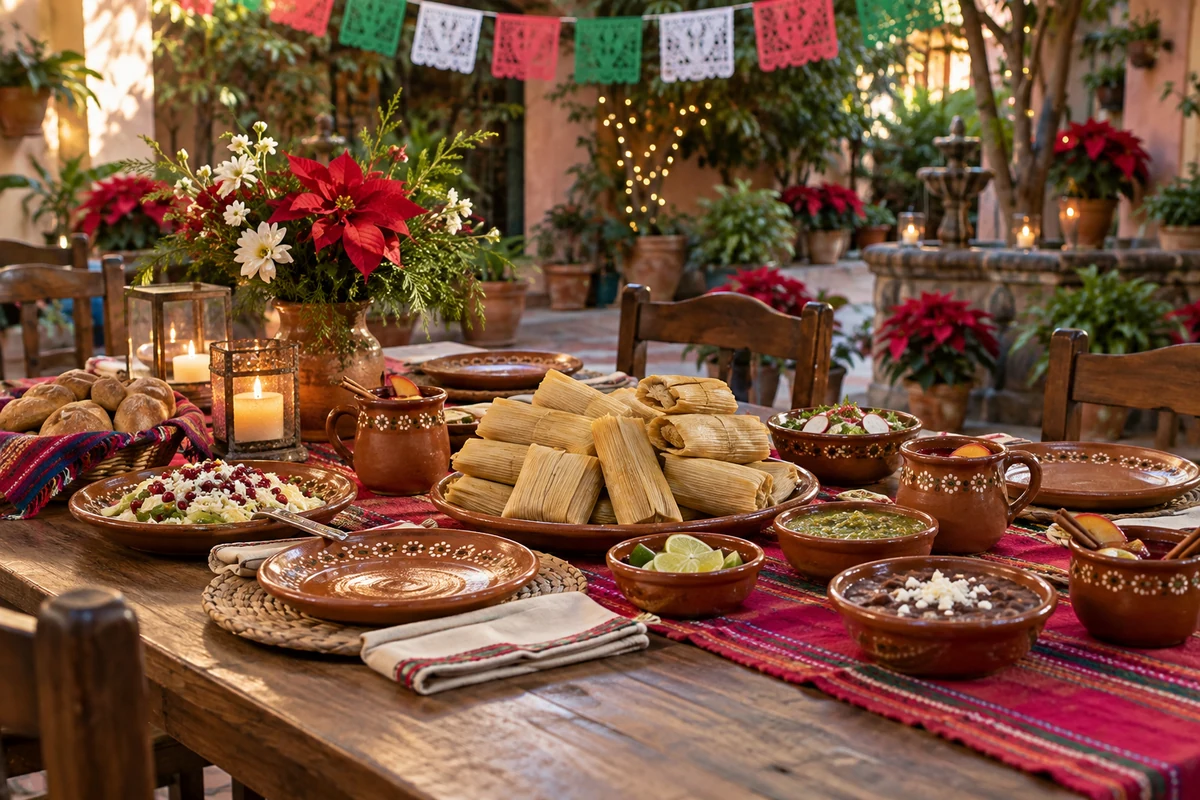
Choose a few foods, decorations or activities that encourage sharing, and explain their origins rather than presenting a themed dinner as an exact recreation of everyone’s Christmas in Mexico.
A Mexican-inspired menu
- Tamales: order from a trusted maker or follow a tested recipe, offering fillings suited to guests’ diets.
- Bacalao a la vizcaína: serve as a main dish or fish option. If using fresh fish, describe it as an adaptation and follow a suitable recipe.
- Warm ponche: serve carefully in heat-safe cups, keeping hot liquid out of children’s reach.
- Traditional sweets: buñuelos or a pumpkin sweet can offer a festive finishing course, depending on the regional recipe you choose.
Simple decorations
- Use papel picado to add colour, buying from craftspeople where possible or trying a simple paper project at home.
- Choose lantern-style lights or battery-operated candles for a welcoming glow without open flames near paper.
- A small piñata can be a decoration; using one as a game requires an appropriate design and a separate clear space.
- If it fits your household’s beliefs, display a small nacimiento to acknowledge the religious setting of the traditions.
Activities that bring people together
- Learn about the posada songs and their meaning before incorporating an element into a gathering. A friendly musical welcome need not imitate a religious rite.
- If organising a piñata activity, use an age-appropriate paper or cardboard version, adult supervision and a clear exclusion area. A pull-string design avoids swinging a stick.
- Include villancicos or other Mexican seasonal music that suits the gathering.
- Arrange a small gift exchange or a voluntary collection for a clearly identified good cause.
Planning in five steps
- Choose the menu: select a manageable combination of dishes and drinks rather than too many main courses.
- Plan substitutions: check which ingredients are essential and which can be adapted within a reliable recipe.
- Prepare suitable food ahead: cool promptly, refrigerate within one to two hours and use leftovers within 48 hours or freeze them. Reheat only once until steaming hot throughout.
- Decorate ahead: arrange paper decorations, safe lighting and any nativity scene before guests arrive.
- Agree the arrangements: confirm timing, contributions and activities so everyone knows what to expect.
Keeping the cultural context in view
- Invite guests with relevant experience to share a dish or explain a tradition, without expecting one person to represent all of Mexico.
- Colourful textiles and suitable food-safe ceramics can make an attractive table.
- Use seasonal ingredients where appropriate, making clear when a recipe has been adapted.
- Offer children simple supervised craft activities and explain the meaning of the decorations they are making.
Final thoughts
Thank you for exploring Christmas in Mexico. Its celebrations offer many examples of hospitality, craft and community, with much more variety than a single guide can cover.
Choose one dish or activity to learn about with your family and take time to understand its background.
Look for further guidance from Mexican cooks, craftspeople and community organisers when trying unfamiliar traditions.
You can also visit the I Love Christmas blog for more festive ideas and cultural guides.
Thank you, and happy Christmas!
FAQ: Christmas in Mexico
What are posadas, and when are they held?
Posadas recall Mary and Joseph’s search for lodging and are traditionally held over nine nights, from 16 to 24 December. Songs, prayer and shared refreshments may form part of the gathering.
Which Mexican Christmas foods could I try?
Tamales, bacalao a la vizcaína, warm fruit ponche and buñuelos are familiar examples, although Christmas menus vary considerably by region and family.
How can I bring Mexican inspiration to Christmas at home?
Learn about the traditions, choose one or two dishes from reliable recipes, and add cut-paper decorations or seasonal music. Explain adaptations rather than presenting them as universal customs.
How can I organise a piñata activity for children?
Use an age-appropriate paper or cardboard piñata, adult supervision and plenty of clear space. Keep spectators well away from any swinging stick, and avoid small sweets or toys that could be choking hazards. A pull-string version is an alternative.
Where can I find Christmas celebrations in Mexico?
Check local church, municipal and cultural listings for December events. Confirm which gatherings welcome visitors, as a neighbourhood or family posada is not automatically a public event.
Sources and Further Reading
- INAH: Acolman, posadas and traditional piñatas
- Mexico Ministry of Agriculture: Christmas fruit ponche
- FSA: chilling, freezing and defrosting safely