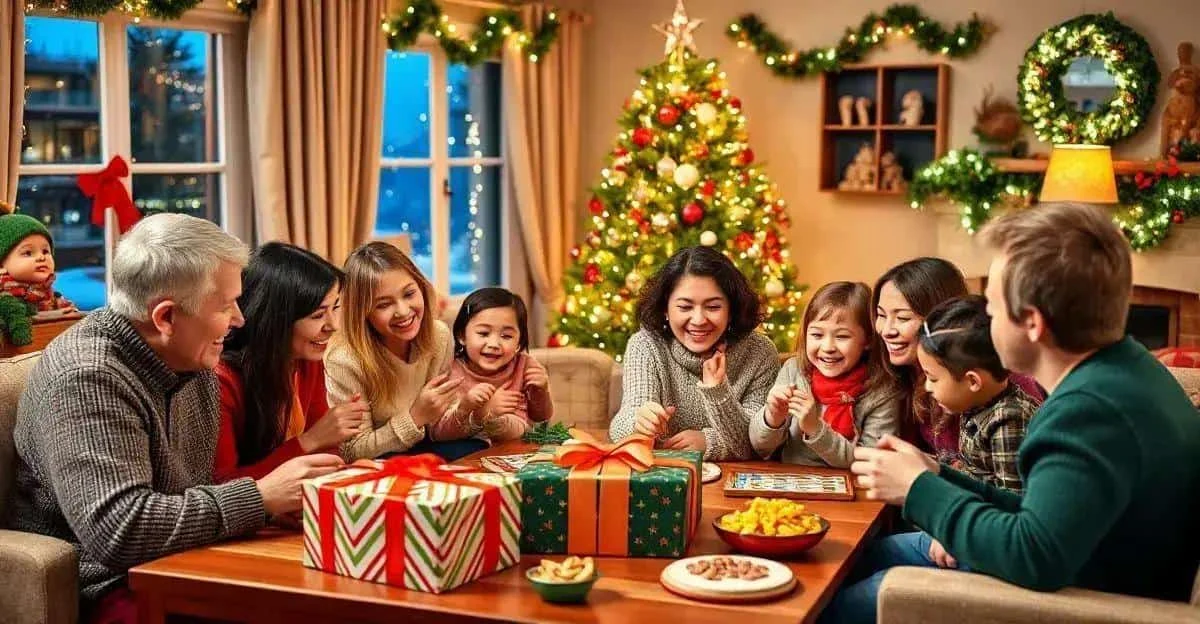
Christmas and New Year prayers can offer a quiet moment for gratitude, remembrance and hope. Short blessings, thoughtful words and optional symbolic gestures help families reflect together, with adaptations for children, older relatives and people with different beliefs.
Christmas and New Year prayers need not be long or formal. A few sincere words before dinner can make space for gratitude, loved ones who are absent and hopes for the coming year. The suggested prayers below are informal family examples, not quotations from an official liturgy.
Illustrations in this article are conceptual images, not documentary photographs or evidence of a particular historical event, destination, venue or access route.
The meaning of Christmas and New Year prayers
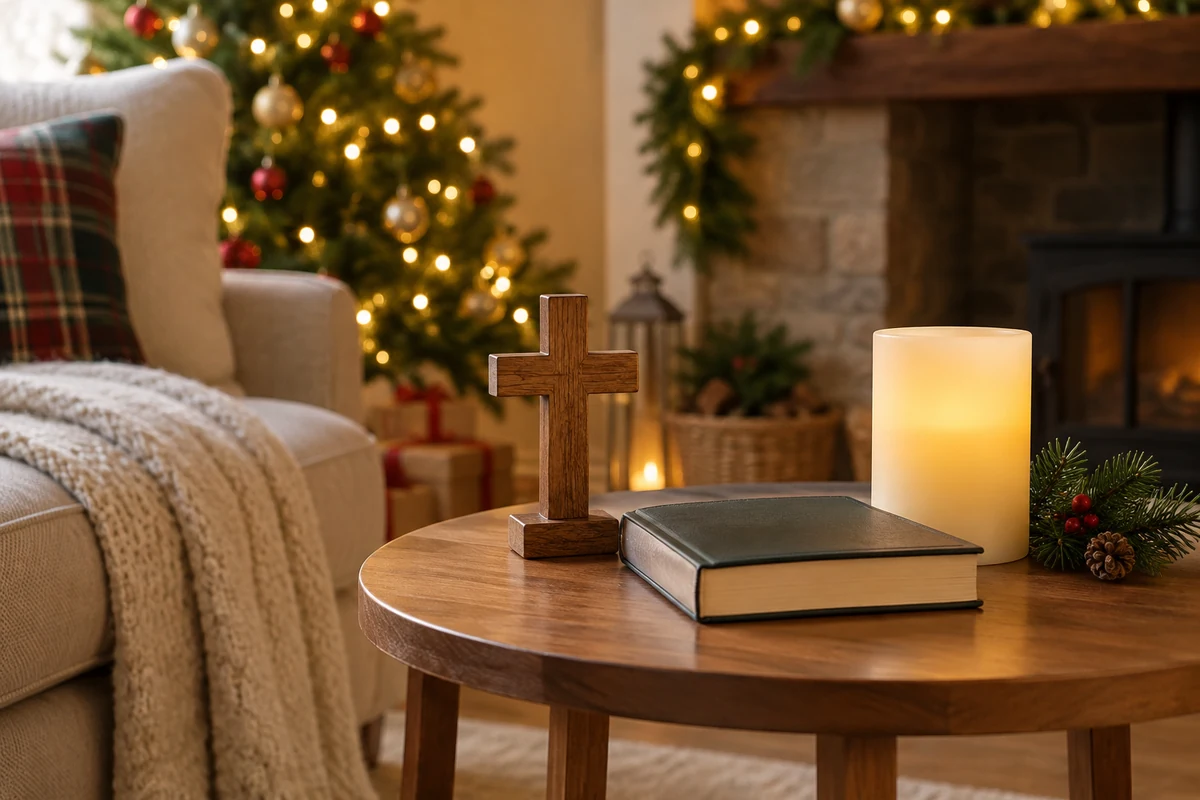
Christmas and New Year prayers belong to varied religious and family traditions. Christian celebrations often include Bible readings, psalms and thanksgiving, while families may also use their own words to express gratitude and hope.
How these traditions developed
There is no single origin for every festive prayer. At Christmas, Christians remember the birth of Jesus through worship, songs, readings and blessings. Around New Year, some communities hold vigils or services, while others reflect privately on the year that has passed and the choices ahead.
Purposes and symbolism
- Gratitude: recognising kindness, support and moments of joy in the past year.
- Petition: asking for peace, strength and care for family members and the wider community.
- Blessing: expressing a wish for the wellbeing of a home and its occupants. Some religious traditions use holy water or candles; these practices are not shared by everyone.
- Remembrance and connection: making room for memories and reflection through a familiar annual gathering.
Cultural differences and personal adaptations
In some Brazilian households, Bible readings alternate with songs and spoken thanks; other families prefer silence or quiet reflection. Simple gestures, such as switching on an LED candle, holding hands by mutual agreement or sharing a hope aloud, can help a family create its own approach.
Respecting those differences keeps the gathering welcoming. Nobody needs to speak, pray, hold hands or adopt a belief to be included at the table.
Short prayers before Christmas dinner

A short prayer before Christmas dinner can bring the gathering to a gentle pause. Aim for one to three minutes, use clear language and let guests know that listening quietly is welcome.
- A prayer of thanks: Lord, thank you for this food, for our family and for every act of kindness. Bless our table and our home. Amen.
- A prayer for peace: May there be peace among us, respect in our words and love in our actions. Be with those who cannot be here today. Amen.
- A prayer of remembrance: We remember with love those who have died. May their memory bring comfort, and may we care for one another in our grief. Amen.
- A short prayer for children: Thank you for today. Help me to be kind and to care for my family. Amen.
- A blessing for the home: May this home be a place of welcome and peace in the year ahead. Help us to look after one another. Amen.
Practical tips for leading a prayer
Keep the prayer brief and easy to follow. Before dinner, explain that there will be a short prayer or quiet pause. Anyone who feels uncomfortable can remain silent or reflect privately, without having to explain their choice.
A simple routine: switch on an LED candle, invite someone to read and finish with thanks. If people would like a hug, offer one without making it part of an obligation. Different readers can take turns from year to year.
For families with different beliefs, agree on suitable wording beforehand. A shared expression of gratitude or a quiet pause may feel more comfortable than a formal prayer; neither needs to replace anyone’s personal religious practice.
Short opening words
- “Let us give thanks for this food and for the care that brings us together.”
- “May the coming year bring moments of peace, courage and kindness to us all.”
- For a Christian reading, Luke 2:14 offers a Christmas message of glory to God and peace on earth. Read it from the Bible translation your family normally uses.
Small gestures can make the moment welcoming: a smile, a comfortable seat and time to listen. Ask before holding hands or touching someone, and do not expect everyone to respond in the same way.
Blessings and reflection for the year ahead

New Year blessings and reflection can help a family put its hopes into words. A symbolic activity is a starting point for conversation and practical action, rather than a promise that wishes will come true.
A simple way to set intentions
Choose a quiet moment and invite each person to think of one realistic intention. They can write it down, draw it or keep it private. An object or familiar routine may help mark the occasion, but none is essential.
- Prepare the space: clear a table and add an LED candle or a small vase of flowers, keeping water away from electrical items.
- Write an intention: suggest a manageable goal, such as checking in on a friend, making time to rest or working towards reconciliation where appropriate.
- Share if you wish: anyone who wants to can read their intention. Listen without judging or asking for personal details.
- Offer a symbolic blessing: say a word such as “peace”, “courage” or “kindness”. Use a religious gesture only when it suits the participants’ beliefs; a kind sentence is enough.
- Keep the note: place it in an envelope or box to revisit later. Let each person decide whether their note is private.
Short prayers and blessings
- A New Year prayer: Lord, guide our plans and give us wisdom to put them into practice with love. Amen.
- A blessing for the family: May our home be a place of respect, care and welcome. Be with us in the year ahead. Amen.
- A hope for our working lives: May we find dignity in our work, joy in what we achieve and courage when we need to begin again. Amen.
Symbols that can support reflection
- A candle: may represent light and hope; an LED version offers the same visual focus without a flame.
- Water: can symbolise renewal in some traditions. If using a small glass, set it securely away from electronics and the table edge.
- A written intention: gives you something to revisit when considering the next practical step.
- A hug or friendly gesture: can close the gathering warmly when everyone involved is comfortable with it.
Adapting the activity to your family
Children may prefer to draw. People who do not practise a religion may use words such as “hope”, “intention” or “goal”. Keep the activity short, make silence an equally welcome option and avoid treating a symbol as a guarantee of health or prosperity.
Including children and older relatives
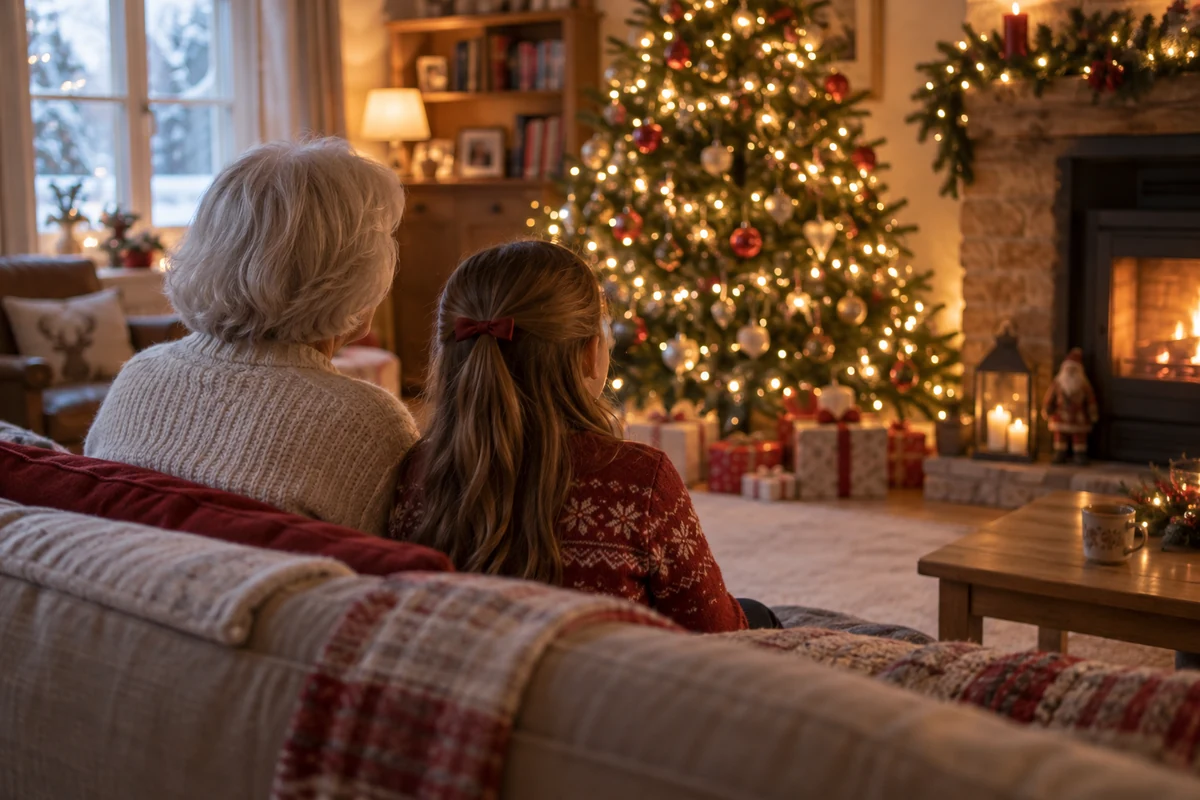
A family prayer or reflection can welcome different generations when the language, setting and pace suit the people taking part. Ask what would make participation easier rather than assuming what someone needs because of their age.
Simple ideas for children
- Use short sentences: choose clear words that children can understand and repeat if they wish.
- Offer a visual activity: invite them to draw something they are thankful for or make a small card.
- Give them a gentle role: let them switch on a suitable LED candle or hand a note to the reader. Keep real flames and matches under adult control. Source: London Fire Brigade: candle safety
- Try a song or rhyme: a familiar tune or a short verse can make the moment easier to follow.
- Keep it brief: thirty seconds to two minutes may be plenty for a young child’s contribution. Allow them to stop without criticism.
Including older relatives respectfully
- Comfort and access: provide suitable seating, good lighting and clear speech. Offer large-print words if they would help.
- Allow time: speak clearly and leave pauses for people to respond at their own pace.
- Invite memories: ask whether someone would like to share a familiar blessing or family story, without putting them on the spot.
- Offer different ways to join in: listening, choosing a reading, indicating an intention or switching on an accessible LED light can all be meaningful contributions.
A short gathering, step by step
- Set up the space: place an LED candle, paper and pens where participants can see and reach them safely.
- Explain the purpose: say simply that you are taking a moment to give thanks, pray or think about the year ahead.
- Invite children to contribute: they can draw or write a hope on a small piece of paper.
- Invite an older relative: offer the opportunity to share a brief blessing or memory, with no pressure to accept.
- Read and listen: those who wish can share their note. Short contributions of around thirty seconds keep the gathering manageable.
- Close together: finish with a few words of thanks, an optional affectionate gesture or about ten seconds of quiet.
Short prayers and inclusive alternatives
- For children: “Thank you for today. Help me to be kind and to care for others. Amen.”
- For any generation: “Thank you for life and for this family. Be with us through the days ahead. Amen.”
- A non-religious alternative: “We are thankful for this food, for the care we receive and for the kindness we can offer one another.”
Practical tips
- Practise gently: let children try their words beforehand if that helps them feel comfortable.
- Take turns leading: invite different family members to lead on different occasions.
- Respect individual choices: make listening quietly a normal part of the gathering.
- Share memories thoughtfully: invite stories without expecting anyone to discuss grief or painful experiences in front of others.
Clear language, comfortable surroundings and respect for personal preferences can help people of different ages and abilities feel included.
Creating a quiet moment at home

A meaningful moment at home does not require elaborate preparations. A calm corner, a brief explanation and a few thoughtful words may be all you need.
Useful elements
- A light: an LED candle provides a gentle focal point. Choose one with a secure battery compartment, especially around young children.
- A symbolic object: a cross, religious image or another meaningful object can be included if it suits the group.
- Water or flowers: these may suggest renewal or care for the living world; place them securely.
- Quiet sound: soft instrumental music or a small bell can mark the beginning and end, provided the sound is comfortable for everyone.
- A clear surface: a small, uncluttered table helps keep the focus on the gathering.
A practical sequence
- Agree on the length: three to eight minutes may suit a short family reflection; adjust it to the people present.
- Prepare the setting: clear the surface and arrange an LED candle, chosen object and optional flowers.
- Explain the occasion: briefly name the purpose: gratitude, remembrance, a blessing or hopes for the new year.
- Begin quietly: switch on the light and offer a few comfortable breaths or a moment of stillness. No special breathing pattern is required.
- Read or share intentions: invite short contributions, with the option to pass. Around thirty seconds per person is often enough.
- Leave a quiet pause: allow ten to twenty seconds for private reflection if the group would like it.
- Bring it to a close: offer thanks and switch off the light. If an adult has used a real candle, extinguish it safely before leaving; do not pour water onto hot wax or electrical items.
Wording and timing ideas
- Keep words familiar: “thanks”, “peace” and “kindness” are easy for children to understand.
- A brief prayer: “Thank you for this day. Bless our family and help us to care for one another. Amen.”
- A written intention: offer half a minute to write or draw something, then place the note in a box if desired.
- Keep it manageable: a short gathering is easier to repeat, but nobody needs to remain longer than is comfortable.
Adapting to different circumstances
- A small home: a stable tray or a clear corner of a table is enough. Avoid putting a real flame beneath a shelf or near decorations.
- Different beliefs: choose wording together and welcome quiet participation.
- Young children: include a short drawing activity or familiar song rather than expecting a long period of stillness.
- No religious leader present: a family member can lead an informal prayer or reflection. For formal religious rites, follow the guidance of your own community.
Returning to a familiar practice can build shared memories over time. Let it develop naturally rather than making it another festive obligation.
Ending with warmth
May these ideas help you create a welcoming Christmas or New Year gathering. Simple prayers and blessings can make room for gratitude, remembrance and hope.
Adapt the suggestions to your family, including those who prefer not to pray. The care you show each other matters more than an elaborate setting or perfect wording.
Thank you for reading. Follow our social channels for more festive inspiration, and visit I Love Christmas for articles about traditions, faith and celebration.
Frequently asked questions about Christmas and New Year prayers
How do I prepare a short prayer before dinner?
Choose a theme such as gratitude or peace, use clear sentences and keep it to about one to three minutes. Invite people to join in or listen quietly, as they prefer.
How can children and older relatives take part?
Offer simple words, drawings, comfortable seating, large print and enough time to respond. Listening or switching on an LED candle can be just as welcome as reading aloud.
What simple activity can help us reflect on the new year?
Write or draw an intention, share it only if you wish and keep it to revisit later. A short quiet pause can help mark the moment; follow it with realistic practical steps.
How can we include people with different beliefs?
Agree on wording that feels comfortable, offer a non-religious expression of gratitude and make participation optional. Do not require anyone to use a religious formula or gesture.
How can we use candles and symbolic objects safely?
Prefer LED candles with secure battery compartments. If an adult uses a real flame, use a stable heat-resistant holder, keep it away from decorations and children, never leave it unattended and extinguish it safely when finished.