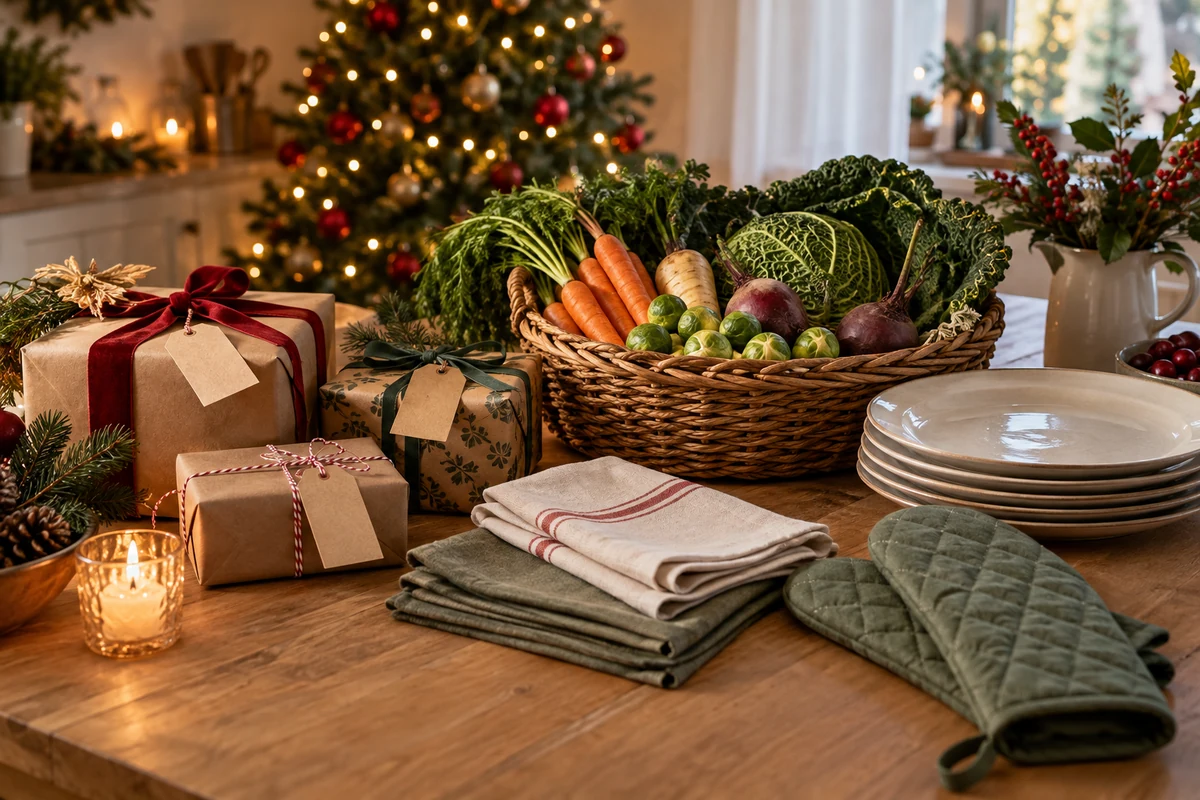
A 48-hour Christmas checklist helps you check food storage, confirm your menu and cooking timetable, wrap presents, set the table and organise guests’ arrival. Prepare only suitable dishes ahead, share the work and keep a realistic backup plan. Large frozen birds may need more than 48 hours to defrost safely, so check them earlier.
This 48-hour Christmas checklist brings together the final jobs before your celebration: dinner, decorations, presents and practical arrangements. Use it as a flexible guide, adapting the timing to your recipes, household and guests.
Illustrations in this article are conceptual images, not documentary photographs or evidence of a particular historical event, destination, venue or access route.
Check your shopping list and perishable food
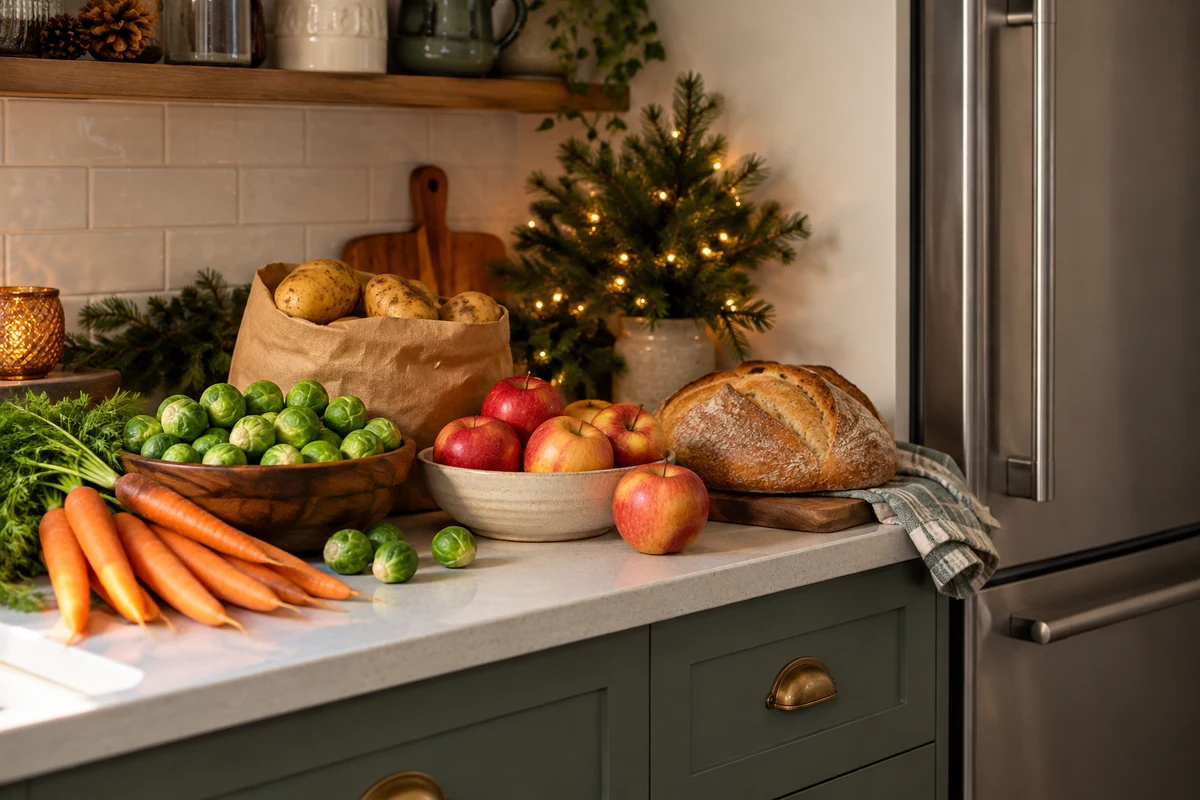
Review the final list, concentrating on perishable food such as meat, dairy products, prepared salads and fresh produce. Check quantities, use-by dates and available fridge or freezer space before you shop.
A practical shopping checklist
- Essentials: check the meat or vegetarian main, fish if needed, dairy products, eggs, fruit and vegetables against your actual recipes.
- Portions: use each recipe’s stated yield and account for bones, cooking losses, side dishes and appetites. A single gram allowance cannot sensibly cover every main course.
- Dates and packaging: follow use-by dates and storage instructions, and reject damaged or leaking packs. Food can be unsafe without smelling bad, so smell is not a substitute for a use-by date. Source: FSA: home food fact checker
- Chilled shopping: pick up chilled and frozen items near the end of your shop, transport them in suitable insulated bags and put them away promptly.
Planning your final food shopping
- About 48 hours before: check cupboards, the fridge and the freezer, then mark what is missing. Check frozen items’ defrosting instructions now; a large turkey may already need to be thawing in the fridge. Source: FSA: Christmas food hygiene
- About 24 hours before: collect fresh ingredients whose use-by dates cover your meal. Do not freeze a large joint or bird the day before you need it and assume it will defrost in time.
- The final morning or previous afternoon: collect bread, herbs and delicate produce if shops are open. Check Christmas opening hours rather than relying on a last-minute trip.
- Shortly before serving: collect any pre-ordered chilled desserts only if you can keep them properly chilled during transport and storage. Raw fish is not a necessary addition to a festive menu; choose foods appropriate for your guests.
- Back at home: put frozen food in the freezer and chilled food in the fridge promptly. Do not leave perishables on the worktop while dealing with other shopping.
Quick storage reminders
- Label containers with their contents and preparation or opening date, retaining any original storage instructions.
- Keep raw meat separate: store it in covered, leakproof containers on the bottom shelf of the fridge, below ready-to-eat food.
- Plan defrosting properly: use the fridge and allow the time specified for the food’s weight and packaging. A fixed 24-hour period is not enough for every joint or bird.
- Look after vegetables: follow pack instructions, keep suitable produce chilled and wash it before preparation where required. Use clean containers and avoid contact with raw meat.
Substitutions and alternatives
- Fresh herbs: dried herbs can work in some cooked dishes. Start with roughly one third of the fresh quantity, then adjust to the recipe and the herb’s strength.
- Cream: check what the recipe needs before substituting. A product that works in a sauce may not whip or set like the original cream.
- Delicate fruit: choose firmer fruit if appropriate for the dish, and prepare it safely for the guests’ ages. Whole grapes, for example, need suitable cutting for young children. Source: NHS: preparing food safely for young children
A realistic last-minute shopping plan
Keep a short list of local shops, their actual holiday opening hours and any suitable ready-made alternatives. Insulated bags and ice packs help with the journey, but do not replace proper refrigerated storage.
A final check before bed
Confirm that chilled and frozen food is stored correctly and that the menu accommodates guests’ dietary needs. Put a simple preparation timetable somewhere visible, including defrosting, cooking, resting and reheating steps.
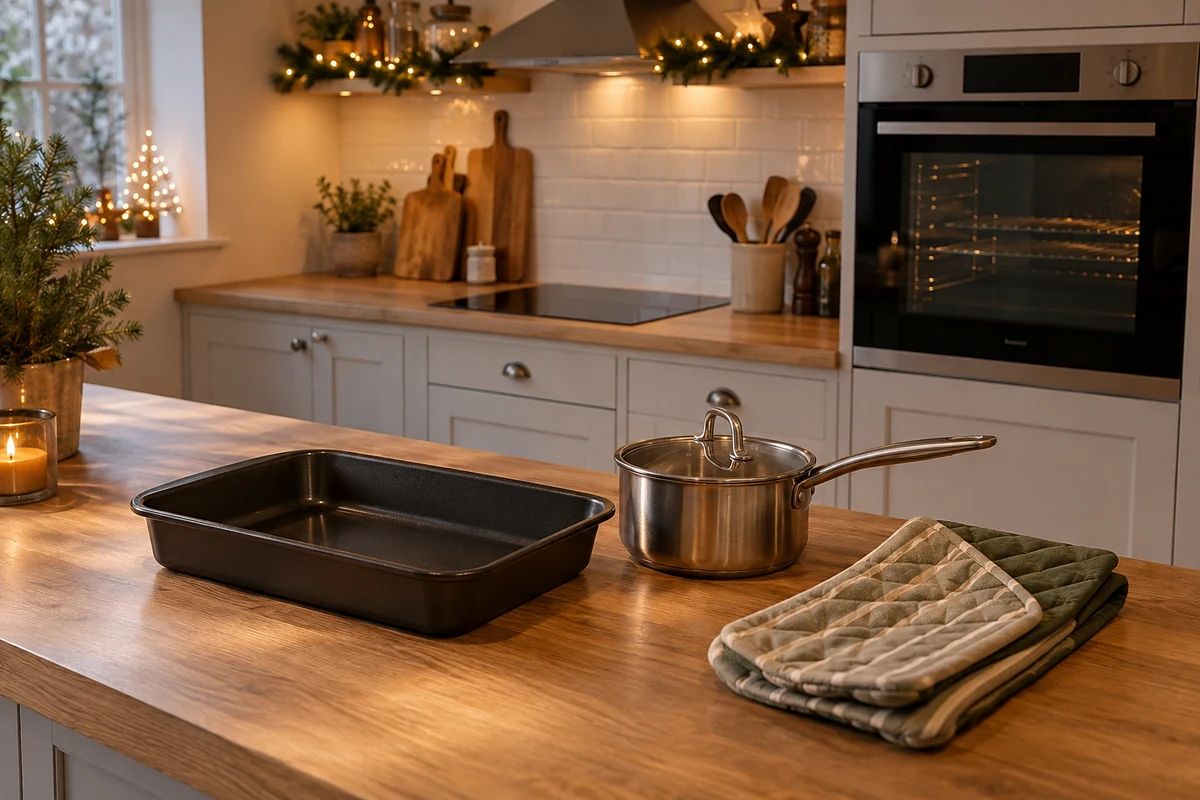
Review the main courses, side dishes and preparation time for each recipe. Include oven capacity and resting time, so several dishes do not all require the same shelf at different temperatures.
Match dishes to their actual timings
- Main courses: follow a suitable recipe and the producer’s instructions for the weight and type of meat or vegetarian dish. There is no universal roasting time for every turkey or joint.
- Side dishes: allow time for rice, farofa, vegetables, salads or mash according to the recipes you have chosen, including washing, chopping and serving.
- Desserts: check chilling and setting time as well as active preparation. Make them ahead only when their recipe, storage instructions and ingredients allow it.
- Dishes for reheating: fully cooked stews and some gratins may suit advance preparation. Plan safe cooling, refrigeration and one thorough reheating rather than keeping food lukewarm.
Build a timetable backwards from dinner
- At least 48 hours before: check defrosting and marinating requirements. Large frozen poultry may need several days in the fridge, so this task can fall outside the checklist’s final two days.
- The day before: make suitable chilled desserts and prepare marinades. Keep raw meat refrigerated, covered and separate from other food.
- Six to eight hours before, if needed: begin recipes that genuinely need that time, following their directions. Keep perishable ingredients chilled until required.
- At the calculated cooking time: start the main course early enough for its actual weight, oven instructions and resting period. Do not assume three hours is sufficient.
- In the final hour: prepare suitable salads, cook quick sides and reheat dishes thoroughly where needed. Keep cold items refrigerated until serving.
- In the final half-hour: finish garnishes, check the food is properly cooked and arrange the serving area. Adjust dinner time if a dish needs longer.
Coordinating flavours and temperatures
Choose a manageable combination of dishes and avoid relying on prolonged warm holding. Check oven instructions beforehand and use a food thermometer where appropriate. Foods requiring refrigeration should not sit at room temperature simply to simplify the timetable.
Portions and dietary requirements
- Serving sizes: base quantities on the chosen recipes, number of courses and guests’ appetites. Account for children, bone-in meat and how much food each person is likely to want.
- Allergies and intolerances: ask guests what they need, check labels and prevent cross-contact during preparation and serving. If you cannot make a dish suitable, say so clearly.
Sharing the work
Agree who will prepare salads, cook rice, monitor the oven and serve drinks. Give each person clear timings and check that you have the necessary pans, trays, utensils and safe storage space.
Reheating and keeping food hot
Reheat cooked food only once, until steaming hot throughout; a low oven or lukewarm water bath is not a reliable shortcut. Stir where appropriate, then serve promptly. If using hot-holding equipment, follow its instructions and keep the food at 63°C or above. Source: FSA: cooking, reheating and hot holding
Organise ingredients and suitable make-ahead dishes
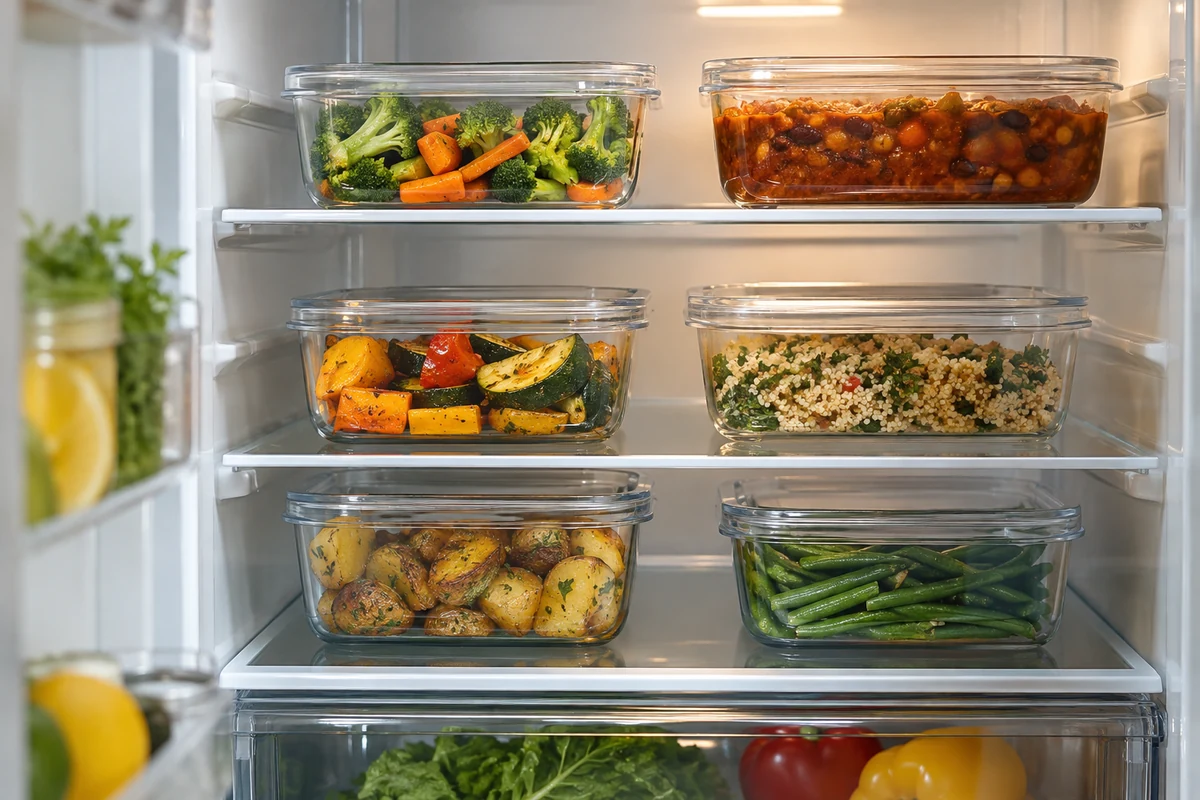
Group ingredients by recipe and order of use. Decide what can be fully cooked ahead, what should stay fresh and what needs freezing. Do not partially cook meat or poultry to finish it the following day.
Preparing and freezing food ahead
- Check recipes and quantities: confirm the number of guests and the portions needed before you begin.
- Choose suitable dishes: some fully cooked meats, sauces, mash, blanched vegetables and pies freeze well. Follow the recipe or product guidance for the particular food.
- Prepare ingredients: wash suitable produce, chop ingredients and measure seasonings, using separate equipment for raw meat and ready-to-eat food.
- Blanch vegetables when appropriate: use a method and timing suited to the vegetable, cool promptly and drain before packing. One timing does not suit all vegetables.
- Cook meat and poultry completely: if preparing them ahead, fully cook them before cooling and refrigerating. Do not stop cooking part-way and leave them until the next day. Source: USDA FSIS: chicken preparation and partial cooking
- Cool promptly: divide cooked food into smaller portions and refrigerate within one to two hours. Rice requires extra care: cool it quickly, ideally within one hour, and follow its shorter storage guidance. Source: FSA: home food fact checker
- Use suitable packaging: choose clean food-safe containers or freezer bags, leaving room for liquids to expand. Packaging does not extend a food’s safe life on its own.
- Label and date: record the dish, preparation date and any relevant defrosting and reheating instructions.
- Check storage temperature: keep the fridge at 5°C or below and the freezer around -18°C. Leave enough room for air to circulate. Source: FSA: chilling, freezing and defrosting
- Defrost safely: allow sufficient time in the fridge and use food within 24 hours of it becoming fully defrosted, unless the label gives a shorter limit. Do not thaw a large bird on the worktop.
- Reheat thoroughly: heat food until steaming hot throughout, stirring where appropriate. Check the centre of thick portions rather than judging only the surface.
Portions, storage and practical adjustments
- Convenient portions: freeze food in quantities you can defrost and use together, such as a small container of sauce or a family-sized portion of a cooked dish.
- Storage limits: follow the food’s own instructions rather than a single freezer-life rule. Refrigerated cooked leftovers generally need eating within 48 hours; cooked rice should be used within 24 hours before reheating.
- Texture changes: dressed salads, crisp fried potatoes and some dairy sauces do not freeze well. Check the recipe before relying on freezing them.
- Useful substitutions: a different cream or coconut milk may suit some sauces, but changes flavour, texture and allergens. Dried herbs can be stronger than fresh ones, so add them cautiously.
- Save work on the day: choose a small number of suitable sauces or sides to prepare ahead, leaving enough time for safe reheating.
Before freezing, check
- The dish has been fully cooked where required and cooled promptly
- Packaging is clean, food-safe and properly closed
- Contents and preparation date are clearly labelled
- Portions match what you can defrost and use safely
Wrap and label presents
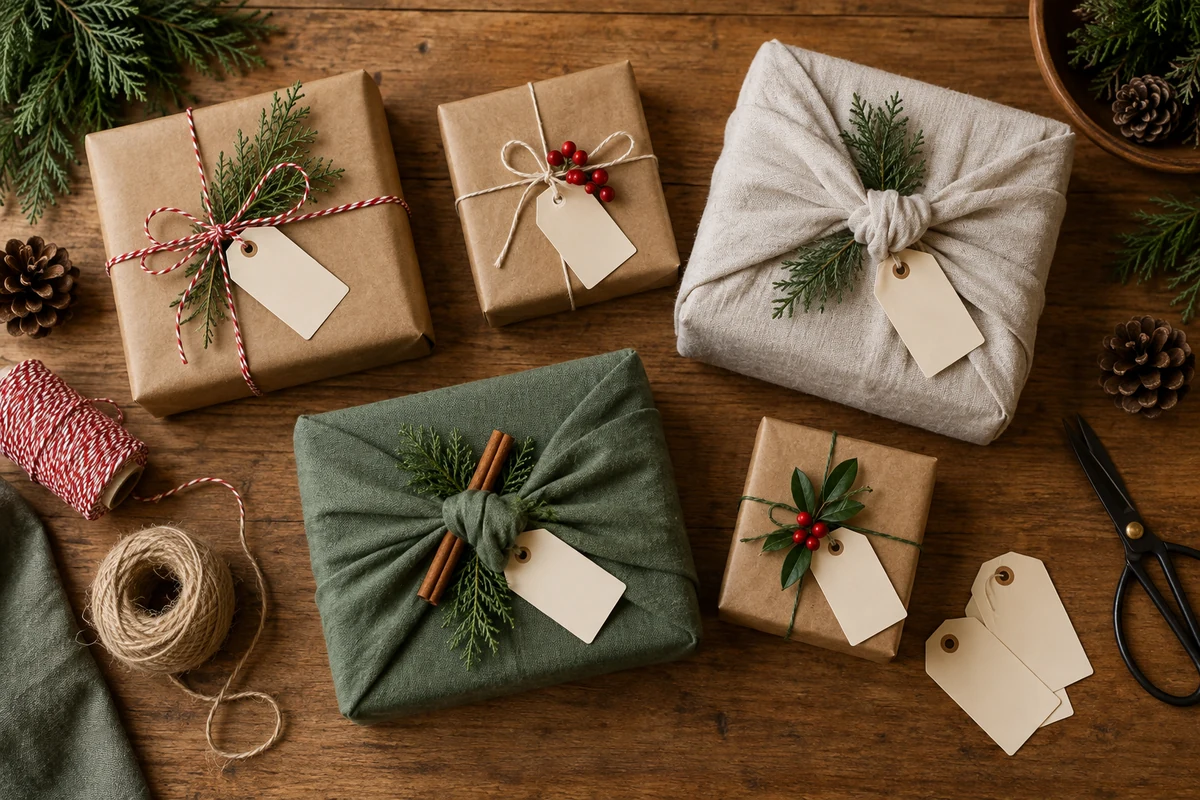
Set aside a clean, well-lit space for wrapping and labelling presents. Keep paper, reusable bags, tape, scissors and labels together, with a private list of recipients to help you stay organised.
A simple wrapping routine
- Group by recipient: put each present together with its card and any gift receipt before wrapping.
- Protect fragile items: use suitable cushioning and a sturdy box. Thin decorative paper alone will not protect glass or ceramics in transit.
- Choose the wrapping: use paper, a reused box or a fabric wrap that suits the item’s shape.
- Attach a label: add the recipient’s name and a note such as “fragile” or “open carefully” where useful.
- Include relevant information: keep instructions, ingredient labels and allergen information with gifts that need them.
- Store ready for delivery: group wrapped presents by when and where you will give them, keeping exits and walkways clear.
Keeping track of gifts
- Use one list: a private note or spreadsheet can show which presents are ready, delivered or still to be arranged.
- Mark gifts as you give them: a quick tick can prevent confusion during a busy gathering.
- Keep an optional spare: if your budget allows, a simple card or small suitable gift can cover an unexpected invitation. There is no need to buy several emergency presents.
- Confirm extra guests: update the headcount and welcome anyone joining late. A guest’s place at the table does not depend on having a gift ready.
Practical gift etiquette
- Protect privacy: remove price labels where appropriate, but retain useful gift receipts and safety information.
- Keep personal touches simple: a handwritten message can make a modest present feel thoughtful.
- Pack for transport: use a strong box and suitable cushioning for anything travelling beyond the house.
- Last-minute alternatives: a digital gift card, a personal note or a planned activity may work. Food and alcohol gifts should suit the recipient’s age, preferences and dietary needs.
Before finishing the presents, check
- Every label has the correct name
- Fragile items have suitable protection
- Relevant instructions or ingredient information are included
- Your private list is up to date
- Any spare cards or gifts are within your budget
Set the table and finish decorations
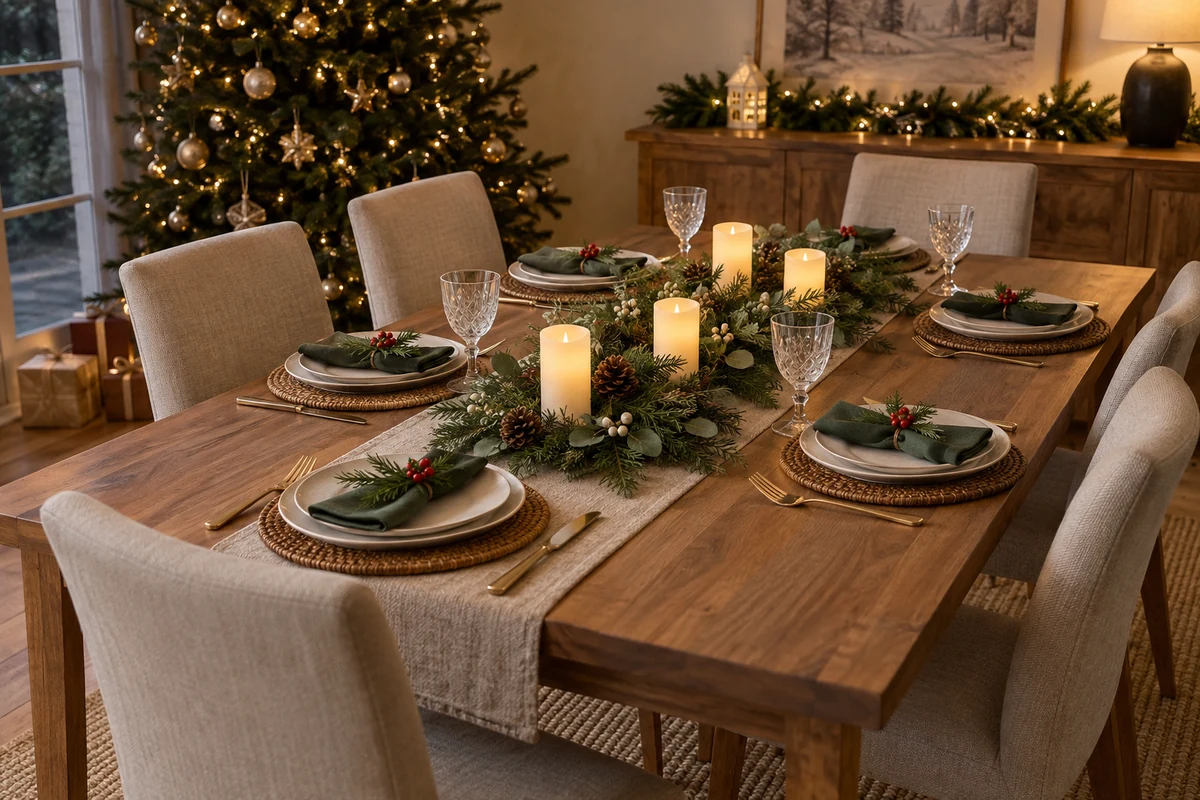
Plan the table around comfort and practicality. A simple festive arrangement is enough if there is room for plates, food, conversation and safe movement.
Comfortable lighting
Use warm-coloured lighting without glare. LED candles and a modest string of suitable lights can create atmosphere. Keep wires clear of hot dishes and walkways, and avoid tall decorations that block people’s view.
Practical centrepieces
- Keep arrangements low: guests should be able to see one another and reach what they need without moving decorations.
- Use simple materials: a few branches, pine cones or reusable ornaments on a tray are easy to move when food arrives. Keep non-edible decorations separate from food.
- Add light carefully: combine small arrangements with LED candles. Real flames should never sit among dry foliage, paper or other combustible decorations. Source: London Fire Brigade: candle safety
Helpful table details
- Mats and napkins: use suitable heat-resistant mats for hot dishes and simple folded napkins at each place.
- Place cards: handwritten cards can make seating easier to organise without adding much expense.
- A serving area: set aside a clear surface for dishes and drinks so guests do not have to pass everything across the table.
Reusing what you have
Choose reusable tableware and decorations you already own. Give familiar pieces a fresh arrangement with a ribbon or a few suitable branches rather than buying an entirely new set.
Space and movement
Leave comfortable room at each place and clear routes for serving and moving around. Ask guests with access needs what arrangement works for them, rather than automatically seating them near the kitchen.
Table-setting checklist
- Clean tablecloth or runner
- Plates, cutlery and suitable mats
- Water glasses within easy reach
- Low, stable centrepiece
- Safe lighting with wires out of the way
- Clear serving surface
- Place cards and any final details
Final table preparations
Set the table ahead if practical, adding anything perishable only when appropriate. Keep spare napkins and a small repair kit nearby, with scissors and tape out of young children’s reach.
Confirm arrival times, seating and transport
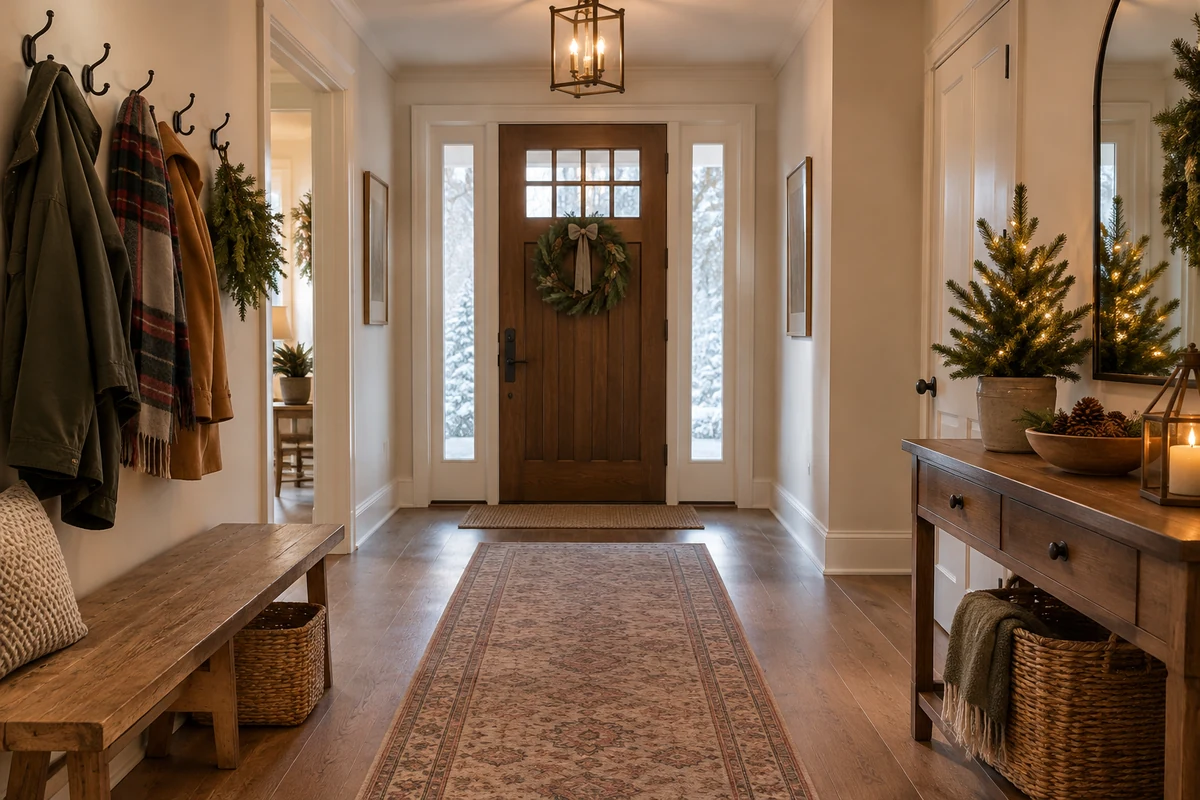
Check when guests will arrive, how they will travel and whether anyone needs assistance. A short message beforehand can prevent avoidable confusion.
Agree on a realistic timetable
- Arrival window: allow a manageable period for arrivals, perhaps thirty to sixty minutes, if it suits the occasion.
- Dinner time: let people know when you expect to eat, while allowing for the food to need a little longer.
- Late arrivals: agree how guests should contact you and how you will serve their meal safely. Do not leave a plate lukewarm indefinitely.
- Order of service: coordinate starters, the main course and dessert with whoever is helping in the kitchen.
Comfortable seating
- A simple plan: sketch where people will sit if that helps avoid confusion.
- Individual needs: ask about seating, access and comfort, including space for mobility aids or a child seat.
- Conversation: consider who may enjoy sitting together, while leaving room for guests’ preferences.
- Flexibility: keep a suitable spare chair available if possible, without blocking exits or access routes.
Travel and parking
- Clear directions: explain parking restrictions, the entrance to use and any safe drop-off point.
- Lifts and public transport: check actual holiday services, as normal timetables may not apply. Arrange lifts or licensed taxis ahead where needed.
- Help on arrival: offer assistance to anyone who wants it, and ask how best to help before handling a mobility aid or luggage.
- A return-home plan: keep local transport details available and arrange a sober driver where appropriate. Do not assume a taxi will be immediately available on Christmas Day.
Communicating with guests
- Confirm attendance: check the headcount and expected arrival times one or two days ahead.
- Share useful details: send directions, parking information and any access notes privately to the relevant guests.
- Dietary needs: ask about allergies, intolerances and preferences early enough to plan suitable food.
- Communicate changes: make any revised timings clear, using a method guests actually check.
Share practical responsibilities
- Welcoming people: ask someone to greet guests and help with coats or directions.
- Parking information: nominate someone who can explain local arrangements without standing in the path of moving vehicles.
- Keeping track of time: a helper can remind the kitchen team when different dishes need attention.
Guest-arrangements checklist
- Arrival and meal times shared
- Seating and access needs considered
- Parking and holiday transport checked
- Attendance and dietary requirements confirmed
- Helpers know their responsibilities
- A plan for delays and getting home
A backup plan for dinner and serving
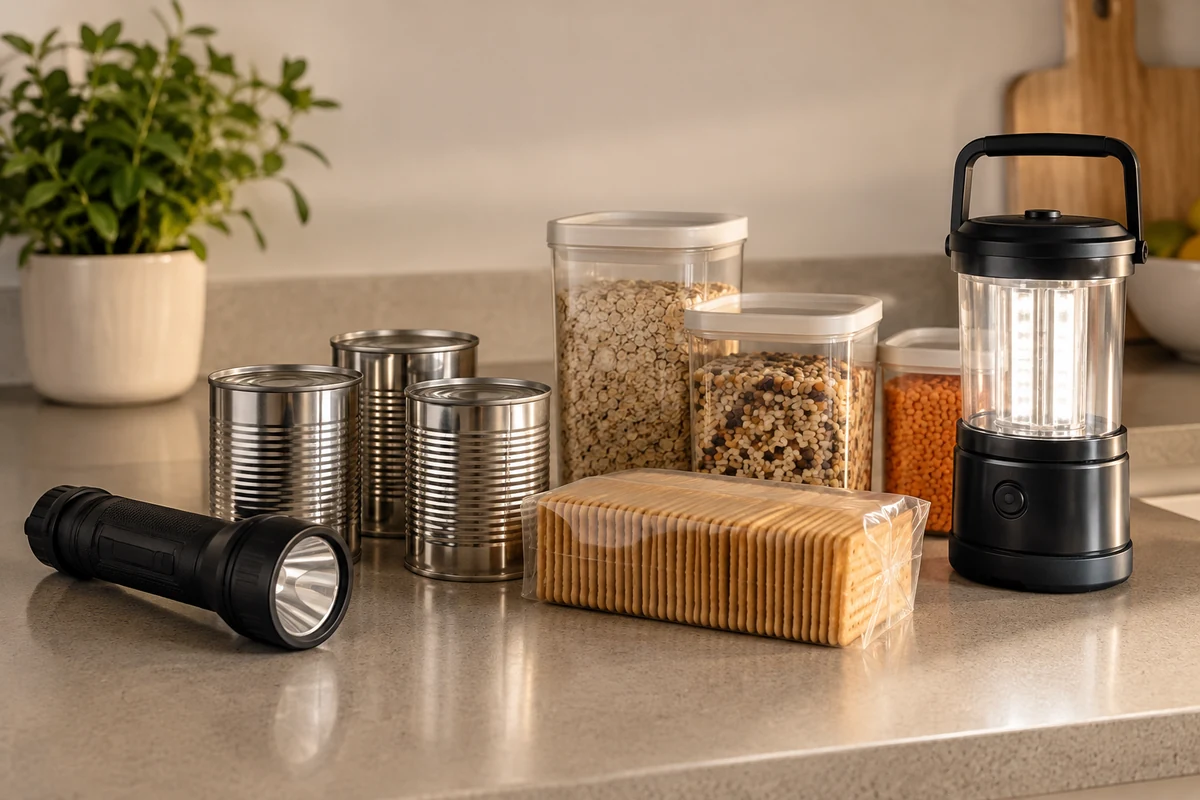
A modest backup plan can help with a missing dish, a delayed guest or an appliance problem. Keep it realistic and do not compromise food safety to preserve the original timetable.
If a dish is unavailable
- Use a suitable ready-made alternative: check ingredients, allergens and cooking instructions, including whether it can be cooked from frozen.
- Offer a simple extra side: freshly cooked rice, vegetables or bread may help stretch the meal, provided you have the ingredients and time to prepare them safely.
- Use only safely stored food: do not turn food that has sat out too long into another dish. When storage history is uncertain, choose a fresh alternative.
If the oven fails
- Assess the dish: some foods can be cooked immediately by another suitable method, but a large partly cooked bird is not a simple hob substitute. Do not put partly cooked meat aside to finish later.
- Use suitable equipment: an air fryer may suit smaller portions if its instructions allow. A barbecue must be used outdoors, away from buildings and enclosed spaces, never as an indoor replacement oven.
- Do not confuse warming with cooking: a gentle water bath may hold an already hot sauce but will not reliably cook or thoroughly reheat a substantial dish.
If the power goes off
- Use safe light: torches and LED candles are preferable to open flames. Keep spare batteries safely out of children’s reach.
- Protect chilled food: keep fridge and freezer doors closed as much as possible and follow food-safety guidance for the duration of the outage. Never use a generator, camping stove or barbecue indoors. Source: NIST: generator safety Source: FSA: food safety in a power cut
- Keep guests informed: explain the delay and offer suitable shelf-stable snacks if available. Do not promise that all chilled food remains safe without checking its storage conditions.
Delays and unexpected guests
- Serve a modest starter: appropriate snacks can help while dinner finishes. Keep chilled foods refrigerated until needed and replenish small portions.
- Add a flexible side: freshly cooked rice or a suitable salad may provide extra portions without a complicated new recipe.
- Keep useful basics: bread, a suitable dessert or a few cupboard ingredients can be helpful, provided they meet guests’ dietary needs and storage requirements.
Sharing the serving work
- Ask for help: give clear jobs such as clearing plates, pouring drinks or checking a side dish.
- Set up a serving station: leave room to move, label allergens where needed and use separate utensils. Bring out manageable quantities rather than leaving all the food standing.
- Have a few spare utensils: an extra serving spoon or suitable dish can solve small problems without improvising with damaged equipment.
A useful dinner backup kit
- Insulated bags and suitable food containers
- Torches or LED candles
- Food-safe containers, freezer bags and labels
- Suitable cupboard staples or ready-made alternatives
- Basic seasonings and sauces with clear ingredient labels
Just before serving
- Check that cooked dishes are ready and properly hot
- Keep the serving area clear and utensils separate
- Explain any changes calmly
- Be willing to simplify the meal if that makes it safer and easier
A calmer finish to your Christmas preparations
Your 48-hour Christmas checklist can make the final preparations more manageable. Use realistic timings, safe food handling and a menu that suits the kitchen and people available.
Check perishables, confirm plans and share responsibilities so you have more time to enjoy the gathering. The celebration does not have to follow a perfect timetable to feel welcoming.
Thank you for reading. Visit I Love Christmas for more recipes, decorating ideas and practical festive checklists.
Frequently asked questions about the 48-hour Christmas checklist
When should I buy perishable food?
Plan around use-by dates, storage instructions and shop opening hours. Buy chilled items near the end of your shopping trip and refrigerate them promptly. Allow enough defrosting time for frozen meat; a large bird may need several days.
How should I store food safely?
Keep the fridge at 5°C or below and the freezer around -18°C. Store covered raw meat below ready-to-eat food, label prepared dishes and cool cooked food promptly before refrigeration. Follow shorter instructions for rice and any product-specific limits.
What if extra guests arrive?
Confirm dietary needs and add straightforward, suitable food such as bread or a freshly prepared side. Share portions sensibly and simplify the menu rather than rushing an unfamiliar dish.
How do I manage food allergies and intolerances?
Check requirements with guests, read every relevant ingredient label and use separate clean utensils and preparation areas as needed. Be honest if you cannot prevent cross-contact.
How should I reheat dishes without drying them out?
Use a suitable covered container or a little liquid where the recipe allows, but reheat until steaming hot throughout, not just warm. Stir where appropriate, reheat only once and serve promptly.
What belongs in a Christmas dinner backup kit?
Useful items include torches or LED candles, clean food containers, labels, spare serving utensils and a few suitable cupboard staples. Choose supplies that fit your menu and guests rather than buying a large emergency stock.
Sources and Further Reading
- FSA: Christmas food hygiene
- FSA: chilling, freezing and defrosting
- FSA: home food fact checker
- USDA FSIS: chicken preparation and partial cooking
- FSA: cooking, reheating and hot holding
- FSA: food safety in a power cut
- NIST: generator safety
- London Fire Brigade: candle safety
- NHS: preparing food safely for young children