Christmas messages: adaptable templates for friends, family and colleagues. Add a name, a brief shared memory and a personal wish, choose a suitable format—WhatsApp, a card or email—and match your tone to the relationship and the recipient’s preferences.
Christmas messages are a simple way to let someone know you are thinking of them. Looking for something light-hearted, heartfelt or more formal? Here are five practical templates and ways to make them your own.
Illustrations in this article are conceptual images, not documentary photographs or evidence of a particular historical event, destination, venue or access route.
Why Christmas messages still matter
Sending Christmas messages can help us stay in touch at a time often associated with memories and affection. A simple greeting shows that someone has crossed your mind, even when everyday life has kept you apart.
Small gestures, lasting connections
Encouragement: sincere words can offer warmth during a reflective or difficult season.
Keeping in touch: a message to friends, relatives or colleagues can open the door to catching up in the new year.
Professional consideration: a respectful greeting is a way to thank someone for working with you.
- A welcome moment: even a short message may brighten someone’s day.
- Continuity: small, thoughtful gestures can become a valued part of a relationship.
- Little expense: a few well-chosen words can mean a great deal without an expensive gift.
Quick tips for a thoughtful message
Focus on the person: mention a real detail, such as a meeting, an achievement or something you appreciate about them. Use a warm tone for close friends and family and a more professional one for work contacts. Keep the wording clear and avoid greetings that feel copied without thought.
- Personalise it: include a name and a brief reference that shows attention.
- Be specific: choose a wish for the coming year that suits the person, such as peace, good health or time together.
- Choose the right format: WhatsApp for a quick greeting, a card for a handwritten note or email for a professional contact.
When a message can be especially welcome
If someone is having a difficult time, spending their first Christmas after a bereavement or living far away, a private message can acknowledge them without demanding a reply. For colleagues, a well-timed greeting can express appreciation and keep a conversation open.
A few considerate habits
Respect beliefs and preferences: people do not all celebrate Christmas, or celebrate it in the same way. Avoid strongly religious wording unless you know it will be welcome. Read your message before sending it to check names, spelling and tone.
Choosing a message for the person and occasion

The right message depends on your relationship, the situation and how you send it. A short greeting may suit a busy acquaintance; a longer note can work well for a close friend or relative.
Adjusting the tone
- Family: warm, affectionate and personal, with a shared memory or a specific wish.
- Friends: relaxed and sincere, perhaps with a shared joke or reference.
- Colleagues and clients: brief, professional and courteous, with thanks for their support.
- Someone grieving or facing difficulties: gentle and considerate, acknowledging their situation without trying to explain away their feelings.
Matching the greeting to its recipient
For family: use personal details and wishes for wellbeing or time together. For close friends, mention a future plan or a shared memory. For colleagues, thank them for their help and wish them well for the coming year.
Five practical examples
- A warm family message: Wishing you a Christmas filled with love, good health and happy moments together. Thank you for being part of my life. With love, [your name].
- A short message for friends: Merry Christmas! Here’s to catching up and making more good memories in the new year. Love, [your name].
- A professional greeting: Season’s greetings and best wishes for the coming year. Thank you for your support and collaboration this year. [your name].
- A message after a loss: Thinking of you this Christmas. I know this may be a difficult time. If you would welcome a call, I would be glad to arrange one. There is no need to reply now.
- An informal group greeting: Merry Christmas, everyone! Wishing you all a happy new year and plenty of good times ahead.
Where and when to send it
- WhatsApp: useful for quick, personal greetings; the days before Christmas can be a convenient time, depending on the recipient.
- A paper card: a chance to add a handwritten note; allow enough time for delivery and check current postal deadlines.
- Email: suitable for clients and work contacts; send it before they finish work for the holidays.
- Social media: useful for general greetings, but keep private matters out of public posts.
Mistakes to avoid
- Sending an impersonal template without adapting it; adding a name is a useful first step.
- Overlooking the recipient’s cultural or religious preferences.
- Sending a very long message to a professional contact or casual acquaintance when a brief greeting would do.
- Forgetting to proofread names, dates and wording before sending.
Practical tip: save a few templates, then change the relevant details for each recipient. This saves time while keeping the message personal.
Five Christmas message templates to copy and personalise

- A warm message for family
Merry Christmas, [name]! Wishing us a home filled with love, laughter and good health. Thank you for all the moments we have shared. With love, [your name].
- Make it personal: add a memory from the year or a wish that means something to your family.
- Format: a paper card or a longer WhatsApp message.
- Tone: affectionate and familiar; use the names or nicknames you normally use.
- A short message for friends
Merry Christmas! Here’s to a happy new year and more time to catch up. Missing you! [your name].
- Make it personal: add an inside joke or an emoji you both use.
- Format: WhatsApp or a direct message for a quick greeting.
- Tone: relaxed and natural.
- A professional message for colleagues and clients
Season’s greetings! Thank you for your support and collaboration this year. Wishing you a happy and successful year ahead. Best wishes, [seu nome/empresa].
- Make it personal: mention a project or contribution you particularly appreciated.
- Format: email or your usual workplace messaging channel.
- Tone: professional, clear and friendly.
Quick ways to personalise a template
- Replace [name]: insert the recipient’s name instead of leaving the placeholder in place.
- Adapt the wish: choose something appropriate to the person’s circumstances rather than assuming everyone wants the same thing.
- Use a shared memory: a meeting or achievement can make a greeting feel more personal.
- Proofread before sending: correct mistakes and double-check names.
- A gentle message for someone who is grieving
Thinking of you this Christmas. I know it may feel very different this year. If you would like some company, I would be happy to arrange a visit. No need to reply straight away. With love, [your name].
- Make it personal: offer something specific you can genuinely do, such as a call, a visit or a meal, and let the person decide whether they would welcome it.
- Format: a private message or card, rather than a public post.
- Tone: gentle, respectful and supportive.
- An informal message for groups and social media
Merry Christmas, everyone! Wishing you good health, plenty of laughter and more memorable get-togethers in the new year. Thanks for everything!
- Make it personal: include a shared reference or a photograph that everyone involved is happy for you to share.
- Format: a story, WhatsApp group or social media post.
- Tone: light and cheerful; use emojis if they fit the group.
Practical timing tips
- Paper cards: post early and check the current delivery guidance for the destination and service.
- WhatsApp: a personal message in the days before Christmas is one option; choose a time that suits your recipient.
- Work email: send greetings before colleagues or clients start their holiday leave.
- Social media: keep general greetings public and sensitive matters private.
Practical tip: keep these five templates to hand, then adapt the details before sending each one.
Making a Christmas message feel personal
Personalising a message means choosing details that show attention without forcing intimacy. A small, genuine reference often says more than elaborate wording.
Simple personal touches
- Use a name or nickname: address the person as you normally would.
- Mention a brief memory: recall a meeting, a shared joke or an achievement from the year.
- Choose a specific wish: instead of a general greeting, try something like “Here’s to more time together in the new year”.
- Add something personal: a suitable photograph, short voice note or shared digital memory can complement your words.
- Adjust the length: keep it brief for busy acquaintances and write more when the relationship calls for it.
Getting the tone right
Match the wording to the relationship: affectionate for close family, relaxed for friends and professional for colleagues. Avoid empty clichés or language that feels more intimate than your usual conversations.
Examples to adapt
- Family: “Merry Christmas, Anna! Here’s to more laughter around our table in the new year. Love you all.”
- A friend: “Merry Christmas, mate! Let’s have that coffee in January and catch up properly.”
- A colleague: “Season’s greetings, John. Thank you for your help this year, and best wishes for the year ahead.”
- Someone who has lost a loved one: “Thinking of you this Christmas. If you would welcome a call next week, I would be glad to arrange one. No pressure to reply.”
Small gestures to accompany your words
- A voice note: a natural 20–30-second greeting can feel warm and personal if the recipient likes voice messages. Offer text where that is easier for them.
- An old photograph: choose a shared memory you think the person would welcome.
- A handwritten card: a few lines in your own handwriting can make the greeting feel special.
- A small gift: a homemade treat or another modest item chosen around the person’s tastes can accompany the message.
Choosing a format and time
- WhatsApp: quick and personal; send it at a considerate time in the run-up to Christmas.
- Paper cards: allow plenty of time for posting and check the relevant last posting dates.
- Professional email: send it during the working week before the recipient’s holiday leave.
- Social media: use it for public greetings, keeping private matters out of the post.
Personalisation with care
- Respect boundaries: avoid forced familiarity or sharing sensitive details.
- Consider beliefs and culture: choose neutral wording if you do not know whether someone celebrates Christmas.
- Check the details: confirm names and dates before sending.
Practical tip: keep short, medium-length and longer versions of a greeting, then add a genuine personal detail.
Short Christmas messages for WhatsApp, texts and cards
For a short greeting, aim for clear wording, warmth and a personal touch. A phone message may need only a sentence or two, while a card gives you space for a longer note.
Quick tips
- Keep it simple: a greeting, a wish and your name may be enough.
- Use their name: a direct greeting helps the message feel personal.
- Use emojis sparingly: one or two can support the tone, but only if they suit the relationship.
- Think about timing: send digital greetings when they are likely to be welcome and allow longer for postal cards.
WhatsApp message ideas
- Merry Christmas! Here’s to catching up in the new year. 🎄✨
- Season’s greetings! Wishing you good health and plenty of reasons to smile in the new year.
- Wishing you a peaceful Christmas filled with love. Missing you!
- Merry Christmas, [name]! Shall we arrange a catch-up in January?
- Thank you for your friendship this year. Merry Christmas, and see you soon!
Short text message ideas
- Merry Christmas! Wishing you and your family health and peace.
- Season’s greetings—and best wishes for a happy year ahead.
- Wishing you a peaceful Christmas surrounded by kindness.
- Merry Christmas, [name]. Thinking of you and sending my best wishes.
Christmas card wording
- May Christmas bring renewed hope and more moments together. With love, [your name].
- Thank you for everything we have shared this year. Merry Christmas and a happy new year.
- May the warmth of Christmas fill your home and bring peace in the year ahead.
- Here’s to love, good health and more time together next year. Merry Christmas!
Personal touches without extra length
- Change one detail: if you know someone’s plans, replace a general wish with encouragement for a particular project.
- Add a memory: “I was thinking about our day by the lake—let’s do it again next year.”
- Try a voice note: a 20–30-second greeting is an option for someone who enjoys audio messages; a written version may be more accessible.
A final check
- Check names and dates before sending.
- Avoid strongly religious wording unless you know it will be welcome.
- Treat templates as a starting point and add a personal detail.
Small gifts and thoughtful finishing touches
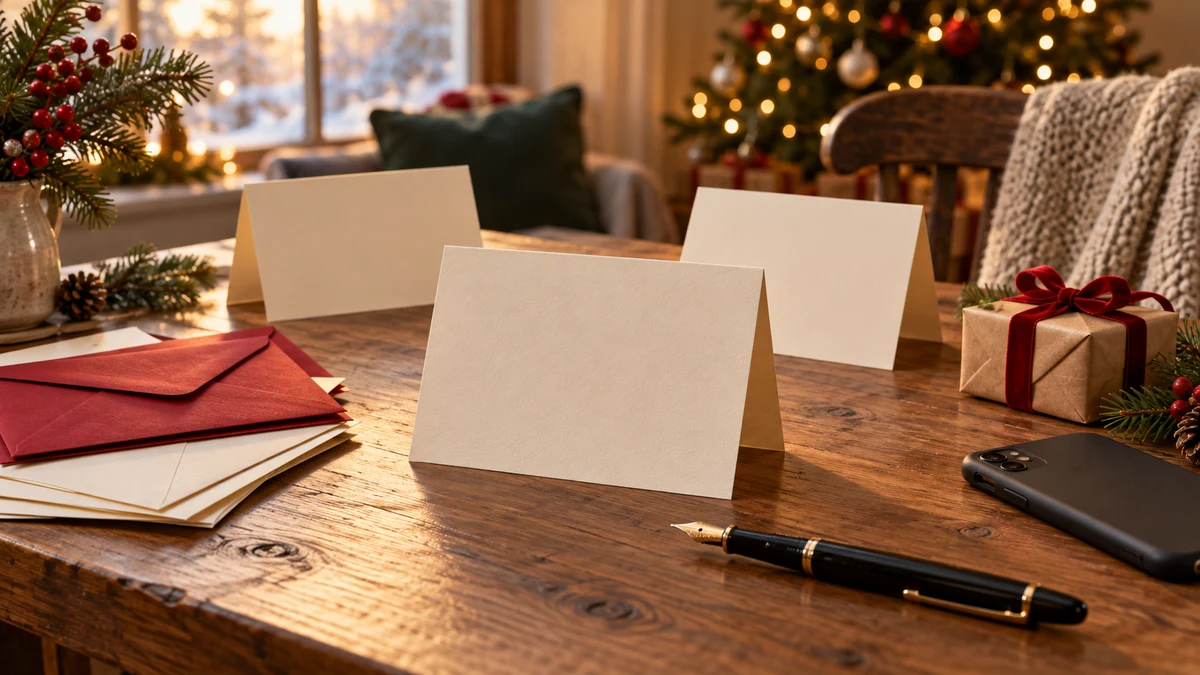
A modest gift or a carefully chosen detail can turn a greeting into a memorable gesture. What matters is how well it suits the recipient, rather than its price.
Simple, meaningful gifts
- Homemade treats: add attractive packaging and a handwritten label. Check dietary needs and include ingredients and storage information.
- A small scented candle: choose one only if the recipient enjoys fragrances; an unscented alternative may suit them better.
- A mini tea or coffee selection: two or three sachets or samples in a small box can make a thoughtful gift for a friend or colleague.
- A photo card: combine an appropriate shared photograph with a personal greeting, checking before sharing it more widely.
- An invitation: suggest a coffee or a walk together in the new year, at a time that suits you both.
Easy homemade keepsakes
- Decorated biscuits: bake a small batch, pack them in food-safe bags and tie with ribbon, with an ingredient label.
- A spice mix: use a clean, suitable jar with an ingredient list and a suggested recipe.
- A handmade bookmark: use card, ribbon and a short handwritten message.
Presentation ideas
- Simple, careful wrapping: kraft paper and string work well. Keep any decorative greenery separate from food and away from flames.
- A handwritten label: write the recipient’s name rather than relying on a generic gift tag.
- A separate note: tuck a handwritten greeting into the gift for a personal touch.
- A tactile detail: textured ribbon, a paper seal or a carefully chosen card can finish the parcel without adding fragrance.
Digital extras
- A short voice note, around 20–30 seconds: a quick personal greeting for someone who enjoys that format.
- A personal playlist: share a link to music that means something to the recipient.
- A digital card: send a simple animation or an appropriate personalised photograph by email or message.
- An electronic gift voucher: choose a shop, amount and terms that suit the recipient.
Keeping costs and waste down
- Reuse packaging: try fabric wrapping or a box that can be used again.
- Set a budget: a token gift is enough; thoughtfulness does not depend on price.
- Consider local makers: buying locally can support nearby businesses. Consider packaging and transport as well, rather than assuming every local purchase has a lower environmental impact.
Delivery and timing
- Plan ahead: check postal and courier deadlines early; posting just before Christmas may be too late, especially for overseas deliveries.
- Be discreet: in sensitive situations, arrange a welcome delivery or send a private message.
- Check preferences: confirm allergies and dietary requirements before sending food, and consider whether personal items will be welcome.
Practical tip: pair a small gift with a personal note and, if appropriate, a specific offer such as a call or visit that you can follow through on.
When to send your greeting—and what to avoid
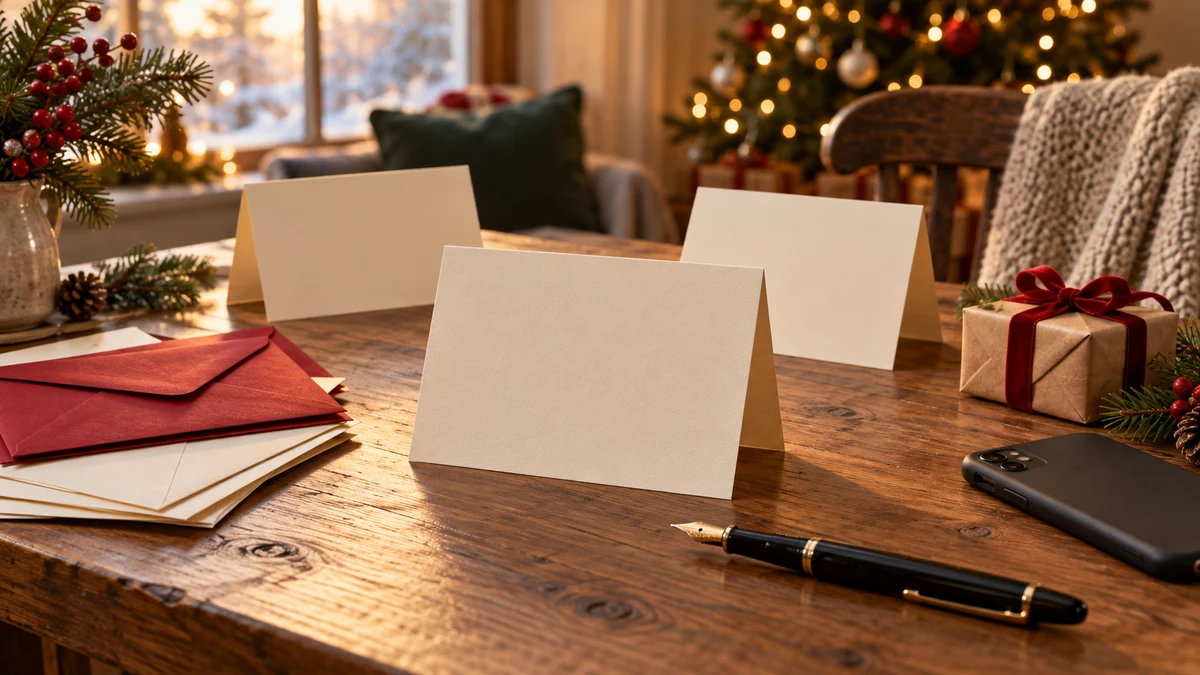
A little thought about timing and wording helps a message land as intended. These suggestions are flexible: the recipient’s circumstances matter more than a fixed sending date.
Timing for different recipients
- Family: a digital message in the days before Christmas can work well, but follow your family’s usual habits.
- Friends: a greeting before Christmas or on Christmas Eve may be welcome; take time zones and personal routines into account.
- Colleagues and clients: send your message before they finish for the holidays, rather than expecting attention during leave.
- Formal emails: use the recipient’s normal working hours where possible.
- Paper cards: post early and consult the current recommended last posting dates. Allow extra time rather than assuming a particular arrival date. Source: Royal Mail: current Christmas posting guidance and deadlines
Common pitfalls
- The wrong name: check spelling and whether the nickname you use is welcome.
- An unchanged template: a message can feel impersonal if it contains no detail relevant to its recipient.
- Strong religious or political wording: avoid assumptions about the person’s beliefs.
- Private matters in public: keep personal details out of group messages and public posts.
- Unsuitable extras: share photographs thoughtfully and check preferences before sending food or other gifts.
A quick pre-send checklist
- Check names and dates: correct typos and remove any unfilled placeholders.
- Read for tone: choose warmth, professionalism or gentle support as appropriate.
- Personalise one line: add a small, genuine detail.
- Choose a suitable format: use the channel the person is comfortable with, whether a message, email or card.
- Consider the context: bereavement, setbacks or major changes may call for particular care.
If you get something wrong
- Acknowledge it: apologise clearly and briefly.
- Correct the message: send the intended wording or explain the misunderstanding.
- Offer a conversation if welcome: suggest a call only if it suits the situation, without pressing for a reply.
- Learn from it: update your templates and check them before using them again.
Good habits to keep
- Prepare a few versions: short, medium-length and longer templates give you flexibility.
- Schedule with care: check the wording, recipient and timing, and reconsider scheduled greetings if circumstances change.
- Respect preferences: if someone asks not to receive greetings, honour that request.
- Keep it sincere: simple words in your own voice can mean more than an elaborate quotation.
A thoughtful Christmas greeting
A Christmas message can be a small but meaningful way to show affection and stay in touch. A personal detail and considerate wording matter more than length.
Thank you for reading. We hope these templates help you write greetings that sound like you and suit the people receiving them. Follow our social channels for more seasonal ideas.
Visit the I Love Christmas blog for more message ideas, recipes and decorating inspiration throughout the year.
Christmas messages: frequently asked questions
When should I send Christmas messages?
For friends and family, the days before Christmas are one option, depending on their routines. Send work greetings before holiday leave begins. For paper cards, check current postal deadlines and allow plenty of time.
How can I personalise a message naturally?
Use the person’s name, mention a brief shared memory or a specific wish, and match the tone to your relationship. Keep it concise for acquaintances and warmer for people you know well.
What should I write to colleagues or clients?
Keep it brief and professional: thank them for their support during the year and wish them well for the year ahead. Mention a particular project or contribution when relevant.
What can I say to someone who is grieving?
Acknowledge that you are thinking of them, avoid assuming how they feel and offer only support you can genuinely provide. Use a private message or card and make it clear that there is no pressure to reply.
Should I include a gift or attachment?
You can, if it suits the recipient. Check allergies and preferences before sending food, obtain permission before sharing personal photographs and avoid large email attachments. A familiar, clearly labelled link or suitable digital voucher may be easier to use.