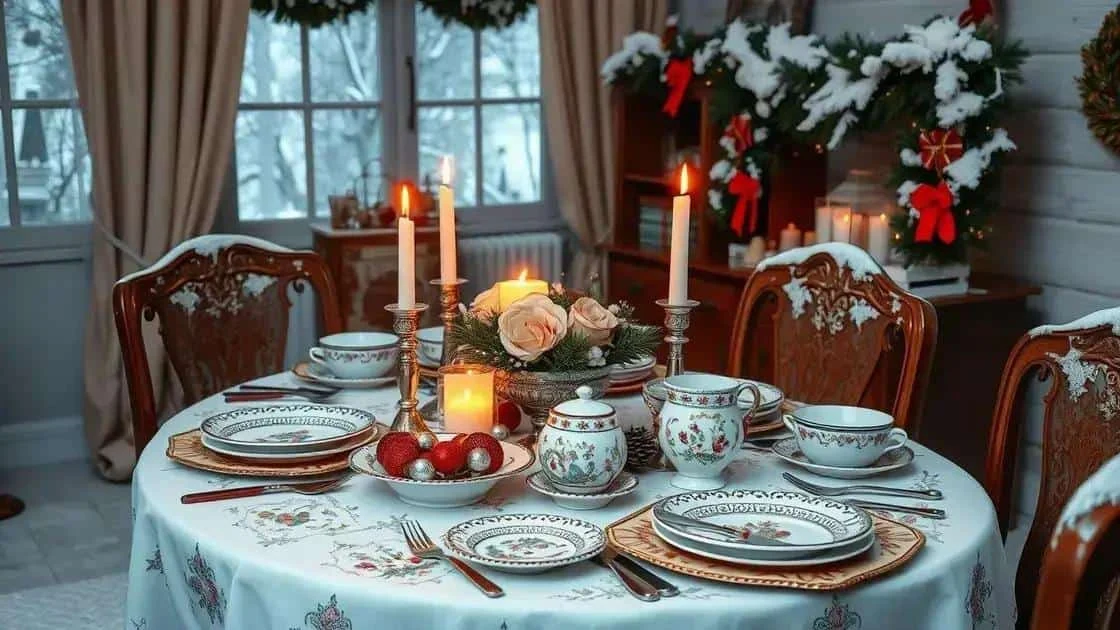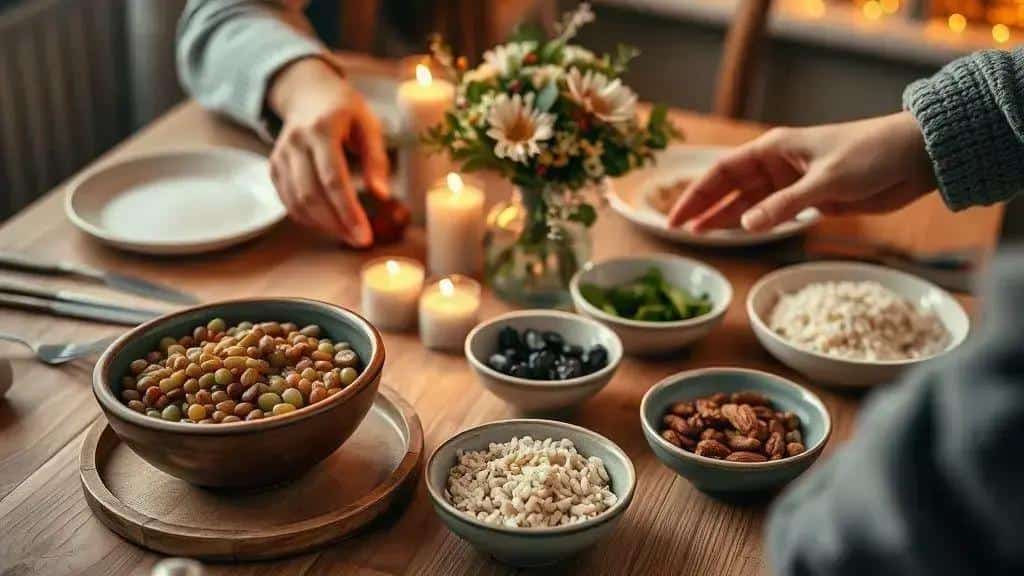
New Year’s Eve clothing colours have symbolic meanings in Brazil: white often represents peace, yellow and gold prosperity, red and pink love, and green health or hope. These are cultural associations and personal wishes, not promises of particular outcomes. Traditions differ between communities and families; comfort, personal taste and respect matter too.
New Year’s Eve clothing colours can be a lovely way to express hopes for the year ahead. Have you wondered why white, yellow or pink appear so often at Brazilian celebrations? This guide explores the symbolism and offers practical ways to bring it into your outfit, whether you are celebrating in Brazil or at home in Britain.
Illustrations in this article are conceptual images, not documentary photographs or evidence of a particular historical event, destination, venue or access route.
The traditions behind New Year’s Eve colours

Clothing at the turn of the year can carry meanings beyond fashion. In Brazil, popular customs, religious traditions and family habits all influence what people wear. Some choose a colour as a statement of hope; others simply enjoy the look. There is no single rule followed by everyone.
Historical and cultural context
Afro-Brazilian religious traditions are an important part of this story. Rio’s municipal educational organisation MultiRio links the widespread New Year custom of wearing white with Candomblé and Umbanda. Cultural exchange, sometimes described as syncretism, helps explain the overlap between religious and popular celebrations, but it does not make distinct religions interchangeable. Source: MultiRio: origins of Brazilian New Year customs
Within Afro-Brazilian traditions, particular colours can relate to orixás, deities whose meanings and practices vary between religious communities. Wearing white and some seaside New Year customs also became familiar beyond religious settings. A person wearing white at a party is not necessarily taking part in a religious rite.
Familiar colour traditions
- Wearing white — commonly expresses peace and renewal at Brazilian Réveillon, the celebration on New Year’s Eve. Spiritual meanings depend on the wearer and their tradition.
- Yellow and gold — often represent prosperity or hopes for financial opportunities; wearing them does not itself improve someone’s finances.
- Red and pink — associated in popular interpretations with passion, affection and relationships.
- Green — often chosen to express hopes for health, balance and a fresh start.
- Seaside observances — some celebrations include devotion to Iemanjá, an orixá associated with the sea. These have religious significance and should not be treated as generic party accessories. Follow community guidance and do not leave litter or objects in the water.
Customs differ between regions, families and individual celebrations. Seaside observances are visible in some coastal communities, while clothing and accessories appear at beach parties, city gatherings and private homes alike. A location alone does not tell you what someone believes.
Understanding this background makes it easier to enjoy the symbolism thoughtfully. You can choose a colour for personal reasons while recognising that particular garments, beads or rituals may carry meanings that belong to a specific religious community.
What white, yellow, red, pink and green can represent

These are common popular associations, followed by styling suggestions. They are not universal definitions or a test of whether you have dressed correctly.
White
White often stands for peace, renewal and, for some people, spiritual protection. Linen or cotton can work for a warm Brazilian evening; for a British winter celebration, try a white knit or shirt with suitable layers. Silver-coloured accessories or pearls can complement the outfit without changing its meaning.
Yellow and gold
Yellow and gold are popular symbols of prosperity and optimism. A warm-coloured top or a metallic detail can express that wish. A little sheen or a few sequins are styling choices, rather than a way to attract wealth, and something already in your wardrobe can do the job.
Red
Red is often associated with passion, strength and courage. Choose a dress, jumper, shirt or accessory if that symbolism appeals to you. A single red piece makes a clear focal point; wearing more is equally fine if it suits your style. Confidence and relationships do not depend on the colour itself.
Pink
Pink commonly suggests affection, tenderness and care. It offers a softer alternative to red for someone thinking about love or reconnection. Pink with white, cream or another neutral shade can create a gentle combination, but the best choice is one you feel comfortable wearing.
Green
Green is associated with health, balance and hope. Pale and deep greens offer different visual effects, from light and fresh to rich and understated. Wooden accessories or natural-looking textures can suit the palette. These are aesthetic and symbolic choices, not ways to prevent illness or improve health.
Practical tips for choosing a colour
- Think about the wish you want to express: peace, love, prosperity, health or something personal to you.
- One statement piece is enough if you want simplicity. Mixing several colours is also fine; it does not cancel out your wishes.
- Choose materials and a fit that feel comfortable, so you can enjoy the evening rather than keep adjusting your clothes.
- If you want to express more than one idea, try a second colour in an accessory or another part of the outfit.
Quick outfit ideas
Try white with pearls for a peaceful theme; a yellow blouse, jeans and a gold-coloured accessory for prosperity; red with neutral shoes for a bold look; pink with a flowing skirt for a romantic feel; or a green shirt with wooden jewellery for a nature-inspired palette. Add warm layers and weather-appropriate shoes where needed.
Choosing a colour to reflect your hopes for the year

Start with what matters to you: calmer days, closer relationships, a work opportunity or better habits. A colour can serve as a personal reminder of that intention. The actions you take afterwards, rather than the outfit, are what can help you work towards it.
Match a colour to an intention
- Peace and renewal: white or a neutral palette.
- Prosperity and work: yellow or gold as a symbolic choice.
- Love and relationships: red or pink.
- Health and balance: green or nature-inspired shades.
- Confidence and energy: orange or another vivid colour you enjoy; this is a personal styling suggestion, not a fixed tradition.
Choose a focal piece
A dress, blouse, jumper or accessory can carry the colour. One key piece is enough to build an outfit around, particularly if you want to use clothes you already own rather than buy a complete new set.
Add accessories and texture
Use accessories to echo your chosen theme. Pearls or silver-coloured pieces might suit an outfit inspired by peace; gold-coloured details can suggest prosperity; and wood or woven textures may complement a green palette associated with health. These associations are optional, not rules about what jewellery can do.
Quick practical checks
- Try the outfit on beforehand and check that you can sit, walk and move comfortably.
- Choose fabrics and layers for the actual weather as well as your personal style.
- If you do not have the exact colour, a similar shade or a small accessory works just as well as an expression of your wish.
- Learn about local meanings before borrowing a religious garment or practice from another tradition.
- For two intentions, you could use one colour for the main piece and another for an accessory.
Putting it together
A subtle gold top with white trousers might express hopes for prosperity and peace. A soft pink dress with comfortable neutral shoes could suit an evening centred on affection and friendship. Small choices can make an outfit feel personal without requiring a new wardrobe or promising a particular result.
Colour combinations and accessories for a coherent outfit
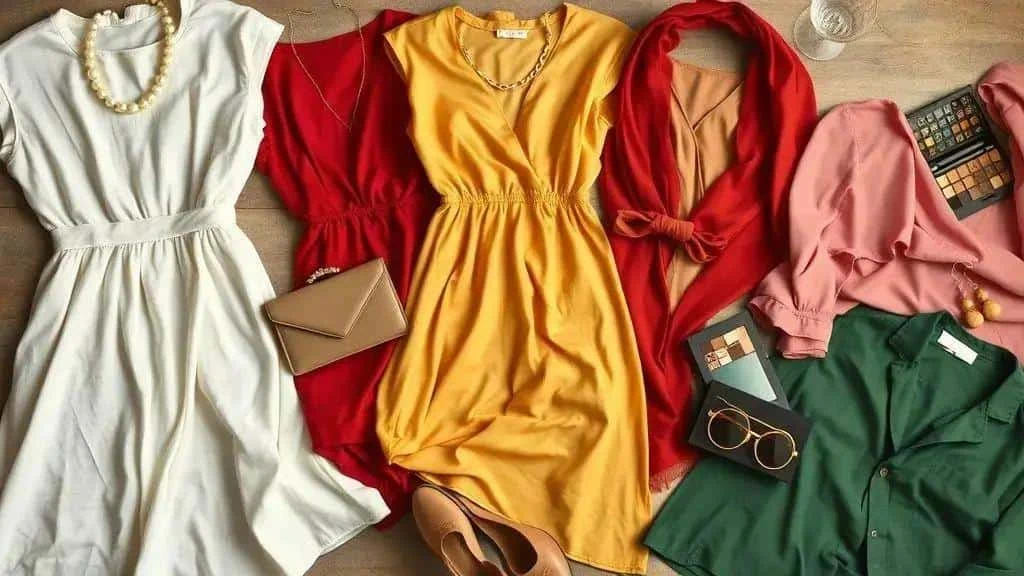
Keep the starting point simple: choose a main colour that appeals to you, then decide whether you want a neutral background or a more colourful combination.
Ways to combine colours
A mostly single-colour outfit: a yellow dress with neutral shoes creates a clear colour theme, for example. You do not need every item to match exactly.
One statement detail: a bag, scarf or belt can bring in your chosen colour if you prefer a subtler look.
- With white, texture such as lace, linen or a knit can add interest without introducing another colour.
- Red can be the focal point with neutral pieces around it, or part of a brighter combination if that feels more like you.
- Yellow and gold can work with small metallic accents, but adding metal is a styling option rather than a requirement.
Accessories and personal meaning
Accessories can make the theme more visible. Gold-coloured jewellery may echo a prosperity theme, while silver-coloured pieces and pearls can complement white. Wooden or woven details suit a natural palette. None of these materials amplifies luck or changes health outcomes.
- Necklaces and earrings draw attention to the face and can carry sentimental meaning, such as a gift from someone important to you.
- Belts and shoes help tie an outfit together. Warm colours may suit your palette, but they do not signal or create financial stability.
- Scarves and small fabric details make it easy to try a colour without changing the whole outfit.
Combining two intentions
Choose one main colour and a second in the accessories if you like. A white outfit with a gold-coloured bag could symbolise peace and prosperity, for example. There is no limit on how many wishes you can have.
Finishing touches and using what you own
A coloured hair accessory, nail varnish or meaningful second-hand piece can be enough. Wearing clothes again avoids buying something new just for one evening and lets familiar items become part of another celebration.
- Try the full combination before the evening, including any coat and shoes you will need.
- Think about the temperature and how much walking, dancing or sitting you expect to do.
- If you are undecided, a small accessory is a simple way to explore a colour without committing to a whole outfit.
Colour traditions for families and children
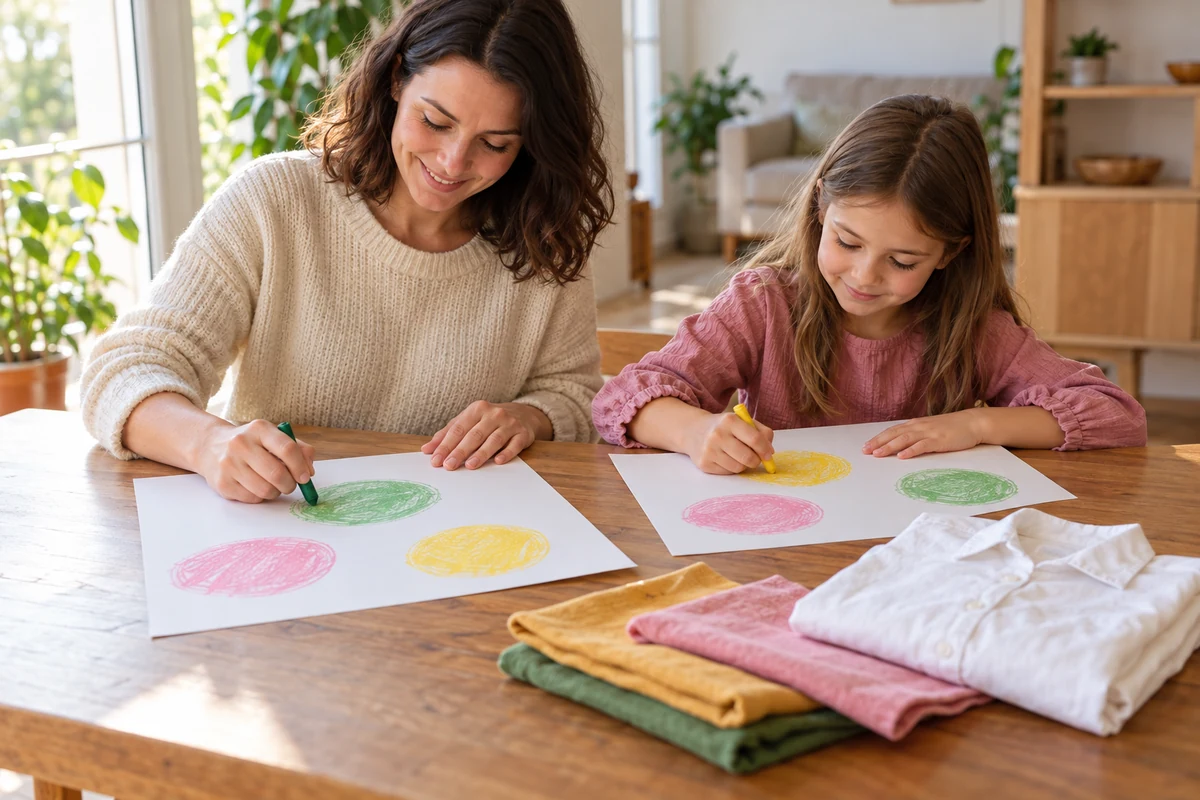
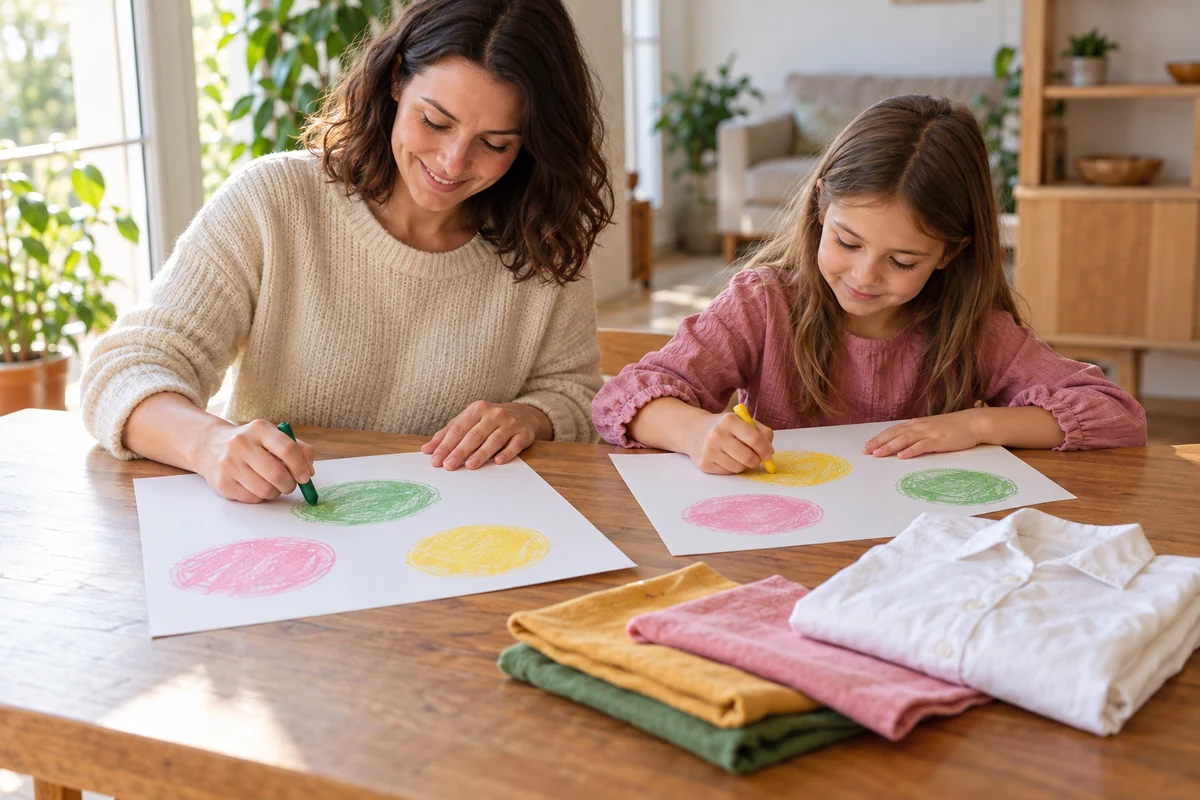
Making colour choices together can turn preparations into a playful family activity. Children can enjoy choosing and creating without being told that a certain colour will make good things happen.
Simple symbolic activities
Pick short activities suited to the children’s ages and abilities, with adult supervision and appropriate materials. There is no need to buy special craft supplies.
- Colour hunt: ask children to spot large coloured objects in a safe indoor space and match them to wishes or feelings. Avoid small hidden items and do not organise a search near water or other hazards.
- Wish bracelets or cards: older children may enjoy an age-appropriate bead kit under supervision. For younger children, draw coloured circles on paper instead; beads and detachable clasps are not suitable simply because an adult is nearby.
- Painted stones: for children old enough not to mouth objects, use suitably large, smooth stones and age-appropriate craft paint. Display the finished pieces rather than treating them as toys for babies or toddlers.
- Wish cards: children draw in their chosen colour and write or dictate a short wish. Arrange the cards together as a family display.
Explaining colour symbolism to children
Use familiar examples and make it clear that people give colours different meanings. The colour represents a wish or feeling; it cannot guarantee presents, good health or a particular kind of year.
- White: a wish for peaceful moments, a gentle hug or a calm evening.
- Yellow: sunshine, cheerfulness and hopes for new opportunities.
- Red and pink: affection, caring for friends and spending time with family.
- Green: nature, outdoor play and a wish for well-being.
Ask, ‘Which colour makes you feel happy?’ Respect the answer, including a colour that is not on the usual New Year list.
Family outfit ideas
A shared palette can be fun, but comfort and individual preferences come first. Nobody needs to wear an unwanted outfit to make the family look coordinated.
- A shared base colour: neutral clothes, such as white or beige, with each person choosing their own coloured accessory.
- Two colours together: an adult might wear one main colour and a child another, or everyone can pick independently. The point is participation, not a perfect photograph.
- Comfortable clothes: soft fabrics, suitable layers and secure footwear for walking or dancing in a safe space. Keep children away from the water’s edge during crowded night-time celebrations.
Choosing materials safely
Use products intended for the child’s age and the activity. The NHS advises keeping small objects away from babies and toddlers; check for loose parts and remember that older children’s supplies may be unsuitable for younger siblings. Source: NHS: baby and toddler safety
- Use craft paint only as directed. Face painting requires a product specifically intended for skin; a ‘non-toxic’ craft label does not make ordinary paint suitable for faces.
- Follow the age guidance on bead kits and keep beads, clasps and buttons out of young children’s reach. Choosing a larger bead is not a guarantee of safety.
- Avoid long ribbons, necklaces and loose cords around young children. Put craft materials away after the activity rather than leaving them within reach.
Reusing materials together
Clean clothes and suitable leftover materials can become part of the activity. Reusing something you already have can save money and gives children a practical example of caring for possessions.
- Turn a worn T-shirt into a small fabric patch or another supervised craft detail. Avoid making trailing ties or cords for young children.
- Use an unbreakable container for wish cards. Keep painted stones separate and out of the reach of children who might put them in their mouths.
- Consider a well-made second-hand accessory or a simple handmade detail, checking condition and suitability before a child wears it.
Brazilian regional variety and international comparisons

Brazil has many overlapping traditions rather than a fixed colour code for each region. Local religious communities, family histories, fashion and personal taste all influence celebrations. It is more helpful to ask about a particular event than to assume everyone in an area follows the same practice.
Coastal celebrations and devotion to Iemanjá
White clothing and seaside observances are visible at some celebrations in places such as Rio de Janeiro and Bahia. Iemanjá has particular significance in Afro-Brazilian religions. Not every seaside festival is a New Year event: Salvador’s well-known festival honouring her takes place on 2 February, as Bahia’s official visitor information explains. Source: Bahia government: the 2 February festival honouring Yemanjá
Religious traditions are not a regional dress code
Afro-Brazilian and Indigenous traditions are diverse and should not be combined into one generic explanation. Colourful clothes can be a fashion choice, while particular beads or garments may have a specific religious role. Ask knowledgeable members of the relevant community rather than interpreting someone’s beliefs from their outfit.
City celebrations and varied styles
At urban gatherings, symbolic colours may sit alongside international fashion, formal wear or casual clothes. Some people choose an accessory rather than an entire outfit in one colour. That variety is not exclusive to southern Brazil or any other region.
Comparing international traditions
In Chinese culture, red is associated with good luck; the Bank of England Museum describes its use in money envelopes at Lunar New Year. That festival follows a different calendar from 31 December. Similar colours can have different meanings, so this comparison should not be treated as proof that one custom directly produced another. Source: Bank of England Museum: Lunar New Year and red envelopes
Examples of thoughtful choices
- At a beach celebration in Rio or Bahia, you might choose white clothing while observing local customs respectfully. You do not need to place flowers, ribbons or other objects in the sea to take part in the celebration.
- At a city gathering in southern Brazil, choose an outfit for the venue and forecast. A neutral palette with a gold detail is one possibility, not a regional requirement.
- When visiting an Afro-Brazilian religious community, ask about appropriate dress and behaviour. Sacred beadwork and colours may have specific meanings that are not suitable to copy as costume.
Adapting with respect
Learn before adopting a ritual and seek guidance where appropriate. Respect includes listening to the people whose tradition it is, recognising sacred objects and supporting local craftspeople without turning a religious practice into a party prop.
Practical tips for different settings
- Find out about the particular event and its customs before joining in.
- Use light clothes in warm conditions and suitable layers in cold weather. December is summer in Brazil and winter in Britain.
- If an ordinary colour association appeals to you, a simple accessory can express it without copying religious dress.
- Follow local environmental rules and community guidance. Do not leave litter, ribbons, containers or other objects on the beach or in the sea.
Personalising an outfit with less waste
A small alteration can make a familiar outfit feel special. Start with something you already own, choose a manageable project and check that the materials suit the garment.
Simple ways to customise clothes
- Patches and repairs: use a piece of clean spare fabric to cover a worn area or create a decorative shape.
- Basic embroidery: a few chain or satin stitches can add colour to a collar, hem or pocket. Try the stitch on a scrap first.
- Small dye experiments: plant materials such as turmeric, beetroot or onion skins may produce colour, but results and resistance to washing vary. Test on spare fabric; ‘natural’ does not automatically mean safe, durable or environmentally preferable.
- Buttons and small details: reuse suitable wooden or metal buttons, checking that they are sound and securely attached.
- Iron-on patches: follow the patch instructions and the garment’s care label. Some fabrics cannot tolerate the required heat, so sewing may be a better option.
Useful materials and tools
- A suitable needle and thread; use what you already have if it is strong enough for the fabric and repair.
- Clean cotton, linen or other fabric scraps, ideally with similar washing requirements to the garment.
- Sound buttons in wood, corozo or metal, without sharp edges or loose parts. Keep them away from young children.
- Textile paint intended for the chosen fabric, a small brush and any protective equipment specified on the label.
- For a colour experiment, turmeric, beetroot or onion skins are possibilities, but they are not interchangeable textile dyes. A product with clear instructions for your fabric may give more predictable results.
Where to find clothes and inspiration
- Charity shops and second-hand clothing shops can offer interesting pieces; check condition, fit and care needs before buying.
- Local swaps and community sales let you find something different without necessarily buying new.
- Hiring an occasion outfit may suit a piece you would rarely wear. Compare the full cost and practical arrangements with using or borrowing clothes you already have.
- Local makers can offer repairs, alterations and distinctive accessories, as well as advice about suitable materials.
Helping an altered garment last
- Follow the care labels for the garment and any added materials. A cold or delicate wash is suitable only where those instructions allow it.
- Use an appropriate detergent and avoid bleach where it could damage the fabric, colour or decoration.
- Dry as directed; air-drying away from strong sunlight can be useful for some garments, but check the label rather than assuming one method suits everything.
- Repair loose stitching and buttons before they become bigger problems.
Two small projects to try
Testing a colour effect on spare fabric
- Start with a small piece of spare white cotton, not the garment you plan to wear. Protect the work surface and keep the activity separate from food preparation.
- Choose a textile dye suitable for the fabric and follow its preparation instructions. If you prefer a plant-dye experiment, use a reliable textile-specific method rather than assuming a kitchen ingredient will produce a permanent colour; adults should handle heat and any treatment chemicals.
- Follow that method’s timing and handling guidance. A darker wet sample does not tell you how the finished colour will look or how well it will survive washing.
- Rinse and dry as instructed, then test for colour transfer and washing performance before deciding whether to alter a garment. A clear rinse alone does not prove the colour is fixed.
Sewing on a patch
- Cut the patch with roughly 0.5–1 cm of extra fabric around the edge for turning under, if that suits your chosen finish.
- Position it over the area you want to cover and secure it with pins or another suitable sewing aid. Adults should handle sharp tools and account for them afterwards.
- Stitch around the edge by hand or machine, keeping the patch flat and the stitches secure.
- Trim any loose threads and press only if both fabrics and their care instructions allow it. Remove all pins before wearing the garment.
Final practical tips
- Test paints and dyes on spare material before using them on a favourite garment.
- A small repair or removable detail may be easiest if you want to wear the clothes in other settings too.
- Photograph the process and keep notes on materials and care instructions so you can repeat or maintain the result.
Bringing your colour choice together
New Year colours can express personal hopes and connect you with a tradition. Choose a meaning that resonates with you, while remembering that no colour determines the year ahead. Your outfit can be comfortable, familiar and meaningful all at once.
Put comfort and cultural respect first. A personal intention, thoughtful use of clothes you already own and an understanding of the setting can make the choice feel special without making it complicated.
Thank you for reading. Follow us on social media and explore the I Love Christmas blog for more seasonal ideas, outfit inspiration and family activities.
Share this guide with someone planning their celebration, and tell us which colours you enjoy wearing at New Year.
Frequently asked questions about New Year’s Eve colours
What does wearing white on New Year’s Eve mean?
In Brazil, white is commonly associated with peace and renewal, with important connections to Afro-Brazilian religious traditions. People may choose it for spiritual, personal or purely aesthetic reasons; wearing it does not guarantee a peaceful year.
Do yellow and gold really bring prosperity?
They symbolise prosperity in popular interpretations, but there is no evidence that wearing them creates wealth. You can use the colour as a reminder of your goals while taking practical steps towards them.
Can I mix colours to represent more than one wish?
Yes. One colour in the main outfit and another in an accessory is a simple approach, but you can combine colours however you like. There is no rule that mixing them cancels a wish.
How can children join in safely?
Try drawing colour-themed wish cards, spotting large coloured objects indoors and choosing comfortable clothes. Use age-appropriate materials under supervision, keep small parts and cords away from young children, and let them choose their own colours.
How can I respect traditions from another culture?
Learn about the particular custom and listen to the relevant community. An ordinary colour choice is different from copying sacred beadwork, clothing or a ritual. Ask for guidance before borrowing practices with religious significance.
How can I personalise an outfit with less waste?
Repair or alter something you own, borrow an accessory or look for a suitable second-hand piece. Test any dyes or paints first; natural dyes are not automatically durable or harmless. Following the garment’s care instructions helps keep it wearable.
Sources and Further Reading
- MultiRio: origins of Brazilian New Year customs
- Bahia government: the 2 February festival honouring Yemanjá
- Bank of England Museum: Lunar New Year and red envelopes
- NHS: baby and toddler safety