Christmas in Finnish Lapland brings together Rovaniemi’s Santa Claus attractions, snowy landscapes and seasonal activities such as reindeer and husky sleigh rides. Northern Lights sightings depend on darkness, clear skies and solar activity. Plan for cold weather, variable conditions and the individual rules of each attraction.
Christmas in Finnish Lapland evokes reindeer, sleighs and forests beneath a winter sky. Turning that festive picture into a comfortable trip takes some practical planning, especially when travelling with children.
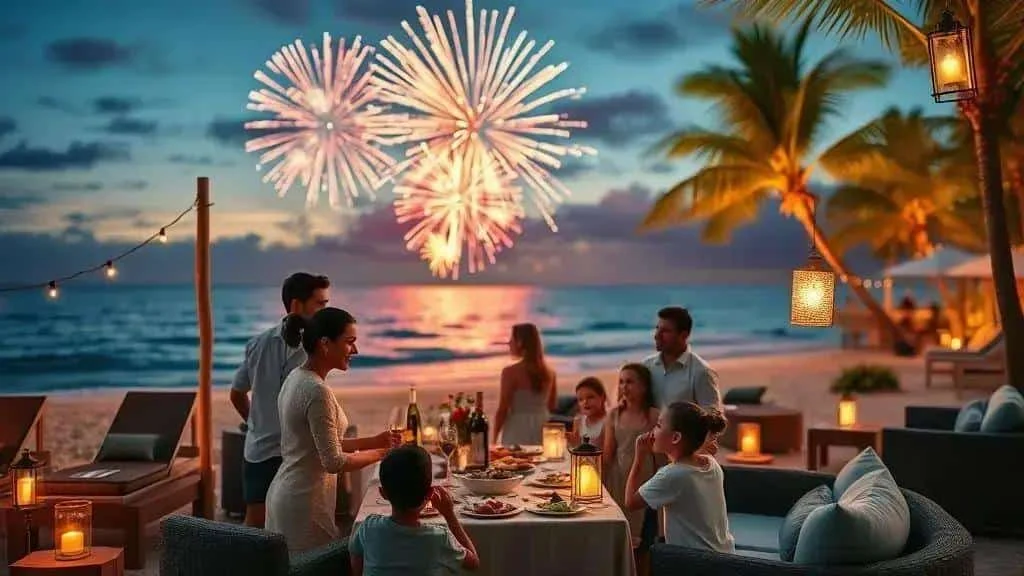
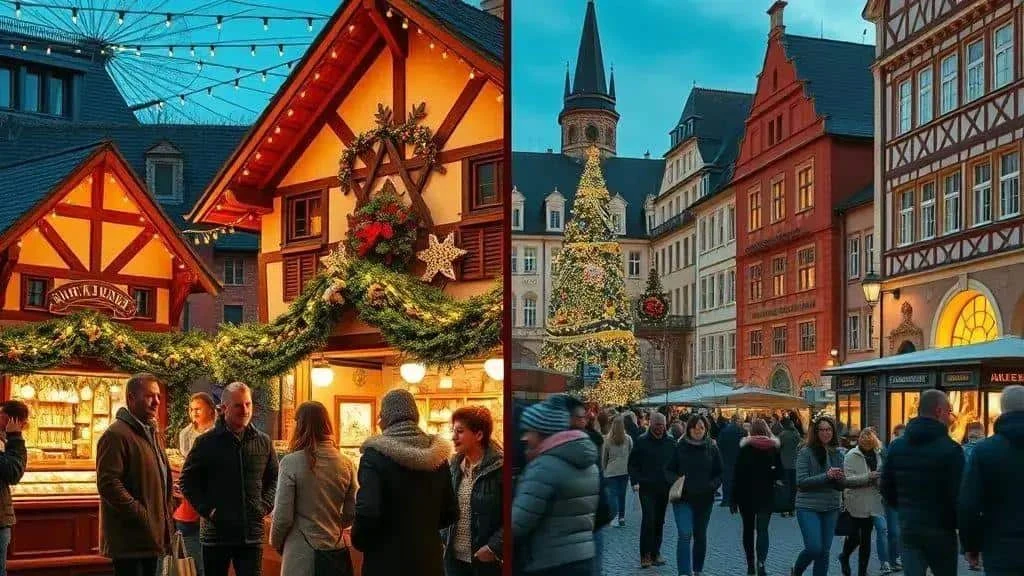
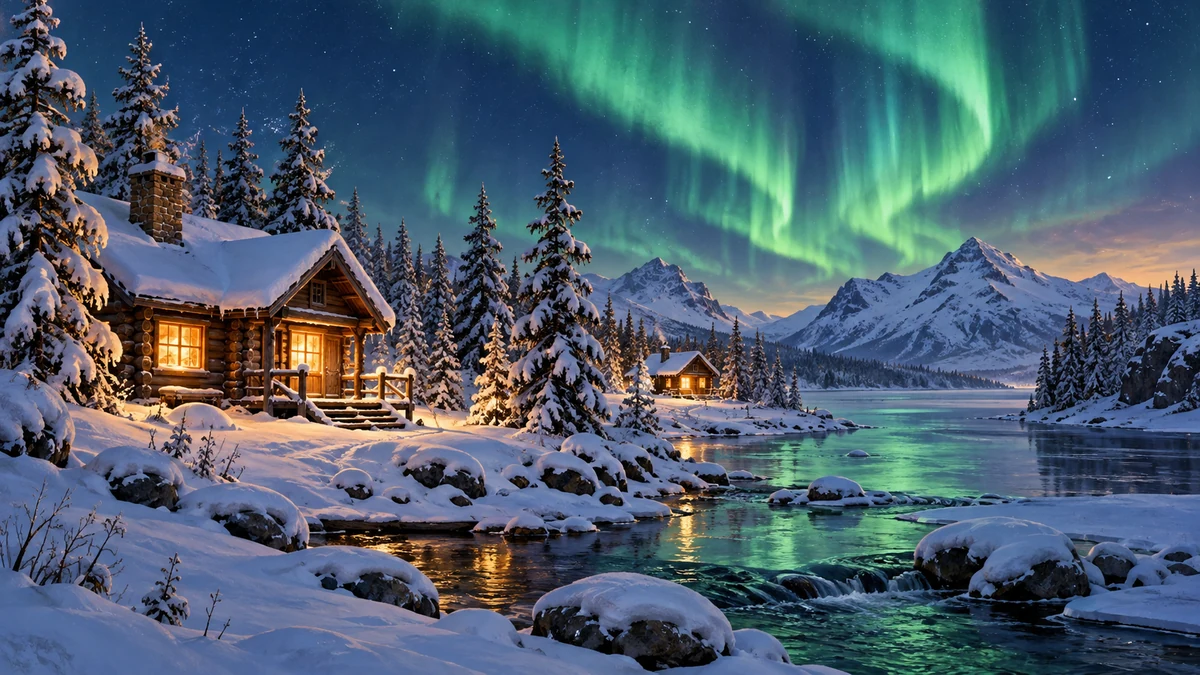
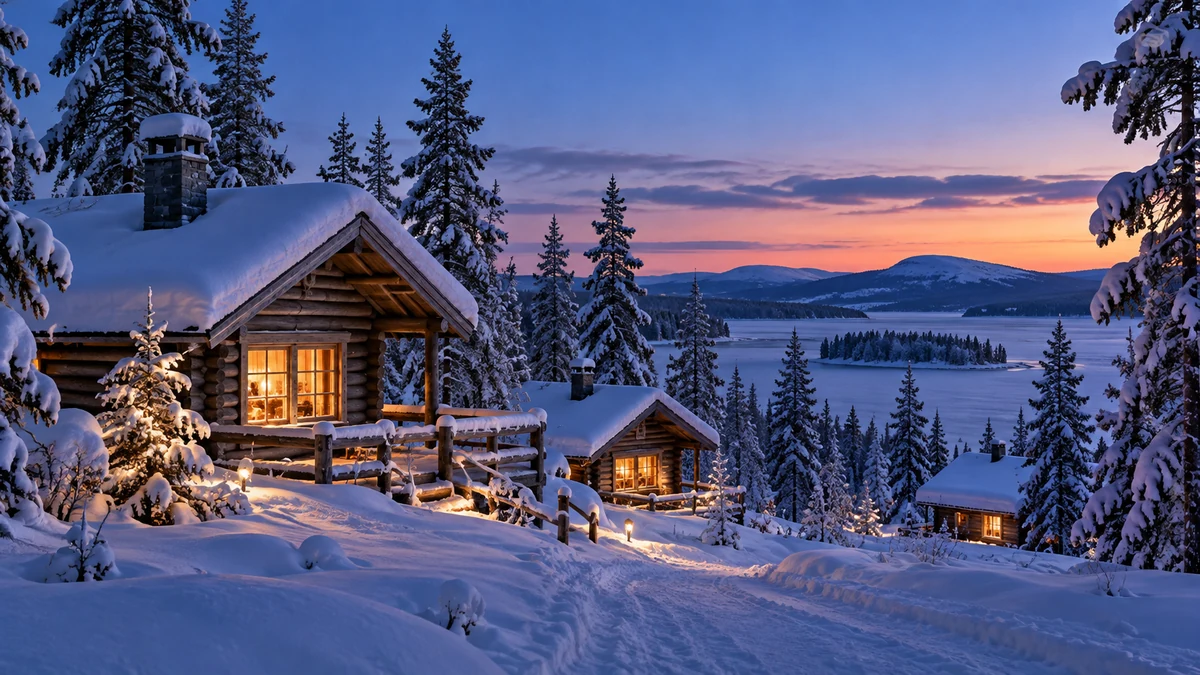
Illustrations in this article are conceptual images, not documentary photographs or evidence of a particular historical event, destination, venue or access route.
Why Lapland is associated with Father Christmas
The association between Christmas in Finnish Lapland and Father Christmas combines Finnish storytelling, northern landscapes and modern visitor attractions.
Stories and traditions
In Finland, Father Christmas is known as Joulupukki. A familiar Finnish story places his home on the fell of Korvatunturi, while Rovaniemi provides a public setting in which visitors can meet Santa. These are Christmas traditions and stories, not evidence of a historical residence. Sámi culture is a distinct living culture and should not be treated as part of a Santa-themed fantasy. Source: Visit Rovaniemi: Santa Claus and Christmas traditions
A landscape that inspires Christmas imagery
Snow-covered conifers, reindeer and long winter nights help explain the appeal of Lapland in Christmas stories. The Northern Lights add another association, although they cannot be guaranteed on any visit.
Rovaniemi and modern tourism
Rovaniemi is a well-known base for Santa-themed tourism in Finnish Lapland. Santa Claus Village combines visitor attractions, shops and a special post office, turning the festive story into activities that families can experience.
Culture and popular imagery
Books, films and travel publicity have helped spread the image of Lapland as Santa’s home. Pictures of sleighs, forests and winter skies reinforce that connection around the world.
Why the association appeals
Northern scenery provides an evocative setting, while familiar Christmas characters make it easy for visitors to connect with the story. Enjoying that atmosphere can sit alongside learning about the region’s real communities and history.
When to visit and what weather to expect
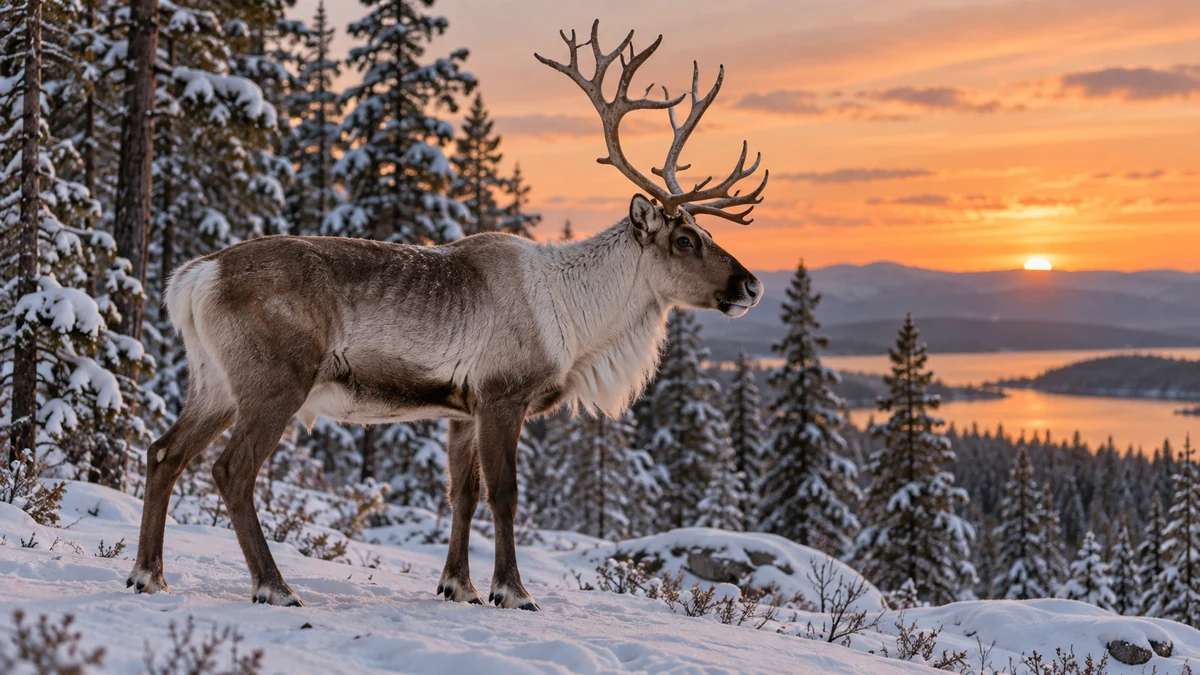
Choose your season according to your priorities: Christmas attractions, snow activities, the Northern Lights or summer landscapes. Conditions vary across Lapland and from year to year.
Winter snow and the festive season
December is especially popular for Christmas trips, while winter activities continue beyond the festive period where conditions allow. Temperatures can fall far below freezing, but neither a particular temperature range nor suitable snow for every activity is guaranteed. Check local forecasts and your operator’s arrangements.
When to look for the Northern Lights
In northern Finland, the viewing season generally runs from late August to early April, when nights are dark enough. Clear skies and auroral activity matter more than choosing a particular holiday date. Move away from bright lights using safe, permitted routes. Source: Visit Finland: Northern Lights season
Spring and changing conditions
March and April can offer longer days alongside remaining snow. Check the specific destination and activity, as warmer weather can alter routes, ice conditions and tour availability.
Summer and the midnight sun
Around midsummer, northern Lapland experiences the midnight sun, with timing depending on latitude. Forests, fells and lakes offer a different setting for walking and other permitted outdoor activities. Pack for changeable weather rather than assuming constant warmth.
Autumn colours and quieter periods
Autumn brings colourful foliage and increasingly dark nights. Some dates may be quieter than Christmas, but check local seasons, opening times and accommodation prices before booking.
Daylight and darkness
Winter daylight is short, with polar-night conditions farther north, while summer nights can remain light. The exact pattern depends on where and when you travel. Plan outdoor activities around local daylight and weather.
Practical planning
Compare accommodation and activities early for popular dates. Check whether your insurance covers the winter activities you intend to do. Staying several nights offers more opportunities to look for the aurora, but no length of stay guarantees a sighting.
Clothing and equipment
Pack layers: thermal base layers, an insulating fleece or wool layer, suitable outerwear and warm boots. Add a hat and insulated gloves or mittens. Keep spare batteries protected from the cold and follow the manufacturer’s operating guidance.
What to see in Rovaniemi
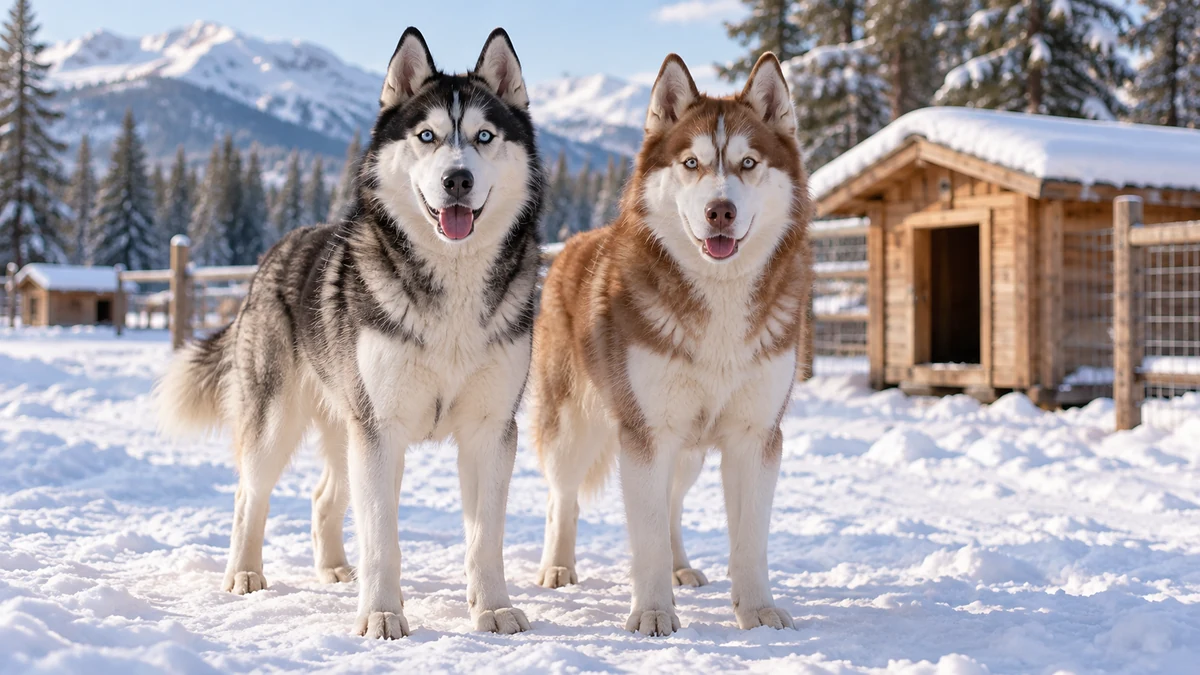
Rovaniemi offers Santa-themed attractions, museums and access to winter excursions. Build in indoor breaks and leave enough time for travel between activities.
Santa Claus Village
Santa Claus Village is associated with the Arctic Circle and includes Santa Claus Office, shops and other visitor experiences. Check each attraction’s arrangements separately rather than assuming one ticket covers the whole village.
Meeting Father Christmas
The regular meeting at Santa Claus Office is free and normally does not require advance booking. At busy times, follow its current entrance-time arrangements. Check the official visitor instructions before going: personal photography is not allowed in Santa’s room, and optional professional photographs cost extra. Source: Santa Claus Office: visitor questions
Santa Claus’s post office
Sending a postcard from the village’s special post office can make a memorable souvenir. Check current opening times and postal arrangements, particularly if you hope a card will arrive before Christmas.
Reindeer, huskies and sleigh rides
Operators offer a variety of reindeer and husky experiences. Duration, snow requirements and inclusions differ. Confirm transport, clothing, age and weight restrictions, accessibility and any relevant insurance before booking.
Arktikum and cultural attractions
Arktikum is a museum and science centre exploring northern nature, cultures and history. It offers a useful complement to outdoor activities; check its current exhibitions and opening arrangements.
Ranua Wildlife Park and other excursions
Ranua Wildlife Park is a separate excursion from Rovaniemi, with Arctic and northern animals including polar bears. These are animals in a wildlife park, not a promise of wild polar bears in Finnish forests. Check transport, daylight and the park’s current visitor information.
Planning your visits
Allow time for queues, meals and warm-up breaks rather than filling every hour. Wear suitable winter layers and footwear. For evening excursions, use an established operator or a safe route appropriate to your experience.
Reindeer rides, Northern Lights and husky experiences
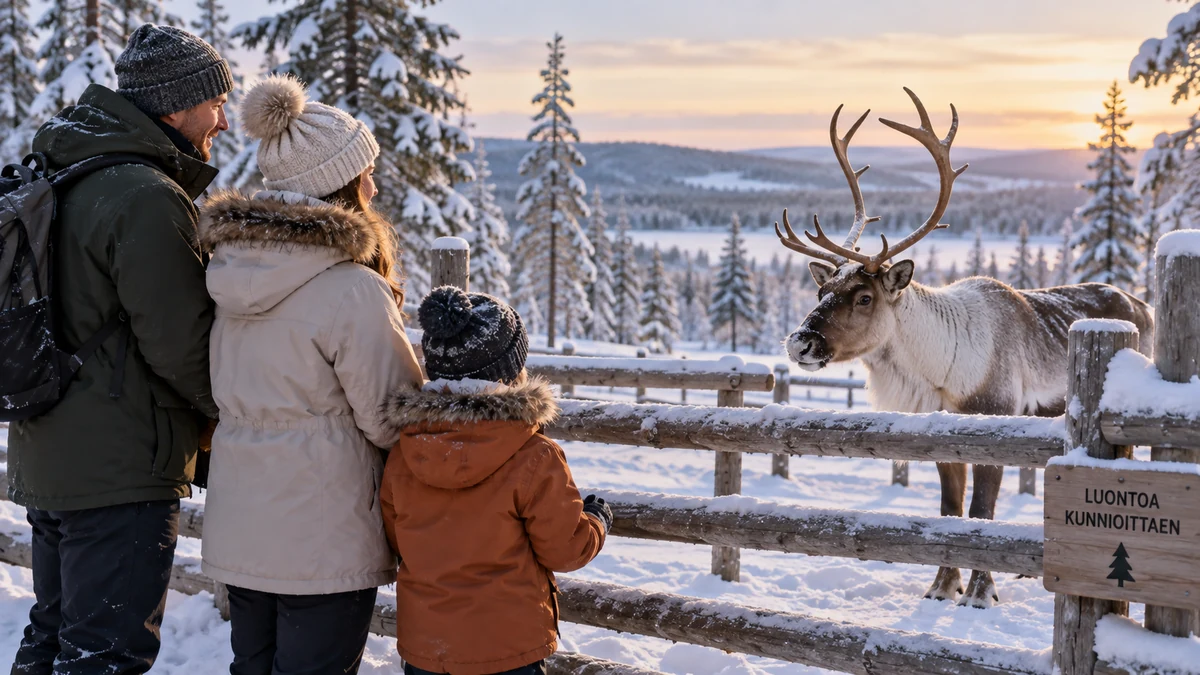
Reindeer activities, Northern Lights excursions and husky sleigh rides offer different ways to experience winter landscapes. Choose according to your group, the conditions and the operator’s welfare and safety practices.
Reindeer experiences
Activities range from short visits to longer excursions. What to check: the time spent with animals, the ride itself, clothing and transfers. Do not assume every reindeer attraction is Sámi-run or provides authentic Sámi cultural interpretation; check who operates it and how the culture is represented. Source: Sámi Parliament: responsible Sámi tourism
Northern Lights excursions
Choose an excursion suited to the forecast, season and your tolerance for time outdoors. Practical tips: read cancellation and rebooking conditions, check how long you may be outside, and remember that cloud or weak activity can prevent a sighting despite a well-planned tour.
Husky sleigh rides
Trips vary from short rides to longer journeys. A typical booking may involve a safety briefing and either riding as a passenger or driving under instruction. Do not assume a professional shares every sled. Confirm supervision, fitness requirements and the rules for children.
Practical precautions
- Book suitable activities in good time for popular winter dates.
- Check transfers, winter clothing and insurance arrangements individually.
- Keep clothing dry and take warm-up breaks when needed.
- Discuss pregnancy, medical conditions or mobility needs with the operator and an appropriate health professional before booking a demanding activity.
Choosing an operator
Read recent reviews and check safety information, animal welfare practices and the language of instruction. Compare the actual duration, inclusions and cancellation terms, rather than relying on promotional photographs alone.
What to wear and bring
- Warm layers: a moisture-managing base layer, insulation and outerwear appropriate to the forecast and activity.
- Footwear: insulated, weather-resistant boots with suitable grip and enough room for warm socks.
- Accessories: a warm hat, insulated gloves or mittens, spare socks and lip balm.
- Useful equipment: a head torch, protected spare batteries and suitable storage for cameras or phones.
Photography and enjoying the moment
For aurora photography, use a tripod and experiment with your camera’s night settings rather than relying on a single exposure for every display. On a phone, keep the device stable. Remember: long exposures can show colours more strongly than your eyes do, and cold weather affects batteries.
Documents, clothing and transport
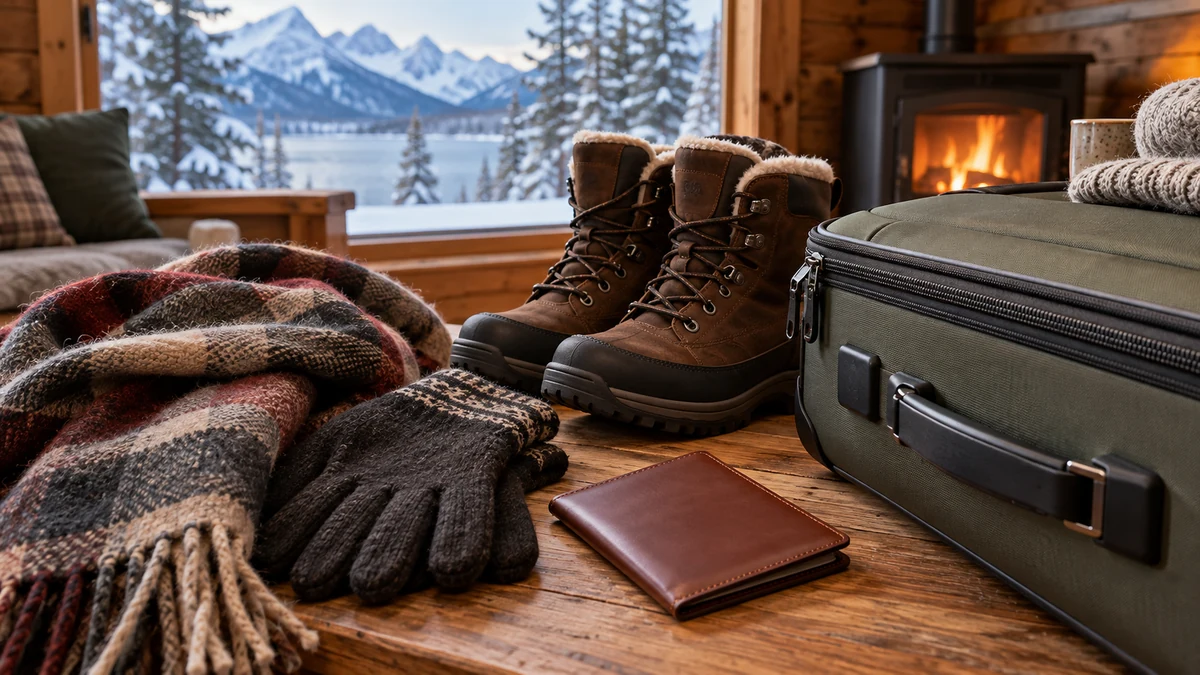
A comfortable Lapland trip depends on practical arrangements as much as attractions. Check documents, seasonal clothing and onward transport before travelling.
Entry documents
Check the Schengen entry requirements that apply to your nationality. British visitors should consult current FCDO guidance, including passport issue and expiry rules and the limit on visa-free stays. Keep secure copies of relevant documents; a copy does not replace an original required at the border. Source: GOV.UK: Finland entry requirements
Insurance and health arrangements
Choose travel insurance that covers your intended activities and circumstances, checking exclusions rather than assuming all winter sports or weather disruption are included. Check medicine requirements and keep emergency details accessible. Finland’s emergency number is 112.
Essential clothing and equipment
Use layers suited to the weather, your activity and the time spent outdoors:
- Base layer: thermal clothing that manages moisture.
- Insulating layer: fleece or wool appropriate to the conditions.
- Outer layer: sufficiently warm, wind-resistant and weather-resistant clothing.
- Footwear: insulated boots with suitable grip, plus spare warm socks.
- Accessories: a hat, insulated gloves or mittens, a scarf or suitable face covering and lip balm.
- Useful extras: protected storage for electronics and traction aids where appropriate. Follow instructions for hand warmers and remove outdoor spikes where venues require it.
Getting there and getting around
Compare direct seasonal flights with routes via Helsinki, where onward flights and rail connections may be available. Check actual dates and transfer arrangements rather than assuming every route operates throughout the year.
- Flying: allow suitable connection time and check baggage allowances for bulky winter clothing.
- Rail and coach: compare journey lengths, overnight options and connections to your accommodation.
- Hiring a car: assess your winter-driving experience and check current local requirements, tyres and road conditions with the rental company.
- Taxis and transfers: confirm the fare, pick-up point, luggage space and any child-seat requirements in advance.
A practical booking checklist
- Arrange accommodation and activities early enough to find suitable options for busy dates.
- Check local weather and aurora forecasts without treating either as a guarantee.
- Read weather-related cancellation and rebooking conditions for excursions.
- Bring a compatible plug adapter and check airline rules for any power bank. Keep batteries protected in the cold.
- Check payment arrangements at your accommodation and activities, and carry a sensible backup payment method.
Responsible behaviour outdoors
Follow instructions around animals and on trails. Do not venture onto unfamiliar ice or into remote darkness without appropriate local knowledge. Respect private property and the everyday lives of local communities.
A quick hand-luggage checklist
- Required travel documents and secure copies
- Insurance details covering the activities you have booked
- Thermal clothing, insulation and suitable outerwear
- Insulated boots and warm socks
- Spare gloves or mittens and a hat
- A compatible adapter and permitted power bank
- Protected spare batteries and suitable storage for electronics
- Payment cards and an appropriate backup
Planning a Finnish-style Christmas meal
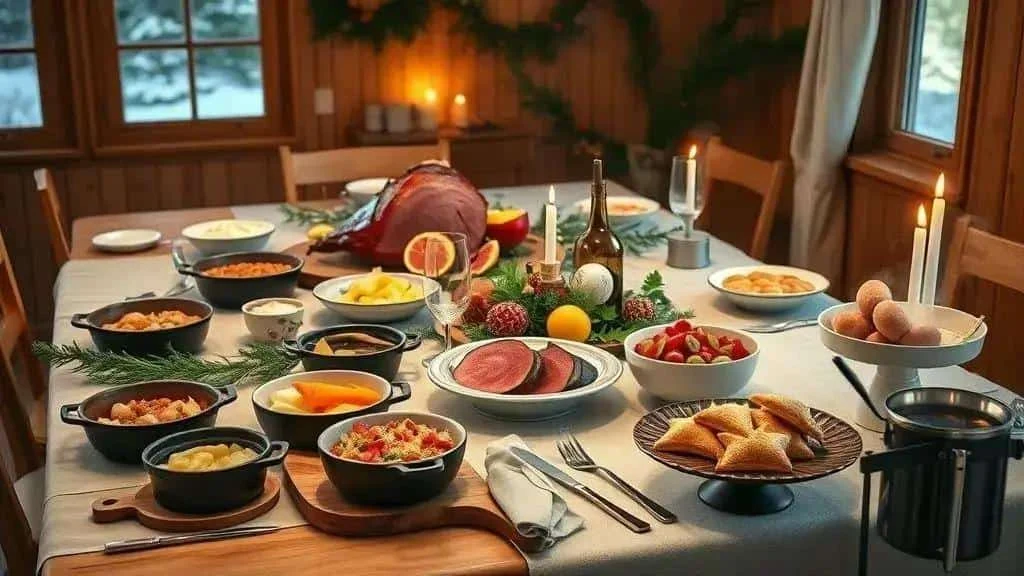
A Finnish-inspired festive meal can bring some of the trip’s flavours home. Choose a manageable menu and use reliable recipes and food-storage guidance.
Traditional dishes and portions
Familiar dishes include joulukinkku, or Christmas ham; laatikot, baked dishes made with ingredients such as potato, carrot or swede; graavilohi, cured salmon; and rosolli, a beetroot-based salad. Plan quantities around the recipes, your guests and the number of courses rather than treating one portion guide as suitable for every menu.
A practical preparation schedule
- A week ahead: confirm guest numbers, allergies, dietary needs and the menu.
- Several days ahead: buy shelf-stable ingredients and plan fridge space. Do not start curing fish or storing prepared dishes for several days without a reliable recipe and safe storage instructions.
- In the days before: prepare only dishes whose recipes support safe advance preparation, refrigerating or freezing them as appropriate.
- The day before: organise serving dishes and decorations. If cooking ahead, follow safe cooling and storage instructions rather than leaving food out overnight.
- On the day: cook or reheat dishes safely, finish salads and prepare drinks such as glögi, a spiced festive drink available in alcoholic and alcohol-free versions.
A suggested shopping outline for six people
- Christmas ham or a vegetarian centrepiece: choose the amount using your recipe’s serving guidance, allowing for bone, cooking losses and other dishes.
- Potatoes: for mash or perunalaatikko, with quantities taken from the recipe you choose.
- Carrots and swede, called lanttu in Finnish, for vegetable bakes.
- Salmon or another suitable starter: buy and store it according to its instructions. For pregnant or immunocompromised guests, avoid serving ready-to-eat cold-smoked or cured fish; offer a thoroughly cooked alternative. Source: Food Standards Agency: cold-smoked and cured fish advice
- Beetroot: for the rosolli recipe you select.
- Rye bread and butter or suitable alternatives.
- Recipe-specific pantry ingredients: check requirements for mustard, spices, cream, eggs, flour and dessert ingredients before shopping.
- Drinks: ingredients for glögi, juice, water and coffee, with alcohol-free options available.
Dietary alternatives
A seasoned tofu or seitan roast can replace ham where suitable for your guests. Check plant-based cream alternatives and gluten-free bread carefully: seitan contains gluten, and substitutions still need to meet individual allergy requirements.
Kitchen organisation
Plan oven and fridge capacity, label prepared food and follow safe cooking, cooling and reheating instructions. Delegate straightforward tasks such as setting the table, preparing drinks and arranging suitable cold dishes.
Setting the table
A Nordic-inspired table can use neutral colours and simple natural textures. Keep greenery away from food and use LED candles where practical. Arrange serving dishes so guests can reach them comfortably.
Serving the meal
Serve appropriate cold starters and salads, followed by the hot centrepiece and vegetable bakes. For dessert, joulutorttu pastries with plum filling are a familiar Finnish Christmas option, perhaps with coffee.
Souvenirs, crafts and gifts
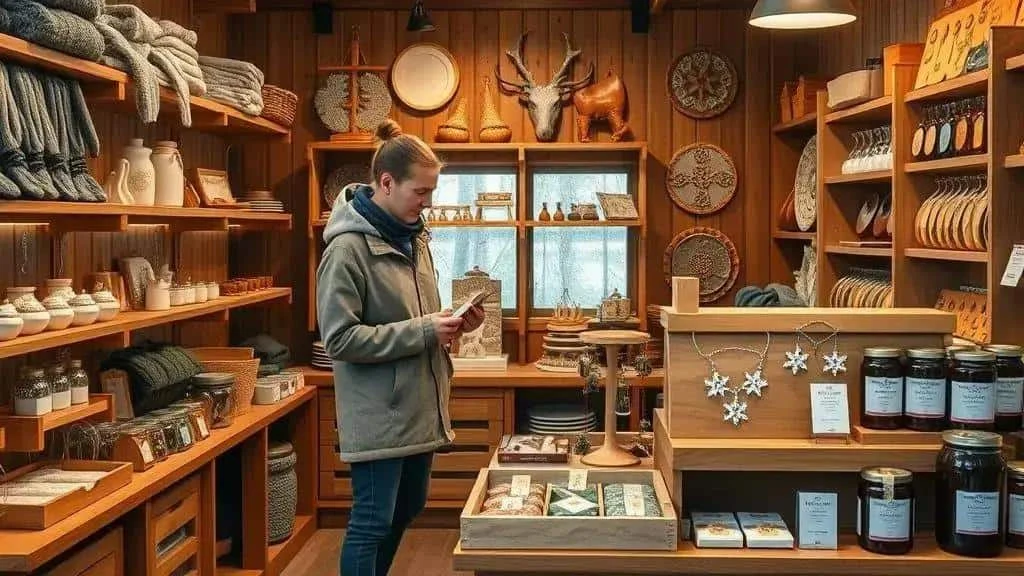
Buying thoughtfully can make a souvenir more meaningful. Ask who made an item, where it was produced and which materials it contains.
Where to look
Santa Claus Village offers Christmas-themed goods and postcards. In Rovaniemi, compare independent craft shops and museum shops such as Arktikum. For Sámi crafts, seek identifiable Sámi makers rather than assuming every northern-themed product is authentic.
Gift ideas
- Woollen gloves and jumpers: check the maker, fibre content and care instructions.
- Sámi duodji: traditional crafts may include jewellery and practical objects. Buy from recognised makers where possible and respect how they describe their work.
- Reindeer-derived products: check provenance, animal-welfare information and applicable import restrictions before purchasing.
- Christmas ornaments and carved wood: small decorations can be easier to transport than bulky gifts.
- Local food gifts: check current destination import rules before buying edible souvenirs, especially animal products.
- Glass and ceramics: ask about the designer, place of manufacture and protective packaging.
Checking provenance
Look for a named maker and clear production information. Buy directly from craftspeople where practical; a northern-looking design or a shop label alone does not establish Sámi authenticity.
Looking after your purchases
- Wool: follow the care label, using the recommended washing method and drying flat where instructed.
- Leather and hides: follow the maker’s care advice and protect items from unsuitable moisture or heat.
- Glass and ceramics: pack carefully and check baggage or shipping arrangements for fragile goods.
Prices and shopping etiquette
Compare prices and choose within your budget. Do not assume bargaining is expected; ask politely about any advertised offers and keep a receipt.
Shipping and customs
Check the rules for bringing food, animal products and other purchases into your home country before buying. For Great Britain, consult current government guidance rather than assuming food bought in the EU can be brought back freely. Ask about VAT-refund eligibility where relevant; it is not automatic. Source: GOV.UK: bringing food into Great Britain
Online purchases and responsible shopping
If shipping is available, compare delivery charges, customs costs and returns terms. Prefer sellers who explain their materials and production clearly, and support local makers where practical.
Before buying
- Check luggage capacity and charges before purchasing bulky souvenirs.
- Keep receipts and any documents required for an eligible VAT refund.
- Ask local shops or guides about identifiable makers and the provenance of their work.
Final thoughts
A Christmas trip to Finnish Lapland can combine festive attractions with northern landscapes and cultural learning. Plan clothing, transport and activities carefully, and enjoy the Northern Lights as a possibility rather than a promise.
Thank you for reading. Visit the I Love Christmas blog for more seasonal travel ideas, recipes and decorations.
You are welcome to share your experiences and return for more ideas for celebrating the season.
Frequently asked questions about Christmas in Finnish Lapland
When should I visit for snow and a Christmas atmosphere?
December is popular for festive attractions, while winter activities may continue into spring. Check local conditions and operator arrangements: snow conditions vary and no activity is guaranteed solely by the calendar.
When can I see the Northern Lights?
The viewing season in northern Finland generally extends from late August to early April. Darkness, clear skies and auroral activity are essential; staying longer gives more opportunities but does not guarantee a sighting.
How do I meet Santa in Rovaniemi?
Check Santa Claus Office’s official visitor instructions. Its regular meeting is free, with special entrance-time arrangements on busy days. Personal photography in Santa’s room is not permitted; optional professional photos are sold separately.
What should I wear in winter?
Wear suitable thermal, insulating and protective layers with warm boots, a hat and insulated gloves or mittens. Adapt them to the forecast and activity, and plan regular warm-up breaks.
Are reindeer and husky rides available all year?
Snow sleigh rides depend on suitable winter conditions. Operators may offer different animal visits or other activities in warmer months; check the exact experience rather than assuming a winter ride is available year-round.
What makes a good souvenir, and how should I transport it?
Consider clearly identified local crafts, woollen items or small ornaments. Protect fragile purchases, follow care labels and check current customs rules before buying food or animal-derived products.
Sources and Further Reading
- Visit Rovaniemi: Santa Claus and Christmas traditions
- Visit Finland: Northern Lights season
- Santa Claus Office: visitor questions
- Sámi Parliament: responsible Sámi tourism
- GOV.UK: Finland entry requirements
- Visit Finland: seasonal food
- Food Standards Agency: cold-smoked and cured fish advice
- GOV.UK: bringing food into Great Britain
- Arktikum: museum and science centre
- Ranua Resort: wildlife park
- Visit Finland: Finnish desserts