Christmas in Germany brings together Advent wreaths, Weihnachtsmärkte, festive food such as Stollen and Glühwein, and family customs including Nikolaustag and Christmas Eve gift-giving. Traditions vary by region and household, offering plenty of inspiration for seasonal food, handmade decorations and celebrations at home.
Christmas in Germany is associated with twinkling lights, fragrant spices and customs with fascinating histories. Discover ways to enjoy those traditions and borrow a few ideas for your own festive table and decorations.
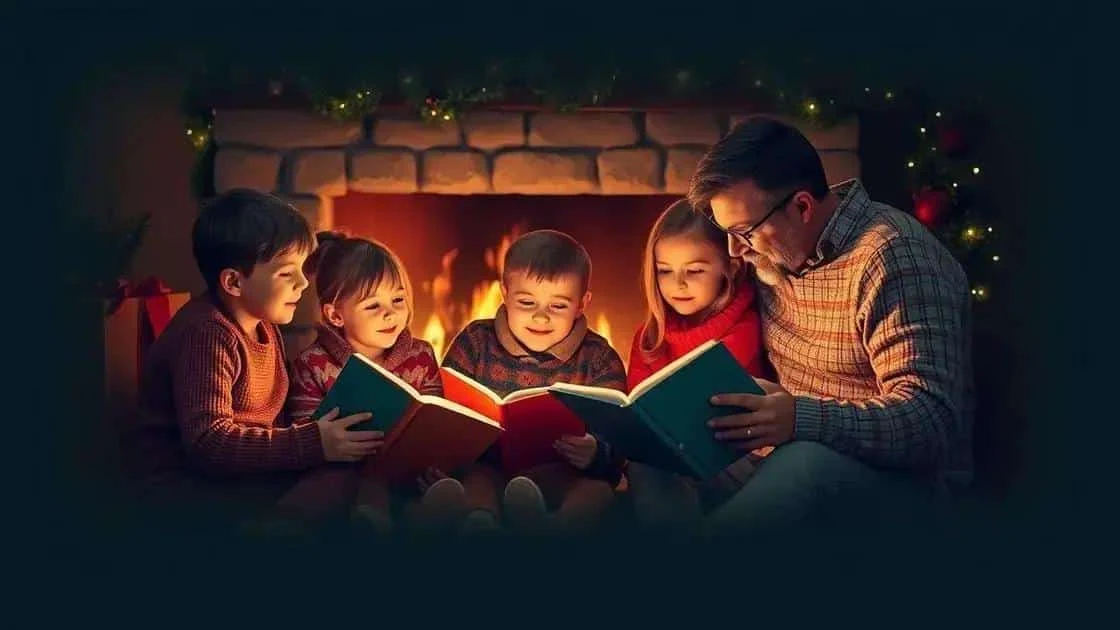
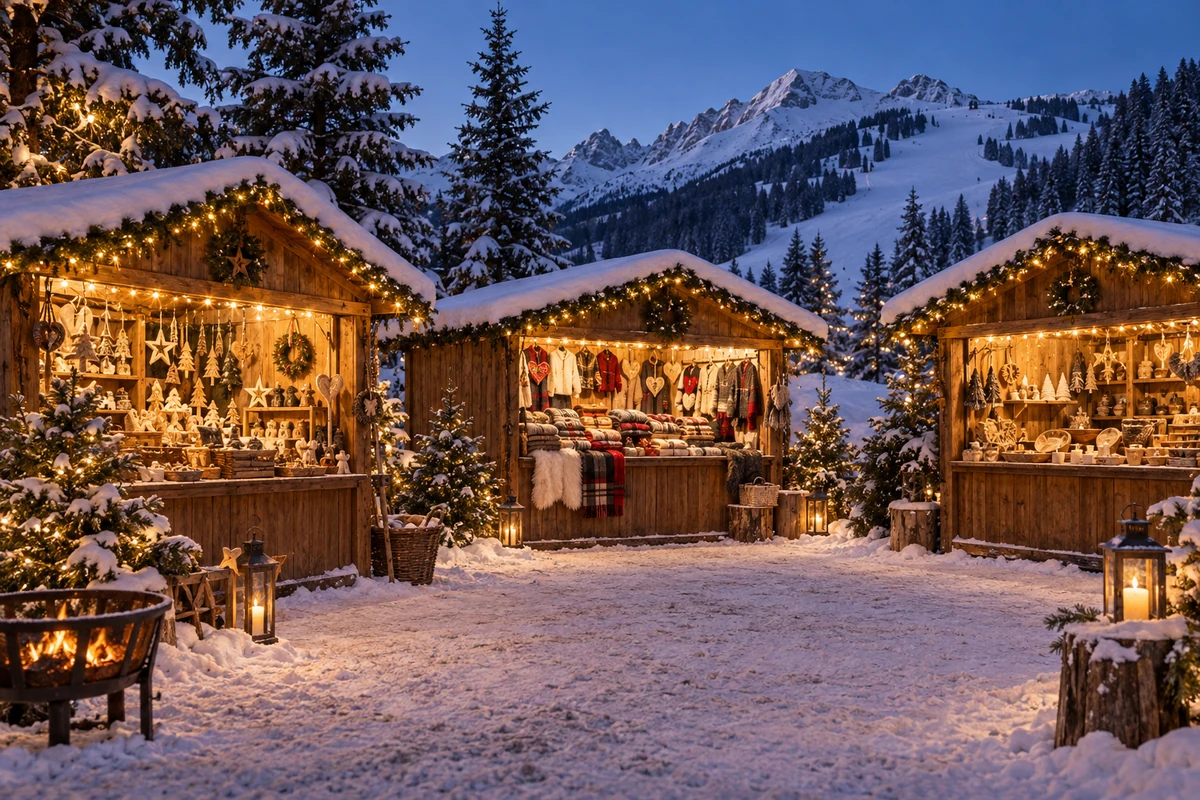
Illustrations in this article are conceptual images, not documentary photographs or evidence of a particular historical event, destination, venue or access route.
The history of Christmas celebrations in Germany

The traditions associated with Christmas in Germany developed over centuries, through Christian observance, local winter customs, trade and changing family life. They do not all share a single origin, and several familiar practices became widespread much later than is sometimes claimed.
Winter customs and Christian celebrations
Pre-Christian northern European communities had winter festivals, including traditions known as Yule. However, it is misleading to present every German Christmas custom as a direct continuation of one ancient festival. Christmas developed as a Christian celebration of Jesus’s birth, while local seasonal customs changed and acquired new meanings over time.
The Christmas tree and the Reformation era
Decorated indoor trees are associated with German-speaking Europe in the early modern period. The story that Martin Luther first added candles to imitate the stars is a popular legend, not a securely established origin. Tree decorations and family practices continued to evolve, becoming increasingly familiar in the nineteenth century. Source: Victoria and Albert Museum — The magic of the tree
St Nicholas, the Christkind and gift-giving
St Nicholas’s Day, on 6 December, is distinct from the Christmas gift-bringer known as the Christkind, or Christ Child. Some families instead associate gifts with the Weihnachtsmann. Small St Nicholas treats and the main exchange of Christmas presents, called Bescherung, are separate customs; the latter often takes place on Christmas Eve. Source: Deutschland.de — How Germany celebrates Christmas
Weihnachtsmärkte: the development of Christmas markets
Seasonal fairs and municipal markets brought traders and craftspeople together towards the end of the year. These Weihnachtsmärkte gradually became places for buying festive goods and enjoying food together. Dresden’s Striezelmarkt traces its history to 1434, although today’s market experience has developed considerably since then. Source: Dresden Striezelmarkt — Official historical visitor information
Regional customs and folklore
Customs differ between regions and communities. In parts of the Alpine south, figures such as Krampus appear in seasonal folklore; elsewhere, Nativity displays, concerts or local processions have their own importance. These are regional practices, not activities shared by every German household.
Festive food and familiar symbols
Fruit-filled Stollen, spiced Lebkuchen and mulled wine called Glühwein are closely associated with the season. The Adventskranz, or Advent wreath, and Advent calendars mark the approach to Christmas. The wreath tradition is linked to Johann Hinrich Wichern’s work in Hamburg in 1839, rather than being an unchanged medieval custom. Source: Hamburg Tourism — Advent traditions and the wreath
Traditions travelling beyond Germany
German-speaking communities helped spread Christmas tree customs internationally. In Britain, royal family connections helped popularise the tree during the nineteenth century, although Prince Albert did not introduce the very first tree to the country. Markets and other traditions also travelled and adapted, while remaining part of community life in Germany. Source: Victoria and Albert Museum — Victoria and Albert’s Christmas surprises
How German Christmas markets work
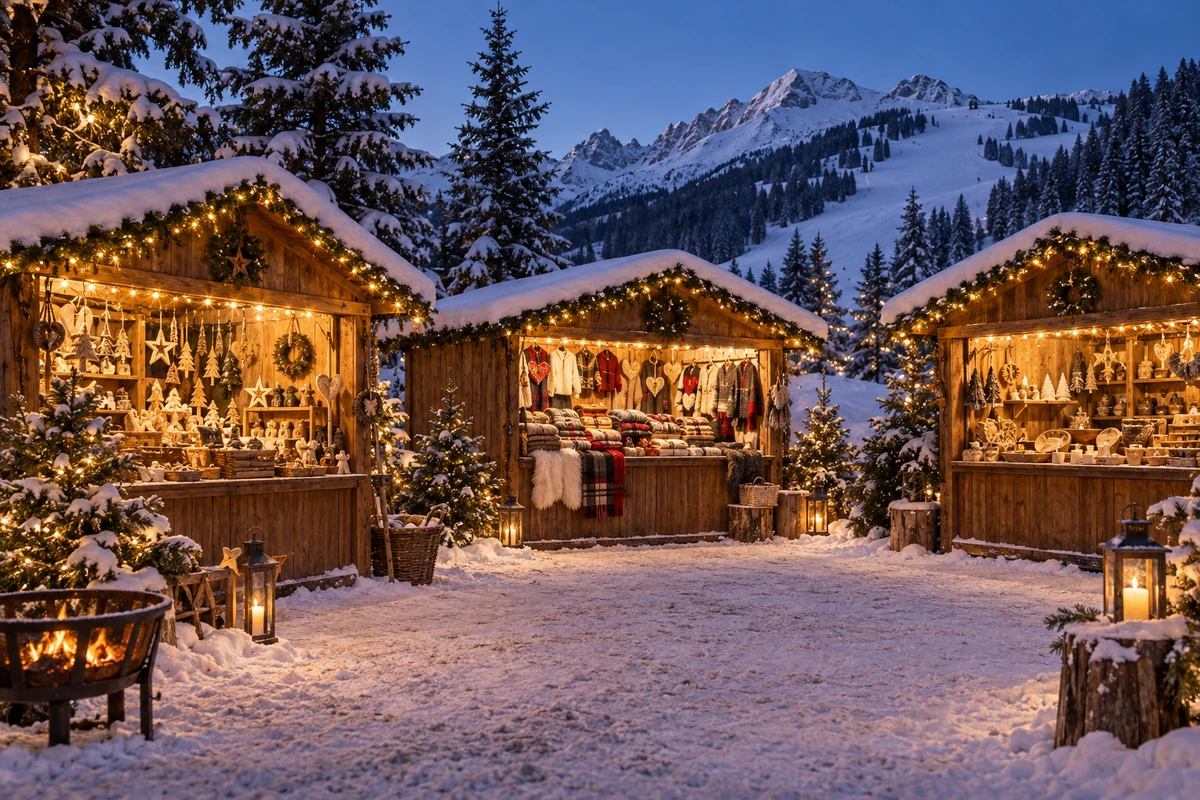
German Christmas markets, or Weihnachtsmärkte, are seasonal gatherings held in squares, streets and other designated spaces around Advent. Stalls, food and decorations make them meeting places for residents as well as visitors.
Layout and opening arrangements
Many markets have wooden stalls arranged around a square or along nearby streets, with a mixture of crafts and food. Opening times vary: plenty open during the day as well as the evening, and their dates do not all match. Check the organiser’s current programme before travelling.
What the stalls sell
You may find a wide range of seasonal goods, including:
- Christmas decorations – baubles, painted wooden figures and wreaths.
- Craft items – candles, textiles and woodwork, with local specialities depending on the market.
- Handmade gifts – ceramics, soaps and wooden toys; ask about their maker and origin if buying locally made goods matters to you.
Typical food and drink
Warm food is part of the appeal on a cold day. Common options include:
- Glühwein – spiced mulled wine, often served in a mug for which a refundable deposit is charged.
- Bratwurst – a grilled sausage, frequently served in a bread roll with mustard.
- Stollen and Lebkuchen – festive fruit bread and spiced baked treats, with recipes varying by region.
- Gebrannte Mandeln – sugar-coated roasted almonds, often sold in paper cones.
Activities and entertainment
Depending on the market, there may be choirs, local performances, children’s carousels or Nativity displays. Some organisers also offer craft activities. Check the programme rather than assuming every market provides the same attractions.
Practical tips for a market visit
A little preparation helps you enjoy the experience:
- Wear layers and comfortable footwear suitable for cold or wet conditions.
- Carry some cash as well as a card, because payment options differ between stalls.
- Check the mug deposit, or Pfand, before ordering Glühwein, and find out where you can return the mug for a refund.
- Consider a weekday or daytime visit if you prefer fewer crowds, while recognising that popular markets can still be busy.
- Ask about locally made items if you would like to support regional craftspeople.
Community and waste reduction
Weihnachtsmärkte combine shopping with social traditions. Reusable mugs and other waste-reduction schemes are used at many events, but arrangements vary. Return deposit cups, sort rubbish as instructed and avoid assuming that a disposable item is environmentally harmless simply because it is labelled biodegradable.
Advent traditions: calendars, wreaths and St Nicholas
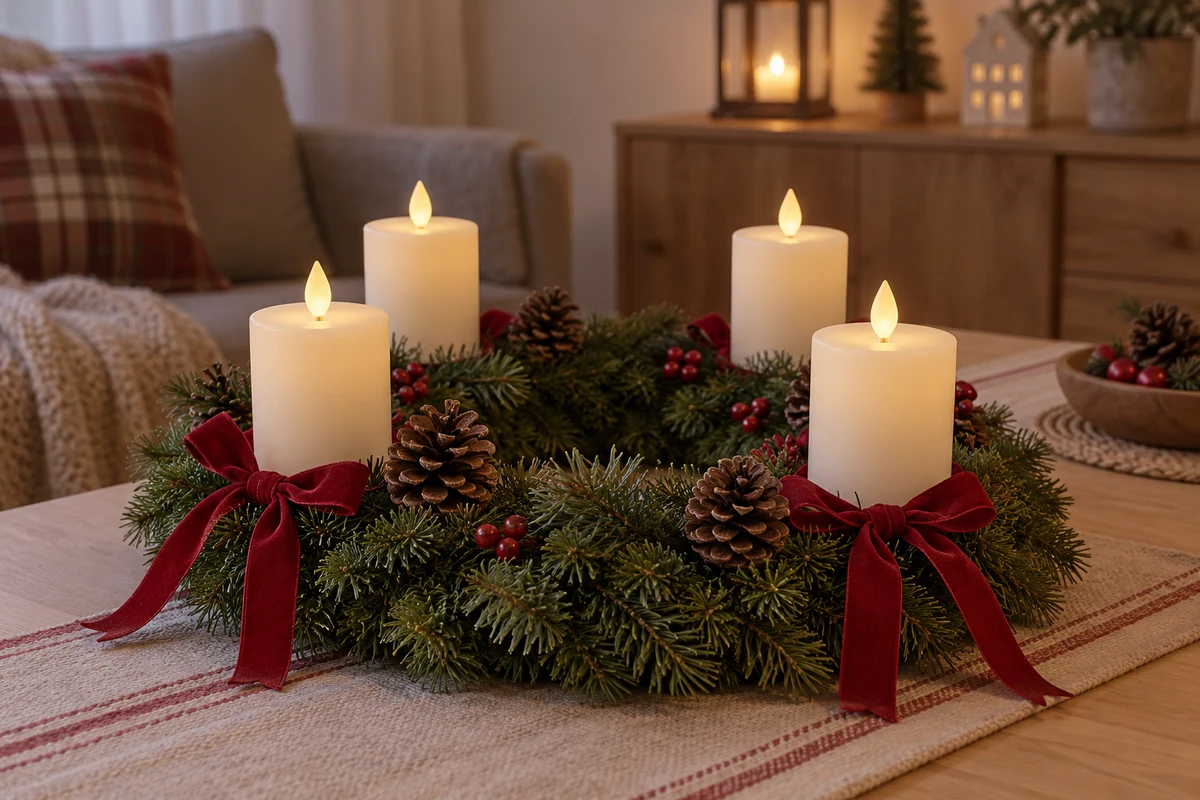
German Advent traditions create a gradual approach to Christmas through small family rituals, community events and seasonal preparations.
Adventskranz: the Advent wreath
A familiar Advent wreath has greenery arranged in a circle with four candles, one for each Sunday of Advent. Traditionally, an additional candle is lit each week. For a homemade wreath with ribbons, pine cones or dry foliage, battery-powered LED candles offer the visual effect without an exposed flame.
Advent calendars
An Advent calendar usually runs from 1 to 24 December, with a window, envelope or little bag to open each day. The contents might be chocolate, a message, a small toy or an activity. Homemade calendars let you tailor the surprises to your family’s interests and children’s ages.
St Nicholas’s Day: Nikolaustag
Children in many households put out a clean shoe or boot on the evening of 5 December, before St Nicholas’s Day on 6 December. They may find sweets or small gifts the following morning. Community visits and stories about St Nicholas often emphasise generosity and kindness.
Activities for children
Making a calendar, decorating a wreath with LED candles and preparing small gifts can become shared activities. Telling stories about St Nicholas, singing or arranging a Nativity scene can also build anticipation without needing elaborate presents.
Making a simple Advent wreath
- Gather materials: use a wreath base, suitable greenery, thin craft wire, four battery-powered LED candles and a few ribbons or pine cones. Keep batteries and sharp tools away from young children.
- Build the base: attach the greenery evenly to the ring. An adult should handle and tuck away sharp wire ends.
- Position the lights: secure four LED candles evenly around the wreath using suitable holders, leaving their switches accessible.
- Decorate lightly: add ribbons and pine cones without crowding the arrangement or covering the candles.
- Display thoughtfully: place the wreath on a stable surface and switch on another LED candle each Sunday. Do not substitute real flames amongst the foliage and decorations.
Reusable, practical choices
Make calendars with reusable fabric bags or paper envelopes, and choose small gifts or activities rather than lots of disposable trinkets. Use legally collected fallen natural materials where appropriate and store sound decorations for next year. The aim is a meaningful ritual, not a large shopping list.
German festive dishes and recipes
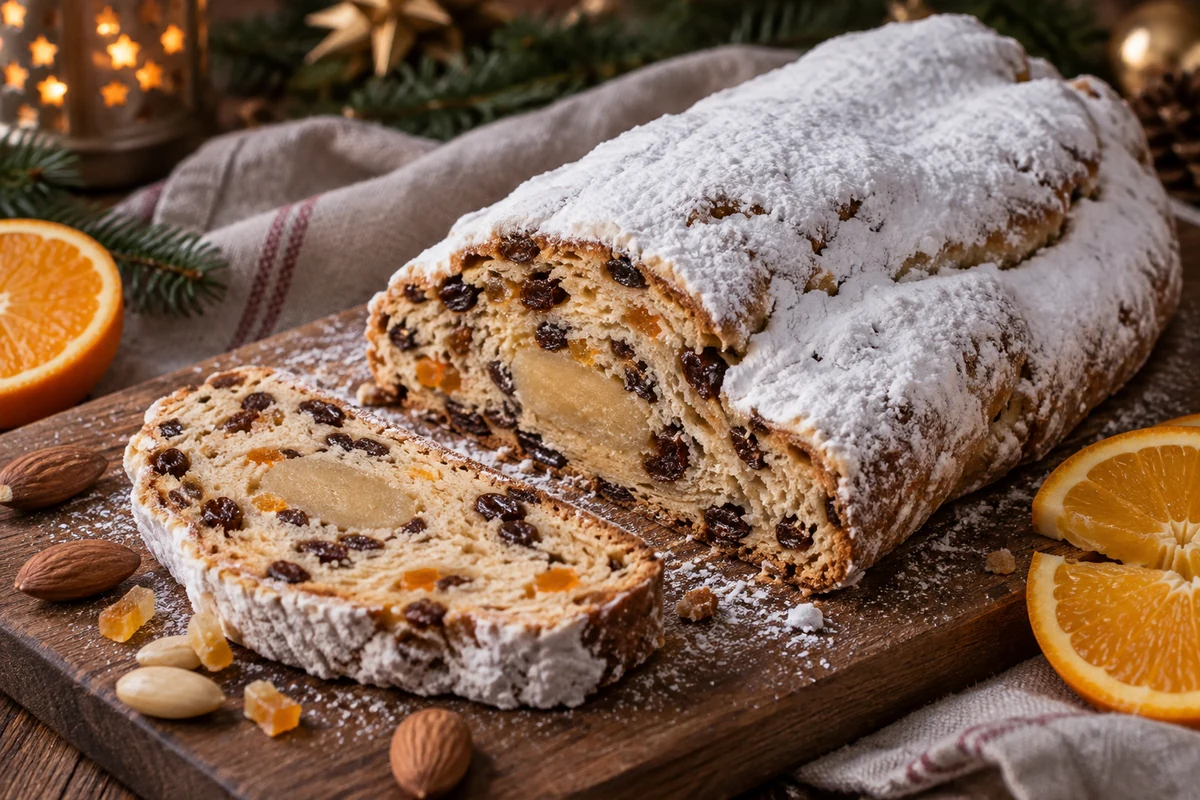
German Christmas meals differ from one household to another. Spiced baking, roasted poultry and simpler suppers all have their place. The following home-style ideas are adaptations, rather than a claim to represent every region’s traditional recipe.
Stollen: ingredients for a festive fruit loaf
Stollen is a rich festive fruit bread; some versions include marzipan. For this home-style version, you will also need 100 ml lukewarm milk for the dough and a little extra melted butter for the finish, as used in the method below.
- 500 g plain flour – for the dough.
- 100 g caster sugar – reserve a pinch for activating the yeast.
- 200 g softened butter – for the dough, plus a little extra melted butter for brushing after baking.
- 200 g mixed dried fruit and candied peel – for example, raisins and candied orange peel; use raisins alone if preferred.
- 100 g marzipan – optional; check for almond allergy before including it.
- 1 egg – to enrich the dough.
- 7 g dried yeast – or 20 g fresh yeast; follow the packet’s instructions if using a yeast designed to be mixed directly into flour.
- 1 teaspoon ground cinnamon and ½ teaspoon ground nutmeg – for the spice mixture.
- Icing sugar, for dusting – to finish the loaf.
Making the Stollen
- Prepare the yeast: if the yeast needs activating, mix it with 100 ml lukewarm milk and a pinch of the measured sugar. Leave for about 10 minutes until foamy; follow the manufacturer’s method for instant yeast.
- Mix the dough: combine the flour, remaining sugar and spices in a large bowl, then add the egg, softened butter and yeast-and-milk mixture.
- Knead and prove: knead for about 8–10 minutes until smooth, then cover and leave until roughly doubled in size. Allow about 60–90 minutes, recognising that a rich dough and a cool room may need longer.
- Add the fruit: work the fruit into the dough, flatten it gently and place a roll of marzipan along the centre if using. Fold the dough over it to form the loaf.
- Bake: preheat the oven to 180°C and bake on a prepared tray for approximately 40–50 minutes, until cooked through. Loosely cover with foil if the top browns too quickly; ovens and loaf shapes vary.
- Finish: brush with a little extra melted butter, then dust generously with icing sugar once the loaf has cooled slightly.
Gänsebraten: ingredients for a simple roast goose
Roast goose features in many festive meals. This simplified version cooks the apple and onion alongside the bird rather than filling the cavity, and uses a thermometer to check doneness.
- 1 whole goose weighing 3–4 kg – ask your butcher for preparation and cooking guidance. A smaller duck needs its own cooking instructions, not the same timing.
- 2 apples and 2 onions – to roast alongside the bird.
- Salt and black pepper, to taste
- 2 tablespoons butter – for the skin.
- 200 ml white wine or chicken stock – for the roasting tin and basting.
Cooking the goose
- Prepare safely: fully defrost the bird if necessary, following its instructions. Do not wash raw poultry. Remove any giblet bag, pat dry with disposable kitchen paper and season; wash hands and clean utensils and surfaces afterwards. Source: Food Standards Agency — Christmas food hygiene
- Prepare the accompaniments: quarter the apples and onions and arrange them alongside the goose, keeping the cavity unstuffed so the bird cooks more evenly.
- Start roasting: place the goose in a suitable roasting tin, distribute the butter over the skin and put it into an oven preheated to 180°C, unless the supplier’s instructions specify otherwise.
- Roast and monitor: add the wine or stock and baste carefully if desired. The original guide suggests around 2–2½ hours, but that is only an estimate: use the bird’s weight, supplier’s instructions and a temperature check rather than treating the time as a safety guarantee. Handle hot fat with care.
- Check the centre: use a clean food thermometer in the thickest parts, avoiding bone. The centre should reach 70°C for 2 minutes, or an equivalent safe time-and-temperature combination. Crisp skin or clear juices alone are not a substitute for checking the temperature. Source: Food Standards Agency — Cooking your food
- Rest before carving: once thoroughly cooked, leave the goose to rest for about 15 minutes before carving and serving with the roasted apple and onion.
Kartoffelsalat with sausages: ingredients
Some German families choose a straightforward Christmas Eve supper of Kartoffelsalat and sausages. Potato salad varies regionally; this version uses a creamy dressing.
- 1 kg potatoes – cooked in their skins, then peeled and sliced when cool enough to handle.
- 3 tablespoons mayonnaise – or plain yoghurt for a tangier alternative.
- 2 tablespoons mustard – choose a German-style mustard if available.
- 1 small onion, finely chopped
- Salt, pepper and vinegar, to taste
- 6–8 bratwurst sausages – cook according to their packet or butcher’s instructions.
Making the potato salad
- Cook the potatoes: boil until tender, drain and allow them to cool enough to peel and slice safely.
- Mix the dressing: combine the mayonnaise or yoghurt with the mustard, chopped onion, a little salt, pepper and a splash of vinegar.
- Combine: gently fold the sliced potatoes into the dressing and adjust the seasoning. Serve promptly, or cool and refrigerate rather than leaving the salad standing at room temperature.
- Cook the sausages: grill or fry as directed until thoroughly cooked throughout, not merely browned outside. Serve beside the salad. Cool leftovers promptly and refrigerate within two hours; follow food-safety guidance when storing and reheating. Source: Food Standards Agency — Cooking your food
Sweet treats and biscuits
Spiced treats such as Lebkuchen round off a festive table. Many biscuits can be made ahead and decorated together, turning the preparation into a shared activity as well as something to eat.
Christmas decorations: wreaths, lights and trees
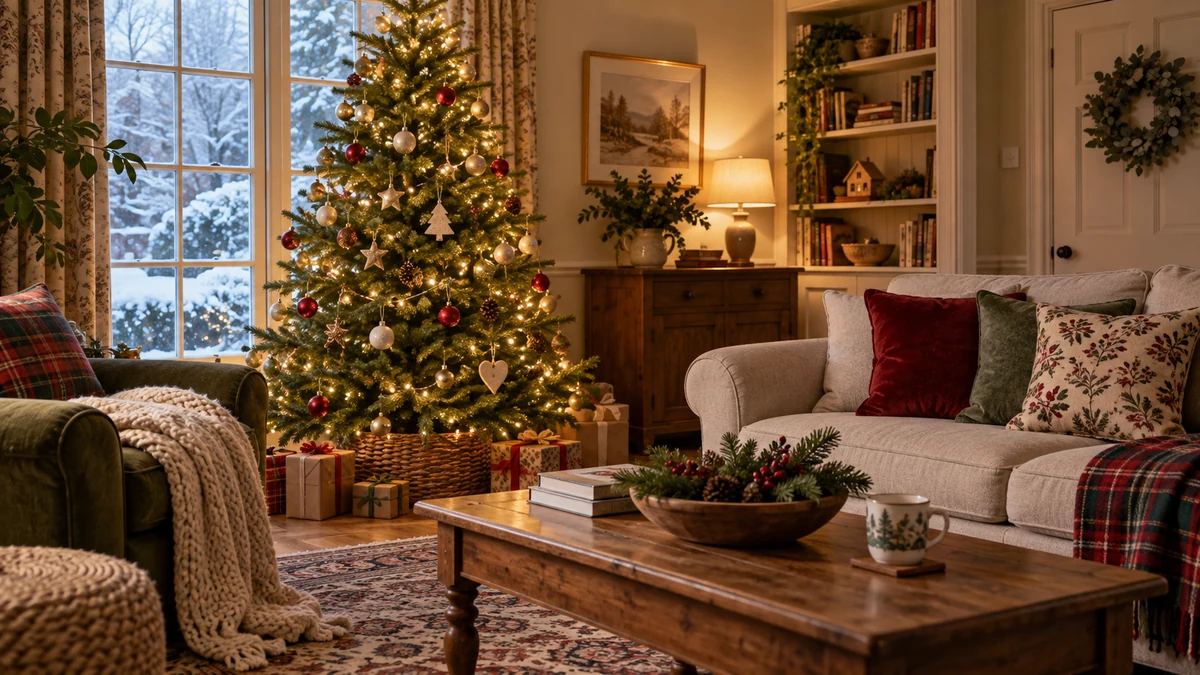
German-inspired decorating often draws on warm lighting, natural textures and handmade ornaments. A few carefully chosen details can create a welcoming atmosphere without filling every surface.
Materials and styles
Choose a rustic, traditional or restrained style. Natural materials such as wood, pine cones, foliage and paper provide texture. Painted wooden ornaments and handmade paper stars are particularly suitable inspirations, without claiming there is only one German decorating style.
- Evergreen branches – for wreaths and arrangements, away from flames and heat.
- Ribbons and jute twine – for a rustic finish.
- Wooden ornaments – painted figures, angels or small toy-inspired decorations.
- Warm-white LED lights – use suitable products in good condition and follow their safety instructions.
- Kraft paper and pine cones – for wrapping and finishing touches.
Decorating the Christmas tree
- Choose the position: keep the tree away from heat sources and avoid blocking exits or walkways.
- Secure the base: make sure the stand is stable, level and appropriate for the tree.
- Add lights first: distribute them evenly, working carefully around the branches and keeping cables free from strain.
- Arrange garlands: drape them in gentle layers or a loose spiral without pulling branches out of shape.
- Hang larger ornaments: spread their weight and colours around the tree, placing heavier items on suitable branches.
- Finish with smaller details: add lighter ornaments and a securely fitted star or other topper.
- Step back: check the balance and adjust any crowded areas or trailing cables.
Door wreaths and table arrangements
Combine greenery with a few seasonal details. Add a simple bow and a small number of ornaments for an uncluttered finish. On a table, a stable tray or wooden base with LED candles can provide a warm glow without flames amongst the decorations.
- Attach layered branches to a wreath base, with sharp wire ends tucked away by an adult.
- Add pine cones and dried orange slices for texture and seasonal colour.
- Make a simple centrepiece with greenery and LED candles; use four candles if it is intended as an Advent wreath.
Lighting and safety
Lights set the mood, but safety matters more than brightness. Check plugs and cables, follow product instructions and avoid overloading sockets.
- Inspect and test light sets before hanging them; do not use damaged ones.
- Use suitable extensions within their rated load, and use only equipment intended for outdoor use outside.
- Keep real flames out of wreaths and trees; use LED candles for these arrangements.
- Switch decorative lights off before leaving home or going to bed; a timer should not replace safe use.
Affordable, reusable decorations
Reusing decorations can reduce both spending and waste. A few changes in colour or arrangement may be enough to refresh familiar pieces.
- Make ornaments from spare paper or fabric where appropriate.
- Visit local craft fairs if you would like to support makers and choose lasting pieces.
- Use fallen branches or cones only where collecting is permitted, checking they are clean and suitable for indoor display.
- Store decorations carefully so they can be used again next year.
Setting up and packing away
Divide the work into manageable stages and suitable tasks for different family members. A simple routine can make decorating enjoyable rather than exhausting.
- Begin with the lights, then add garlands and ornaments.
- Label storage boxes so fragile items and light sets are easy to find.
- Clean and thoroughly dry suitable decorations before storing them according to their materials.
- Allow a comfortable amount of time, taking breaks or spreading the work over more than one session.
Family rituals and regional differences
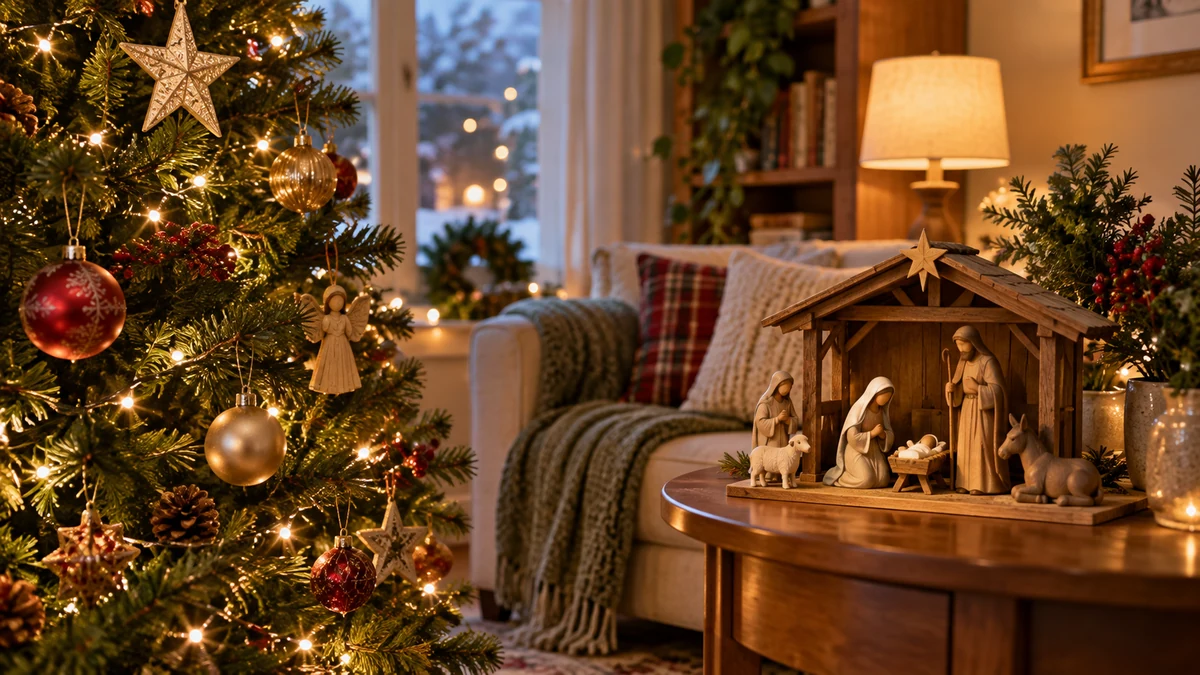
Christmas customs vary considerably across Germany, between cities, villages and individual households. Shared activities can connect generations without every family following the same programme.
Bescherung and Christmas Eve
Bescherung is the giving and opening of presents, often on 24 December. For many families it is a special moment around the Christmas tree, sometimes alongside songs, a meal or a religious service.
- The tree may be decorated on Christmas Eve or earlier, depending on the household.
- Presents might be placed beneath it and revealed at an agreed point in the celebration.
- Reading a Christmas story or singing together can accompany the exchange.
Customs involving children
Small traditions help children anticipate Christmas. For St Nicholas’s Day, many put out shoes on the evening of 5 December and discover sweets or small presents the next morning.
- St Nikolaus, celebrated on 6 December, is associated with small gifts and stories about generosity.
- Advent calendars and home craft activities provide a daily rhythm in the weeks before Christmas.
Religious observance and Nativity scenes
Church services and Nativity scenes remain important for many Christian communities. Christmas Eve worship, music and candlelit services may form part of a family’s celebration, although others observe the season differently.
- Nativity displays in churches and homes depict the story of Jesus’s birth.
- Choir concerts and late-night services bring communities together where these are part of the local programme.
Regional variety
There is no reliable rule that northern German Christmases are reserved while southern ones are more festive. Local history, faith, crafts and family preferences all matter. Alpine folklore, regional markets and distinctive foods offer examples of this variety.
- Some southern and Alpine communities feature particular craft traditions, seasonal figures and local dishes.
- Other towns organise Nativity displays, concerts or processions; check local information rather than assuming these happen everywhere.
Food and family gatherings
Meals bring people together. Some households serve Weihnachtsgans, or Christmas goose, while others choose potato salad and sausages for a simpler Christmas Eve supper. Festive bread and biscuits may appear at several gatherings during the season.
- Share slices of Stollen or Lebkuchen with family or guests.
- Offer warm drinks such as Glühwein to adults who drink alcohol, with a clearly alcohol-free alternative for others.
Joining local celebrations respectfully
If you are invited to celebrate, ask your hosts about their plans rather than relying on a fixed idea of German tradition:
- Arrive at the agreed time and let your host know if you are delayed.
- A modest, thoughtful gift may be welcome; check dietary needs if bringing food.
- Follow market and event rules, respect residents and observe any quiet or restricted areas.
Practical ideas for families
- Share the tasks: divide decorating and food preparation according to people’s interests and abilities.
- Keep gifts thoughtful: consider something handmade, useful or locally produced rather than buying for the sake of quantity.
- Keep children’s rituals manageable: a short story or song can be more enjoyable than an overfull schedule.
- Record memories: photographs and a few notes about the gathering can become part of your own family tradition.
Bringing German-inspired Christmas traditions home
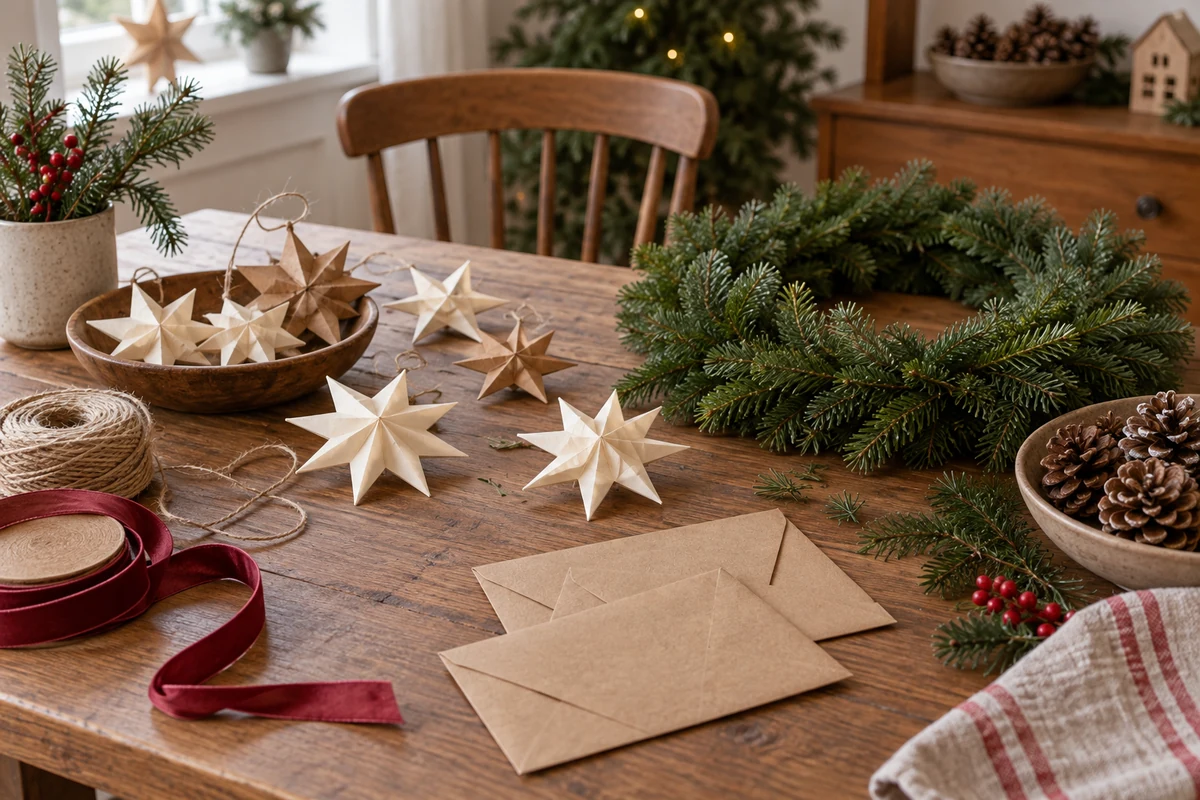
You can borrow flavours and activities from Christmas in Germany without trying to reproduce an entire market or formal feast.
Simple homemade ideas
Glühwein: spiced mulled wine
- 750 ml dry red wine – choose one you enjoy drinking; it need not be expensive.
- 1 orange – washed and sliced.
- 2 cinnamon sticks – or 1 teaspoon ground cinnamon, which will give a less clear drink.
- 5 cloves
- 3 tablespoons sugar – adjust to taste, or use honey if preferred.
- Optional: 1 small measure of rum – this increases the alcohol content. Leaving it out does not make red-wine Glühwein alcohol-free; use an explicitly alcohol-free base for a separate non-alcoholic drink.
- Warm the wine: pour into a saucepan over a low heat, without bringing it to a vigorous boil.
- Add the flavourings: stir in the orange, cinnamon, cloves and sugar until the sugar dissolves.
- Infuse: keep over a gentle heat for about 10–15 minutes while the flavours develop.
- Strain and serve: strain into heatproof mugs and serve at a comfortable drinking temperature. Brief heating does not remove all the alcohol, so this remains an alcoholic drink.
A quick Stollen-inspired fruit loaf
- 1 ready-made sweet loaf, about 500 g – such as brioche; this shortcut is not traditional Stollen.
- 150 g mixed dried fruit and candied peel – chopped if necessary.
- 50 g melted butter
- Icing sugar – for dusting.
- Open the loaf: slice horizontally without cutting completely through the far side.
- Add the filling: distribute the chopped fruit and some of the melted butter inside.
- Warm through: place in an oven at 160°C for about 8–10 minutes, watching that the loaf does not dry out or brown too far.
- Finish: brush with the remaining butter and dust with icing sugar after it has cooled slightly.
Create a little Christmas market at home
Use a suitable room or sheltered space for a few small displays, leaving doors and walking routes clear.
- Simple stalls: cover small tables with cloths and use handwritten labels to identify food or crafts.
- Lighting: warm-white light strings and LED candles can suggest a market atmosphere without open flames.
- Food: offer small servings of sausages, roasted almonds and warm drinks. Label allergens and distinguish alcoholic drinks from alcohol-free options; whole nuts are unsuitable for young children.
- Craft display: arrange homemade decorations for guests to admire, exchange or take home by agreement.
A simple Advent wreath and calendar
These activities can become annual rituals without much expense.
- Start with a ready-made ring: decorate a suitable wreath base with branches, pine cones and ribbons.
- Choose LED candles: use these instead of real flames amongst the decorations, keeping battery compartments secure.
- Make a calendar: prepare 24 paper bags or envelopes with small treats, messages or activities and display them on a frame.
- Assemble the wreath: an adult can secure the branches and wire, leaving four evenly spaced positions for the LED candles.
- Add a shared activity: include a weekly card suggesting baking, singing or visiting a local market.
Handmade decorations and gifts
Simple materials can make thoughtful gifts and decorations.
- Paper or wooden ornaments: cut paper stars or decorate ready-cut wooden shapes with appropriate craft paint, supervising tools and materials for children.
- Small gift sets: assemble biscuits, properly prepared jam or handmade soap, labelled with ingredients or relevant information for the recipient.
- Reusable wrapping: choose suitable paper, fabric or reusable ribbons and avoid unnecessary layers.
Family activities worth repeating
- Biscuit decorating: bake spiced biscuits and decorate them with icing once cool.
- A story evening: read Christmas tales or sing familiar seasonal songs together.
- Explore markets from home: watch videos of Weihnachtsmärkte and choose a food or craft idea to try yourselves.
Keeping it affordable and manageable
- Plan ahead and reuse decorations you already own.
- Choose accessible seasonal ingredients where they suit the recipe.
- Prioritise shared activities, music and food over a large number of presents.
- Adapt the scale of your preparations to your available time and the number of guests.
A Christmas shaped by your own household
Christmas in Germany offers a rich collection of lights, flavours and rituals, with room for regional and family differences.
Borrow the ideas you enjoy, label recipe shortcuts honestly and keep the preparations practical. A few shared activities can be more memorable than attempting every tradition at once.
Thank you for reading. Explore the I Love Christmas blog for more seasonal recipes, decorating ideas and accounts of Christmas traditions.
Frequently asked questions about Christmas in Germany
What are Weihnachtsmärkte, and when do they take place?
Weihnachtsmärkte are Christmas markets held around Advent, often starting in late November. Closing dates and daily hours differ, with some events continuing beyond Christmas, so check the current organiser’s programme.
Which festive German foods could I try?
Stollen, Lebkuchen, Bratwurst and roast goose are familiar examples, alongside Glühwein for adults who drink alcohol. Regional specialities and family preferences vary, so there is no single compulsory Christmas menu.
How can I try German-inspired traditions at home?
Make an Advent wreath with LED candles, prepare a calendar, bake festive treats or arrange a small market-inspired gathering. A quick fruit-filled brioche can borrow Stollen flavours, but it is a shortcut rather than traditional Stollen.
Which Advent customs involve children?
Advent calendars, preparing a shoe for St Nicholas’s Day and decorating biscuits are popular examples. Choose age-appropriate activities and use LED candles for children’s wreath projects.
How can I join local celebrations respectfully?
Ask hosts about their customs, arrive at the agreed time and follow event rules. Thoughtful gifts and an interest in local crafts are welcome ways to participate without assuming every family celebrates in the same way.
Sources and Further Reading
- Deutschland.de — How Germany celebrates Christmas
- Hamburg Tourism — Advent traditions and the wreath
- Victoria and Albert Museum — Victoria and Albert’s Christmas surprises
- Victoria and Albert Museum — The magic of the tree
- Dresden Striezelmarkt — Official historical visitor information
- Food Standards Agency — Cooking your food
- Food Standards Agency — Christmas food hygiene