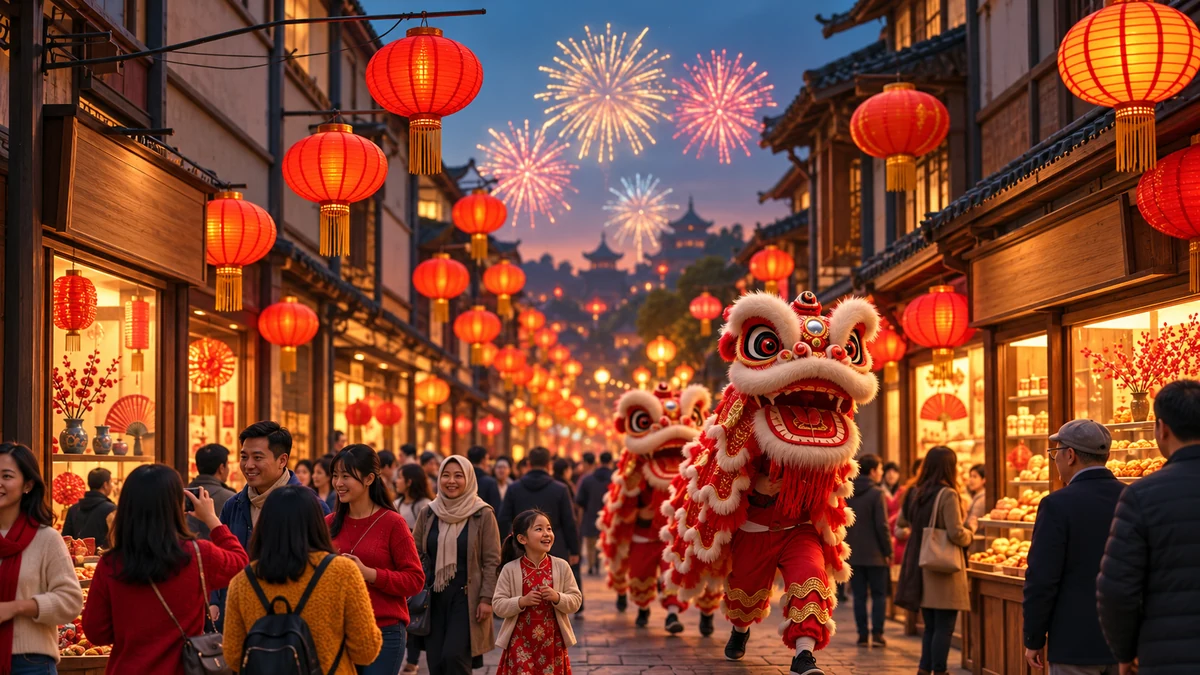
Chinese New Year is a major celebration of the lunisolar calendar. Its traditional festive period extends to the Lantern Festival on the fifteenth day, with family reunions, red envelopes, symbolic foods and, in some communities, ancestor offerings, dragon dances and fireworks. Customs vary, but hopes for prosperity and stronger family ties run through many celebrations.
Chinese New Year traditions bring to mind red lanterns, family gatherings and meaningful food. Learning about them offers a chance to appreciate the care and symbolism that different communities bring to welcoming a new year.
The meaning and calendar of Chinese New Year
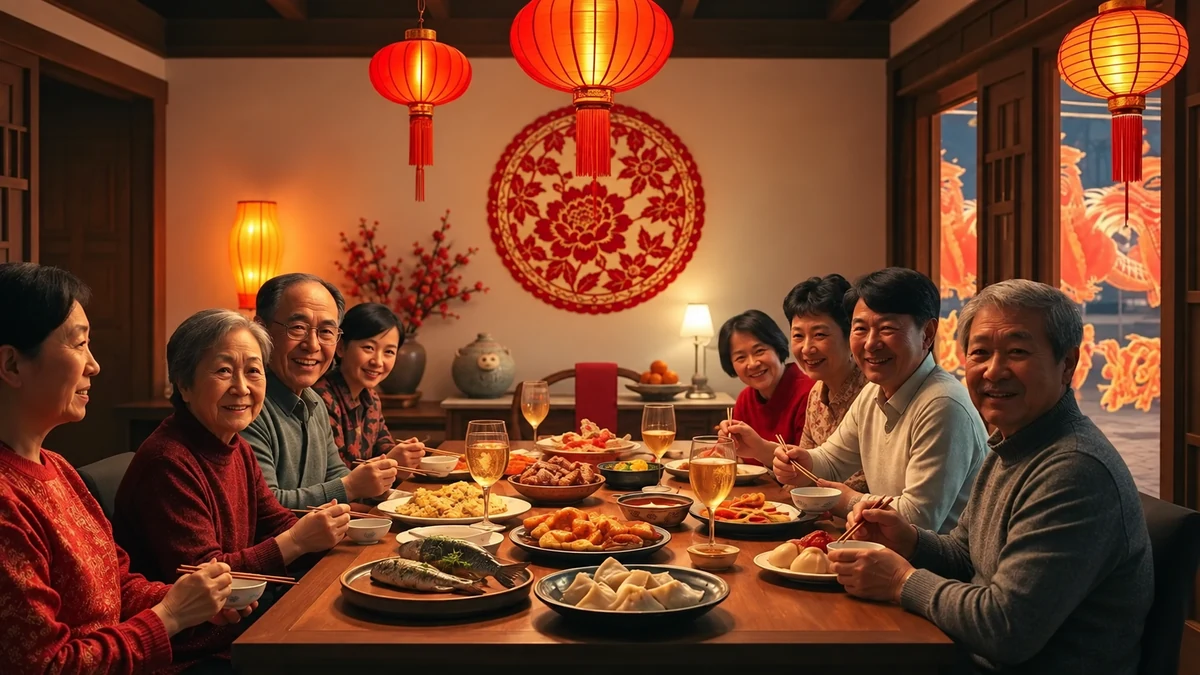
Chinese New Year, also known as the Spring Festival, celebrates renewal, family reunion and hopes for prosperity. It encompasses more than a single day: preparations and observances bring generations together, and some families honour their ancestors as part of the occasion.
How the lunisolar calendar works
The traditional Chinese calendar combines lunar months with the solar year to keep the months broadly aligned with the seasons. New Year begins on the first day of its first month, so its date in the Gregorian calendar changes from year to year. Source: Hong Kong Observatory: calendar conversion
- Date range: Chinese New Year falls between 21 January and 20 February, at the start of the first lunar month.
- New Year’s Eve, or Chúxī: the reunion dinner is a particularly important family gathering, with customs expressing hopes for the year ahead. Source: UNESCO: Spring Festival social practices
- Lantern Festival: this falls on the fifteenth day of the first lunar month and traditionally marks the end of the festive period.
- Length of the celebrations: the traditional fifteen-day period is not the same as fifteen days of statutory public holiday. Preparations, leave arrangements and local events follow their own schedules.
- Leap months: an extra lunar month is inserted in some years to help keep the calendar aligned with the seasons.
The twelve animals and the sixty-year cycle
The Chinese zodiac associates each year with one of twelve animals. These correspond to the twelve Earthly Branches, which are paired in sequence with the ten Heavenly Stems to form a sixty-year cycle. Personality associations belong to cultural and astrological traditions; they are not reliable predictions about individuals. Source: Hong Kong Observatory: twelve zodiac animals
- Rat
- Ox
- Tiger
- Rabbit
- Dragon
- Snake
- Horse
- Goat
- Monkey
- Rooster
- Dog
- Pig
Alongside the animals, red lanterns, red envelopes called hongbao, festive foods and fireworks carry symbolic associations with good fortune, protection and the arrival of spring. These express beliefs and wishes rather than guarantees of future prosperity.
Preparations: cleaning, decorations and new clothes
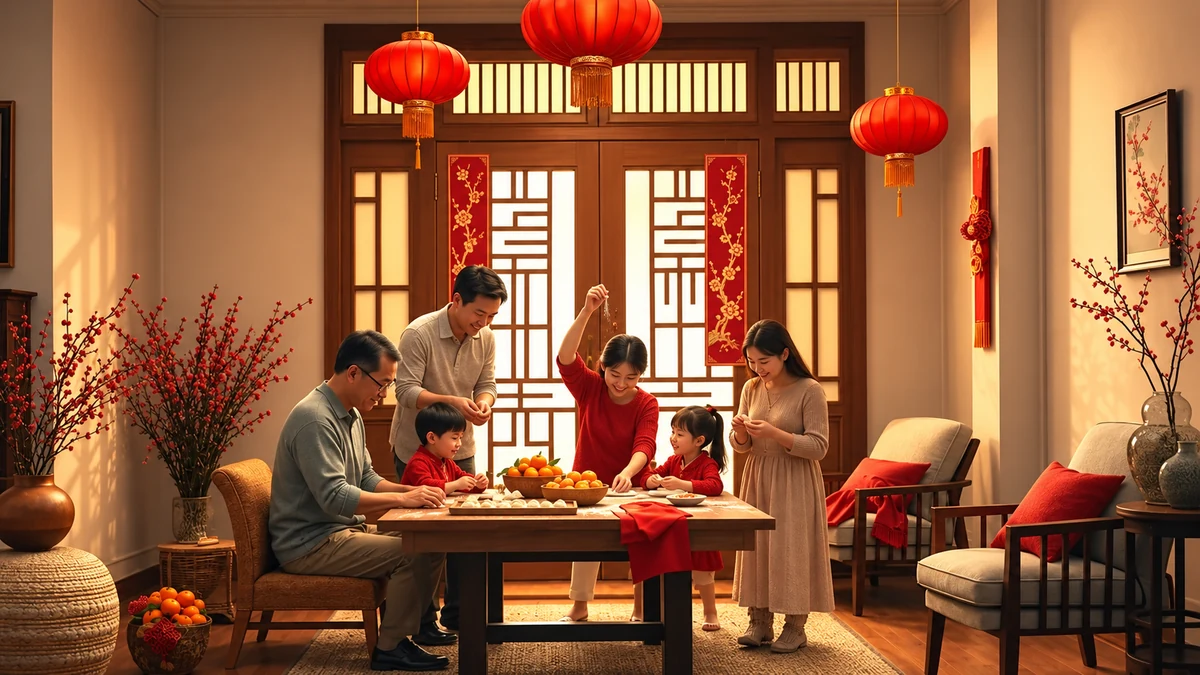
Many families prepare their homes before the holiday. Cleaning can symbolise putting the old year behind them; decorations express auspicious wishes; and new clothes can represent a fresh start and respect for the occasion.
Cleaning and organising the home
Some households finish their main cleaning before New Year’s Day and avoid sweeping that day because of the belief that it could sweep away good luck. Practices differ, and necessary hygiene and safety should always take priority.
- A week beforehand: you might clean the main rooms and repair, recycle or responsibly dispose of unwanted items.
- A few days beforehand: organise cupboards and drawers, remove dust and clear useful living space.
- New Year’s Eve: finish light cleaning and prepare the dinner table. Ask your hosts about any customs they observe around tidying on the following day.
- Laundry and sweeping: some families avoid these tasks on the first day for symbolic reasons; this is a custom, not a universal requirement.
Decorations and their meanings
Red is widely associated with celebration and good fortune. Doorway inscriptions convey auspicious wishes, while lanterns and flowers brighten homes and public spaces. Their meanings belong to the traditions of the people displaying them.
- Red lanterns: often displayed at entrances and in gathering spaces as festive, auspicious decorations.
- Duìlián, or paired door couplets: strips bearing complementary lines of verse can be placed on either side of a doorway.
- Paper cuttings and flowers: decorative cut paper and flowering branches, including peach blossom in some regions, evoke beauty and renewal.
- Symbolic objects: fish motifs and citrus fruit can express hopes for abundance and good fortune.
New clothes: traditions and etiquette
Wearing new clothes can express a fresh start. Red is a popular festive choice; some families avoid predominantly black or white clothing because of mourning associations. Expectations vary, so follow your hosts’ guidance rather than treating every colour as a fixed rule.
- Prepare in advance: choose your outfit beforehand to avoid a last-minute rush.
- Consider red or warm colours: a small red detail can acknowledge the festive mood without requiring a completely new wardrobe.
- Dress neatly: clean, well-kept clothing is a considerate choice for a family visit. Attitudes towards distressed styles differ.
- Footwear: choose clean, comfortable shoes suited to the weather and your plans, and follow household rules about removing them indoors.
Replacing worn decorations or preparing a welcoming entrance can make the home feel cared for. Such personal touches need not be presented as compulsory customs or ways to guarantee prosperity.
Traditional foods and their symbolism
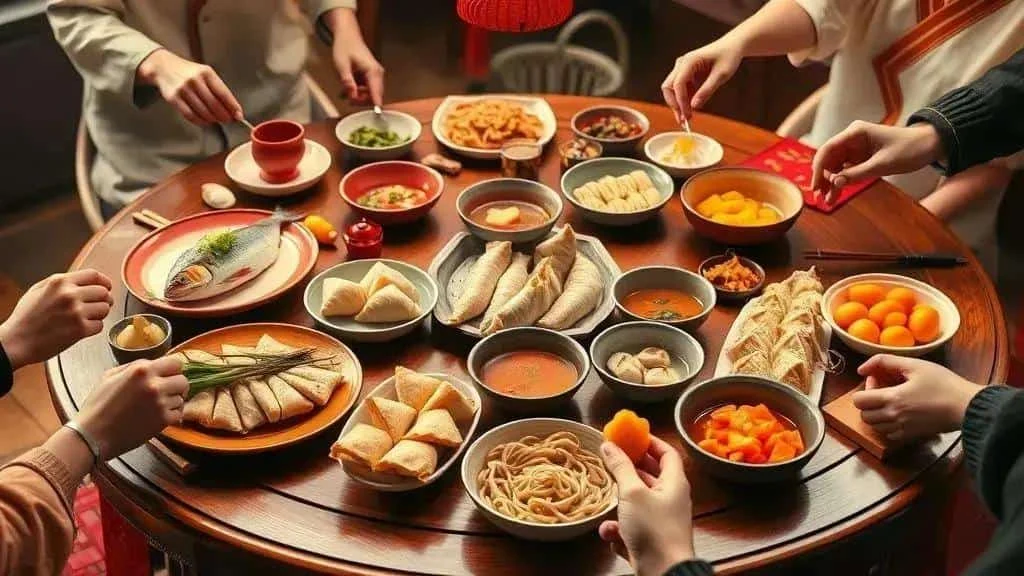
Festive dishes often express wishes for prosperity, togetherness or a long life. Their names, shapes and colours can carry particular meanings, although the menu and its interpretation vary between regions and families.
Dishes and their meanings
- Jiaozi, or dumplings – their shape is associated with traditional ingots and wishes for wealth. Especially in northern Chinese traditions, relatives may make them together for New Year’s Eve.
- Whole fish, or yú – a wordplay linking fish with surplus makes it a symbol of abundance. Some families reserve a portion for the next day as an expression of that wish, storing leftovers safely.
- Niangao, or glutinous rice cake – its name is associated with rising higher from year to year, making it a food of hopeful progress.
- Spring rolls – their golden appearance can suggest gold bars and wishes for prosperity.
- Longevity noodles – long strands symbolise a long life. Tradition may favour unbroken noodles, but cutting food when needed for safe, comfortable eating is sensible.
- Tangyuan, or glutinous rice balls – their round shape evokes family togetherness, and they are particularly associated with the Lantern Festival.
- Oranges and mandarins – their colour and auspicious linguistic associations make them popular gifts and decorations in some communities.
- Other fruit, nuts and festive dishes – selections and meanings are regional and personal. Ask the family about its favourites rather than assigning one universal symbolism to every ingredient.
Serving food and observing customs
Presentation also matters in some households. Whole foods, such as fish or chicken, can symbolise completeness, while sharing a generous meal expresses hospitality. There is no single menu, or universal ban on particular flavours, that every family follows.
- If saving part of a cooked fish for the following day, cool and refrigerate it promptly and handle it safely.
- Making jiaozi together can be a sociable family activity where it is part of the household’s tradition.
- When fruit is an appropriate gift, offer and receive it courteously; using both hands is a respectful gesture.
- Ask about preferences, allergies and dietary requirements instead of assuming that symbolic dishes suit everyone.
Recipes differ, but their common thread is the expression of good wishes. A dish’s ingredients, name or shape can become part of a shared hope for the year ahead.
Family rituals: reunions, offerings and remembering ancestors
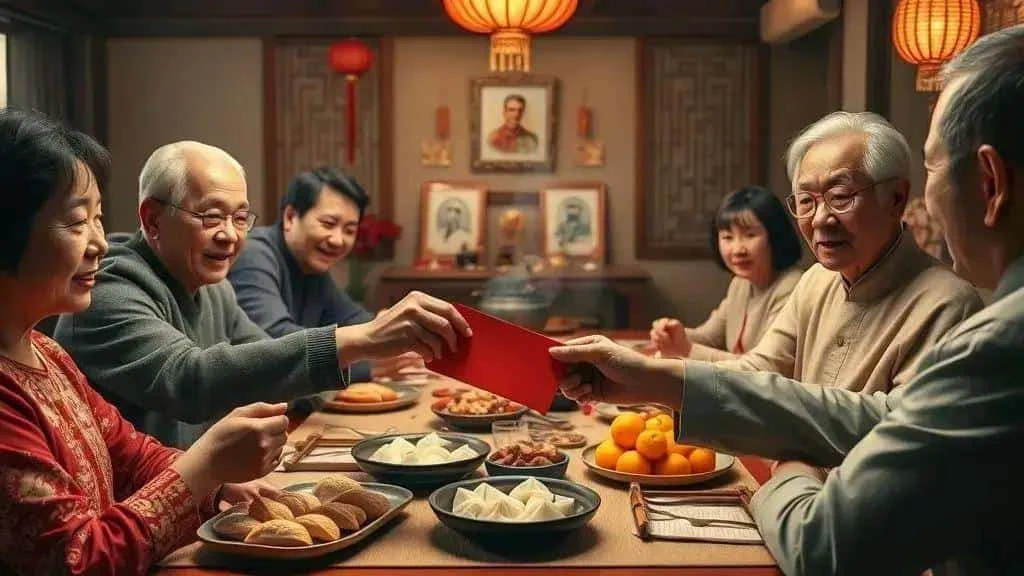
Family rituals can connect generations during Chinese New Year. New Year’s Eve, visits to older relatives and, in some households, ancestral observances are significant parts of the celebration.
New Year’s Eve and the reunion dinner
New Year’s Eve is a central occasion for many families. Relatives gather for a special meal that expresses reunion, often featuring dishes with auspicious meanings.
- Sharing dinner: communal dishes, sometimes served around a round table, encourage conversation and sharing.
- Preparing food together: making dumplings or other family favourites gives different generations a role in the occasion.
- Timing: dinner times and late-night customs vary. Some families stay up to welcome the new year, but not every meal takes place at midnight.
Offerings and ancestral altars
Some families prepare an altar or a dedicated space to remember their ancestors. Offerings may express gratitude, respect and, within the family’s beliefs, hopes for protection.
- Possible items: family photographs, tea, fruit, portions of festive food and incense, depending on the household’s practice.
- Taking part: follow the family’s lead rather than improvising a ritual. If incense is used, maintain ventilation and keep burning materials safely away from children and flammable objects.
- Meaning: remembrance can express continuity and appreciation for earlier generations.
Visits, respect for elders and red envelopes
The first days of the new year often include visits to relatives and friends. Courteous greetings and attention to older family members are valued in many households.
- Greeting elders: acknowledging older relatives first can be a sign of respect; let your hosts guide the order.
- Hongbao, or red envelopes: gifts of money, often given to children or younger relatives, convey good wishes. Receiving them with both hands is courteous.
- Greetings: offer warm wishes for the year ahead and be considerate about the subjects you raise during a festive visit.
Customs and taboos
Some households avoid sweeping on New Year’s Day or discussing misfortune because of traditional beliefs. These practices are not identical across families, and they should not be mistaken for instructions that everyone must follow.
- Avoiding waste: plan and store food carefully, but discard food that is unsafe rather than keeping it for symbolic reasons.
- Sensitive subjects: take your cue from the family; a cheerful occasion still allows compassion when someone needs support.
- Order of visits: families may have established plans for visiting close and older relatives.
Customs differ with region, belief and personal preference. The wish to maintain connections and welcome the year with hope is a useful starting point for understanding them.
Public celebrations: parades, fireworks and dragon dances
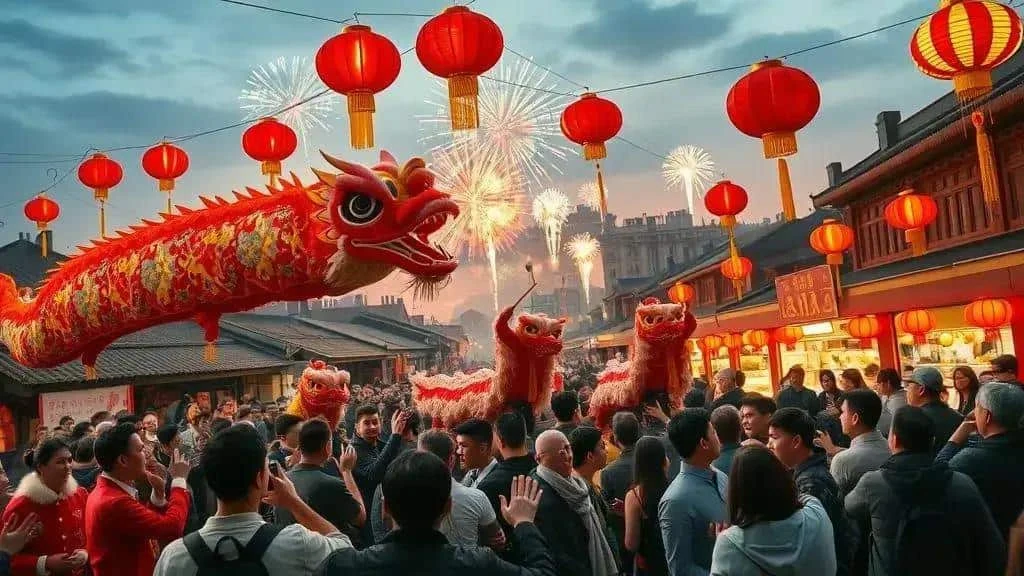
Public events can bring performances, decorated streets and community gatherings to the festive season. Not every place offers the same activities, and fireworks or parades should never be assumed without checking the current local programme.
Parades and dragon dances
In a dragon dance, a team moves a long articulated dragon in coordinated waves. Lion dances use a different costume and style, often combining lively movements, acrobatics and interaction with spectators. Both can convey auspicious wishes.
- Structure: dragon performers support sections on poles; a lion costume is commonly operated by two performers.
- Music: drums, cymbals and gongs provide rhythmic accompaniment.
- Symbolism: performances can express hopes for protection and prosperity for the community.
Fireworks and pyrotechnic displays
Fireworks have associations with celebration and warding off misfortune in traditional belief. Their availability is governed by local rules, environmental concerns and safety arrangements; being in a rural area does not mean private fireworks are permitted.
- Possible occasions: organised displays may accompany New Year’s Eve or other scheduled festivities, including some Lantern Festival events.
- Safety: attend authorised displays, respect exclusion areas and follow instructions from organisers and local authorities.
Street festivals and fairs
Depending on the place and programme, celebrations may include temple fairs, food stalls, crafts and lantern displays. Follow signed spectator areas and access routes where events are organised.
- Temple fairs: some combine traditional performances, crafts and trading.
- Food stalls: regional dishes and snacks offer another way to experience local celebrations.
- Participation: join workshops or activities when invited, and ask before taking part in a religious or family ritual.
Practical tips for attending events
Wear comfortable shoes, carry water where permitted and check suitable payment methods before travelling. Cash and overseas cards may not be accepted everywhere. Keep clear of performers and do not touch costumes or ceremonial objects without permission.
- Arrival: allow plenty of time and check access arrangements. Arriving thirty to sixty minutes early may help at a smaller event, but does not guarantee a view or entry.
- Photography: avoid blocking others and ask before photographing private rituals or identifiable people at close range. Follow any restrictions on flash.
- Children and older relatives: agree a meeting point and choose a location with a manageable route to transport and facilities.
Regional differences and well-known events
Examples include Beijing’s temple fairs and Hong Kong’s festive programmes, which have included major fireworks displays. Lantern events appear in different regions. Check the relevant year’s official programme: a city’s location or size does not determine what will take place.
Behaviour and etiquette
Offer friendly greetings, respect personal space and keep performance areas clear. Following safety instructions and disposing of litter responsibly are straightforward ways to show consideration for the community.
Good-fortune traditions: red envelopes, fireworks and prayers
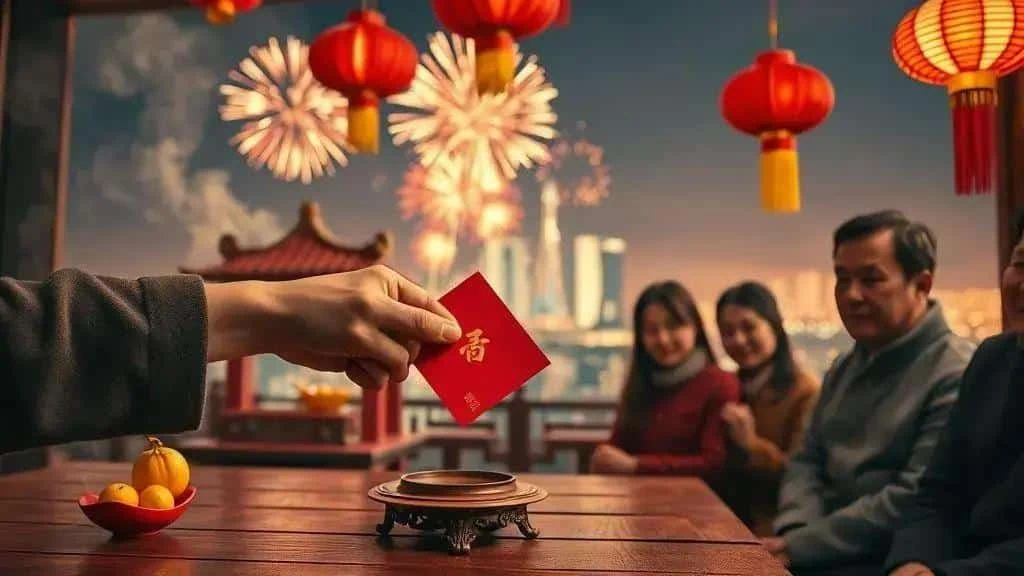
Red envelopes, fireworks and prayers are among the ways people express hopeful wishes during Chinese New Year. They appear in different combinations, and many people celebrate without observing every religious or traditional practice.
Red envelopes, or hongbao
Hongbao contain money given with good wishes. Adults may give them to children or younger relatives, and some workplaces have their own gifting customs. The occasion, recipient and amount depend on the relationship and local practice.
- Offering and receiving: using both hands and exchanging a short, warm greeting is courteous.
- Amounts and symbolism: eight is often considered auspicious, while four may be avoided because of its sound. There is no universal required amount; follow the family’s customs and your means.
- Digital envelopes: messaging and payment apps have also become a way of exchanging festive money gifts.
Fireworks and noise
A familiar legend tells of the monster Nian being frightened by loud noises and other protective symbols. This is folklore, not a historical account of a real creature. Firecrackers and fireworks have developed both symbolic and celebratory roles.
- Timing: where authorised, displays may form part of New Year’s Eve or another scheduled celebration.
- Safety: choose organised events and obey current local restrictions rather than assuming private use is allowed.
- Community impact: restrictions may address pollution, fire risk, noise and the wellbeing of residents and animals.
Prayers, offerings and temple visits
Some people visit Buddhist or Taoist temples or follow other local and family traditions, offering prayers, incense or food. Others observe the holiday in a largely secular way. No single religious practice defines every celebration.
- Taking part: bowing, incense and quiet reflection may be appropriate in some settings, but follow that temple’s instructions rather than applying one ritual everywhere.
- Offerings: fruit, tea or food may be used where welcomed; check the site’s rules and avoid waste.
- Good wishes: short, positive greetings can express hopes for the coming year without requiring participation in worship.
Courtesy and practical considerations
Respect for people’s customs should go alongside attention to safety and comfort.
- Respect time and space: do not intrude on private observances; follow guidance from temples and event organisers.
- Consider children and animals: loud fireworks and crowds can be distressing. Plan a quieter alternative when appropriate.
- Keep gifts thoughtful: sincere gestures need not become a competition over money or display.
Understood as expressions of hope, these traditions can reinforce renewal, connection and care. Participating respectfully does not require believing that a ritual changes your luck.
Regional customs and comparisons with Christmas in Brazil
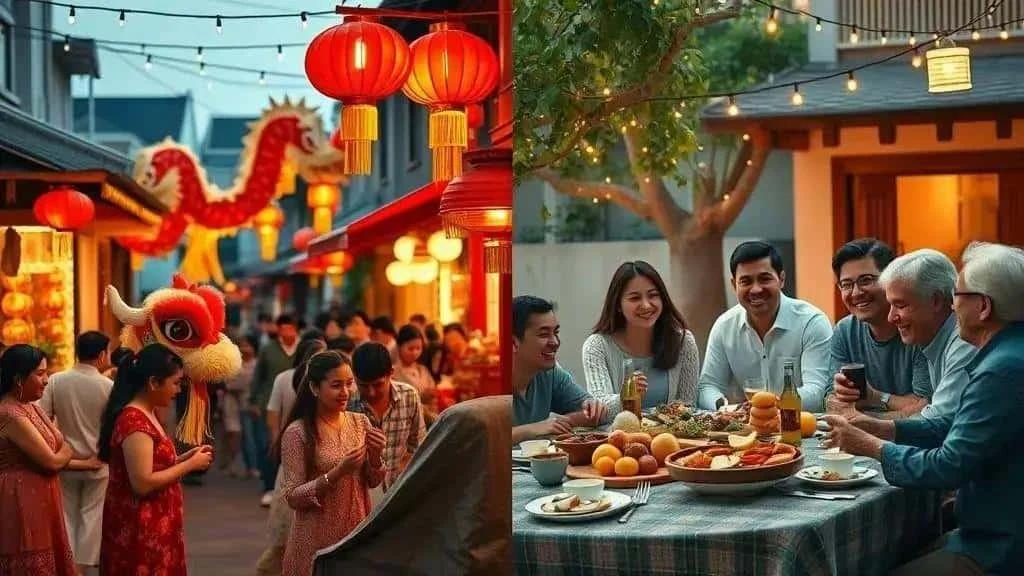
China includes many climates, communities and ways of life. New Year foods and observances reflect that variety, and families living in the same city may celebrate differently.
Differences across regions
- Northern traditions: jiaozi are particularly associated with New Year meals, although family reunion is important far beyond the north.
- Southern traditions: rice cakes and other regional foods feature in different communities; there is no single southern menu or style of celebration.
- Hong Kong and Macau: public programmes can include large-scale performances and displays, with details depending on the year and location.
- Rural communities: local family, temple and agricultural traditions may shape events, alongside contemporary ways of celebrating.
- Beliefs and local practice: Buddhist, Taoist, folk and secular influences can appear in different combinations.
More examples of regional variety
- Lantern designs: displays may feature animals, plants or motifs with local significance.
- Festive food: noodles, rice cakes and dumplings have many regional preparations and meanings.
- Firework restrictions: local rules can change how people celebrate. An official replacement display is not guaranteed wherever private fireworks are restricted.
- Event schedules: fairs and other activities may extend beyond the traditional fifteen-day festive period, which should not be confused with the public-holiday allowance.
Comparing the celebration with Christmas in Brazil
Both occasions can bring families together around food, gifts and affection. Their calendars, beliefs and customs are different, however, and neither is celebrated uniformly.
- Season and setting: Christmas falls in the Brazilian summer, when some families celebrate outdoors. Chinese New Year falls in January or February, during the northern winter, though conditions vary greatly across China.
- Presents and hongbao: wrapped gifts are familiar at Brazilian Christmas, while hongbao are a distinctive money-gifting tradition at Chinese New Year. Both can carry affection and symbolic meaning.
- Religion and secular life: Christmas has Christian origins and also secular expressions. Chinese New Year encompasses family customs, folklore and diverse religious or secular observances.
- Public events: Chinese New Year may include dragon dances and temple fairs; Brazilian Christmas may feature Nativity scenes, church services and festive meals, alongside other community activities.
- Duration and family routines: both involve preparation and repeated gatherings. The pattern depends on family practice, work commitments and local calendars rather than a simple comparison of which celebration lasts longer.
Tips for Brazilian visitors taking part
- Ask about household customs: do not assume every family observes the same taboos about cleaning, clothing or greetings.
- Receive hongbao courteously: using both hands is a respectful gesture.
- Choose an appropriate gift: fruit or sweets may suit a local visit, but check your hosts’ preferences and any food-import rules before carrying gifts across a border.
- Observe and ask: a polite question is better than guessing how to take part in a private ritual.
Comparing celebrations can help us appreciate shared hopes without overlooking cultural differences. Togetherness and the wish for better days take many forms.
Conclusion
Chinese New Year shows how meals, preparations and gatherings can connect family, culture and hope. Understanding the variety behind familiar symbols makes participation more thoughtful and meaningful.
Thank you for reading. We hope these traditions and practical ideas have encouraged you to explore celebrations with curiosity and respect. Follow our social channels for more stories, photographs and seasonal suggestions.
Discover more stories, recipes and festive ideas on the I Love Christmas blog.
FAQ: Chinese New Year traditions
When is Chinese New Year celebrated?
Its Gregorian date changes because it follows the traditional lunisolar calendar. It falls between 21 January and 20 February, on the first day of the first lunar month.
What are hongbao, and how should I give them?
Hongbao are red envelopes containing money and conveying good wishes. Offer and receive them courteously with both hands, and ask about suitable amounts and local customs rather than assuming one rule applies everywhere.
Which foods might I see, and what do they mean?
Examples include jiaozi associated with wealth, whole fish with abundance, niangao with progress and long noodles with longevity. Menus and interpretations vary by region and family.
Are fireworks always allowed?
No. Rules depend on the locality and may restrict or prohibit private fireworks. Check current official arrangements and attend authorised events rather than assuming a display will take place.
How do customs vary across China?
Northern traditions often feature jiaozi, while rice cakes appear in several southern traditions. Local foods, family beliefs and public programmes differ, and cities such as Hong Kong publish their own seasonal event schedules.
How can a visitor take part respectfully?
Follow your hosts’ guidance on clothing, greetings, gifts and household customs. Receive gifts courteously, ask before joining religious observances and do not treat regional traditions as universal rules.
Sources and Further Reading
- UNESCO: Spring Festival social practices
- Hong Kong Observatory: twelve zodiac animals
- Hong Kong Observatory: calendar conversion
- Smithsonian: Lunar New Year celebrations
- Smithsonian: Lunar New Year foods