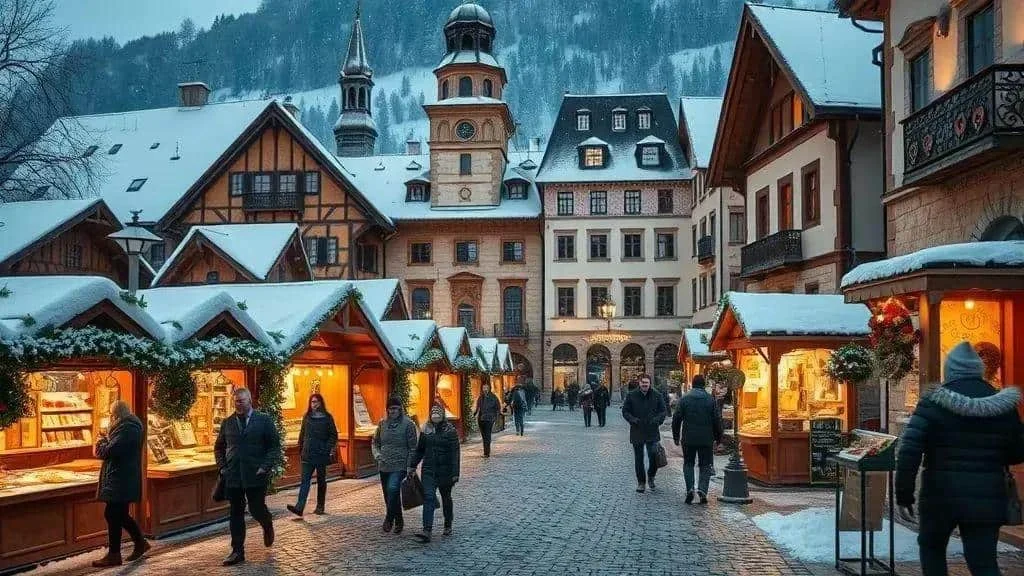
Christmas in Switzerland brings together traditional markets, Alpine scenery, skating, concerts and regional food. Plan transport and accommodation ahead, compare travel passes against your itinerary and check seasonal opening dates. Snow is not guaranteed in the cities.
Christmas in Switzerland means illuminated markets, welcoming towns and comforting winter flavours. Discover which cities might suit your trip and how to enjoy the festive season at a comfortable pace.
Illustrations in this article are conceptual images, not documentary photographs or evidence of a particular historical event, destination, venue or access route.
Why visit Switzerland at Christmas?
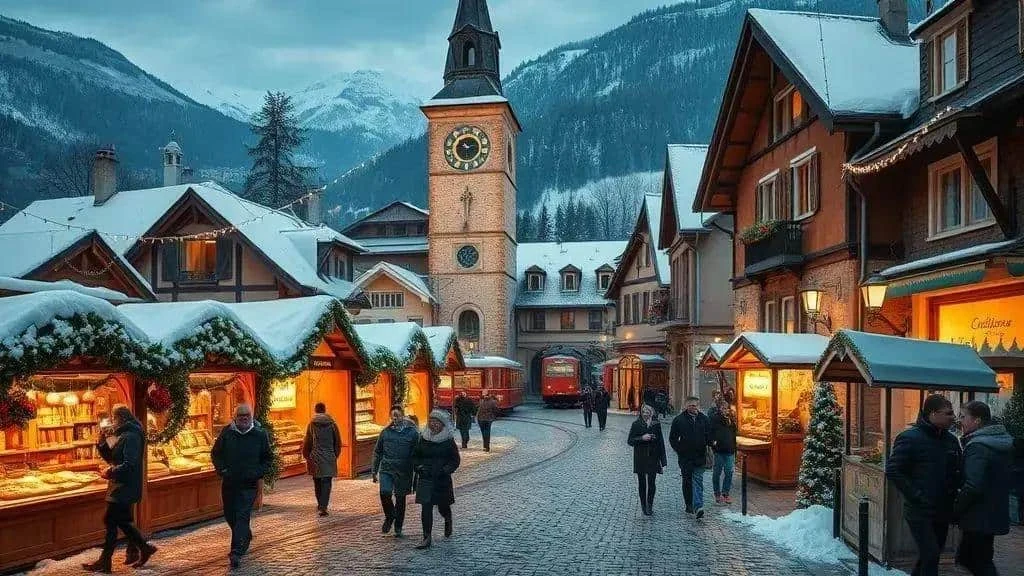
Christmas in Switzerland combines Alpine landscapes, traditional markets and an extensive public transport network. These can make a rewarding holiday for families, couples and solo travellers, although weather, crowds and costs still need careful planning.
What makes the season special?
Here are some of the attractions and practical advantages to consider:
- Natural scenery: mountain views and picturesque villages make attractive stops. Snow cover varies, and winter walks should follow open, marked routes suitable for the conditions.
- Christmas markets: craft stalls, regional food and festive lighting create a welcoming atmosphere.
- Public transport: trains, buses and trams connect many cities and attractions. Check connections and seasonal timetables before travelling.
- Visitor information: local tourist offices and transport operators provide useful details on opening times, accessibility and winter conditions.
- Varied activities: look for managed skating rinks, organised winter outings, concerts and seasonal displays in the local programme.
Quick planning tips: book accommodation and popular activities ahead, compare the Swiss Travel Pass with individual tickets and pack layers for the cold. Check market opening hours and allow for busy periods.
For travellers drawn to festive traditions, lakeside cities and mountain scenery, Switzerland offers plenty of ways to combine Christmas atmosphere with a manageable itinerary.
Swiss Christmas markets: places and dates to check
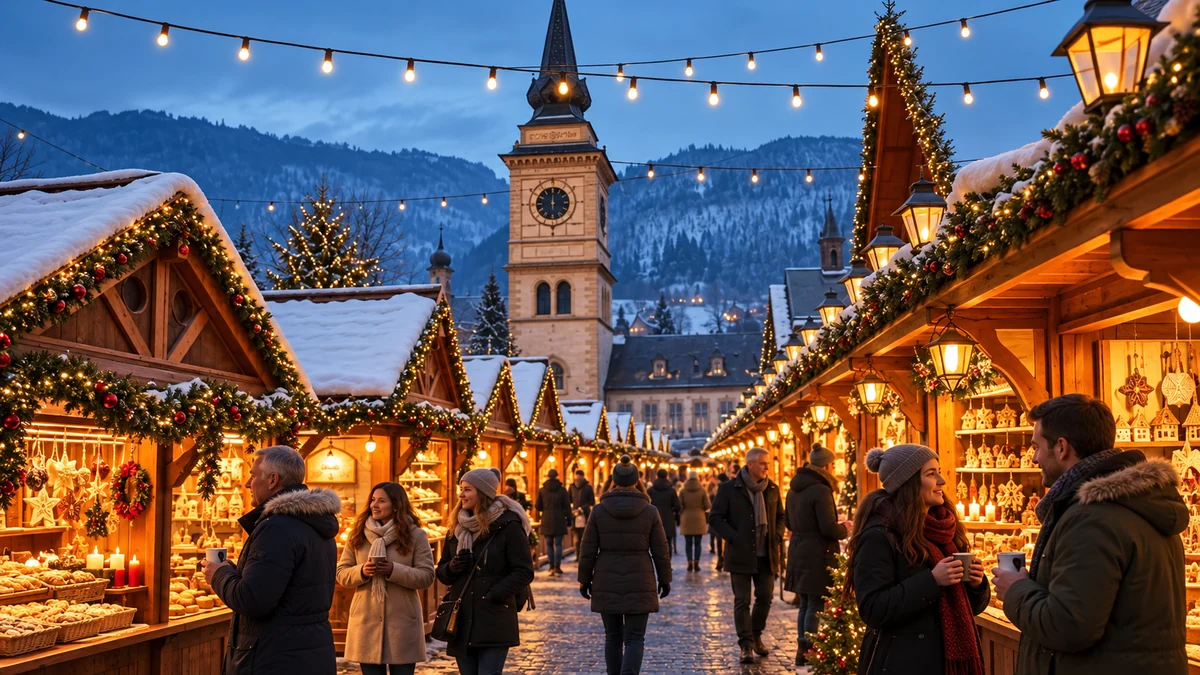
Switzerland’s Christmas markets offer local crafts, seasonal food and colourful lights. Choose the ones that fit your route, then check each event’s own calendar.
When do the markets open?
As a broad guide, many markets run from late November into December, but closing dates differ. Some finish before Christmas Eve; separate winter events may continue into January. The 2026 dates below are edition-specific and should be reconfirmed before booking.
Markets to consider
- Zurich: Christkindlimarkt at Hauptbahnhof — an indoor market in the main railway station, known for its large decorated Christmas tree. Other Zurich markets occupy different locations around the city. Check the individual event’s dates and opening hours.
- Basel Christmas market — stalls at Barfüsserplatz and Münsterplatz offer crafts and seasonal food. The published 2026 dates are 26 November–23 December. The winter village at Theaterplatz has a separate schedule and runs longer. Source: Basel Tourism: Christmas market
- Montreux Noël — a lakeside market on Lake Geneva, with additional seasonal attractions that may require separate tickets. The published 2026 market dates are 20 November–24 December; do not assume the market continues into January. Source: Montreux Noël: market dates
- Lucerne — choose between different festive locations rather than treating the city as one event. The 2026 market at Franziskanerplatz runs from 3–21 December, while Rudolf’s Christmas runs from 20 November–23 December. Check the programme for each venue. Source: Lucerne Tourism: City Guide 2026–27 Source: Lucerne Tourism: Rudolf’s Christmas
- Bern: Münsterplatz — a market beside the cathedral, convenient for exploring the old town on foot. The published 2026 dates are 28 November–24 December; other Bern markets have their own calendars. Source: Bern Welcome: Christmas markets
- Geneva: Noël au Quai — a lakeside Christmas event on Quai du Mont-Blanc, with food, crafts and seasonal activities. Its published 2026 dates are 19 November–24 December. Check opening times and any booking requirements separately. Source: Geneva Tourism: Noël au Quai
- Vevey and Lausanne — both can be combined with a Lake Geneva itinerary. Lausanne’s Bô Noël spans city-centre locations rather than being simply a small lakeside fair. Consult the current programmes for Lausanne and Vevey separately.
Practical tips for market visits
- Timing: weekday visits can be quieter than weekend evenings. Check opening times first, as not every market opens in the morning.
- Transport: use the rail and local transport network where convenient. Compare pass prices with the tickets needed for your actual route.
- Bookings: reserve popular guided visits, dinners and ticketed experiences ahead. Check whether ordinary market entry is free or ticketed.
- Weather: wear warm layers and suitable footwear. Many stalls are outdoors, and lakeside wind can make a visit feel colder.
- Payment: carry a modest amount of Swiss francs, as some stalls may not accept cards for small purchases.
- Food and drink: sample local specialities and, if you drink alcohol, Glühwein (mulled wine). Heated wine still contains alcohol; ask for an explicitly alcohol-free drink if preferred, and do not drink before driving or winter sports.
A route built around confirmed opening times, nearby attractions and realistic breaks makes it easier to enjoy the markets without spending the day rushing between them.
Cities to explore: Zurich, Lucerne and Bern
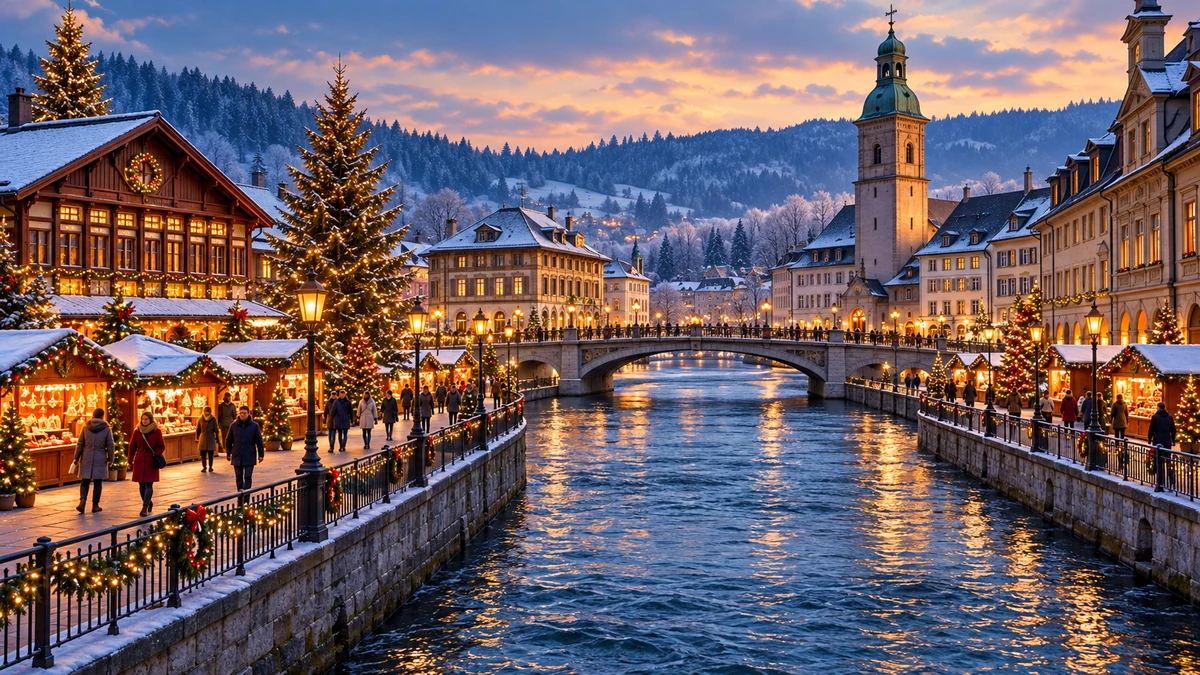
Zurich combines lively markets with elegant shopping streets. Walk along Bahnhofstrasse and consider the Christkindlimarkt in the main station when it is open.
Highlights in Zurich
- Hauptbahnhof market: a large Christmas tree, festive stalls and food stands provide an indoor stop during a city visit.
- Lindenhof and the old town: cobbled streets, illuminated shopfronts and viewpoints offer opportunities for a leisurely walk. Take care on slippery surfaces.
- A relaxed evening: look for cafés and seasonal concerts in the city’s event listings.
- Getting there: Zurich Airport has rail connections to the city, with onward services to other Swiss destinations.
- Practical tip: accommodation near a station or tram stop can reduce travel time. Compare prices, access and noise levels before booking.
Lucerne offers lakeside scenery and a historic centre, with the Kapellbrücke among its best-known landmarks.
Highlights in Lucerne
- Kapellbrücke and the lake: the covered bridge and waterfront make an attractive walking route in suitable weather.
- Old-town market: browse seasonal stalls at Franziskanerplatz during its advertised dates, and explore nearby shops and cafés.
- Mountain excursions: Pilatus and Rigi are possible outings, subject to weather and operating schedules. Check which transport routes and activities are open in winter.
- Food: try a cheese fondue, regional dishes or a local bakery, checking ingredients where dietary requirements apply.
- Practical tip: a boat trip and mountain railway can sometimes be combined, but winter timetables and the final return service must shape the plan.
Bern brings together historic streets, covered arcades and markets around its old town. Allow time to explore beyond the busiest stalls.
Highlights in Bern
- Münsterplatz: visit the market beside the cathedral during its published season.
- Zytglogge and the arcades: the historic clock tower and sheltered shopping streets are useful stops on a winter walk, although outdoor surfaces can still be slippery.
- Culture: check December listings for concerts, exhibitions and other indoor activities.
- Getting around: much of the old town can be explored on foot, with public transport available for longer journeys and tired legs.
- Practical tip: book Christmas meals ahead and check restaurant opening days. Centrally located accommodation can simplify evening outings.
Useful reminders: pack layers, footwear with good grip and a suitable travel adaptor. Compare rail passes with individual fares rather than assuming a pass is cheapest, and compare souvenir prices before buying.
Festive activities: skating, concerts and themed outings
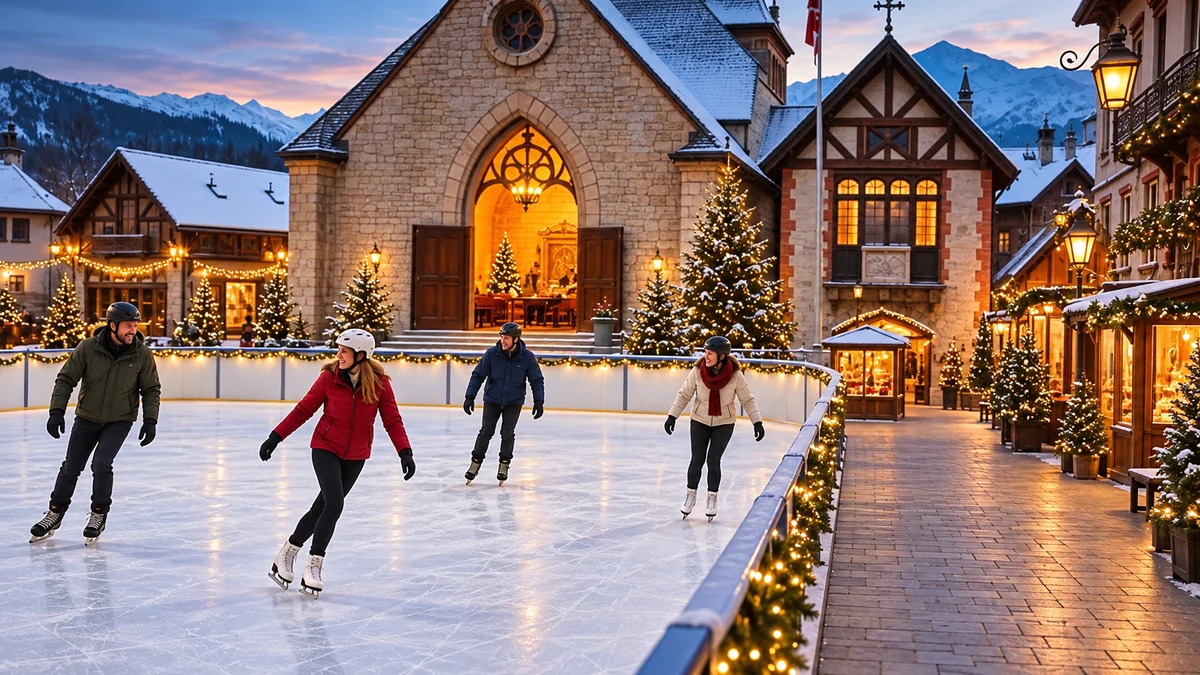
Plan experiences that suit your group during Christmas in Switzerland, from a short skating session to a warm indoor concert.
Ice skating
Look for managed seasonal or permanent rinks and check their opening hours, hire arrangements and beginner facilities. Never assume a frozen lake is safe to skate on: use only locations explicitly opened and managed for that purpose by the responsible authority.
- What to bring: gloves, suitable socks and warm layers. Ask the venue about helmets and protective equipment in advance rather than assuming they are supplied.
- Hire and lessons: check session length, skate-hire charges and whether lessons are available for the ages and abilities in your group.
- Safety: follow rink rules and staff advice. Beginners may find a quieter session easier, and children need appropriate supervision.
Concerts and performances
Seasonal performances take place in churches, concert halls and theatres. Programmes may include choirs, classical music and festive recitals; book ahead when a particular performance matters to your trip.
- What to look for: local choirs, orchestral concerts and smaller recitals. Outdoor performances and indoor concerts require different clothing and planning.
- Tickets: use the venue or organiser’s booking information and check refund terms, access arrangements and age guidance.
- What to wear: comfortable shoes and warm layers. Historic churches may feel cool inside, and any venue dress requirements should be checked beforehand.
Themed itineraries
Give each day a manageable focus: markets, city lights or a mountain outing. Group nearby attractions together and leave room for weather-related changes.
- Market route, half a day: choose one city and one or two nearby markets, sample a speciality and finish with a warm drink. Add another stop only if time and energy allow.
- Lake and lights, a full day: combine a short scheduled boat trip, where operating, with a market visit and an early-evening waterfront walk on safe, open paths.
- Mountain scenery, a full day: take a morning service to an accessible mountain destination, choose a suitable marked winter walk or indoor viewpoint, and plan lunch and the return around the last operating service. Do not assume a cable car runs at sunset.
Choosing and combining activities
- Book ahead for popular skating sessions, concerts and guided outings.
- Combine public transport with short walks, allowing time for platforms, luggage and changing conditions.
- Weather and clothing: check forecasts and local operating updates each day. Wind, ice and poor visibility may make an indoor alternative preferable.
- For children: look for beginner skating areas, short family performances and activities suited to their age, rather than assuming every market provides them.
- Photography: check exposure in bright snow and low light, keep spare batteries warm and avoid stepping into roads or unsafe snow for a photograph.
Deciding what matters most
With limited time, choose one main experience and a nearby extra: a market and a short skating session, for example, or a concert and dinner. A slower village or mountain visit may suit those who prefer fewer stops.
Travel essentials: documents, weather and transport
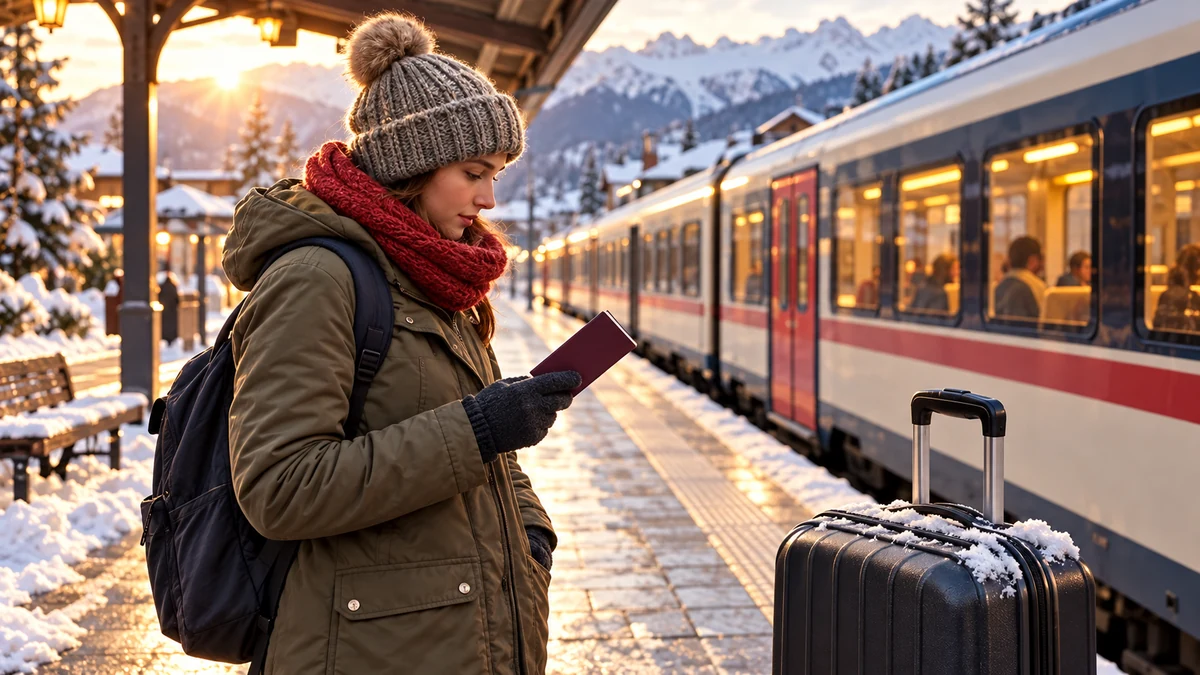
Planning Christmas in Switzerland starts with the right travel documents, suitable clothing and a realistic transport plan. The entry guidance here is framed for British citizens; other nationalities must check their own requirements.
Documents and insurance
- Passport: for a British citizen visiting Switzerland, the passport must have been issued less than 10 years before arrival and expire at least three months after the planned departure from the Schengen area. Check current FCDO advice before booking and travelling. Source: GOV.UK: Switzerland entry requirements
- Visa and entry rules: British citizens can normally visit for tourism without a visa for up to 90 days in any 180-day period across the Schengen area as a whole. Check current entry-system requirements and allow time for border checks; different purposes of travel may require permission.
- Travel insurance: choose cover appropriate to your health needs and planned activities, including winter sports if relevant. Keep the policy details and emergency contact number accessible.
- Other documents: save accommodation details, return-travel information and emergency contacts. If hiring a car, check current licence, rental and winter-equipment requirements with the provider and official travel advice.
Weather and clothing
- Temperature: conditions vary greatly by altitude and region. Cities may be above freezing while mountain areas are much colder; rain, ice and snow are all possible. Check a local forecast rather than relying on one temperature range for the whole country.
- Layers: combine a base layer, insulating jumper or fleece and a weatherproof outer layer suited to your activities.
- Footwear: choose waterproof boots with good grip. Stay on suitable open routes and seek local advice about icy conditions; footwear alone does not make a hazardous path safe.
- Accessories: bring a hat, scarf, warm gloves and spare socks. Hand warmers can be useful when used according to their instructions.
Transport and passes
- Swiss Travel Pass: it covers travel on its specified network of trains, buses and boats, with additional benefits and discounts. Check eligibility, the coverage map and your chosen mountain routes: some are included, others discounted or excluded. Carry the required original identity document.
- Trains: check platform information and allow sufficient time to board. With children, luggage or unfamiliar stations, choose a comfortable connection rather than the shortest possible change.
- Reservations: some services require seat reservations or supplements, including certain panoramic trains. These are not automatically covered by the Swiss Travel Pass; check each operator’s conditions.
- Taxis and transfers: compare prices and public transport options. A pre-booked transfer may be useful for a remote destination or a late arrival, but confirm the fare and cancellation terms.
Everyday practicalities
- Money: Switzerland uses Swiss francs (CHF). Cards are widely accepted, but keep some francs for small purchases; do not rely on a stall accepting euros or offering a favourable exchange rate.
- Power: bring an adaptor suitable for Swiss type J sockets and check your device’s voltage rating. An adaptor does not convert voltage. Keep charging equipment and power banks within the relevant travel rules.
- Holiday opening times: markets, shops, restaurants and attractions have different Christmas schedules. Some markets close before Christmas Eve; confirm the exact dates for each intended stop.
- Luggage: keep essential medicines, travel documents and a useful change of clothing in your hand luggage, following airline and medicine-entry rules.
- Useful apps: consider SBB Mobile, offline maps and a translation tool. Save accommodation addresses and important bookings so they remain available without a connection.
- Local rules: respect signs, residential quiet hours, transport rules and waste-disposal arrangements. Follow local advice when winter weather changes access to an area.
Before you leave
- Quick checklist: check passport validity, entry requirements, insurance, transport tickets or passes, accommodation, an adaptor and suitable clothing.
- Allow extra time: build a buffer between flights and onward trains, especially when tickets cannot be changed or weather might disrupt travel.
- Keep in touch: share your itinerary with someone you trust and store document copies securely. Copies are a backup, not a substitute for the originals required at borders.
Seasonal food: dishes, biscuits and warm drinks
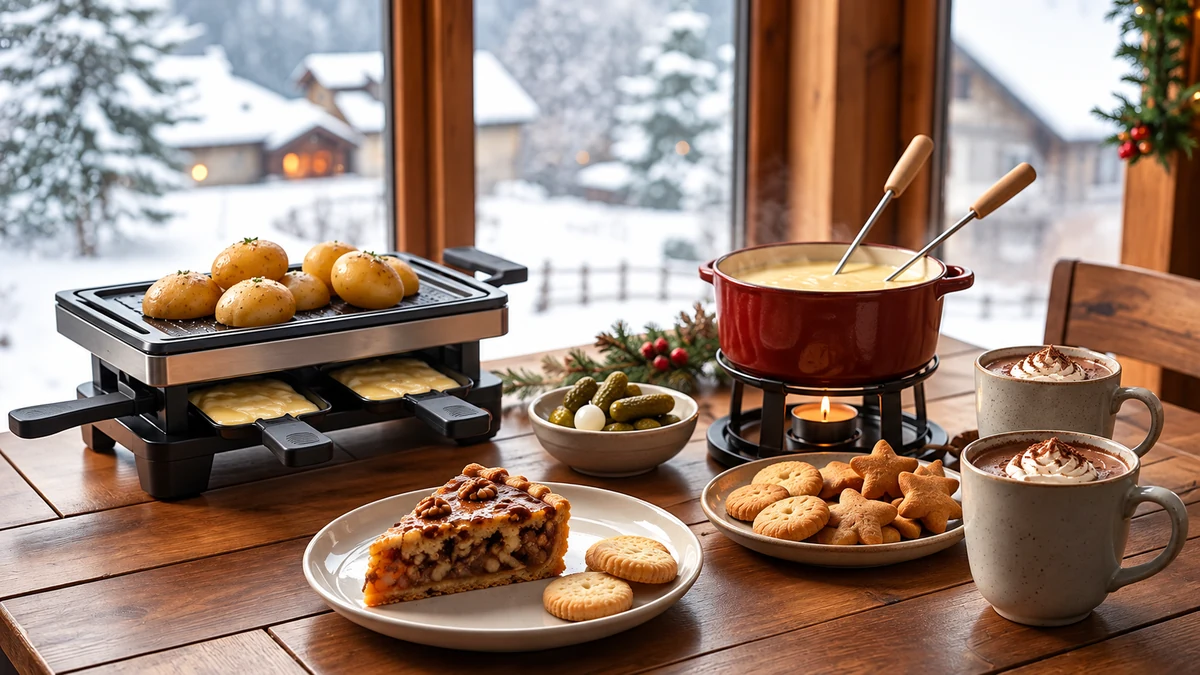
Swiss Christmas food brings together regional cheeses, spiced baking and warming drinks. Not every dish below is exclusive to Christmas, but many fit naturally into a winter market or restaurant visit.
Savoury favourites
- Raclette: melted cheese served with potatoes, gherkins and pickled onions. Vegetarians should check the cheese’s rennet and any meat accompaniments; a vegan version requires a suitable plant-based alternative and separate ingredient checks.
- Cheese fondue: recipes vary and may combine cheeses such as Gruyère and Emmental with wine and kirsch. Bread is dipped into the melted mixture. It contains milk, often gluten and alcohol; milk allergy and lactose intolerance are different conditions.
- Älplermagronen: an Alpine dish of pasta, potatoes, cheese and onions, often accompanied by apple sauce. Ingredients and accompaniments vary between kitchens.
- Other winter dishes: stews and grilled sausages may appear on market and restaurant menus. Ask about ingredients and choose a portion that suits your appetite and plans.
Biscuits and baking
- Engadine nut tart: Nusstorte is a rich tart with a caramelised walnut filling, associated with the Engadine region. A packaged version can make a gift, subject to its storage instructions.
- Basler Läckerli: Basel’s spiced biscuits commonly include honey, nuts and candied peel. Check the label for the full ingredients.
- Brunsli and Mailänderli: Christmas baking favourites: Brunsli usually combine chocolate and ground nuts, while Mailänderli are buttery biscuits, often flavoured with lemon.
- Stollen and Lebkuchen: these festive bakes are also found in Swiss shops and markets, although their traditions extend beyond Switzerland.
Seasonal drinks
- Glühwein: spiced mulled wine. For an alcohol-free alternative, ask for a clearly labelled fruit punch; warming wine does not make it alcohol-free.
- Hot chocolate: styles range from light and milky to thick and rich. Check for milk, cream or added spirits rather than assuming every version is suitable for children or a particular diet.
- Kirsch and schnapps: spirits may be served after a meal or used in cooking. They are optional alcoholic drinks, not a necessary part of the experience.
Tips for choosing food
- Where to try it: compare market stalls, local bakeries and restaurants. Menus, prices and ingredient information are more useful than claims that one place is the most authentic.
- Prices: check the displayed cost and portion size. Sharing can help with a budget when appropriate, but do not assume every stall or restaurant permits it.
- Dietary choices: ask about vegetarian, vegan and alcohol-free options before ordering. A vegan label does not by itself establish that food is free from a particular allergen or cross-contact.
- Food souvenirs: packaged chocolate, biscuits and nut tart can travel well when stored as directed. Check current import rules for your return destination before buying food to take home.
- Allergies: explain the specific allergen and ask about ingredients and cross-contact. Do not taste a small amount to test safety. If staff cannot provide reliable information, choose another option; lactose-free dairy is not suitable for a milk allergy.
Pairing ideas
- Raclette: pickled vegetables provide a sharp contrast to the cheese. Water or a suitable alcohol-free drink works well; wine and beer are optional for adults who drink alcohol.
- Fondue: choose a drink you enjoy and check whether the fondue itself contains alcohol. There is no need to finish with kirsch, and it should not be presented as a digestive remedy.
- Sweet treats: coffee, tea or a warm alcohol-free drink can accompany biscuits and a slice of tart.
Short family itineraries and ways to manage costs
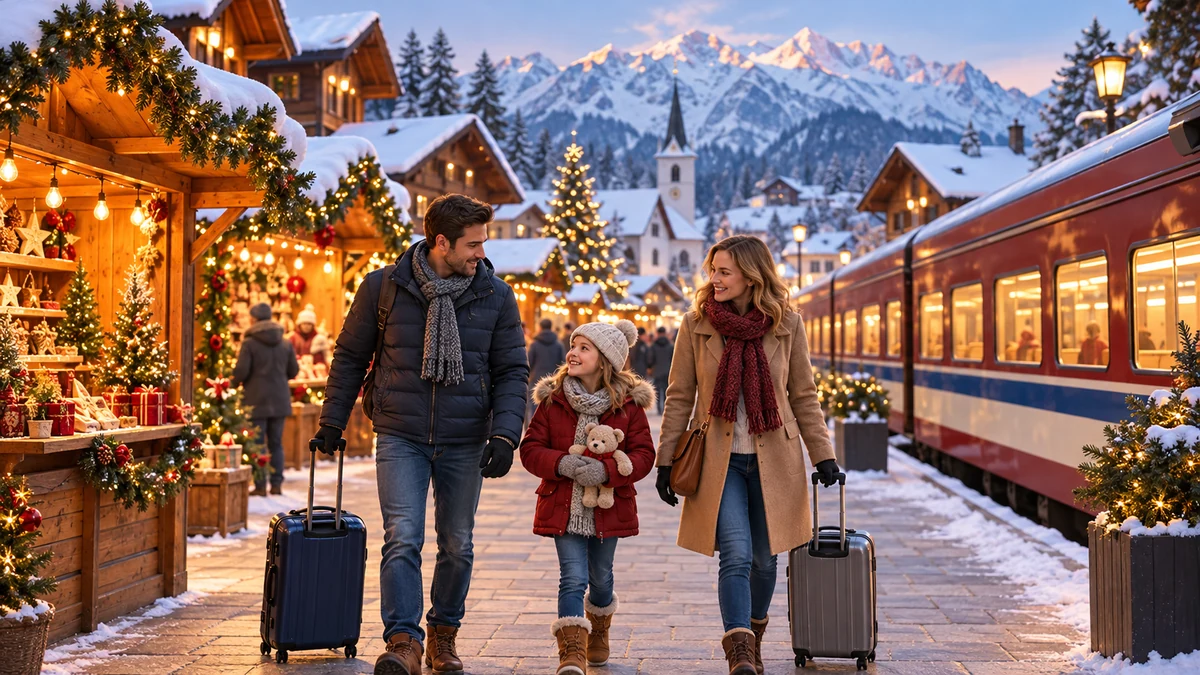
Keep Christmas in Switzerland manageable with short outings, warm breaks and flexible alternatives. These are suggested structures, not fixed tours or promises that every activity is available.
Half a day: a market and a nearby activity
- Morning or late afternoon: visit a market during its opening hours, try a seasonal snack and browse a few stalls.
- A short extra: add skating, a carousel or another child-friendly activity only where it is operating and suitable for your family.
- Logistics: choose nearby stops and allow for slower walking with children, winter clothing and crowds. Keep an easy route back to your accommodation.
A full day: city sights and a lake or mountain
- Morning: explore part of the old town and one market rather than trying to cover every attraction.
- Afternoon: consider a short boat trip or accessible mountain excursion if timetables, weather and daylight allow. Keep an indoor alternative ready.
- Warm breaks: plan regular stops indoors and check that children are comfortable, dry and warm.
Two days: a slower local visit
- Day one: a market, a short town walk and, if available, an age-appropriate workshop or performance.
- Day two: an easy mountain outing in suitable conditions, or a museum with exhibits that interest your children.
- The advantage: fewer rushed connections and more room to change plans when someone needs a rest.
Budget planning
- Rail passes: price your itinerary with and without a Swiss Travel Pass, including reservations and mountain-route charges. A pass can be convenient without necessarily being the cheapest choice. Source: SBB: Swiss Travel Pass
- Meals: compare market food with cafés, supermarkets and restaurants. Check portion sizes and dietary needs before deciding where to eat.
- Accommodation: a kitchen can help reduce restaurant spending, but compare the full accommodation cost, location and cleaning fees.
- Gifts: set a budget and compare similar items across stalls and shops. A smaller market is not automatically cheaper.
- Travel dates: compare weekdays and different weeks in the season. Earlier December dates may offer better value, but local events and demand can change prices.
Free or lower-cost activities
- Walk along illuminated streets or through decorated public spaces that are open and safe to use.
- Look for publicly accessible nativity displays and festive shop windows.
- Check the local programme for free choir performances or other community events, including any booking requirements.
Planning around your family
- Set a comfortable pace: aim for one main activity in the morning and another in the afternoon, with flexibility to do less.
- Leave time to rest: a break at the accommodation before dinner can make the evening more enjoyable.
- Transport: choose manageable connections. A 20–30-minute buffer can be useful with children and luggage, but the right allowance depends on the station and onward service.
A quick family checklist
- Suitable tickets or a pass chosen after comparing the itinerary’s costs and coverage.
- Warm layers and footwear with good grip for everyone.
- Snacks, drinking water and a safely closed flask kept away from young children if it contains a hot drink.
- Offline maps, current opening times and a plan for getting back to the accommodation.
Final thoughts
Christmas in Switzerland can combine atmospheric markets, regional food and striking scenery. Check the season’s dates, prepare for variable weather and give yourself time to enjoy a few places well.
Thank you for reading. Share your own travel memories or questions, and use the official visitor and transport sources below for changing practical details.
Visit the I Love Christmas blog for more festive travel ideas, recipes and seasonal inspiration.
Christmas in Switzerland: frequently asked questions
Do British citizens need a visa to visit Switzerland at Christmas?
A British citizen visiting for tourism can normally stay visa-free for up to 90 days in any 180-day period across the Schengen area. Passport issue-date and expiry requirements also apply. Check current FCDO advice and entry-system requirements before travelling; other nationalities and purposes of travel may have different rules.
When should I visit the Christmas markets?
Many run from late November into December, but individual closing dates differ and some finish before Christmas Eve. Check each event’s official calendar for your travel year; a separate winter festival may continue after its Christmas market has closed.
Is the Swiss Travel Pass worth buying?
Compare the pass price with the journeys you actually plan to make, including mountain routes, reservations and supplements. It can simplify travel, but it is not automatically cheaper than individual or other discounted tickets.
What should I wear for a Swiss Christmas trip?
Pack layers, a suitable weatherproof coat, warm accessories and waterproof footwear with good grip. Check forecasts for each destination and altitude, and adapt activities to the conditions. City snow is not guaranteed.
How can I choose food when I have an allergy?
Ask about the specific allergen, all ingredients and cross-contact before ordering. If the information is uncertain, do not eat the food. Milk allergy is different from lactose intolerance, and lactose-free dairy or a vegan label alone does not establish suitability for an allergy.
How can families keep a short trip within budget?
Group nearby attractions, compare transport options, set meal and souvenir budgets and consider accommodation with a kitchen. Include free activities and compare travel dates, while allowing enough time for warm breaks and rest.
Sources and Further Reading
- Montreux Noël: market dates
- Basel Tourism: Christmas market
- GOV.UK: Switzerland entry requirements
- Zurich Tourism: Christmas markets
- Lucerne Tourism: Rudolf’s Christmas
- Lucerne Tourism: City Guide 2026–27
- Geneva Tourism: Noël au Quai
- SBB: Swiss Travel Pass
- Bern Welcome: Christmas markets
- Lausanne Tourism: December in Lausanne