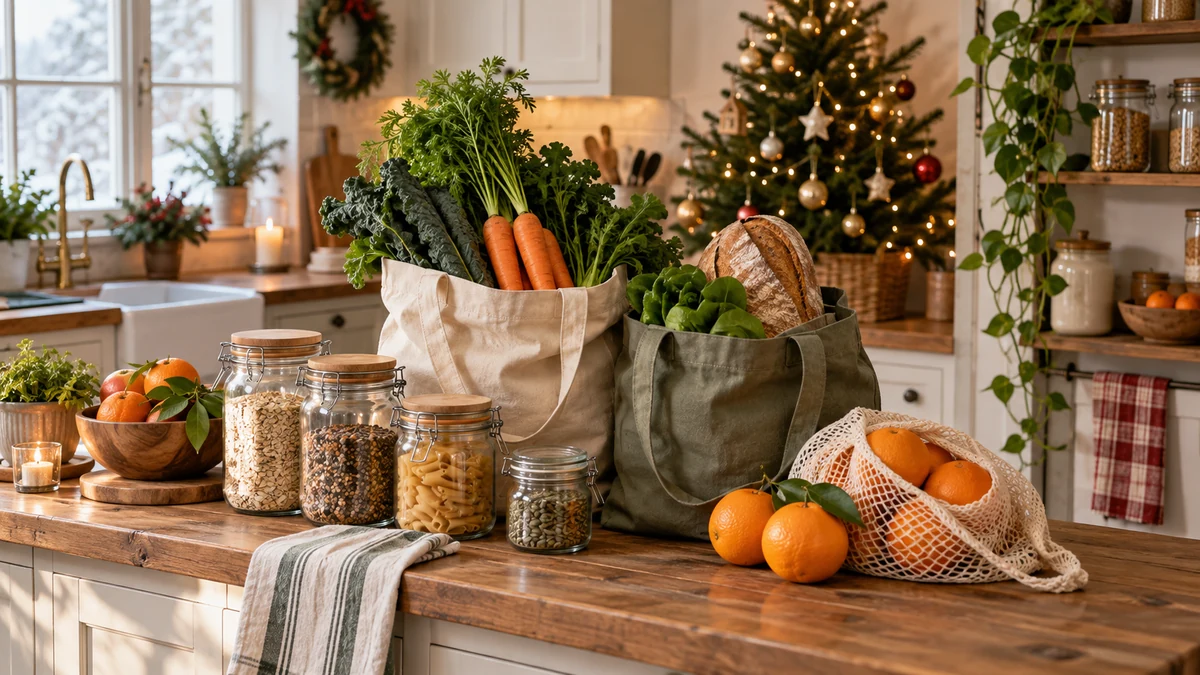
A Christmas shopping list brings food, drinks, decorations and gifts together in one plan. Check what you already own, choose recipes with clear servings, set a spending limit and schedule purchases around storage and use-by dates. A little organisation helps reduce unnecessary buying and food waste.
A Christmas shopping list can take some of the pressure out of preparing a celebration. Start with the essentials, make room for the details that matter to your household, and avoid buying extras simply because they look festive.
Illustrations in this article are conceptual images, not documentary photographs or evidence of a particular historical event, destination, venue or access route.
Organising Your Christmas Shopping List by Category
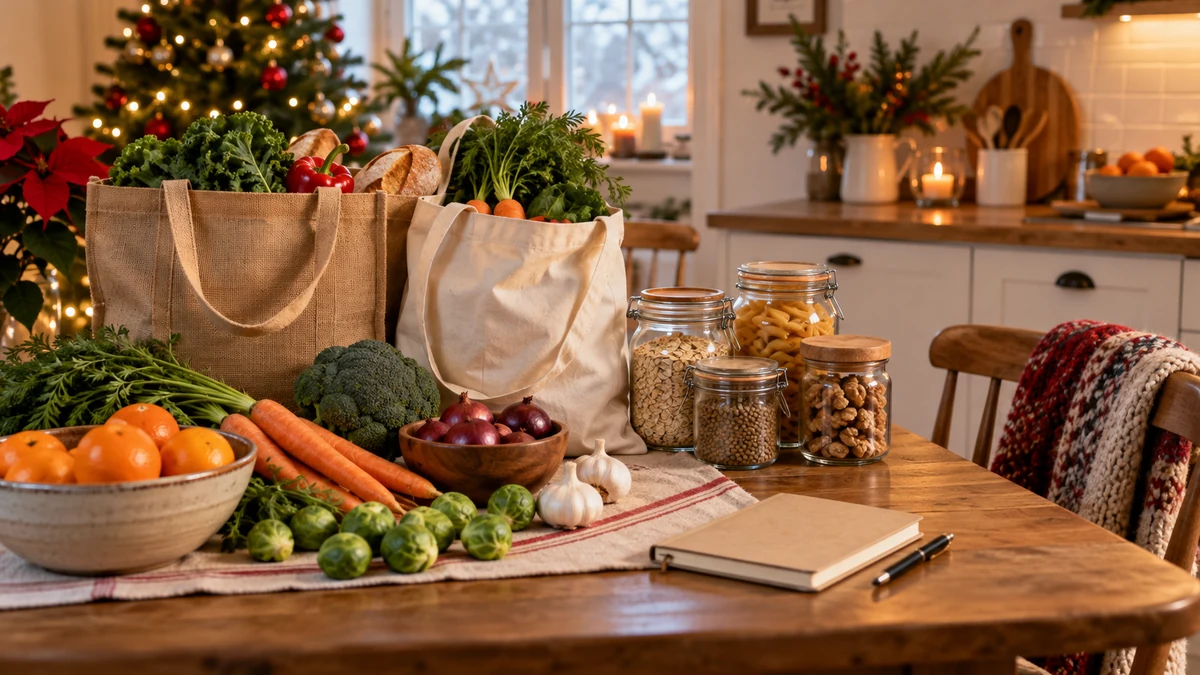
Grouping items makes it easier to see what is missing and avoid duplicate purchases. Separate food, drinks, decorations and gifts, then check your cupboards before shopping.
- Store-cupboard food: rice, pasta, flour, sugar, tinned ingredients, condiments and spices. Buy what your menu and the following days actually require.
- Meat, fish and chilled food: plan quantities from the chosen recipes and product serving guidance. Buy according to safe storage time, pick chilled and frozen goods up last in the shop, and take them home promptly.
- Fruit and vegetables: compare seasonal options and choose ingredients that work across your salads, sides and desserts.
- Drinks and serving supplies: include water and alcohol-free choices, plus any drinks your guests actually want. Check whether you need ice or additional reusable glasses.
- Desserts and baking: list ingredients for cakes, puddings and biscuits, alongside any bought treats. Choose make-ahead options only where their storage instructions fit your schedule.
- Decorations and tableware: check lights, napkins, tablecloths and serving pieces. Reusing existing items often saves more than buying a whole new theme.
- Gifts and small favours: set a limit per recipient and allow for wrapping and delivery costs, whether buying or making presents.
Planning Quantities for Your Guests
- The main dish: use a recipe’s stated servings or ask the supplier about the cut you are buying. Bone-in, boneless, raw and cooked weights are not interchangeable, so a single grams-per-person rule is unreliable.
- Side dishes: divide the planned servings across the whole menu rather than making a full portion of every side for everyone.
- Dessert: a slice or the recipe’s stated serving per guest is a useful starting point. Adjust when offering several desserts or catering for different appetites.
- Drinks: plan around the length of the gathering and guests’ preferences, with water freely available. Do not treat a suggested purchasing quantity as a hydration target or an alcohol recommendation.
- A modest contingency: allow a little extra where useful, preferably in items you can store safely or use later, rather than automatically increasing every dish.
Practical tips for each category:
- Check the cupboards and cross off ingredients already available and in suitable condition.
- Group the list by shop section, leaving chilled and frozen items until the end.
- Choose versatile ingredients that appear in more than one planned dish.
- Compare suitable alternatives: another cut of chicken, a different seasonal fruit or a simpler recipe may cost less. Check whether a ready-made product genuinely saves time or money.
- Consider reusable packaging, existing decorations and a realistic plan for safely storing leftovers.
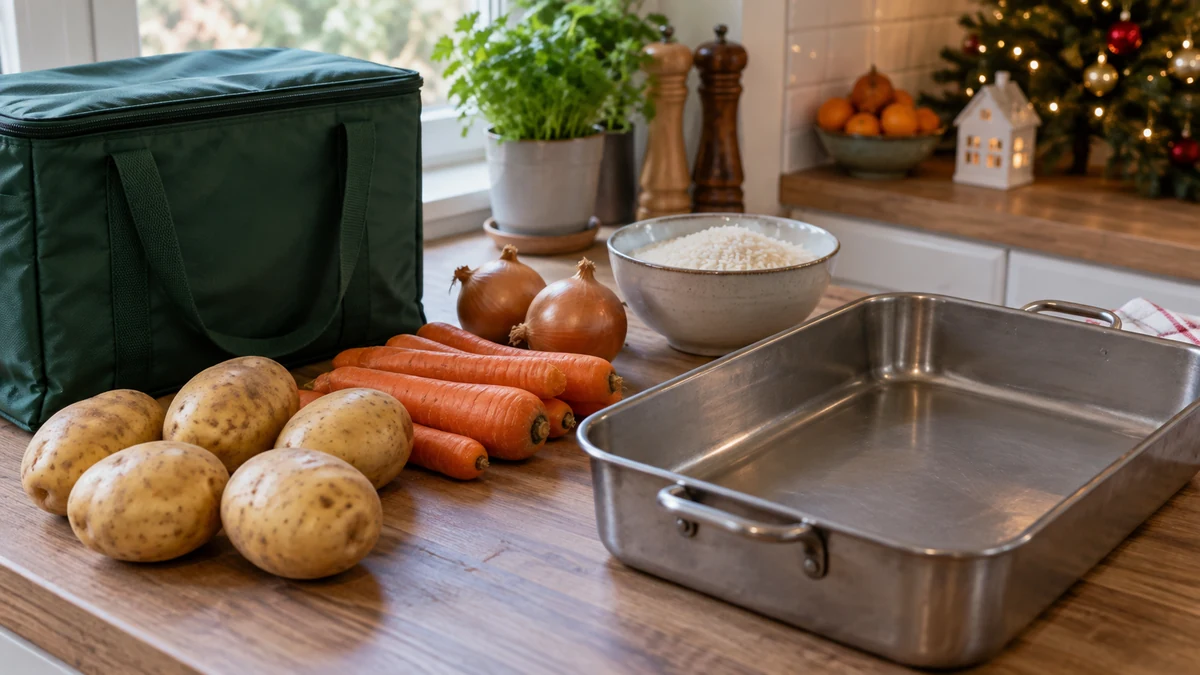
Take your list, reusable bags and suitable insulated bags for chilled or frozen food. Keep to the budget and avoid unnecessary stops before getting perishables into cold storage.
Christmas Dinner Essentials: Portions and Budget Choices
Main Dishes
- Roast meat or pork: check the recipe yield and whether the purchased weight includes bone, skin or other parts that will not be served. Compare cuts by usable portions and cooking needs, not just price per kilogram.
- Poultry: choose a bird or portions with a stated serving guide for your number of guests. Do not assume a 1.2–1.5 kg whole bird feeds six adults; bones and cooking losses affect the yield.
- Fish and seafood: use the chosen recipe’s portions and compare fresh and frozen options, including the usable weight after cleaning or thawing.
- Cheese and cold starters: plan smaller tasting portions when a full meal follows, taking dietary needs and safe chilled storage into account.
Planning the Side Dishes
- Rice and pasta: follow the recipe or packet’s dry-weight servings, reducing the amount where several other sides will be offered. Dry and cooked weights should not be mixed in one calculation.
- Vegetables and salads: choose a manageable selection, allowing for peeling, trimming and the guests who will eat each dish.
- Mash and farofa: farofa is a Brazilian toasted cassava-flour side. Use the recipe’s serving yield for it or for mashed vegetables; adding ingredients changes both the amount and the dish.
- Look at the whole plate: avoid adding together full-sized portions of every option. A smaller range of well-planned sides may be easier to cook and less wasteful.
Desserts and Baking
- Cakes and chilled desserts: plan from the stated number of slices or portions. Only freeze a dessert if the recipe or product instructions say it is suitable.
- Panettone and biscuits: check the pack weight and serving information; the description “medium” does not establish how many people it will feed.
- Simple sharing desserts: a tray dessert, a Brazilian-style caramel pudding or pavê, a layered biscuit dessert, may suit a gathering. Compare ingredient costs rather than assuming one format is always cheaper.
Planning Drinks
- Alcohol-free choices: provide accessible drinking water and a choice of other drinks. Adjust supplies to the gathering’s duration, weather and guests rather than treating one fixed volume as sufficient for everyone.
- Alcohol, if wanted: buy for the adults who choose to drink, with alcohol-free alternatives available. Compare bottle sizes and prices without encouraging anyone to consume a set amount.
- Ice and extras: check freezer space and how drinks will be served. Use food-safe ice for drinks and count available glasses and napkins before buying more.
Practical Ways to Save
- Compare seasonal produce: choose good-value fruit and vegetables that suit the recipes and will be used in time.
- Buy sensible quantities: larger packs are worthwhile only if the unit price is lower and you can use or store the contents.
- Compare alternative cuts: thighs, drumsticks or another suitable roasting cut may offer value. Include preparation, cooking and usable yield in the comparison.
- Plan ingredients across dishes: use suitable fruit, bread or cake in a planned dessert before it spoils. A new recipe does not reset an ingredient’s safe storage time.
- Compare unit prices: check supermarkets, markets and butchers where practical, including travel costs and the amount you actually need.
- Prepare ahead safely: suitable freezer dishes can save time. Choose a preparation date that matches the recipe’s storage guidance rather than keeping everything chilled for a week.
A simple scaling example: for eight guests, a tested recipe serving four needs twice its ingredient quantities. Check pan capacity and cooking guidance separately; doubling ingredients does not mean doubling the cooking time.
Simple, Reusable Christmas Decorations
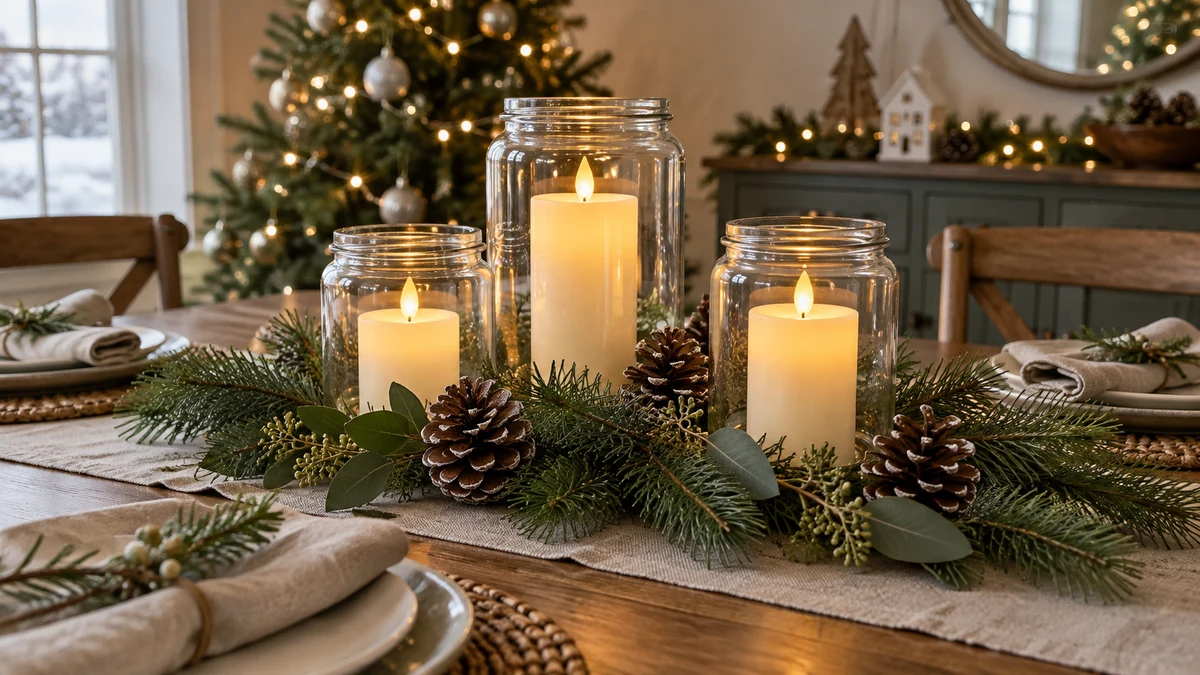
Start with what you already own. A few coordinated changes can make a room feel festive without the cost or waste of replacing every decoration.
Materials Worth Reusing
- Paper and card: clean packaging, newspaper and cardboard tubes can become lightweight decorations.
- Natural details: pinecones, twigs and dried orange slices can add texture. Collect only where permitted and keep dry materials away from heat or flames.
- Fabric and thread: use scraps, jute ribbon, cotton string or wool for bows and wreaths.
- Reusable containers: clean jars, smooth-edged tins and bottles can hold decorations or flowers. Ordinary jars are not automatically suitable candle holders.
Quick Homemade Decoration Ideas
Fabric-scrap wreath
- Cut fabric into strips approximately 3 cm wide and 20 cm long.
- Tie them around a suitable wreath hoop or a securely formed rolled-paper ring, filling the shape evenly.
- Adjust the ends and secure loose sections with knots. If using hot glue, follow the tool’s instructions and keep it out of children’s reach.
Kraft-paper stars or hanging shapes
- Fold kraft paper or newspaper into simple stars or lightweight rounded shapes.
- Join the parts with suitable glue or stitching and add a hanging loop; an adult should handle sharp tools where children are helping.
- Add a little paint if desired, using materials suitable for the project and letting everything dry fully.
Decorative jars with flameless lights
- Clean and dry a stable jar and add a small decorative layer of coarse salt or sand if you wish.
- Arrange dried orange and rosemary around a suitable battery-powered LED light, following its instructions. Do not place a burning candle among dried decorations. Source: London Fire Brigade: candles
- Use a flameless light with a securely closed battery compartment, keep batteries away from children and pets, and switch it off when not needed.
Pinecone and twig wreath
- Collect pinecones only where permitted, clean away loose dirt and let them dry thoroughly before use.
- Attach them securely to a suitable wreath base, alternating with dry sprigs and jute ribbon. Cover any sharp wire ends.
- Finish with a bow, or a little decorative paint used according to its instructions. Keep the finished wreath away from flames and heaters.
Keeping Costs Down
- Refresh old decorations: change a ribbon, rearrange a display or combine existing pieces in a new way.
- Buy only the gaps: make a quick inventory before visiting the shops.
- Choose reusable pieces: tablecloths, napkins and suitable LED lights can serve other occasions too.
- Make decorations ahead: spread the work over several days to avoid rushed purchases.
- Store carefully: label boxes and cushion fragile pieces so that they are ready to reuse next year.
Creating a Coordinated Look
- A limited palette of two or three colours can bring simple pieces together.
- Combine natural textures with a few existing or borrowed metallic accessories if you want a little shine.
- Use suitable warm-white decorative lights, following the manufacturer’s instructions and keeping cables and sockets clear of damage or overload.
Thoughtful Gifts and Small Christmas Favours
Make a recipient list and set a realistic limit for each person. A personal detail often matters more than an expensive present.
Creative Ideas on a Budget
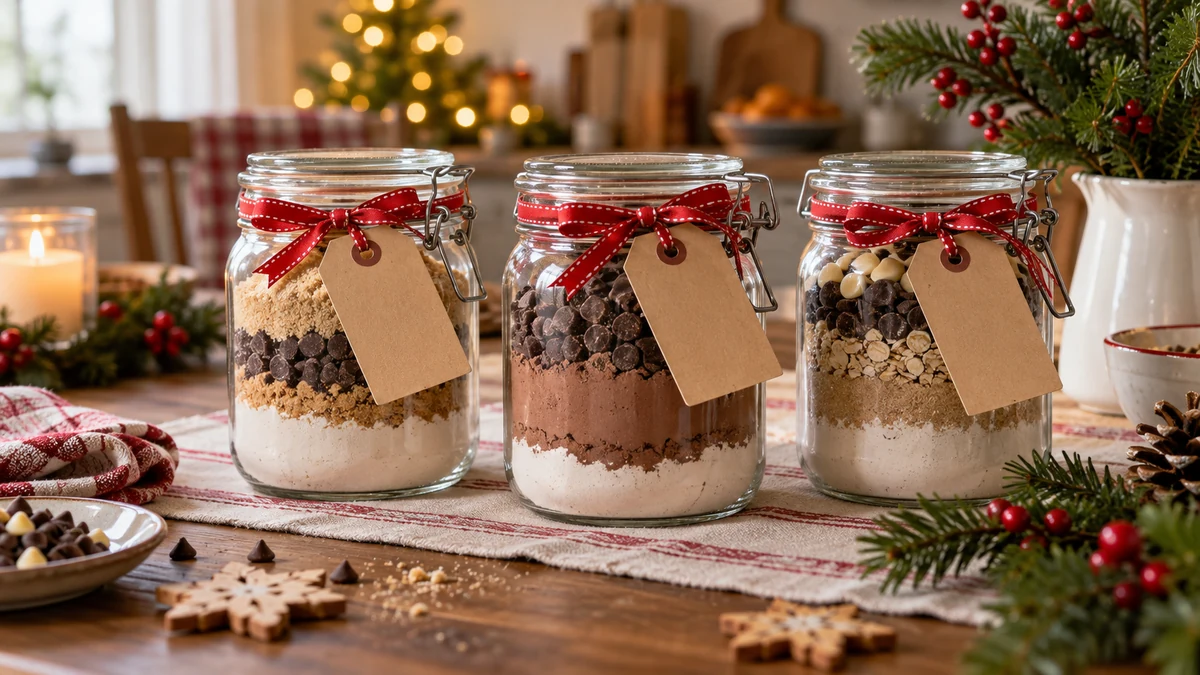
- Homemade food gifts: biscuits or a dry baking mix can be personal and attractive. Include ingredients, allergens and suitable storage and preparation instructions.
- A small relaxation gift: tea, a suitable flameless candle and a handwritten note make a simple combination.
- Useful reusable gifts: consider a mug or cloth shopping bag the recipient will actually use, rather than buying another item solely for a sustainability label.
- Time together: offer a home-cooked lunch, an outing or a film afternoon at home.
- A handmade decoration: a small ornament or painted plant pot can suit someone who enjoys a personal touch.
- Party favours: individually wrapped chocolates, mini panettone or biscuits can work, with ingredient information and appropriate storage.
A Flexible Gift-Shopping Timetable
- Around eight weeks before: list recipients and set both the overall budget and individual limits.
- Around six to four weeks before: compare planned purchases and genuine offers. A sale is useful only when the item was wanted and the final price is good value.
- Around three to two weeks before: check delivery deadlines and prepare only homemade gifts whose storage instructions support making them this early.
- Around a week before: finish labels and wrapping; time any perishable purchases around their use-by dates and storage needs.
- In the final days: assemble suitable gifts, write notes and check that nothing has been forgotten.
Wrapping and Personal Details
- Simple paper and string: kraft paper, reusable ribbon or jute can look attractive without elaborate packaging.
- Reuse suitable containers: clean jars, boxes or fabric can become wrapping; use food-safe containers for edible gifts.
- Add a personal label: a short handwritten explanation of why you chose the gift can make it feel thoughtful.
- Combine small items carefully: a few useful pieces can make a coherent set without needing extra filler purchases.
Saving without Buying Unnecessarily
- Check bulk prices: sweets or packaging may cost less per item in a larger pack, but only buy what you can use.
- Ask makers about small orders: compare prices and lead times fairly, without assuming a handmade batch will be discounted.
- Agree Secret Santa rules: set a comfortable spending limit and a clear exchange date.
- Compare delivery options: combine planned orders or collect locally where useful; do not add unwanted items just to reach a free-delivery threshold.
A Homemade Gift: Chocolate Chip Cookie Mix in a Jar
Layer the dry ingredients in a clean, dry, food-safe jar and attach the complete preparation instructions. This is a mix to bake, not an edible raw dough.
- 200 g plain flour
- 100 g brown sugar
- 100 g caster sugar
- 1 teaspoon baking powder
- 150 g chocolate chips
- 1 pinch of salt
Assembly and instructions to attach to the jar:
- Layer the dry ingredients: add the flour, brown sugar, caster sugar, baking powder, salt and chocolate chips, settling the layers gently. Use a jar large enough to close securely.
- Seal and label: close the jar, decorate the outside and attach the ingredient list, allergen information and baking instructions. Keep it dry and follow the shortest relevant ingredient storage guidance.
- To bake: mix the contents with 115 g softened butter and 1 egg. Shape into small balls, leaving space on a baking tray, and bake in a preheated oven at 180°C. The original recipe gives 10–12 minutes; size and oven performance affect timing, so check that the cookies are properly baked. Do not taste the raw mix or dough. Source: FSA: handling flour safely
Dietary note: the mix contains wheat and may contain milk, soya or other allergens depending on the chocolate. The added butter and egg also matter. Do not label substitutions gluten-free, dairy-free or allergy-safe without checking ingredients and preparation carefully.
A Shopping Timetable and Final Checklist
Spread tasks over the available weeks, adapting the timetable to your recipes, storage space and household. Buying early is helpful only when the food will remain safe and suitable until needed.
A Suggested Timeline
- Eight to six weeks before: agree guest numbers, dietary needs, a basic menu and the budget. Check whether a chosen bird or cut needs pre-ordering.
- Five to four weeks before: buy suitable store-cupboard items, wrapping and planned gifts, checking dates and available space.
- Three to two weeks before: finish non-perishable purchases and prepare only dishes that can be frozen or stored safely for the required time.
- A week before: review the list and assign tasks. Buy chilled products only when their use-by dates and storage instructions fit the plan.
- A few days before: reconfirm guests and start the appropriate preparation schedule. Large frozen birds may need several days to thaw in the fridge, following their instructions. Source: FSA: Christmas food hygiene
- The day before: organise tableware and suitable make-ahead tasks. Do not leave a large bird’s defrosting until this point unless its instructions specifically allow enough time.
- On the day: follow the cooking schedule, keep chilled food cold until needed and share serving tasks with other willing helpers.
A Checklist by Area
- Shopping: organise food, drinks, serving supplies, decorations and gifts, then check quantities and storage.
- The meal: confirm recipes, servings, utensils, oven space and the cooking schedule.
- Decorations: inspect lights, wreaths, cloths and reusable pieces. Check electrical items before putting them up and use flameless lights around dried decorations.
- Gifts: check labels, wrapping and storage locations so that presents are easy to find.
- Practical arrangements: consider seating, guest transport, parking and a weather alternative where needed.
Keeping Track of the Budget
- Choose a total you can comfortably afford and divide it into categories. One optional example is 50% food and drinks, 25% gifts, 15% decorations and 10% contingency; change it freely to fit your priorities, especially if you already own decorations.
- Record purchases in a simple note, spreadsheet or app and keep the remaining balance visible.
- Keep a contingency within your total rather than adding another buffer on top of an amount that already includes one.
Sharing Tasks Clearly
- Assign specific jobs: for example, dessert, table setting, drinks or welcoming guests.
- Agree deadlines: note who is buying or bringing each item and when it needs to be ready.
- Use reminders: set alerts for collection times, final shopping and preparation tasks.
- Keep the plan visible: a printed list or shared note can prevent several people doing the same job.
A Final Shopping Checklist
- Check store-cupboard ingredients such as rice, pasta and condiments.
- Confirm remaining perishables and their safe storage and use-by dates.
- Count practical supplies such as bin bags, napkins and food-safe ice.
- Check small essentials such as suitable batteries, tape and scissors, storing them safely.
Putting the List to Work
Organise the essentials first, buy around your actual menu and keep the budget visible. A realistic timetable, reusable decorations and shared tasks can make preparation feel more manageable.
Thank you for reading. Explore more practical recipes and seasonal ideas at I Love Christmas and adapt the suggestions to the celebration you want to create.
Frequently Asked Questions about Christmas Shopping Lists
When should I start making the list?
Six to eight weeks ahead can give you time to plan guests, food and gifts, but you can start whenever practical. Prioritise the menu, budget and essential bookings first.
How should I calculate food quantities?
Use recipe yields and product serving guidance, distinguish raw from cooked and bone-in from boneless weights, and consider the whole menu. A modest reserve of safely storable food is more useful than increasing every dish automatically.
What are effective ways to keep the meal affordable?
Compare unit prices, choose suitable seasonal ingredients or alternative cuts, use what is already in the cupboard and avoid buying more than you can safely store or use.
How should I group the shopping list?
Separate store-cupboard food, produce, chilled and frozen items, drinks, decorations and gifts. Organise the shop visit so that chilled and frozen food goes into the basket last.
What can I make ahead, and how should I store it?
Follow each recipe’s storage instructions rather than keeping every dish chilled for 3–7 days. FSA guidance is to cool leftovers and refrigerate within 1–2 hours, then eat within 48 hours or freeze; some foods need stricter handling. Thaw in the fridge and use within 24 hours of full defrosting. Follow specific guidance for rice and large birds. Source: FSA: chilling, freezing and defrosting food
Sources and Further Reading
- FSA: Christmas food hygiene
- FSA: chilling, freezing and defrosting food
- FSA: handling flour safely
- London Fire Brigade: candles