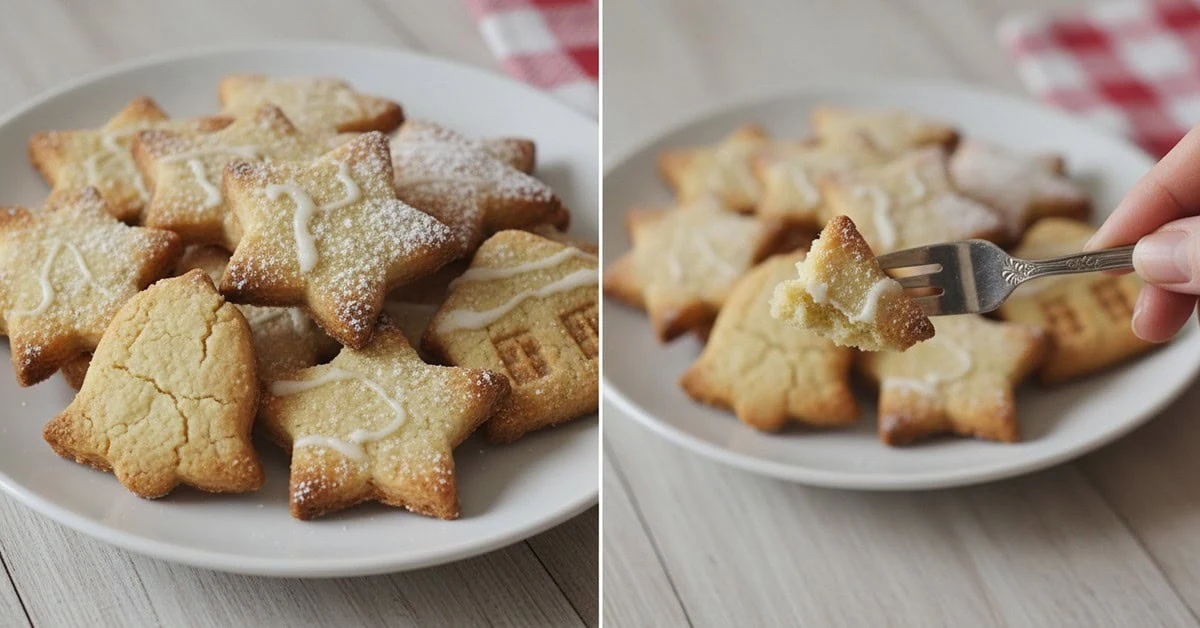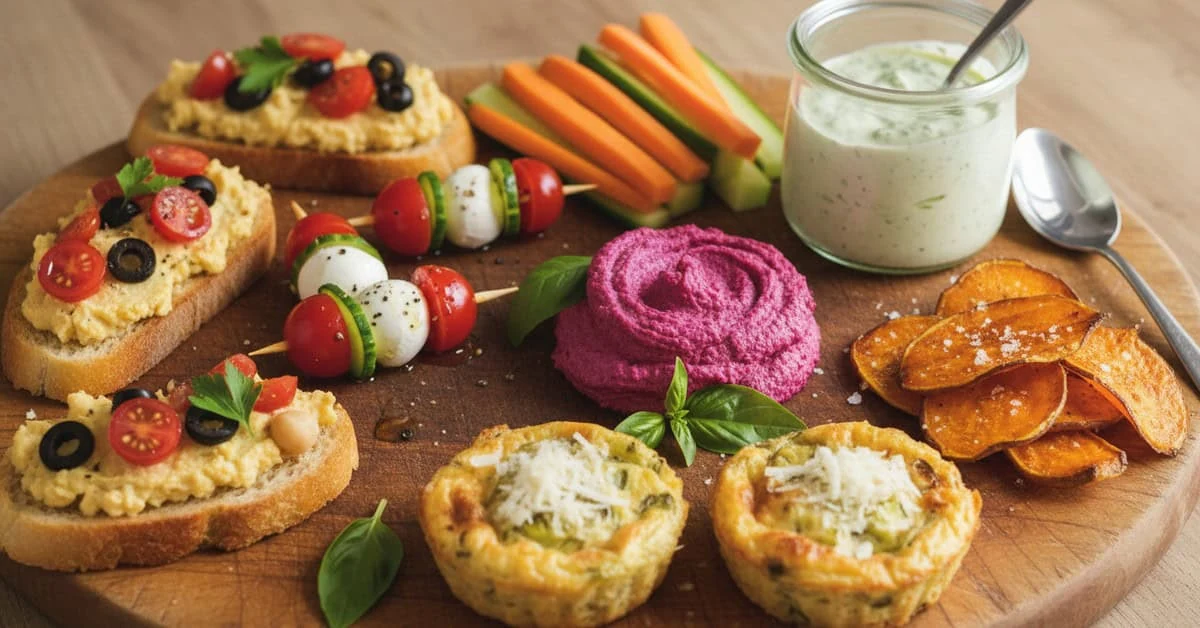
Give familiar nibbles a Christmas variation with suitable dried fruit, herbs or spices. Use complete recipes, check guests’ dietary requirements and choose practical serving arrangements that keep festive food easy to share.
Creative Christmas starters and nibbles can offer something to enjoy before the main meal. They are optional rather than essential: choose a manageable selection that suits your guests and kitchen. The ideas below are menu suggestions, not complete tested recipes.
Making room for nibbles at Christmas dinner

Nibbles at Christmas dinner can provide a first taste of the menu while the main dishes are being finished. Keep the selection modest if a substantial meal follows, and avoid a separate starter course that makes preparation unnecessarily complicated.
Small bites also offer scope for combining familiar ingredients with a different topping or seasoning. A varied selection can accommodate preferences, but it does not guarantee suitability for every guest; discuss allergies and dietary needs in advance.
An opportunity to gather
A serving table can give guests a place to chat and choose food at their own pace. Provide plates, napkins and somewhere to sit, with clear access for people who cannot comfortably stand around a crowded table.
Adding a festive appearance
Colour and arrangement can make the table inviting. Dried fruit and nuts can add texture to suitable dishes, but check allergies and keep loose small ingredients away from young children. A simple, usable display is more helpful than an elaborate one that is hard to reach.
Choose nibbles around the meal you are actually serving. A few well-prepared options can be enough, leaving time to enjoy the gathering rather than managing too many dishes.
Simple starter suggestions

These simple starter suggestions offer different flavours and textures. Choose complete recipes for quantities, preparation and storage, and adapt the menu to the people attending.
1. Tomato and basil bruschetta: Top toasted Italian-style bread with chopped tomatoes, washed basil, olive oil and suitable seasoning. Prepare the topping hygienically and assemble close to serving so the bread keeps its texture.
2. Cheese and fruit bites: Pair suitable cheese with pineapple, watermelon or grapes. A platter or small cups can replace skewers when children are present. Prepare grapes and other fruit in age-appropriate shapes, and check cheese and dairy requirements.
3. Spread-topped canapés: Use a complete recipe for a tuna or olive spread on toast or cucumber slices. Check fish and other allergens, keep perishable spreads chilled and use clean serving utensils.
4. Herbed cream cheese bites: Shape a suitable cream cheese mixture with culinary herbs and coat with chopped nuts or sesame if appropriate. Check allergies and avoid toothpicks or small dense portions for young children. Keep chilled until serving.
5. Filled tortilla rolls: Spread cream cheese on a tortilla, add ham and washed lettuce, then roll and slice according to a recipe. Check wheat and dairy ingredients and keep the prepared rolls refrigerated until needed.
Select a few ideas you can prepare confidently. Timings depend on the chosen recipe and quantity, so do not assume every option can be made at the last minute.
Presentation tips for the serving table

Presentation tips for the serving table can help make food easy to identify and share. Start with clean food-safe dishes, stable arrangements and enough room for serving utensils.
1. Use suitable serving dishes: Existing ceramic plates, glass dishes or food-safe wooden boards may be enough. Check that surfaces are suitable for direct food contact and can be cleaned properly rather than buying new tableware solely for appearance.
2. Arrange different heights safely: Use stable stands designed to support the dishes. Avoid balancing heavy platters on drinking glasses, and keep food within comfortable reach rather than making guests lean over other items.
3. Add suitable herbs or edible flowers: Washed culinary rosemary or basil can decorate appropriate dishes. Use only flowers sold as edible and suitable for the intended use; florist flowers and unidentified garden plants should stay away from food.
4. Provide clear labels: Name each dish and make ingredient information available. Keep paper and string out of the food, and use separate serving utensils. Labels alone do not prevent allergen cross-contact.
5. Combine colours thoughtfully: Vegetables or fruit can create contrast without elaborate decoration. Choose ingredients that belong in the dish and suit the guests, rather than adding items only for colour.
Leave space to replace dishes and keep the table tidy. Practical access and safe serving are part of an attractive display, not separate considerations.
Brazilian regional food inspiration

Brazil’s regional cooking offers many ideas for a festive menu. The examples below describe culinary inspiration, not a fixed Christmas menu for every family or a list of finger foods: several are substantial main dishes requiring specialist ingredients and complete recipes.
1. North-east Brazil: Carne de sol, a regional cured beef preparation, can be served with properly prepared cassava and beans. Bacalhau à Brás, made with salt cod, fine potato sticks and eggs, is a Portuguese dish enjoyed beyond Portugal rather than a defining north-eastern Brazilian speciality. If choosing carne de sol, follow a reliable recipe for the specific product and its preparation.
2. Central-west Brazil: Grilled picanha can inspire a barbecue menu, although it is enjoyed across Brazil rather than belonging exclusively to this region. Rice with pequi is associated with Goiás; use a specialist recipe and properly prepared pequi, taking care with its spiny stone.
3. South-east Brazil: Roast pork leg with farofa and salad is one possible family celebration dish. Beef stroganoff with rice and thin potato sticks is another familiar Brazilian option, though neither is an exclusive regional Christmas requirement.
4. Southern Brazil: Churrasco has a strong place in southern food culture, with cuts such as ribs and flank steak. Duck with red cabbage can reflect German-influenced traditions in parts of the region, but should not be presented as something every southern household serves at Christmas.
5. Northern Brazil: Tacacá combines ingredients including tucupi, jambu and prawns, while duck in tucupi is another well-known northern dish. These need specialist, properly processed ingredients and reliable preparation methods; they are not quick canapé recipes or universal Christmas dishes.
If you explore these dishes, keep their regional context and preparation requirements in mind. You can choose one as inspiration without turning the entire Christmas meal into a tour of every region.

These nibble ideas for a varied menu offer different textures and flavours. Ask guests about requirements before selecting them, and use complete recipes rather than assuming each suggestion suits everyone.
1. Mini coxinhas: Small Brazilian croquettes with a seasoned shredded chicken filling can be served as a snack. Follow a complete recipe for the dough, safely cooked filling and frying or baking method.
2. Grilled cheese bites: Queijo coalho can be grilled and served with optional honey or chilli jam. Remove sharp skewers where necessary, check dairy requirements and do not offer honey to babies under one year.
3. Guacamole with tortilla chips: Avocado, lime, coriander and onion can make a guacamole to accompany suitable chips. Check packet ingredients and guests’ requirements, and prepare and store the dip according to a full recipe.
4. Sesame-coated cheese bites: Choose a complete recipe for cheese bites with a sesame coating. Check dairy and sesame allergies, and follow the cooking method rather than assuming any cheese mixture will keep its shape.
5. Olives and bread rolls: Offer a selection of pitted olives and bread with ingredient information. Check fillings and allergens, and adapt olives and bread textures for young children; pitting alone does not remove every choking risk.
6. Grilled vegetable bites: Courgette, pepper and onion can be grilled with suitable herbs and seasoning. A platter can replace skewers for easier serving. Check marinades and preparation arrangements if offering them as a vegetarian option.
Choose options that work with the main meal and available preparation time. A varied menu need not be large or promise to please every person without asking what they need.
Flavour combinations to explore

Different flavour combinations can add interest to a familiar menu. Try a small amount first, using a recipe where texture or cooking is important, and consider whether guests enjoy sweet, savoury or spicy contrasts.
1. Pineapple and bacon: Sweet pineapple can contrast with savoury bacon. Use a complete recipe that cooks the bacon properly, and provide a separate option for guests who do not eat pork.
2. Chocolate and chilli: A small amount of cayenne can give chocolate a spicy note in a suitable dessert recipe. Add cautiously and label the dish so guests do not encounter unexpected heat.
3. Cheese and chilli jam: Creamy cheese with a little chilli jam provides a sweet-and-spicy contrast. Check dairy ingredients and the jam’s heat level, with a plain alternative if useful.
4. Beetroot and orange: Prepared beetroot and orange can combine in a colourful salad. Follow a recipe for dressing and storage, and choose a serving size that fits the rest of the meal.
5. Watermelon with a little salt: This can suit a warm-weather gathering, such as a Brazilian summer Christmas. Salt is optional; choose around guests’ preferences and requirements rather than treating it as necessary.
You do not need an unusual pairing in every dish. One variation alongside familiar options can provide interest without complicating the whole menu.
Giving familiar nibbles a Christmas variation

Giving familiar nibbles a Christmas variation can be as simple as changing a filling or topping. Use a suitable full recipe and check that added ingredients do not create an unexpected allergy issue or alter cooking requirements.
1. Festive chicken empanadas: Add suitable dried apricot or raisins to a chicken filling if you enjoy a sweet-and-savoury flavour. Follow a complete recipe for the chicken, pastry and baking, rather than adding fruit without considering moisture and cooking.
2. A festive cheese board: Pair suitable cheeses with nuts, chestnuts or berry preserves. Identify ingredients and keep separate utensils where needed. Check which cheeses are appropriate for guests with particular requirements, including pregnancy.
3. Spinach-filled cheese bites: A spinach and cream cheese filling can vary a cheese-ball recipe. Choose instructions that account for the filling’s moisture and specify how to cook the centre safely.
4. Turkey and vegetable mini quiches: Use suitable safely cooked turkey with courgette or carrot in a complete quiche recipe. If using leftovers, follow their original storage period; baking them into another dish does not reset it. Cook the egg filling properly.
5. Tomato and basil bruschetta: A little balsamic glaze and suitable goat’s cheese can vary the topping. Check dairy requirements and whether the cheese is appropriate for guests, and assemble close to serving.
Choose one or two variations that suit your meal. A festive adaptation should remain practical to prepare and easy for guests to identify, with accurate ingredient information.
Changing a familiar nibble can bring variety without replacing every favourite. Think about the filling, texture and preparation method, and keep a plain option where it would be useful.
Chicken empanadas or a cheese board are examples of dishes you can adapt, using reliable recipes and suitable ingredients. They do not need elaborate decoration to belong on a festive table.
Explore combinations around the people attending, your budget and the time available. Clear labels and safe preparation help guests choose what they would like to eat.
Enjoy trying a manageable idea, rather than feeling obliged to surprise everyone with an unfamiliar menu.
FAQ — adapting nibbles for Christmas
How can I give familiar nibbles a festive variation?
Try suitable dried fruit, herbs or spices in a complete recipe, or vary a topping. Check that the change works with the cooking method and guests’ dietary requirements.
Which different flavour pairings could I try?
Pineapple with bacon, chocolate with a little chilli, or beetroot with orange are possibilities. Choose around preferences, prepare safely and label unexpected spicy ingredients.
Are festive variations always quick and easy?
Not always. A new topping may be simple, whereas pastry, filled bites or regional dishes can need more preparation. Read a complete recipe first and choose around your available time and equipment.
Why offer different flavours?
A modest variety gives guests choices, but does not automatically accommodate every need. Ask about dietary requirements and provide accurate ingredient information and suitable serving arrangements.
Can I change ingredients in a familiar recipe?
Often, but substitutions may affect moisture, texture and cooking. Follow a tested variation where possible and check any new allergens instead of assuming a direct swap will work.
Are festive adaptations limited to main courses?
No. You can vary starters, small bites and desserts too. Choose complete recipes and keep the overall menu manageable, with appropriate storage and clear ingredients.
Sources and Further Reading
- Brazilian Ministry of Health: regional Brazilian foods
- History of Cod Interpretation Centre: bacalhau a Bras
- UK government: chilling, freezing and defrosting food safely
- NHS: food safety and hygiene for children