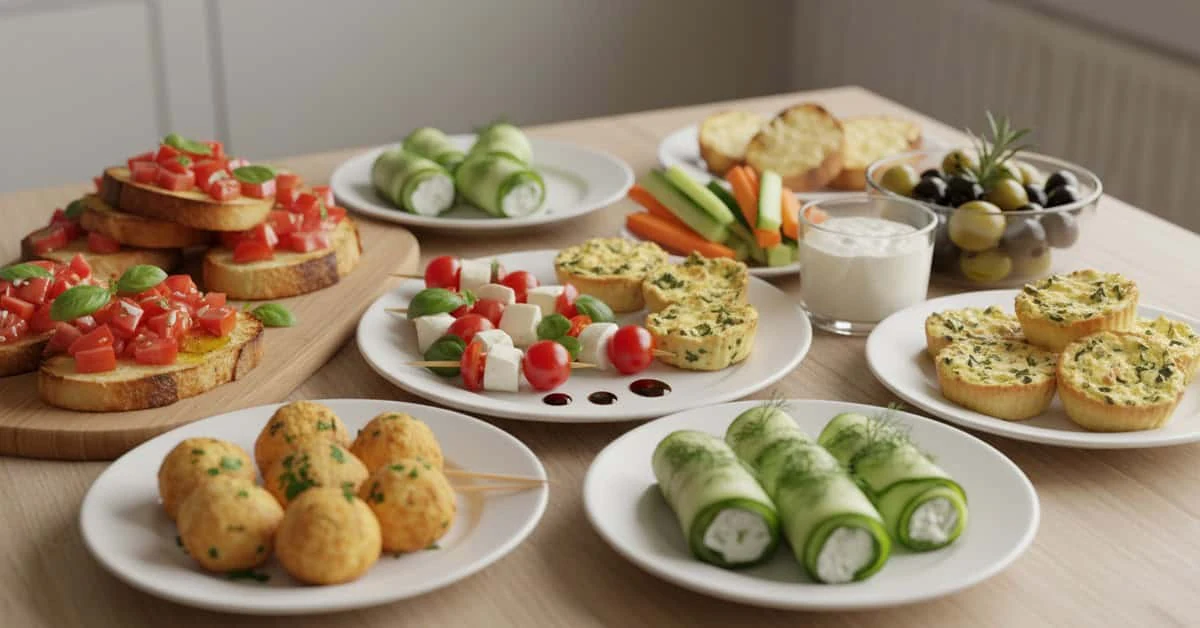
Plan a home Christmas buffet around your guests, budget and kitchen space. Choose a manageable menu, estimate portions using recipe yields and arrange a practical table, with suitable storage and clear ingredient information.
Wondering how to plan a home Christmas buffet? Start with the people attending and what you can comfortably prepare. A few well-chosen dishes and a realistic shopping list can be more useful than an elaborate spread. These ideas can help you plan, though costs vary and no menu guarantees savings.
Planning your buffet: what to consider
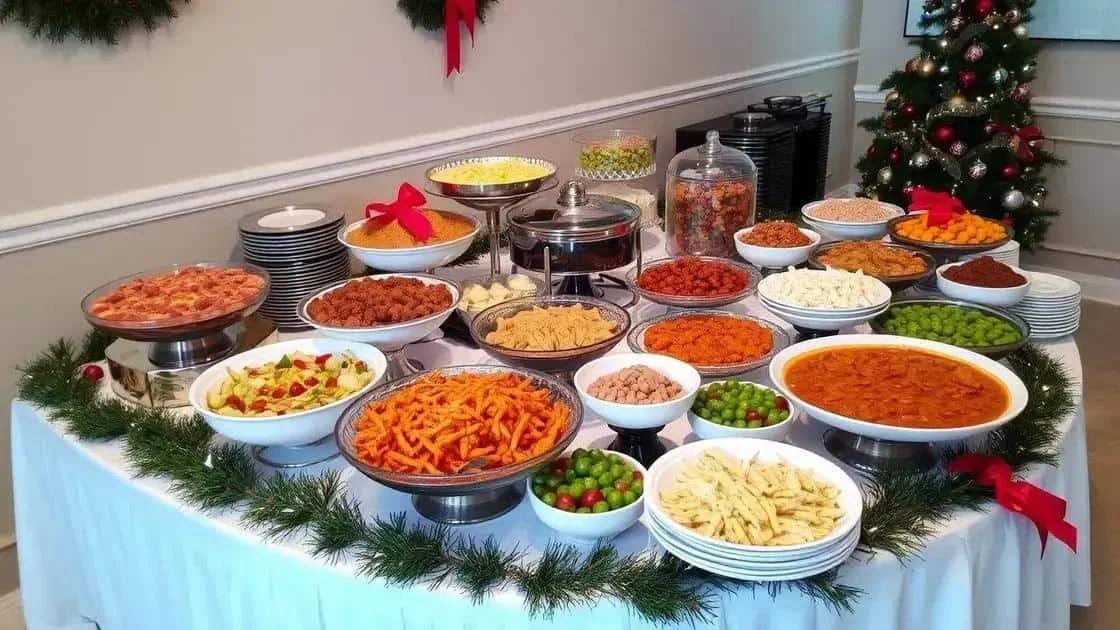
Begin your buffet planning with the type of gathering: a full meal, light refreshments or food after another event. You can choose a Christmas colour theme later; the practical requirements should shape the menu first.
Confirm the number of guests and ask about dietary requirements. Consider hot dishes, cold dishes and desserts without assuming you need a large number of each. Check oven capacity and fridge space before committing to the menu.
The menu
Include Christmas traditions or family favourites if you wish, with suitable vegetarian or vegan alternatives where needed. Check ingredients and preparation requirements; a plant-based option does not automatically accommodate every allergy.
Your budget
Set a budget before shopping. Compare unit prices and consider seasonal, frozen or tinned ingredients where they suit the recipes. Seasonal or fresh food is not always cheaper; avoid buying extra ingredients for dishes that are unlikely to be eaten.
Space and practical arrangements
Check the available space for the buffet, seating and clear walking routes. Keep hot equipment and trailing cables out of guests’ way, and make sure people can reach food comfortably. Use existing tablecloths and decorations where practical.
Sharing the tasks
Invite willing family or friends to help with preparation. Agree who is making each dish, its ingredients and how it will be transported or stored. Contributions should be optional and coordinated rather than creating an unexpectedly large menu.
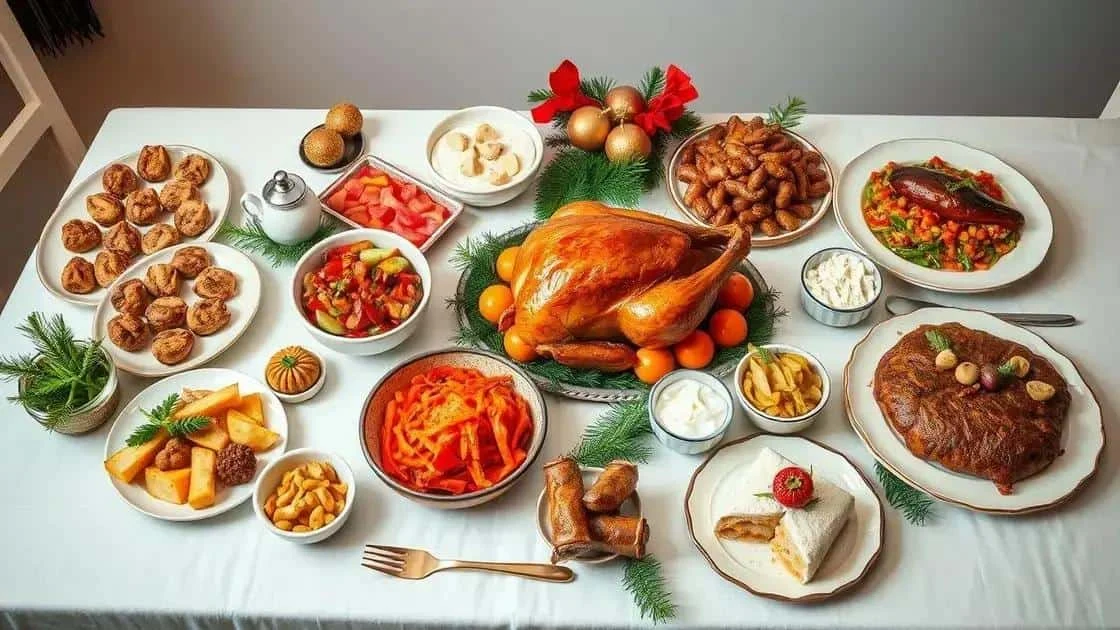
Choose your Christmas menu around preferences, dietary requirements and what you can prepare reliably. Discuss allergy-related arrangements in advance and be clear if you cannot safely meet a particular requirement.
Consider a few starters, main dishes, sides and a dessert, adjusting the range to the occasion. Guests need useful choices, not necessarily a separate dish for every possible preference.
Starters and nibbles
For starters, canapés, suitable spreads or a small salad may work. Keep portions modest if a full meal follows, label ingredients and keep perishable items chilled until needed.
Main dishes
For main dishes, turkey or roast pork may suit your family traditions. Chester is a branded poultry product familiar in Brazil, not a separate universal Christmas meat; in Britain, choose an available joint or bird with clear cooking instructions. A substantial vegetarian or vegan dish can provide another option, using a complete recipe.
Side dishes
Side dishes might include Brazilian-style vegetable rice, farofa, mashed potatoes or salad. Choose those that complement your mains and fit the preparation schedule. Follow specific rice-storage guidance if making rice ahead.
Desserts
For dessert, consider rabanadas, panettone or a fruit tart according to your traditions and guests’ preferences. One or two suitable options may be enough. Check allergens and whether the chosen dessert needs fridge space.
Offer water and an appealing alcohol-free drink. Wine or sparkling wine can be optional for adults who want alcohol, with clear labels and separate serving arrangements.
Arranging and decorating the buffet table

Decorating the buffet table can be simple. Start with enough clear space for food, serving utensils and labels, then add a few decorations that do not interfere with access or safe serving.
Choose a decoration theme using items you already own. Red and green, white or metallic colours can all work; buying a complete new set is unnecessary if it would stretch the budget.
Table linen and napkins
Use clean tablecloths or runners that sit securely without loose ends trailing into walkways. Decorative napkins can add colour, but leave adequate room around plates and serving dishes.
Centrepieces
Keep centrepieces stable and away from food-contact surfaces. Small arrangements can be easier to work around than tall stands. Use only suitable edible ingredients on serving plates, and keep pinecones or decorative foliage separate from food.
Lighting
For lighting, suitable battery LED candles can provide a festive effect without open flames. Follow product instructions and keep lights and battery compartments away from spills, food and young children. Avoid trailing cables across the serving area.
Dish labels
Use clear labels to identify dishes and make ingredient information available. Keep separate serving utensils and discuss allergen cross-contact; a label alone does not make a dish safe for someone with an allergy.
Space and accessibility
Leave room between dishes for guests to serve themselves, with suitable utensils and seating nearby. A practical layout includes clear paths, reachable dishes and a safe place to put a plate while choosing food.
Estimating food quantities
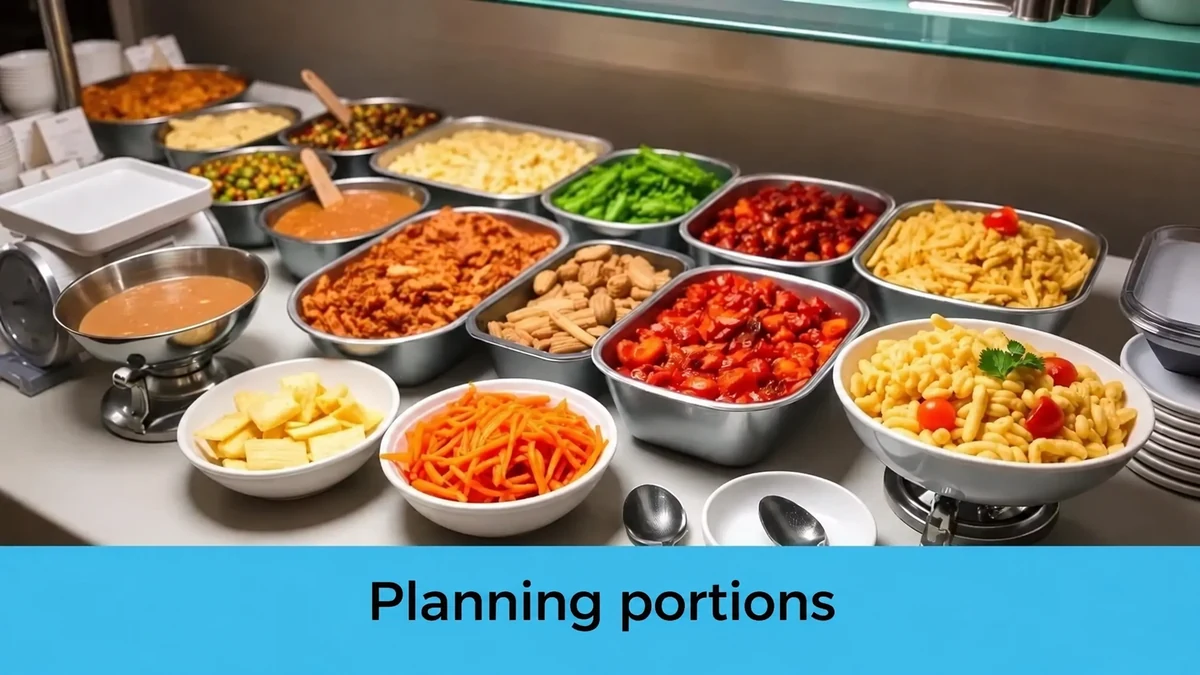
Estimate food quantities from guest numbers, recipe yields and the type of meal. Consider ages, appetites, the duration of the event and how many courses are planned rather than relying on one universal weight allowance.
An approximate planning example is 400–500g of food per person for a full buffet, including dessert, with 100–150g of nibbles per person where these are served separately. These are rough figures: menus and portion weights vary, and a separate nibble allowance may overestimate needs when plenty of food follows. Recipe serving counts are a better starting point.
Dividing the menu into dishes
If offering five or six dishes, plan smaller amounts of each rather than a full portion of every dish for every person. With fewer dishes, allocate portions accordingly. Check that guests with limited suitable choices still have enough for a meal.
Allowing for dietary requirements
Account for dietary requirements when allocating portions. Do not assume a vegetarian dish will be eaten only by vegetarians, or that a guest with an allergy can substitute freely from the rest of the buffet. Agree practical choices in advance.
Planning dessert portions
For desserts, 100–150g per person is only an approximate example. A rich tart, fruit salad and light mousse have different serving sizes. Use each recipe’s yield and avoid counting a full portion of every dessert for every guest.
Trying recipes and adjusting quantities
If you have time, make a small trial batch of an unfamiliar dish to check the method, serving size and oven space. Use the results to plan, while remembering that appetite and choices at a larger gathering may differ.
Welcoming your guests

Welcoming guests involves practical comfort as well as personal touches. Check seating, access, food information and where coats or bags can go before focusing on decorations.
Create a welcoming setting with suitable lighting and a few familiar decorations. Keep the room comfortable and avoid assuming everyone enjoys bright flashing lights, strong fragrances or loud music.
Presenting the food
Arrange dishes clearly with suitable serving utensils and ingredient information. Set out small batches of perishable food where practical and replenish them safely, rather than putting all prepared food out at once.
Entertainment
Offer optional entertainment such as quiet Christmas music or a simple game. Keep the volume low enough for conversation and let people opt out without pressure.
Personal details
Personal details such as a family photograph or an ornament from a previous celebration can add familiarity. Consider privacy and guests’ feelings; not everyone finds the same memories comforting.
Shared contributions
If guests would like to bring a dish, coordinate what it will be, ingredient information and any transport or storage needs. Sharing the celebration does not require everyone to spend money or cook.
A personal welcome
Offer a personal welcome and explain where food, drinks and seating are available. A short story about a family dish can be enjoyable if you wish, but guests should not need a long explanation to find something suitable to eat.
Putting your home Christmas buffet plan into practice
A home Christmas buffet becomes easier to manage when the menu, shopping and serving arrangements fit the space and time available. Start with a realistic plan rather than trying to prepare every festive favourite.
Use recipe yields to estimate portions, coordinate any contributions and check storage needs. Adapt the suggestions to your guests and budget, leaving room for practical adjustments.
A manageable selection and a welcoming space can give you more time to enjoy the gathering, without needing a perfect or expensive display.
FAQ — planning a home Christmas buffet
How much food should I plan per person?
There is no single correct weight for every buffet. Use recipe serving counts and adjust for the menu, guest numbers, appetites and other courses. A 400–500g allowance is only a rough example.
Ask about preferences and dietary requirements, then choose a manageable range of dishes that fit the budget, oven capacity and fridge space. Check ingredients and suitable preparation arrangements before shopping.
How can I decorate the buffet table?
Use existing tableware, secure linen and a few stable decorations. Keep food accessible, provide clear labels and separate utensils, and keep decorative foliage, lights and open flames away from serving dishes.
How can guests help with preparation?
Invite optional contributions and agree who will bring each dish, with ingredients and storage arrangements. Others may prefer helping with seating or clearing rather than cooking or spending money.
What entertainment could I offer?
Quiet music, an optional game or a short shared story can work. Keep conversation easy and let guests decide whether they would like to take part.
How can I help guests feel comfortable?
Provide a personal welcome, accessible seating and clear food information. Ask about practical needs and preferences rather than assuming decorations alone will make everyone comfortable.