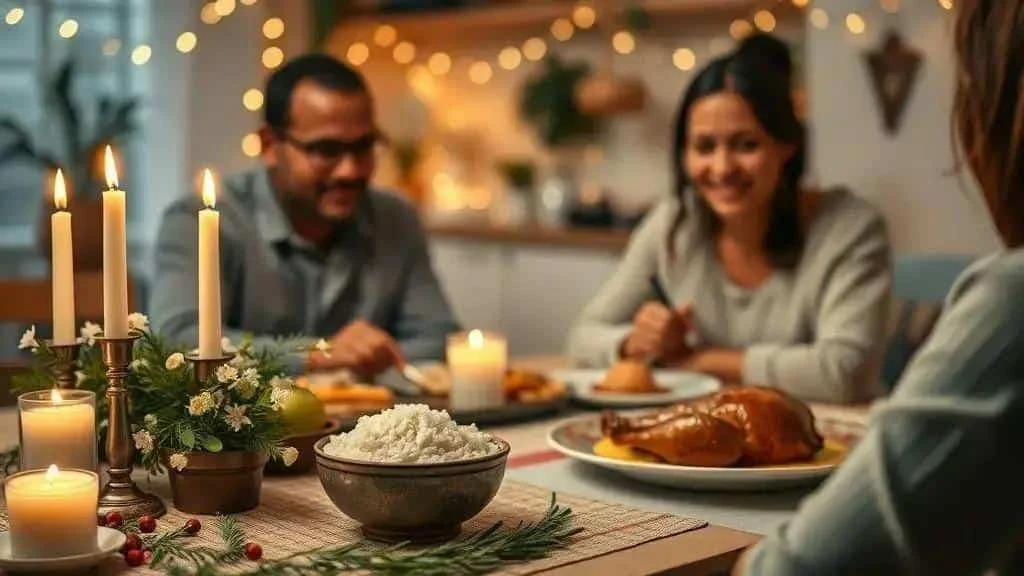
Year-end rituals are cultural, religious or personal practices that mark a transition and express hopes for the future. Tidying, sharing food, reflecting and exchanging good wishes can give December meaning. These gestures do not guarantee prosperity or health; their value lies in what they mean to participants and the practical actions they choose alongside them.
Year-end rituals can make December a time for hope and connection. A small activity at home, a thoughtful meal or a shared memory may be enough to mark the occasion. Here are ideas you can adapt without pressure to believe, spend or participate in a particular way.
Meanings and origins of year-end rituals
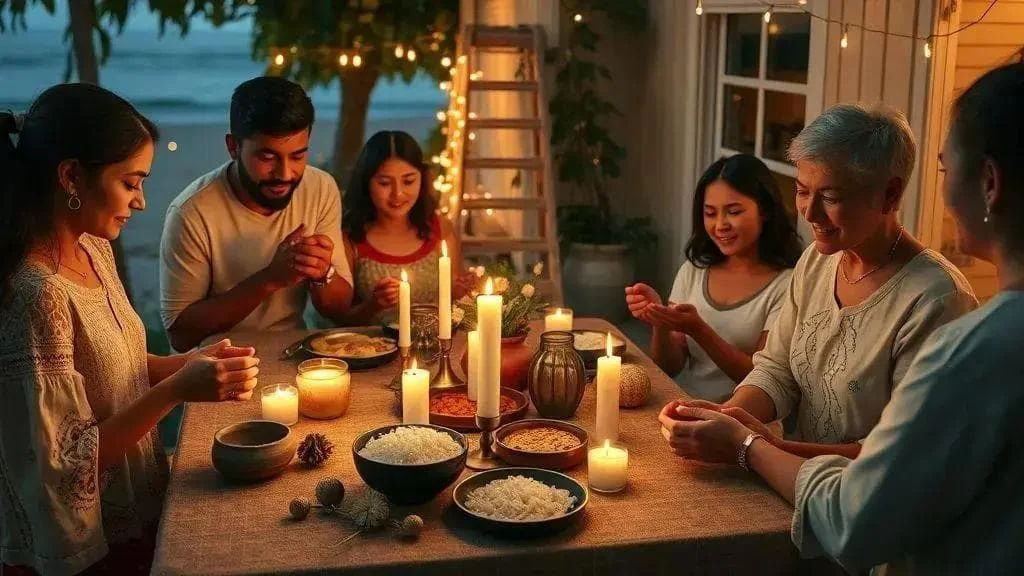
Practices marking the end of a year have many histories. Religious calendars, seasonal gatherings and family habits can all shape them. Similar symbols in different cultures do not necessarily share one origin or meaning.
Historical context
Ancient celebrations such as the Roman Saturnalia included feasting and gift-giving. Comparisons with later winter festivals can be interesting, but it is too simple to claim that every modern Christmas or New Year custom descends directly from one ancient celebration.
In Brazil, diverse communities have contributed to festive life. European, African and Indigenous histories are part of that broader context, but individual practices should be described through the communities that maintain them rather than blended into a single invented origin story.
Symbolic meanings
Tidying may represent renewal, food abundance, lights hope and gatherings affection. Meanings vary, and people can find comfort in a symbol without treating it as a force that determines the year ahead.
- Symbolic cleansing: some traditions use herbs, sweeping or bathing imagery. A simple tidy-up or ordinary comfortable bath offers a way to reflect without smoke or untested mixtures.
- Clothing and colours: white is often associated with peace in Brazilian New Year celebrations, while other colours may express personal hopes.
- Symbolic foods: lentils, pomegranates or grapes can carry wishes for abundance, while cakes and bread invite sharing.
- Customs by the sea: some people greet the waves or offer flowers within particular beliefs. Respect the tradition, local environmental rules and sea conditions; no ritual requires entering unsafe water.
Variety within Brazil
Customs vary within regions as well as between them. Afro-Brazilian religious observances have their own meanings and should not be treated as interchangeable good-luck activities. Family meals, worship and secular parties also take many forms across the country.
Learning about context helps us choose respectfully. You can keep a family custom, create a personal reflective activity or simply enjoy time together without borrowing a religious practice you do not understand.
Prosperity rituals: symbolic ways to focus on practical goals

Symbols can provide a reminder of a goal, but they do not attract money or change financial circumstances by themselves. The following ideas are optional prompts for reflection and manageable habits.
Idea one: lentils as a symbol of abundance
Lentils feature as a symbol of abundance in some New Year traditions. Serve them as food or use a drawing for a decorative reminder, keeping symbolism separate from food-storage decisions.
- Prepare the food: if lentils are part of dinner, cook and serve an appropriate portion in a clean dish. There is no meaningful required quantity for a symbolic gesture.
- Name your hope: pause to consider something realistic, such as more stability or a manageable saving habit.
- Store leftovers safely: never leave cooked lentils on display for seven days and then eat them. Cool and refrigerate cooked leftovers within one to two hours, and eat them within forty-eight hours or freeze them. Use a drawing or written note for a lasting display. Source: UK Government: chilling freezing and defrosting food
Idea two: colours as personal reminders
Yellow or gold may symbolise prosperity, white peace and green balance in some popular interpretations. These are associations, not effects produced by wearing a colour.
- Choose a colour: use an item you already own, such as a yellow garment or a gold-coloured accessory, if it has meaning for you.
- Take a moment: think about one clear intention while getting dressed; a brief pause is enough.
- Connect it with action: decide on a small next step and review it after New Year’s Day.
Idea three: an envelope of intentions and a flameless light
Writing down a wish can turn a vague hope into something you can revisit. A flameless candle can provide a quiet focal point without putting paper near a flame.
- Gather materials: use paper, an envelope and, if wanted, an LED candle with a secure battery compartment.
- Write your intention: choose a concrete, realistic goal and place the note in the envelope.
- Pause and reflect: switch on the flameless light and consider what would help you take the first step.
- Keep and review it: put the envelope somewhere dry and choose a review date, perhaps a month later.
Idea four: a symbolic savings jar
A jar can be a visual reminder of a saving habit, if setting money aside is possible for you. It should not create pressure when essential expenses already use your available income.
- Choose an affordable amount: twelve coins can symbolise the months, but any amount, or a written plan without money, can serve as a reminder. Keep coins away from children.
- Label the jar: use a simple purpose such as ‘A Little Reserve’ rather than a promise of a financial result.
- Review regularly: add money only when affordable and check whether the goal still suits your circumstances.
Idea five: pomegranates and abundance
A pomegranate’s many seeds can symbolise abundance in some traditions. Eating or sharing the fruit may be a way of expressing that hope, without claiming that it brings luck.
- Prepare the fruit: serve it safely in a form suitable for the people sharing the meal.
- Express a wish: think about a hopeful change you would like to work towards.
- Share: offer some fruit to others who would enjoy it, respecting dietary and swallowing needs.
Practical, lower-waste tips
- Keep expectations realistic: a ritual is not ineffective because you failed to concentrate; it is simply a symbolic activity, not a guarantee.
- Use what you have: reused envelopes, jars or paper can avoid unnecessary purchases.
- Respect your context: choose activities compatible with your beliefs, budget and household.
- Notice practical progress: record small steps if doing so encourages you, without making the ritual another obligation.
Symbolic cleansing and emotional renewal
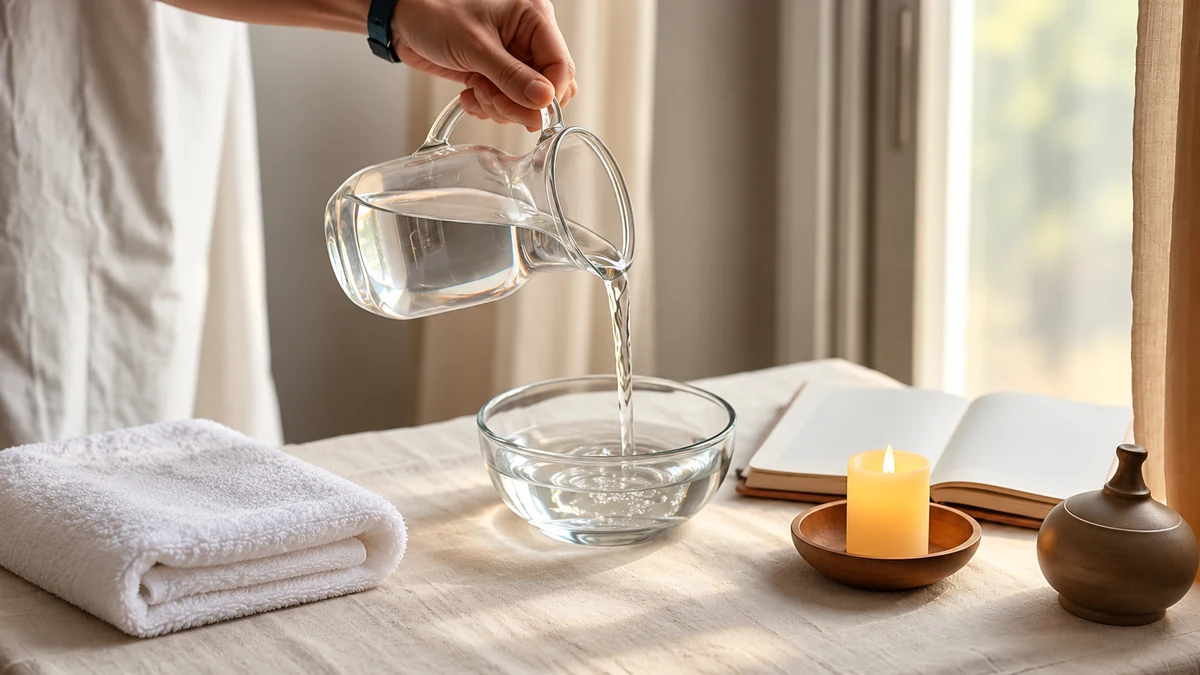
Some people use the language of cleansing to mark a fresh start. It can be understood as a personal metaphor rather than a medical or scientific process. Choose comfortable activities that do not introduce smoke, skin irritants or pressure to feel better.
A comfortable bath as a reflective pause
The original suggestion involved a homemade herbal bath. An ordinary bath or shower is a simpler alternative: herbs, essential oils and salt mixtures are not necessary and may irritate the skin.
- Prepare safely: use comfortably warm water and your usual suitable bathing products, rather than boiling herbs for application to the body.
- Check the temperature: make sure it is comfortable before entering, and keep the floor free from slip hazards.
- Take your time: use the quiet moment to reflect if you wish. You do not need to pour any special mixture over yourself.
- Finish comfortably: dry yourself and put on clean clothes; there is no required sequence for a personal pause.
- Individual needs: follow existing advice for any skin condition, pregnancy or mobility need. Stop using anything that causes irritation and ask a healthcare professional when unsure.
A smoke-free alternative to burning herbs
Burning herbs or incense does not purify indoor air: smoke adds particles and other pollutants. If the purpose is reflection, a quiet room, a written intention or a flameless light can provide it without combustion. Source: US EPA: indoor particulate matter sources
- Choose a simple focal point: use a note or a familiar object instead of burning rue, sage or other plants.
- Avoid indoor charcoal: do not light charcoal or an improvised burner in a room. Opening a window does not make indoor charcoal burning safe. Source: US EPA: charcoal and indoor carbon monoxide risks
- Move through the space: if helpful, walk calmly through the rooms and notice one small task you would like to complete.
- Ventilate when appropriate: consider outdoor air quality, weather, security and the needs of everyone in the home.
- Consider sensitivities: avoid smoke and strong fragrances, especially where someone has asthma, allergies or other sensitivities.
Physical cleaning and organisation
Tidying may make a space easier to use and provide a sense of completion. It is not a cure for emotional difficulties, and a home does not have to be spotless to be welcoming.
- Choose one area: begin with a manageable surface or part of a room.
- Use a short time slot: fifteen minutes can be a helpful limit, adjusted to your energy and abilities.
- Consider donations carefully: an item unused for a year may still be valuable or necessary. Keep, donate or recycle according to its purpose and condition.
- Make the space usable: repair or safely remove broken items and clean surfaces with products suited to the material.
Sound and gentle breathing
Quiet music or gentle breathing may help some people pause. Neither needs to be presented as a treatment or as a way to change the energy of a room.
- Breathe comfortably: let your breath move gently and regularly without forcing it or holding it to a strict count. Stop if you feel dizzy or uncomfortable. Source: NHS: gentle breathing exercises for stress
- Choose a gentle sound: a bell or a short piece of music can mark the moment if it is comfortable for everyone nearby.
- Say an intention: a phrase such as ‘I am open to new opportunities’ can express a hope, without requiring you to feel positive all the time.
Writing to explore feelings
Writing can help some people organise their thoughts. It is an optional activity, not a test of whether you are handling the year correctly.
- Name what feels difficult: write up to three worries or habits you would like to understand or change.
- Choose small next steps: note a few realistic actions for the coming months.
- Keep or recycle the note: store it privately for a later review, or dispose of it appropriately. Burning or burying paper is unnecessary.
Opening windows thoughtfully
Fresh air can be part of making a room comfortable, while symbolising a new start if that idea appeals to you. It does not remove every indoor pollutant or resolve emotional distress.
- Choose suitable conditions: take account of outdoor pollution, temperature and security rather than following one fixed time of day.
- Ventilate safely: open suitable windows when appropriate, protecting children and pets and avoiding unsafe draughts or access risks.
- Keep it simple: a gentle sound or a quiet pause can accompany the moment, but no extra decoration is required.
Accessible ideas
- Choose only what helps: one or two meaningful activities may be enough.
- Adapt to your needs: respect beliefs, abilities and safety considerations.
- Reflect without judgement: note how you feel if useful, including when an activity makes no difference.
- Seek support when needed: talk with someone you trust or a qualified professional if difficult feelings persist or affect daily life; rituals are not a substitute for care.
Including family and children

Shared activities can create memories and give children a chance to ask about traditions. Explain the difference between a symbol, a belief and something that is known to happen.
Simple activities for children
- Paper decorations: offer age-appropriate materials and supervised tools. Children can draw or write a small wish on a decoration if they want to.
- Stories and memories: invite each person to share something from the year, perhaps using a photograph. Allow anyone to pass.
- An intentions box: collect drawings or notes in a decorated box and choose a later date to look at them together.
- A safe light: an adult can operate an LED candle with a secured battery compartment. Children do not need access to button batteries or electrical parts.
Sharing tasks kindly
- Clear roles: offer manageable jobs such as arranging paper decorations or helping set the table, matched to individual ability.
- Keep it brief: five to fifteen minutes may suit a small activity, but follow the children’s attention and comfort.
- Notice the effort: a specific comment such as ‘You placed those decorations carefully’ values participation without demanding perfection.
Adapting for different ages
Young children may prefer a song or a simple game. Older children can help choose an activity or suggest a family intention. Neither age nor enthusiasm should determine who is allowed to opt out.
Safety and respect for beliefs
- Avoid unnecessary hazards: keep flames, hot materials, batteries and small parts away from children, and supervise craft activities.
- Respect differences: explain that families have different beliefs and that participation should be voluntary.
Activities that encourage connection
- A shared meal: give each person a suitable preparation or table-setting task, with an adult managing knives, heat and food hygiene.
- A symbol hunt: hide large paper pictures rather than loose lentils, coins or tiny toys, then discuss what the pictures mean to the family.
- A family journal: set aside a short time for optional notes of thanks or memories to revisit next year.
Including quieter or reluctant participants
- Offer alternatives: someone may prefer to observe, draw or help with a practical task.
- Allow choice: offer a few short options, including not taking part.
- Set a relaxed example: adults can show interest without treating participation as an obligation.
Affordable Christmas traditions with less waste
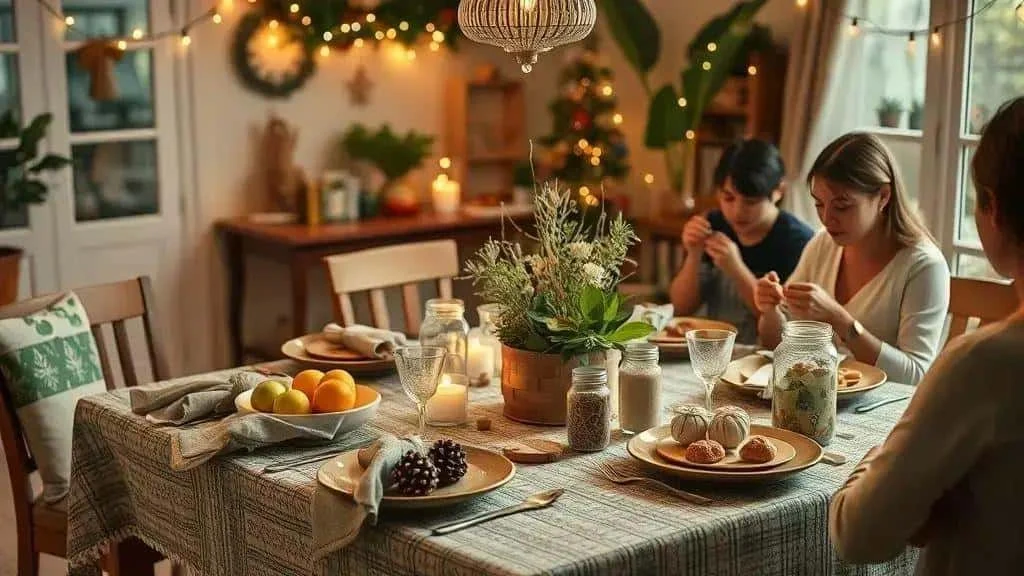
Lower-waste traditions can make celebrations feel more manageable. Reusing materials and sharing tasks may reduce costs while leaving room for meaningful moments.
Handmade and reused decorations
Begin with suitable materials already in the house.
- Paper ornaments: turn old cards into simple shapes or garlands.
- Cardboard tubes: clean craft tubes can become stars or flowers with suitable paint and adult supervision.
- Twigs and pine cones: use clean, responsibly sourced pieces, checking sharp edges and keeping small parts away from young children.
- Reuse sound lights: inspect leads and fittings. Replace bulbs only where the manufacturer permits it, using the specified type; do not improvise repairs to sealed or damaged sets.
Reusable wrapping
Wrapping can be part of the gift without being thrown away immediately.
- Cloth and fabric: a scarf, fabric bag or cloth wrap can be reused. Furoshiki is a Japanese wrapping tradition, not a generic name for every piece of fabric packaging.
- Old paper and maps: reuse clean paper where suitable and finish it with ribbon you already have.
- Reusable labels: sturdy card tags can be kept for another occasion.
A manageable festive meal
Choose a menu that suits the group, available ingredients and budget.
- Compare local and seasonal options: they may offer good value, but price and environmental impact depend on more than distance alone.
- Share preparation: agree which dish each household will bring, including portions, allergens and safe transport.
- Plan quantities: avoid cooking far more than needed and store suitable leftovers safely in smaller portions.
Thoughtful gifts
Consider experiences, useful durable items or work from makers whose products suit the recipient.
- Good-quality second-hand gifts: a carefully chosen book or object can be welcome when it matches the recipient’s preferences.
- A gift of time: offer a homemade meal or practical help that you can realistically provide and the person would appreciate.
- Local makers: buying from them can support their work; consider the product’s materials, usefulness and durability too.
A reusable table setting
Use pieces that already serve the household well, borrowing where practical.
- Cloth napkins and tablecloths: wash and store them for future occasions.
- Simple arrangements: suitable foliage or fruit can decorate the table without requiring a large collection of new items.
- Borrowed tableware: combine plates and serving dishes from willing friends or relatives.
Energy use and lighting
Limiting unnecessary lighting can reduce electricity use.
- Suitable LEDs: when lights need replacing, consider appropriate efficient products rather than buying more sets than you need.
- Compatible timers: limit operating hours and follow instructions about switching off when unattended.
- A few focal points: lighting one part of a room can create atmosphere without illuminating every surface.
A practical checklist
- Plan ahead: make a list and compare total costs before buying.
- Choose useful quality: fewer suitable items may serve better than a large set used once.
- Agree expectations: discuss gifts and shared meals with the family in advance.
- Sort waste correctly: follow local recycling and food-waste rules, keeping glass safely away from children.
- Keep memories simply: photographs or notes can replace disposable keepsakes, with everyone’s consent about sharing them.
Starting today
Choose two manageable ideas, perhaps reusing fabric wrapping and making one paper decoration. There is no need to transform every tradition at once.
Food rituals: recipes, memories and affection

Food can connect generations through familiar flavours and repeated tasks. Sharing a recipe offers a way to learn its story as well as how it is made.
Dishes and their meanings
- Lentils: associated with abundance in some New Year traditions, while also being an ordinary food enjoyed in many dishes.
- Panettone and homemade cakes: they may evoke particular family gatherings or the person who prepared them.
- Rabanadas and sweets: sharing these festive treats can become part of a household’s Christmas memories.
- Pomegranates: their many seeds can represent hopeful abundance within some traditions.
- Fish and savoury dishes: salt cod or regional favourites may carry a family or religious connection, depending on the household.
Making a recipe into a shared tradition
- Choose a dish with a story: ask a relative which recipe they remember and invite them to explain it.
- Share suitable tasks: peeling, mixing or decorating can involve different people, with supervision where needed.
- Give the occasion a name: a family phrase for a baking afternoon can make it feel familiar without inventing a tradition’s history.
- Allow unhurried time: put distractions aside when practical and enjoy the conversation as well as the result.
- Record the details: note ingredients, variations and the story behind the dish, with the cook’s permission.
Adapting recipes carefully
A recipe can change while retaining its emotional significance. Use tested adaptations where ingredients affect texture, cooking or dietary suitability.
- Homemade panettone: choose a tested recipe that fits your budget. Oil is not a direct substitute for butter in every enriched dough, and changing fruit may affect the result.
- Lentil dishes: black-eyed beans or quinoa offer different textures, but lentils themselves are naturally gluten-free. Check other ingredients and cross-contamination if cooking for someone who must avoid gluten.
- Rabanadas: suitable day-old bread can be used, never mouldy bread. Choose a tested baked or plant-milk version if it meets your needs, checking all ingredients for dietary requirements.
Sharing stories at the table
Conversation can give a meal meaning beyond the food itself.
- A round of memories: invite people to share a recollection linked to a dish, with no pressure to speak.
- A family recipe book: collect recipes, photographs and notes from different generations.
- Remembering someone absent: mention a favourite dish or memory if the group finds it comforting. You do not need to leave a portion of food out or waste it.
Practical care and less waste
Meaningful food traditions still depend on ordinary hygiene and safe storage.
- Plan portions: prepare quantities that match the number of people and the rest of the menu.
- Use leftovers safely: cool and chill them promptly, then use or freeze them within the appropriate time. Reheating cannot rescue food stored unsafely.
- Handle and cook food properly: keep work surfaces clean, prevent cross-contamination and follow suitable cooking instructions.
Keeping memories alive
Invite children to explore flavours without pressure, record a recipe in the cook’s own words or make a favourite dish together occasionally. Traditions can remain flexible as family needs change.
Simple December rituals, step by step
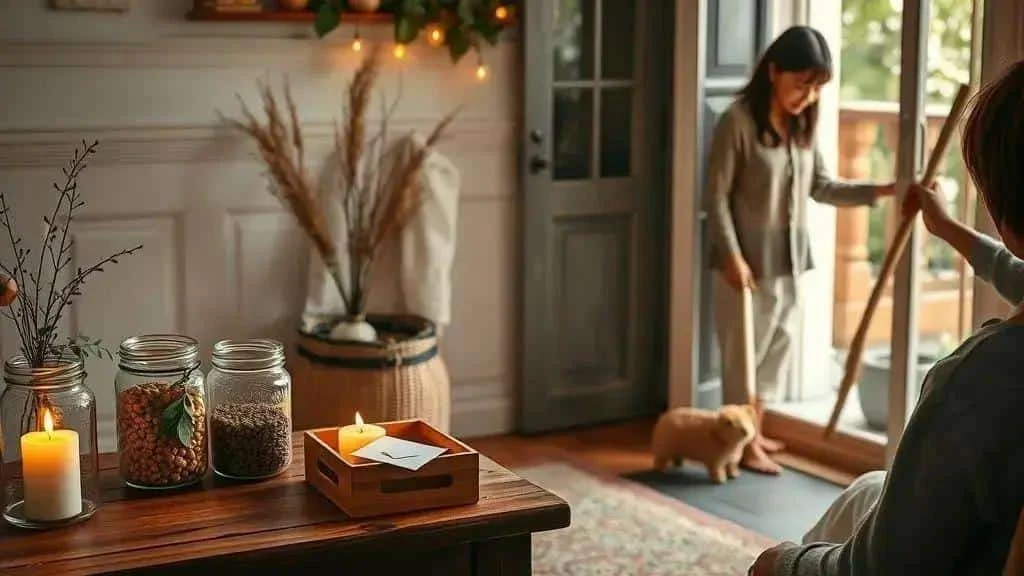
These short activities use everyday materials and keep symbolism separate from claims about health, money or luck.
Ritual one: a manageable tidy-up
- Prepare the space: ventilate if conditions are suitable and choose a small area to work on.
- Sweep or tidy: use a practical method for the floor and think of it as a fresh start if you wish; no direction of sweeping is required.
- Clean a surface: use a suitable cloth and product according to the surface and product instructions. Vinegar is not an all-purpose disinfectant and can damage some materials.
- Finish simply: put one useful or decorative item back in place, keeping walkways clear.
Ritual two: a comfortable bath or shower
- Prepare ordinary bathing water: use a comfortable temperature rather than a boiled herbal mixture.
- Check comfort and safety: make sure the temperature and access suit you and the floor is not slippery.
- Take a quiet moment: enjoy your normal bath or shower, with no need to add herbs, salt or essential oils.
- Respect individual needs: use products already suitable for your skin and follow relevant medical advice.
Ritual three: a symbolic reminder of abundance
- Choose a container: a clean, dry box or jar can hold a written intention or a drawing of lentils.
- Add the symbol: use paper for a lasting display. Cooked lentils belong at the meal and then in safe food storage, not in a room-temperature ornament.
- State your hope: write a realistic intention, such as working towards greater stability.
- Keep it safely: display the note where it will not create a hazard. Never eat cooked food that has been left out for days; discard it rather than trying to make it safe by reheating.
Ritual four: an intentions envelope with a flameless candle
- Write one goal: keep it short and realistic.
- Use a flameless light: choose an LED candle with a secure battery compartment, operated by an adult where children are present.
- Pause briefly: consider your first practical step, then keep the envelope somewhere dry for a later review.
- Review the plan: revisit it after a few weeks and adjust the action to your circumstances.
Ritual five: a meal of sharing
- Choose a meaningful dish: a family cake, rabanadas or lentils might suit the occasion.
- Share tasks: match preparation jobs to each person’s abilities and manage heat and sharp tools safely.
- Offer a moment of thanks: invite anyone who wants to speak to share something they appreciate.
- Look after leftovers: cool, refrigerate or freeze suitable portions promptly rather than leaving them on display.
Ritual six: a memory and intentions box
- Prepare the box: decorate a sound cardboard or metal box with suitable reused materials.
- Add memories: invite each person to contribute a note or drawing about the year and a hope for the next one.
- Choose a reopening date: store it safely and revisit it next December, allowing private notes to remain private.
Safety and meaning: final reminders
- Avoid unnecessary hazards: use flameless options and keep batteries, small objects and hot materials away from children.
- Stay realistic: symbolic rituals do not guarantee health or prosperity. Practical planning and appropriate support are separate, worthwhile steps.
- Keep it manageable: choose one or two activities that suit your household and adapt them over time.
Conclusion
Year-end rituals can give a transition meaning and create shared memories. A small, voluntary activity may be enough: what matters is that it suits the people involved and does not replace practical care or create avoidable risks.
Thank you for reading. Follow our social channels and the I Love Christmas blog for more seasonal ideas and stories.
FAQ: Year-end rituals
What are year-end rituals?
They are symbolic, cultural, religious or personal practices used to mark the transition between years and express hopes, gratitude or reflection.
How can children join in safely?
Choose short, supervised activities such as paper crafts or a memory box. Avoid flames, loose small parts and accessible batteries, and explain that participation is optional.
How can these activities cost less and create less waste?
Reuse suitable materials, share meal preparation, plan portions and consider reusable wrapping. Choose what fits your household rather than buying special ritual supplies.
Do rituals really attract prosperity?
They do not guarantee money or good fortune. Some people use them as reminders of intentions, while practical actions and circumstances determine financial outcomes.
What is a safer way to mark a fresh start at home?
Try a manageable tidy-up, a written reflection, ordinary comfortable bathing or suitable ventilation. Avoid indoor charcoal, smoke-based cleansing claims and untested herbal mixtures on the skin.
Which foods carry seasonal symbolism?
Lentils and pomegranates express hopes for abundance in some traditions, while panettone, cakes, rabanadas and savoury dishes may carry family memories. Meanings vary, and all food still needs safe handling and storage.
Sources and Further Reading
- UK Government: chilling freezing and defrosting food
- US EPA: indoor particulate matter sources
- US EPA: charcoal and indoor carbon monoxide risks
- NHS: gentle breathing exercises for stress