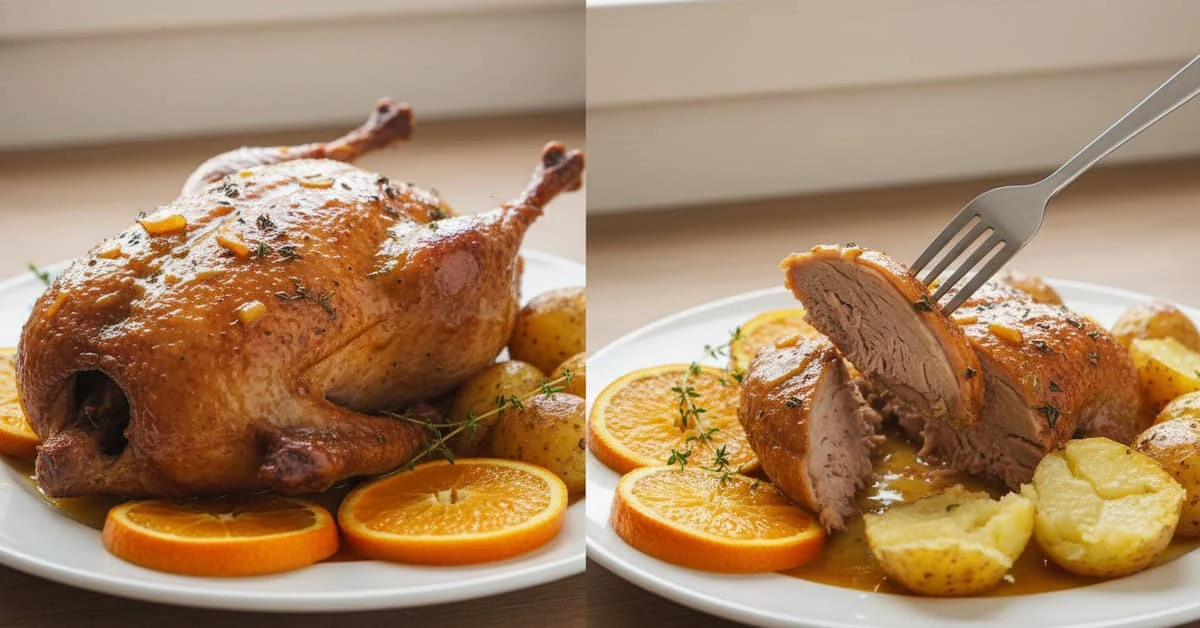
Christmas roast duck with orange pairs a whole duck with citrus, herbs and a honey glaze. Use the bird’s cooking instructions and a food thermometer, apply the glaze towards the end, and cool leftovers promptly for refrigeration or freezing.
Christmas roast duck with orange makes an alternative to turkey for a smaller festive gathering. This recipe has been editorially reviewed, but not kitchen-tested. The main method and optional variations are separate; use the packet instructions for your particular bird and check that it is cooked through.
Ingredients for roast duck with orange
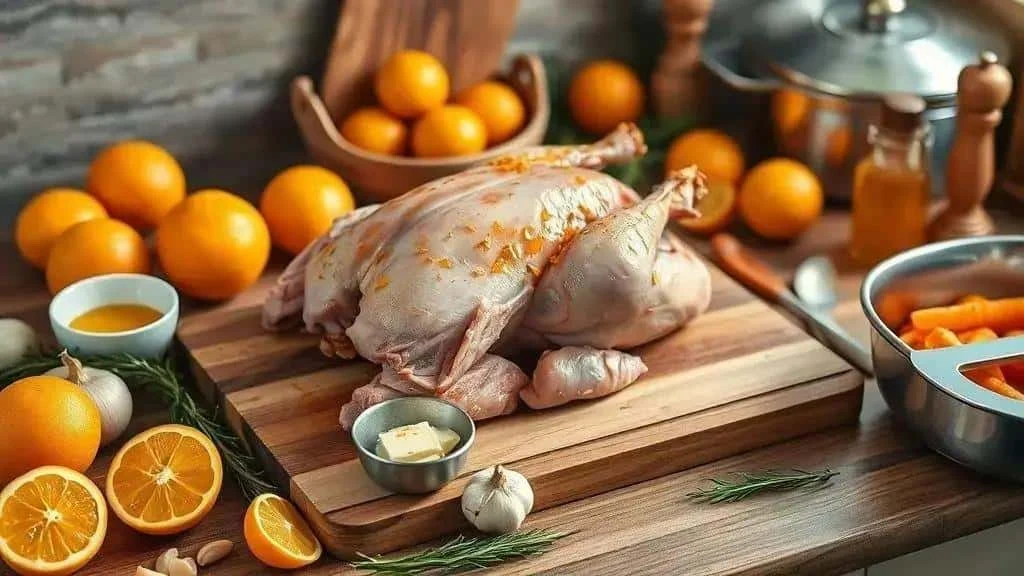
For roast duck with orange, gather the following ingredients. The quantities below cover the main roast and glaze, not the optional side dishes.
- 1 whole duck, 2–2.5 kg – fully defrosted if frozen, with packaging and giblets removed. Do not wash raw poultry.
- 3 large oranges – use 2 for juice and zest, and reserve 1 for serving.
- 100 ml orange juice for the glaze – measure this from the 2 juicing oranges above, topping up with extra juice only if necessary. It is not an additional 100 ml of concentrate.
- 50 g butter – melted for the glaze.
- 2 tbsp honey – for the glaze.
- 4 garlic cloves – crush 1 for the glaze and place the other 3 in the roasting tin.
- 1 large onion – quartered, for the tin rather than the cavity.
- 2 carrots – cut into large pieces for the roasting tin.
- 2 rosemary sprigs – fresh.
- 3 thyme sprigs – fresh.
- Salt, to taste – season moderately, especially if using salty stock or soy sauce.
- 1 tsp ground black pepper – or to taste.
- 100 ml chicken or duck stock – for the tin, with extra available if needed.
- 1 tbsp soy sauce, optional – for the glaze; check its salt content and allergens.
- 1 tbsp finely grated orange zest – taken from the oranges above, avoiding the bitter white pith.
Substitutions and notes
If you need to adapt the ingredients, consider these alternatives and check any dietary requirements:
- Honey: replace with maple syrup or brown sugar dissolved in a little orange juice.
- Butter: olive oil is a dairy-free alternative; check the stock and other ingredients for milk too.
- Duck stock: chicken stock or water can replace it. Wine changes the flavour and is optional; cooking does not guarantee removal of all alcohol.
- Oranges: mandarins or clementines give a different citrus flavour. Measure the juice rather than substituting fruit by number.
- Whole duck: chicken may cost less, depending on local prices, but needs its own cooking instructions rather than the duck’s timetable.
- Herbs: dried herbs are more concentrated. Start with about 1 tsp each of dried rosemary and thyme instead of the fresh sprigs, then adjust future batches to taste.
How to make roast duck with orange
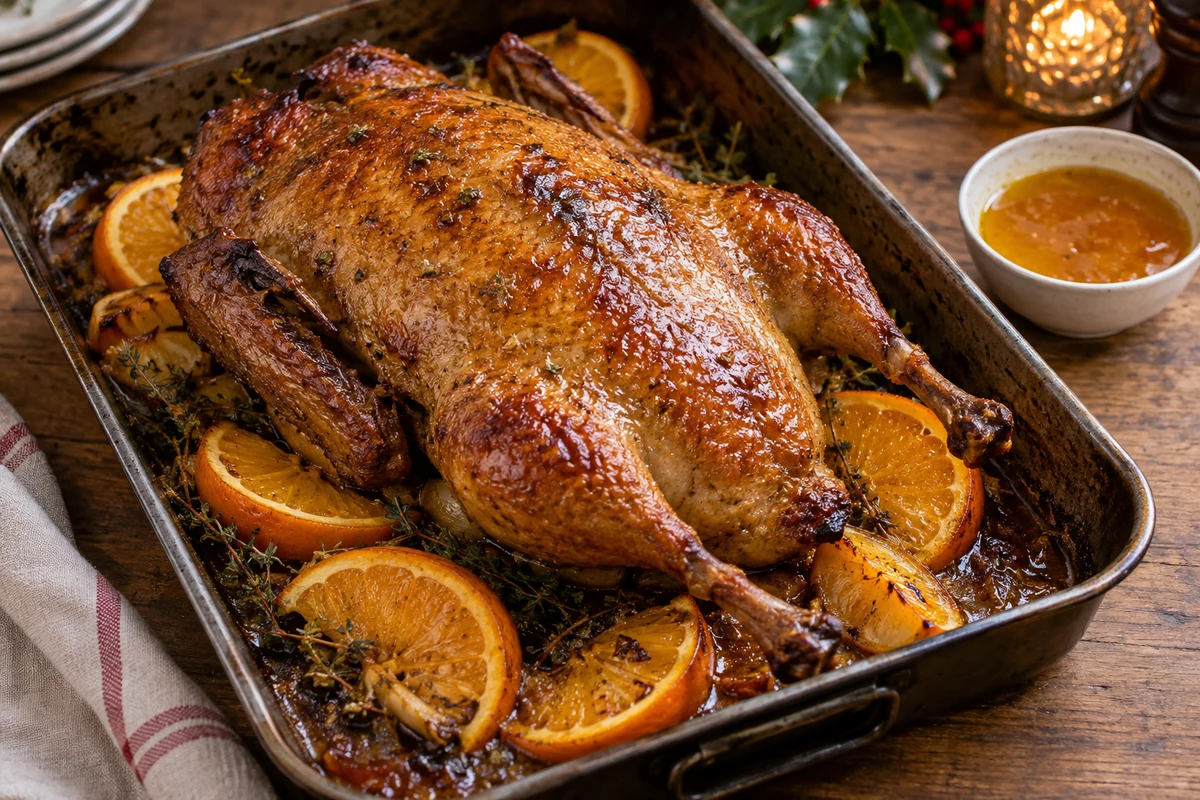
- Prepare the bird and oven: keep the duck chilled until needed, remove its packaging and giblets, and pat the skin dry with kitchen paper. Preheat to 200°C conventional/180°C fan unless the packet specifies otherwise.
- Keep the cavity unfilled: season the duck with salt and pepper. Put the onion, 3 garlic cloves and herb sprigs in the tin, rather than filling the bird with fruit or stuffing.
- Prick the skin carefully: where there is a thick layer of fat, make shallow pricks without piercing the flesh. This gives rendered fat a way to escape. Wash hands and clean equipment after handling raw duck.
- Season the surface: distribute the salt, pepper and some orange zest over the dry skin. Keep the honey glaze for the final stage so its sugar does not burn early.
- Arrange the duck: place it breast-side up and tuck the wing tips underneath if practical. Avoid tightly binding or filling the cavity.
- Make the glaze: combine the measured 100 ml orange juice, 2 tbsp honey, optional soy sauce, melted butter and 1 crushed garlic clove. Before brushing the bird, put a separate portion in a clean saucepan for the finishing sauce.
- Prepare the tin: set the duck on a rack above the onion, garlic, herbs and carrots, and add the 100 ml stock underneath. Use a deep enough tin to contain the rendered fat without overflowing.
- Begin roasting: put the tin on the middle shelf at the temperature above. Follow the packet timetable where available; keep the sugary glaze off the bird at this stage.
- Allow enough time: a common whole-duck guide at this temperature is 40 minutes per kg plus 10 minutes, roughly 1 hour 30 minutes to 1 hour 50 minutes for 2–2.5 kg. This is only a guide; the packet and a centre-temperature check take priority.
- Glaze towards the end: brush a thin layer on during the final 20–30 minutes. Check the tin occasionally and add fresh stock or water if necessary. Do not repeatedly soak the skin if you want it crisp.
- Check doneness: use a clean thermometer in the thickest parts of the breast and thigh, away from bone. They must reach 75°C for 30 seconds or 70°C for two minutes. Continue cooking if any checked part is below that target.
- Rest before carving: once cooked through, rest for 15–20 minutes under loose foil. A tight covering will soften the skin.
- Finish and serve: bring the clean, separately reserved sauce to a simmer, cook the garlic and reduce as desired. Discard glaze contaminated by a brush used on undercooked poultry. Serve with the reserved fresh orange and thoroughly cooked vegetables.
Useful roasting tips
- Manage excess fat: trim loose fat from the cavity. If the tin fills during roasting, carefully remove excess fat with heatproof equipment; hot fat can cause serious burns.
- Dry the skin: pat it thoroughly with kitchen paper. If air-drying in the fridge, use a dedicated tray on the lowest shelf, away from ready-to-eat food and protected from drips or contact.
- Use a thermometer: a shiny brown glaze is not evidence that the bird is safely cooked throughout.
- Make a pan sauce: skim excess fat from the tin, add about 100 ml extra stock, and bring the cooking juices to a proper simmer before serving. Wine is optional; use stock if avoiding alcohol.
Seasoning and marinade alternatives
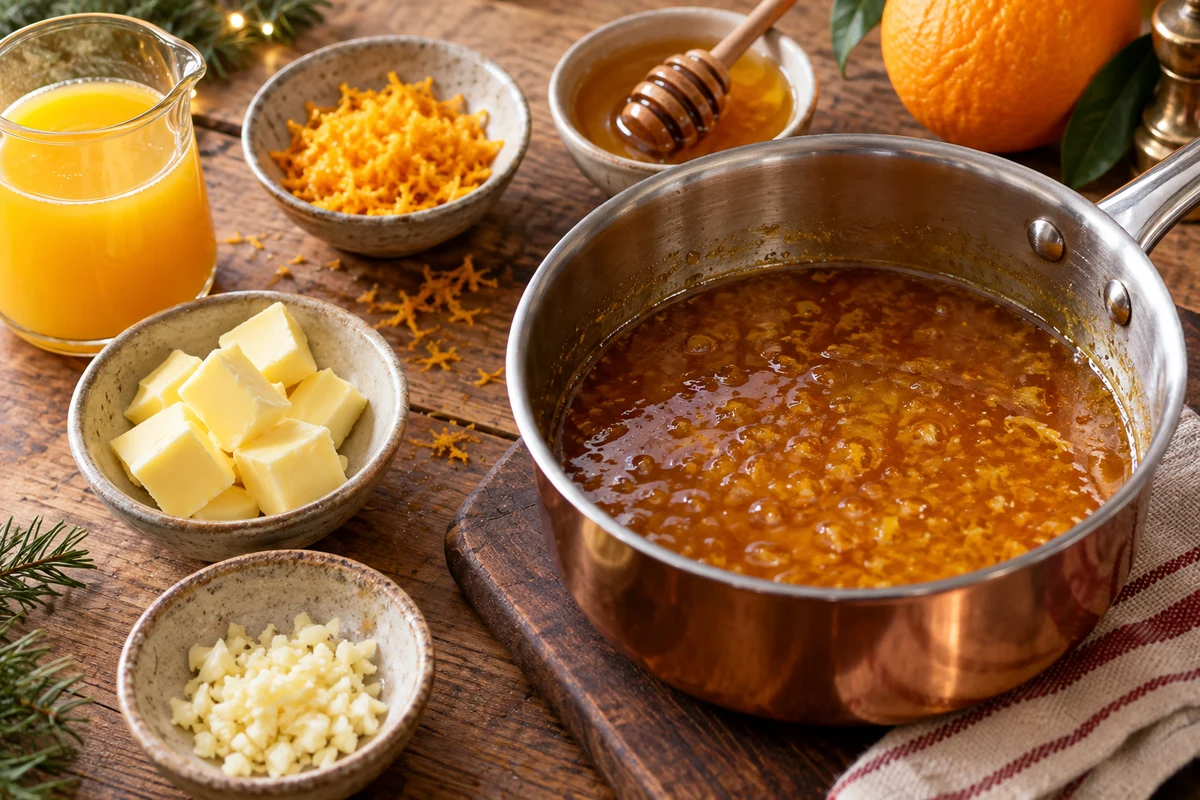
The following are separate flavour options for roast duck with orange, not additions to all the main ingredients. Choose one, keep raw poultry chilled, and discard used raw marinade. Wet marinades may make crisp skin harder to achieve.
Orange and honey marinade
- 100 ml orange juice – measure after squeezing; fruit yields vary.
- Zest of 1 orange – finely grated.
- 2 tbsp honey – or dissolved brown sugar.
- 1 tbsp soy sauce – optional.
- 2 garlic cloves – crushed.
- Up to 1 tsp salt – reduce if using soy sauce or a pre-seasoned bird.
- ½ tsp ground black pepper.
- Mix in a bowl. Taste only before the mixture comes into contact with raw poultry.
- Marinate: coat the duck and refrigerate in a covered, food-safe container for 4–12 hours, within its use-by date.
- Keep chilled until ready to roast, then drain, discard the raw marinade and pat the skin dry. Use a freshly prepared glaze for the final stage if wanted.
Citrus and white wine marinade
- 100 ml dry white wine – or chicken stock if avoiding alcohol.
- 50 ml orange juice – measure rather than relying on one orange’s yield.
- 2 tbsp olive oil.
- 2 thyme sprigs – or 1 tsp dried thyme.
- 1 tbsp honey or treacle, optional.
- Mix the wine or stock, juice, oil, herbs and optional sweetener.
- Marinate briefly: refrigerate covered for 2–4 hours. Drain and discard the used marinade before roasting.
Herb and garlic seasoning
- 50 ml olive oil.
- 4 garlic cloves – finely chopped.
- 1 tbsp chopped fresh rosemary.
- 1 tbsp fresh thyme leaves.
- 1 tsp smoked paprika.
- Up to 1 tsp salt – adjust for other salty ingredients.
- Rub the mixture over the bird, keeping any handling brief and cleaning hands and surfaces afterwards.
- Refrigerate covered for 6–12 hours, within the use-by date. Remove loose herb pieces from the outer skin if they are likely to scorch.
Dry seasoning for the skin
- Up to 1 tsp fine salt – use instead of the main recipe’s salt, not in addition.
- 1 tsp ground black pepper.
- 1 tsp light brown sugar, optional – watch carefully during roasting because sugar can burn.
- 1 tsp garlic powder.
- ½ tsp paprika.
- Dry the skin thoroughly with kitchen paper before applying the seasoning.
- Rub on the seasoning and refrigerate on a separate tray if preparing ahead, keeping it isolated from other food.
Practical seasoning notes
- Marinating time: the suggested windows are flavour guides, not a requirement for safe cooking. Keep within the use-by date.
- Avoid doubling the salt: the rubs and marinades replace the main seasoning rather than being layered together.
- Dry before roasting: pat the surface dry. If refrigerating uncovered briefly, prevent raw juices or the bird from contacting any other food.
- Substitutions: maple syrup can replace honey and stock can replace wine. Use dried herbs sparingly because their strength varies.
- Glaze late: brush on sugary glazes only towards the end of roasting and watch closely for burning.
Roasting time, temperature and doneness
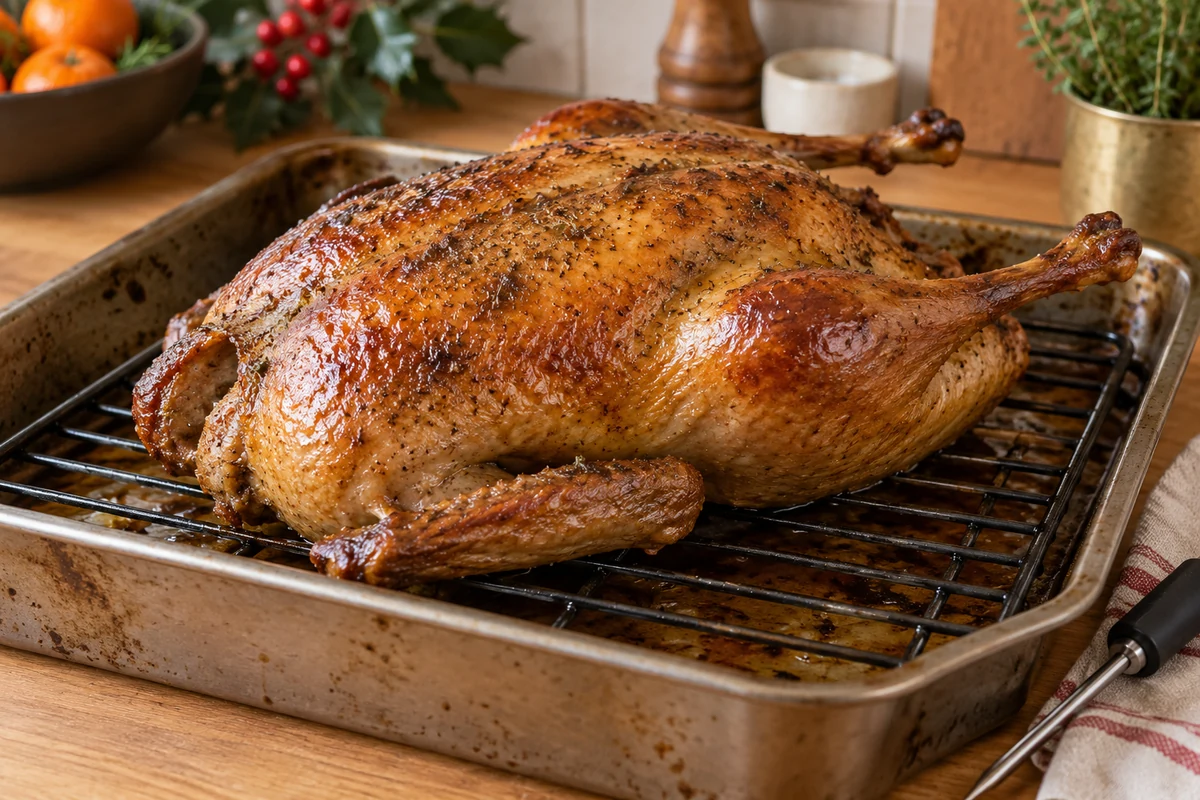
For roast duck with orange, a clear cooking plan helps, but every oven and bird differs. Product instructions and a thermometer are more useful than colour alone.
Roasting method at a glance
- Preheat: use 200°C conventional/180°C fan for the main method, unless your bird’s packaging says otherwise.
- Maintain the cooking temperature: follow the main method consistently, rather than combining it with a different high-then-low timetable.
- Use a rack: a rack inside a sufficiently deep tin allows rendered fat to collect beneath the duck.
- Check occasionally: add fresh liquid to the tin if needed and apply the glaze in the final 20–30 minutes. Avoid repeatedly wetting the skin.
- Limit oven opening: open briefly when needed to check the tin, apply glaze or measure the temperature.
- Rest after cooking: allow 15–20 minutes under loose foil before carving a fully cooked bird.
Planning the cooking time
- A 2–2.5 kg whole duck: the main method’s estimate is about 90–110 minutes, but check the packet and centre temperature.
- A larger bird: calculate from its own weight and packaging guidance; do not assume the smaller bird’s finishing time applies.
- Duck breasts: use instructions for that cut. A few minutes of pan-frying or oven cooking is not a universal guarantee of safe doneness.
- Fan ovens: use the fan temperature stated in the method, rather than reducing both time and temperature arbitrarily.
Checking whether it is cooked
- Check the centre: probe the thickest breast and thigh areas without touching bone, looking for 75°C for 30 seconds or 70°C for two minutes.
- Look beyond the skin: golden skin can develop before the middle is ready. Do not use the glaze’s colour as your safety check.
- Do not judge by touch alone: firmness and juiciness vary. Use the thermometer and clean it between checks.
Getting a better finish
- Start with dry skin: kitchen paper removes surface moisture without washing raw poultry or splashing juices around the sink.
- Remove loose excess fat: trim carefully before cooking and keep the roasting tin from overfilling.
- Use a suitable shelf: leave space around the bird and keep it away from direct contact with the oven’s upper heating element.
- Use the pan juices: skim excess fat, add stock and simmer thoroughly for a sauce. Wine is optional, not necessary.
- Keep glaze for the end: the final 20–30 minutes are usually enough to develop colour; cover or stop glazing if it starts to burn.
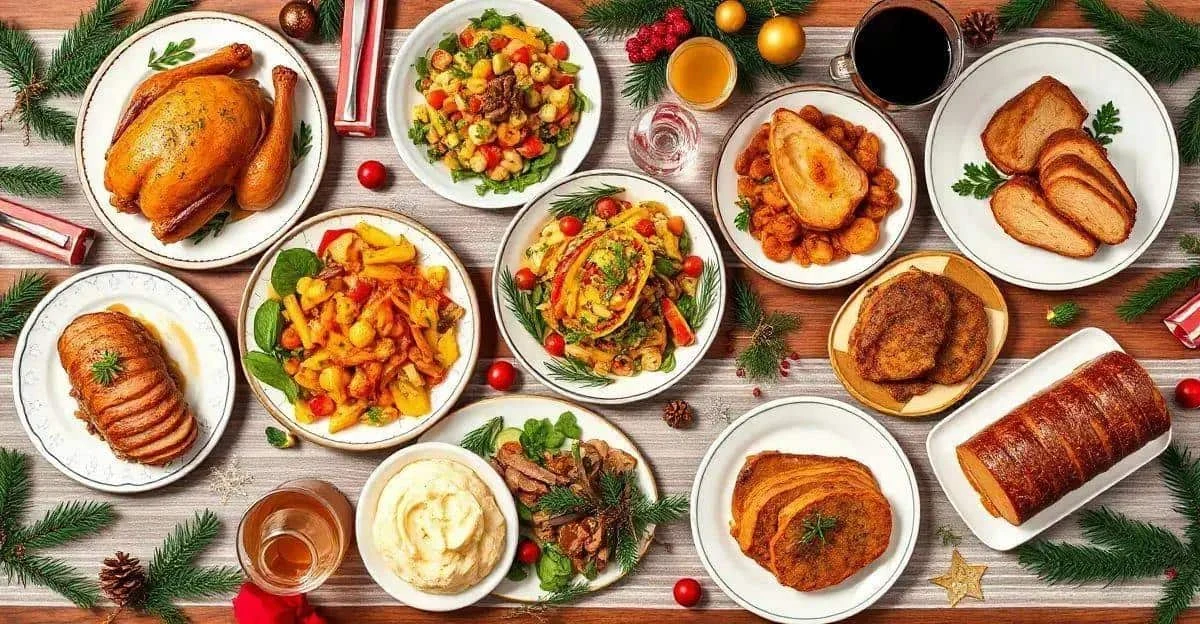
Side dishes for a Christmas duck dinner
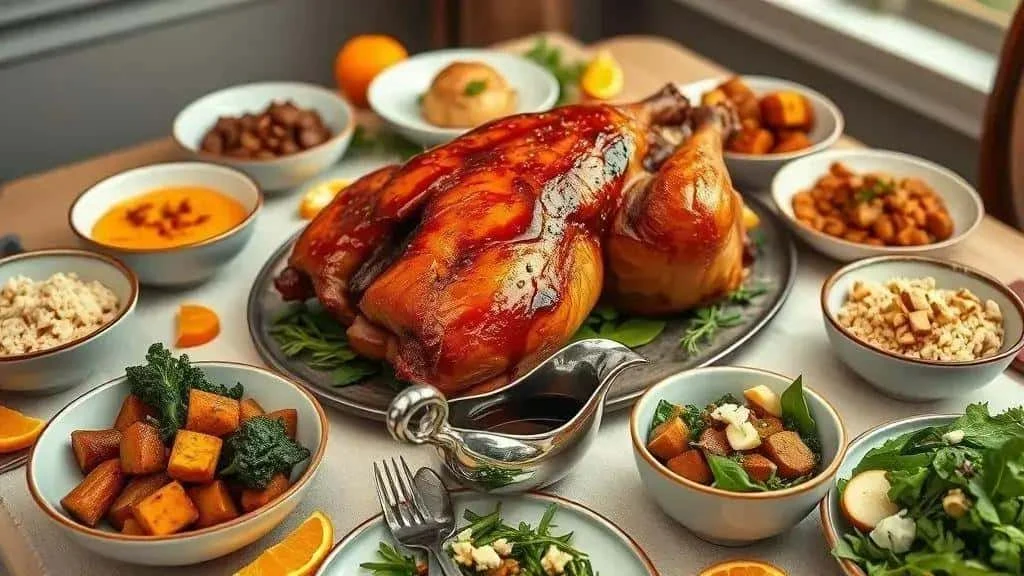
- Sweet potato mash with orange: mash 800 g cooked sweet potato with 50 g butter and 60 ml orange juice, then season to taste and heat through.
- Honey and balsamic vegetables: toss 400 g chopped carrots, onions and turnips with 2 tbsp olive oil, 1 tbsp honey and 1 tbsp balsamic vinegar. Roast on a separate tray at 200°C conventional/180°C fan until tender, watching for burning.
- Rice with almonds and herbs: mix 300 g freshly cooked rice with 50 g toasted chopped almonds and parsley or chives. This makes small side portions. Cool leftover rice within one hour, refrigerate and use within 24 hours; reheat only once until steaming hot.
- Nut farofa: soften a small chopped onion in 2 tbsp butter, then add 150 g coarse toasted cassava flour and 80 g chopped Brazil nuts or walnuts. Stir until heated through and season to taste. Use flour sold for farofa, not tapioca starch.
- Garlicky greens: sauté finely shredded spring greens with 2 sliced garlic cloves and 1 tbsp olive oil until cooked to your liking.
- Orange sauce: simmer the juice of 2 oranges with 100 ml stock or optional white wine and 1 tbsp honey, then reduce and strain. This is a separate sauce option, not another glaze to add to the main recipe.
- Rocket and pear salad: combine rocket, 1 sliced pear, crumbled goat’s cheese and a simple vinaigrette. Keep chilled until serving and check dairy requirements.
Preparing sides ahead
Mash, farofa and sauces can be made the day before if cooled promptly and refrigerated. Reheat only once until steaming hot throughout; ten minutes in an oven is not enough for every dish. Prepare the greens and dress the salad near serving time.
Plating the meal
Serve duck slices beside the mash and vegetables, with the orange sauce on the side to preserve the skin’s texture. Offer nuts separately when guests have allergies or preferences.
Drinks to serve alongside
Sparkling water with orange slices is a simple alcohol-free option. If serving wine, a Chardonnay or a light, fruity red can suit the flavours; drinking alcohol is entirely optional.
Keeping the meal manageable
- Prepare ahead: make sauces or mash a day earlier, cool promptly and refrigerate.
- Reheat thoroughly: use an appropriate oven or hob method and check that the centre is steaming hot, not just warm at the edges.
- Balance flavours: pair a sweet side with something fresh or peppery, such as rocket with a sharp dressing.
Alternative cuts and gluten-free adjustments
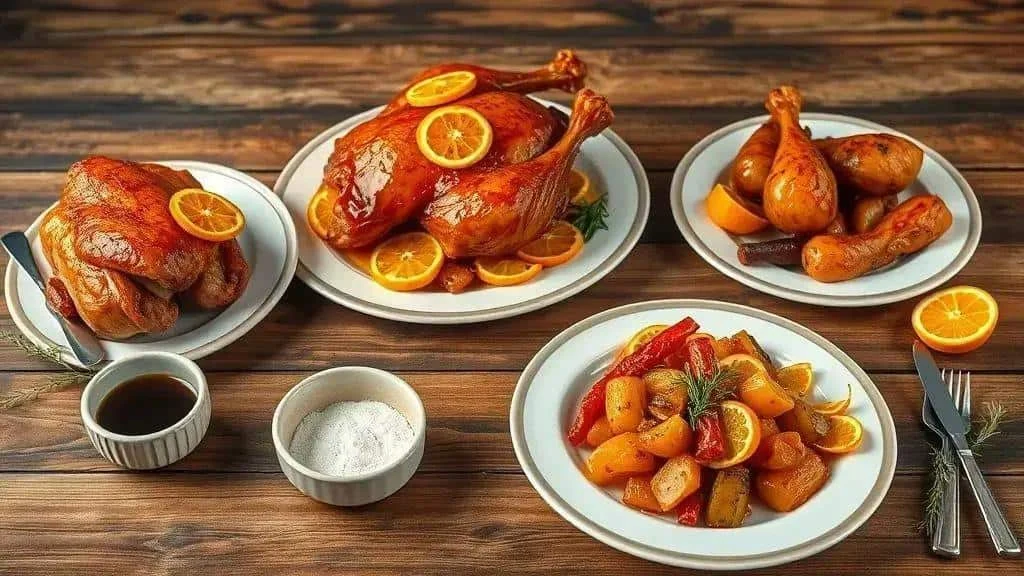
These roast duck with orange variations change the cut or ingredients. They are separate options, with different cooking requirements, rather than interchangeable versions of one timetable.
Duck legs or chicken as an alternative
- About 1.5 kg duck legs, or a 1.8–2 kg whole chicken – compare prices and follow the cooking instructions for the chosen cut or bird.
- 2 oranges – juice and zest.
- 2 tbsp honey – or brown sugar.
- 50 ml olive oil – an alternative to butter for this variation.
- 2 garlic cloves – chopped.
- Salt, to taste, and ½ tsp black pepper.
- Season the duck legs or chicken with garlic, orange zest, salt and pepper.
- Brown duck legs if desired in a suitable pan, following the product method. Do not attempt to pan-sear a whole chicken using the same instructions.
- Roast using the chosen cut’s method and reserve the orange-and-honey mixture for glazing towards the end, rather than allowing it to burn from the start.
- Check cooking carefully: follow the packet’s oven temperature and timetable, then confirm 75°C for 30 seconds or 70°C for two minutes in the thickest parts. A whole chicken cannot be assumed ready after the same time as separate legs.
- Rest the fully cooked meat before serving, keeping any glaze used on undercooked poultry separate from finishing sauce.
A smaller meal using duck breasts
- 2 duck breasts – about 300–350 g each.
- 1 orange – juice and zest.
- 1 tbsp honey and 1 tbsp soy sauce – check the gluten-free alternatives below if needed.
- Pat dry and score the skin shallowly without cutting into the flesh.
- Cook skin-side down using the packet’s pan method to render the fat and brown the skin. Drain excess fat safely if necessary.
- Turn and finish cooking according to the cut’s instructions, checking the centre. For this home-cooking guide, cook poultry through to 75°C for 30 seconds or 70°C for two minutes rather than recommending it pink.
- Prepare the sauce separately by simmering the orange juice, honey and soy sauce. Rest the cooked breasts briefly before slicing and serve with the sauce.
Making gluten-free adjustments
- Use a sauce explicitly labelled gluten-free instead of standard soy sauce. Some tamari is gluten-free, but not all; fish sauce also requires a label check and introduces a fish allergen.
- Choose gluten-free stock or water, and check all seasonings and other ingredients.
- To thicken a sauce: start with 1 tsp cornflour mixed with a little cold water, rather than wheat flour, using a product suitable for the guest’s requirements.
- Prevent cross-contact by using clean equipment and keeping gluten-containing ingredients away from the meal.
- Check salt separately: gluten-free does not mean low in salt. Compare labels and reduce additional seasoning if needed.
- Thicken gently by stirring the cornflour slurry into simmering sauce and cooking until thickened; add more only if necessary.
Other flavour ideas
- Duck confit: this needs a dedicated, tested method for cooking and storage. Do not treat cooking in fat as a way to preserve duck indefinitely at home.
- Alternative glaze: maple syrup or a little mild treacle can replace honey for a different flavour.
- Let excess fat drain: trim loose cavity fat and use a rack. This does not establish a particular nutritional or calorie claim.
Adjusting quantities and timing
- Match the method to the cut: a breast, a leg and a whole bird cook differently. Use appropriate instructions and a thermometer.
- Serving estimate: a 2–2.5 kg whole duck usually suits about 4–5 people with sides, depending on appetite and yield. Compare edible yield as well as purchase price.
- Taste safely: check the seasoning mixture before it touches raw poultry, never afterwards.
Serving, storing and using leftovers
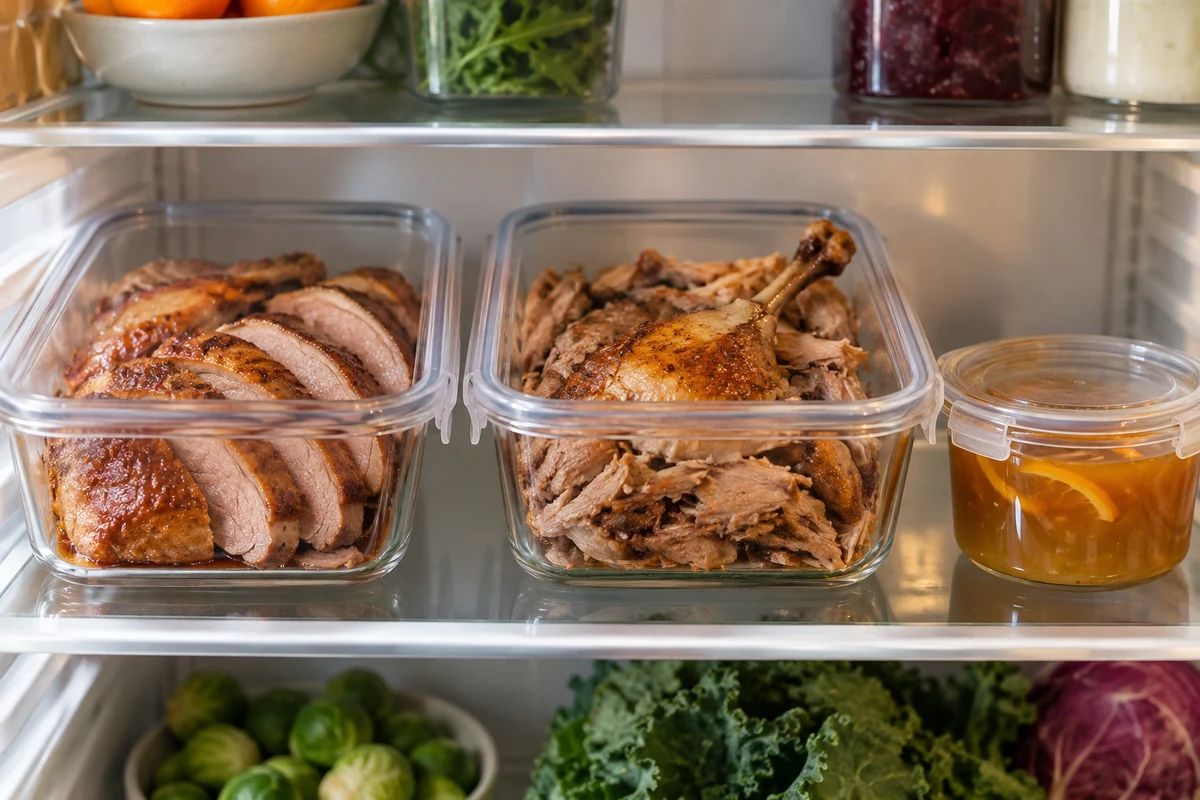
These serving and storage notes help you plan the meal around your roast duck with orange.
Resting and doneness
- Rest for 15–20 minutes: cover the fully cooked bird loosely before carving.
- Do not rely on carryover heat: temperature changes during resting vary. Reach the safe time–temperature target before removing the bird from the oven.
- Check poultry thoroughly: use 75°C for 30 seconds or 70°C for two minutes in the thickest breast and thigh areas, away from bone.
Carving and presentation
- Separate at the joints: remove the legs and wings before slicing the breast, using a stable board and suitable knife.
- Slice across the grain: arrange manageable slices on a clean serving platter.
- Warm suitable plates: use a safe warming method appropriate to the crockery, then serve promptly.
- Keep the skin crisp: serve the mash and vegetables alongside and offer sauce separately, with a little fresh orange zest or washed herbs.
Cooling and storage
- Refrigerate promptly: divide leftovers into smaller portions, cool and put in the fridge within one to two hours, rather than leaving a whole bird out for a long time.
- Use within 48 hours: keep covered in a fridge at 0–5°C, or freeze promptly if you will not use the leftovers in that time.
- Freeze in portions: use freezer-safe containers and aim to eat within two to three months for best quality.
- Label clearly: record the contents and cooking or freezing date.
Defrosting and reheating
- Defrost in the fridge: allow enough time for the portion to thaw completely, following product guidance. Large pieces can take longer than a day. Use within 24 hours of complete defrosting.
- Reheat in the oven: cover with a little stock at 160°C conventional/140°C fan until steaming hot throughout. Reheat only once and check the centre, not just the surface.
- Finish the skin carefully: if needed, uncover briefly near the end, watching the sugary glaze closely. Browning the skin alone does not reheat the centre safely.
- Store sauce separately: cool and refrigerate promptly, use within 48 hours, and reheat only once until steaming hot.
Using rendered fat and bones
- Rendered duck fat: strain carefully into a heatproof container, cool promptly and refrigerate, or freeze in small portions. Homemade fat can contain meat juices; do not assume a sterilised jar makes it shelf-stable or gives it a long storage life.
- Giblets and bones: use a suitable stock recipe, handling raw giblets separately and cooking thoroughly. Cool finished stock promptly, refrigerate for up to 48 hours or freeze.
Portions and serving details
- Shopping estimate: allow roughly 400–500 g raw whole-duck weight per person with sides, accounting for bones and rendered fat.
- Vary the garnish: fresh orange, washed herbs and optional toasted nuts provide colour and texture; identify allergens for guests.
- Choose a reheating method: an oven or pan may preserve texture better than a microwave, but all methods must heat the portion thoroughly and only once.
A note on flavour and yield
- Rendered fat affects yield: a whole duck produces a substantial amount of fat, so its raw weight is not the amount of meat you will serve.
- Orange balances richness: its acidity and aroma contrast with duck’s rich flavour, without removing the fat from the meal.
With a clear cooking plan, roast duck with orange can be the centrepiece of a Christmas dinner for a smaller group.
Choose the main method or one variation, check dietary needs and prepare sides around the available oven space. Careful temperature checks and sensible storage are as important as a golden glaze.
Thank you for reading. Visit the I Love Christmas blog and follow our updates for more festive cooking ideas.
Tell us how you served your duck and which sides you chose. Enjoy your Christmas meal!
Christmas roast duck with orange: frequently asked questions
How long does a whole duck take to roast?
For the main method, plan roughly 90–110 minutes for a 2–2.5 kg bird, plus preparation and resting. Follow the packet instructions and verify 75°C for 30 seconds or 70°C for two minutes in the thickest breast and thigh areas.
How can I get crisp skin?
Pat the skin dry, use a rack so fat drains underneath, and apply sugary glaze late. If drying the bird in the fridge, isolate it on the lowest shelf to avoid contaminating other food.
Can I use chicken or separate duck legs?
Yes, as a separate variation. Compare prices and use the cooking instructions for the particular cut or bird; chicken and duck legs cannot simply share the whole duck’s timetable.
Which ingredients need checking for a gluten-free version?
Use explicitly gluten-free soy sauce or tamari, suitable stock and seasonings, and a suitable cornflour if thickening the sauce. Not every tamari is gluten-free, and clean preparation equipment matters too.
How should I keep and reheat leftovers?
Cool smaller portions and refrigerate within one to two hours. Eat within 48 hours or freeze promptly. Reheat only once until steaming hot throughout; a little stock and a covering can help prevent drying.
What sides and drinks go well with it?
Sweet potato mash, roast vegetables, spring greens and nut farofa offer different textures. Sparkling water with orange is an alcohol-free option; an optional Chardonnay or light, fruity red can also suit the meal.
Sources and Further Reading
- Food Standards Agency: Cooking Your Food
- Food Standards Agency: Chilling, Freezing and Defrosting Food
- Gressingham: Whole Duck Cooking Instructions