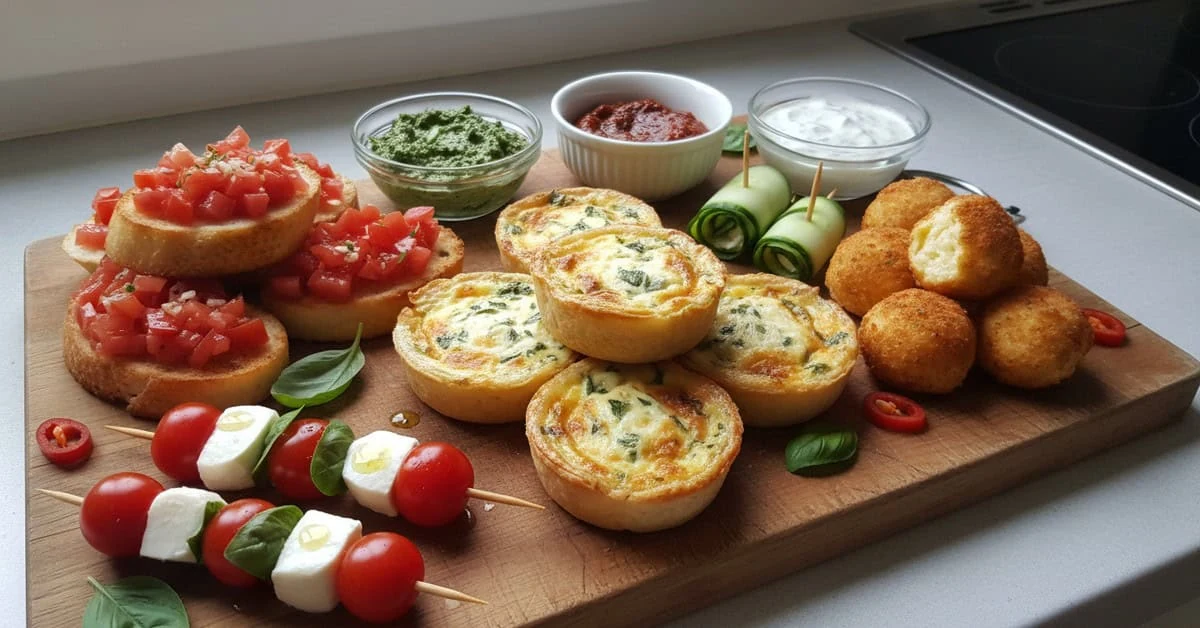
Finger food ideas for relaxed gatherings include mini quiches, bruschetta and cheese bites. Build a manageable menu around your guests’ preferences, with clear ingredients, suitable drinks and a practical serving arrangement.
Looking for finger food ideas for relaxed gatherings? Small bites make an informal get-together easy to serve. Explore savoury and sweet suggestions, drinks pairings and practical ways to arrange your table.
Why choose finger food?

Finger food can suit an informal gathering because guests can select small portions and try different dishes. Provide plates, napkins and a place to sit, rather than assuming everyone can comfortably stand and eat by hand.
A varied menu gives you room to include different flavours and preferences. Discuss dietary requirements in advance: a vegetarian option or a wide choice does not automatically make a buffet suitable for every guest.
Some finger food can be prepared ahead, although it is not always simpler than a main course. Choose around the time, oven space and refrigeration you have, and follow the specific preparation and reheating instructions for each dish.
Presentation can be part of the occasion too. Arrange food on practical trays with enough space for people to serve themselves, keeping any decorative items away from the food and avoiding unstable displays.
Planning a finger food buffet

Start your finger food buffet with a manageable menu. Consider vegetables, cheese, meat or plant-based alternatives according to your guests’ preferences. Check ingredients and agree any allergy-related preparation arrangements before shopping.
Choose food-safe trays and serving dishes, with stable stands if you want different heights. Leave clear access to the table and put frequently chosen items within comfortable reach, rather than making the display difficult to use.
For light refreshments, 5–10 small items per person can be a rough starting point. A full meal needs different planning. Adjust for portion size, duration, appetites and whether other food will be served.
Prepare suitable dishes ahead according to their recipes, making sure there is enough fridge space. Keep perishable food chilled until needed and serve manageable batches rather than leaving the entire supply out for the whole event.
Plan drinks alongside the food. Provide water and appealing alcohol-free choices, with alcoholic drinks optional for adults who want them. Arrange clean glasses and a serving area that does not obstruct access to the buffet.
Simple finger food suggestions
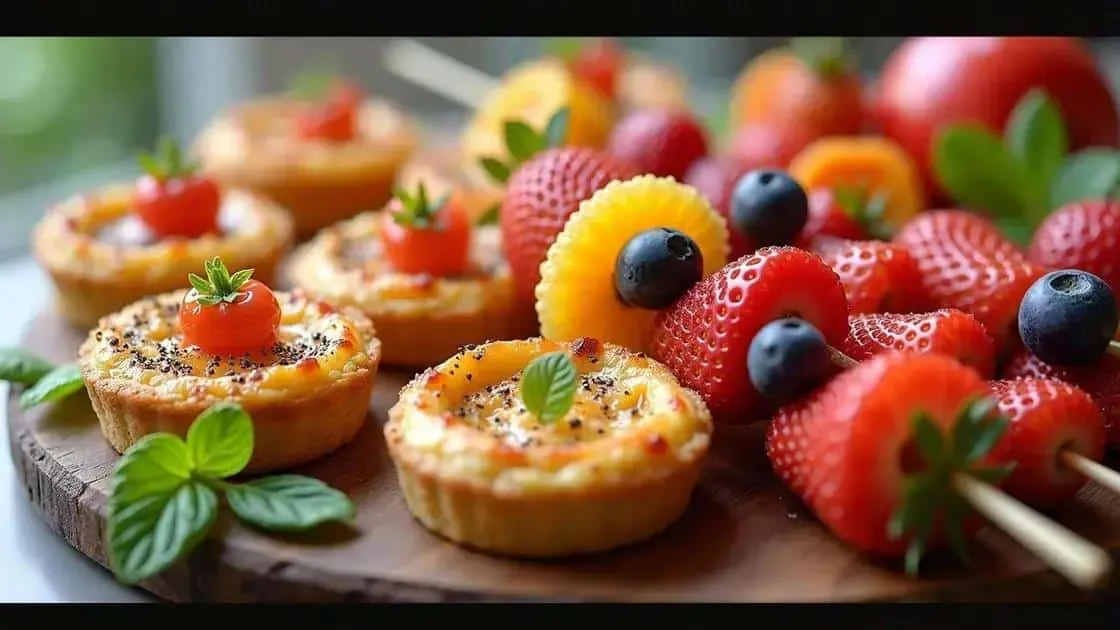
These simple finger food suggestions can help you choose a menu. They are outlines, not complete tested recipes: select reliable instructions for ingredient quantities, cooking temperatures and storage before preparing them.
1. Mini quiches: Try an egg, cream and cheese filling with ham or spinach in small cases. Follow a full quiche recipe and cook until the filling is safely set; a golden surface alone is not a dependable check.
2. Bruschetta: Top toasted Italian-style bread with chopped tomatoes, basil and olive oil. Use clean utensils and prepare the topping close to serving time, following appropriate storage instructions.
3. Cheese bites: Choose a complete recipe for baked or fried cheese balls. Cheese mixed with flour alone may not give the intended texture, so follow the specified binding ingredients and method rather than guessing. An adult should handle hot oil.
4. Carrot and cucumber sticks with hummus: Serve prepared vegetables with hummus, checking for sesame and other allergens. Adapt the shape and texture for young children rather than offering hard raw sticks indiscriminately.
5. Fruit bites: Arrange pieces of watermelon, pineapple and strawberries in cups or on a platter. Skewers can suit some adult gatherings, but avoid sharp sticks for young children and prepare fruit in age-appropriate shapes and sizes.
Choose a few options you can prepare reliably. A smaller, well-planned selection can be easier to serve than a large menu that overwhelms the available kitchen space.
Drinks to serve with finger food

Pairing drinks with finger food is a matter of preference rather than a requirement. Consider flavours and guests’ choices, with water and alcohol-free drinks readily available. The suggestions below are optional combinations for adults.
1. Wine: A Sauvignon Blanc may appeal with cheese or tomato bruschetta, while some guests may prefer a lighter red such as Pinot Noir with quiche. Choose around personal tastes and offer an alcohol-free alternative alongside it.
2. Beer: A pilsner or another preferred beer can accompany cheese bites. This is a flavour suggestion, not a claim that beer counteracts the fat in fried food. Alcohol is optional and intended for adults.
3. Cocktails: Fruity drinks such as sangria or a mojito can suit some guests’ preferences. Label alcoholic versions clearly and offer a separate alcohol-free version, using different serving utensils where needed.
4. Alcohol-free drinks: Sparkling water with lemon, still water or a chilled tea can provide variety. Label ingredients and consider caffeine and guests’ preferences; an alcohol-free drink is not necessarily low in sugar.
Keep drinks easy to identify and serve. You do not need an elaborate pairing for every dish: a few clearly labelled choices are often more practical.
Ideas for an appealing presentation
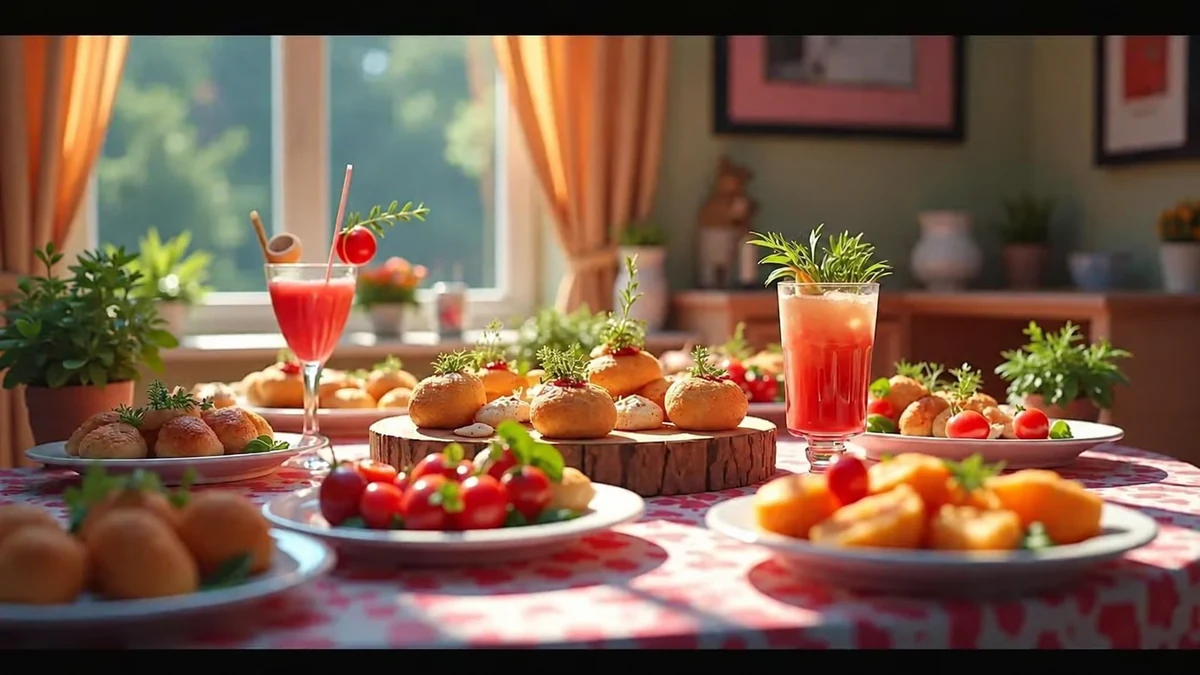
An appealing presentation can make the buffet inviting without making it difficult to use. Consider these practical details when arranging small bites:
1. Choose suitable dishes: Use clean, food-safe trays or platters. Wood, glass and other materials should be suitable for direct food contact and easy to clean; decorative surfaces are not automatically appropriate.
2. Vary heights safely: Use stable stands rather than improvised stacks. Keep heavy dishes low, leave space for serving utensils and ensure guests can reach food without leaning over other dishes.
3. Use edible garnishes appropriately: Washed culinary herbs can add colour. If using edible flowers, obtain varieties sold for eating and check suitability; florist flowers and unidentified garden plants should not be added to food.
4. Add clear labels: Name each dish and make ingredient information available. Avoid loose sharp sticks around children, and do not describe a dish as suitable for an allergy unless its ingredients and preparation arrangements support that claim.
5. Arrange contrasting colours: Peppers, tomatoes and olives can create a varied display. Match preparation and serving shapes to guests’ needs, and keep garnishes relevant to the dish rather than adding clutter.
An attractive buffet should still be straightforward to serve and maintain. Leave room to replace dishes, clear used plates and keep chilled items at appropriate temperatures.
Planning for different tastes and requirements

Ask guests about preferences and dietary requirements before finalising the menu. These ideas can help you plan, but no single selection automatically meets every need:
1. Offer a useful variety: Consider savoury and sweet choices, with vegetarian, vegan or meat options as appropriate. Choose a manageable number that you can prepare and store properly.
2. Check dietary requirements: Distinguish preferences, intolerances, coeliac disease and allergies. Check labels and discuss preparation, separate utensils and cross-contact with guests. A vegan or lactose-free label does not mean a food is free from all allergens.
3. Make options easy to identify: Use clear dish names and separate serving utensils. An attractive arrangement is useful, but accurate information matters more than colour or decoration for someone managing an allergy.
4. Serve manageable portions: Small portions let guests sample different dishes. Provide suitable cutlery and adapt textures or shapes where needed; ‘finger food’ does not have to mean eating without utensils.
5. Listen to guests: Check that people can find suitable options and access the table comfortably. Avoid improvising an allergy-safe dish during the event unless you can genuinely meet the required preparation conditions.
A considered menu, clear information and practical serving arrangements can make the gathering easier for everyone. Be honest about any requirement you cannot safely accommodate.
Putting your gathering together
Plan a few finger foods you can prepare well, with suitable choices for the people attending. Vegetarian or vegan dishes can add variety, but still need ingredient and allergy checks.
Choose simple drinks and a stable, accessible table arrangement. Prepare ahead only where the recipe and available storage allow, and keep ingredient information and separate serving utensils to hand.
The aim is a relaxed occasion with food that is enjoyable and straightforward to share. A manageable menu leaves more time to spend with your guests.
FAQ — finger food for relaxed gatherings
Which finger foods could I include in a buffet?
Mini quiches, bruschetta, cheese bites and suitably prepared fruit are possibilities. Choose around guests’ requirements and use complete recipes for cooking and storage.
How can I cater for different preferences?
Ask in advance, offer a manageable variety and check ingredients. Discuss allergies and cross-contact arrangements separately; vegetarian or vegan options do not automatically meet every dietary requirement.
How should I present finger food?
Use stable food-safe dishes, clear labels and separate serving utensils. Keep the table accessible and any non-food decorations away from the food.
Which drinks work with finger food?
Water, sparkling water with lemon or a chilled tea can provide alcohol-free choices. Wine, beer and cocktails are optional for adults; select them around preferences rather than treating alcohol as essential.
Which finger food ideas are relatively simple?
Tomato bruschetta, vegetable sticks with hummus and fruit cups can be manageable choices. Mini quiches and cheese bites are other possibilities, using complete recipes and suitable cooking methods.
Can I prepare finger food ahead?
Some dishes can be prepared ahead if their recipes allow it and there is adequate refrigeration. Follow cooking, cooling and storage guidance, and assemble dishes close to serving where appropriate.
Sources and Further Reading
- UK government: chilling, freezing and defrosting food safely
- UK government: cooking food safely
- NHS: food safety and hygiene for children