Christmas-inspired sweet treats can bring festive flavours to other occasions. Try familiar flavour combinations and age-appropriate baking activities, using complete recipes and storage instructions suited to each dessert.
Christmas-inspired sweet treats need not be reserved for December. A decorated biscuit or chocolate-and-orange dessert can suit a birthday, a family visit or a quiet weekend. Here are ideas to explore; several are outlines rather than complete, tested recipes.
Simple Christmas-inspired sweet ideas
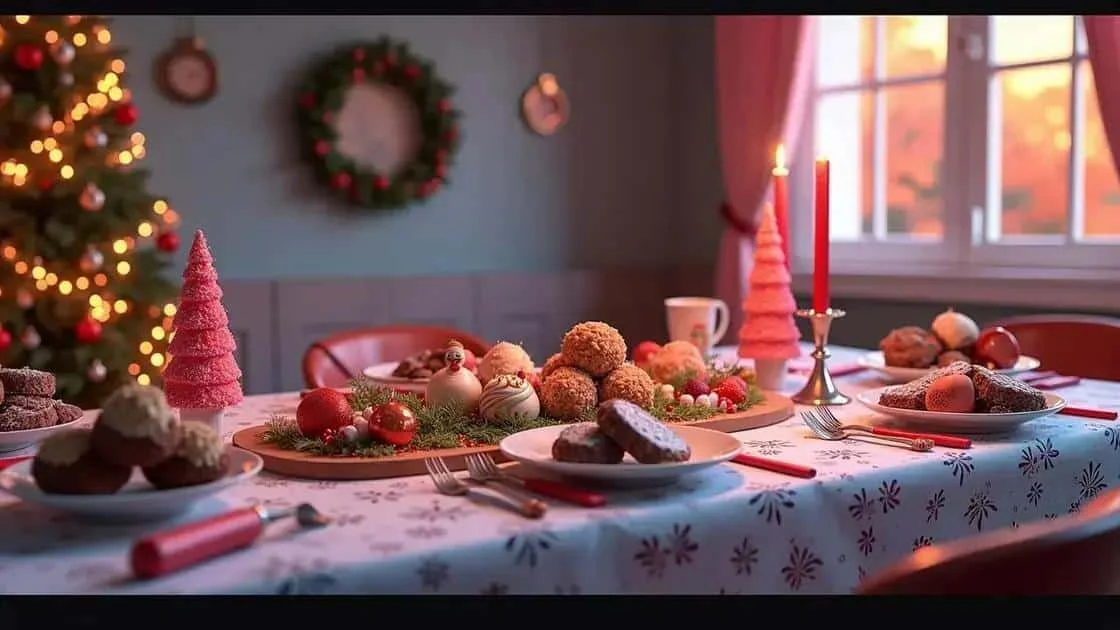
If you enjoy Christmas sweets, choose a manageable recipe for your next gathering. The ideas below suggest flavours and methods; where quantities or timings are incomplete, follow a reliable full recipe rather than guessing.
Festive white chocolate brigadeiros
Brigadeiros are Brazilian sweets usually made with condensed milk. For a festive variation, try white chocolate and red and green sprinkles. A flavour combination to explore is one tin of condensed milk, 2 tablespoons of butter and 100g of white chocolate. Tin sizes vary, so check a complete brigadeiro recipe for the quantities, yield and cooking time. An adult should handle the hot mixture; let it cool before rolling and coating.
Decorated biscuits
Biscuits can be a cheerful family decorating activity. One combination uses 2 cups of plain flour, 1/2 cup of sugar, 1/2 cup of butter and 1 egg, with Christmas-shaped cutters and coloured icing. These are outline quantities: use a biscuit recipe that specifies the cup size and dough thickness. Baking at 180°C for about 10 minutes may suit some small biscuits, but follow your recipe and check that they are baked. Let them cool before decorating, and avoid tasting raw dough.
Christmas pavê
Pavê is a Brazilian layered dessert. One variation combines sponge fingers, cream and melted dark chocolate, finished with chocolate shavings and chopped walnuts. Choose a chilled-dessert recipe for the quantities and setting time. Keep refrigerated until serving and check the ingredients for guests’ allergies.
Chocolate and dried fruit truffles
Dark chocolate, dried apricots and walnuts can make a festive sweet. An outline combination is 200g of dark chocolate with 1/2 cup of chopped dried fruit and nuts, shaped into balls and coated with sugar. Use a full recipe to check the cup size, cooling method and workable texture. Check nut and other allergen requirements before serving.
A savoury option: turkey with fruit and nuts
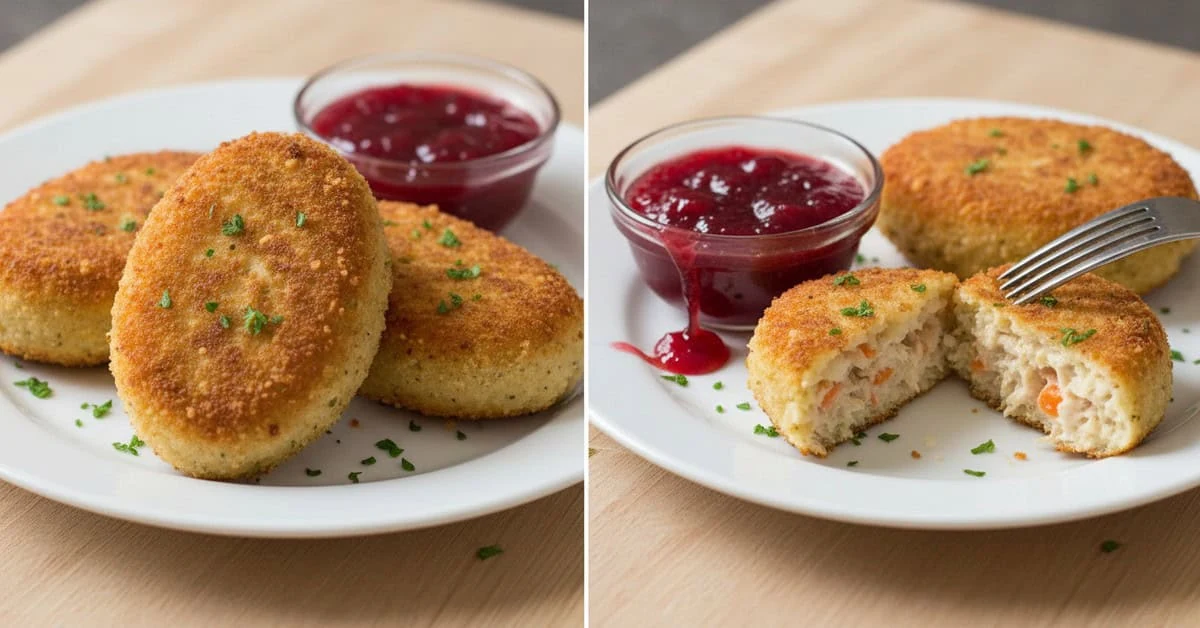
Although it is not a dessert, turkey breast with apples, walnuts and a little honey can provide a sweet-and-savoury main course. Use a complete recipe appropriate to the joint’s weight, and check that the centre is safely cooked with a clean food thermometer; caramelised filling or browned meat alone does not establish safety. Consider cooking stuffing separately and check nut allergies. Honey is unsuitable for babies under one year.
Storing sweet treats safely
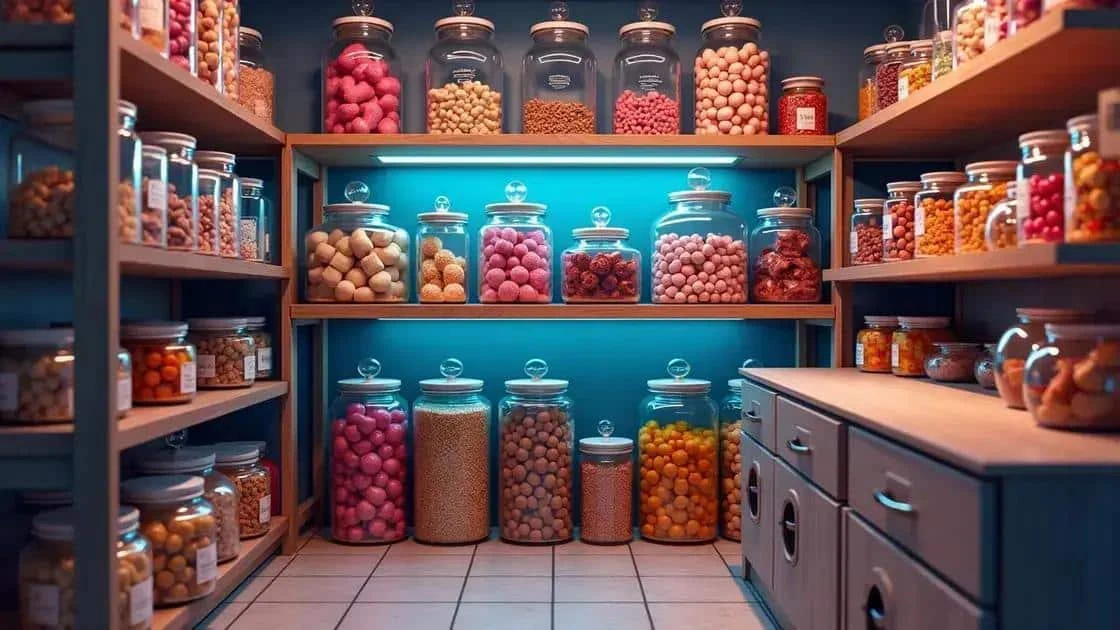
Storage depends on the ingredients and preparation method of each Christmas sweet. ‘Throughout the year’ means making suitable treats on different occasions, not keeping one batch for a whole year. Follow a reliable recipe and ingredient labels for storage conditions and shelf life.
Choose a suitable container
Use clean, food-safe containers suitable for the treat and its storage conditions. Airtight containers can help protect some biscuits from moisture and odours, but they do not make perishable desserts safe at room temperature. Keep decorative paper separate from unwrapped food unless it is food-safe.
Check whether refrigeration is needed
Some plain biscuits can be stored in a cool, dry place according to their recipe, whereas cream-based and other perishable desserts need refrigeration. Keep these chilled, observe use-by dates and avoid leaving them near heat or in direct sunlight. Do not apply one room-temperature rule to every sweet.
Separate and label different treats
Group treats by type to help preserve their texture and flavour. Label ingredients, allergens and preparation dates where useful. Paper cases can separate portions, but they do not prevent allergen cross-contact; use separate preparation and storage arrangements when required.
Freezing suitable desserts
Some treats freeze better than others. Check the recipe, pack suitable portions in freezer-safe containers and label them with the contents and date. Follow the recommended freezing period and defrosting instructions. Freezing does not rescue food that has already been stored unsafely.
Do not rely on smell alone
Discard food with mould or an unusual appearance, but remember that harmful bacteria may not change its smell, taste or texture. Follow use-by dates and storage instructions, and never taste food to test whether it is safe. If its storage history is uncertain, discard it.
Creative packaging for homemade gifts

Creative gift packaging can make homemade treats feel personal. Use food-safe inner packaging and add a clear ingredient and storage label, especially when the gift contains allergens or needs refrigeration.
Reused wrapping paper
Newspaper or magazine pages can decorate the outside of a securely closed food container, but should not touch the food. Add sisal twine or paper ribbon for a rustic finish. Reusing suitable materials can reduce new packaging purchases; recyclability depends on the materials and local collection rules.
Personalised boxes
Decorate the outside of a clean box with drawings or stickers, keeping the food in suitable inner packaging. Children can help with paint and felt-tip pens under supervision. Let decorations dry fully and keep art materials away from food-contact surfaces.
Reusable fabric bags
A fabric bag can hold a wrapped gift or a sealed food container. Add embroidery or a name label for a personal touch. Choose a clean bag and avoid direct contact between unwrapped food and fabric unless it is specifically suitable for that use.
Animal-themed packaging
Decorate a box to resemble an animal with coloured paper. Draw eyes rather than adding small loose pieces when the gift is for a young child. Keep decorations secure and away from the food, and choose age-appropriate materials for any children helping.
Handwritten gift cards
Add a short handwritten message expressing your appreciation. Include any practical instructions on a separate label, such as ingredients, allergens and whether the treats must be kept in the fridge.
Flavour combinations for festive sweets
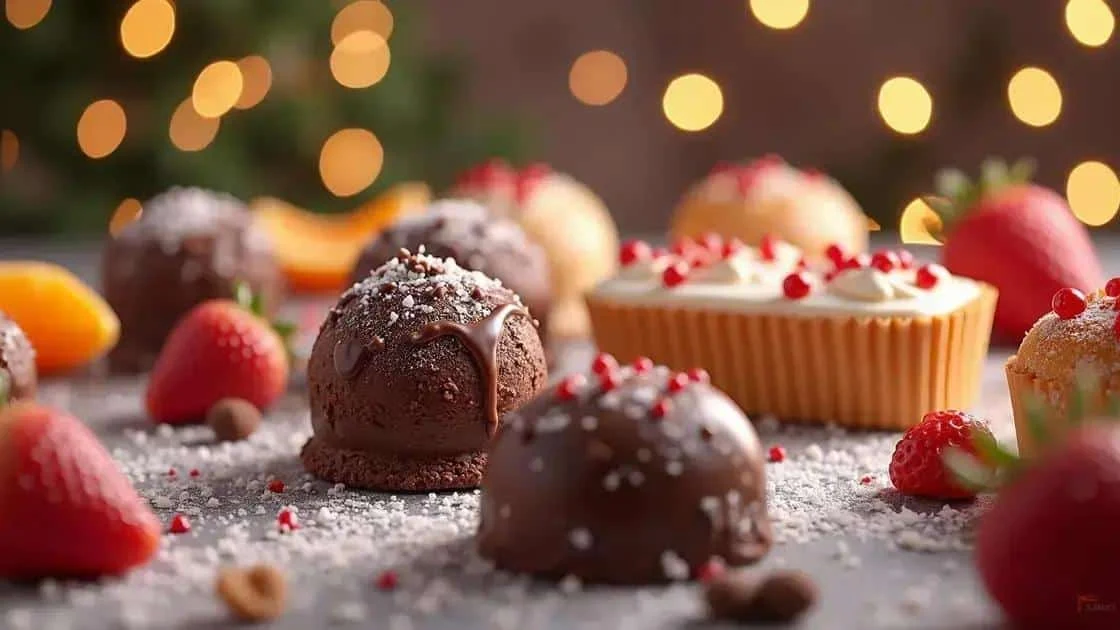
Christmas sweets offer plenty of scope for flavour combinations. Use these pairings as inspiration for a complete recipe, rather than adding unfamiliar ingredients without considering how they affect texture and storage.
Chocolate and orange
Chocolate and orange are a familiar pairing. Try dark chocolate truffles with orange-flavoured ganache, following a recipe that specifies the filling proportions and refrigeration requirements.
Walnuts and honey
Add walnuts and honey to a layered dessert with biscuits and cream for a contrasting texture. Follow a complete chilled-dessert recipe, check nut allergies and do not serve honey to babies under one year.
Strawberries and white chocolate
Fresh strawberries dipped in white chocolate can make a simple dessert. Wash and dry the fruit before dipping, and use a suitable recipe if adding vanilla so the chocolate keeps the intended texture. Store and serve according to the recipe’s guidance for fresh fruit.
Caramel and sea salt
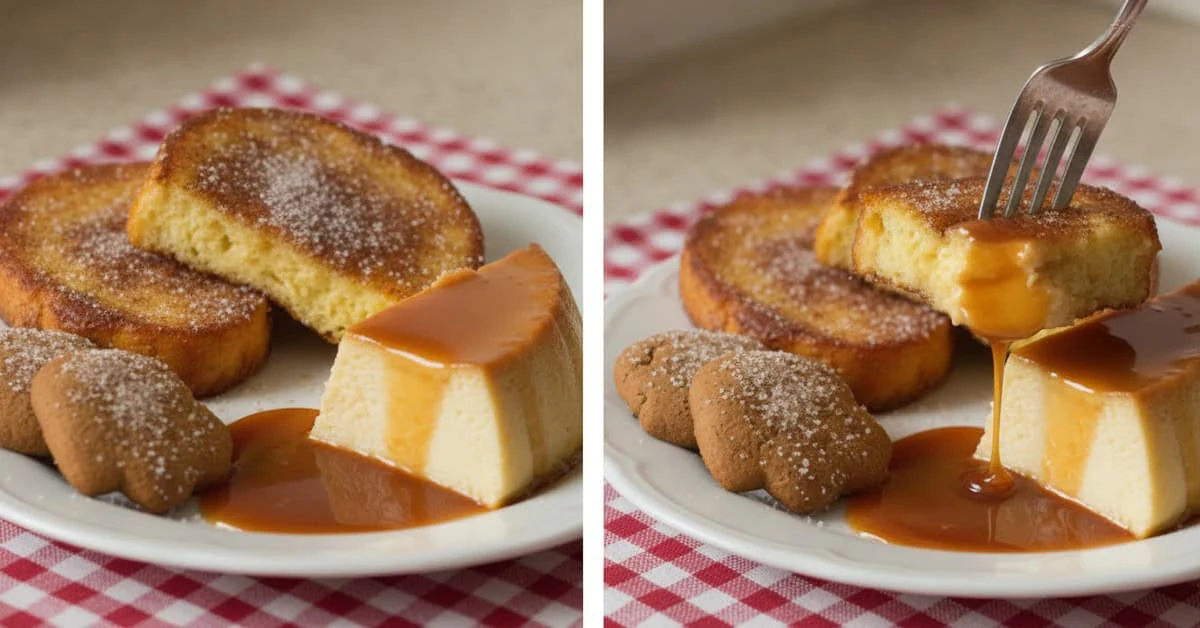
A little sea salt can contrast with sweet caramel in tarts or brownies. Follow a reliable caramel recipe and keep children away from hot sugar, which can cause serious burns. Leave handling and pouring hot caramel to an adult.
Coconut and pineapple
For a tropical variation, try a cake combining desiccated coconut and pineapple. A piña-colada-inspired flavour need not contain alcohol. Use a complete cake recipe that accounts for the fruit’s moisture and specifies suitable storage.
Involving children in making sweet treats
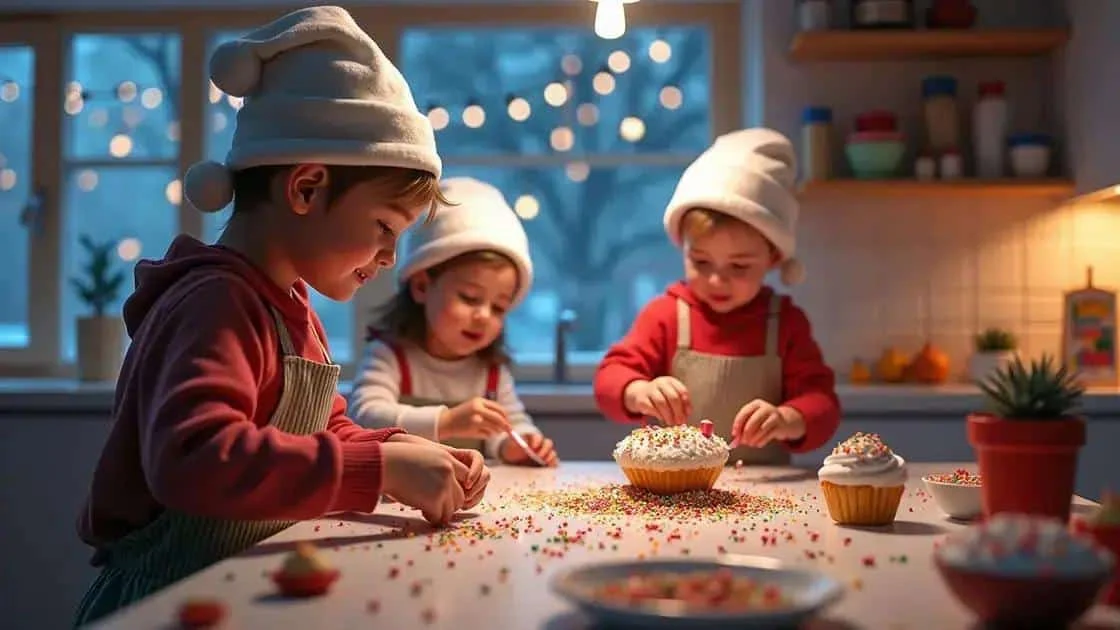
Making treats with children can provide time together and opportunities to practise simple kitchen skills. Choose activities around their age and abilities, supervise throughout and keep hot pans, ovens, sharp tools and raw ingredients out of reach where necessary.
Choose manageable recipes
Try brigadeiros or decorated biscuits with a clear division of tasks. Adults should handle heating, ovens and hot mixtures; children can help shape cooled portions or decorate baked biscuits when the ingredients and activity suit them.
Share tasks appropriately
Younger children may enjoy stirring a cool mixture with supervision, while older children can help measure ingredients. Wash hands before starting, clean work surfaces and avoid tasting uncooked mixtures containing raw flour or eggs.
Use suitable tools
Star or heart-shaped cutters can make decorating enjoyable. Choose tools that are appropriate for the child’s age, avoid sharp edges and supervise their use. A colourful tool still needs to be safe and practical.
Let children choose decorations
Offer suitable sprinkles and decorations, checking ingredients and allergies first. Match the size and texture of decorations to the child’s age; whole nuts and some dried fruit can be choking hazards for young children. Keep small non-food decorations away from the work area.
Enjoy the finished treats together
Once the treats are cooked, cooled and ready to eat, make time to enjoy them together. Serve portions and textures appropriate to each child, and store the remainder promptly according to the recipe rather than leaving perishable food out during the activity.
Enjoy festive flavours on different occasions
Christmas sweets can suit occasions beyond December. Choose a reliable recipe, prepare a manageable quantity and invite children to help with suitable, supervised tasks if they would like to join in.
Store each dessert according to its ingredients and recipe. Appropriate refrigeration or freezing may extend its useful life, but no general method keeps every sweet safe for months. Make fresh batches when needed.
Try a new flavour pairing or a personalised gift box when you next bake. Clear recipes, food-safe packaging and realistic preparation plans help make homemade treats easier to share.
FAQ — Christmas-inspired sweet treats
Which sweet treats can children help make?
Decorating cooled biscuits or shaping a cooled brigadeiro mixture can be suitable with supervision. Choose a complete recipe and age-appropriate tasks, leaving ovens, hot mixtures and sharp tools to adults.
How should I store homemade sweets?
Follow the recipe and ingredient labels. Some biscuits suit a cool, dry container, while cream-based desserts need refrigeration. Freeze only treats suitable for freezing and follow the recommended storage and defrosting instructions.
Which flavour combinations work well in festive sweets?
Chocolate and orange, walnuts and honey, and coconut and pineapple are possibilities. Check allergies and use a complete recipe, particularly when adding fruit, cream or fillings that change storage requirements.
How can children join in safely?
Divide tasks by age and ability, wash hands, supervise throughout and keep hot equipment and small choking hazards away. Children can choose suitable decorations or use safe cutters while adults manage cooking.
Can I make creative packaging for sweets?
Yes. Decorate boxes or fabric bags around food-safe inner packaging. Keep inks and craft materials away from the food and include ingredient, allergen and storage information with the gift.
What should I do with leftover festive sweets?
Keep only leftovers that have been stored safely, following their recipe and use-by guidance. Freeze suitable portions where advised. Adding leftovers to another dessert does not make unsafe food safe or restart its storage life; discard food if its safety is uncertain.
Sources and Further Reading
- UK government: chilling, freezing and defrosting food safely
- UK government: cooking food safely
- NHS: food safety and hygiene for children