
This Christmas guest preparation checklist spreads the work across a week: confirm visitors, plan meals, clean the rooms you will use, check supplies and finish the table and decorations. Adjust the timings to your home and energy, share the jobs and put comfort, access and food safety ahead of a perfect-looking house.
A Christmas guest preparation checklist can help turn a long list of jobs into manageable steps. These ideas cover cleaning, food and festive touches, with room to simplify the plan rather than rush to complete everything.
Illustrations in this article are conceptual images, not documentary photographs or evidence of a particular historical event, destination, venue or access route.
Seven days before: the essential planning list
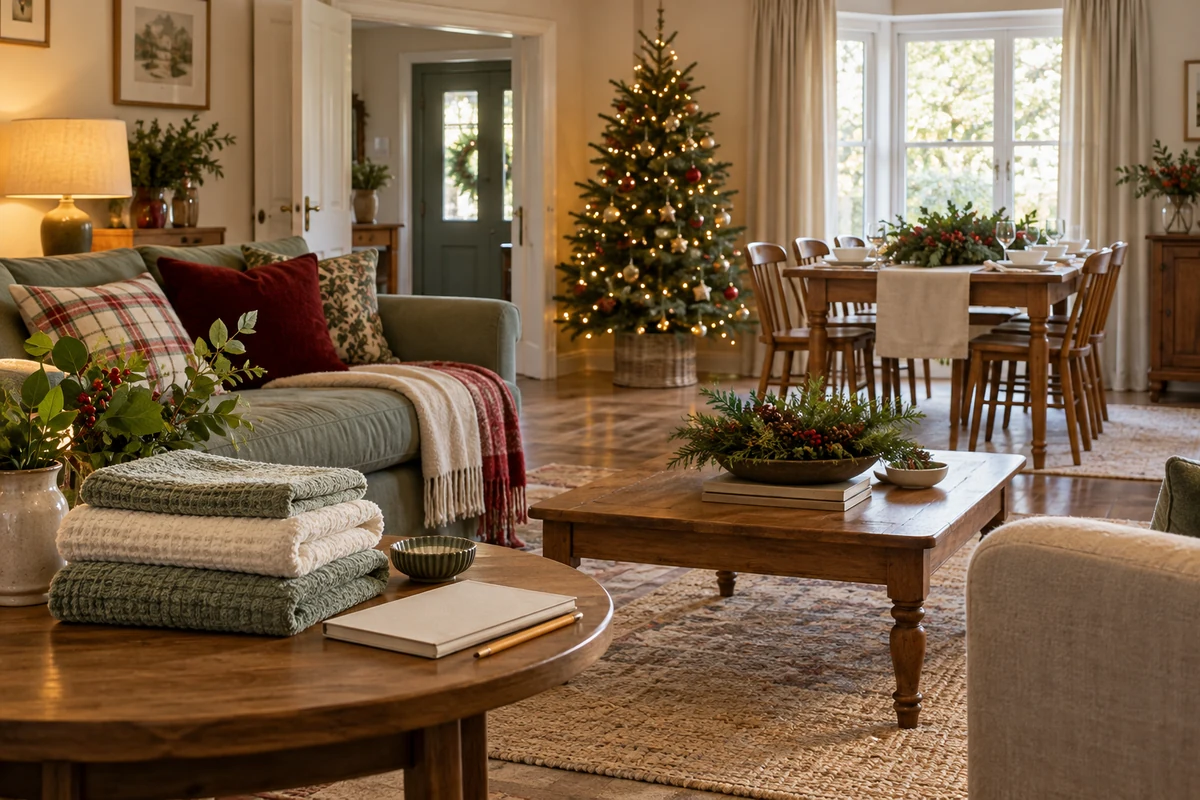
- Make a manageable timetable: try blocks of 30–60 minutes where practical, with breaks and shorter tasks if that suits you better.
- Confirm your guests: check arrival times, overnight stays, access needs and dietary requirements by message or phone.
- Check basic supplies: count towels, bedding, toilet paper, soap, tableware and suitable seats.
- Plan meals and shopping: choose main dishes, sides and puddings, separating fresh ingredients from items you can buy ahead.
- Schedule cleaning and repairs: prioritise the kitchen and bathrooms. Arrange qualified help for faults beyond straightforward tasks you can do safely.
- Gather decorations and lights: reuse suitable items, check lights for damage and choose a few focal points, such as the table, tree and entrance.
Suggested jobs and time allowances
- Seven days before — planning: allow roughly 30–45 minutes to confirm visitors, choose a menu and start the shopping list.
- Six days before — store-cupboard shopping: allow around 45–60 minutes for drinks, tins and household supplies, checking what you already own before buying decorations or disposable items.
- Five days before — cleaning: start with an hour of decluttering and vacuuming, adding separate blocks for kitchen and bathroom cleaning if needed.
- Four days before — basic checks: allow 30–60 minutes to check lights and appliances and identify problems that need professional attention.
- Three days before — bedding and kitchen supplies: use 30–45 minutes of hands-on time to organise washing and serving equipment, allowing separately for machine cycles and drying.
- Two days before — finishing decorations: allow 45–60 minutes for a simple arrangement and checked lights, leaving routes and exits clear.
- One day before — final checks: spend around 30–45 minutes checking fridge space, guest areas and bathroom supplies. Keep tools, cleaning products and personal medicines stored securely, not in an accessible guest basket.
Keeping the workload realistic
Share the jobs: ask willing family members or friends to help with shopping, table settings or chairs.
Focus on the rooms in use: the entrance, sitting room, kitchen and bathroom usually matter more than unused cupboards or spare rooms.
Have a simple alternative: a suitable ready-prepared dish or a smaller menu can help. Use stable, appropriate seating rather than improvising with unsafe furniture.
Five days before: deeper cleaning and maintenance checks
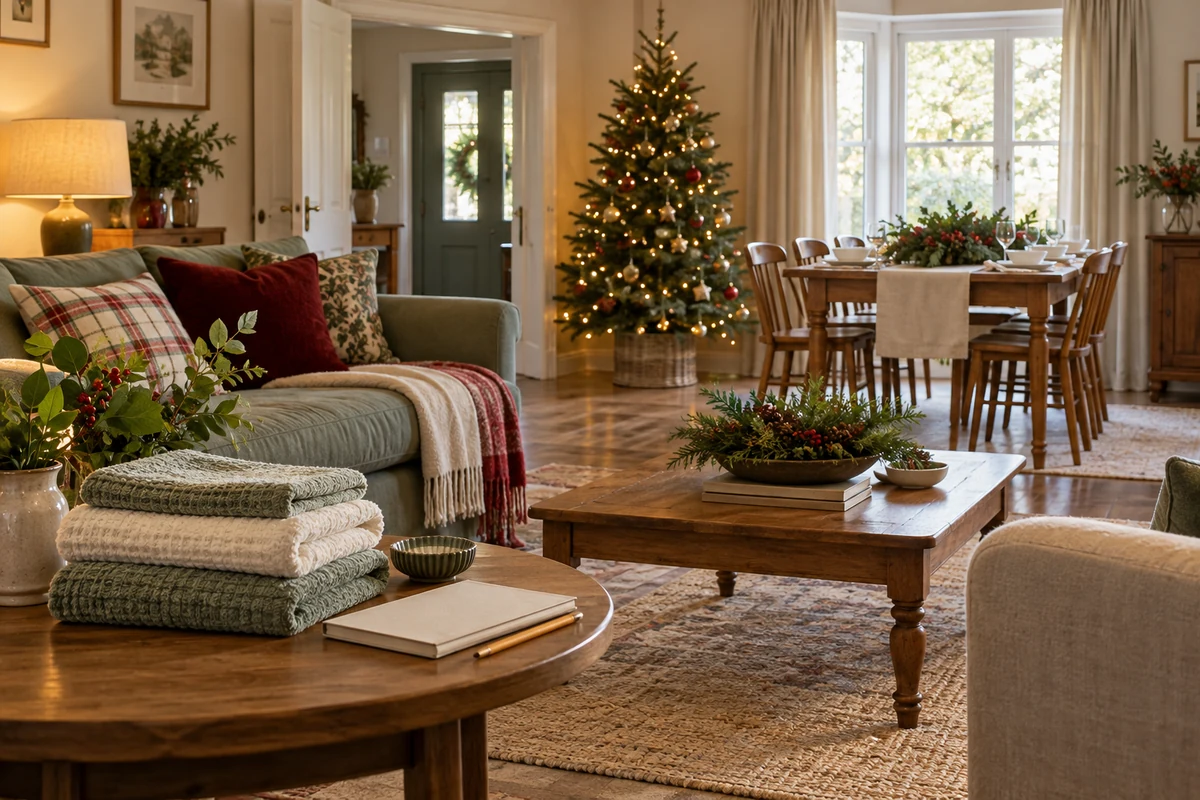
Five days before is a useful point to tackle larger cleaning jobs in the rooms guests will use. Adjust the plan to the work actually needed rather than attempting an unnecessary whole-house overhaul.
Deeper-cleaning checklist
- Kitchen: clean the oven and hob according to their instructions, allowing roughly 45–60 minutes or the time the method requires. Clean the fridge while keeping chilled food safely cold, and check use-by dates and storage guidance.
- Bathrooms: clean the toilet, shower and relevant surfaces with suitable products, following label instructions and ventilation requirements. Persistent or extensive mould needs its underlying cause addressed, not just a last-minute wipe.
- Furniture and surfaces: dust shelves and accessible fittings, and vacuum upholstery and rugs as appropriate.
- Windows and mirrors: clean accessible glass safely; do not climb on furniture or lean out to reach awkward areas.
- Floors: use a method suitable for the surface, keeping people away until wet floors are dry. Avoid finishes that leave a slippery surface.
- Bedding and towels: wash what is needed and keep clean extras easy for guests to find.
Maintenance checks
- Lighting: replace an accessible bulb only when safe to do so and with the correct type. Electrical faults need a competent professional.
- Plumbing: check taps, toilets and drains for problems early enough to arrange a repair if necessary.
- Appliances: check the fridge, oven and other equipment you plan to use. Stop using appliances with damaged leads or other faults rather than attempting a temporary patch.
- Fire safety: test smoke and other alarms according to their instructions, and make sure guests know the escape route. London Fire Brigade recommends a pre-Christmas safety check, including working alarms and clear escape arrangements. Source: London Fire Brigade: Christmas fire safety checks
- Small repairs: tighten an ordinary loose handle if you can do so safely. Do not alter a fire door, self-closing mechanism or other safety fitting yourself.
Cleaning products and practical planning
- Choose suitable products: follow the label for the surface, dilution and protection needed. HSE warns that mixing incompatible cleaning substances can release harmful gases; never mix bleach with vinegar, acidic cleaners or ammonia, and do not assume a homemade mixture disinfects effectively. Source: HSE: safe use of cleaning substances
- Work one area at a time: finishing a small zone can be more useful than starting several rooms at once.
- Allow realistic time: larger areas may need 45–90-minute blocks, with breaks and time for products or surfaces to dry as instructed.
- Ask for help: share suitable tasks such as vacuuming or shopping without asking someone to tackle a hazard beyond their ability.
Allow for small surprises: keep useful supplies organised and out of children’s reach. Tape is not a safe repair for damaged wiring, a leaking appliance or unstable furniture.
Three days before: food shopping and finishing touches
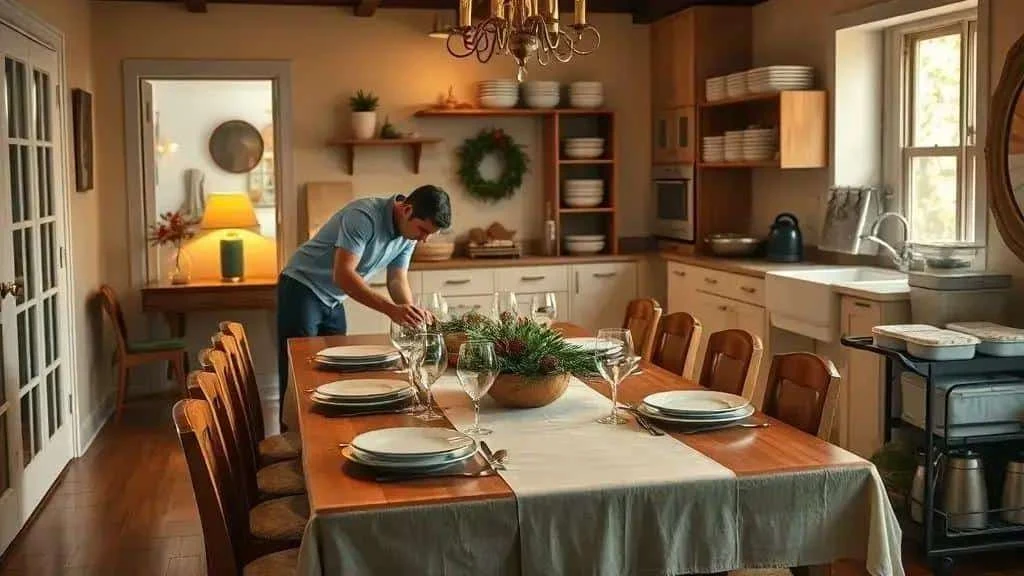
Three days before, review the menu, check what can safely be bought or prepared ahead and finish any remaining decorative jobs. Freshness, use-by dates and storage space matter more than following a fixed shopping day.
Planning the menu and quantities
Choose mains, side dishes and puddings that work together. The original checklist suggests 200–300 g for a meat or other main component and 150 g of sides, but these are not universal portions and do not specify raw versus cooked weight. Use the serving yield of a reliable recipe and your guests’ appetites instead.
- Main dishes: turkey, roast pork or a vegetable lasagne are options. Calculate the amount from the actual cut and recipe; a whole bone-in bird cannot be portioned in the same way as boneless meat or a finished vegetarian dish.
- Side dishes: the original Brazilian menu suggests 60–80 g dry rice, 30–50 g farofa and around 120 g salad per person. Treat these as optional starting estimates, not amounts to add automatically when several other sides are served. Farofa is a toasted cassava-flour accompaniment.
- Puddings: rabanada, a Brazilian festive fried-bread dessert, caramel pudding or layered pavê can suit the menu. Start from the recipe’s stated portions and offer smaller servings when there are several choices.
- Drinks: provide enough water and suitable alcohol-free options for the whole visit. The original 300–400 ml per person estimate is not a day’s fluid requirement and may be insufficient for a long gathering. Alcohol is optional.
Dietary alternatives: discuss substitutions with the guest and check every ingredient, including sauces and toppings. The Food Standards Agency advises keeping allergens separate and preventing cross-contact; a rice dish, salad or vegan recipe is not automatically suitable for someone with coeliac disease or an allergy. Source: Food Standards Agency: preparing an allergy-safe meal
Final shopping list
Separate chilled, frozen and store-cupboard items. Choose purchase dates according to storage instructions and your available space, using cool bags when appropriate for the journey home.
- Fresh ingredients: buy meat, vegetables, fruit and pudding ingredients in the quantities your menu needs, checking use-by dates rather than assuming everything will keep until the event.
- Chilled items and drinks: plan fridge and freezer space for suitable drinks, food and ice; avoid crowding the fridge so tightly that cold air cannot circulate.
- Store-cupboard and household supplies: check rice, pasta, farofa ingredients, tins, napkins and rubbish bags. Use existing tableware where practical.
- Seasonings and extras: herbs, oil, salt and pepper may already be in the cupboard. Check any batteries needed for decorations and keep spares securely away from children.
Finishing decorations without clutter
Choose two or three colours if that helps you keep the scheme simple. Concentrate on a few places rather than filling every surface.
- The table: use a cloth or runner and a low arrangement that leaves room for serving. Keep foliage out of food and away from any flame.
- The tree: secure it appropriately, check the lights and keep breakable decorations and small parts out of children’s reach. Do not overload sockets or trail cables across walkways.
- The entrance: make space for coats and bags without obstructing the door. A mat should lie flat and not create a trip hazard.
A flexible preparation timetable
- Three days before, morning: shop for items that will keep safely and organise the cupboard and fridge around the menu.
- Three days before, afternoon: check preparation and defrosting instructions. A large turkey may need longer than three days to thaw in the fridge; follow its size-specific guidance and never rely on thawing it on the worktop. Source: Food Standards Agency: Christmas food hygiene
- Two days before, evening: finish checked lights and simple table decorations, keeping them away from cooking areas.
- The day before: prepare only dishes whose recipes and storage instructions allow it. Cool cooked food promptly, refrigerate within one to two hours and keep the fridge at 5°C or below, as the Food Standards Agency advises. Source: Food Standards Agency: Christmas food storage and leftovers
- On the day: cook and finish dishes to the appropriate instructions, reheating previously cooked food only once until steaming hot throughout. Bring food out for serving rather than leaving it waiting on the worktop. Source: Food Standards Agency: cooking and reheating food
Practical ways to avoid last-minute problems
Keep a sensible reserve: an extra loaf or suitable drink can be useful without overbuying. Label stored dishes with contents, preparation time and any necessary instructions.
Give helpers clear jobs: setting cutlery or organising drinks can be easier to share than several people cooking in a crowded kitchen.
The day before: table settings and kitchen organisation
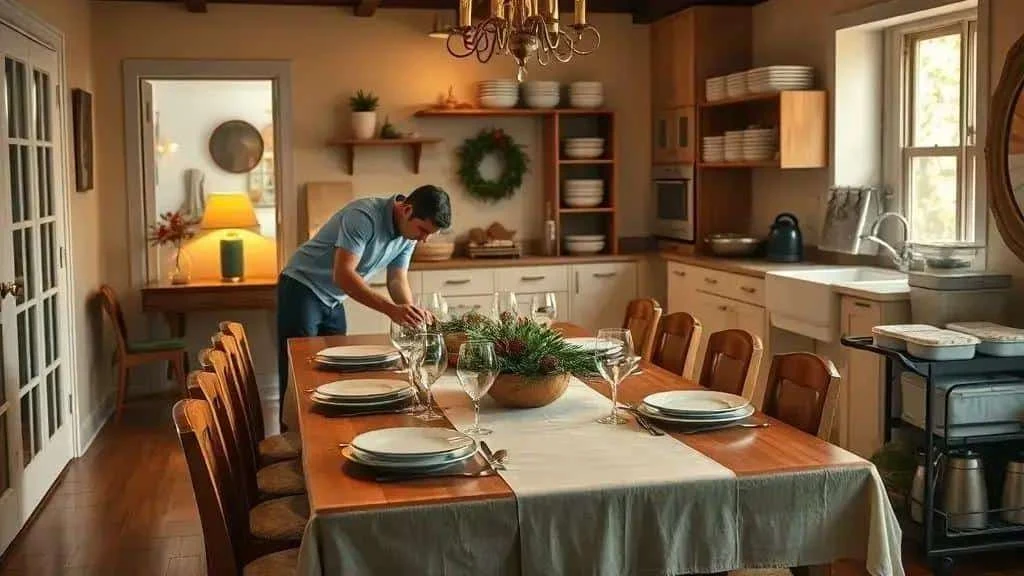
The day before, prepare what you can without compromising hygiene or blocking everyday use of the room. Leave food refrigerated until it is needed.
Setting the table step by step
- Protect the surface: lay a clean cloth or mats, keeping loose fabric away from heaters and out of children’s pulling reach where relevant.
- Plan each place: leave comfortable space for the plates and equipment your guests actually need.
- Set out cutlery: a fork on the left and knife on the right is a familiar arrangement. Add only the utensils needed for the meal, bringing pudding cutlery later if easier.
- Position glasses: keep water within easy reach and glasses away from the edge, using suitable alternatives for children or anyone who prefers them.
- Add napkins: a simple fold is enough; small rings and loose ribbons are unnecessary around young children.
- Keep the centrepiece low: leave clear sightlines and room for dishes. If using LED candles, secure their battery compartments; keep real candles well away from decorations and never leave them unattended. Source: London Fire Brigade: candles and decorations
- Plan serving: set out spare serving utensils and note which dishes need to remain chilled or be cooked close to the meal.
Organising kitchen space and priorities
- Preparation area: keep a clean space for ready-to-eat food, separate from raw meat and its utensils.
- Cooking timetable: check oven and hob capacity, recipe temperatures and resting times before allocating each dish a slot.
- Drinks area: a stable table with cups, an opener and ice can keep guests away from hot pans.
- Prepared dishes: keep covered and labelled food in the fridge until the appropriate preparation or serving time.
- Serving equipment: organise clean spoons, ladles and tongs so helpers can find them easily.
- Used dishes: choose a safe collection point, keeping dirty items apart from clean preparation surfaces and avoiding unstable stacks.
- Quick cleaning supplies: keep appropriate cloths and washing-up supplies available to adults, with chemicals stored safely away from food and children.
A final equipment check
- Extra seating: check that chairs or benches are stable, suitable and positioned without blocking access.
- Spare tableware: keep a few extra napkins and utensils ready.
- Ice and drinks: make sure there is sufficient storage and use a clean scoop for ice.
- Cooking equipment: check that dishes are oven-safe where needed and that trays fit the available space.
- Useful safety items: have dry oven gloves, stable heatproof stands and a working torch. Store matches, lighters and spare batteries out of children’s reach.
Preparing for the day itself
Make suitable dishes ahead only when their recipe and storage requirements permit. Keep a clear cooking schedule rather than repeatedly warming food as guests arrive.
Share straightforward tasks such as arranging cutlery and topping up drinks, leaving food handling to people who understand the requirements.
On the day: welcoming guests without rushing
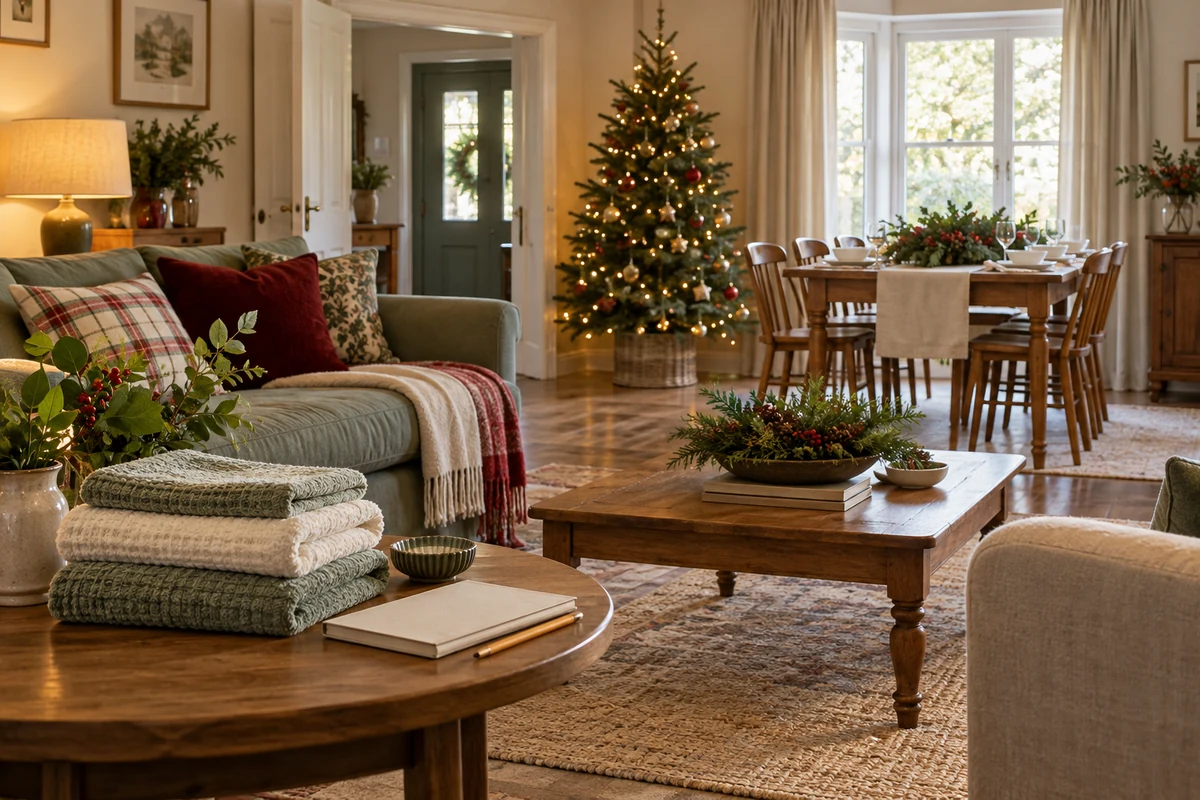
Use your plan as a guide, adjusting it when necessary. It is easier to offer a smaller meal comfortably than to force a crowded timetable to work.
A sample hosting-day routine
- Three to four hours before guests arrive: review the cooking schedule and prepare equipment. Large joints or birds may need to start earlier, so follow the actual recipe and product instructions rather than this general timetable.
- Two hours before: check fridge space, ice and drinks. You can arrange cold snacks in covered dishes, but return perishable food to the fridge until it is time to serve.
- Thirty to sixty minutes before: finish the tasks appropriate to each dish and put on checked decorative lighting. Do not leave cooked food lukewarm while waiting for guests.
- At the agreed arrival time: ask a helper to welcome visitors, show them where coats can go and point out the bathroom and drinks.
Last checks before arrival
- Bathrooms: provide clean towels, toilet paper and accessible soap.
- Sitting room and entrance: clear the routes people will use, including space needed for mobility aids.
- Drinks area: put clean cups and water within easy reach, keeping alcohol and hot drinks away from young children.
- Safety: check for trailing leads, blocked exits and decorations close to heat sources.
Keeping the pace manageable
- Serve food in sensible batches rather than relying on an ordinary dish to keep it safely hot. Follow food-safety guidance for any hot-holding equipment; repeated reheating is not a solution.
- Give helpers specific jobs: ask someone to replenish water, clear dishes or bring out bread as needed.
- Make clearing up straightforward with suitable bins and cloths, keeping waste away from food preparation.
- Focus on comfort: gentle music and useful lighting can make a room welcoming, but never use dim lighting to hide a spill or other hazard.
A backup plan for unexpected problems
- A simpler meal: suitable bread, cheese, dips or a ready-prepared dish may help, provided dietary needs, storage and cooking instructions are met.
- Alternative drinks: water and alcohol-free options can keep things straightforward.
- Extra seats: use stable chairs or benches appropriate to your guests. Floor cushions may not suit someone with limited mobility and should not obstruct the room.
Stay flexible: reducing the menu or delaying a non-essential activity can be more helpful than rushing.
Handling small problems and adding a personal touch
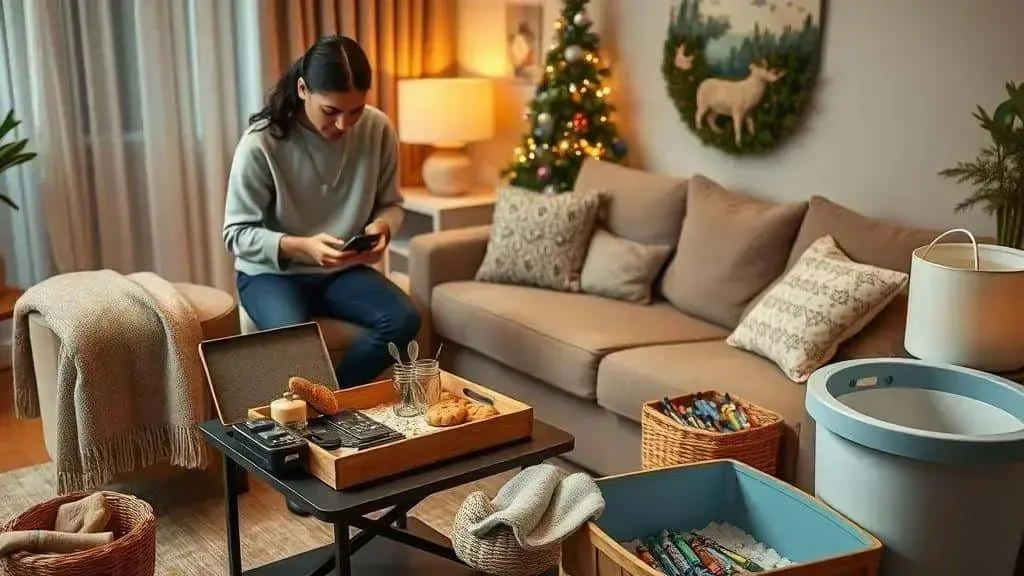
- Deal with the immediate issue: clean a spill promptly, keep people away from a wet floor and remove obstructions before continuing with other jobs.
- Put safety first: extinguish unattended candles and use a torch if the power fails. Do not improvise indoor cooking with a barbecue or other outdoor fuel-burning equipment.
- Offer suitable alternatives: a cold option can work if it has been stored safely, while frozen snacks must be cooked according to their instructions. Avoid using food that may have become unsafe during an interruption.
Practical hospitality
A warm welcome includes useful information: where to put coats, how to find the bathroom and which drinks are available. Ask before helping someone with an access need, and make space for them to move comfortably.
- Guest bathroom: a clean towel, soap and tissues are usually enough; keep medicines and cleaning chemicals securely stored.
- Drinks: offer water and a suitable alcohol-free choice, with alcohol only if you want to serve it.
- Seating: provide stable options, including chairs with support where guests need them.
Thoughtful finishing touches
A welcome note, a favourite song or a carefully prepared warm drink can be more memorable than elaborate decorations. Ask about preferences rather than assuming everyone enjoys fragrance, loud music or a busy room.
- Background music: keep the volume comfortable for conversation and allow for hearing or sensory needs.
- Fresh air and fragrance: choose an unscented setting if guests have sensitivities. Even a mild diffuser or candle can be unwelcome or irritating.
- A children’s activity area: provide age-appropriate paper, pencils or games away from the cooking space, with suitable supervision and no small parts accessible to younger children.
A useful household supplies kit
- A torch and spare batteries — store batteries securely, especially button batteries.
- Tape and scissors — for minor non-safety-critical jobs, kept away from children.
- Cloths, kitchen paper and rubbish bags — for cleaning up ordinary spills promptly.
- Personal medicines and first-aid supplies — keep medicines in their original packaging and under the responsible adult’s control. Do not offer a general assortment for guests to share.
- A small sewing kit — useful for clothing repairs, with needles and other small items safely stored.
Staying calm when plans change
Pause and choose priorities rather than trying to fix everything at once. Agree who is doing each job so that helpers do not duplicate work or miss an important task.
Keep the occasion simple: a comfortable home, a suitable meal and time together matter more than every detail looking perfect.
Ready to welcome your guests
Use this seven-day checklist as a starting point, adapting it to the work your home actually needs. Plan food safely, share tasks where possible and leave room for rest and conversation.
Thank you for reading. Follow our social channels for more practical festive ideas and inspiration.
Explore the I Love Christmas blog for recipes, seasonal activities and decorating ideas to suit your own celebration.
FAQ: preparing for Christmas guests
When should I start getting the house ready?
A week is a useful starting point for confirming visitors, planning meals and spreading out cleaning. Start earlier for repairs, deliveries or larger jobs, and simplify the list if you have less time.
How should I calculate food quantities?
Use the serving yield of a reliable recipe, the cut of meat and your guests’ appetites. Check whether weights are raw, cooked or bone-in; avoid applying one blanket portion or an automatic extra percentage to every dish.
What should I do if a guest has dietary requirements?
Ask directly, check all ingredients and keep the relevant packaging. Plan suitable preparation and separate utensils to prevent cross-contact; labels alone do not make a dish safe. Tell the guest if you cannot meet their requirements reliably.
What if there is not enough seating or space?
Use stable chairs or benches, leave clear routes and consider guests’ access needs. Rearrange or reduce the number of places rather than relying on unsuitable seating or blocking exits.
What helps prevent last-minute rushing?
Keep a realistic cooking timetable, prepare only what can safely be made ahead and give helpers specific jobs. A separate drinks area and a simpler menu can reduce pressure without compromising food safety.
Sources and Further Reading
- London Fire Brigade: Christmas fire safety checks
- HSE: safe use of cleaning substances
- Food Standards Agency: preparing an allergy-safe meal
- Food Standards Agency: Christmas food storage and leftovers
- Food Standards Agency: cooking and reheating food
- Food Standards Agency: Christmas food hygiene
- London Fire Brigade: candles and decorations